广告
加载中

万亿MRO赛道 西域助推采购供应链蝶变

亿邦动力 2021-10-22 13:23
亿邦动力 2021/10/22 13:23

邦小白快读

EN
全文速览

本文梳理了万亿MRO采购赛道的核心信息,呈现了行业现状和头部玩家的实操经验,核心干货如下:

1. 核心行业数据:国内MRO市场规模约2万亿,整体采购市场数字化渗透率不足5%,未来有望诞生营收、市值双千亿的平台,当前行业已经进入数字化需求爆发期。

2. 行业核心痛点:MRO采购占企业产值仅4%,却要消耗供应链体系40%的精力,70%产品不可计划,90%供应商未整合多为夫妻店模式,整体效率低下。

3. 头部玩家的实操做法:西域采用电商模式整合分散市场,打造产品网、物流网、数字网、服务网、人才网五张核心竞争力网,自建物流适配B端交付需求,为客户提供一站式数字化解决方案。

本文分析了国内MRO赛道的发展趋势与市场机会,能为MRO相关品牌商提供多方面参考,核心内容如下:

1. 行业消费与需求趋势:当前MRO采购数字化已经进入全面爆发期,行业进入3.0发展阶段,需求核心从通用产品合作转向专业领域解决方案,需求主体也从早年的外资企业转向国内央国企、头部民营企业,市场空间广阔。

2. 渠道建设机会:头部平台西域推出上游“丝绸之路计划”,开放对接上游品牌与供应商,打通库存数据实现按需调拨,品牌商可接入这类成熟数字化平台,借助平台流量与数字化能力触达海量企业客户,提升渠道效率。

3. 产品研发方向:需要适配企业客户零散、多品类、不可计划的采购特点,强化正品保障、数字化对接能力,适配一站式采购的需求。

本文梳理了MRO赛道的机会风险与成熟商业模式,能为入局MRO领域的卖家提供清晰参考,核心干货如下:

1. 行业机会与增长空间:国内MRO市场规模超2万亿,数字化渗透率不足5%,当前已经进入成长期,3.0时代专业解决方案需求爆发,未来增长空间大,行业有望诞生千亿级平台,政策与市场都在推动企业采购数字化转型,红利明显。

2. 可参考的商业模式与可学习点:可借鉴西域的打法,用电商模式整合国内分散的MRO市场,上游打通供应商库存数据,下游从六大维度提供数字化服务,打造五张网构建核心竞争力,针对B端交付需求专门建设适配的物流体系。

3. 风险提示:国内MRO市场分散繁杂、供应链链条长效率低,B端服务需求和C端差异极大,需要针对性解决交付、整合问题,重资产建设供应链才能满足客户要求,入局需要做好长期耕耘的准备。

本文介绍了MRO采购数字化的发展现状,能为生产型工厂提供采购升级与商业合作的多方面启示,核心内容如下:

1. 工厂采购端的升级机会:传统MRO采购占据工厂供应链体系40%的精力,却仅占产值的4%,效率低下成本高,当前成熟的数字化MRO平台已经可以提供一站式采购解决方案,能够帮助工厂降本增效,释放供应链精力聚焦核心生产业务。

2. 商业合作机会:国内MRO市场90%的供应商尚未完成整合,多为零散夫妻店模式,如果工厂有相关非生产性物料的生产供应业务,可以对接头部数字化MRO平台,接入平台生态获得更多订单,实现业务增长。

3. 数字化转型启示:当前很多工厂生产端数字化已经成熟,采购端尤其是MRO采购数字化刚刚起步,工厂可以对接成熟的第三方数字化平台快速完成采购端升级,降低自身转型成本。

本文梳理了MRO数字化赛道的行业趋势、客户痛点与成熟解决方案,能为相关领域服务商提供参考,核心干货如下:

1. 行业发展趋势:MRO是规模超2万亿的赛道,当前数字化渗透率不足5%,整体行业处于成长期,已经进入产业互联网3.0阶段,客户需求从简单的产品供应转向深度专业解决方案,需求主体转向国内本土大型企业,未来对专业服务的需求会持续增长,行业空间广阔。

2. 核心客户痛点:行业痛点集中在市场分散繁杂、采购链条长效率低,MRO采购大部分不可计划,供应商整合度极低,下游工厂信息化程度偏低,B端交付要求和C端差异极大,传统模式无法满足客户降本增效的需求。

3. 解决方案参考:可借鉴头部玩家西域的方案,打造产品、物流、数字、服务、人才五张核心能力网,打通上下游数据,针对B端需求建设专业物流体系,提供一站式解决方案,围绕客户降本增效核心需求做服务升级。

本文分析了MRO数字化赛道的客户需求与成熟平台做法,能给布局该赛道的平台商提供运营发展参考,核心干货如下:

1. 市场对平台的核心需求:国内MRO市场分散、供应商整合度低,传统采购效率低下,客户亟需能够提供一站式MRO数字化采购解决方案的平台,需要平台完成供应商整合、交付保障、系统数字化对接等全流程服务。

2. 可参考的平台运营做法:西域采用电商模式整合分散市场,上游推出“丝绸之路计划”打通供应商库存数据,下游从六大维度满足客户需求,打造五张网作为核心竞争力,专门自建物流适配B端整单发货、整单验收的需求,协同七大仓储与第三方物流实现全国覆盖及时交付。

3. 风向规避:要注意区分B端与C端的服务差异,不能照搬C端的运营逻辑,需要针对性解决B端特有需求,同时要跟随行业升级步伐,逐步从通用产品供应转向专业解决方案提供,适配3.0时代的客户需求。

本文呈现了国内MRO采购供应链数字化领域的最新产业动向,为产业研究提供了丰富的一手信息与案例,核心内容如下:

1. 产业最新动向:疫情倒逼全球供应链创新,国内企业加速采购供应链数字化转型,MRO作为数字化采购走在前列的品类,当前已经进入成长期,行业进入产业互联网3.0阶段,价值从通用供应走向专业解决方案,需求主体从早年的外资转向国内本土大型企业,未来将形成全链路协同的B2B数字生态。

2. 产业需要解决的新问题:和美国日本等成熟市场相比,国内MRO市场存在分散繁杂、采购链条长效率低、下游工厂信息化程度低等问题,传统针对大宗生产物资的采购模式无法适配MRO零散多品类的采购特点,需要新模式解决问题。

3. 创新商业模式案例:西域作为头部玩家,打造了“企业MRO采购综合解决方案提供商”的定位,通过五张网构建核心竞争力,已经服务超26000家各类企业,验证了数字化整合模式的可行性,为产业研究提供了鲜活的研究样本。

返回默认

声明:快读内容全程由AI生成,请注意甄别信息。如您发现问题,请发送邮件至 run@ebrun.com 。

我是 品牌商 卖家 工厂 服务商 平台商 研究者 帮我再读一遍。

Quick Summary

This article sorts out core information on China's trillion-yuan MRO procurement track, covering the current industry landscape and operational experience of leading players. Key takeaways are as follows:

1. Core industry data: China's MRO market has a total size of around 2 trillion yuan, with a digital penetration rate of less than 5% across the overall procurement market. The sector is currently experiencing an explosion in digital demand, and is expected to produce a platform with both RMB 100 billion in revenue and market capitalization in the future.

2. Core industry pain points: While MRO procurement only accounts for 4% of an enterprise's output value, it consumes 40% of its supply chain resources. 70% of MRO products are unplannable, and 90% of suppliers remain fragmented, mostly operating as small family-owned businesses, dragging down overall industry efficiency.

3. Operational practices of leading players: E-commerce platform Meiyye (West Region) has adopted an e-commerce model to consolidate the fragmented market, building five core competitive networks: product network, logistics network, digital network, service network and talent network. It operates self-owned logistics tailored to B2B delivery requirements, and offers customers one-stop digital procurement solutions.

This article analyzes the development trends and market opportunities in China's MRO track, offering multiple actionable insights for MRO-related brands. Key takeaways are as follows:

1. Industry consumption and demand trends: Digital MRO procurement has entered a period of full-scale expansion, and the industry has evolved into its 3.0 development stage. Core demand has shifted from generic product cooperation to professional segment-specific solutions, and demand has moved from early-stage foreign-invested enterprises to domestic central state-owned enterprises and leading private enterprises, opening up enormous market space.

2. Channel development opportunities: Leading platform Meiyye has launched its upstream "Silk Road Program", which opens up connections for upstream brands and suppliers, integrates inventory data and enables on-demand stock allocation. Brands can access these mature digital platforms to reach a large volume of enterprise customers via the platform's traffic and digital capabilities, boosting channel efficiency.

3. Product R&D directions: Brands need to adapt to the fragmented, multi-category, unplannable nature of MRO procurement, strengthen genuine product guarantees and digital connectivity capabilities, and align with the demand for one-stop procurement.

This article sorts out the opportunities, risks and mature business models in the MRO track, providing clear references for sellers entering the sector. Key takeaways are as follows:

1. Industry opportunities and growth headroom: China's MRO market exceeds 2 trillion yuan in size, with digital penetration below 5%. The industry is currently in its growth stage, and demand for professional solutions in the 3.0 era is surging, leaving large room for future growth. The sector is expected to produce a RMB 100 billion-scale platform, with both policy and market forces driving the digital transformation of corporate procurement, creating significant market dividends.

2. Referenceable business models and best practices: Sellers can learn from Meiyye's playbook: use an e-commerce model to integrate China's fragmented MRO market, connect upstream suppliers' inventory data, provide end-to-end digital services across six dimensions, build the five core networks to form competitive advantages, and develop a dedicated logistics system tailored for B2B delivery requirements.

3. Risk warnings: China's MRO market is fragmented and complex, with long, inefficient supply chains. B2B service requirements differ drastically from those of the B2C sector. Sellers must address delivery and integration challenges specifically, build supply chains with heavy asset investment to meet customer requirements, and prepare for long-term operation to succeed in the space.

This article introduces the current development status of digital MRO procurement, offering multiple insights on procurement upgrading and business cooperation for manufacturing factories. Key takeaways are as follows:

1. Upgrading opportunities for factory procurement: Traditional MRO procurement consumes 40% of a factory's supply chain resources while accounting for only 4% of its output value, resulting in low efficiency and high costs. Today, mature digital MRO platforms can provide one-stop procurement solutions that help factories cut costs, boost efficiency, and free up supply chain resources to focus on their core manufacturing business.

2. Business cooperation opportunities: 90% of suppliers in China's MRO market remain unintegrated, mostly operating as fragmented family businesses. If a factory operates production and supply of non-production materials, it can connect with leading digital MRO platforms to access the platform ecosystem, secure more orders and achieve business growth.

3. Insights on digital transformation: Many factories have already achieved mature digital transformation on the production side, but digital transformation of procurement, especially MRO procurement, is still in its early stages. Factories can partner with mature third-party digital platforms to complete procurement-side upgrading quickly and reduce in-house transformation costs.

This article sorts out industry trends, customer pain points and mature solutions in the digital MRO track, offering references for service providers in related fields. Key takeaways are as follows:

1. Industry development trends: MRO is a 2 trillion-yuan-plus track with a digital penetration rate of less than 5%. The overall industry is in the growth stage and has entered the industrial internet 3.0 era. Customer demand has shifted from simple product supply to in-depth professional solutions, and the core demand base has shifted to large domestic enterprises. Demand for professional services will continue to grow going forward, leaving enormous room for industry expansion.

2. Core customer pain points: Key industry challenges include a fragmented and complex market, long inefficient procurement chains, the unplannable nature of most MRO procurement, extremely low supplier integration, low levels of digitalization among downstream factories, and vastly different B2B delivery requirements from B2C. Traditional models cannot meet customers' demand for cost reduction and efficiency improvement.

3. Referenceable solutions: Service providers can learn from leading player Meiyye's approach: build five core capability networks covering products, logistics, digital tools, services and talent, integrate upstream and downstream data, develop a professional logistics system tailored for B2B demand, provide one-stop solutions, and upgrade services around customers' core demand for cost reduction and efficiency improvement.

This article analyzes customer demand and proven platform practices in the digital MRO track, providing references for operation and development for platform players entering the sector. Key takeaways are as follows:

1. Core market demand for platforms: China's MRO market is highly fragmented with low supplier integration, and traditional procurement is extremely inefficient. Customers urgently need platforms that can provide one-stop digital MRO procurement solutions, with end-to-end services covering supplier integration, delivery guarantee and digital system connectivity.

2. Referenceable platform operation practices: Meiyye uses an e-commerce model to integrate the fragmented market. Upstream, it launched the "Silk Road Program" to connect and integrate suppliers' inventory data; downstream, it meets customer demand across six dimensions, and built five core networks as its core competitiveness. It operates self-owned logistics specifically tailored to B2B requirements of consolidated shipment and consolidated inspection, and collaborates with seven large warehouses and third-party logistics providers to achieve nationwide coverage and on-time delivery.

3. Risk mitigation: Platforms must note the service differences between B2B and B2C, and cannot directly copy B2C operation logics. They need to address B2B-specific requirements, and align with industry upgrading by gradually shifting from generic product supply to professional solution provision to meet customer demand in the 3.0 era.

This article presents the latest industry developments in digitalization of MRO procurement and supply chain in China, providing abundant first-hand information and case studies for industrial research. Key content is as follows:

1. Latest industry developments: The COVID-19 pandemic has forced global supply chain innovation, and Chinese enterprises are accelerating the digital transformation of their procurement and supply chains. As a leading category in digital procurement, MRO has now entered the growth stage and the industrial internet 3.0 era. Its core value has shifted from generic supply to professional solutions, and the core demand base has shifted from early foreign-invested enterprises to large domestic enterprises. A fully connected collaborative B2B digital ecosystem will take shape in the future.

2. New problems to be solved for the industry: Compared with mature markets such as the U.S. and Japan, China's MRO market faces challenges including fragmentation and complexity, long inefficient procurement chains, and low digitalization among downstream factories. Traditional procurement models designed for bulk production materials cannot adapt to the fragmented, multi-category characteristics of MRO procurement, requiring new models to address these issues.

3. Case study of innovative business model: As a leading industry player, Meiyye has positioned itself as a "comprehensive enterprise MRO procurement solution provider", building core competitiveness through its five-network framework. It currently serves more than 26,000 enterprises of all types, validating the feasibility of the digital integration model and providing a fresh research sample for industrial research.

Disclaimer: The "Quick Summary" content is entirely generated by AI. Please exercise discretion when interpreting the information. For issues or corrections, please email run@ebrun.com .

I am a Brand Seller Factory Service Provider Marketplace Seller Researcher Read it again.

【亿邦原创】疫情倒逼全球供应链创新,中国供应链在其中表现出了超出预期的韧性。但同时,国内外市场的变化也促使中国企业加速推进采购供应链数字化,赛道需求已进入全面爆发期。

2021年10月16日,“2021中国政企采购供应链生态峰会”在北京召开,500+央企国企采购人代表、500+政企采购行业上下游产业链供应链代表参加会议。与会嘉宾围绕高质量发展下的中国供应链、产业链供应链的现代化变革、信息技术协同采购供应链创新发展、招采的数字化转型之道、如何构建云上生态等话题展开深入探讨。

西域供应链(上海)有限公司合伙人及副总裁李俊在此次峰会上发表“数字化转型赋能产业链”主旨演讲,他在演讲中表示,我国经济从高速增长进入中高速增长阶段,企业过去追求的是扩张,今天追求的是效率和健康。国家提出供给侧改革和双循环,在整个时代背景下,大部分制造企业开始采用数字化的能力来提高产业链和竞争力。

01

万亿市场规模下的痛与难

亿邦智库发布的《2021中国数字化采购发展报告》显示,2021年数字化采购市场正式进入成长期,其中以MRO工业品和办公用品采购数字化进程走在前列,两大品类市场规模都超过2万亿。

MRO是工业品中企业非生产性物料,传统称其为五金机电,其市场规模约在2万亿,交易环节通常在线下进行,效率较低。随着近年来我国工业品B2B行业的发展,交易环节开始线上化。

市场研究普遍认为,中国工业企业的MRO采购需求约占企业产值的4%-7%。亿邦智库报告预测,在十万亿级、数字化渗透率不足5%的采购市场内,将有希望诞生一批营收过千亿、市值过千亿的双千亿平台。

但机会之下也是无可回避的痛点,美国、日本等成熟MRO市场相比,中国市场核心特点是分散繁杂、采购涉及的链条长且效率低下、下游工厂的信息化程度低。西域供应链(上海)有限公司合伙人及副总裁李俊在接受亿邦动力专访时,分享了国内MRO市场的4个关键维度的数据:

平均来讲,企业在MRO采购上的占比是4%,但却需要花费公司供应链体系40%的精力;不同于生产物资采购,MRO采购有70%的产品是不可计划的;供应商体系里,90%的企业没有经过整合,仍然是夫妻店模式;主要的供应商合作金额基本不超过1万块钱。

痛点就是机遇,电商巨头、垂直电商、品牌企业、技术企业纷纷下场,利用技术和平台各显神通;难点就是突破点,经得起市场检验的解决方案成为企业突出重围的关键。

02

西域供应链的数字化打法


基于国内市场特点,李俊认为国内MRO的发展首先要改变模式:“原来的采购管理模式对应的是大型生产物资或者产品价值比较高的物资,对于国内零散、数量多的MRO物资来说,应该用电商的方式来整合。”具体到公司策略上,西域针对上下游客户提供不同的服务体系。

上游品牌有“丝绸之路计划”,连接上游各平台方和主要供应商库存,建立数据库存,根据用户需求快速调拨,满足客户产品需要,实现数据打通。下游从产品丰富性、交付时间和状态、交付价格、交付正品、数字化服务、数据报告六大维度为客户提供数字化产品和解决方案。

西域为企业降本增效的方式不仅仅是提供高性价比的产品,更多的是提供一站式的MRO解决方案,从服务、系统、供应链管理等方面帮企业降低采购成本。同时通过“五张网”的核心竞争力——产品网、物流网、数字网、服务网、人才网——帮助客户解决买得到、快速交货、正品行货、降本增效的需求。

而这并不是易事。B端和C端的服务场景仍存在巨大差异,以物流配送为例,C端场景配送只需要零散地把产品寄给人就可以,但B端场景下往往需要整单发货、整单入库和验收。西域为了提升B端客户的物流服务体验,于今年9月份成立了狮行物流公司,旨在不断强化供应链建设,在数字化转型的过程中,逐步构建快速反应的数字化物流体系,构建面向未来的高效能、极致体验智能化物流服务。目前,西域拥有的七大仓储系统与第三方物流配送体系高效协同,智能供应链覆盖全国,确保了产品的及时交付。

“西域对数字供应链的探索走在国内前列,未来我们也会持续地通过西域核心竞争力的五张网去帮助市场成熟。”李俊说道。

03

3.0时代MRO的崛起之路

数字供应链升级是企业从生产数字化转向到采购数字化的升级,涉及供应商、内部用户、生产保障等方面。“从整个数字供应链体系来看,生产物资数字化很多企业已经做的不错了,但是MRO数字化目前才刚刚开始。”李俊认为MRO赛道完成了前期对市场的教育和培育,到今天进入流动市场,未来还有非常大的空间和机会。

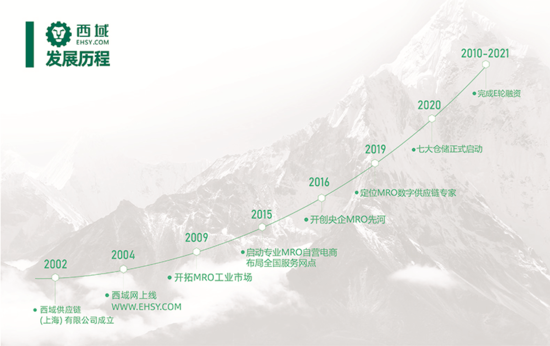
国内MRO市场主要分为三个阶段:第一阶段是2010年前的十多年,产业互联网1.0阶段,产品实现网络信息化,但对接交易还是通过线下完成;从2010到2016年是产业互联网2.0时代,整个交易结构可以通过技术在网站上实现,通过SaaS跟企业内部系统的对接,在线上形成闭环;16年以后是产业互联网3.0时代,价值从通用走向专业。

在这个过程中,国内市场也经历了客户的觉醒,2015年以前外企主导国内MRO需求和发展,2015年以后,主体需求转向国内大型企业尤其是央国企和重点民营企业。“在产业互联网3.0时代,MRO企业价值的核心不再是简单的通用产品合作,而是要深入到专业领域,提供解决方案”李俊提到,西域是第一家开始打造专业方案、专业产品结构的供应链公司,始终搏击在数字供应链前沿。

作为MRO数字供应链专家,西域对自身的定位为企业MRO采购领域的综合解决方案提供商,而不仅仅是商品采购供应商。自2002年成立以来,西域基于自身对企业市场的十多年深刻理解,通过发挥自身技术、产品、服务等基础设施优势,推动企业供应链及管理全流程的数字化升级,在货物品质、高效配送、供应商匹配、客户针对性技术服务等方面展现了突出的供应链综合竞争实力。

截至目前,西域供应链已为包括中国五大发电央企集团、十大军工央企集团、中国电建集团、中国能建集团、中国交建集团、中国铁建集团、国家电网、中煤集团、鞍钢集团、首钢集团等超26000多家企业提供数字化升级服务支持。

企业数字化采购已转入高速发展的快车道,未来,数字化采购将推动形成体系化的B2B交付供应链,将供应商、平台方、经销商、末端网点协同打通。这个生意或许不像C端新经济变革那般性感,但坚定而专注的耕耘,将让其成为企业采购的新基建,构建一个全新生态。

正如李俊对行业未来的畅想:“随着整个产业互联网MRO发展,未来B端也一定会达到现在C端的数字化体验,形成包括产品、服务等在内的数字生态。”

文章来源:亿邦动力

广告
微信
朋友圈

这么好看,分享一下?

朋友圈 分享

APP内打开

赞 +1
+1
微信好友 朋友圈 新浪微博 QQ空间
关闭
收藏成功
发送
/140 0