广告
加载中

“双十一”增长40% 拉夏贝尔开启价值增长新周期

龚作仁 2026-11-18 13:24
龚作仁 2026/11/18 13:24

邦小白快读

EN
全文速览

总1:这次双十一拉夏贝尔的核心看点是规模与客单价同步增长。

1.全渠道GMV突破13亿元,同比增长40%,客单价同比提升15%-20%。

2.分平台看,抖音增92%、快手增169%、拼多多增170%、视频号增55%、天猫增26%。

3.爆品包括天猫毛呢大衣热销榜TOP1、虞书欣同款长款毛呢大衣好评榜TOP1,同款羽绒服进入热销榜。

总2:可借鉴的实操在于用品牌、商品和渠道共同承接需求。

1.官宣虞书欣当天全渠道GMV6000万元,相关商品贡献超2000万元,部分羽绒服、大衣售罄转预售。

2.产品端推三季羽绒、拉夏鲜羽、大师系列羽绒三件套,强调可拆分组合和羽绒服女装化。

3.供应链端部分小件快反周期5~7天,6万平方米智慧物流中心支撑交付;未来优化预测、产能储备和库存调配,并计划2027年新开300—500家门店。

总1:品牌营销重点在把声量转成消费需求。

1.10月11日官宣虞书欣为全球品牌代言人,官宣当天全渠道GMV6000万元,相关商品贡献超2000万元,部分羽绒服、大衣售罄转预售。

2.双十一明星营销关注进一步转化需求;未来深化明星合作与内容共创,拓展合作矩阵,推动设计师联名、品牌大秀成为持续性事件。

总2:渠道、产品与定价共同支撑价值增长。

1.抖音、快手、拼多多、视频号、天猫均增长;未来加大线上种草、社媒及线下梯媒、户外大屏、核心商圈广告,2027年计划新开300—500家门店并升级形象、体验和会员运营。

2.产品围绕三季羽绒、拉夏鲜羽、大师系列羽绒三件套做设计创新与品质升级,强调羽绒服女装化和可拆分组合;客单价同比提升15%-20%,显示价值接受度提高,品牌以设计、品质与合理定价建立质价比优势,推动竞争从价格比较转向综合产品价值。

总1:增长市场集中在多平台和差异化商品。

1.双十一全渠道GMV突破13亿元,同比增长40%,客单价提升15%-20%;抖音增92%、快手增169%、拼多多增170%、视频号增55%、天猫增26%。

2.毛呢大衣、虞书欣同款大衣、同款羽绒服和大师系列羽绒三件套热销,部分爆款供不应求。

总2:可学习点与机会提示。

1.用明星营销提升品牌声量,再用差异化商品承接需求,并以多平台渠道实现销售增长。

2.供应链协同推动热门商品补单,部分小件快反周期5~7天,6万平方米智慧物流中心支撑交付;未来优化销售预测、产能储备和库存调配。

3.品牌将加大对优质合作伙伴支持,商品开发协同,探索库存及资金支持,渠道经营加强营销资源协同、运营指导和会员管理,技术应用推进AI辅助选品、销售预测和库存管理。风险是爆款供货紧张,需要关注预测与库存调配。

总1:产品生产和设计需求更强调品类分工与快反。

1.设计端建立内部企划与外部设计师协同体系,把全球海量设计师落实到商品供给;产品方向包括三季羽绒、拉夏鲜羽、大师系列羽绒三件套,强调可拆分、自由组合和羽绒服女装化。

2.制造端按服装品类引入专业工厂,强化品质与快速响应能力;部分小件快反周期已压缩至5~7天,6万平方米智慧物流中心支撑订单交付。

总2:商业机会与数字化启示。

1.双十一集中需求下,通过商品企划、专业制造与渠道经营协同推动热门商品补单,并根据市场反馈调整供给节奏;未来优化销售预测、产能储备和库存调配。

2.专业制造商可集中资源深耕优势品类;优质合作伙伴可获更多营销、商品开发及经营资源倾斜,符合条件者探索库存及资金支持。

3.技术应用推进AI辅助选品、销售预测和库存管理,品牌完善品质管理体系,把资源向品质稳定、市场表现良好的伙伴倾斜。

总1:行业趋势是从流量爆发转向价值增长。

1.服装行业竞争加剧、消费需求分化,拉夏贝尔通过品牌力、产品力与渠道经营能力相互促进形成增长链路。

2.BMS+D生态模式以品牌为枢纽,把全球设计师资源、专业制造能力和多元销售渠道纳入协同体系,强调品牌总部资源整合与生态专业分工。

总2:客户痛点与解决方案。

1.痛点是爆款供不应求、部分商品供货紧张,需要补单、销售预测、产能储备和库存调配。

2.解决方案包括商品企划、专业制造与渠道经营数据反馈协同,小件快反周期压缩至5~7天,6万平方米智慧物流中心支撑交付。

3.新技术方向是AI辅助选品、销售预测和库存管理;品牌还计划加强营销资源协同、运营指导、会员管理,并为符合条件的合作伙伴探索库存及资金支持。

总1:品牌对平台的需求集中在多平台承接与经营协同。

1.双十一拉夏贝尔全渠道GMV突破13亿元,同比增长40%,抖音增92%、快手增169%、拼多多增170%、视频号增55%、天猫增26%,显示品牌正以多平台渠道矩阵承接明星营销和爆款需求。

2.平台侧可关注品牌线上内容种草、社交媒体传播与线下梯媒、户外大屏、核心商圈广告的协同,以及2027年新开300—500家门店、升级门店形象、消费体验和会员运营。

总2:平台运营与风向规避。

1.渠道合作伙伴的经营数据与市场反馈会推动商品企划和供应链优化,平台可关注营销资源协同、运营指导与会员管理。

2.招商和合作机会在于品牌加大对优质合作伙伴支持,探索库存及资金支持,推进AI辅助选品、销售预测和库存管理。

3.风险提示是爆款供货紧张,需优化销售预测、产能储备和库存调配,避免集中需求下的交付波动。

总1:产业新动向是品牌从单次大促增长转向生态协同增长。

1.双十一全渠道GMV突破13亿元,同比增长40%,客单价提升15%-20%,多平台均增长;毛呢大衣、大师系列羽绒三件套等爆品支撑商品端表现。

2.拉夏贝尔以BMS+D模式连接品牌、制造、销售和设计,以品牌为枢纽整合全球设计师、专业制造与多元渠道,强调生态内专业分工。

总2:商业模式与产业启示。

1.朱风伟提出产业链协同是地基,品牌推广投入是杠杆;制造效率决定供给能力,品牌投入提升认知并带动需求,两者协同才能把产业链优势转为市场竞争力。

2.品牌将长期保持亿元级推广投入,预计2027年加大力度,并通过明星矩阵、设计师联名、品牌大秀、线上线下传播和门店扩张沉淀品牌资产。

3.新问题包括爆款供货紧张、销售预测、产能储备和库存调配;启示是追求有质量的增长,让工厂、设计师和渠道伙伴分享与贡献相匹配的回报,品牌投入形成的声量和信任成为生态共享资源。

返回默认
声明:快读内容全程由AI生成,请注意甄别信息。如您发现问题,请发送邮件至 run@ebrun.com 。

我是 品牌商 卖家 工厂 服务商 平台商 研究者 帮我再读一遍。

Quick Summary

Summary 1: The core highlight of La Chapelle's Double 11 this year is simultaneous growth in scale and average order value.

1. Omnichannel GMV exceeded RMB 1.3 billion, up 40% YoY, while average order value rose 15%–20% YoY.

2. By platform, Douyin grew 92%, Kuaishou 169%, Pinduoduo 170%, WeChat Channels 55%, and Tmall 26%.

3. Hit products included the No. 1 item on Tmall's wool coat bestseller list and the No. 1 item on the positive-review list for the Yu Shuxin same-style long wool coat; the matching down jacket also entered the bestseller list.

Summary 2: The actionable takeaway is to use brand, product, and channel together to capture demand.

1. On the day Yu Shuxin was announced, omnichannel GMV reached RMB 60 million, with related products contributing more than RMB 20 million; some down jackets and coats sold out and shifted to pre-sale.

2. On the product side, La Chapelle launched three-season down, La Chapelle Fresh Down, and the Master Series down three-piece set, emphasizing modular combinations and the fashionization of down jackets.

3. On the supply chain side, some small-item quick-response cycles are 5–7 days, and a 60,000-square-meter smart logistics center supports delivery; in the future, the company will optimize forecasting, capacity reserves, and inventory allocation, and plans to open 300–500 new stores by 2027.

Summary 1: Brand marketing focuses on converting awareness into consumer demand.

1. On October 11, La Chapelle announced Yu Shuxin as global brand ambassador. On the announcement day, omnichannel GMV reached RMB 60 million, with related products contributing more than RMB 20 million; some down jackets and coats sold out and shifted to pre-sale.

2. During Double 11, celebrity marketing focused on further converting demand; in the future, the brand will deepen celebrity partnerships and content co-creation, expand its partnership matrix, and make designer collaborations and brand shows ongoing events.

Summary 2: Channel, product, and pricing together support value growth.

1. Douyin, Kuaishou, Pinduoduo, WeChat Channels, and Tmall all grew; in the future, the brand will increase online seeding, social media, and offline elevator media, outdoor screens, and core commercial district advertising, and plans to open 300–500 new stores by 2027 while upgrading store image, experience, and member operations.

2. Products will focus on design innovation and quality upgrades around three-season down, La Chapelle Fresh Down, and the Master Series down three-piece set, emphasizing the fashionization of down jackets and modular combinations; average order value rose 15%–20% YoY, indicating greater acceptance of value. The brand is building a quality-price advantage through design, quality, and reasonable pricing, shifting competition from price comparison to overall product value.

Summary 1: Growth markets are concentrated in multiple platforms and differentiated products.

1. Double 11 omnichannel GMV exceeded RMB 1.3 billion, up 40% YoY, with average order value up 15%–20%; Douyin grew 92%, Kuaishou 169%, Pinduoduo 170%, WeChat Channels 55%, and Tmall 26%.

2. Wool coats, Yu Shuxin same-style coats, matching down jackets, and the Master Series down three-piece set sold well, with some hit products in short supply.

Summary 2: Lessons and opportunity signals.

1. Use celebrity marketing to raise brand awareness, then capture demand with differentiated products, and achieve sales growth through multi-platform channels.

2. Supply chain collaboration drives replenishment of popular products; some small-item quick-response cycles are 5–7 days, and a 60,000-square-meter smart logistics center supports delivery; in the future, the company will optimize sales forecasting, capacity reserves, and inventory allocation.

3. The brand will increase support for quality partners, collaborate on product development, explore inventory and funding support, strengthen marketing resource coordination, operational guidance, and member management in channel operations, and advance AI-assisted product selection, sales forecasting, and inventory management. The risk is tight supply of hit products, requiring attention to forecasting and inventory allocation.

Summary 1: Product production and design needs place greater emphasis on category division and quick response.

1. On the design side, La Chapelle has established a collaborative system between internal planning and external designers, translating a large global pool of designers into product supply; product directions include three-season down, La Chapelle Fresh Down, and the Master Series down three-piece set, emphasizing modularity, free combination, and the fashionization of down jackets.

2. On the manufacturing side, the company introduces specialized factories by apparel category to strengthen quality and rapid response capabilities; some small-item quick-response cycles have been reduced to 5–7 days, and a 60,000-square-meter smart logistics center supports order delivery.

Summary 2: Business opportunities and digitalization implications.

1. Under concentrated Double 11 demand, product planning, specialized manufacturing, and channel operations work together to drive replenishment of popular products and adjust supply pace based on market feedback; in the future, the company will optimize sales forecasting, capacity reserves, and inventory allocation.

2. Specialized manufacturers can focus resources on deepening their advantage categories; quality partners can receive more marketing, product development, and operational resources, and eligible partners can explore inventory and funding support.

3. Technology applications will advance AI-assisted product selection, sales forecasting, and inventory management; the brand will improve its quality management system and direct resources toward partners with stable quality and strong market performance.

Summary 1: The industry trend is shifting from traffic surges to value growth.

1. Competition in the apparel industry is intensifying and consumer demand is diverging. La Chapelle is forming a growth chain by mutually reinforcing brand power, product power, and channel operating capability.

2. The BMS+D ecosystem model uses the brand as a hub to integrate global designer resources, specialized manufacturing capabilities, and diverse sales channels into a collaborative system, emphasizing resource integration by brand headquarters and specialized division of labor within the ecosystem.

Summary 2: Customer pain points and solutions.

1. The pain point is that hit products are in short supply and some products face tight supply, requiring replenishment, sales forecasting, capacity reserves, and inventory allocation.

2. Solutions include collaboration across product planning, specialized manufacturing, and channel-operation data feedback; small-item quick-response cycles have been reduced to 5–7 days, and a 60,000-square-meter smart logistics center supports delivery.

3. The new technology direction is AI-assisted product selection, sales forecasting, and inventory management; the brand also plans to strengthen marketing resource coordination, operational guidance, and member management, and to explore inventory and funding support for eligible partners.

Summary 1: Brand demand for platforms centers on multi-platform demand capture and operational collaboration.

1. La Chapelle's Double 11 omnichannel GMV exceeded RMB 1.3 billion, up 40% YoY; Douyin grew 92%, Kuaishou 169%, Pinduoduo 170%, WeChat Channels 55%, and Tmall 26%, showing that the brand is using a multi-platform channel matrix to capture celebrity marketing and hit-product demand.

2. On the platform side, attention can be paid to coordination between the brand's online content seeding and social media communication and offline elevator media, outdoor screens, and core commercial district advertising, as well as the plan to open 300–500 new stores by 2027 and upgrade store image, consumer experience, and member operations.

Summary 2: Platform operations and trend risk avoidance.

1. Channel partners' operating data and market feedback will drive product planning and supply chain optimization; platforms can focus on marketing resource coordination, operational guidance, and member management.

2. Merchant recruitment and partnership opportunities lie in the brand increasing support for quality partners, exploring inventory and funding support, and advancing AI-assisted product selection, sales forecasting, and inventory management.

3. The risk warning is tight supply of hit products; sales forecasting, capacity reserves, and inventory allocation need to be optimized to avoid delivery fluctuations under concentrated demand.

Summary 1: The new industry development is that brands are shifting from one-off promotional growth to ecosystem-collaborative growth.

1. Double 11 omnichannel GMV exceeded RMB 1.3 billion, up 40% YoY, with average order value up 15%–20%, and all major platforms grew; hit products such as wool coats and the Master Series down three-piece set supported product-side performance.

2. La Chapelle uses the BMS+D model to connect brand, manufacturing, sales, and design, using the brand as a hub to integrate global designers, specialized manufacturing, and diverse channels, and emphasizing specialized division of labor within the ecosystem.

Summary 2: Business model and industry implications.

1. Zhu Fengwei proposed that industrial-chain collaboration is the foundation and brand promotion investment is the lever; manufacturing efficiency determines supply capacity, while brand investment raises awareness and drives demand. Only when the two work together can industrial-chain advantages be converted into market competitiveness.

2. The brand will maintain promotion investment in the RMB 100 million range over the long term, expects to increase it in 2027, and will build brand equity through a celebrity matrix, designer collaborations, brand shows, online and offline communication, and store expansion.

3. New issues include tight supply of hit products, sales forecasting, capacity reserves, and inventory allocation; the implication is to pursue quality growth, ensure that factories, designers, and channel partners share returns commensurate with their contributions, and make the awareness and trust generated by brand investment shared ecosystem resources.

Disclaimer: The "Quick Summary" content is entirely generated by AI. Please exercise discretion when interpreting the information. For issues or corrections, please email run@ebrun.com .

I am a Brand Seller Factory Service Provider Marketplace Seller Researcher Read it again.

今年“双十一”,拉夏贝尔实现销售规模与客单价的同步增长。数据显示,大促期间,品牌全渠道GMV突破13亿元,同比增长40%,客单价同比提升15%-20%。其中,抖音同比增长92%,快手同比增长169%,拼多多同比增长170%,微信视频号同比增长55%,天猫同比增长26%,呈现多平台共同增长的态势。

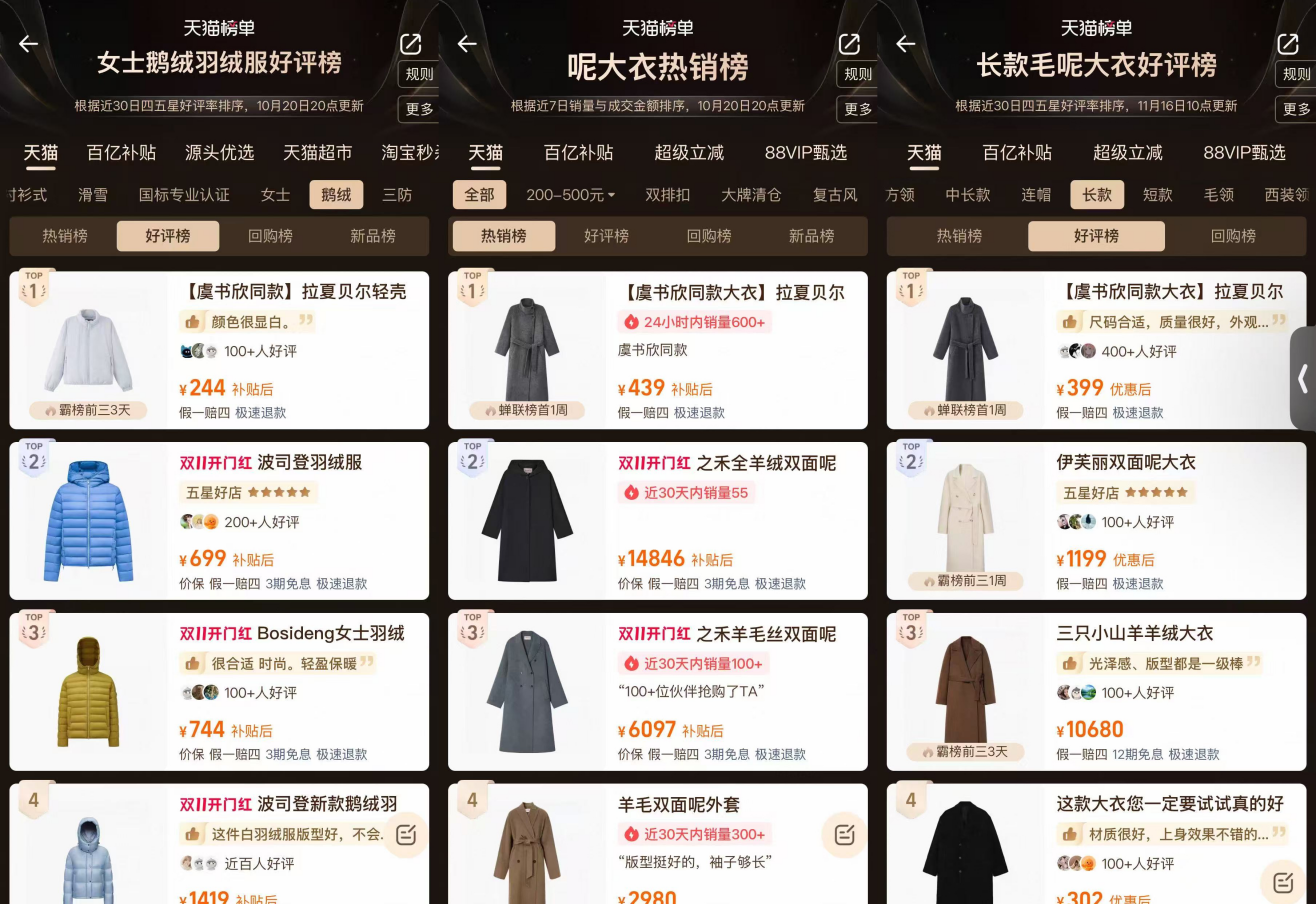
在商品端,拉夏贝尔同样表现突出:品牌登顶天猫毛呢大衣热销榜TOP1,虞书欣同款长款毛呢大衣位列天猫好评榜TOP1,同款羽绒服也跻身天猫羽绒服热销榜。在服装行业竞争加剧、消费需求日益分化的背景下,多渠道增长与客单价提升同步出现,反映出拉夏贝尔在品牌建设、商品创新及渠道经营方面取得的阶段性成效。相比单次大促的销售表现,更值得关注的是其背后正在形成的增长机制。

从流量爆发到价值增长,品牌与产品双轮驱动

10月11日,拉夏贝尔官宣虞书欣为全球品牌代言人。官宣当天,全渠道GMV达到6000万元,其中虞书欣相关商品贡献超过2000万元,部分羽绒服、大衣等商品迅速售罄并转入预售。进入“双十一”,明星营销带来的品牌关注进一步转化为消费需求。

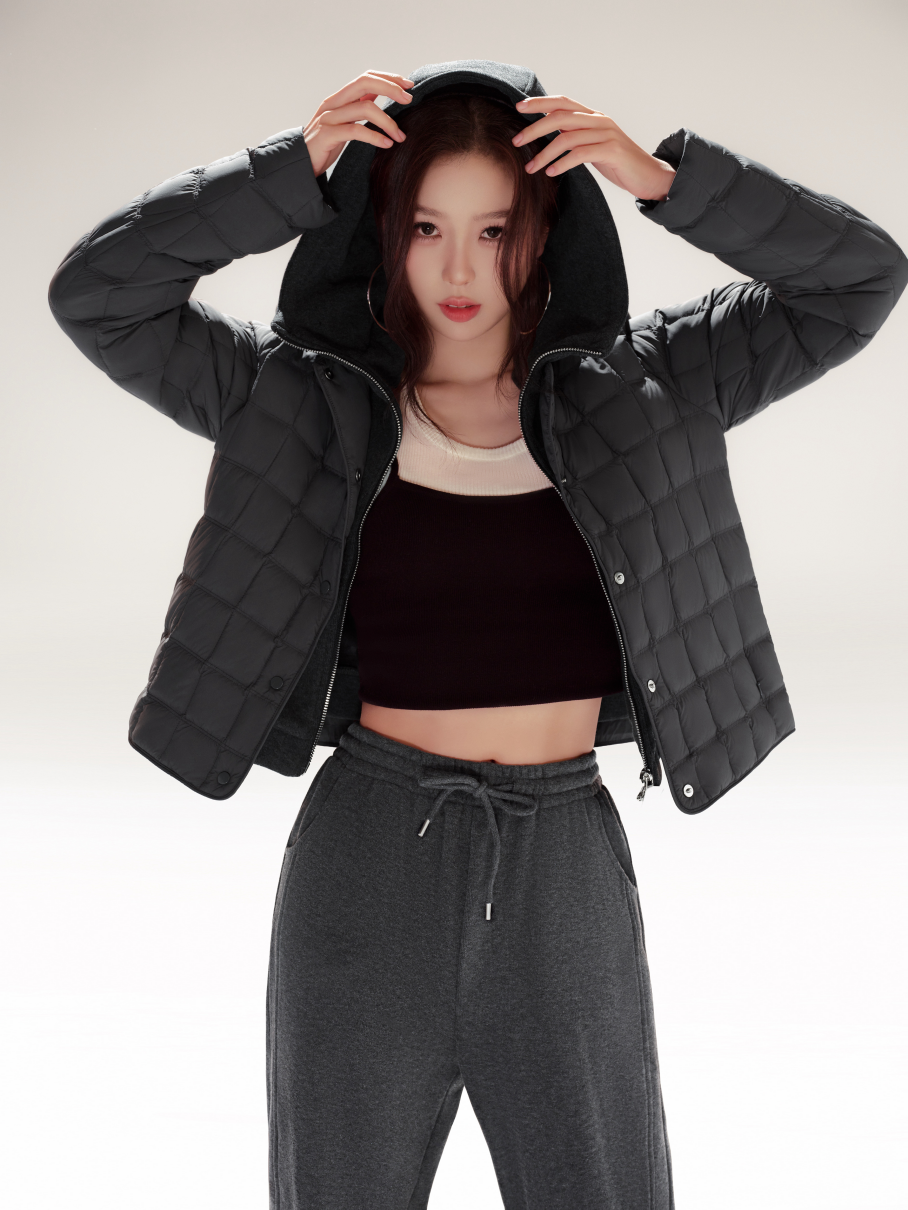
拉夏贝尔全球品牌代言人虞书欣

在拉夏贝尔董秘朱风伟看来,此次增长并非单一营销动作的结果,而是渠道优化、品牌投入与商品差异化共同作用的体现。

自2025年以来,拉夏贝尔“携全球海量设计师的国民时尚女装”战略定位,持续引进优质供应链及渠道合作伙伴,优化商品经营效率,为品牌提供了更加差异化的商品供给;与此同时,持续加大品牌推广投入,强化消费者认知,推动品牌焕新。

今年秋冬,拉夏贝尔围绕“三季羽绒”“拉夏鲜羽”等产品方向,推动设计创新与品质升级。其中,大师系列羽绒三件套通过可拆分、自由组合的穿搭方式,拓展了不同于传统羽绒服的时尚穿着场景。

拉夏贝尔首席设计师NIUNIU介绍,三季羽绒的开发初衷,是改变传统羽绒服以御寒为主的产品逻辑,将时尚设计与实穿价值结合起来。

“这次设计的核心,是把羽绒服从一件御寒工具回归到女装时尚穿搭,也就是我们所说的羽绒服女装化。”NIUNIU表示。

这一产品思路获得了市场正向反馈。“双十一”期间,拉夏贝尔毛呢大衣、大师系列羽绒三件套等商品持续热销,部分爆款供不应求。

销售规模增长的同时,客单价的提升则释放出另一个积极信号:消费者对拉夏贝尔商品价值的接受度正在提高。品牌正通过设计创新、品质提升与合理定价建立“质价比”优势,推动市场竞争从单纯的价格比较转向综合产品价值。

从明星营销提升品牌声量,到差异化商品承接消费需求,再到多平台渠道实现销售增长,拉夏贝尔正在形成品牌力、产品力与渠道经营能力相互促进的增长链路。

BMS+D模式深化,产业链协同构建增长底盘

在此次“双十一”增长背后,BMS+D生态商业模式成为重要支撑。

这一模式由Brand(品牌)、Manufacturer(制造)、Sales(销售)和Designer(设计)构成,以品牌为枢纽,将全球设计师资源、专业制造能力与多元销售渠道纳入协同体系。

与单纯依赖渠道规模扩张不同,BMS+D更强调品牌总部的资源整合能力,以及生态内不同主体的专业分工。在设计端,拉夏贝尔建立内部企划与外部设计师协同的商品开发体系,让“全球海量设计师”从品牌定位落实到商品供给;在制造端,按照服装品类引入专业工厂,强化品质与快速响应能力;在销售端,通过渠道合作伙伴的经营数据与市场反馈,推动商品企划和供应链持续优化。此次“双十一”的市场表现,也为这一模式提供了实际检验。面对集中释放的消费需求,拉夏贝尔通过商品企划、专业制造与渠道经营之间的协同,推动热门商品补单,并根据市场反馈调整供给节奏。

据悉,目前部分小件品类快反周期已压缩至5~7天,华中地区6万平方米智慧物流中心为订单交付提供支撑。针对部分爆款供货紧张的问题,未来还将进一步优化销售预测、产能储备与库存调配机制。

朱风伟在谈及品牌发展时指出:“产业链协同是地基,品牌推广投入是杠杆。”在他看来,没有品牌投入,供应链效率就只是成本优势,难以真正转化为消费者认知。

这一判断揭示了拉夏贝尔商业模式的核心逻辑:制造效率决定商品供给能力,品牌投入则提升消费者认知并带动市场需求。两者形成协同,才能将产业链优势转化为市场竞争力。

对于专业制造商而言,可以集中资源深耕优势品类;对于渠道合作伙伴而言,可以依托品牌的设计资源与市场影响力提升经营能力;品牌总部则通过持续建设品牌资产和完善生态体系,为不同环节的协同提供支撑。

由此,拉夏贝尔希望建立的不只是更大的销售网络,而是一个能够持续创造商品价值、提高经营效率的产业协同体系。

亿元级品牌投入持续加码,生态伙伴共享增长红利

相比一次大促带来的销售增长,拉夏贝尔更长远的战略布局,在于通过持续的品牌投入,将市场热度沉淀为长期品牌资产。

拉夏贝尔董秘朱风伟表示,品牌力建设是拉夏贝尔最重要的战略支点。未来将长期保持亿元级别的品牌推广投入,预计2027年进一步加大投入力度,推动品牌建设向系统化、长期化升级。

根据规划,拉夏贝尔将深化明星合作与内容共创,围绕不同季节和核心品类拓展明星合作矩阵,并推动设计师联名、品牌大秀成为持续性的品牌事件,强化“全球海量设计师”的市场认知。

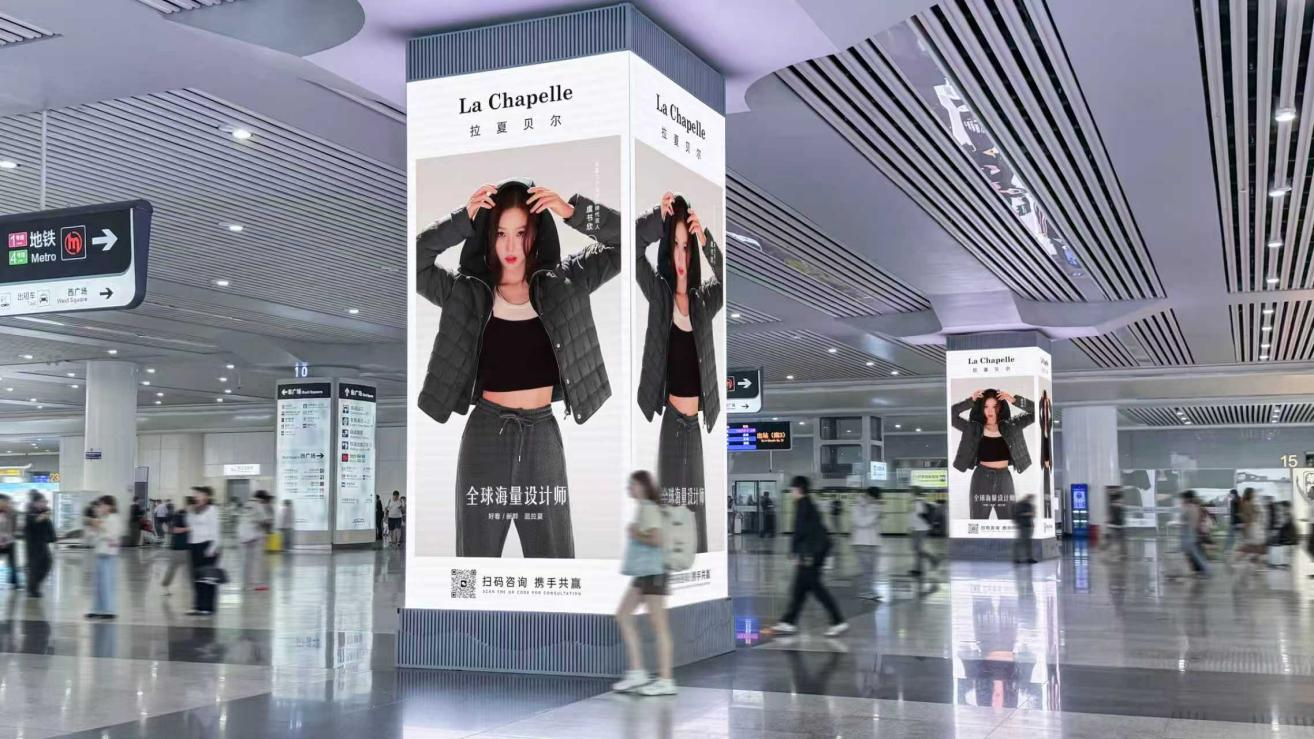
在品牌传播方面,拉夏贝尔计划进一步加大线上内容种草、社交媒体传播及线下梯媒、户外大屏、核心商圈广告等投入,形成线上线下协同的传播体系。

2026年拉夏贝尔大幅投放线下硬广画面

线下渠道也将成为重要的投入方向。2027年,拉夏贝尔计划新开300—500家门店,并同步升级门店形象、消费体验及会员运营体系,将品牌影响力进一步延伸至实际消费场景。

在BMS+D模式下,品牌总部持续投入所形成的市场认知与消费者信任,不仅服务于品牌自身经营,也成为生态合作伙伴可以共同受益的重要资源。

“品牌投入带来的是声量和信任,也是长期的品牌力建设,这是生态内共享的公共资源。”朱风伟表示。

按照未来规划,拉夏贝尔将进一步加大对优质合作伙伴的支持力度。在商品开发方面,推动设计企划、专业制造与渠道需求协同,并探索为符合条件的合作伙伴提供库存及资金支持;在渠道经营方面,加强营销资源协同、运营指导与会员管理;在技术应用方面,推进AI辅助选品、销售预测和库存管理等能力建设,提升生态整体经营效率。

与此同时,品牌将进一步完善品质管理体系,把更多营销、商品开发及经营资源向品质稳定、市场表现良好、愿意长期投入的优质合作伙伴倾斜,使品牌建设成果进一步转化为生态体系的经营机会。

“百亿是结果,不是目的。我们希望通过产业链体系协同,追求有质量的增长,让品牌重新被消费者看见、产品被选择、品质受信任。”朱风伟在谈及未来发展时表示,也希望让生态中的工厂、设计师和渠道合作伙伴,都能够从品牌增长中分享到与自身贡献相匹配的回报。

从此次“双十一”全渠道销售同比增长40%,到未来持续加码品牌建设与生态协同,拉夏贝尔正在推动品牌竞争力向产业生态竞争力延伸。在这一过程中,拉夏贝尔通过持续投入创造市场需求,专业合作伙伴依托各自优势提升经营效率,共同推动品牌价值的长期释放。

这也意味着,拉夏贝尔下一阶段的增长空间,将不仅取决于自身经营规模,更来自整个生态体系持续创造价值的能力。

注:文/龚作仁,文章来源:Laborer,本文为作者独立观点,不代表亿邦动力立场。

文章来源:Laborer

广告
微信
朋友圈

FAQ回顾

拉夏贝尔的BMS D生态商业模式是什么?

BMS D由Brand(品牌)、Manufacturer(制造)、Sales(销售)和Designer(设计)构成,以品牌为枢纽,整合全球设计师资源、专业制造能力与多元销售渠道,强调品牌总部资源整合和生态内专业分工。

拉夏贝尔2026年双十一销售表现如何?

2026年双十一,拉夏贝尔全渠道GMV突破13亿元,同比增长40%,客单价同比提升15%-20%。抖音同比增长92%,快手增长169%,拼多多增长170%,微信视频号增长55%,天猫增长26%。

拉夏贝尔签约虞书欣为全球品牌代言人带来了哪些市场效果?

2026年10月11日官宣当天,拉夏贝尔全渠道GMV达6000万元,虞书欣相关商品贡献超过2000万元,部分羽绒服、大衣迅速售罄并转入预售;双十一期间,明星营销带来的品牌关注进一步转化为消费需求。

羽绒服女装化是什么产品思路?

拉夏贝尔首席设计师NIUNIU提出,三季羽绒旨在改变传统羽绒服以御寒为主的产品逻辑,把羽绒服从御寒工具回归到女装时尚穿搭,通过设计创新与实穿价值结合,拓展不同于传统羽绒服的穿着场景。

拉夏贝尔未来在品牌建设和渠道方面有哪些规划?

拉夏贝尔将长期保持亿元级品牌推广投入,预计2027年进一步加大;计划2027年新开300—500家门店,升级门店形象、消费体验及会员运营,并深化明星合作、设计师联名和线上线下传播。

这么好看,分享一下?

朋友圈 分享

APP内打开

赞 +1
+1
微信好友 朋友圈 新浪微博 QQ空间
关闭
收藏成功
发送
/140 0