广告
加载中

红熊AI 董事长董勇刚受邀出席第二届海归小镇嘉年华 分享独角兽企业成长经验

龚作仁 2026-10-26 15:11
龚作仁 2026/10/26 15:11

邦小白快读

EN
全文速览

总1 重点信息与实操干货

1. 红熊AI不跟大厂拼基座模型,认为以自身体量拼基座是数学问题,转向企业AI“失忆”痛点。

2. MemoryBear把记忆分工作、短期、长期、永久四层,配ACT-R双记忆架构、艾宾浩斯遗忘曲线动态调度、智能语义剪枝、3D自我反思引擎,让AI知道什么马上用、什么存着、什么淡化。

总2 创业方法可借鉴

1. 研发不是先做技术再找应用,而是让产业真问题排优先级,首个试验场是通信运营商。

2. 给创业者的三条建议:从产业缺什么出发、选能建立长期壁垒的方向、把海归经历变视野优势;结语强调技术领先只是起点,市场成功才是终点。

总1 产品研发与用户洞察

1. 红熊AI从客服场景“聊半小时换窗口就忘”切入,说明用户行为与体验痛点可反向定义产品;MemoryBear长期记忆沉淀用户偏好与行为模式,按遗忘曲线动态调度。

2. 产品设计采用四层记忆和多项技术底座,强调记忆自主演化,让AI区分即时调用、筛选冗余、沉淀偏好、校验核心知识。

总2 差异化与品牌叙事

1. 不卷通用大模型,选择AI记忆科学赛道,以“给AI装海马体”形成清晰品牌记忆点。

2. 以产业最痛处验证技术,从通信运营商复杂真实大规模场景起步,并用潜在独角兽、哪吒企业等荣誉强化品牌背书;技术领先只是起点,市场成功才是终点。

总1 市场机会与风险提示

1. 机会在AI失忆带来的客服、营销、知识管理场景,企业AI每次从零开始、体验碎片化、效率有限,记忆科学可帮助企业积累记忆、沉淀经验。

2. 风险是跟大厂拼基座模型没有胜算,这是数学问题;技术领先只是起点,市场成功才是终点。

总2 可学习点与商业模式

1. 以产业真问题排研发优先级,首个试验场选通信运营商,从外挂式升级到原生式,从推理驱动记忆进化为记忆驱动推理。

2. 三条建议可复用:从产业缺什么出发、选能建立长期壁垒的方向、把海归经历变视野优势;其壁垒被表述为专注的壁垒。

总1 产品设计与研发启示

1. 产品设计可借鉴MemoryBear四层记忆:工作记忆存上下文、短期记忆靠语义剪枝筛冗余、长期记忆沉淀偏好与行为模式、永久记忆由自我反思引擎校验。

2. 研发优先级应由产业真问题决定,不是先做技术再找应用;红熊AI以通信运营商为试验场,在真实难题倒逼下把记忆架构从外挂式升级到原生式。

总2 商业机会与数字化启示

1. 企业AI落地存在“失忆”困境,客服、营销、知识管理都需要记忆能力,工厂可关注这类企业服务机会与产业场景合作。

2. 数字化不是只上AI,而是让AI积累记忆、沉淀经验;选择方向要看能否建立长期壁垒,专注也能成为壁垒。

总1 行业趋势与新技术

1. 全球AI记忆科学赛道出现独角兽代表红熊AI,2024年创立,获中国潜在独角兽、中国哪吒企业等荣誉,推动AI从实验室走向产业一线。

2. MemoryBear融合神经科学、认知科学与计算机科学,采用工作、短期、长期、永久四层记忆,技术底座包括ACT-R双记忆架构、艾宾浩斯遗忘曲线动态调度、智能语义剪枝、3D自我反思引擎。

总2 客户痛点与解决方案

1. 痛点:传统AI靠参数学习和碎片化知识,无法建立经验与场景关联,客服聊半小时换窗口就忘,营销和知识管理效率有限。

2. 方案:给AI装海马体,让记忆自主演化;从产业最痛处开始,以通信运营商数亿用户场景验证,再从外挂式走向原生式。

总1 企业需求与平台活动启示

1. 企业对AI的需求不只是模型,而是记忆能力:客服、营销、知识管理场景中AI每次从零开始,体验碎片化、效率有限,平台可关注这类真实痛点。

2. 海归小镇嘉年华设“独角兽来了”板块,汇聚海归人才、投资机构、高校院所与创业企业,说明链接人才、资本、高校与企业的活动可作为平台招商与生态运营抓手。

总2 运营管理与风向规避

1. 运营上可借鉴以产业真问题排研发优先级,用通信运营商等复杂真实大规模场景做试验场,推动技术从外挂式到原生式。

2. 风向规避上不盲目卷基座模型,认清与大厂拼算力、数据、人才密度没有胜算;选择能建立长期壁垒的方向,专注本身可成为壁垒。

总1 产业新动向与新问题

1. 新动向是AI记忆科学赛道形成,红熊AI以独角兽代表出现,2024年创立并获中国潜在独角兽、中国哪吒企业荣誉,推动AI向千行百业落地。

2. 新问题是通用大模型竞赛围绕算力、数据、人才密度,企业AI却存在失忆:传统AI靠参数学习和碎片化知识,无法建立经验与场景关联。

总2 技术路径与商业模式启示

1. 技术路径融合神经科学、认知科学与计算机科学,四层记忆加ACT-R、艾宾浩斯遗忘曲线、语义剪枝、3D自我反思,并从推理驱动记忆转向记忆驱动推理。

2. 商业模式以产业需求驱动研发,首个试验场为通信运营商,从外挂式到原生式;海归经历可转化为视野优势,但需扎进中国产业接真实需求。

返回默认
声明:快读内容全程由AI生成,请注意甄别信息。如您发现问题,请发送邮件至 run@ebrun.com 。

我是 品牌商 卖家 工厂 服务商 平台商 研究者 帮我再读一遍。

Quick Summary

Summary 1: Key information and practical takeaways

1. Hongxiong AI does not compete with big tech on foundation models; it views building a foundation model at its own scale as a math problem and instead targets the pain point of enterprise AI 'amnesia.'

2. MemoryBear divides memory into four layers: working, short-term, long-term, and permanent. It combines an ACT-R dual-memory architecture, dynamic scheduling based on the Ebbinghaus forgetting curve, intelligent semantic pruning, and a 3D self-reflection engine, enabling AI to know what to use immediately, what to retain, and what to fade.

Summary 2: Lessons for entrepreneurship

1. R&D should not start with technology and then look for applications; instead, real industry problems should set priorities. The first testbed is a telecom operator.

2. Three suggestions for entrepreneurs: start from what the industry lacks, choose directions that can build long-term barriers, and turn overseas experience into an advantage in perspective. The conclusion stresses that technological leadership is only the starting point; market success is the endpoint.

Summary 1: Product R&D and user insight

1. Hongxiong AI starts from a customer-service scenario where a user chats for half an hour but loses context when switching windows, showing that user behavior and experience pain points can inform product definition in reverse. MemoryBear's long-term memory accumulates user preferences and behavioral patterns and schedules them dynamically according to the forgetting curve.

2. Product design uses four memory layers and multiple technology foundations, emphasizing autonomous evolution of memory so AI can distinguish between immediate recall, filtering redundancy, accumulating preferences, and validating core knowledge.

Summary 2: Differentiation and brand narrative

1. Rather than competing in general-purpose large models, it chooses the AI memory science track and creates a clear brand memory hook by 'installing a hippocampus for AI.'

2. It validates technology at the industry's most painful points, starting from the complex, real, large-scale scenarios of telecom operators, and reinforces brand endorsement with honors such as Potential Unicorn and Nezha Enterprise. Technological leadership is only the starting point; market success is the endpoint.

Summary 1: Market opportunities and risk warnings

1. Opportunities lie in customer service, marketing, and knowledge management scenarios caused by AI amnesia. Enterprise AI starts from zero each time, creating fragmented experiences and limited efficiency; memory science can help enterprises accumulate memory and experience.

2. The risk is that competing with big tech on foundation models offers no chance of winning; it is a math problem. Technological leadership is only the starting point; market success is the endpoint.

Summary 2: Learnable points and business model

1. Set R&D priorities based on real industry problems. The first testbed is a telecom operator, moving from an add-on approach to a native approach and evolving from inference-driven memory to memory-driven inference.

2. Three reusable suggestions: start from what the industry lacks, choose directions that can build long-term barriers, and turn overseas experience into an advantage in perspective. Its barrier is described as a barrier of focus.

Summary 1: Product design and R&D lessons

1. Product design can borrow from MemoryBear's four memory layers: working memory stores context; short-term memory filters redundancy through semantic pruning; long-term memory accumulates preferences and behavioral patterns; and permanent memory is validated by the self-reflection engine.

2. R&D priorities should be determined by real industry problems, not by developing technology first and then looking for applications. Hongxiong AI uses telecom operators as a testbed and, driven by real hard problems, upgrades its memory architecture from an add-on approach to a native approach.

Summary 2: Business opportunities and digitalization lessons

1. Enterprise AI deployment faces an 'amnesia' dilemma. Customer service, marketing, and knowledge management all require memory capabilities. Factories can watch for such enterprise-service opportunities and industry-scenario collaboration.

2. Digitalization is not just about adopting AI; it is about enabling AI to accumulate memory and experience. When choosing a direction, consider whether it can build long-term barriers; focus itself can become a barrier.

Summary 1: Industry trends and new technologies

1. A unicorn representative, Hongxiong AI, has emerged in the global AI memory science track. Founded in 2024, it has received honors such as China Potential Unicorn and China Nezha Enterprise, pushing AI from the lab to the industrial frontline.

2. MemoryBear integrates neuroscience, cognitive science, and computer science. It uses four memory layers—working, short-term, long-term, and permanent—and its technology foundation includes an ACT-R dual-memory architecture, dynamic scheduling based on the Ebbinghaus forgetting curve, intelligent semantic pruning, and a 3D self-reflection engine.

Summary 2: Customer pain points and solutions

1. Pain point: traditional AI relies on parameter learning and fragmented knowledge and cannot establish associations between experience and scenarios. In customer service, context is lost after half an hour or when switching windows, and marketing and knowledge management are limited in efficiency.

2. Solution: install a hippocampus for AI so memory can evolve autonomously. Start from the industry's most painful points, validate in telecom operators' scenarios serving hundreds of millions of users, and then move from an add-on approach to a native approach.

Summary 1: Enterprise demand and lessons from platform events

1. Enterprises' demand for AI is not only for models but also for memory capabilities. In customer service, marketing, and knowledge management, AI starts from zero each time, creating fragmented experiences and limited efficiency. Platforms can pay attention to such real pain points.

2. The Returnee Town Carnival includes a 'Unicorns Are Here' segment, bringing together overseas returnees, investment institutions, universities and research institutes, and startup companies. This shows that events linking talent, capital, universities, and enterprises can serve as a lever for platform investment attraction and ecosystem operations.

Summary 2: Operations management and trend risk avoidance

1. In operations, set R&D priorities based on real industry problems and use complex, real, large-scale scenarios such as telecom operators as testbeds to push technology from an add-on approach to a native approach.

2. In avoiding misguided trends, do not blindly compete on foundation models and recognize that competing with big tech on computing power, data, and talent density offers no chance of winning. Choose directions that can build long-term barriers; focus itself can become a barrier.

Summary 1: New industry developments and new questions

1. A new development is the formation of the AI memory science track. Hongxiong AI has emerged as a representative unicorn. Founded in 2024, it has received honors such as China Potential Unicorn and China Nezha Enterprise, promoting AI adoption across industries.

2. A new question is that while the general large-model race revolves around computing power, data, and talent density, enterprise AI suffers from amnesia: traditional AI relies on parameter learning and fragmented knowledge and cannot establish associations between experience and scenarios.

Summary 2: Technology path and business model lessons

1. The technology path integrates neuroscience, cognitive science, and computer science, with four memory layers plus ACT-R, the Ebbinghaus forgetting curve, semantic pruning, and 3D self-reflection, and shifts from inference-driven memory to memory-driven inference.

2. The business model is driven by industry demand. The first testbed is telecom operators, moving from an add-on approach to a native approach. Overseas experience can be turned into an advantage in perspective, but it is necessary to dive into Chinese industry and address real needs.

Disclaimer: The "Quick Summary" content is entirely generated by AI. Please exercise discretion when interpreting the information. For issues or corrections, please email run@ebrun.com .

I am a Brand Seller Factory Service Provider Marketplace Seller Researcher Read it again.

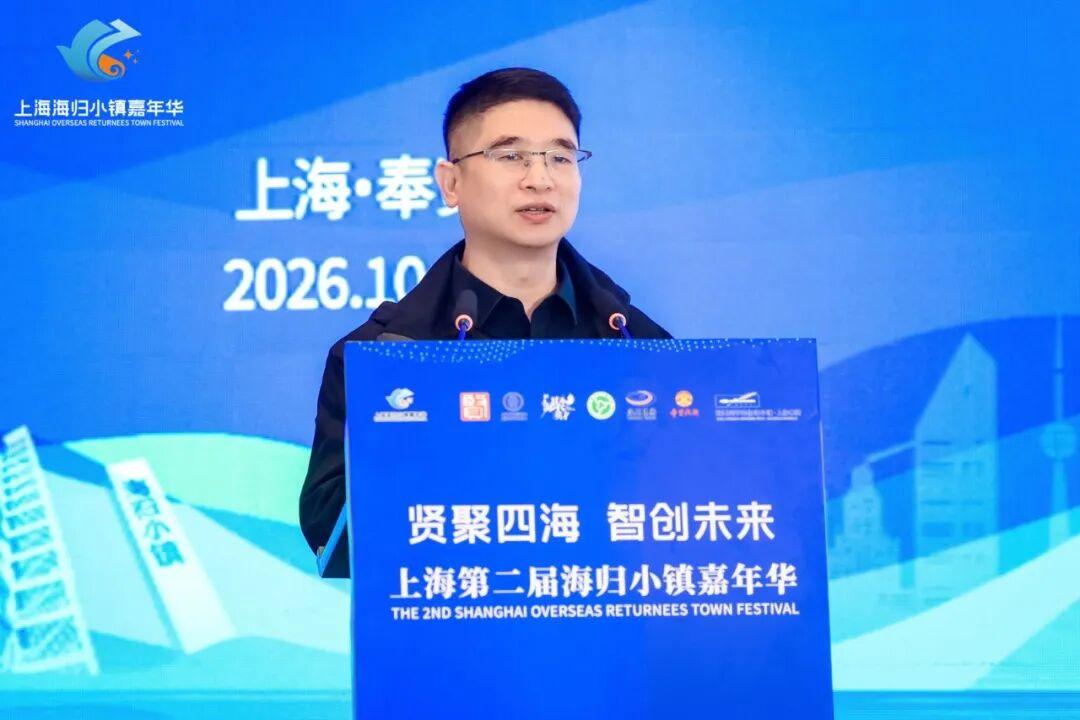
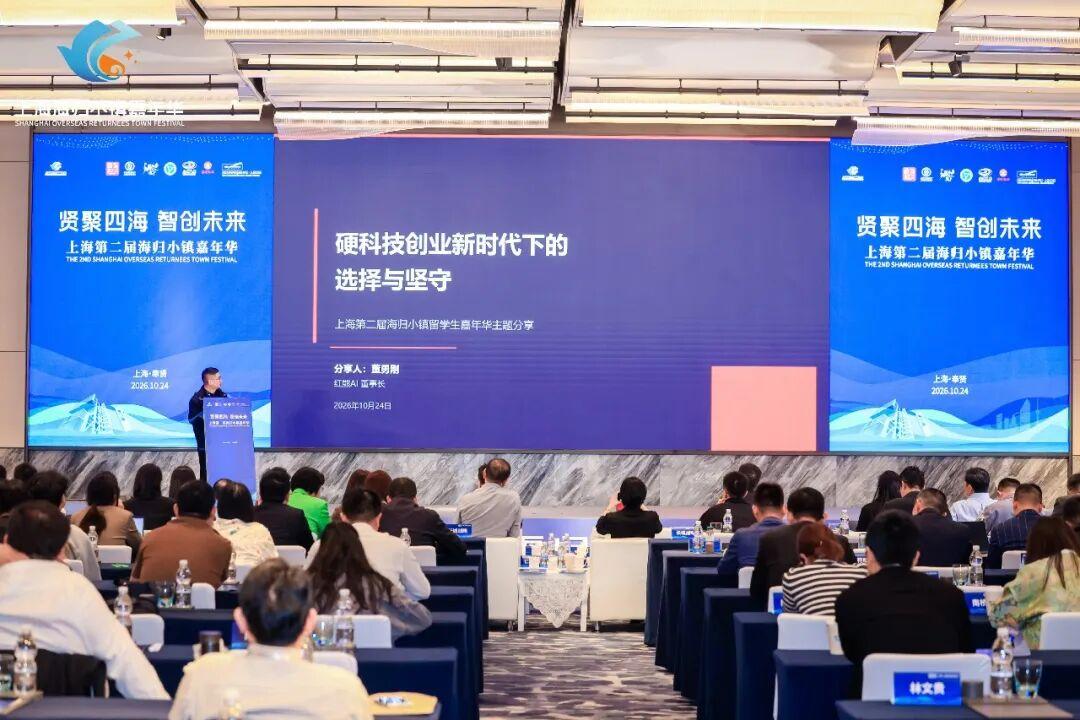
10月 24日,以「贤聚四海 智创未来」为主题的上海第二届海归小镇留学生嘉年华在奉贤顺利举行。海归人才、投资机构、高校院所与创业企业代表汇聚一堂,围绕留学人员回国创业的路径与硬科技方向的机会展开交流。

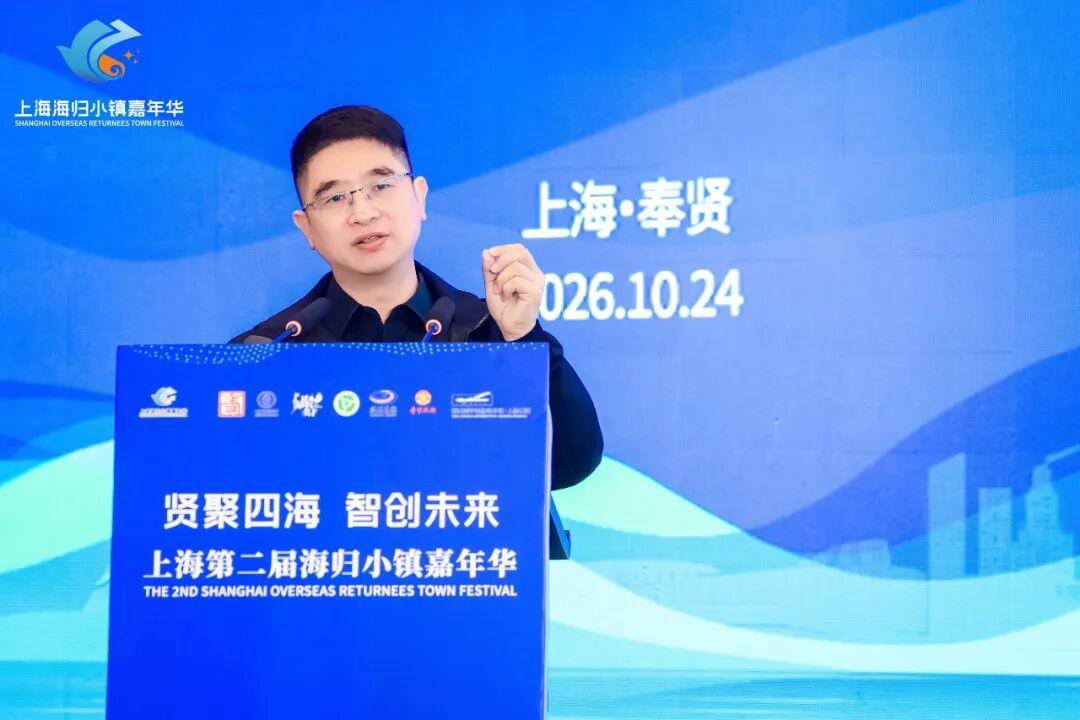
此次嘉年华面向高成长科技企业专设「独角兽来了」主题板块,作为全球AI记忆科学赛道的独角兽企业代表,红熊AI董事长董勇刚受邀出席,以《硬科技创业新时代下的选择与坚守》为题,面向与会的青年创业者与投资人,深度诠释了红熊AI在 AI记忆这条创业创新路上的成长经验。

图片

△红熊AI董事长董勇刚做主题分享

01 不卷大模型,从企业真实困境寻找机会

2024年,通用大模型的白热化竞赛围着三样东西转:算力、数据、人才密度。因此,AI似乎成了大厂的专属领域,大厂不仅手里万卡集群,用户数据丰富,人才规模庞大。

董勇刚向现场观众坦诚道:“以我们的体量,跟大厂拼基座模型,没有任何胜算。这不是勇气问题,是数学问题。”

因此,红熊AI转变思路,从企业使用AI的真实困境中发现了机会——AI的“失忆”。在客服场景,客户跟AI聊了半小时,问题刚说清楚,换个对话窗口,它全忘了。

董勇刚表示,传统AI只会通过参数学习和存储碎片化知识,没有能力建立经验与场景之间的关联。这就导致很多企业在客服、营销、知识管理等场景做AI,但AI每次都是从零开始,用户体验碎片化,效率提升有限。

于是,红熊AI决定帮助企业改善这一困境,给AI装一个「海马体」。

图片

02 MemoryBear:记忆分层,自主演化

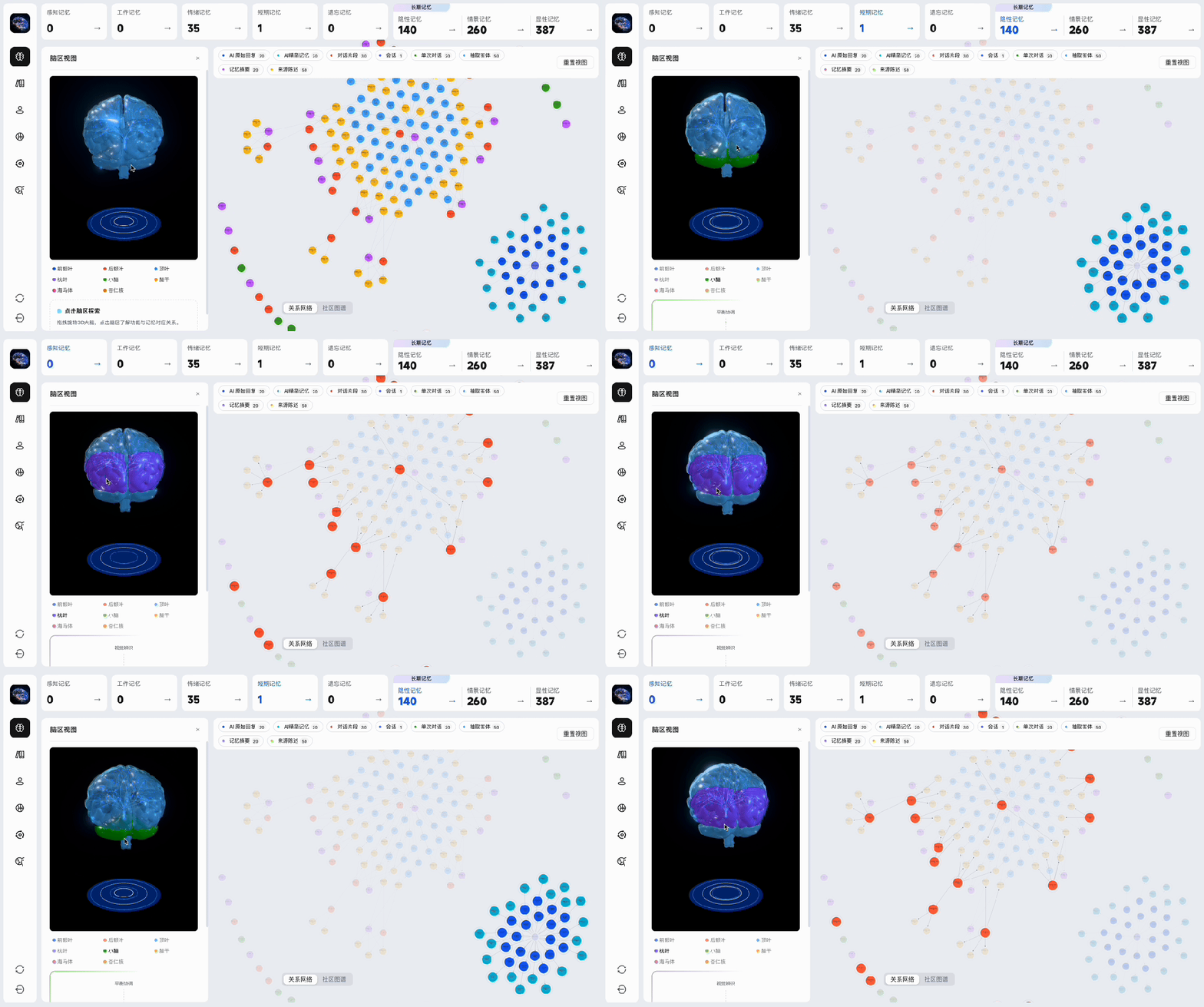
参考人类大脑的记忆机制,红熊AI融合神经科学、认知科学与计算机科学,自主研发了类人脑记忆引擎MemoryBear。董勇刚介绍,MemoryBear将记忆分成四层:

❖工作记忆存当前对话的上下文,即时调用;

❖短期记忆存近期交互经验,靠语义剪枝筛掉冗余;

❖长期记忆沉淀用户偏好与行为模式,按艾宾浩斯遗忘曲线动态调度;

❖永久记忆放核心知识与事实,由自我反思引擎反复校验。

记忆层以下,还有红熊AI的多项技术底座提供支撑:ACT-R认知科学双记忆架构、艾宾浩斯遗忘曲线动态调度、智能语义剪枝算法、3D自我反思引擎等。

这套机制的作用就是:让AI记忆能够自主演化,知道什么信息该马上用,什么信息该存着,什么信息该慢慢淡化。

图片

△MemoryBear记忆分层架构

03 商业验证:从产业最痛的地方开始

从创立之初,红熊AI就注重技术落地,让产业真实场景成为AI技术的试验场。红熊AI的研发方法也随之而定:不是先做出技术再找应用,是让产业里的真问题来排研发的优先级。

据董勇刚介绍,红熊AI的第一个“试验场”是通信运营商。运营商面对数亿用户,每个人的消费习惯、投诉历史、套餐偏好都不同,它足够复杂、足够真实、足够大规模。

在一个个真实难题的“倒逼”下,红熊AI技术实力也不断提升,记忆架构从「外挂式」升级到「原生式」,从「推理驱动记忆」进化为「记忆驱动推理」,红熊的客户口碑也快速积累。

图片

04 以产促研,构建长期壁垒

董总坦诚真挚的表达,赢得了观众的一致认可,现场掌声不断。在分享的最后,董总结合红熊AI的经历,给在场创业者留了三条建议:

从“产业缺什么”出发

从「产业缺什么」出发,不是从「我有什么技术」出发。前沿技术未必是最缺的技术,红熊AI在2024年选择AI记忆,是因为这是AI产业落地绕不过去的坎。

选能建立长期壁垒的方向

差异化不是选择冷门方向,是选择能建立长期壁垒的方向。「我们的壁垒不是技术的壁垒,是专注的壁垒。」

把海归经历变成视野优势

走出去的价值在于知道国际上真正在做什么研究,要把这些变成产品,还得扎进中国产业里,接得住中国企业的真实需求。

05 结语

「技术领先只是起点,市场成功才是终点。」从2024年创立以来,红熊AI始终以产业需求驱动研发,用记忆科学帮助企业在业务中积累记忆、沉淀经验。

如今,红熊AI已成为全球AI记忆科学赛道的先行者,先后荣获“中国潜在独角兽企业”、“中国哪吒企业”等荣誉,推动AI技术从实验室走向产业一线,向千行百业加速落地。

注:文/龚作仁,文章来源:Laborer,本文为作者独立观点,不代表亿邦动力立场。

文章来源:Laborer

广告
微信
朋友圈

FAQ回顾

红熊AI是什么公司?

红熊AI是专注AI记忆科学赛道的企业,2024年创立,以产业需求驱动研发,自主研发类人脑记忆引擎MemoryBear,帮助企业在客服、营销、知识管理等场景积累记忆、沉淀经验。公司已成为全球AI记忆科学赛道先行者,曾获“中国潜在独角兽企业”“中国哪吒企业”等荣誉。

MemoryBear是什么,它如何让AI记住信息?

MemoryBear是红熊AI自主研发的类人脑记忆引擎,融合神经科学、认知科学与计算机科学。它把记忆分为工作记忆、短期记忆、长期记忆和永久记忆四层,并依托ACT-R双记忆架构、艾宾浩斯遗忘曲线动态调度、智能语义剪枝算法、3D自我反思引擎等技术,让AI记忆能够自主演化。

AI记忆科学能解决企业哪些实际问题?

传统AI存在“失忆”问题:客户沟通半小时后换窗口就忘记,企业AI每次从零开始,导致客服、营销、知识管理等场景体验碎片化、效率提升有限。AI记忆通过给AI装“海马体”,记住当前上下文、近期交互经验、用户偏好与核心知识,让AI持续积累经验并提升业务连续性。

红熊AI为什么选择AI记忆赛道而不是通用大模型?

红熊AI董事长董勇刚认为,以公司体量与巨头拼基座模型没有胜算,这是数学问题。通用大模型竞赛集中在算力、数据和人才密度,而AI落地中的“失忆”是产业绕不过去的坎。因此红熊AI选择AI记忆赛道,以产业真问题排研发优先级,并建立长期壁垒。

硬科技创业如何选择技术方向并建立长期壁垒?

红熊AI的经验是:从“产业缺什么”出发,而不是从“我有什么技术”出发;选择能建立长期壁垒的方向,其壁垒不是技术而是专注;把海归经历变成视野优势,了解国际研究并扎进中国产业,接住中国企业的真实需求。

这么好看,分享一下?

朋友圈 分享

APP内打开

赞 +1
+1
微信好友 朋友圈 新浪微博 QQ空间
关闭
收藏成功
发送
/140 0