广告
加载中

从交易平台到产业基础设施 一家工业用品公司的AI跃迁

张睿 2026-10-19 16:36
张睿 2026/10/19 16:36

邦小白快读

EN
全文速览

总:这篇文章的核心是震坤行这家工业用品平台如何用AI解决企业采购和物料管理难题,并沉淀出可复用的行业能力。

1. 重点信息:中国MRO工业品采购额达9.1万亿元,但物料种类繁杂、标准不统一、供需分散,选型失误会层层放大损耗。

2. 实操干货:AI物料管家可把杂乱物料资料快速结构化、标准化;玲珑慧搜能理解采购意图、自动比价并追溯匹配依据;边缘智能终端可识别和核验工业物料,替代人工反复确认。

3. 落地价值:震坤行基于30年数据和行家玲珑大模型发布四层架构,上线超60个AI智能体与RPA机器人,2026年一季度月度释放人力超2000工时,帮助企业从源头减少供需错配。

4. 对普通人的启示:工业AI不再是大型企业专属,中小企业甚至偏远工厂可用标准化AI工具直接进入智能化;海外市场增长迅速,2026年一季度海外收入同比增长超6倍。

总:这篇文章对工业品品牌商有多个可借鉴的干货,集中在产品研发、品牌建设、渠道合作和用户需求变化上。

1. 产品研发趋势:工业品正从卖货转向软硬一体的智能化产品。震坤行推出自有工具品牌百锴研,立足国内工厂真实场景,主打性能、耐用度与采购成本平衡的国产化替代;同时与英特尔联合发布边缘智能终端,体现设备与数据服务结合的方向。

2. 品牌渠道建设:展会加奖项是工业品牌建立技术形象的有效方式;震坤行通过行家精选覆盖32条产品线、2700万SKU,并搭建MRO行家知识社区,帮助品牌沉淀选型知识、政策解读和采购经验,形成内容营销阵地。

3. 消费趋势和用户行为:企业采购不再只看价格,更看重数据化、标准化和决策可追溯。采购方愿意为减少选型失误、提升供需匹配效率的AI工具买单。

4. 渠道与价格竞争:震坤行提供全国智能仓配与末端服务网络,品牌商可借助其渠道触达客户;呆滞工业品回收流通模式则帮助企业盘活库存、降低沉没成本。国产化替代是机会窗口。

总:文章显示,工业品流通和AI服务正在形成新的增长市场,卖家可从政策、出海、平台合作和商业模式变化中找到机会。

1. 政策解读:产业互联网向AI跃迁符合新质生产力要求和人工智能+行动方向,国家支持生产性服务业向专业化和价值链高端延伸,AI在工业场景的应用将获得政策红利。

2. 增长市场:MRO工业品采购市场规模达9.1万亿元,市场巨大且分散;震坤行2026年一季度海外收入同比增长超6倍,说明工业AI和数字化供应链的出海空间正在打开。

3. 机会提示:中小企业、偏远工厂此前被挡在智能化门外,震坤行提供即插即用的标准化AI工具,卖家可关注为这类客户提供AI工具、数据服务或配套产品的机会;玲珑慧搜和AI物料管家已落地近20个国央企案例,示范效应明显。

4. 可学习点与风险:震坤行的四层架构——数据、模型、智能体、咨询——是完整商业模式的模板;但文章也指出数据标准需要全行业共建、商业模式仍在验证期,卖家需关注平台与上游设备厂商关系重构带来的合作方式变化。

总:这篇文章对工厂推进数字化和智能化有直接参考价值,核心是借助AI和平台能力解决物料管理、库存、工具管理等生产现场痛点。

1. 生产与物料管理:AI物料管家可把繁杂物料资料快速结构化、标准化,解决品类繁杂、标准不统一、供需分散的管理难题;升级到3.0版本后,已服务超过8600家客户、落地近20个国央企案例。

2. 仓库与库存优化:边缘智能终端Ling Long Insight 1.0通过视觉识别完成物料识别、仓库签收、库存优化;射频智能工具柜可实现工具借出、归还、定检自动化,错放报警、逾期提醒、全生命周期追溯,减少人工盯守和工具丢失。

3. 选型与决策支持:玲珑慧搜能贯通需求澄清、商品匹配和供应商寻源,支持一品多商比价、匹配依据可追溯,帮助工厂从源头避免选型失误带来的生产、库存和物流损耗。

4. 数字化路径启示:工厂可以不用先完成信息化、数字化再智能化,震坤行提供即插即用的标准化AI工具,帮助缺乏专业团队的工厂直接跨入智能化;呆滞工业品回收模式也能让沉睡库存变现。

总:文章为工业AI和供应链服务商揭示了明确的发展趋势、客户痛点和可复制解决方案。

1. 行业趋势:工业AI落地的最佳切入场景之一是MRO;趋势表现为数模融合——工业数据与工业模型紧密结合,以及软硬件一体化——软件能力需要硬件载体来落地。

2. 新技术:新一代技术包括覆盖过亿级品类、PB级参数的知识图谱,国内首个通过备案的工业用品专属大模型行家玲珑,以及边缘智能计算终端Ling Long Insight 1.0。智能体和RPA机器人也已进入可上岗阶段,月度释放人力超2000工时。

3. 客户痛点:客户面临物料资料繁杂、供需错配、选型失误层层放大、车间工具丢失、库存呆滞等问题;同时,企业有数据、模型和智能体后,最难的是最后一公里的组织、流程重构。

4. 解决方案:玲珑智能的四层架构——数据、模型、智能体、咨询——是完整答案:用数据引擎做标准化治理,用垂直模型懂行业业务,用智能体承接报价、寻源、质检、仓管等工作,用FDE式咨询完成流程落地。服务商可以借鉴该架构设计自身产品。

总:这篇文章是平台商了解工业用品平台转型、AI落地和运营管理的典型案例,核心在于从交易平台升级为产业基础设施。

1. 平台最新做法:震坤行在数据、模型、智能体、咨询四个层面布局;发布行业首个过亿级品类知识图谱和工业用品专属大模型;上线超60个AI智能体与RPA机器人,让AI承接报价、寻源、质检、仓管等实际业务。

2. 平台能力和招商:实体端建设全国智能仓配与末端服务网络,数字端沉淀工业用品数据库并引入大模型;同时以32条产品线、2700万SKU和自有品牌构建供应链能力。平台通过展会、AI奖项和知识社区MRO行家吸引行业关注,形成供需两端的流量入口。

3. 运营管理:射频智能工具柜和智能小仓库解决末端工具管理;呆滞工业品回收模式为平台创造新的流转业务;与英特尔联合发布边缘智能终端,说明平台可与技术公司互补合作。

4. 风险规避:文章提醒,数据标准需要全行业共建,商业模式仍在验证期,平台与上游设备厂商关系也在重构之中——平台商应避免只堆技术,而要解决最后一公里流程问题,并关注海外出海机会。

总:这篇文章提供了产业互联网向AI跃迁、工业AI落地模式和政策衔接的丰富研究素材。

1. 产业新动向:工业用品交易平台正从销售渠道转向产业基础设施,典型路径是数据、模型、智能体、咨询四层架构;AI进入生产现场成为工博会鲜明风向,多家企业展示产线级智能体。

2. 新问题:工业AI落地的瓶颈不在模型,而在供应链上游的供需错配和数据标准化;数据标准需要全行业共建,商业模式仍在验证期,平台与上游设备厂商关系正在重构,制造业人才工作可能向数据生产、数据标注转型。

3. 政策法规启示:产业互联网AI跃迁符合新质生产力要求,也与人工智能+行动一致;国家鼓励生产性服务业向专业化与价值链高端延伸,文章为观察政策如何落地提供了案例。

4. 商业模式:震坤行以30年业务数据为资产,通过AI工具、自有品牌、智能仓储、呆滞库存回收、知识社区和海外合作构建综合服务体系;技术路线是工业语言模型、工业视觉模型、工业决策模型、工业物理AI模型的四步走,为研究工业AI终局提供框架。

返回默认
声明:快读内容全程由AI生成,请注意甄别信息。如您发现问题,请发送邮件至 run@ebrun.com 。

我是 品牌商 卖家 工厂 服务商 平台商 研究者 帮我再读一遍。

Quick Summary

Overall: This article centers on how ZKH, an industrial supplies platform, uses AI to solve enterprise procurement and material management challenges, and accumulates reusable industry capabilities.

1. Key data: China's MRO industrial products procurement market reaches RMB 9.1 trillion, but material types are numerous, standards are fragmented, and supply and demand are dispersed. Selection errors can amplify losses at every level.

2. Practical insights: The AI Material Manager transforms messy material data into structured, standardized records quickly. Linglong Smart Search understands procurement intent, automates price comparison, and traces the rationale behind matches. Edge intelligent terminals can identify and verify industrial materials, replacing repeated manual checks.

3. Value in practice: Leveraging 30 years of data and the Xingjia Linglong large model, ZKH has released a four-layer architecture and deployed over 60 AI agents and RPA robots. In Q1 2026, this freed up more than 2,000 work hours per month, helping enterprises reduce supply-demand mismatches from the source.

4. Takeaways for ordinary readers: Industrial AI is no longer exclusive to large enterprises. SMEs and even remote factories can use standardized AI tools to leapfrog directly into intelligent operations. Overseas markets are also growing rapidly, with ZKH's international revenue up more than 6x year-over-year in Q1 2026.

Overall: This article offers multiple actionable takeaways for industrial brand owners, focusing on product R&D, brand building, channel partnerships, and changes in user demand.

1. Product R&D trends: Industrial products are shifting from pure goods sales to software-hardware integrated intelligent offerings. ZKH launched its own tool brand Baikaiyan, targeting cost-effective domestic substitution based on real factory scenarios, balancing performance, durability, and procurement cost. It also co-released an edge intelligent terminal with Intel, signaling the direction of combining equipment with data services.

2. Brand and channel building: Trade shows plus awards are effective ways for industrial brands to establish a technology image. ZKH's Expert Selection covers 32 product lines and 27 million SKUs, and the MRO Expert Knowledge Community helps brands accumulate selection knowledge, policy interpretation, and procurement experience, forming a content marketing hub.

3. Consumption trends and user behavior: Enterprise procurement is no longer purely price-driven. Buyers increasingly value digitization, standardization, and traceable decision-making. Purchasers are willing to pay for AI tools that reduce selection errors and improve supply-demand matching efficiency.

4. Channel and price competition: ZKH operates a national intelligent warehousing and distribution network with last-mile services; brand owners can use this channel to reach customers. The slow-moving industrial goods recovery model helps enterprises unlock inventory value and reduce sunk costs. Domestic substitution is a clear window of opportunity.

Overall: The article shows that industrial product distribution and AI services are forming new growth markets. Sellers can find opportunities in policy, global expansion, platform collaboration, and business model changes.

1. Policy takeaways: The industrial internet's leap to AI aligns with the requirements of new quality productive forces and the AI Plus initiative. The state encourages producer services to extend toward specialization and higher value chain segments, so AI applications in industrial scenarios will enjoy policy tailwinds.

2. Growth markets: China's MRO procurement market is RMB 9.1 trillion, huge yet fragmented. ZKH's overseas revenue grew over 6x year-over-year in Q1 2026, indicating expanding space for industrial AI and digital supply chains to go global.

3. Opportunities: SMEs and remote factories previously excluded from intelligent transformation can now access plug-and-play standardized AI tools. Linglong Smart Search and the AI Material Manager have delivered nearly 20 cases at state-owned enterprises, creating strong demonstration effects. Sellers can focus on providing AI tools, data services, or complementary products to such customers.

4. Takeaways and risks: ZKH's four-layer architecture — data, model, agent, consulting — serves as a template for a complete business model. However, the article notes that data standards require industry-wide co-building, the business model is still being validated, and the platform's relationship with upstream equipment manufacturers is being reshaped. Sellers should monitor how collaboration modes evolve.

Overall: This article provides direct reference value for factories advancing digitization and intelligent transformation. The core is to use AI and platform capabilities to solve production-site pain points such as material management, inventory, and tool management.

1. Production and material management: The AI Material Manager quickly turns messy material data into structured, standardized information, addressing complex categories, inconsistent standards, and dispersed supply and demand. Version 3.0 has served over 8,600 customers and delivered nearly 20 cases at state-owned enterprises.

2. Warehouse and inventory optimization: The Ling Long Insight 1.0 edge intelligent terminal applies visual recognition to material identification, warehouse receiving, and inventory optimization. RFID-enabled intelligent tool cabinets automate tool checkout, return, and routine inspections, with misplacement alarms, overdue reminders, and full lifecycle traceability, reducing manual supervision and tool loss.

3. Selection and decision support: Linglong Smart Search connects demand clarification, product matching, and supplier sourcing. It supports one-product-multi-supplier price comparison with traceable matching rationale, helping factories prevent selection errors that lead to production, inventory, and logistics losses.

4. Digitization path insights: Factories do not have to complete informatization or digitization before going intelligent. ZKH provides plug-and-play standardized AI tools, enabling factories without dedicated IT teams to leap directly into intelligently managed operations. The slow-moving industrial goods recovery model also helps factories turn idle inventory into cash.

Overall: This article reveals clear development trends, customer pain points, and replicable solutions for industrial AI and supply chain service providers.

1. Industry trends: MRO is one of the best entry points for industrial AI. The emerging trends are data-model fusion — the tight integration of industrial data and models — and software-hardware integration, where software capabilities require hardware carriers to land.

2. New technologies: These include a knowledge graph covering over 100 million categories with PB-scale parameters, the industry's first officially registered vertical large model for industrial goods, Xingjia Linglong, and the Ling Long Insight 1.0 edge intelligent computing terminal. More than 60 AI agents and RPA robots have entered the go-live stage, freeing up over 2,000 work hours per month.

3. Customer pain points: Customers face complex material data, supply-demand mismatch, selection errors that amplify losses, tool loss on the workshop floor, and slow-moving inventory. In addition, once enterprises have data, models, and agents, the hardest part is last-mile organizational and process redesign.

4. Solution blueprint: Linglong Intelligence's four-layer architecture — data, model, agent, consulting — offers a complete answer: a data engine for standardized governance, a vertical model that understands industry business, agents that take on pricing, sourcing, quality inspection, and warehouse management, and FDE-style consulting to drive process implementation. Service providers can reference this architecture in their own product design.

Overall: This article offers marketplace operators a representative case study to understand the transformation of industrial product platforms, AI implementation, and operations management. Its core theme is upgrading from a trading platform to industrial infrastructure.

1. Latest practices: ZKH builds strategies across four layers — data, model, agent, consulting. It released the industry's first knowledge graph covering over 100 million categories and a vertical large model for industrial supplies. It launched more than 60 AI agents and RPA robots, using AI to handle pricing, sourcing, quality inspection, and warehouse management.

2. Platform capabilities and ecosystem building: On the physical side, ZKH operates a national intelligent warehousing, distribution, and last-mile service network. On the digital side, it continues to deepen its industrial goods database and integrate large models. With 32 product lines, 27 million SKUs, and private-label products, the platform strengthens its supply chain capabilities. It also attracts industry attention through exhibitions, AI awards, and the MRO Expert knowledge community, creating traffic entrances on both supply and demand sides.

3. Operations management: RFID-enabled intelligent tool cabinets and smart small warehouses solve last-mile tool management challenges. The slow-moving industrial goods recovery model creates new circulation businesses for the platform. Joining forces with Intel to launch an edge intelligent terminal shows that platforms can complement technology companies through collaboration.

4. Risk avoidance: The article warns that data standards require industry-wide co-building, business models are still being validated, and the platform's relationship with upstream equipment manufacturers is being reshaped. Marketplace operators should avoid simply stacking technology and instead focus on solving last-mile process issues, while keeping an eye on overseas expansion.

Overall: This article provides rich research material on the industrial internet's transition to AI, industrial AI deployment models, and policy alignment.

1. New dynamics: Industrial goods trading platforms are evolving from sales channels into industrial infrastructure, typically through a four-layer architecture — data, model, agent, consulting. AI's entry into production floors became a prominent trend at the China International Industry Fair, where multiple companies showcased line-level agents.

2. Emerging questions: The bottleneck in industrial AI is not the model but supply-chain upstream inefficiencies such as supply-demand mismatch and data standardization. Data standards require joint efforts across the industry; business models are still being validated; and relationships between platforms and upstream equipment manufacturers are being reshaped. Manufacturing talent roles may shift toward data generation and data labeling.

3. Policy and regulatory implications: The industrial internet's AI transition aligns with the new quality productive forces requirement and the AI Plus initiative. The state encourages producer services to move toward specialization and higher value chain segments, making this article a useful case for observing policy implementation.

4. Business model: ZKH treats 30 years of business data as an asset and builds an integrated service ecosystem through AI tools, private-label brands, intelligent warehousing, slow-moving inventory recovery, knowledge communities, and overseas partnerships. Its technology roadmap follows four steps — industrial language models, industrial vision models, industrial decision-making models, and industrial physical AI models — providing a framework for studying the endgame of industrial AI.

Disclaimer: The "Quick Summary" content is entirely generated by AI. Please exercise discretion when interpreting the information. For issues or corrections, please email run@ebrun.com .

I am a Brand Seller Factory Service Provider Marketplace Seller Researcher Read it again.

【亿邦原创】在第26届中国国际工业博览会上,捧走CIIF数智技术奖的,不是芯片公司,也不是机器人厂商,而是一家卖工业用品的平台——震坤行。

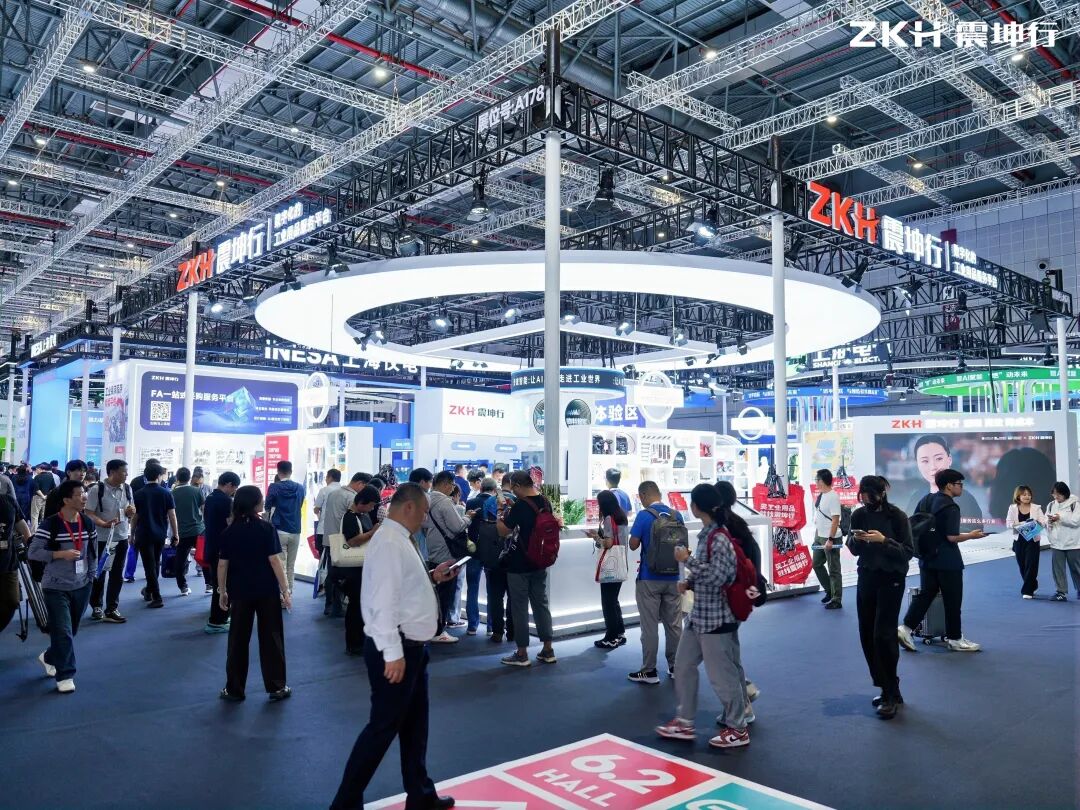
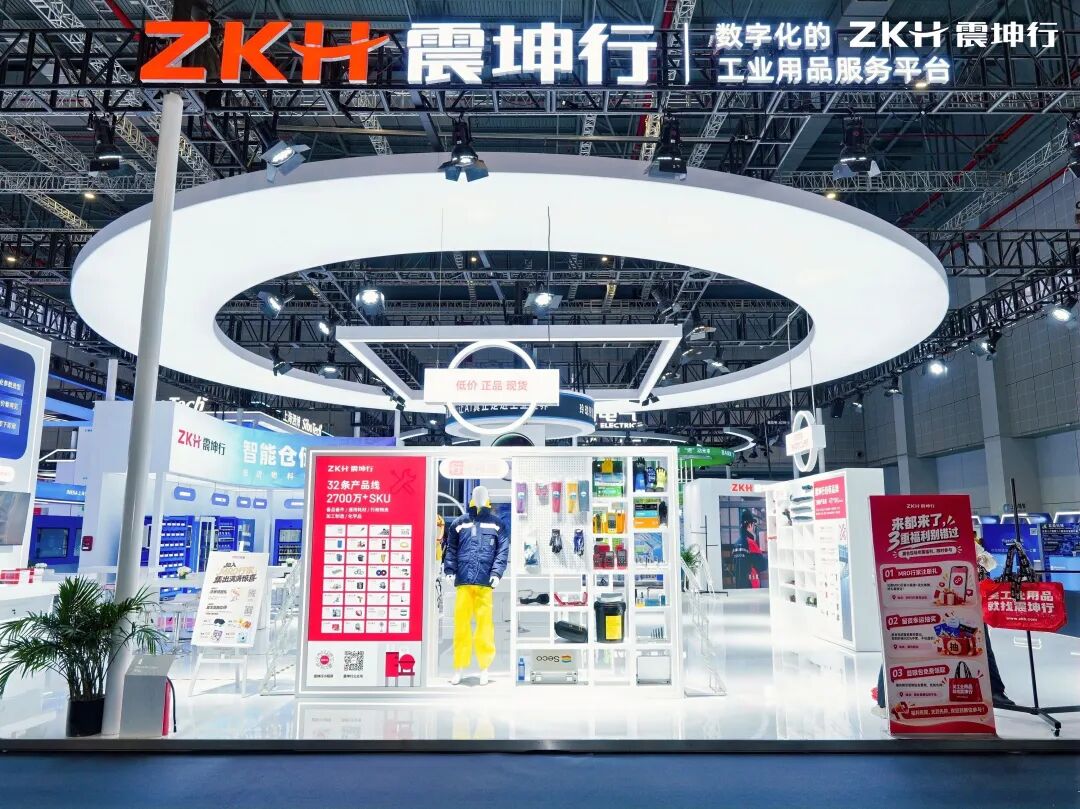
拿下这个奖的“玲珑慧搜”,来自震坤行旗下AI公司玲珑智能。展台现场,震坤行还带来与英特尔联合推出的边缘智能终端Ling Long Insight1.0——它通过视觉识别,解决物料识别、仓库签收、库存优化等产线级问题。

30年来,震坤行卖出数以亿计的螺丝、轴承和工具;如今它想把这些生意沉淀下来的数据、模型、经验,变成产业基础设施。

01

工业AI,从MRO开始

AI在工业中的落地,MRO是最佳切入场景之一。一方面,MRO物资种类繁多、标准不统一,需求和供应分散,对于制造企业来说“不好管、管不好”,另一方面,MRO又是一个巨大的市场,亿邦智库联合中国物流与采购联合会公共采购分会、中国物流与采购联合会数智采购分会(筹)发布的《2026数智化采购发展报告》显示,2025年我国MRO工业品采购额为9.1万亿元。

MRO采购供应链环环相扣,一个选型失误会在生产、库存、物流里层层放大,变成真金白银的损耗。为了解决这个问题,早在2024年的工博会上,震坤行便展出了“AI物料管家”。该产品用来解决工业用品“品类繁杂、标准不统一、供需分散”的管理难题。借助AI技术,企业可以更高效地将纷繁复杂的物料资料快速结构化、标准化。到本届上海工博会,AI物料管家已升级到3.0版本。

“今天AI提供了非常好的机遇,能够从上游、从源头、从更加左移的入口,来集中化地解决决策问题。”震坤行CTO、玲珑智能CEO刘阳表示,工业AI落地的瓶颈不在模型,而在供应链的上游,即在源头解决供需错配的问题。

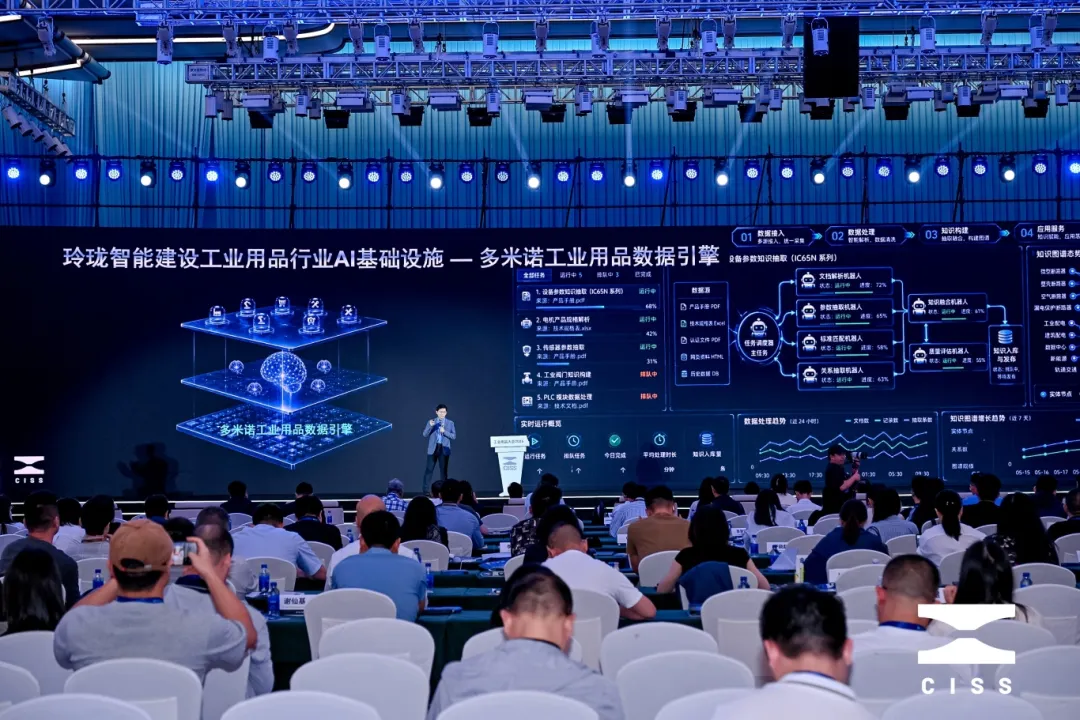
基于震坤行多年积累的大数据生产体系和“行家玲珑”AI大模型,震坤行在2026年6月CISS大会上宣布成立AI公司“玲珑智能”,底层逻辑是把30年攒下的数据资产变成一套能替行业做决策的体系。

工博会上,玲珑智能集中展出多项AI成果:与英特尔联合发布的Ling Long Insight 1.0,定位面向工业场景的边缘智能计算终端,融合了英特尔的边缘计算算力与震坤行的工业用品数据能力,对着工业物料逐一识别、比对、核验,几秒钟便完成了肉眼需要反复确认的校验动作;斩获CIIF数智技术奖的玲珑慧搜,可以理解采购意图,贯通需求澄清、商品匹配与供应商寻源,支持“一品多商”比价、匹配依据可追溯;服务超过8600家客户、落地近20个以上国央企案例的AI物料管家,则把“数据字典”的管理思路落到了日常作业。

据刘阳介绍,推动工业AI落地,玲珑智能主要依靠“四层架构”:数据、模型、智能体、咨询。

第一层是数据。数据是工业智能化的前提,但数据的瓶颈在于标准化、在线化。玲珑智能在今年6月推出“多米诺”工业数据引擎,这是行业首个覆盖过亿级工业品类别、PB级工业参数的知识图谱,脱胎于震坤行30年业务沉淀,把海量商品参数、选型经验、行业标准做结构化治理。基于“多米诺”工业数据引擎的玲珑慧搜,让企业在采购之初,就直接找到品类的专属知识和专家经验,更高效地实现供需匹配。用刘阳的话说:“我们是在帮助行业建立数据标准。未来所有的场景,无论是人来使用,还是AI来调用、来学习,都像查字典一样。”

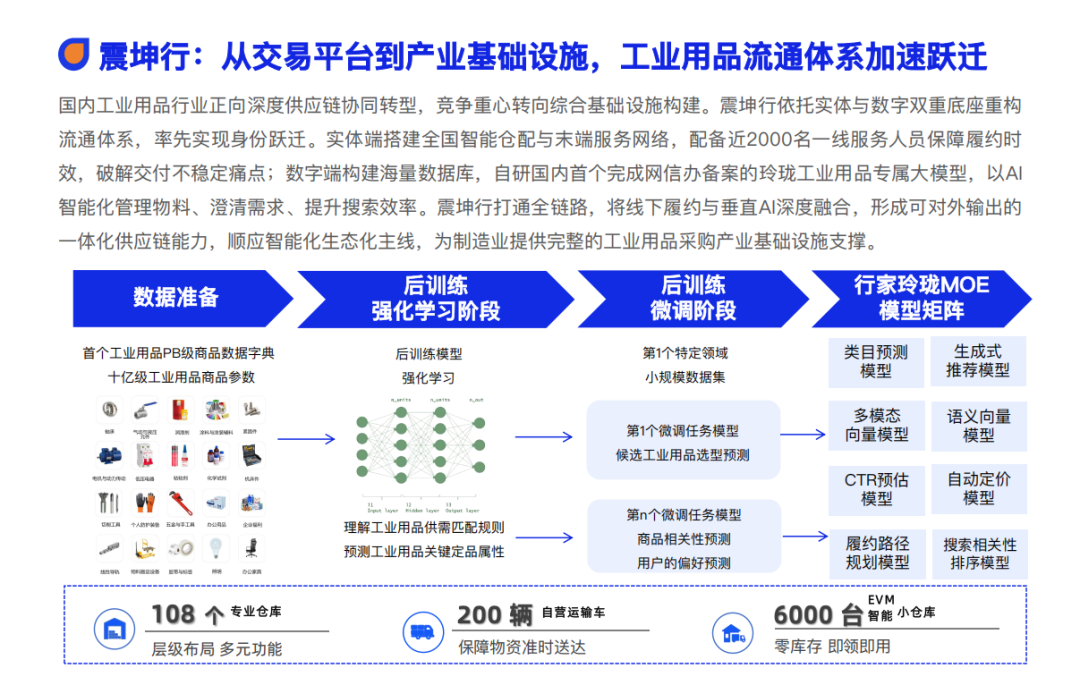
第二层是模型。在通用模型的基础上,企业更需要懂行业、懂业务的垂直模型。“行家玲珑”是国内首个通过国家网信办备案的工业用品专属大模型,背靠30年行业知识图谱、2700万+SKU商品数据和10亿级工业参数字典,专治通用大模型“不懂工业”的问题。而Ling Long Insight 1.0更进一步,把AI从“读懂”工业知识推进到“看懂”车间现场,这也是工业AI从云端概念走向工业现场的关键一步。

第三层是智能体。让智能体真正“可上岗”,而不只是辅助决策。据财报数据显示,仅2026年第一季度,震坤行上线超60个AI智能体与RPA机器人,月度释放人力超2000工时。其中,玲珑慧搜、AI物料管家、玲珑慧眼在真实业务环节里承接报价、寻源、质检、仓管等具体工作,入选了上海市经信委编撰的《2026年上海市“AI+制造”服务商能力图谱》。

第四层是咨询。当企业有了数据、模型和智能体之后,最难的是最后一公里。玲珑智能帮助企业完成组织建设、流程建设、流程重构,这恰是当前行业热议的前置部署工程师(FDE)所做的事情。

02

不止AI:硬件与供应链的“软硬一体”

刘阳认为,工业供应链主要有两个趋势:一是数模融合,即工业数据与工业模型将更紧密结合,正如玲珑智能的四层架构设计;二是软硬件一体化,软件的能力离不开硬件的载体。

本届工博会上,震坤行以“AI技术落地+供应链服务能力”为主线,集中展现了在AI落地、自有品牌和智能仓储方面的能力,也展示了从采购交易向全链路数字化供应链升级的路径。

硬件端,自有品牌与智能仓储同步首展。工业级工具自有品牌“百锴研”首次亮相,带来钻头组套、锂电冲击扳手、压接钳等核心工具产品,立足国内工厂真实作业场景,提供兼顾性能、耐用度与采购成本的国产化替代选择。新一代射频智能工具柜则以RFID技术为核心,实现工具借出、归还、定检等环节的自动化管理,错放报警、逾期提醒、全生命周期追溯——破解车间工具丢失、管理靠人工盯守的顽疾。

供应链服务端,循环与知识并举。工邦邦平台展示的是呆滞工业品回收流通新模式,依托震坤行全国供应链网络和产品数据库,帮助企业把沉睡的呆滞库存进行识别、定价、流转与盘活;MRO行家则像“工业品行业的小红书”一样,沉淀政策解读、选型知识、采购实操经验,成为行业从业者交流学习的知识阵地。

再加上“行家精选”展区背后的32条产品线、2700万SKU,以及FA工厂自动化平台、“智能小仓库+智慧管理平台”,构成震坤行“不只卖AI,也不只卖货”的综合供应链服务能力。

《2026数智化采购发展报告》中提到,震坤行以实体履约网络和数字化底座共同升级工业用品流通体系。实体端建设全国智能仓配与末端服务网络,保障复杂订单交付;数字端沉淀工业用品数据库并引入玲珑大模型,用于物料管理、需求澄清和智能搜索。两类能力协同推动平台由交易渠道向产业基础设施转型。

03

产业互联网的AI跃迁

本届工博会上,“AI进入生产现场”是最鲜明的风向:节卡把真实汽车零部件厂搬进展台,轮式人形机器人在产线上完成装配、锁付、入库全流程;黑湖科技把9个决策型智能体完整搬上展台;天数智芯的单机柜里塞进144颗GPU,让算力直接下沉进现有机房。当交易平台的价值升级为供应链共创价值,产业互联网向AI的集体跃进正在发生。

从政策角度看,产业互联网向AI跃迁符合新质生产力的发展要求,也代表着生产性服务业以及人工智能的行动方向。《中共中央国务院关于发展新质生产力的意见》中提到,推动科技创新与产业创新深度融合,实施服务业扩能提质行动,分领域推进生产性服务业向专业化与价值链高端延伸。同时,“人工智能+”行动要求,因地制宜、分业施策布局国家人工智能行业应用中试基地和高价值应用场景,大力推动人工智能在各行业应用。

产业互联网的AI跃迁将带来技术平权。工业AI过去是大企业的专属,流程复杂、系统繁复的大中型企业,可以享受“从咨询到智能体”的垂直整合服务;而大量中小企业,甚至偏远工厂,则长期被挡在智能化门外。震坤行的选择是提供“即插即用”的标准化AI工具,帮它们跨越信息化、数字化,直接进入智能化。对于缺乏专业团队的偏远工厂,玲珑慧搜更像一位“派驻现场的技术工程师”,让智能化走进车间产线。

产业互联网的AI跃迁将形成新的出海机会。跟随中国制造出海的步伐,玲珑智能的AI能力也在走向全球,既有英特尔这样的芯片层面合作,也有德国大众、施耐德等跨国巨头;刘阳透露,接下来还将与欧洲几家头部零部件、轴承企业签署AI合作协议。数据显示,震坤行2026年一季度海外收入同比增长超过6倍。中国企业的制造能力和产品能力出海的同时,基于制造业衍生出的AI服务,同样正在获得全球头部企业的认可。

工业AI的终局将在何方?刘阳认为,未来“机器动力”与“机器智能”将深度融合。当下机器的制造能力发展已经非常发达,但机器的智能,相对机器动力来说还远远落后。比如,电动工具拧一颗螺丝,扭矩、压强的反馈数据都在被海量生产、沉淀,却并没有被端到端地使用起来。玲珑智能的路线图是“四步走”:工业语言模型、工业视觉模型、工业决策模型,直至工业物理AI模型。

在这一过程中,数据标准需要全行业共建,商业模式仍在验证期,平台与上游设备厂商的关系亦在重构之中;制造业人才的相当一部分工作,未来可能向数据生产、数据标注转型——这些都是“基础设施”从建成到通电之间,必须回答的问题。

亿邦持续追踪报道该情报,如想了解更多与本文相关信息,请扫码关注作者微信。

本文首发于 亿邦动力 官方网站

文章来源:亿邦动力

广告
微信
朋友圈

FAQ回顾

MRO工业品采购是什么?为什么MRO是工业AI落地的关键场景?

MRO工业品是制造企业在维护、维修和运行过程中需要的物资。2025年我国MRO工业品采购额达9.1万亿元,但品类繁杂、标准不统一、供需分散,制造企业常面临“不好管、管不好”的难题,选型失误还会在生产、库存、物流中层层放大损耗。因此MRO成为AI从源头集中解决供需错配问题的最佳切入点。

震坤行是一家什么公司?它推出了哪些AI产品?

震坤行是深耕工业用品领域30年的平台型企业,覆盖32条产品线、2700万SKU,并借助AI向产业基础设施转型。2026年6月成立AI公司玲珑智能,主要AI产品包括AI物料管家、玲珑慧搜、Ling Long Insight 1.0边缘智能终端,以及“行家玲珑”工业用品专属大模型,AI物料管家已服务超过8600家客户。

工业AI落地的主要瓶颈是什么?玲珑智能的“四层架构”如何解决?

震坤行认为工业AI落地的瓶颈不在模型,而在供应链上游源头存在供需错配。玲珑智能通过四层架构解决:第一层数据,“多米诺”工业数据引擎覆盖过亿级工业品类别、PB级工业参数;第二层模型,“行家玲珑”大模型;第三层智能体,2026年第一季度上线超60个AI智能体与RPA机器人,月度释放人力超2000工时;第四层咨询,帮助企业完成组织与流程重构。

企业如何用AI管理MRO物料?AI物料管家能解决什么问题?

AI物料管家是震坤行针对MRO管理难题推出的AI应用,已升级至3.0版本。它借助AI帮助企业快速将繁杂物料资料结构化、标准化,解决“品类繁杂、标准不统一、供需分散”问题,并将“数据字典”思路落到日常作业,目前已服务超过8600家客户,落地近20个以上国央企案例。

产业互联网向AI跃迁会带来哪些影响?

一方面,AI技术走向平权,中小企业甚至偏远工厂不再被挡在智能化门外,可以通过“即插即用”的标准化AI工具直接进入智能化。另一方面,形成新的出海机会,玲珑智能AI能力与英特尔、德国大众、施耐德等合作,跟随中国制造走向全球,震坤行2026年一季度海外收入同比增长超过6倍。

这么好看,分享一下?

朋友圈 分享

APP内打开

赞 +1
+1
微信好友 朋友圈 新浪微博 QQ空间
关闭
收藏成功
发送
/140 0