



广告
加载中

Snapmaker用U1定义消费级换头3D打印新品类|对话柯淑强

马蹄社 2026-10-10 11:05
马蹄社 2026/10/10 11:05

邦小白快读

EN
全文速览

总:这篇文章介绍Snapmaker推出U1换头3D打印机,它用四个独立工具头解决多色打印耗时和耗材浪费问题。

1. 核心干货:U1单次换头约5秒,自动校准工具头位置,换头机构官方测试超100万次无机械故障,号称五倍高速、五倍省料。

2. 对普通用户的好处:多色打印时不用反复退料换料,不同材料可用不同工具头,减少残留污染,还能实现多材料一体成型,适合普通玩家和小型工作室。

3. 众筹验证:2025年8月19日至9月30日,U1在Kickstarter筹得2061万美元,20680人支持,是平台历史金额最高3D打印项目,说明市场认可。

4. 目前进展:众筹后已铺到官网、电商和渠道,开发了手机App、切片软件和模型平台,但交付和软件更新仍在推进,购买前要关注后续服务。

总:Snapmaker转向换头3D打印的案例,对品牌商的产品定位、营销和渠道建设有参考价值。

1. 营销表达:传播前人工筛选500多条用户声音,做30多次深度访谈,把卖点浓缩为五倍高速、五倍省料,用等待时间和耗材成本打动大众用户。

2. 产品决策:旧三合一产品还在卖时就主动换路,判断依据是行业提速、三合一迭代太慢、大众用户更看重省心。品牌商应关注从极客需求转向大众需求的变化。

3. 信任与社区:让19名社区用户先测设备,再通过Kickstarter持续更新进度和未解决问题,把支持者变成传播者。新品可先用社区验证,再全渠道放量。

4. 生态竞争:硬件领先窗口有限,同行很快跟上,长期靠软件、模型平台和内容生态守住用户。品牌商要提前布局内容和社区,形成设备与内容正向循环。

总:卖家可从Snapmaker U1看到一个有真实购买力的新品类机会,以及可复制的众筹验证、全渠道放量模式。

1. 市场机会:消费级3D打印用户正从极客转向大众,多色打印成为高频需求。U1在Kickstarter获2061万美元、20680人支持,显示这个赛道有较强消费意愿,周边配件、耗材、模型内容都值得布局。

2. 选品关注点:用户痛点是多色打印耗时、耗材浪费、不同材料难共用通道。换头式打印机能解决这些痛点,卖点可以突出五倍高速、五倍省料和自动校准。

3. 风险提示:文章明确提到,U1众筹结束后半年到一年,同行自动换喷嘴、多工具头机型陆续出现,竞争会迅速加剧。卖家要关注头部品牌的交付能力、软件更新和售后口碑,避免跟风压货。

4. 合作伙伴和模式:U1正在建立官网+电商+渠道+模型平台的分发体系,卖家可关注代理经销机会,同时学习他们用社区测试用户做冷启动、用持续透明更新积累信任的做法。

总:文章揭示了消费级硬件制造从设计到量产的关键要求,工厂可以从中获得产品可制造性和质量控制的启示。

1. 结构设计:U1需要四个独立工具头反复定位和自动校准,过去直线模组、双喷嘴校准和精密装配经验是可靠性的基础。工厂要重视运动机构精度,而不是只看外观。

2. 工艺转型:Snapmaker从早期全金属与机加工质感,转向注塑与钣金工艺,是为了让可靠性、产能和售价三者同时达标。这说明规模化生产要求产品设计主动适配注塑和钣金,不必追求全金属。

3. 可靠性测试:官方称换头机构完成超过100万次连续切换测试,未出现机械故障。这样的长寿命测试是产品宣称的依据,也是工厂制造能力的一部分。

4. 数字化协同:众筹期间通过社区用户试产测试获取反馈,再调整硬件和固件;随后用官网、电商和模型平台形成数据循环。工厂可参考这种早期用户参与的研发方式,提升产品迭代效率。

总:服务商可以从Snapmaker U1看到消费级3D打印向独立工具头演进的趋势,以及硬件之外的软件和内容服务需求。

1. 行业趋势:2020年后高速CoreXY、自动调平、多色系统改变了体验标准,大众用户成新增主体;换头方案正成为头部厂商跟进的方案,技术路线从单喷嘴换料转向独立工具头。

2. 客户痛点:用户核心痛点是多色打印耗时、换料浪费和不同材料难共用通道。U1用四头物理隔离解决,但代价是工具头切换后的精准定位和自动校准,这为校准服务、检测工具和维保服务创造需求。

3. 解决方案机会:U1单次换头约5秒,要保证百万次稳定切换,说明精密装配和测试是重要环节。服务商可提供换头机构寿命测试、产线自动化校准、故障诊断等服务。

4. 生态延伸:Snapmaker基于Orca Slicer开发了专用切片软件,整合Full Spectrum混色方案,并推出Snapmaker Space模型平台。服务商可进入这些配套环节,做参数预置、模型内容、社区运营和软件分发。

总:这篇文章对平台商的启示集中在硬件新品如何借助众筹平台、电商平台和内容平台完成从0到1。

1. 众筹平台价值:Snapmaker用Kickstarter做公开验证,通过持续更新向支持者同步改进和未解决问题,把众筹变成信任建设工具。平台商可加强众筹项目的进度透明机制,降低消费者风险。

2. 电商与渠道需求:U1众筹后铺到官网、电商平台和各地渠道,同时补手机端App、切片软件和模型平台。这说明硬件品牌需要的不只是卖货渠道,还需要软件分发和内容聚合平台。

3. 运营管理:文章提到用户群体正变为大众用户,他们更看中省心和效率。平台在展示这类产品时,要突出实际使用价值和售后支持,避免过度强调技术参数。

4. 风向规避:文章提醒硬件创新领先窗口只有半年到一年,同行会快速跟进。平台商在预售、众筹或新品推广阶段,应审核团队的量产排期、软件更新能力和历史口碑,预防交付风险。

总:这是一个值得研究的产业转型案例:Snapmaker在旧三合一仍可盈利时主动切换赛道,重新定义消费级换头3D打印品类。

1. 产业新动向:消费级3D打印行业提速,用户从创客扩展到大众,多色从少数玩家折腾变成默认需求。主流单喷嘴换料越换越浪费,行业头部厂商陆续推出自动换喷嘴、多工具头机型,说明技术路线正在切换。

2. 企业决策机制:Snapmaker评估后决定停投三合一下一代,原因是三合一需同时推进三套功能、两年才能迭代一次,而单功能设备可集中资源快速迭代。这体现了在技术加速期,产品组合复杂度会成为战略包袱,聚焦单一核心品类可能是更优选择。

3. 新问题与验证方法:换头方案面临装配校准、量产一致性和用户教育难题。Snapmaker用19名社区用户试产测试、100万次换头切换测试、500多条用户声音和30多次深度访谈来验证产品定义。这种用社区和真实数据对冲不确定性的方法有价值。

4. 商业模式演进:文章表明硬件领先窗口有限,长期优势要靠软件、模型内容和用户生态维持。Snapmaker上线Orca切片软件、整合混色方案、推出模型平台Snapmaker Space,形成设备和内容的正向循环。这为研究消费级硬件生态模式提供了样本。

返回默认

声明:快读内容全程由AI生成,请注意甄别信息。如您发现问题,请发送邮件至 run@ebrun.com 。

我是 品牌商 卖家 工厂 服务商 平台商 研究者 帮我再读一遍。

Quick Summary

Summary: This article introduces Snapmaker's U1 tool-changing 3D printer, which uses four independent toolheads to solve the time waste and material waste of multi-color printing.

1. Core facts: The U1 swaps toolheads in about 5 seconds, automatically calibrates toolhead position, and the switching mechanism has passed official tests of over 1 million cycles without mechanical failure. Snapmaker claims five times faster printing and five times less material waste.

2. Benefits for average users: Multi-color printing no longer requires repeated filament unloading and reloading; different materials can use different toolheads, reducing residue contamination, and enabling multi-material printing in a single piece. It suits hobbyists and small studios.

3. Crowdfunding validation: From August 19 to September 30, 2025, the U1 raised $20.61 million on Kickstarter with 20,680 backers, making it the highest-funded 3D printing project in the platform's history and signaling strong market recognition.

4. Current progress: After crowdfunding, the U1 is now sold through the official site, e-commerce channels, and distributors; Snapmaker has also developed a mobile app, slicer software, and a model platform. However, delivery and software updates are still in progress, so buyers should watch post-purchase support.

Summary: Snapmaker's pivot to tool-changing 3D printing offers lessons for product positioning, marketing, and channel building.

1. Marketing message: Before launch, the team manually screened over 500 user comments and conducted 30+ in-depth interviews, distilling the value proposition into five times faster and five times less waste to appeal to mainstream users worried about waiting time and filament costs.

2. Product decision: Snapmaker deliberately changed course while its old 3-in-1 product was still selling, based on three judgments: the industry was accelerating, the 3-in-1 model iterated too slowly, and mainstream users care more about convenience. Brands should watch the shift from geek demand to mass-market demand.

3. Trust and community: Snapmaker had 19 community users test the machine first, then used Kickstarter updates to transparently share progress and unresolved issues, turning backers into advocates. New products can be validated in the community first before scaling across channels.

4. Ecosystem competition: The hardware lead window is limited and competitors catch up quickly; long-term retention depends on software, model platforms, and content ecosystems. Brands should invest early in content and community to create a positive loop between devices and content.

Summary: Sellers can see in Snapmaker U1 a new category with real purchasing power and a replicable model combining crowdfunding validation and full-channel scaling.

1. Market opportunity: Consumer 3D printing users are shifting from hobbyists to mainstream consumers, and multi-color printing is becoming a high-frequency need. U1 raised $20.61 million from 20,680 backers on Kickstarter, showing strong willingness to pay in this category; accessories, filaments, and model content are all worth investing in.

2. Product selection focus: Users' pain points are time-consuming multi-color printing, filament waste, and the difficulty of sharing one nozzle path across different materials. Tool-changing printers address these problems; sellers can highlight five times faster speed, five times less waste, and automatic calibration.

3. Risk warning: The article notes that within six to twelve months after U1's campaign, competitors launched automatic nozzle-switching and multi-toolhead models, so competition will intensify quickly. Sellers should watch leading brands' delivery capacity, software updates, and after-sales reputation to avoid blindly stocking up.

4. Partnership and model: U1 is building a distribution system spanning official store, e-commerce, channels, and a model platform. Sellers can look for distribution opportunities and learn from Snapmaker's cold-start approach using community testers and trust-building through continuous transparent updates.

Summary: The article reveals key requirements for taking consumer hardware from design to mass production; factories can draw lessons on manufacturability and quality control.

1. Structural design: The U1 requires four independent toolheads to repeatedly position and auto-calibrate. Previous experience with linear modules, dual-nozzle calibration, and precision assembly is the foundation of reliability. Factories should prioritize motion mechanism precision over appearance.

2. Process transition: Snapmaker shifted from an early all-metal, CNC-machined aesthetic to injection molding and sheet metal processes in order to simultaneously satisfy reliability, production capacity, and price targets. This shows that scalable production requires product design to actively adapt to injection molding and sheet metal, rather than pursuing all-metal construction.

3. Reliability testing: The company claims the tool-changing mechanism completed over 1 million consecutive switching cycles with no mechanical failure. Such long-life testing supports product claims and is part of a factory's manufacturing capability.

4. Digital collaboration: During the crowdfunding period, Snapmaker gathered feedback from community users in trial production, adjusted hardware and firmware, and later formed a data loop across its official site, e-commerce, and model platform. Factories can learn from this early-user-involved R&D approach to improve iteration efficiency.

Summary: Service providers can see in Snapmaker U1 the trend of consumer 3D printing moving toward independent toolheads, as well as demand for software and content services beyond hardware.

1. Industry trend: After 2020, high-speed CoreXY, auto-bed-leveling, and multi-color systems reset the experience benchmark, and mainstream users became the main source of growth. Tool-changing is now the direction leading brands are pursuing, with technology shifting from single-nozzle filament switching to independent toolheads.

2. Customer pain points: The core pains are time-consuming multi-color printing, filament waste, and the difficulty of using different materials through the same path. The U1 solves these through four physically isolated toolheads, but the trade-off is precise positioning and auto-calibration after each switch, which creates demand for calibration services, inspection tools, and maintenance services.

3. Solution opportunities: The U1 switches heads in about 5 seconds and must maintain stable switching for a million cycles, showing that precision assembly and testing are critical. Service providers can offer head-mechanism life tests, automated production-line calibration, and fault diagnosis.

4. Ecosystem extension: Snapmaker developed dedicated slicer software based on Orca Slicer, integrated the Full Spectrum color-mixing solution, and launched the Snapmaker Space model platform. Service providers can enter these adjacent areas through parameter presets, model content, community operations, and software distribution.

Summary: For platform operators, the article focuses on how a new hardware product can go from zero to one with the help of crowdfunding platforms, e-commerce platforms, and content platforms.

1. Value of crowdfunding platforms: Snapmaker used Kickstarter for public validation, sharing improvements and unresolved issues through continuous updates and turning crowdfunding into a trust-building tool. Platforms can strengthen transparent progress reporting for crowdfunding projects to reduce consumer risk.

2. E-commerce and channel needs: After its campaign, the U1 was distributed through the official site, e-commerce platforms, and regional channels, while Snapmaker added a mobile app, slicer software, and a model platform. This shows that hardware brands need not only sales channels but also software distribution and content aggregation platforms.

3. Operational management: The article notes that users are becoming mainstream consumers who value convenience and efficiency. When showcasing such products, platforms should highlight practical value and after-sales support rather than overemphasizing technical specs.

4. Risk avoidance: The article reminds that the lead window for hardware innovation is only six to twelve months, and rivals will quickly follow. During pre-sales, crowdfunding, or new-product promotions, platforms should review the team's mass-production schedule, software update capability, and track record to prevent delivery risks.

Summary: This is an industry-transition case worth studying: Snapmaker proactively switched direction while its old 3-in-1 product was still profitable, redefining the consumer tool-changing 3D printing category.

1. New industry movement: Consumer 3D printing is accelerating; users have expanded from makers to mainstream consumers, and multi-color printing has gone from a tinkering niche to a default expectation. The mainstream single-nozzle filament-switching approach becomes increasingly wasteful, and leading manufacturers are successively launching automatic nozzle-switching and multi-toolhead models, indicating a technology roadmap shift.

2. Corporate decision mechanism: After assessment, Snapmaker decided to stop investing in the next-generation 3-in-1 machine because that form required developing three function sets in parallel and could only iterate every two years, whereas a single-function device can concentrate resources for rapid iteration. This reflects that, during a technology acceleration period, product portfolio complexity can become a strategic burden, and focusing on one core category may be a better choice.

3. New problems and validation methods: The tool-changing approach faces challenges in assembly calibration, mass-production consistency, and user education. Snapmaker validated the product definition through trial production with 19 community users, 1 million tool-change cycles in testing, more than 500 user comments, and over 30 in-depth interviews. This method of hedging uncertainty with community engagement and real data is valuable.

4. Business model evolution: The article shows that the hardware lead window is limited, and long-term advantage depends on software, model content, and user ecosystem. Snapmaker launched an Orca-based slicer, integrated a color-mixing solution, and introduced the Snapmaker Space model platform, creating a positive loop between devices and content. This provides a sample for studying consumer hardware ecosystem models.

Disclaimer: The "Quick Summary" content is entirely generated by AI. Please exercise discretion when interpreting the information. For issues or corrections, please email run@ebrun.com .

I am a Brand Seller Factory Service Provider Marketplace Seller Researcher Read it again.

【马蹄社原创】从一台机器同时做3D打印、激光雕刻和CNC,到把研发资源集中到一台消费级换头3D打印机上,Snapmaker这次转型,不只是换了一代产品,而是换了一种做产品的思路:从“一台机器做三件事”,到“把换头3D打印这一件事做透”。


2023年前后,Snapmaker内部反复绕不开一个问题:为什么不继续围绕已有的“三合一”用户开发新模块?存量用户还在,老产品也还在卖,顺着这条老路做增量,账很好算;全力投入竞争激烈的消费级3D打印市场,风险和不确定性都要大得多。


但Snapmaker最后没走这条更稳的路。在马蹄社CEO刘宸的访谈中,Snapmaker联合创始人、COO柯淑强回忆,当时团队评估后,决定停止继续重投“三合一”下一代,把主要研发资源转向消费级换头3D打印机U1。老产品没有下架,销售、售后和必要的软件支持照常进行;真正被暂停的,是沿着原有的技术路线继续往外扩的计划。


更少见的是,Snapmaker在“三合一”还能卖的时候就主动换路。柯淑强说:“等它卖不动了再换,就晚了。”


Snapmaker联合创始人、COO柯淑强


“三合一”为什么曾经成立


Snapmaker成立于2016年,最初给出的产品答案是一台可通过更换工具头,完成3D打印、激光雕刻和CNC加工的桌面制造设备。对同时需要这三种能力的创客来说,这种组合既省空间,也不用分别掏钱买三台设备。


市场很快给出了正反馈。2017 年,Snapmaker Original在Kickstarter获得约227万美元支持;2019年,Snapmaker2.0获得约785万美元支持,一度创下该平台3D打印项目的众筹纪录。两次众筹不光带来了订单,也帮助团队确认了产品该怎么定义。据柯淑强介绍,第一代产品预售时曾同时提供单功能与多功能组合两种选择,最终绝大多数支持者选择了“三合一”。第二代产品再根据用户对加工尺寸、激光功率和智能化功能的反馈,把这套逻辑继续放大。


放在当时的行业条件下,这条路走得通。3D 打印、激光和CNC三类技术更新的速度都不快,一款产品可以用更长的周期,把三个模块慢慢一起迭代,整体性价比还是站得住的。Snapmaker也是靠这条路,在多功能桌面制造工具品类里建立了认知,顺带积累了全金属结构、直线模组、多轴校正和自主制造等精密机械上的经验。


但多功能设备,从一开始就没法回避一个取舍。3D打印要的是运动部件够轻,CNC要的是结构够刚,激光加工看重的又是幅面够大、防护够好。把三种能力塞进同一套结构里,意味着产品得在这些互相打架的要求之间找平衡。技术迭代慢的时候,这种妥协还能靠省下的空间与购机成本抵消掉;可一旦单功能产品开始加速升级,同样的妥协就成了包袱。


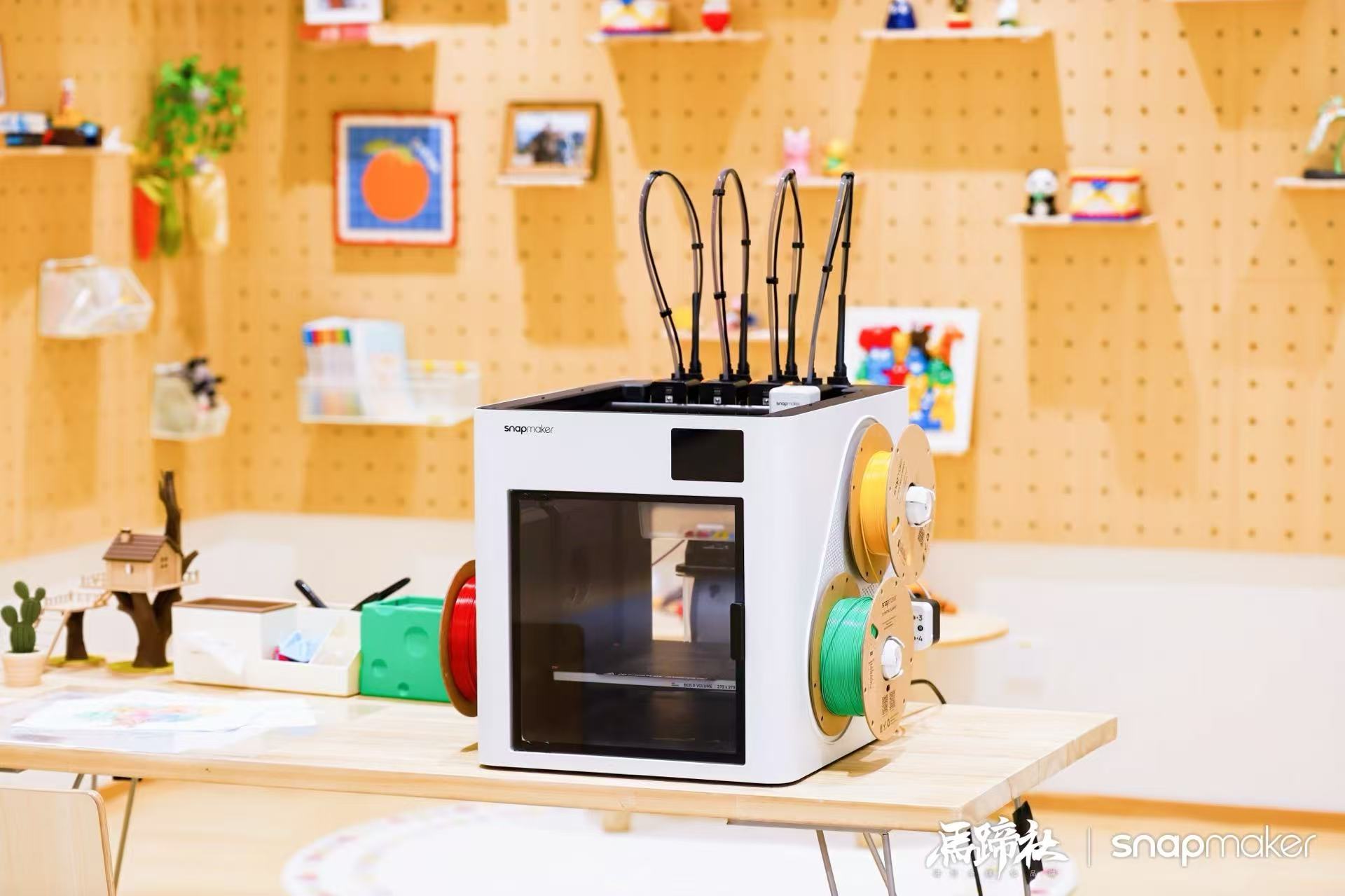
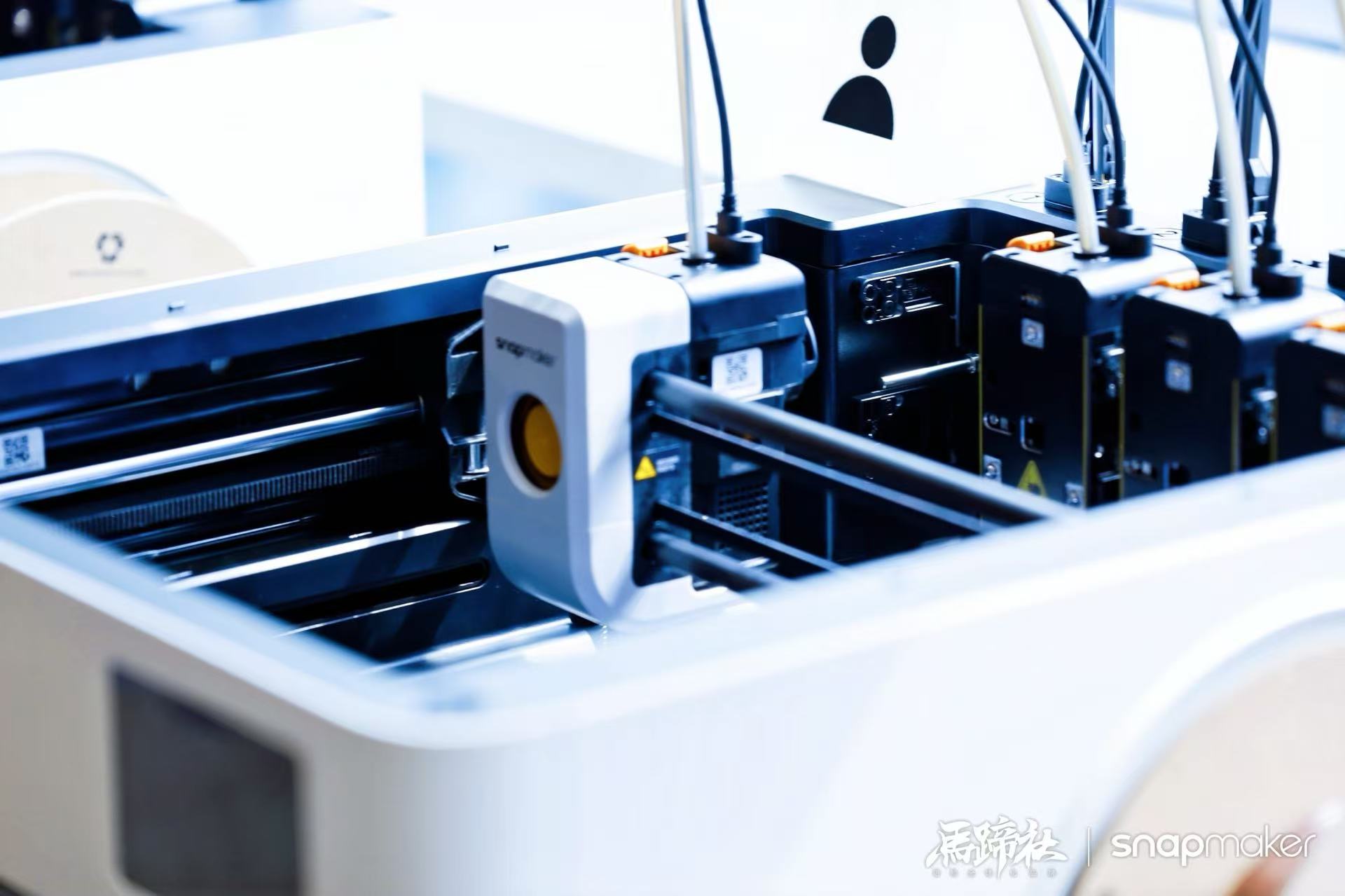
Snapmaker消费级换头3D打印机U1


行业提速,旧节奏失效


柯淑强把转折点放在2020年以后。


以高速CoreXY架构、自动调平和多色系统为代表的新方案,开始改写消费级3D打印的体验标准。过去那种需要用户反复组装、调试的设备,正在变得更快、更智能,也越来越像一台开箱即用的消费电子产品。


Snapmaker原有的研发节奏,这时候开始跟不上行业的速度了。按照团队的复盘,“三合一”得同时推进三套功能,通常两年才能迭代一次;单功能设备却可以把所有资源砸在一个方向,更新速度自然更快。第三代“三合一”产品在性能上更强了,但市场表现没有达到团队的预期。更关键的是,用户群体也在变——除了愿意折腾设备的极客、创客,看重省心、效率和价格的大众用户,正在成为新增用户的主体。


如果问题只是价格,减配好像是条出路。但在Snapmaker看来,三合一的价值本来就建立在三种能力的完整组合上;随便削掉哪一项,都换不来面向大众用户的那种“好用”。继续沿老路线优化,既要扛三个模块的研发复杂度,又很难真正进入体量更大的消费级3D打印市场。


摆在团队面前的问题:下一阶段的增长,押在哪里?


团队内部一开始并没有统一意见。有人想守住“三合一”这个已经做出认知的细分品类,也有人主张转去竞争没那么激烈的激光设备。最后押3D打印,押的其实是对两三年后行业的判断:多色会从少数玩家的折腾,变成普通用户的默认需求;而当时主流的单喷嘴换料,颜色越多,浪费越多、等得越久,这个矛盾靠优化换料解决不了,最终要走到独立工具头这条路上。这个判断在2023年并不主流。两年后,行业头部厂商也陆续推出自动换喷嘴、多工具头的机型,瞄准的同样是换色浪费。


这条路,Snapmaker也不是从零开始。从第一代产品起,公司做的就是“换头”:过去是在打印、激光和 CNC 模块之间手动换,现在是在四个打印头之间自动换。“三合一”时代积累的直线模组和多轴校正经验,恰好对上了换头最难的那部分——每次切换之后,工具头能不能精确回到原位。

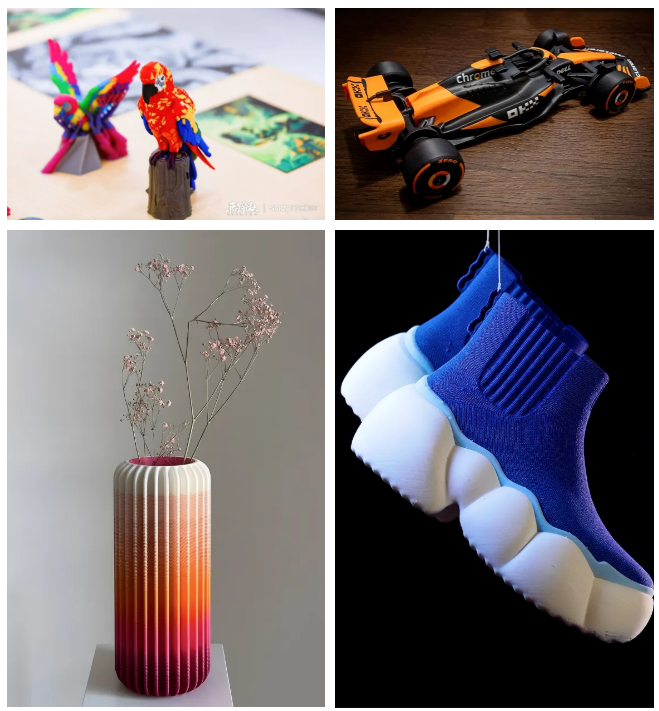
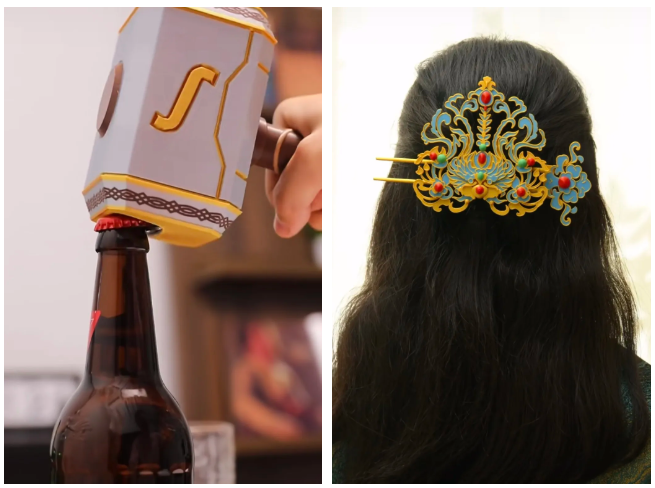
Snapmaker消费级换头3D打印机U1打印作品


从换耗材,到换工具头


当时主流的多色打印方案,是让多卷耗材共用一个喷嘴。每次换色,机器都得退出旧耗材、再送入新耗材,还要挤出一段材料把喷嘴内部清理干净。颜色越多、切换越频繁,等待时间与耗材消耗越明显;柔性材料、支撑材料与主体材料共用一个通道时,兼容起来会更麻烦。


Snapmaker换了个思路:四个独立工具头分别负责不同颜色或材料,打印过程中直接整个换掉工具头,耗材不用反复经过同一个喷嘴。


换头方案在开源社区和专业设备里早就有人做过。Snapmaker要做的,是把它塞进一台普通消费者买得起、放得下、用得来的机器里。四个打印头意味着要控制的精度环节更多,除了机器本身的XYZ轴,工具头之间还要反复定位、自动校准;哪怕一次换头不稳,都可能破坏最终的打印质量。


据柯淑强介绍,团队先花了大概一年时间验证换头的可靠性,才进入试产和量产准备。过去在直线模组、双喷嘴校准和精密装配上攒下的经验,给这次转型提供了起点;制造工艺则随之调整,从早期强调全金属与机加工质感,转向更适合规模化生产的注塑与钣金工艺,为的是让可靠性、产能和售价三者同时达标。


最终,U1配了四个独立工具头,单次换头大约5秒,靠自动校准控制工具头之间的相对位置。Snapmaker公布的实验室数据显示,换头机构完成了超过 100万次连续切换测试,未出现机械故障;这是Snapmaker自己的测试数据,但它回答的正是换头最难的那个问题:想法谁都有,真正费功夫的是装配和校准这些细活。


技术做出来之后,还得讲清楚它对用户意味着什么。据Snapmaker全球 GTM 负责人佘娜与用户运营负责人吴秋玉介绍,U1 发布前,运营和产品人员从海外社区、社交媒体和客服渠道里,人工精筛整理出500多条用户声音,还完成了30多次深度访谈。团队把问题收紧到三个高频场景:多色打印耗时、切换材料产生浪费、不同材料难共用一套通道。


在第一阶段的产品传播中,Snapmaker把U1的核心价值浓缩成八个字:五倍高速,五倍省料。据柯淑强介绍,这一表达来自团队对典型多色打印场景的对比测试,指向用户最容易感知的两项成本:等待时间和耗材消耗。用户不需要懂换头原理,只要记住两件事:等得少,料扔得少。


换色快,只是独立工具头最容易看到的好处。不同工具头可以分别处理主体材料、柔性材料或支撑材料,减少共用喷嘴造成的残留与污染。多色打印是最直观的卖点;多材料打印和更复杂的一体成型,则让它同样能满足创作者和小型工作室的需求。


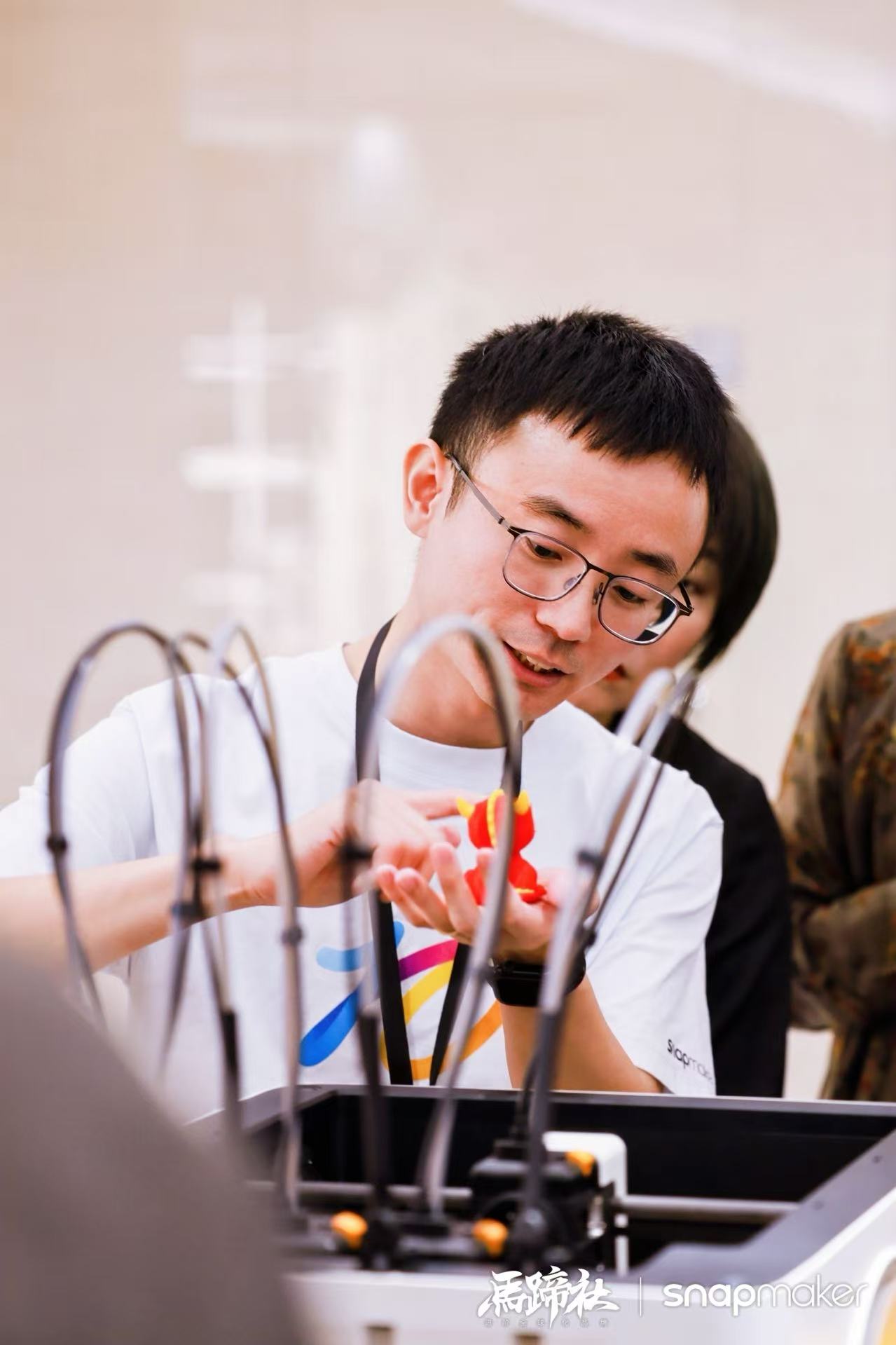
Snapmaker联合创始人、COO 柯淑强向马蹄社同学们展示3D打印作品


众筹是一次公开验证,也只是开始


硬件路线定下来了,但市场买不买账,还是两码事。U1立项时面对的另一个问题是:Snapmaker原有用户认的是“三合一”,消费级3D打印的新用户,早就形成了自己的一套品牌和产品认知。一款新架构的产品,既要跟用户解释技术上到底哪里不一样,也要重新把购买信任累积起来。


量产前,19名社区用户就拿到试产设备,参与了硬件、固件和软件的测试。


这些测试用户后来也成了U1最早的传播者。团队后续通过Kickstarter更新,持续向支持者同步产品的改进进度,也坦白说明尚未解决的问题。对众筹项目来说,这种沟通能让支持者清楚知道,产品到底做到哪一步了,还有哪些坑,团队打算怎么填。


2025年8月19日至9月30日,U1在Kickstarter获得 2061 万美元支持,支持者共计20680人,成为该平台历史众筹金额最高的3D打印项目。两万多人用真金白银投了票:消费级换头这条路有人要,Snapmaker早年在社区里积攒的信任,也没有因为换了品类而作废。


众筹证明了有人愿意先掏钱,接下来要证明的是另外几件事:按时排产交付、持续更新软件、渠道和售后跟得上。众筹结束后,Snapmaker把U1陆续铺到官网、电商平台和各地渠道,也开始补手机端应用、切片软件和模型内容。这些活儿没有发布会那么热闹,却决定了这门生意能做多久。


下一道门槛,是让设备与内容一起增长


柯淑强对硬件优势的判断相当克制:一项硬件创新通常只能换来一段领先窗口,后来者迟早会跟上。这一点很快就有了印证:U1众筹结束后半年到一年时间里,同行的自动换喷嘴、多工具头机型就陆续亮相。长期看,比的是设备、软件、内容和用户能不能互相带动起来。


3D模型文件本身可以跨设备流动,但一键打印需要的颜色分配、材料选择与工艺参数,往往还是得针对具体机型去调。用的人越多,品牌才越有条件把参数沉淀下来、把打印门槛降下去,也才更容易吸引设计师专门为这套设备做内容;内容越丰富,设备对普通用户的价值就越高。


这条路目前还在早期。Snapmaker已经上线基于Orca Slicer开发的 Snapmaker Orca,也把社区开发者Radu提出的Full Spectrum混色方案,逐步整合进了官方软件。2026年9月,面向U1的模型平台Snapmaker Space开放公测,官方称已有2500多个可直接打印的模型,重点是多色与多材料设计,并为U1预置了打印参数。这只是开始,但方向已经清楚:硬件上拉开的差距,要靠软件、内容和创作者一起守住。


回头看这次转型,Snapmaker做的其实是一件挺难的事:旧路线还能走,团队却要提前判断行业往哪去,再从过去积累的能力里,挑出还能用的那部分,重新押到一个更大的问题上。精密制造解决的是换头的可靠性,用户研究帮团队把产品价值表达聚焦了,众筹把不确定性变成了看得见的订单和反馈,全渠道和内容生态接住的则是下一阶段的增长。


十年前,Snapmaker让一台机器换着头做三件事;十年后,它让四个头轮流工作,只为把一件事做透。消费级换头正在从一家企业的选择变成行业的方向。下一个十年要回答的问题很简单:怎么让更多普通人,把脑子里的颜色,原样打出来。


关于马蹄社

马蹄社是亿邦动力旗下专注于品牌全球化的高端实战社群。由亿邦动力联合创始人、马蹄社CEO刘宸亲自带队。我们致力于打破认知边界,赋能中国企业实现从区域向全球的战略进阶,加速具备全球化新竞争力。通过汇聚实战派导师与行业领军专家,以标杆研学、资源链接和闭门共创为抓手,共同探索全球化品牌的增长路径。马不停蹄,向上生长。


本文首发于 亿邦动力 官方网站

文章来源:马蹄社

广告
微信
朋友圈

FAQ回顾

Snapmaker U1是什么?

Snapmaker U1是Snapmaker 2025年推出的消费级换头3D打印机,配备四个独立工具头,单次换头约5秒,依靠自动校准控制工具头之间的相对位置。产品主打多色与多材料打印,官方用“五倍高速,五倍省料”概括其核心价值,指向用户最容易感知的等待时间和耗材消耗两项成本。

消费级3D打印行业有哪些新趋势?

2020年以后,高速CoreXY架构、自动调平和多色系统开始改写消费级3D打印的体验标准,设备变得更像开箱即用的消费电子产品。Snapmaker在2023年前后判断,多色打印会从少数玩家的折腾变成普通用户的默认需求。U1众筹结束后,同行的自动换喷嘴、多工具头机型陆续亮相,消费级换头正从一家企业的选择变成行业方向。

3D打印多色打印的耗材浪费和等待时间问题如何解决?

传统多色打印让多卷耗材共用一个喷嘴,每次换色需退出旧耗材、送入新耗材并挤出材料清理喷嘴,颜色越多、切换越频繁,浪费和等待越明显。Snapmaker U1的解决方案是配备四个独立工具头分别负责不同颜色或材料,打印过程中直接整体更换工具头,耗材不必反复经过同一个喷嘴,从而同时降低换色等待时间和耗材消耗。

Snapmaker为什么放弃三合一路线转向换头3D打印?

Snapmaker曾是3D打印、激光雕刻和CNC三合一桌面制造设备的代表,但三合一需同时推进三套功能,通常两年才能迭代一次,跟不上2020年后单功能设备加速升级的行业节奏。2023年前后团队评估后决定停止重投三合一,把主要研发资源转向消费级换头3D打印机U1;老产品没有下架,销售、售后和软件支持照常进行。

换头式3D打印机适合哪些用户?

Snapmaker U1的“五倍高速,五倍省料”来自对典型多色打印场景的对比测试,指向等待时间和耗材消耗两项成本,适合看重省心、效率和价格的大众用户。同时,四个独立工具头可分别处理主体、柔性或支撑材料,减少共用喷嘴造成的残留与污染,也满足创作者和小型工作室对多材料打印和复杂一体成型的需求。

这么好看,分享一下?

朋友圈 分享

APP内打开

赞 +1
+1
微信好友 朋友圈 新浪微博 QQ空间
关闭
收藏成功
发送
/140 0