广告
加载中

三天促成785项合作意向 第五届全球数字贸易博览会“数贸创投日”系列活动杭州圆满举行

创业邦 2026-09-29 11:44
创业邦 2026/09/29 11:44

邦小白快读

EN
全文速览

总:本届数贸创投日推出大量可关注的硬核信息和落地成果。

1. 规模和热度:展览17万平方米、2008家企业线下参展、超5万专业客商和42.8万人次观众,现场促成785项投融资对接及产业合作意向,说明数字贸易和科技创业正处活跃期。

2. 前沿科技机会:AI医疗已进入智慧急救、智能病历、肝癌诊疗等场景,但存在数据孤岛、算法黑箱等制约;具身智能从清洁、巡检等刚需切入更易落地;低空机器人续航能力提升10倍以上;氢能交通依托物流网络分阶段投放重卡、两轮车和无人物流车。

3. 创业投资信号:资本加速投早、投小、投长期、投硬科技;浙江省级基金群超3500亿元,已投资超2000家本地企业;2026上半年中国AI投资规模已超2025全年,早期科技企业融资窗口值得关注。

4. 给普通人的启发:AI正从单点辅助工具走向全流程智能协同,未来“AI初筛+医生复核”的人机协作会成为主流;世界模型、4D内容生成等新技术将进入消费娱乐,可关注相关产品与就业机会。

总:品牌商可从中获得关于科技消费趋势、全球化品牌建设与产品策略的干货。

1. 品牌评估与渠道:全球化新势力100强榜单的评估维度包括全球化布局深度、产品竞争力、经营规模、合规稳健度、品牌认知度,为品牌商提供了衡量自身出海能力的参照系;北美、欧洲、东南亚是主要出海目的地,32%的企业“成立即出海”,说明“天生全球化”成为新趋势。

2. 消费与研发趋势:AI产业进入商业化落地加速期,全球AI市场规模预计从2026年的6019.3亿美元增至2033年的约3.64万亿美元;浙江AI核心产业营收超7000亿元、核心企业超2000家,AI新消费领域存在产品创新空间。白皮书提示,市场关注点从技术概念转向落地效率和投资回报。

3. 品牌合作机会:跨国企业和产业龙头创新部门参与创新市集,早期企业可与其直接对接;以“产品+AI+服务”的全球化模式转型,是品牌输出和商业模式升级的方向。品牌商可借助资本与产业生态,围绕AI、具身智能、低空经济等场景打造新产品。

总:对卖家和渠道商而言,大会释放了增长市场、商业模式和扶持政策等关键信号。

1. 增长市场:数字贸易是贸易强国重要支柱,展会规模扩大意味着跨境数字贸易热度提升;AI、具身智能、氢能、低空经济是政策与资本重点押注的新赛道,可关注相关产品代理、场景服务和内容供应机会。

2. 商业模式和合作方式:浙江政府投资基金总规模超3000亿元,省级基金群超3500亿元,企业可通过投融资对接获得资本支持;工行等金融机构以投贷联动、跨境服务包帮助科创企业解决出海难题;专委会和数贸光合营将持续提供资本对接、政策咨询和专业服务,卖家可寻求加入或合作。

3. 消费需求变化:AI正从单点工具走向全流程协同,消费者对智能化产品和服务的需求将增加;全球新势力100强中超半数企业集中于具身智能、工业与智能制造、AI,“成立即出海”占比32%,说明海外市场对高性价比智能产品有较强需求。

4. 风险与对策:AI医疗规模化落地仍受数据孤岛、算法黑箱、支付机制、责任边界制约;具身智能还未大规模成熟,产业化应从真实刚需场景切入;卖家进入新赛道需评估技术成熟度和合规性问题。

总:工厂可从大会中看到产品生产、设计需求以及数字化升级的实际方向。

1. 生产与设计需求:氢能装备制造被明确列为布局板块,包括燃料电池系统、绿电制氢与加氢补能网络、氢能车辆运营,贯通“制储运加用”产业链,工厂可关注氢能车辆、加氢设备和无人物流车代工需求;低空机器人平台采用耐久型氦气囊、分布式电推进、低空智驾系统和视觉大模型,对轻量化、智能硬件和飞控系统生产有潜在需求。

2. 产品化与供应链:技术走出实验室必须具备产品化、工程化和规模化能力;科学家向企业家转变需在技术、市场、供应链、现金流和组织管理之间取舍,说明工厂在早期科技企业中的供应链角色很重要。具身智能产业化应从清洁、巡检等真实刚需切入,形成产品部署、真机数据采集与模型迭代的闭环,意味着制造企业可与AI企业合作积累数据。

3. 数字化与产业升级启示:AI硬件产业化与全球化是讨论重点,涉及技术创新、量产突围和产学研转化;工厂可借助资本和政府基金支持,围绕AI硬件、具身智能和低空经济进行产线升级,利用浙江省级基金覆盖全生命周期的投资机会实现转型。

总:服务商能从中识别行业趋势、客户痛点及可提供的解决方案。

1. 行业趋势:AI产业进入商业化落地加速期,市场关注点转向落地效率和投资回报;具身智能仍处于从技术可行走向场景验证的关键阶段,需从清洁、巡检等真实刚需切入;全球AI市场预计到2033年约3.64万亿美元,服务商可围绕这些方向布局。

2. 客户痛点:AI医疗规模化落地受数据孤岛、算法黑箱、支付机制、责任边界和人才短缺制约;早期科技企业面临从实验室到产品的工程化、规模化难题;科技企业出海面临跨境结算、汇率避险等难题。这些都是服务商可以切入的痛点。

3. 解决方案:金融方面,“投贷联动+跨境服务包”覆盖69个国家和地区,能解决企业跨境结算和汇率避险问题;AI医疗建议建立“AI初筛+医生复核”责任闭环,将AI素养融入医学教育;股权投资机构以耐心资本支持早期创新,但创业者的成长无法被资本替代,服务商可提供管理、市场、供应链等专业服务。此外,创投日搭建的创新市集和榜单,为服务商提供了对接早期项目和跨国企业的场景。

总:平台商可借鉴数贸创投日的平台运营、资源整合和招商做法。

1. 平台价值:数贸会展览面积17万平方米、2008家企业参展、超5万专业客商,说明大型行业平台对供需对接具有强大吸引力;创投日活动聚集140家科技企业、131位投资人,促成785项对接意向,显示“展会+创投+产业”组合模式能有效提升平台粘性和转化率。

2. 运营模式:创新市集将路演搬到展位之间,让创业者和投资人、产业伙伴面对面,评委关注核心技术进展、产品交付和客户验证,此类模式可复制至平台招商和运营中;活动还联动高校、科研院所、企业、资本和产业平台,形成全生命周期支持生态。

3. 平台对接与招商机会:专委会成员单位包括银行、省级投资集团、创投机构和大学科技园,未来将以“数贸创投日+数贸光合营”为抓手,持续提供资本对接、政策咨询和专业服务;平台方可关注浙江开放应用场景、完善基金投资体系和多层次资本市场的政策导向,吸引AI、高端装备、生物医药等企业入驻,并注意合规稳健度、品牌认知度等风向要求。

总:研究者可重点关注数字贸易与创投生态的产业新动向、制度建议和商业模式创新。

1. 产业新动向:数字贸易与货物贸易、服务贸易共同构成贸易强国建设重要支柱;全球资本加速向硬科技、源头创新和早期项目集聚;浙江基金群规模超3500亿元,投资覆盖超2000家企业,呈现政府引导、市场主导的资本配置模式。AI市场预计从2026年6019.3亿美元增至2033年约3.64万亿美元,反映高增长预期。

2. 新问题:AI医疗在智慧急救、智能病历、肝癌诊疗智能体等场景中已展现价值,但数据孤岛、算法黑箱、支付机制、责任边界和人才短缺制约规模化落地;具身智能产业化需解决从技术可行到场景验证的跨越;早期企业融资结构显示97.4%处于种子轮至Pre-A+轮,资本“投早投小”趋势明显。

3. 政策法规与建议:完善“AI初筛+医生复核”责任闭环,将AI素养融入医学教育;建议以耐心资本支持早期创新,尊重技术及产业规律;浙江构建覆盖科技创新全生命周期的金融支持体系,以及“省级基金+社保科创基金”双体系运作、专委会链接全球资源等做法,值得作为政策研究和模式案例。

4. 商业模式:金融“投贷联动+跨境服务包”生态、基金群“战略资本组织者、产业生态架构师、创新要素链接者”定位,以及“装备制造—能源供应—场景运营”的氢能产业模式,都是可深入研究的商业模式样本。

返回默认
声明:快读内容全程由AI生成,请注意甄别信息。如您发现问题,请发送邮件至 run@ebrun.com 。

我是 品牌商 卖家 工厂 服务商 平台商 研究者 帮我再读一遍。

Quick Summary

Overall: This Digital Trade Venture Capital Day delivered substantial hardcore insights and tangible outcomes.

1. Scale and heat: With 170,000 square meters of exhibition space, 2,008 enterprises participating on-site, over 50,000 professional buyers, and 428,000 visits, the event facilitated 785 matchmaking intents for investment, financing, and industrial cooperation. This demonstrates that digital trade and tech entrepreneurship are in an active phase.

2. Frontier tech opportunities: AI in healthcare has entered scenarios such as smart emergency response, intelligent medical records, and liver cancer diagnosis and treatment, but is still constrained by data silos and algorithmic black boxes; embodied intelligence is easier to commercialize by starting from real, high-demand use cases like cleaning and inspection; low-altitude robots have achieved more than a 10x improvement in endurance; hydrogen-powered transportation is being deployed in phases across logistics networks, including heavy trucks, two-wheelers, and unmanned logistics vehicles.

3. Venture capital signals: Capital is accelerating its shift toward early-stage, small-scale, long-term, and hard-tech investment; Zhejiang's provincial fund cluster exceeds RMB 350 billion and has invested in more than 2,000 local enterprises; China's AI investment scale in the first half of 2026 has already surpassed the full-year 2025 level, making the financing window for early-stage tech companies worth watching.

4. Implications for everyday people: AI is moving from point-solution tools to full-process intelligent collaboration, and "AI pre-screening plus physician review" will become the mainstream human-machine model; new technologies such as world models and 4D content generation will enter consumer entertainment, so related products and job opportunities deserve attention.

Overall: Brands can extract practical insights on tech consumption trends, global branding, and product strategy.

1. Brand evaluation and channels: The Global Rising Power 100 list evaluates dimensions including global footprint depth, product competitiveness, business scale, compliance stability, and brand awareness, offering a benchmark for brands to measure their overseas capabilities; North America, Europe, and Southeast Asia are the primary destinations, and 32% of companies "go global at inception," indicating that "born-global" is a new trend.

2. Consumption and R&D trends: AI has entered an accelerated commercialization phase, with the global AI market expected to grow from $601.93 billion in 2026 to approximately $3.64 trillion by 2033; Zhejiang's core AI industry revenue exceeds RMB 700 billion with over 2,000 core enterprises, leaving room for product innovation in AI-enabled consumer sectors. The white paper suggests market attention is shifting from technical concepts to implementation efficiency and ROI.

3. Brand cooperation opportunities: Multinationals and leading industry innovation departments participated in the innovation market, enabling early-stage enterprises to engage directly; transitioning toward a "product + AI + service" globalization model is the direction for brand export and business model upgrades. Brands can leverage capital and the industrial ecosystem to create new products around AI, embodied intelligence, and the low-altitude economy.

Overall: For sellers and channel partners, the conference released key signals on growth markets, business models, and supportive policies.

1. Growth markets: Digital trade is a key pillar of trade power, and the expanding exhibition scale signals rising momentum in cross-border digital trade; AI, embodied intelligence, hydrogen energy, and the low-altitude economy are new tracks prioritized by policy and capital, so opportunities in product distribution, scenario services, and content supply deserve attention.

2. Business models and collaboration: Zhejiang's government investment funds total more than RMB 300 billion, with provincial-level fund clusters exceeding RMB 350 billion, so enterprises can access capital support through matchmaking; financial institutions such as ICBC provide investment-loan linkage and cross-border service packages to help tech companies overcome overseas expansion challenges; the special committee and the Digital Trade Light Partnership will continue to provide capital matchmaking, policy consultation, and professional services, making membership or cooperation a viable option.

3. Changing consumer demand: AI is moving from point tools to full-process collaboration, so consumer demand for intelligent products and services will rise; among the global Rising Power 100, more than half focus on embodied intelligence, industry/smart manufacturing, and AI, with 32% "born-global," indicating strong overseas demand for cost-effective smart products.

4. Risks and responses: Scaled AI healthcare deployment is still constrained by data silos, algorithmic black boxes, payment mechanisms, and liability boundaries; embodied intelligence is not yet mature at scale, so industrialization should start from real demand scenarios; sellers entering new tracks must assess technological maturity and compliance issues.

Overall: Factories can identify practical directions for product manufacturing, design requirements, and digital upgrade from the conference.

1. Production and design needs: Hydrogen equipment manufacturing was explicitly listed as a key segment, including fuel cell systems, green hydrogen production and refueling networks, and hydrogen vehicle operations across the full "production-storage-transport-refueling-use" chain; factories can pay attention to OEM demand for hydrogen vehicles, refueling equipment, and unmanned logistics vehicles. Low-altitude robot platforms use durable helium airbags, distributed electric propulsion, low-altitude intelligent driving systems, and visual foundation models, creating potential demand for lightweight materials, smart hardware, and flight control system production.

2. Productization and supply chain: Moving technology out of the lab requires productization, engineering, and scale capabilities; the scientist-to-entrepreneur transition demands trade-offs among technology, market, supply chain, cash flow, and organizational management, highlighting the importance of factories in early-stage tech supply chains. Embodied intelligence industrialization should start from real demands like cleaning and inspection, forming a closed loop of product deployment, real-machine data collection, and model iteration, meaning manufacturers can collaborate with AI companies to accumulate data.

3. Digital and industrial upgrade insights: AI hardware industrialization and globalization were key discussion topics, covering technological innovation, mass production breakthroughs, and industry-academia-research transformation; factories can leverage capital and government funds to upgrade production lines around AI hardware, embodied intelligence, and the low-altitude economy, taking advantage of Zhejiang's provincial fund lifecycle investment opportunities.

Overall: Service providers can identify industry trends, customer pain points, and solution opportunities.

1. Industry trends: AI has entered an accelerated commercialization phase, with market attention shifting to implementation efficiency and ROI; embodied intelligence remains at the critical stage between technical feasibility and scenario validation, requiring entry through real demands such as cleaning and inspection; the global AI market is projected to reach about $3.64 trillion by 2033, so service providers can position themselves around these directions.

2. Customer pain points: Scaled AI healthcare deployment is constrained by data silos, algorithmic black boxes, payment mechanisms, liability boundaries, and talent shortages; early-stage tech companies face engineering and scaling challenges from lab to product; tech companies expanding overseas encounter cross-border settlement and currency hedging difficulties. These are all addressable pain points for service providers.

3. Solutions: In finance, "investment-loan linkage + cross-border service packages" covers 69 countries and regions, solving cross-border settlement and currency hedging; AI healthcare recommends establishing an "AI pre-screening + physician review" liability loop and integrating AI literacy into medical education. Equity investors support early innovation with patient capital, but entrepreneur growth cannot be replaced by capital, so service providers can offer management, market, supply chain, and other professional services. Additionally, the innovation market and rankings built by Venture Capital Day provide scenarios for service providers to connect with early projects and multinational enterprises.

Overall: Platform operators can draw lessons from the Digital Trade Venture Capital Day's platform operations, resource integration, and investment promotion practices.

1. Platform value: The Digital Trade Fair's 170,000 square meters, 2,008 exhibiting enterprises, and over 50,000 professional buyers demonstrate the strong appeal of large industry platforms for supply-demand matchmaking; the Venture Capital Day gathered 140 tech enterprises and 131 investors, facilitating 785 matchmaking intents, showing that the "exhibition + venture capital + industry" combination effectively enhances platform stickiness and conversion.

2. Operating models: The innovation market moved roadshows to the space between booths, putting entrepreneurs face-to-face with investors and industry partners, with judges focusing on core technology progress, product delivery, and customer validation; this model can be replicated in platform recruitment and operations. The event also linked universities, research institutes, enterprises, capital, and industrial platforms into a full-lifecycle support ecosystem.

3. Platform matchmaking and investment opportunities: Member units of the special committee include banks, provincial investment groups, venture capital institutions, and university science parks, and future efforts will center on "Digital Trade Venture Capital Day + Digital Trade Light Partnership" to continuously provide capital matchmaking, policy consultation, and professional services. Platform operators can follow Zhejiang's policy direction of opening application scenarios, improving fund investment systems, and building multi-tier capital markets to attract enterprises in AI, high-end equipment, biopharma, and other fields, while paying attention to compliance stability and brand awareness trends.

Overall: Researchers should focus on new industry dynamics, institutional recommendations, and business model innovations in digital trade and the venture capital ecosystem.

1. New industry dynamics: Digital trade, together with goods trade and services trade, forms a key pillar of trade powerhouse construction; global capital is accelerating toward hard tech, original innovation, and early-stage projects; Zhejiang's fund cluster exceeds RMB 350 billion and has invested in over 2,000 companies, reflecting a capital allocation model guided by government and driven by the market. The AI market is projected to grow from $601.93 billion in 2026 to approximately $3.64 trillion by 2033, indicating high growth expectations.

2. New issues: AI healthcare has shown value in smart emergency response, intelligent medical records, and liver cancer diagnostic agents, but data silos, algorithmic black boxes, payment mechanisms, liability boundaries, and talent shortages restrict scaled deployment; embodied intelligence industrialization must bridge the gap from technical feasibility to scenario validation; the financing structure of early-stage companies shows 97.4% are at seed to Pre-A+ rounds, highlighting the "early and small" investment trend.

3. Policies, regulations, and recommendations: Improve the "AI pre-screening + physician review" liability loop and integrate AI literacy into medical education; recommend patient capital to support early innovation while respecting technology and industry laws; Zhejiang's construction of a financial support system covering the full lifecycle of scientific innovation, the dual-system operation of "provincial funds + social security science funds," and the special committee's global resource linkage are worth studying as policy research and model cases.

4. Business models: The "investment-loan linkage + cross-border service package" financial ecosystem, the fund cluster's positioning as "strategic capital organizer, industrial ecosystem architect, and innovation element linker," and the "equipment manufacturing + energy supply + scenario operation" hydrogen industry model are all business model samples worthy of in-depth research.

Disclaimer: The "Quick Summary" content is entirely generated by AI. Please exercise discretion when interpreting the information. For issues or corrections, please email run@ebrun.com .

I am a Brand Seller Factory Service Provider Marketplace Seller Researcher Read it again.

2026年是“十五五”规划开局之年,数字贸易与货物贸易、服务贸易共同构成贸易强国建设的重要支柱。9月23-27日,第五届全球数字贸易博览会在杭州举办。据了解,今年数贸会展览面积达17万平方米,2008家企业线下参展,吸引超5万名专业客商和42.8万人次观众,规模和影响力进一步提升。

在数字贸易加快发展的同时,科技成果如何更快走出实验室、进入产业,也成为越来越现实的命题。为此,数贸会持续迭代举办“数贸创投日”系列活动,汇聚国家基金、地方平台、社会创投等资本力量,为科技项目转化提供全生命周期资本支持,推动早期创新更快被发现、被验证、被转化。

今年,系列活动以“数贸创投日”为主场,联动创业邦2026 DEMO CHINA、环紫金港创新生态圈协同发展大会和交大安泰分场,集中呈现了一批科技创新、产业合作与创投领域的新成果,让“下一个六小龙”更早被看见。据统计,活动共计吸引140家科技企业、131位一线VC/CVC投资人参与,现场促成785项投融资对接及产业合作意向。

01

创投产业链资源加速集聚

当前全球资本正加速向硬科技、源头创新和早期科创项目集聚。浙江区域创新能力已连续4年位居全国第四,全省政府投资基金总规模突破3000亿元。面向新一轮科技革命和产业变革,浙江正坚持市场主导、政府引导,加快构建覆盖科技创新全生命周期的金融服务体系,聚力打造耐心资本高地和创业投资热土。围绕人工智能、高端装备、生物医药等战略性新兴产业,浙江将持续开放应用场景、完善基金投资体系和多层次资本市场支撑,推动资本投早、投小、投长期、投硬科技,让更多“科技之花”结出“产业之果”,为创新浙江建设和新质生产力培育注入强劲动能。

如何让不同资源围绕科技创新形成合力,成为本届“数贸创投日”系列活动的一条重要主线。

对于科技企业而言,从技术研发到产业化,股权资本之外,同样需要与不同成长阶段相匹配的金融支持。据介绍,中国工商银行已通过AIC股权投资试点支持多家高校和科研院所孵化企业,投资金额达12亿元,覆盖量子计算、生物医药、具身智能、核聚变等领域;累计服务各类投资机构、产业基金超1.2万户。与传统信贷不同,工行通过“投贷联动+跨境服务包”构建生态,以研发贷、人才贷帮助企业补短板,同时依托覆盖69个国家和地区的分支机构协助企业解决跨境结算、汇率避险等出海难题。

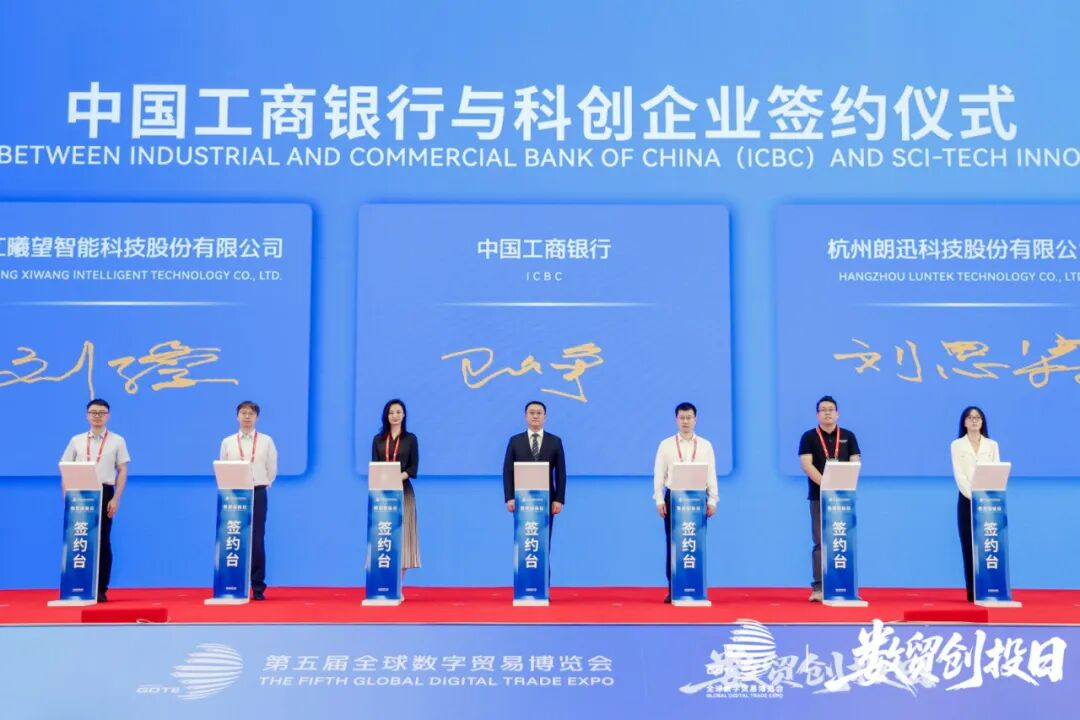
金融支持也在现场进一步转化为具体合作。中国工商银行与朗迅科技、金羽新能源、地卫二空间、曦望智能、比博斯特、趋境科技等6家科创企业签署战略协议。

中国工商银行与科创代表企业签约仪式

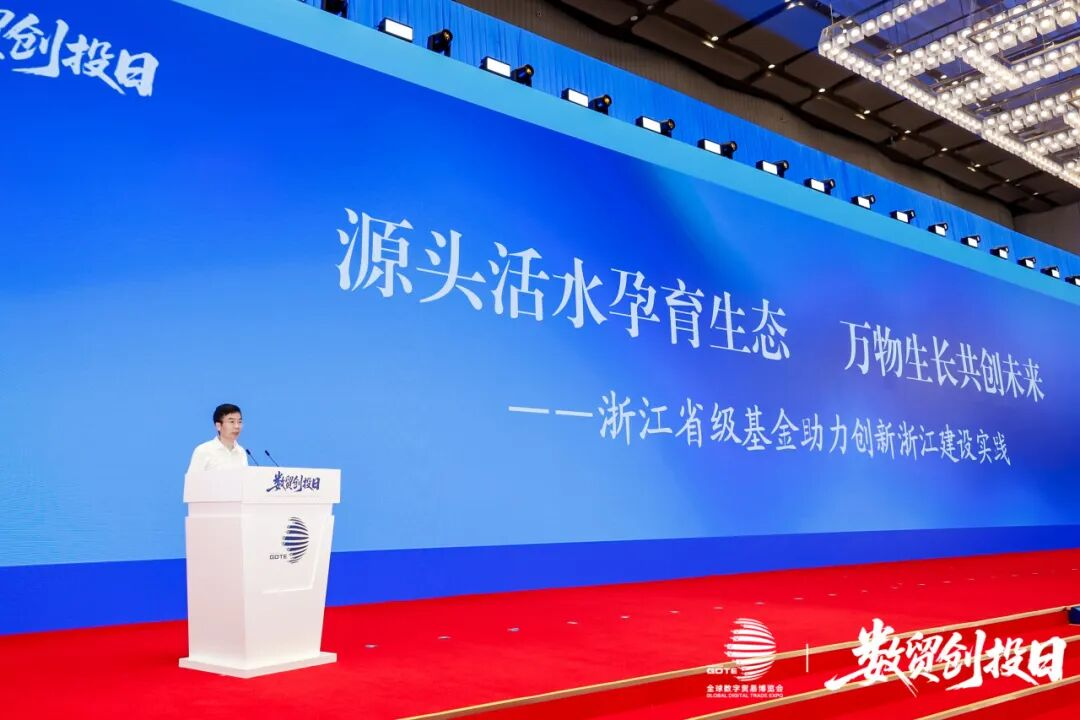
从金融服务直达企业,到资本进一步向科技创新前端延伸,浙江正加快构建覆盖科技创新全生命周期的金融支持体系。活动现场,浙江省创新投资集团有限公司投资总监王拯系统介绍了浙江省级基金助力创新浙江建设的实践,以“打造‘六合浙创’, 孕育创新时代的万物生长”为愿景,主动做战略资本组织者、产业生态架构师、创新要素链接者、企业成长合伙人,在管浙江省级政府投资基金、浙江社保科创基金两大省级基金体系,构建全省覆盖、重点集群全覆盖、科创全生命周期覆盖的基金群,省级基金群规模已超3500亿元,投资浙江企业超2000家,助力115家省内企业上市,投资5家“杭州六小龙”、7家“杭州新八骏”、4家“GPU四小龙”等明星项目。

浙江省创新投资集团有限公司省级基金推介

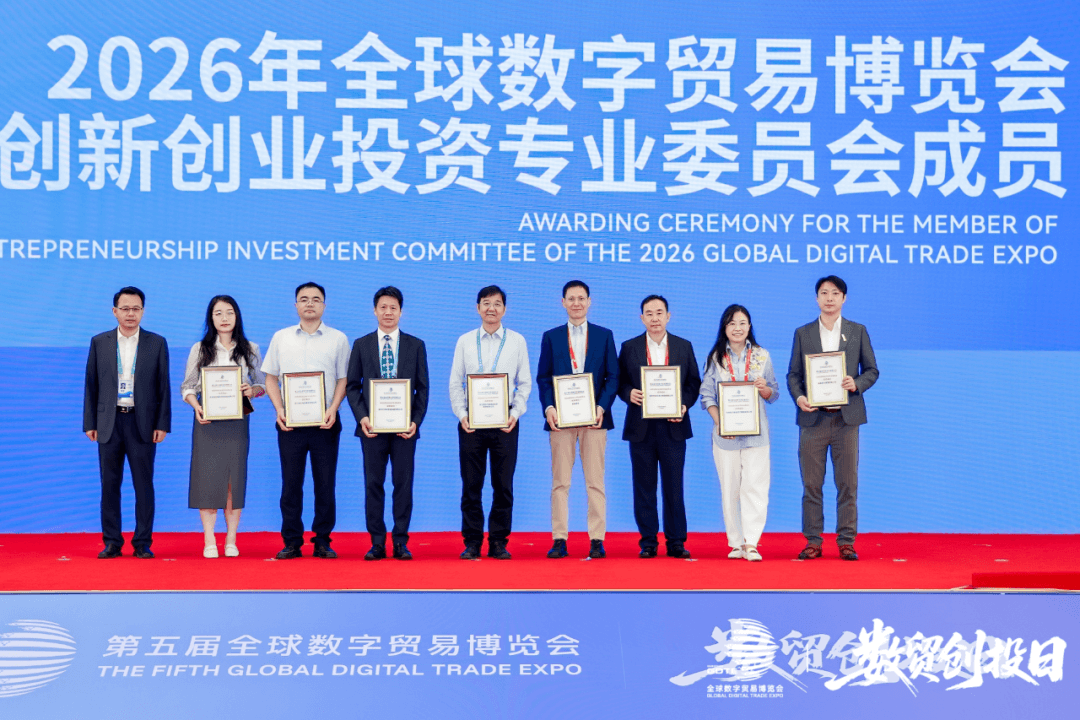
活动现场还公布了“2026全球数字贸易博览会科技创新创业投资专业委员会”成员名单,中国工商银行浙江省分行、浙江省创新投资集团有限公司担任常务理事单位,浙江省国际经济博览中心(浙江省对外贸易服务中心)担任秘书长单位,创业邦担任副秘书长单位,浙江浙大科创集团有限公司、浙江大学科技园发展有限公司、松禾资本、君联资本等投资机构担任成员单位。未来,专委会将进一步链接全球资本与产业资源,通过股权投资、产业协同、资源对接等方式,支持更多中国创新企业拓展全球市场,加快从产品出口向“产品+AI+服务”全球化模式转型。

2026全球数字贸易博览会科技创新创业投资专业委员会授牌仪式

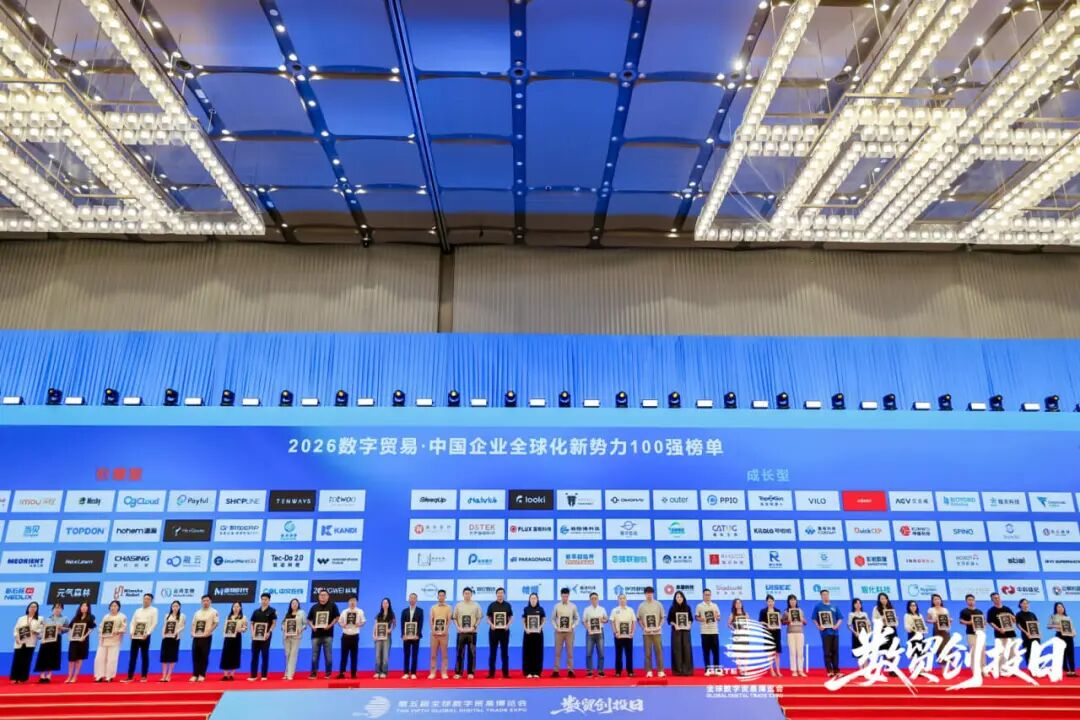
从发现新公司,到观察新的增长方向,现场的视野也进一步延伸。活动上,创业邦正式发布“2026数字贸易·中国企业全球化新势力100强榜单”。本次评选采用“问卷征集 + 调研访谈 + 专家评审 + 第三方数据核验”相结合的模式,围绕全球化布局深度、产品竞争力、经营规模、合规稳健度、品牌认知度五大维度综合评估,最终评选出「引领型」40家、「成长型」60家。今年榜单呈现出几个明显特征:过半企业集中于具身智能、工业与智能制造、AI三大领域;32%的企业“成立即出海”;北美、欧洲、东南亚构成企业出海的主要目的地。

“2026数字贸易·中国企业全球化新势力100强”榜单获奖企业代表

02

群贤汇聚,共话产业新想象

前沿观点、创新力量与产业资源在“数贸创投日”进一步汇聚。围绕AI赋能产业创新、人工智能走向物理世界、源头创新走向产业化等议题,来自科研、产业、资本等领域的嘉宾展开深入交流,在观点碰撞中拆解技术趋势、产业变化与现实机会。

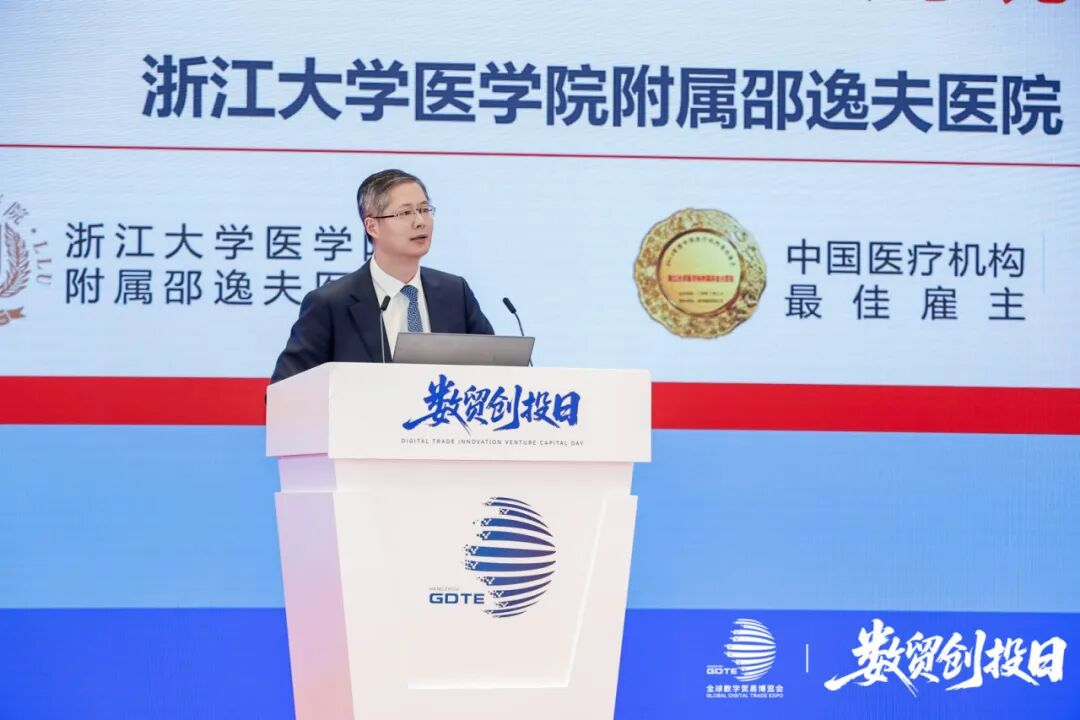
浙江大学医学院副院长、邵逸夫医院肝胆胰外科教授、主任医师、博士生导师梁霄,从临床应用与全生命周期治理的双重视角,介绍了AI在智慧急救、智能病历、肝癌诊疗智能体、远程超声和远程手术等场景中的实践。他指出,AI正从单点辅助工具走向覆盖诊疗全流程的智能协同,但规模化落地仍受数据孤岛、算法黑箱、支付机制、责任边界和人才短缺制约。未来应坚持“赋能而不替代”,完善“AI初筛+医生复核”责任闭环,同时将AI素养深度融入医学教育,健全复合型医学人才培养体系,推动人机协同成为临床标准路径。

浙江大学医学院副院长、邵逸夫医院肝胆胰外科教授、主任医师、博士生导师梁霄

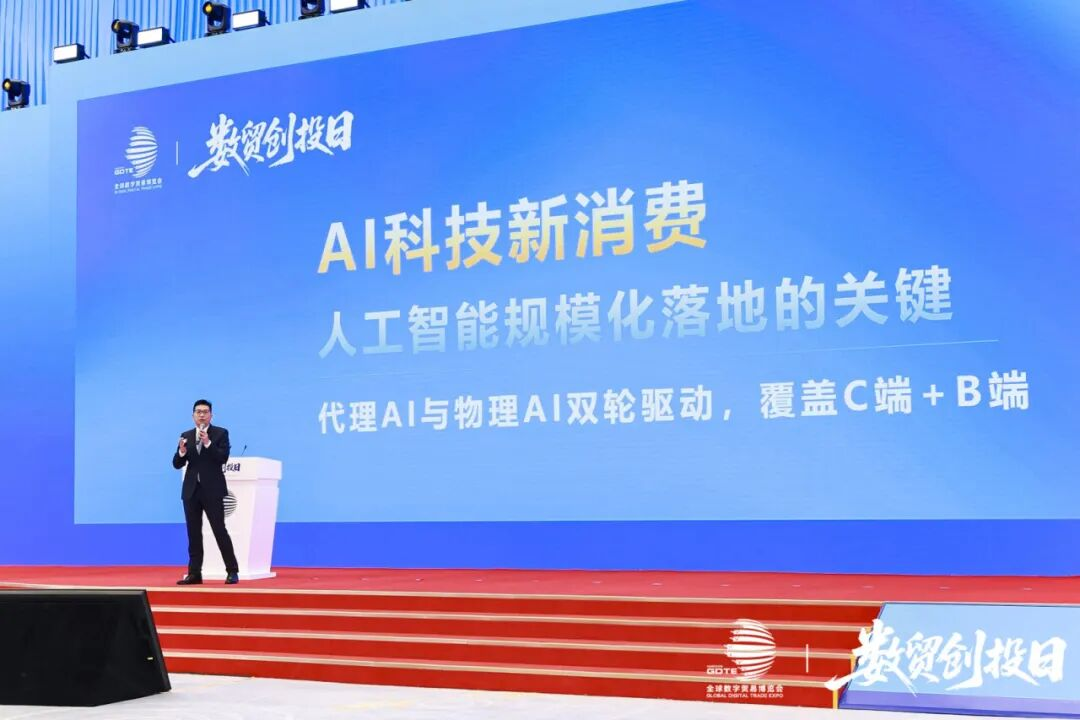
浙江大学控股集团有限公司党委副书记、总经理余飞鹏发布《2026中国AI科技新消费产业与投资趋势白皮书》,从产业趋势、消费变化和资本布局等维度,呈现科技产业正在出现的新机会。白皮书指出,AI产业正进入商业化落地加速期,市场关注点逐步转向落地效率和投资回报。全球AI市场规模预计将由2026年的6019.3亿美元增至2033年的约3.64万亿美元。资本加速向早期项目和硬科技聚集,2026年上半年中国AI投资规模已超过2025年全年。浙江AI核心产业营收已超7000亿元,集聚核心企业2000余家,为AI科技新消费发展提供了坚实基础。

浙江大学控股集团有限公司党委副书记、总经理余飞鹏

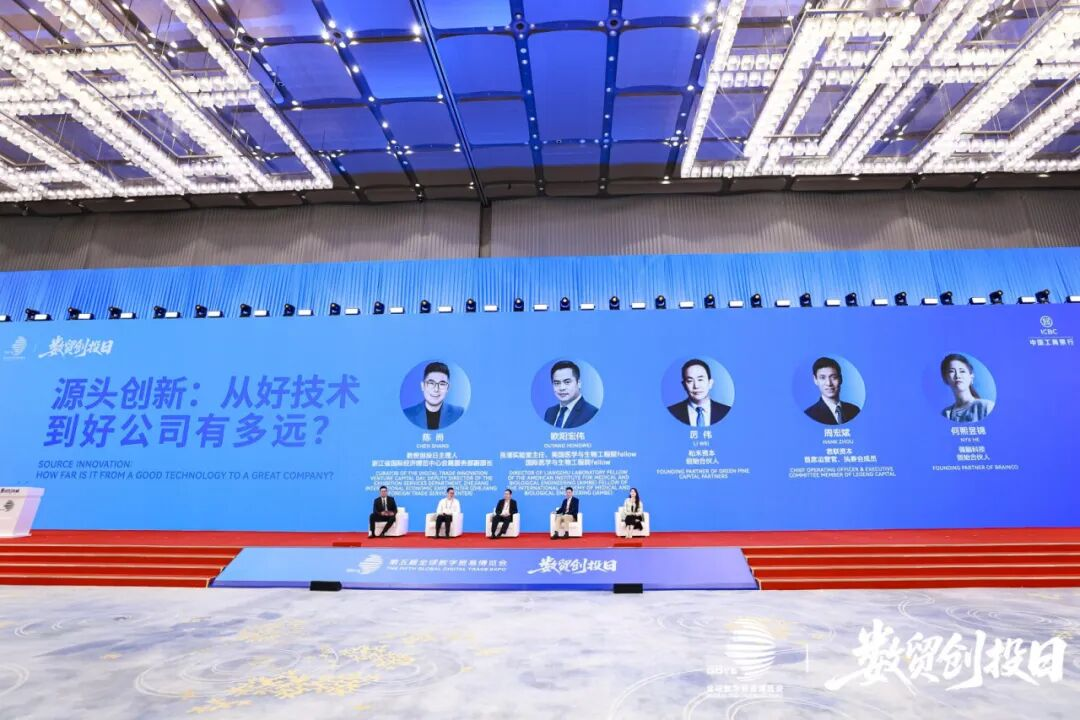
围绕“源头创新,好技术离好公司有多远?”,浙江大学良渚实验室主任、美国医学与生物工程院fellow、国际医学与生物工程院fellow欧阳宏伟,松禾资本创始合伙人厉伟,君联资本首席运营官、执委会成员周宏斌,强脑科技创始合伙人何熙昱锦与数贸创投日主理人、浙江省国际经济博览中心会展服务部副部长陈尚展开交流,讨论科研成果如何跨越从技术突破到产品、公司与市场的关键阶段。他们分享,一项技术走出实验室,既要有原创性和发展前景,也要回应真实需求,具备产品化、工程化和规模化能力。科学家向企业家转变,需要学会在技术、市场、供应链、现金流和组织管理之间作出取舍;投资机构则应以耐心资本支持早期创新、包容试错,但创业者的成长无法被资本替代。

科创转化播客:源头创新,好技术离好公司有多远?

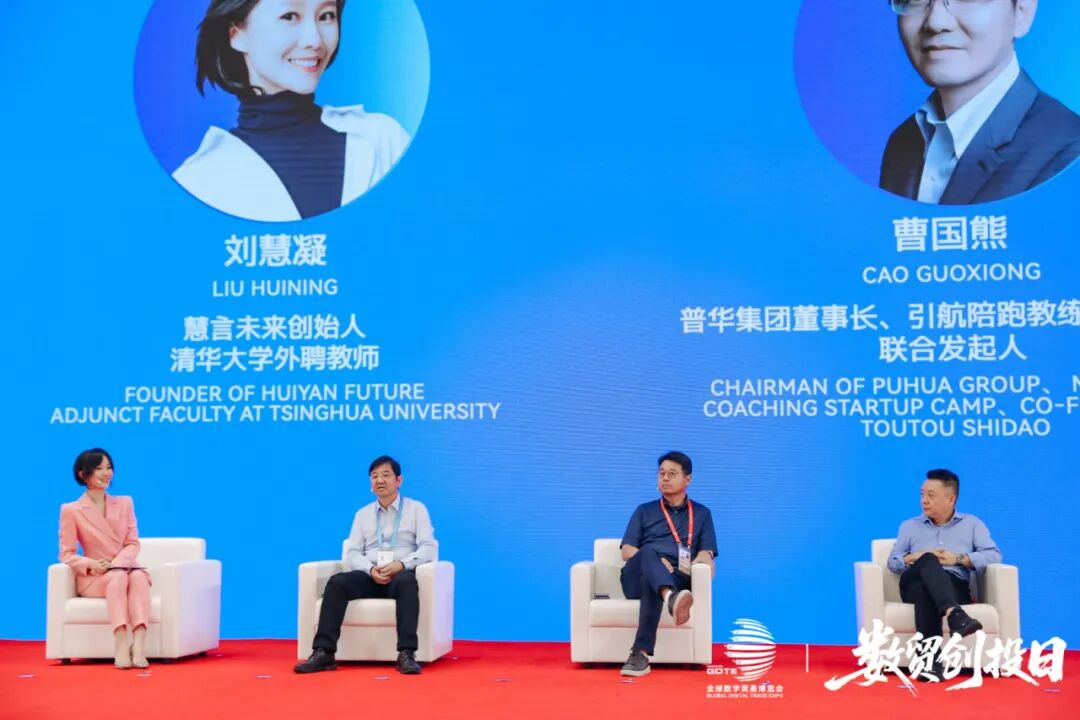
围绕“Physical AI,重新定义生产力”,普华集团董事长、引航陪跑教练、头头是道联合发起人曹国熊,启明创投投资合伙人、原高通全球副总裁、引航陪跑教练沈劲,高山新域创始合伙人、原小米合伙人、总裁、原高通公司全球高级副总裁、大中华区总裁、引航陪跑教练王翔,慧言未来创始人、清华大学外聘教师刘慧凝,从投资、产业与企业实践等角度,讨论人工智能进入物理世界后正在打开的新产品、新场景与新机会。在他们看来,具身智能仍处于从技术可行走向场景验证的关键阶段,产业化应从清洁、巡检等真实刚需切入,形成产品部署、真机数据采集与模型迭代的闭环。具身智能将重构生产与生活方式,但突破不会一蹴而就,投资人、创业者和科学家都应尊重技术及产业规律,以长期主义持续攻关,在真实场景中验证技术、创造价值。

产业增长播客:Physical AI,重新定义生产力

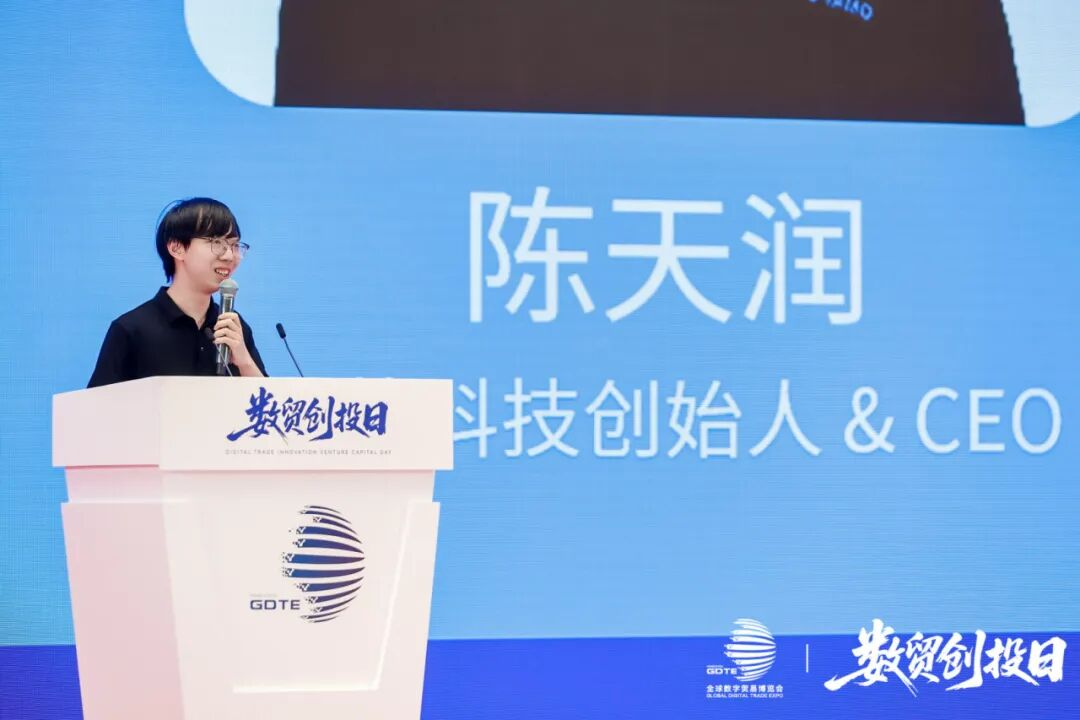
一些更年轻的探索,也已经从实验室走向创业一线。浙大00后在读博士、魔芯科技创始人兼CEO陈天润,本科阶段即开始创业,师从中国工程院院士潘云鹤,目前正围绕空间智能与4D世界模型展开技术探索。现场,陈天润比较大语言模型与世界模型的能力边界。他认为,世界模型通过统一理解几何、语义和动态关系,使AI具备感知、预测并与物理世界交互的能力。魔芯科技正以全国产、高帧率可交互的MoWorld为核心,推进多模态输入、实时三维重建与4D内容生成,并拓展至消费娱乐、数字孪生和具身智能等场景。

魔芯科技创始人兼CEO陈天润分享

从技术突破走向产业,最终还要经过真实场景的检验。

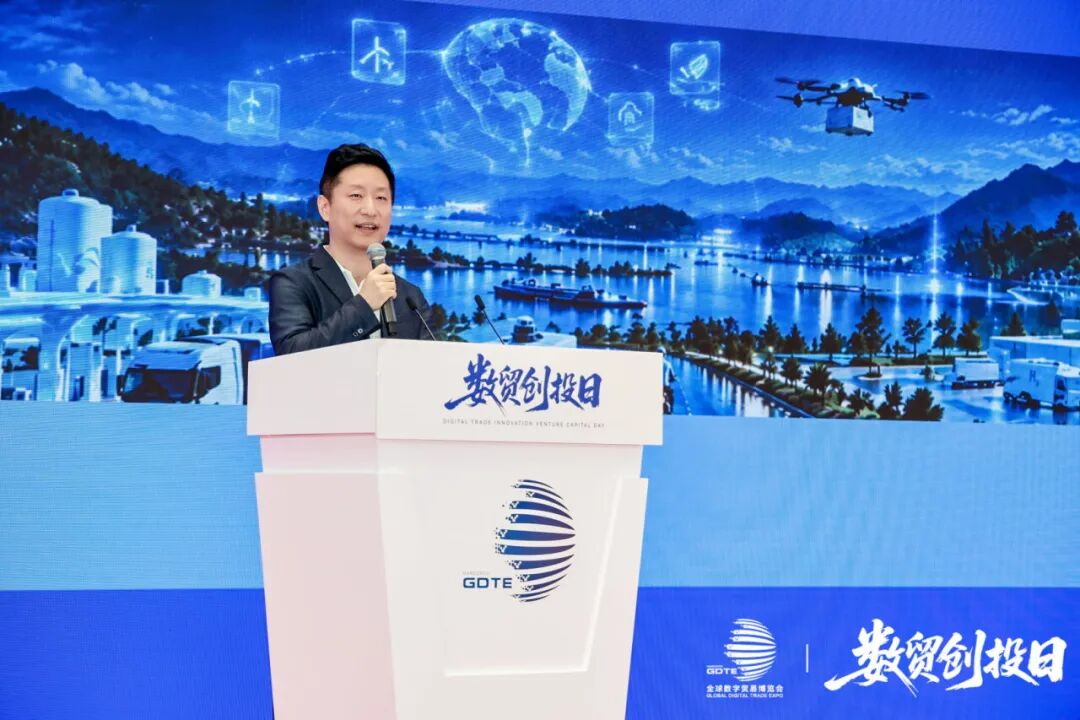
作为桐庐县企业代表,中科华悦(浙江)物流有限公司董事长毕焱杰发布了“桐庐氢能应用场景”。他介绍,中科华悦正以桐庐为核心,布局燃料电池系统及相关装备制造、绿电制氢与加氢补能网络、氢能车辆运营三大板块,贯通“制、储、运、加、用”产业链。他认为,公司可依托“三通一达”全国物流网络,在全国分阶段投放氢能重卡、两轮车和无人物流车,以及探索船舶等场景;逐步形成“装备制造 - 能源供应 - 场景运营”相互支撑的产业生态,打造全国的氢能交通示范城市。

中科华悦(浙江)物流有限公司董事长毕焱杰分享

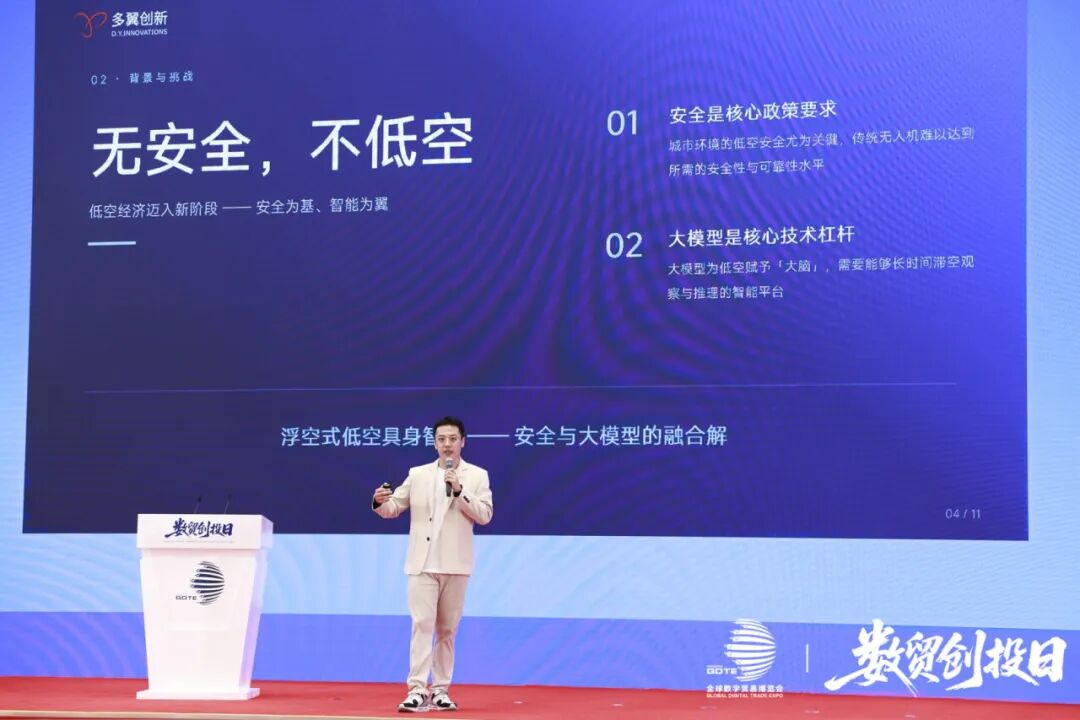
作为杭州高新区(滨江)企业代表,多翼创新合伙人、副总裁周思源现场发布了“浮空式低空具身智能”方案,提出以耐久型氦气囊、分布式电推进、低空智驾系统和视觉大模型,打造可持续滞空、实时感知与推理的低空机器人。相较传统无人机,该平台在对地风险、续航能力和噪音控制等方面均有明显改善,其中续航能力提升10倍以上。他认为,低空经济应以安全为基础,以大模型增强智能,重点服务伴随出警、要地防御、巡逻执勤和特种物流等城市治理场景。

多翼创新合伙人、副总裁周思源分享

03

聚力源头见证新贵登场

同期,9月22-23日,创业邦2026(第二十届)DEMO CHINA举行。活动打造开放式“创新市集”,吸引88家创新科技公司、79位投资人以及来自圣戈班、施耐德电气、阿尔卑斯阿尔派、赢创工业等近10家全球知名跨国企业及产业龙头的创新部门负责人参与。

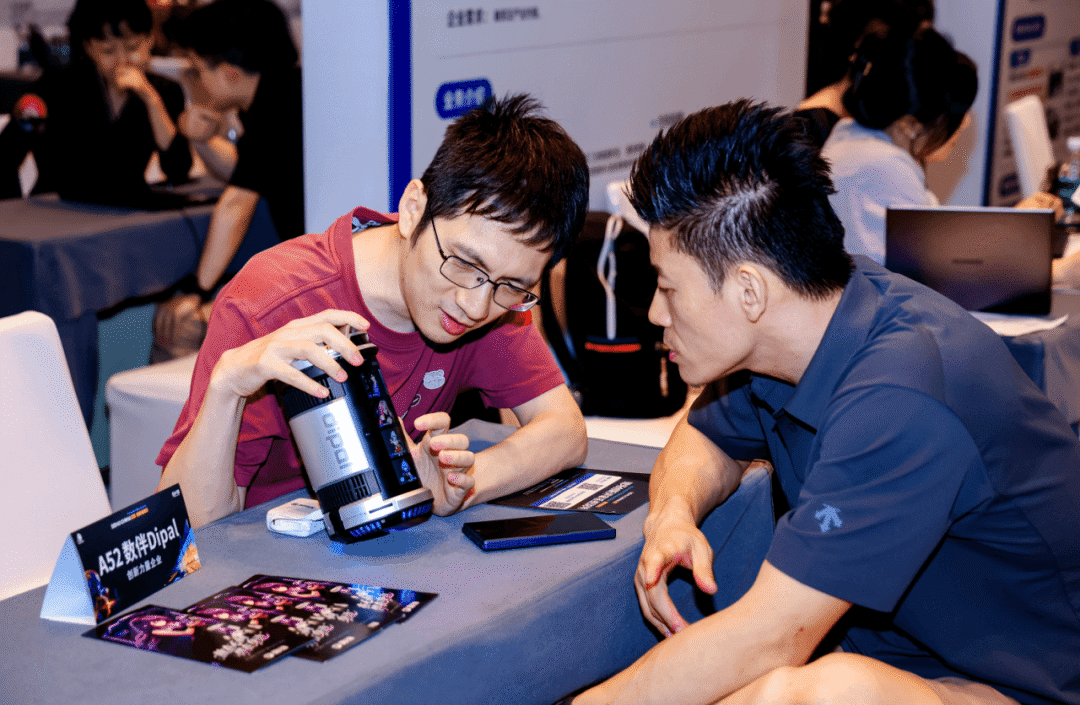
不同于传统路演,活动打造“创新市集”把交流搬到展位之间。创业者带着产品、技术和Demo,与投资人、产业伙伴面对面交流。对于尚未在收入和规模上拉开差距的早期企业,评委重点关注核心技术进展、产品交付和客户验证,判断团队是否已完成产品开发、产品是否进入真实客户场景。一批新的创业面孔也由此走到台前。

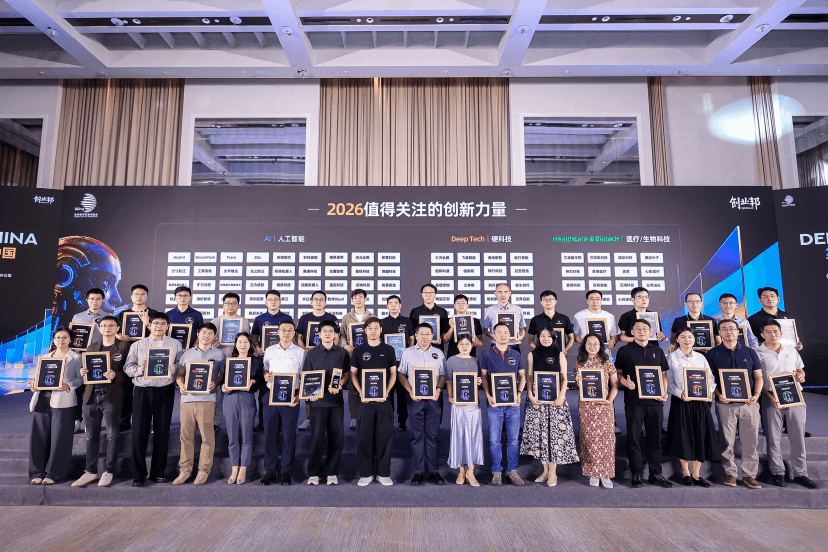
活动现场,《创业邦Watchlist 2026年度值得关注的创新力量》正式发布,榜单关注对象限定为融资总额不超过1亿元的早期科技企业。本次征集还联动2026年全球数字贸易博览会科技创新创业投资专业委员会及数贸光合营,共同发掘并推荐一批具有成长潜力的早期科技项目。今年上榜的88家创新企业中,人工智能仍是最集中的方向,其次是硬科技、医疗与生物科技。上榜企业整体呈现年轻化、高融资率特征:80家成立不足3年,占90.9%;77家已获得融资,其中75家处于种子轮至Pre-A+轮,占已融资企业的97.4%。

《创业邦Watchlist 2026年度值得关注的创新力量》正式发布

同期发布的《2026最受赞赏的风险投资机构榜》,共有251家机构上榜。年轻企业与一线资本,在“创新市集”完成了一次更直接的相遇。围绕融资、产业合作、应用场景等实际需求,现场促成785项投融资对接及产业合作意向。

沿着科技成果从源头创新走向产业化这一主线,“数贸创投日”系列活动的触角还进一步延伸至高校科研和产业一线。

9月23日,“紫金启星 科创未来”——环紫金港创新生态圈协同发展大会举行。大会围绕高校科技成果转化和创新创业生态建设,发布“求是星火计划”及《2026浙大系科学企业家榜单》,集中展示西湖紫金实验室首批项目,通过项目展示、资本对接等方式,进一步连接高校科研成果与资本、产业资源,推动更多科技成果加快转化落地。同日举行的“数贸创投日”交大安泰分场,则聚焦AI硬件产业化与全球化,围绕技术创新、量产突围、产学研转化及数字贸易出海等议题展开交流,推动前沿技术从实验室样机走向规模量产和全球市场。

从实验室里的技术突破,到创业者把技术做成产品,再到资本判断、产业应用与城市场景,这是“数贸创投日”系列活动试图连接起来的一条路径。据介绍,今后活动还将以“数贸创投日+‘数贸光合营’全年系列活动”为抓手,持续连接高校、科研院所、科技企业、投资机构和产业平台,为处于成长早期的青年创新力量提供资本对接、政策咨询和专业服务,推动更多科技成果从一次展示、一次交流,进一步走向真实产业与市场。

注:文/创业邦,文章来源:创业邦(公众号ID:ichuangyebang ),本文为作者独立观点,不代表亿邦动力立场。

文章来源:创业邦

广告
微信
朋友圈

FAQ回顾

数贸创投日是什么?

数贸创投日是第五届全球数字贸易博览会期间在杭州举办的系列活动,联动创业邦DEMO CHINA等,汇聚国家基金、地方平台、社会创投等资本,为科技项目转化提供全生命周期资本支持。2026年活动吸引140家科技企业、131位投资人,现场促成785项投融资对接及产业合作意向。

全球数字贸易博览会是什么?

全球数字贸易博览会是数字贸易领域的重要展会,第五届于2026年9月23-27日在杭州举办,展览面积17万平方米,2008家企业线下参展,吸引超5万名专业客商和42.8万人次观众,规模和影响力进一步提升。

浙江在支持科技创新和创业投资方面有哪些举措?

浙江区域创新能力连续4年位居全国第四,全省政府投资基金总规模突破3000亿元;浙江省创新投资集团有限公司在管省级基金群规模超3500亿元,投资浙江企业超2000家,助力115家省内企业上市,并投资了“杭州六小龙”等明星项目。同时通过数贸创投日等平台促进资本与科技项目对接。

中国AI科技新消费产业有哪些趋势?

根据《2026中国AI科技新消费产业与投资趋势白皮书》,AI产业正进入商业化落地加速期,全球AI市场规模预计由2026年的6019.3亿美元增至2033年的约3.64万亿美元;2026年上半年中国AI投资规模已超过2025年全年;浙江AI核心产业营收超7000亿元,集聚核心企业2000余家。

中国企业全球化新势力榜单有哪些特征?

创业邦发布的“2026数字贸易·中国企业全球化新势力100强榜单”显示,过半企业集中于具身智能、工业与智能制造、AI三大领域;32%的企业“成立即出海”;北美、欧洲、东南亚是企业出海的主要目的地。

这么好看,分享一下?

朋友圈 分享

APP内打开

赞 +1
+1
微信好友 朋友圈 新浪微博 QQ空间
关闭
收藏成功
发送
/140 0