



广告
加载中

Stripe:支付体验直接影响黑五转化 AI Agent打开新想象空间 | 黑五微访谈

亿邦动力 2026-11-06 13:39
亿邦动力 2026/11/06 13:39

邦小白快读

EN
全文速览

总1:黑五网一支付数据与高峰变化值得关注

1.去年黑五网一Stripe平台交易额超44亿美元,同比增长37%,四天处理超5.78亿笔交易,API正常运行时间超99.9999%。

2.2025年购物需求在黑五前约10天迅速攀升,黑五网一消费支出达平日近4倍,商家要提前准备支付处理能力和结账流程。

总2:提升转化的实操点

1.提供本地化支付方式、先买后付和数字钱包等灵活选择;动态展示银行卡之外相关支付方式,实验显示平均转化率提升7.4%、收入提升12%。

2.减少结账步骤,Link可让消费者用已保存信息快速结账;2025黑五网一消费者累计节省270万分钟结账时间。

3.风控要覆盖整个旺季,用Radar类AI模型识别盗刷和退款滥用,同时减少误拒正常客户。

总1:消费决策与支付体验正在影响品牌转化

1.消费者下单更审慎、需求释放更集中,黑五前约10天需求攀升,黑五网一支出达平日近4倍;品牌需提前保障结账顺畅。

2.支付灵活性直接影响购买决策:BNPL交易量占比从2024年1%升至2025年3%,53%曾用BNPL受访者更愿在提供该选项的零售商购物。

总2:品牌营销与新增量

1.针对目标市场动态展示相关支付方式,实验显示平均转化率提升7.4%、收入提升12%;波兰BLIK转化率提升46%,荷兰iDEAL提升39%,Apple Pay提升22.3%。

2.AI Agent正成为商品发现和购物入口,51%受访者愿让智能体代买礼物或个性化商品,英法德美接受度63%~75%;品牌需让商品、价格、库存和退货信息清晰准确,便于AI理解推荐。

3.移动端迁移加速,65%的50美元以下小额交易已在移动端,高客单价也向移动端迁移,品牌应重视移动端支付体验。

总1:旺季增长机会与支付准备

1.跨境消费仍有增长,去年黑五网一Stripe平台跨境交易额超44亿美元、同比增37%;需求集中,黑五网一支出达平日近4倍,卖家要提前准备支付系统处理能力和结账流程。

2.提供本地化支付、BNPL、数字钱包等可提升转化;实验显示动态展示相关支付方式平均转化率提升7.4%、收入提升12%。

总2:风险提示与运营抓手

1.欺诈活动从11月上旬上升并在12月持续高峰,既有自动化AI测试盗刷,也有真实客户滥用退款退货促销;退款滥用会带来退款支出、库存贬值和退货处理费。

2.风控要覆盖全旺季并平衡拦截与通过率,避免激进规则误拒正常付款;评估旺季不能只看销售额,还要看支付成功率、欺诈损失和退款情况。

3.资源有限团队可用Stripe Checkout预构建结账页,找出订单流失最多环节做针对性优化;同时关注AI Agent和移动端购物入口。

总1:从支付与购物变化看产品和电商化启示

1.消费者需求在黑五前约10天迅速攀升,黑五网一支出达平日近4倍,说明大促备货和供货节奏要关注需求集中释放。

2.支付灵活性影响购买决策,BNPL占比从1%升至3%,本地支付方式如BLIK、iDEAL和Apple Pay能提升转化;工厂若参与跨境生意,应理解支付体验对成交的影响。

总2:商品信息与数字化准备

1.AI Agent成为商品发现入口,51%受访者愿让智能体代买礼物或个性化商品;商品、价格、库存及退货信息需清晰准确,便于AI理解和推荐。

2.移动端迁移明显,65%的50美元以下小额交易在移动端,高客单价也向移动端迁移;产品和展示需适配移动端。

3.退款滥用会带来库存贬值和退货处理费用,工厂和商家应重视退货政策与库存管理。

总1:支付产业趋势与客户痛点

1.支付从交易基础环节转变为影响消费决策和转化效率的重要因素,消费者对本地化支付、移动端结账和支付灵活性要求提高。

2.旺季需求集中,黑五网一支出达平日近4倍,支付系统稳定性、支付方式丰富度和风控能力面临更高要求;欺诈从11月上旬上升并在12月持续高峰。

总2:新技术与解决方案

1.AI Agent进入商品发现、购物决策和支付环节,51%受访者愿让智能体代买礼物或个性化商品,英法德美接受度63%~75%;Stripe的Agentic Commerce围绕商品发现、结账、支付和风控提供服务。

2.本地化支付可提升转化:波兰BLIK提升46%,荷兰iDEAL提升39%,Apple Pay提升22.3%;Link节省结账时间,Radar用全球交易网络数据训练的AI模型识别风险。

3.服务商可关注移动端迁移、BNPL增长和退款滥用治理等需求。

总1:平台需应对的支付需求与问题

1.黑五网一交易量集中增长,平台需保障支付系统稳定和结账顺畅;去年Stripe平台交易额超44亿美元、同比增37%,四天处理超5.78亿笔,API正常运行时间超99.9999%。

2.消费者对本地化支付、移动端结账和支付灵活性要求提高;BNPL占比从1%升至3%,65%的50美元以下小额交易已发生在移动端。

总2:平台做法与风向规避

1.丰富支付方式和减少结账步骤可提升转化:动态展示银行卡之外相关支付方式平均转化率提升7.4%、收入提升12%;Link帮助快速结账,节省270万分钟。

2.风控要覆盖全旺季,Radar类AI模型识别盗刷和退款滥用,同时避免激进规则误拒正常客户。

3.平台还要为AI Agent购物入口做准备,让商品、价格、库存、退货信息清晰准确;Stripe Agentic Commerce和Checkout等工具可借鉴。

总1:跨境支付与消费行为新动向

1.支付体验正成为影响消费决策和转化效率的重要因素,本地化支付、移动端结账和支付灵活性需求上升。

2.黑五网一需求集中,2025年消费支出达平日近4倍;BNPL交易量占比从2024年1%升至2025年3%,53%曾用BNPL受访者更愿在提供该选项的零售商购物。

总2:AI智能体与风险治理新问题

1.AI Agent进入商品发现、购物决策和支付环节,51%受访者愿让智能体代买礼物或个性化商品,英法德美接受度63%~75%;Adobe预计2026年美国假日AI推荐链接访问量同比增130%。

2.欺诈风险贯穿购物季,自动化AI测试盗刷与真实客户滥用退款退货促销并存;商家需用AI风控平衡拦截与通过率,并评估支付成功率、欺诈损失和退款。

3.移动端迁移、Agentic Commerce和本地支付方式等构成商业模式与产业研究的新课题。

返回默认

声明:快读内容全程由AI生成,请注意甄别信息。如您发现问题,请发送邮件至 run@ebrun.com 。

我是 品牌商 卖家 工厂 服务商 平台商 研究者 帮我再读一遍。

Quick Summary

Summary 1: Black Friday-Cyber Monday payment data and peak shifts are worth watching.

1. Last BFCM, Stripe platform transaction volume exceeded $4.4 billion, up 37% year over year; it processed more than 578 million transactions in four days, with API uptime above 99.9999%.

2. In 2025, shopping demand rose rapidly about 10 days before Black Friday, and BFCM spending reached nearly 4x the daily average. Merchants should prepare payment processing capacity and checkout flows in advance.

Summary 2: Practical steps to improve conversion.

1. Offer flexible options such as localized payment methods, buy now pay later, and digital wallets. Dynamically display relevant payment methods beyond cards; experiments showed average conversion up 7.4% and revenue up 12%.

2. Reduce checkout steps. Link lets consumers check out quickly with saved information; in 2025 BFCM, consumers saved a cumulative 2.7 million minutes at checkout.

3. Risk control should cover the entire peak season. Use Radar-like AI models to identify card testing and refund abuse while reducing false declines of legitimate customers.

Summary 1: Purchase decisions and payment experience are shaping brand conversion.

1. Consumers are more cautious when ordering, and demand is released in a more concentrated way. Demand rose about 10 days before Black Friday, and BFCM spending reached nearly 4x the daily average. Brands need to ensure smooth checkout in advance.

2. Payment flexibility directly affects purchase decisions: BNPL share rose from 1% in 2024 to 3% in 2025, and 53% of respondents who had used BNPL were more likely to shop at retailers that offer it.

Summary 2: Brand marketing and new growth opportunities.

1. Dynamically display relevant payment methods for target markets; experiments showed average conversion up 7.4% and revenue up 12%. BLIK in Poland lifted conversion by 46%, iDEAL in the Netherlands by 39%, and Apple Pay by 22.3%.

2. AI agents are becoming product discovery and shopping entry points. 51% of respondents were willing to let agents buy gifts or personalized products on their behalf, with acceptance at 63%-75% in the UK, France, Germany, and the US. Brands need clear and accurate product, price, inventory, and returns information so AI can understand and recommend them.

3. The shift to mobile is accelerating. 65% of small transactions under $50 already occur on mobile, and higher-ticket purchases are also moving to mobile. Brands should prioritize the mobile payment experience.

Summary 1: Peak-season growth opportunities and payment preparation.

1. Cross-border consumption is still growing. Last BFCM, Stripe platform cross-border transaction volume exceeded $4.4 billion, up 37% year over year. Demand is concentrated, and BFCM spending reached nearly 4x the daily average. Sellers should prepare payment system capacity and checkout flows in advance.

2. Offering localized payments, BNPL, and digital wallets can improve conversion; experiments showed that dynamically displaying relevant payment methods lifted average conversion by 7.4% and revenue by 12%.

Summary 2: Risk alerts and operational priorities.

1. Fraud activity rises in early November and remains at a peak through December. There is both automated AI card testing and real customers abusing refund and return promotions. Refund abuse leads to refund costs, inventory devaluation, and return processing fees.

2. Risk control should cover the full peak season and balance blocking with approval rates, avoiding aggressive rules that falsely decline legitimate payments. When evaluating the peak season, look not only at sales but also at payment success rates, fraud losses, and refunds.

3. Resource-limited teams can use Stripe Checkout's prebuilt checkout page and identify the stage with the most order drop-off for targeted optimization. They should also watch AI agents and mobile shopping entry points.

Summary 1: Product and e-commerce implications from payment and shopping changes.

1. Consumer demand rose rapidly about 10 days before Black Friday, and BFCM spending reached nearly 4x the daily average. This means peak-season stocking and supply rhythms should account for concentrated demand release.

2. Payment flexibility affects purchase decisions. BNPL share rose from 1% to 3%, and local payment methods such as BLIK, iDEAL, and Apple Pay can improve conversion. Factories involved in cross-border business should understand how payment experience affects conversion.

Summary 2: Product information and digital readiness.

1. AI agents are becoming product discovery entry points. 51% of respondents were willing to let agents buy gifts or personalized products on their behalf. Product, price, inventory, and returns information need to be clear and accurate so AI can understand and recommend them.

2. The shift to mobile is clear. 65% of small transactions under $50 occur on mobile, and higher-ticket purchases are also moving to mobile. Products and presentation need to be adapted for mobile.

3. Refund abuse leads to inventory devaluation and return processing fees. Factories and merchants should pay attention to return policies and inventory management.

Summary 1: Payment industry trends and client pain points.

1. Payments are shifting from a basic transaction function to a major factor affecting purchase decisions and conversion efficiency. Consumers have higher expectations for localized payments, mobile checkout, and payment flexibility.

2. Peak-season demand is concentrated, and BFCM spending reached nearly 4x the daily average. Payment system stability, payment method breadth, and risk control capability face higher requirements. Fraud rises in early November and remains at a peak through December.

Summary 2: New technologies and solutions.

1. AI agents are entering product discovery, shopping decisions, and payment. 51% of respondents were willing to let agents buy gifts or personalized products on their behalf, with acceptance at 63%-75% in the UK, France, Germany, and the US. Stripe's Agentic Commerce provides services around product discovery, checkout, payment, and risk control.

2. Localized payments can improve conversion: BLIK in Poland by 46%, iDEAL in the Netherlands by 39%, and Apple Pay by 22.3%. Link saves checkout time, and Radar uses AI models trained on global transaction network data to identify risk.

3. Service providers can focus on demand related to the mobile shift, BNPL growth, and refund abuse governance.

Summary 1: Payment needs and issues platforms must address.

1. BFCM transaction volume grows in a concentrated way, and platforms need to ensure payment system stability and smooth checkout. Last year, Stripe platform transaction volume exceeded $4.4 billion, up 37% year over year; it processed more than 578 million transactions in four days, with API uptime above 99.9999%.

2. Consumers have higher expectations for localized payments, mobile checkout, and payment flexibility. BNPL share rose from 1% to 3%, and 65% of small transactions under $50 already occur on mobile.

Summary 2: Platform practices and trend avoidance.

1. Enriching payment methods and reducing checkout steps can improve conversion: dynamically displaying relevant payment methods beyond cards lifted average conversion by 7.4% and revenue by 12%; Link enables fast checkout and saved 2.7 million minutes.

2. Risk control should cover the full peak season. Radar-like AI models identify card testing and refund abuse while avoiding aggressive rules that falsely decline legitimate customers.

3. Platforms should also prepare for AI agent shopping entry points by making product, price, inventory, and returns information clear and accurate. Tools such as Stripe Agentic Commerce and Checkout offer useful references.

Summary 1: New trends in cross-border payments and consumer behavior.

1. Payment experience is becoming a major factor affecting purchase decisions and conversion efficiency, with rising demand for localized payments, mobile checkout, and payment flexibility.

2. BFCM demand is concentrated, and 2025 spending reached nearly 4x the daily average. BNPL transaction share rose from 1% in 2024 to 3% in 2025, and 53% of respondents who had used BNPL were more likely to shop at retailers that offer it.

Summary 2: New issues in AI agents and risk governance.

1. AI agents are entering product discovery, shopping decisions, and payment. 51% of respondents were willing to let agents buy gifts or personalized products on their behalf, with acceptance at 63%-75% in the UK, France, Germany, and the US. Adobe expects AI-referred link visits during the 2026 US holiday season to rise 130% year over year.

2. Fraud risk runs throughout the shopping season, with automated AI card testing and real customers abusing refund and return promotions coexisting. Merchants need AI risk control to balance blocking with approval rates and should evaluate payment success rates, fraud losses, and refunds.

3. The mobile shift, Agentic Commerce, and local payment methods are creating new topics for business model and industry research.

Disclaimer: The "Quick Summary" content is entirely generated by AI. Please exercise discretion when interpreting the information. For issues or corrections, please email run@ebrun.com .

I am a Brand Seller Factory Service Provider Marketplace Seller Researcher Read it again.

【亿邦原创】支付是跨境电商交易链路中的关键一环,也是连接商家与全球消费者的重要基础设施。从消费者选择支付方式、完成结账,到商家确认收款、处理退款和识别交易风险,支付体验贯穿购物全过程。尤其是在黑五网一这样的销售高峰期,交易量集中增长,对支付系统的稳定性、支付方式的丰富程度以及风险管理能力都提出了更高要求。

据Stripe大中华区企业销售负责人刘斯成观察,全球支付生态也在经历新的变化。一方面,消费者对本地化支付方式、移动端结账体验和支付灵活性的要求不断提高,支付正从交易链路中的基础环节,转变为影响消费决策和转化效率的重要因素;另一方面,AI Agent开始进入商品发现、购物决策乃至支付环节,智能体支付正在为跨境电商带来新的想象空间,也对商家的支付基础设施和风控能力提出了更高要求。

作为全球支付服务商,Stripe持续围绕支付体验、交易安全和AI支付等方向完善服务能力。今年黑五,Stripe将进一步加强智能体支付相关服务,并通过Stripe Radar等风控工具,帮助商家应对信用卡及数字钱包盗刷、退款退货滥用等风险,在保障交易安全的同时提升支付转化效率。

年末大促季来临,亿邦动力特别策划“拼重力·2026跨境电商黑五旺季”专题,邀请出海品牌和服务商展开系列访谈,探讨企业如何应对市场竞争变化、布局黑五旺季,并将大促流量转化为长期品牌价值。以下为亿邦动力与Stripe大中华区企业销售负责人刘斯成的访谈内容,经编辑整理。

亿邦动力:你们为迎接今年黑五大促季的到来做了哪些重要的布局或者调整?

刘斯成:去年黑五网一期间,Stripe 平台上处理的交易额超过 44 亿美元,同比增长了 37%。Stripe 每年会在“黑五”当天发布创意简报,披露平台的实时交易量,以及全球各个地区的交易情况等等。

此外,今年 Stripe 平台会着重在智能体支付方面为商家提供更加便捷的服务。同时,在风控方面,Stripe Radar 也会加强在信用卡及数字钱包盗刷、滥用退款退货等方面的管理,尽全力保障买家可以实现安全流畅的购买体验,减少卖家的运营成本,并帮助商家实现高效增长。

亿邦动力:今年你们有感受到了什么明显的市场变化或者竞争形势变化吗?

刘斯成:从 Stripe 平台上的交易来看,跨境消费仍有增长机会。近期,Stripe 发布的《备战 2026 年购物旺季:基于假日消费数据的关键洞察》显示,2025年“黑五网一”期间,Stripe 平台处理的跨境交易金额同比增长37%,超过44亿美元。结合对 2025年购物季的分析,我们认为,今年商家备战旺季时有三个值得关注的变化:

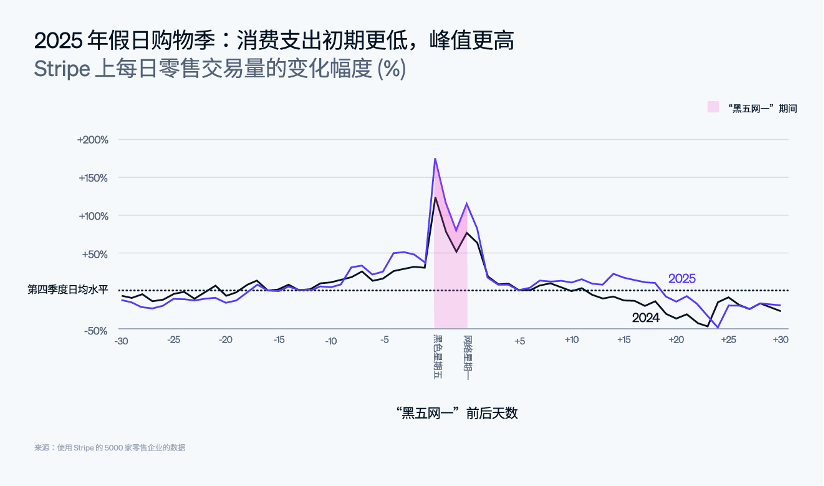
第一,消费者选择下单时机更加审慎,需求释放也更加集中。 我们对5,000家使用 Stripe 的零售企业的分析发现,2025年的购物需求在“黑五”前约10天迅速攀升,“黑五网一”期间消费支出达到平日的近4倍。消费者可能花更长时间比较商品和优惠,再集中下单。

这意味着,商家需要提前准备好支付系统的处理能力和结账流程,在需求突然增长时保持交易顺畅;高峰期间,响应延迟、多余的结账步骤或支付失败,都可能放大收入损失。2025年为期四天的“黑五网一”期间,Stripe 平台处理了超过5.78亿笔交易,API 正常运行时间超过99.9999%。对于商家而言,可靠的支付基础设施能够帮助团队在旺季高峰保持交易顺畅,将精力放在商品、营销和客户体验上。

第二,支付的灵活性正在更直接地影响购买决策。 在使用Stripe的企业中,“黑五网一”期间先买后付(BNPL)的交易量占比,从2024年的1%升至2025年的3%。Stripe 委托开展的调查也发现,在曾使用先买后付的受访者中,53%表示更愿意在提供这一选项的零售商处购物。

对中国出海商家而言,了解目标市场消费者的支付习惯,并提供合适的付款选择,是提升购买体验和转化的重要环节。同时,减少结账步骤也有助于消费者顺利完成购买。Stripe 的数字钱包Link让消费者使用已保存的支付信息快速结账;在2025年“黑五网一”期间,消费者使用 Link 累计节省了270万分钟的结账时间,相当于 5 年以上。

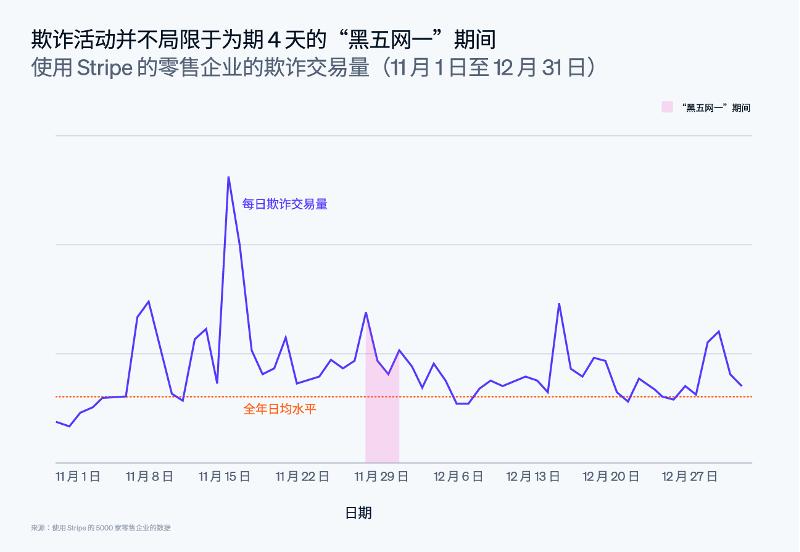
第三,欺诈风险贯穿整个购物季,商家需要兼顾风险识别与正常交易的通过率。 在报告分析的零售企业样本中,2025年欺诈活动从11月上旬便开始上升,并在12月持续出现高峰。同时,风险形式也更加多样:除了利用自动化和 AI 工具测试被盗银行卡,真实客户滥用退款、退货或促销政策的行为也值得关注。商家的风控准备需要覆盖整个旺季,并在拦截欺诈的同时,尽量减少对正常客户支付的误拒,保护销售收入与利润。针对支付欺诈,Stripe Radar 利用基于全球交易网络数据训练的 AI 模型识别风险,帮助商家在防范欺诈的同时,保留正常的交易机会。

亿邦动力:有人说今年黑五大促季,商家的“入场券”更贵了,需要投入更多、做得更重等,你们观察到的情况如何?

刘斯成:“入场券更贵”需要结合具体市场、品类和商家的经营模式来看。从支付与交易的角度,旺季投入产出需要算一笔更完整的账:除了备货、投放等显性支出,结账流失、支付失败和欺诈损失,也会影响商家的最终回报。

一个容易被忽视的增长机会,是让已经来到店铺的消费者更顺利地完成付款。Stripe 于2025年发布的一项对照实验发现,在结账环节动态展示至少一种银行卡之外、与消费者需求相关的支付方式,商家平均转化率相对提升7.4%,收入平均提升12%。

例如,实验中向波兰消费者提供 BLIK(波兰本土移动支付工具),平均转化率提升46%;向荷兰消费者提供 iDEAL(荷兰本土银行转账支付工具),平均转化率提升39%。数字钱包也表现突出:在符合条件的结账场景中,提供 Apple Pay的商家平均转化率提升22.3%。这说明,针对目标市场优化支付体验,能够帮助商家从已有流量中获得更多收入,提高前期获客投入的价值。

同时,商家也需要关注成交之后的成本。例如,退款滥用可能同时带来退款支出、库存贬值和退货处理费用;过于激进的风控规则,又可能误拒正常客户的付款。因此,评估旺季表现时,除了销售额,还应结合支付成功率、欺诈损失和退款情况,判断增长最终带来了多少回报。

技术准备则可以借助成熟工具提高效率。例如,Stripe Checkout 提供预构建的结账页面,支持多种支付方式,帮助商家减少从头开发和持续维护支付流程的工作。对于资源有限的出海团队,提前找出订单流失最多的环节,并有针对性地优化,更有助于把有限的预算用在能改善经营结果的地方。

亿邦动力:你们认为今年黑五大促季最大的看点、新增量来自哪里?

刘斯成:今年黑五最值得关注的是,消费者发现商品、比较选择和完成购买的路径正在发生变化。对中国出海商家而言,值得把握的增长机会主要有两个方向。

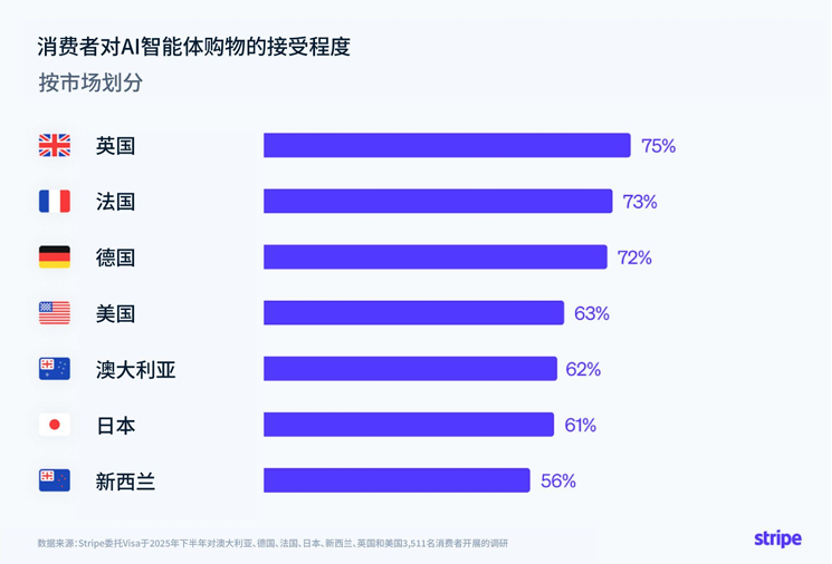
第一,AI Agent 正在成为新的商品发现和购物入口。Stripe 今年发布的 《支付趋势洞察报告》显示,越来越多的消费者开始接受 AI 智能体参与购物决策。该报告对全球7个市场的3511名消费者进行了调研,其中 51% 的受访者表示,愿意让智能体代为购买礼物或个性化商品,这与年末购物季的礼赠需求直接相关。

其中,英国、法国、德国、美国等主要海外市场的消费者对智能体参与购物的接受程度达 63%~75%不等。Adobe 也预计,2026年美国假日购物季,消费者通过 AI 推荐链接进入零售网站的访问量将同比增长130%。

因此,商家需要让商品、价格、库存及退货信息清晰准确,便于AI理解和推荐。 Stripe 的 Agentic Commerce 解决方案也在围绕商品发现、结账、支付和风控,帮助商家为 AI 购物入口做好准备。

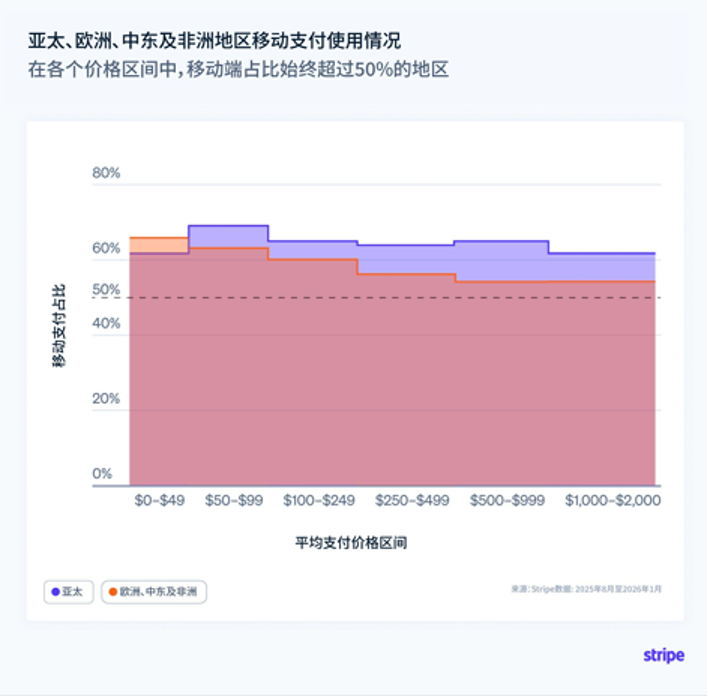
第二,消费行为加速向移动端迁移。Stripe 的《支付趋势洞察报告》显示,65%的小额交易(交易金额在 50 美元以下)已经发生在移动端,高客单价的消费也正在加速向移动端迁移,这一趋势在EMEA市场(Europe、Middle East、Africa的缩写,即欧洲、中东和非洲地区)尤为显著。这意味着支付体验不再是桌面端的补充,而成为直接影响转化效率的核心场景。对于平台而言,移动端体验的流畅度与一致性,是决定交易是否能顺利完成的重要因素。


亿邦持续追踪报道该情报,如想了解更多与本文相关信息,请扫码关注作者微信。

本文首发于 亿邦动力 官方网站

文章来源:亿邦动力

广告
微信
朋友圈

FAQ回顾

Stripe 在黑五网一期间的支付交易表现如何?

Stripe 平台数据显示,2025年“黑五网一”期间处理的跨境交易金额同比增长37%,超过44亿美元;四天活动内处理超过5.78亿笔交易,API正常运行时间超过99.9999%。这些数据反映出大促高峰下跨境交易量集中增长,也对支付系统的稳定性和处理能力提出更高要求。

先买后付和本地支付方式对跨境电商黑五转化有什么影响?

支付灵活性正直接影响购买决策。Stripe数据显示,黑五网一期间先买后付交易量占比从2024年的1%升至2025年的3%,53%使用过先买后付的受访者更愿在提供该选项的零售商处购物。其对照实验还发现,结账时动态展示至少一种银行卡之外的相关支付方式,平均转化率提升7.4%、收入提升12%。

AI Agent 正在如何改变黑五购物季的电商流量入口?

AI Agent 正成为新的商品发现和购物入口。Stripe《支付趋势洞察报告》调研全球7个市场3511名消费者,51%受访者愿意让智能体代为购买礼物或个性化商品,英国、法国、德国、美国等主要市场接受度达63%~75%。Adobe预计,2026年美国假日购物季通过AI推荐链接进入零售网站的访问量将同比增长130%。商家需让商品、价格、库存及退货信息清晰准确,便于AI理解和推荐。

黑五旺季商家如何兼顾支付欺诈防控和交易通过率?

黑五购物季欺诈风险贯穿全程。报告样本显示,2025年欺诈活动从11月上旬上升并在12月持续高峰,形式包括利用自动化和AI工具测试被盗银行卡,以及真实客户滥用退款、退货或促销政策。Stripe Radar 利用基于全球交易网络数据训练的AI模型识别风险,帮助商家在拦截欺诈的同时减少对正常客户支付的误拒,保护销售收入与利润。

黑五网一消费需求集中时,商家应如何保障支付稳定?

商家需要提前准备支付系统处理能力和结账流程。Stripe对5,000家使用Stripe的零售企业的分析发现,2025年购物需求在“黑五”前约10天迅速攀升,“黑五网一”期间消费支出达到平日近4倍。高峰期间,响应延迟、多余结账步骤或支付失败都可能放大收入损失。可靠的支付基础设施可帮助团队保持交易顺畅,把精力放在商品、营销和客户体验上。

这么好看,分享一下?

朋友圈 分享

APP内打开

赞 +1
+1
微信好友 朋友圈 新浪微博 QQ空间
关闭
收藏成功
发送
/140 0