广告
加载中

稳市场、扩销路:京东京喜助力家具建材产业带好货走向全国

龚作仁 2026-09-24 11:26
龚作仁 2026/09/24 11:26

邦小白快读

EN
全文速览

总:京东京喜发布首批家具建材TOP100产业带好物榜,把源头工厂好货直接送到全国消费者面前。

1. 上榜商品覆盖中山智能锁、灯饰,潮州智能马桶,南康餐桌等,榜单综合用户好评、成交表现、履约服务和采销评估,可作为品质选购参考。

2. 平台会把消费者关于安装、材质、功能、售后等真实反馈交给工厂,促使产品更实用。比如智能锁推出拆旧加上门安装一体化服务,风扇灯优化为低噪音、护眼光谱、老人小孩易操作的遥控。

3. 工厂直发省去中间层层加价,部分让利消费者,部分提升锁芯、电机等核心配置,所以同价位能买到更好品质。家具建材成交额同比增长近40%,老用户复购增长65%,说明源头好货买得值、也值得回购。

总:文章显示,家具建材消费正从低价白牌转向品质口碑导向,源头工厂通过平台直面用户,品牌商可从中看到渠道和产品策略机会。

1. 消费趋势与用户行为:存量房换锁市场崛起,传统机械锁和套装门锁占比下降,用户需要拆旧、上门安装;灯饰用户关注噪音、护眼和易操作;购买两次以上老用户同比增长65%,品质、售后和复购比一次性流量更重要。

2. 渠道与价格:平台“类自营”模式承接选品、运营、客服、物流,缩短分销链路,减少中间商分成;工厂直发降低渠道费用,部分让利消费者,部分反哺核心部件。品牌商可借鉴这种直连模式优化渠道成本和定价空间。

3. 品牌建设与产品研发:平台官方信用背书和TOP100榜单帮助工厂摆脱低价白牌标签,向品质产品升级;同时采销把用户好评、成交与评价反馈送回工厂,以销定产,按真实使用场景优化产品。这对建立产业带品牌和研发贴合需求的新品有直接参考价值。

总:家具建材产业带正成为电商增量市场,政府搭台、平台扶持、工厂直发模式带来明确机会。

1. 政策与扶持:广东将制造业与服务业协同发展摆在突出位置,中山市商务局联合京东京喜举办产业带供采对接会,并在镇街落地招商专场,卖家可借政企对接快速布局线上渠道。

2. 增长市场与消费需求:京喜家具建材成交额同比增长近40%,吸顶灯、桌类、沙发等品类增速35%至50%;存量房换锁需求崛起,用户关注安装、材质、功能和售后,复购老用户增长65%,围绕这些需求选品更容易起量。

3. 可学习与合作模式:京喜“类自营”模式由平台承接选品、运营、客服、物流,商家专注生产和成本控制;平台厂货补贴帮助新品冷启动,榜单带来曝光;以销定产用平台销量和评价指导生产,能避开同质化和低价内卷。风险在于工厂需平衡代工与零售产能,并保证履约和售后能力。

总:家具建材工厂要学会把用户需求接入生产线,京东京喜的类自营和以销定产模式给出了可落地路径。

1. 产品研发方向:采销从消费数据中识别存量房换锁机会,联合工厂开发拆旧+上门安装一体化门锁;灯饰工厂根据用户反馈降低电机噪音、采用全光谱护眼光线、简化遥控,新品上线一个月销量破千台。

2. 商业机会与降本:平台承担选品、运营、客服、物流,工厂专注生产和成本管控,无需自建团队,降低试错成本;工厂直发砍掉中间环节,省下的费用一部分让利消费者,一部分投入锁芯、电机等核心件,同价产品品质更优。

3. 数字化与电商启示:借助平台销量、评价和采销反馈实现以销定产,让真实使用场景指导研发;与地方政府、平台供采对接会对接,可更高效进入线上渠道,逐步积累自有口碑,摆脱代工和同质化低价竞争。

总:家具建材产业带中小工厂的核心痛点是会生产不会卖、缺品牌、渠道链条长,服务商可围绕这些痛点提供电商化、运营和履约解决方案。

1. 行业趋势与需求:家具建材线上成交额快速增长,吸顶灯、桌类等品类涨幅明显,老用户复购增长65%;消费者对安装、材质、功能和售后提出更具体需求,工厂需要把反馈转化为产品改进。

2. 客户痛点:工厂长期依赖贴牌代工,缺少自有品牌和市场口碑,利润空间被压缩;自建线上销售、售后体系成本高风险大,同时还要平衡代工与零售的产能和服务。

3. 解决方案参考:京喜采销介入后共创产品,如智能锁拆旧+上门安装、风扇灯静音护眼;平台类自营模式承接选品、运营、客服、物流,帮助工厂快速上线并降低试错成本;通过榜单筛选、厂货补贴和官方售后背书,让源头好货建立信任。服务商可借鉴这种“平台能力+政府资源+工厂生产”的协同服务,补齐工厂在渠道和履约上的短板。

总:平台在产业带的价值不是简单招商,而是用采销、数据和运营能力帮工厂把货卖出去并建立口碑。

1. 最新做法:京东京喜联合地方商务局举办供采对接会,落地镇街招商专场;发布TOP100产业带好物榜,基于好评、成交、履约和采销评估筛选;采用类自营模式,由平台承接选品、运营、客服、物流。

2. 招商与运营管理:通过对接会实现源头企业批量触达,榜单让优质工厂获得消费者信任;平台把用户关于安装、材质、功能和售后等需求反馈给工厂,协助优化产品或履约售后;厂货补贴助推新品冷启动,降低工厂上线风险。

3. 风控与价值:官方售后信用背书帮助工厂摆脱低价白牌标签;以销定产缩短链路,复购用户增长65%验证口碑沉淀;未来可继续深耕重点产业带,帮助工厂建立区域品牌。平台方可以借鉴其标准筛选、数据反哺和生产导向,持续扩大产业带供给质量。

总:文章呈现了平台经济嵌入传统制造业产业带的新样本:政府搭台、平台赋能、工厂直发,形成可观察的产业升级路径。

1. 产业新动向:家具建材集群中大量中小企业从贴牌代工转向直面消费者,京东京喜以榜单、采销和类自营模式把分散制造能力变成消费端可感知的品质供给;家具建材成交额同比增长近40%,复购用户增长65%,显示源头直连模式正被市场验证。

2. 新问题:工厂会生产不会卖,长期缺少自有品牌和用户口碑,传统经销链条长、层层加价,自建线上渠道成本高风险大,容易陷入同质化和低价内卷。

3. 启示与建议:地方政府可借鉴中山经验,以电商赋能实体经济,牵头产业带供采对接会并下沉到镇街;平台应以数据反馈指导工厂研发,用官方服务信用帮助白牌转品质;通过以销定产重构“用户需求-工厂制造-平台严选-直达全国”的链路,带动订单、就业和区域品牌建设。

返回默认
声明:快读内容全程由AI生成,请注意甄别信息。如您发现问题,请发送邮件至 run@ebrun.com 。

我是 品牌商 卖家 工厂 服务商 平台商 研究者 帮我再读一遍。

Quick Summary

Overview: JD's Jingxi released its first TOP 100 home furnishing and building materials industry belt product list, bringing quality products from source factories directly to consumers nationwide.

1. Listed items include smart locks and lighting from Zhongshan, smart toilets from Chaozhou, dining tables from Nankang, etc. The list combines user reviews, sales performance, fulfillment service, and sourcing-and-sales evaluations, serving as a reference for quality purchases.

2. The platform sends consumers' real feedback on installation, materials, functions, and after-sales service to factories, prompting more practical products. For example, smart locks now offer integrated removal-and-installation service; fan lights have been upgraded with low noise, eye-protecting spectra, and remotes that are easy for the elderly and children to operate.

3. Factory-direct shipping eliminates intermediary markup. Some savings are passed to consumers, while some go into upgraded cores like lock cylinders and motors, so consumers can buy better quality at the same price. Home furnishing and building materials transaction value rose nearly 40% year-on-year, and repeat purchases by existing users grew 65%, showing the source-direct model delivers value and builds loyalty.

Overview: The article shows that home furnishing and building materials consumption is shifting from low-cost unbranded products to quality- and reputation-driven purchasing. Source factories are using platforms to reach users directly, offering brand owners channel and product strategy opportunities.

1. Consumption trends and user behavior: The replacement-demand market for existing-home locks is rising, while traditional mechanical locks and suite door locks are declining in share; users need old-lock removal and on-site installation. Lighting users care about noise, eye protection, and ease of operation. Existing users buying two or more times grew 65% year-on-year, indicating quality, after-sales service, and repurchase matter more than one-time traffic.

2. Channels and pricing: The platform's quasi-self-operated model handles product selection, operations, customer service, and logistics, shortening distribution links and reducing intermediary margins. Factory-direct shipping cuts channel costs; part of the savings benefits consumers, and part is reinvested in core components. Brand owners can use this direct-connection model to optimize channel costs and pricing room.

3. Brand building and product development: The platform's official trust endorsement and TOP 100 list help factories escape the low-price unbranded label and upgrade toward quality products. Meanwhile, sourcing-and-sales teams feed user ratings, sales, and reviews back to factories, enabling production based on demand and product optimization based on real usage scenarios. This offers direct reference value for building industry-belt brands and developing new products that better meet demand.

Overview: The home furnishing and building materials industry belt has become an incremental growth market for e-commerce, with clear opportunities from government support, platform backing, and factory-direct models.

1. Policy and support: Guangdong gives prominence to the coordinated development of manufacturing and services. Zhongshan Municipal Commerce Bureau teamed up with JD Jingxi to hold an industry-supply matching conference and set up town-level investment promotion sessions. Sellers can leverage this government-platform alignment to build online channels quickly.

2. Growth market and consumer demand: Jingxi home furnishing and building materials transaction value grew nearly 40% year-on-year; ceiling lights, tables, and sofas grew 35%-50%. Replacement demand for existing-home locks is rising; users care about installation, materials, functions, and after-sales. Repeat customers grew 65%, so selecting products around these needs can more easily drive volume.

3. Learnable models and cooperation: Jingxi's quasi-self-operated model lets the platform handle product selection, operations, customer service, and logistics, allowing merchants to focus on production and cost control. Platform factory-goods subsidies help new products get initial traction; the list brings exposure. Producing according to sales uses platform sales and reviews to guide manufacturing, helping avoid homogenization and low-price competition. The risk is that factories need to balance OEM and retail capacity while maintaining fulfillment and after-sales capability.

Overview: Home furnishing and building materials factories need to connect user demand to their production lines, and JD Jingxi's quasi-self-operated and make-to-sales models offer a practical path.

1. Product R&D direction: Sourcing-and-sales teams identify the replacement-lock opportunity in existing homes from consumer data and work with factories to develop an integrated old-lock-removal-plus-on-site-installation door lock. Lighting factories use user feedback to reduce motor noise, adopt full-spectrum eye-protecting light, and simplify remotes; a new product sold over 1,000 units within the first month of launch.

2. Business opportunities and cost reduction: The platform handles product selection, operations, customer service, and logistics; factories focus on production and cost control without building their own teams, reducing trial-and-error costs. Factory-direct shipping cuts out middle links; savings are partly passed to consumers and partly invested in core parts such as lock cylinders and motors, giving better quality at the same price.

3. Digital and e-commerce insights: Use platform sales, reviews, and sourcing-and-sales feedback to make to demand, letting real usage scenarios guide R&D. Connecting with local government and platform supply-matching conferences gives more efficient access to online channels, helps factories build their own reputation, and moves away from OEM work and homogeneous low-price competition.

Overview: Small and medium factories in the home furnishing and building materials industry belt can produce well but struggle to sell, lack brands, and face long channel chains. Service providers can target these pain points with e-commerce, operations, and fulfillment solutions.

1. Industry trends and demand: Online home furnishing and building materials revenue is growing rapidly, especially ceiling lights, tables, and other categories. Repeat purchases by existing users grew 65%. Consumers are raising more specific demands around installation, materials, functions, and after-sales, so factories need to convert feedback into product improvements.

2. Client pain points: Factories have long relied on OEM, lack proprietary brands and market reputation, and see profit margins squeezed. Building an in-house online sales and after-sales system is costly and risky, while factories also need to balance OEM and retail capacity and service.

3. Solution reference: After Jingxi sourcing-and-sales teams intervened, they co-created products such as smart locks with old-lock removal plus on-site installation and quiet, eye-protecting fan lights. The platform's quasi-self-operated model handles product selection, operations, customer service, and logistics, helping factories launch quickly and lower trial-and-error costs. Through list filtering, factory-goods subsidies, and official after-sales endorsement, source-direct quality products gain trust. Service providers can use this combined platform capability + government resources + factory production model to fill factories' gaps in channels and fulfillment.

Overview: The platform's value in the industry belt is not simple merchant recruitment; it uses sourcing, data, and operations capabilities to help factories sell products and build reputation.

1. Latest practices: JD Jingxi, with local commerce bureaus, held supply-matching conferences and set up town-level investment promotion sessions; released a TOP 100 industry-belt quality product list based on reviews, sales, fulfillment, and sourcing-and-sales evaluation; adopted a quasi-self-operated model covering product selection, operations, customer service, and logistics.

2. Recruitment and operations management: The conferences enable batch outreach to source factories, and the list helps quality factories earn consumer trust. The platform feeds user demands around installation, materials, functions, and after-sales back to factories and helps optimize products or fulfillment. Factory-goods subsidies assist new-product cold starts and reduce factories' launch risk.

3. Risk control and value: Official after-sales trust endorsement helps factories shake off the low-price unbranded label. Make-to-sales shortens the chain, and 65% repeat-user growth validates reputation building. Going forward, platforms can continue to cultivate key industry belts and help factories build regional brands. Platform teams can learn from its standard selection, data feedback, and production orientation to expand the quality of industry-belt supply.

Overview: The article presents a new sample of platform economy embedded in traditional manufacturing industry belts: government sets the stage, platforms empower, factories ship directly, forming an observable industrial upgrading path.

1. New industry dynamics: Many small and medium enterprises in the home furnishing and building materials cluster are shifting from OEM to direct-to-consumer. JD Jingxi uses list curation, sourcing-and-sales operations, and its quasi-self-operated model to turn dispersed manufacturing capacity into quality supply recognizable to consumers. Transaction value for home furnishing and building materials grew nearly 40% year-on-year and repeat users grew 65%, showing the source-direct model is being validated by the market.

2. New problems: Factories can produce but cannot sell; they lack owned brands and user reputation; traditional distribution chains are long with layer-by-layer markup; and building online channels independently is costly and risky, making it easy to fall into homogenization and low-price competition.

3. Implications and recommendations: Local governments can learn from Zhongshan's experience in using e-commerce to empower the real economy, taking the lead in industry-belt supply-matching conferences and reaching down to towns. Platforms should use data feedback to guide factory R&D and use official service credibility to help white-label factories upgrade to quality brands. Through make-to-sales, they can rebuild the chain of user demand - factory manufacturing - platform selection - direct nationwide reach, driving orders, employment, and regional brand building.

Disclaimer: The "Quick Summary" content is entirely generated by AI. Please exercise discretion when interpreting the information. For issues or corrections, please email run@ebrun.com .

I am a Brand Seller Factory Service Provider Marketplace Seller Researcher Read it again.

在中山、佛山、潮州、南康等家具建材产业集群,聚集着大量深耕多年的源头工厂。他们手握过硬的产品和成熟的供应链,却常年卡在同一道坎上:多数中小工厂“会生产、不会卖”,又因长期依赖贴牌代工、缺少自有品牌和市场口碑,利润空间不断被压缩,也难以从同质化竞争中走出来。

如何让产业带工厂把好货卖出去、建立口碑,正成为地方推动实体经济转型和平台深耕源头供给共同关注的课题。

今年,广东把“制造业与服务业协同发展”摆在突出位置,中山市商务局以电商赋能实体经济为抓手,牵头联合京东京喜举办产业带供采对接会,聚焦灯饰照明、五金锁具等优势产业,让企业与京喜采销团队面对面洽谈;又指导横栏、黄圃等镇落地招商专场,把服务送到企业家门口。一场场对接会下来,不少企业现场达成合作意向,快速完成了线上渠道布局。

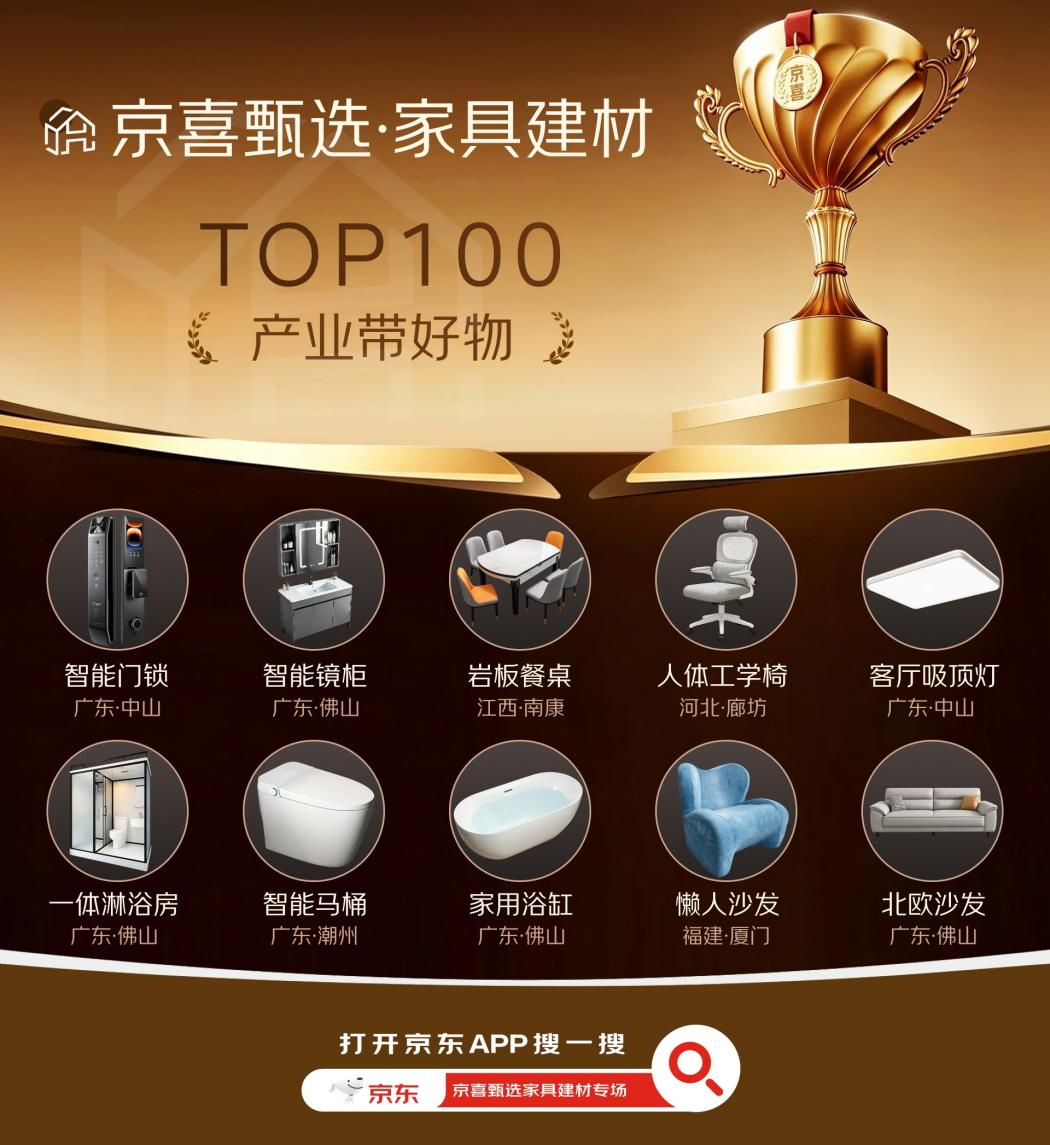
在地方推动产业带拓内销的同时,京东京喜也在把政企合作沉淀为可见的商品行动。近日,京东京喜发布首批“京喜甄选家具建材TOP100产业带好物榜”,将中山智能锁及灯饰,潮州智能马桶以及南康餐桌等产业带好物集中呈现给全国消费者。

这份榜单基于用户好评、商品成交表现、履约服务和采销评估等维度进行综合筛选,既关注工厂的制造基础和产品品质,也关注用户评价与服务表现。平台还基于消费者对安装、材质、功能和售后等方面的真实需求反馈给工厂,协助源头商家围绕实际使用场景优化产品或配置履约、售后服务。

对平台而言,这是把分散在工厂端的制造能力转化为消费者看得懂的选购参考;对中山等产业带而言,则是借助平台采销、运营和服务能力,推动源头好货更直接地进入全国消费市场。

这条“用户需求-工厂制造-京喜严选-直达全国”的链路,正在被市场持续验证。今年以来,京喜家具建材成交额同比增长近40%,多个品类快速增长。其中,吸顶灯成交额同比增长50%,桌类成交额同比增长40%,沙发、基建材料成交额均同比增长35%。更值得关注的是,购买两次以上的老用户数同比增长65%,呈现出源头好货不仅被更多消费者看见,也正在形成持续复购和口碑沉淀。

一批扎根产业带的源头工厂,正依托京喜把更符合用户需求的产品卖向全国,也让“工厂好货直达消费者”的链路变得更短、更清晰。

从“藏在背后”到直连用户,中山工厂把好货销往全国

在中山小榄,做了二十多年锁具、深耕智能锁十余年的董平,是一家智能门锁工厂的负责人。多年代工经历让他积累了成熟的供应链与技术经验,也让他看清了产业带工厂共同面临的困境:一把好锁具从工厂走到消费者家中,往往要经过多级流通环节,价格被层层抬高;而工厂长期藏在品牌背后,既难以沉淀自己的用户口碑,也无法第一时间知道消费者真正需要什么。

他想过直面消费者,然而难点也随之而来:其工厂缺少用户端品牌认知,要从头搭建销售、售后体系,还得在代工与零售之间平衡产能和服务的压力。

直到他遇到了京东京喜,“京喜采销不只是来挑货,更会帮我们结合当下消费趋势把货做得更好”,董平说。京喜采销从套装门锁、传统机械锁占比持续下降的数据里,捕捉到存量房换锁市场的崛起,针对“自行拆旧、装锁门槛高”这一难题,联动其工厂共创“拆旧+上门安装”一体化产品,借助平台厂货补贴助推新品冷启动,打造出多款热销门锁。

以前工厂躲在品牌后面做代工,消费者往往为品牌和流通环节付出更多成本;如今通过京喜平台,工厂可以更直接地抵达用户,价格更实在,履约和售后也有平台兜底。

董平算得很明白:工厂直发砍掉了流通环节的层层加价,省下的渠道费用一部分直接让利消费者,一部分投回到锁芯、电机这些核心件上,“同样的价格,可以把产品品质做得更好”。

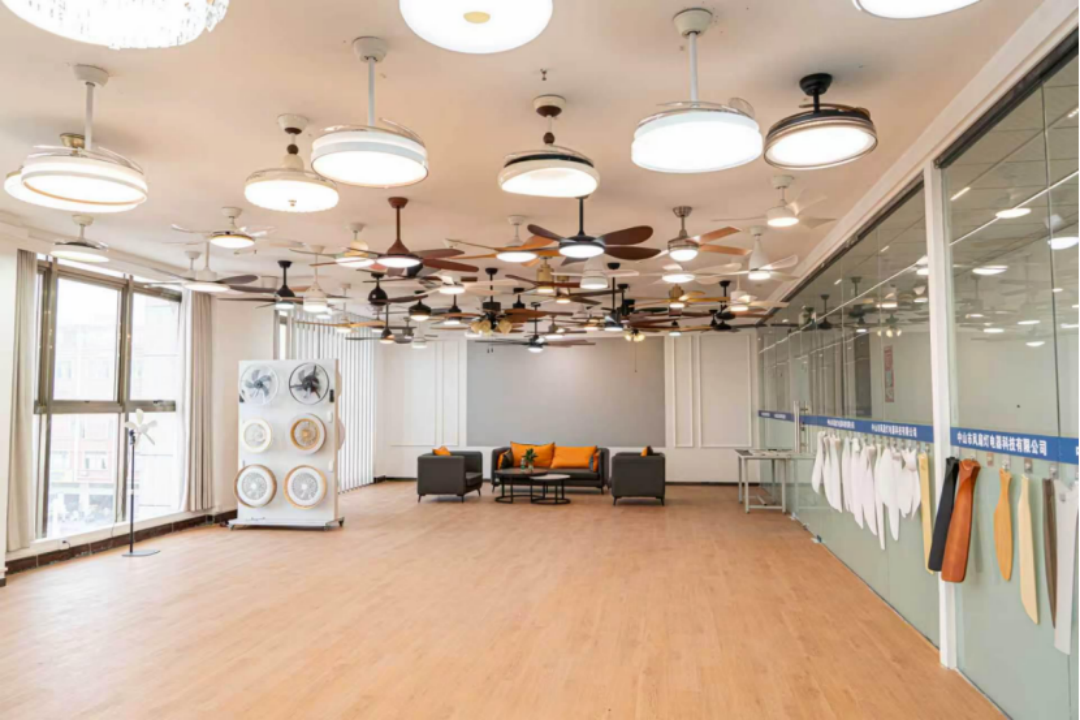
相似的转型,也在中山古镇灯饰产业带上演。做了十多年风扇灯的李总,在京喜采销的陪跑下转型工厂直发,当月就获得了快速增长。京喜采销长期跟踪用户的需求反馈,把产品的优化方向对准日常使用痛点:降低电机运行噪音,更换更护眼的全光谱光线,简化遥控操作让老人小孩都能上手。新品上线后,采销及时提供营销支持,让这款吸顶灯上线仅一个月,销售就突破千台。

像这样被京喜“选出来、扶上去”的产业带好货还有很多。在这次推出的“京喜甄选家具建材TOP100好物榜”上,除了来自中山产业带的智能锁、风扇灯,还有江西南康的岩板餐桌、广东潮州的智能马桶、福建厦门的懒人沙发等多个产业带代表性爆款。

越来越多源头好货,正在从工厂直接发往全国市场,不仅带动各地产业带的地方就业,也为一线商家提供转型升级的新机遇。

以销定产,产业带好货卖向全国让工厂“活”起来

对工厂来说,会造好货往往不是最难的,难的是把好货持续卖出去、让信任口碑立起来。传统经销体系链条长、层层加价,工厂若想自建线上渠道,又要组建运营、客服团队,成本高、风险大。中山与京喜的合作,正是从这道坎起步:从早期外贸转内销帮扶,逐步拓展到如今在灯饰、电子锁、家具等多个产业集群工厂的深度对接。

中山市商务局相关负责人表示,京东京喜的“类自营”模式由平台承接选品、运营、客服、物流,让企业能专心做好产品生产与成本管控,对工厂拓内销、育品牌具有积极作用。和传统经销体系相比,这套模式有效缩短分销链路、减少中间商分成,让企业腾出更多资金投入产品研发;由平台承接线上配套运营也大幅降低工厂的试错成本;同时打通产销通道,平台销量与用户评价直接指导产品优化,再加上官方售后的信用背书,帮助中山厂货摆脱“低价白牌”标签,完成向“品质产品”的升级。

一头连着千万用户的真实需求,一头连着工厂的生产线,采销把消费端的需求,一步步送回到了工厂的研发生产环节。这套“以销定产”的逻辑,正在重塑产业带的路径。

中国五金制品协会锁匠专业委员会会长胡勇介绍,中山小榄智能锁集群已入选国家级中小企业特色产业集群,是国内锁具产业的核心大本营,但长期代工也让不少工厂陷于同质化与低价内卷。在他看来,京东京喜通过工厂直发有效缩短了流通链路,也推动工厂关注真实反馈、反过来优化产品,帮此前藏在品牌背后的工厂逐步积累自己的口碑。

好货走向全国,改变的不只是一家家工厂的生意,也为当地产业带工厂拓展内销、稳定订单提供了新的支撑。

未来,京喜还将深耕更多家具建材重点产业带,助力源头工厂创新发展,更高效地“对话”消费者,逐步建立产业带品牌。当工厂订单不断、工人增收,制造业的转型升级与千家万户的稳定生计紧紧相连,全国家具建材产业带的烟火气也会越来越旺。

注:文/龚作仁,文章来源:Laborer,本文为作者独立观点,不代表亿邦动力立场。

文章来源:Laborer

广告
微信
朋友圈

FAQ回顾

京东京喜的“类自营”模式是什么?适合哪些工厂?

京东京喜的“类自营”模式由平台承接选品、运营、客服、物流,工厂专注产品生产与成本管控。适合缺乏线上运营能力和自有品牌的家具建材产业带工厂,如中山灯饰、智能锁、南康家具等,可缩短分销链路、降低试错成本,帮助工厂拓内销、育品牌。

京东京喜如何帮助产业带工厂打开销路?

京东京喜通过政企合办产业带供采对接会、发布“京喜甄选家具建材TOP100产业带好物榜”、采销团队陪跑等方式,将用户需求反馈给工厂优化产品,并采用工厂直发缩短流通链路。例如中山古镇风扇灯转型后快速起量,一款吸顶灯上线一个月销售破千台。

家具建材产业带工厂目前面临哪些痛点?

家具建材产业带工厂普遍“会生产、不会卖”,依赖贴牌代工,缺少自有品牌和市场口碑;传统经销体系链条长、层层加价,利润被压缩,陷入同质化竞争。如中山小榄智能锁集群长期代工,难以沉淀自己的用户口碑,也无法快速获知消费者真实需求。

京东京喜家具建材品类的增长表现如何?

今年以来,京东京喜家具建材成交额同比增长近40%。其中,吸顶灯成交额同比增长50%,桌类增长40%,沙发和基建材料均增长35%;购买两次以上的老用户数同比增长65%,显示源头好货正在形成持续复购和口碑沉淀。

产业带工厂如何借助电商平台从代工转向自有品牌?

产业带工厂可借助京东京喜的“类自营”和工厂直发模式:平台承接电商运营与售后,并把消费端需求反馈到研发生产环节;工厂省去中间渠道费用,将资金投入锁芯、电机等核心部件,以更实在的价格和更好品质积累口碑,逐步摆脱“低价白牌”标签。

这么好看,分享一下?

朋友圈 分享

APP内打开

赞 +1
+1
微信好友 朋友圈 新浪微博 QQ空间
关闭
收藏成功
发送
/140 0