广告
加载中

Oceanpayment杨新芳入选《财富》2026中国最具影响力的商界女性榜单

龚作仁 2026-09-17 13:02
龚作仁 2026/09/17 13:02

邦小白快读

EN
全文速览

这篇文章围绕《财富》2026中国最具影响力商界女性榜单发布,传递了值得参考的核心资讯与务实发展思路。

1. 核心榜单资讯:该榜单已连续发布17年,今年设置主榜与未来榜两个序列,主榜覆盖华为孟晚舟、格力董明珠、信德集团何超琼等不同产业的成熟女性领军者,未来榜侧重挖掘在技术创新、产业发展、全球市场拓展领域形成新兴影响力的女性领导者,全球数字支付服务商Oceanpayment联合创始人兼首席执行官杨新芳入选本届未来榜。

2. 可参考的发展理念:今年榜单主题定为“效率时代的决策力”,点明技术迭代越快、业务触达效率越高,越要重视长期投入的判断,无论是企业经营还是个人发展,都要锚定真实需求建设核心能力,不盲目追逐短期风口,让成长建立在可靠的能力基础上。

这篇文章透露出中国企业全球化经营的发展趋势,以及品牌布局全球市场需要重视的经营支撑要点。

1. 当前中国品牌与全球市场的连接正在走向深度深耕阶段,品牌出海不再是单纯将产品输入当地市场,而是需要在当地搭建可持续运转的完整经营能力,支付作为交易闭环的核心环节,是全球化经营能力建设的重要组成部分。

2. 全球不同市场的支付需求存在明显差异,品牌布局海外时,既要适配当地消费者的交易习惯,也要提前搭建覆盖风险管理、资金高效流转、跨区域协同的支付支撑体系,优先选择具备长期服务能力、能跟随品牌业务拓展同步升级服务的支付合作方,保障不同市场的经营稳定性。

3. 当前AI正在改变商业交互与交易形态,品牌布局全球市场时也要关注新交易形态下的信任构建、风险防控问题,在抓住技术效率红利的同时筑牢经营底线。

这篇文章透露出跨境经营领域的服务升级方向,以及卖家全球化布局的机会点与经营注意事项。

1. 全球跨境市场仍是卖家的重要增长赛道,但当前出海竞争已经从单纯的产品销售、流量争夺,转向长期本地化经营能力的竞争,卖家拓展海外市场时,不能只做短期流量布局,要提前搭建适配当地的交易服务、风险管控、资金流转体系,筑牢长期经营的基础。

2. 支付环节是卖家跨境经营的核心支撑,选择支付服务商时,要优先选择具备多年全球服务经验、能够跟随卖家业务拓展同步升级服务的合作方,这类服务商可覆盖不同市场的本地交易习惯,也能应对跨区域经营中的资金协同、风险防控问题,降低经营隐患。

3. AI驱动的新交易形态正在形成,卖家可提前关注新交易场景的效率机会,同时重视新场景下的交易授权、信任构建、风险防控问题,避免新技术应用带来不必要的经营损失。

这篇文章传递出中国产业端全球化布局的发展趋势,能为工厂拓展跨境业务、推进数字化升级提供明确的参考方向。

1. 当前中国企业出海进入深水区,不管是品牌方还是跨境卖家,拓展全球市场时都需要更稳定、更适配本地需求的全链路经营支撑,工厂如果要拓展跨境B端或C端业务,不能只停留在供货或卖货的浅层布局,要围绕全球经营场景搭建配套服务能力,抓住全球化服务的增量机会。

2. 工厂布局数字化、拓展线上跨境业务时,要重视交易环节的支撑能力建设,针对不同市场的交易习惯搭建适配的支付通道,同时做好交易风险管理、跨区域资金流转的配套安排,保障业务稳定运转。

3. 技术迭代加快的背景下,工厂做长期业务规划时不要盲目追短期热点,要锚定客户真实需求建设核心能力,同时关注AI等新技术带来的交易形态变化,提前做好能力储备,匹配下一阶段的市场需求。

这篇文章透露出跨境经营服务领域的发展趋势,以及客户核心痛点,能为服务商优化服务方向、打磨核心能力提供参考。

1. 当前中国企业全球化经营正从浅层市场进入转向深度本地运营,客户对服务的需求不再是单点工具支持,而是能够覆盖多场景、适配不同市场规则的长期稳定服务。以支付领域为例,客户核心痛点集中在本地交易习惯适配、交易风险管控、跨区域资金高效流转、跨区域业务协同等关联维度,服务商需要搭建体系化服务能力,才能匹配客户需求。

2. AI技术正在改变商业交互和交易发起方式,新交易形态在提升效率的同时,也带来了交易授权、风险识别、信任构建等新的行业问题,服务商需要围绕这些新痛点提前打磨解决方案,才能抢占未来服务市场。

3. 服务商做业务决策时,要锚定长期能力建设,不盲目追短期风口,让服务能力跟上客户的业务发展节奏,打造可信赖的服务口碑,才能积累长期行业影响力。

这篇文章传递出全球化经营背景下,平台入驻商家的核心经营诉求,能为平台优化全球业务运营、完善服务体系提供参考。

1. 随着平台商家不断拓展全球市场,商家对平台的服务需求已经从单纯的流量支持、交易撮合,延伸到全链路经营支撑层面,平台需要围绕商家的跨国经营痛点,完善配套服务体系,比如对接适配不同市场本地习惯的支付服务,搭建覆盖交易风险防控、跨区域资金流转、跨区域业务协同的支撑能力,降低商家全球经营的门槛。

2. 平台引入服务类合作方时,要优先选择具备长期全球服务能力、能够稳定交付服务的合作伙伴,共同为商家打造可靠的经营基础,避免因服务不稳定影响商家经营、损耗平台口碑。

3. 平台要密切关注AI等新技术带来的交易形态变化,提前布局新场景下的交易规则、风险防控体系建设,既要抓住技术带来的效率提升机会,也要提前规避新交易形态下的授权、信任、风险类问题,保障平台生态稳定运转。

这篇文章以《财富》2026中国最具影响力商界女性榜单的评选逻辑与入选案例为切口,呈现了中国企业全球化发展的最新产业动向与值得深入研究的新命题。

1. 当前中国企业与全球市场的连接已经进入深度经营阶段,区别于早期产品出口的模式,现阶段企业出海需要搭建本地化持续经营能力,这一趋势带动了全球化数字服务赛道的发展。以Oceanpayment为代表的数字支付服务商,通过十二年长期布局,围绕全球经营场景搭建适配本地交易习惯、覆盖风险管控、资金流转、跨区域协同的服务体系,形成了服务中国企业出海的代表性商业模式,具备较高的研究价值。

2. 当前产业发展进入效率时代,AI等技术大幅提升了企业触达市场、处理业务的效率,但也对企业的长期决策能力提出了更高要求,技术落地过程中产生的新交易形态授权、跨场景信任构建、新型风险防控等问题,是值得持续跟踪的产业新命题。

3. 女性商业领导者在技术创新、全球化服务等新兴赛道的影响力正在提升,相关企业的长期主义决策逻辑对产业发展的带动作用,也是商业领导力研究领域的新观察方向。

返回默认

声明:快读内容全程由AI生成,请注意甄别信息。如您发现问题,请发送邮件至 run@ebrun.com 。

我是 品牌商 卖家 工厂 服务商 平台商 研究者 帮我再读一遍。

Quick Summary

This article covers the release of Fortune’s 2026 Most Powerful Women in China list, distilling key takeaways and practical insights for career and business development.

1. Core list updates: Now in its 17th year, the ranking features two tiers: the main list, which highlights established women leaders across sectors including Meng Wanzhou of Huawei, Dong Mingzhu of Gree, and Pansy Ho of Shun Tak Holdings; and the Future List, which recognizes emerging female leaders driving impact in technology innovation, industrial development, and global market expansion. Yang Xinfang, co-founder and CEO of global digital payment service provider Oceanpayment, is among this year’s Future List honorees.

2. Actionable development philosophy: The 2026 list is themed “Decision-Making in the Efficiency Era,” underscoring that as technology iteration accelerates and business reach becomes faster, leaders must prioritize judgment around long-term investment. For both enterprise operations and individual career growth, the core principle is to build durable capabilities anchored in real market demand, rather than chasing short-term fads, to ensure growth is built on a reliable foundation.

This article outlines emerging trends in the global operations of Chinese enterprises, along with key operational pillars brands should prioritize as they expand into international markets.

1. Chinese brands are shifting from broad market entry to deep, localized global engagement. Going global no longer means simply exporting products to overseas markets; it requires building fully functional, sustainable local operating capabilities. As the core link in the transaction loop, payments are a critical component of this global operational infrastructure.

2. Payment needs vary significantly across markets. When expanding overseas, brands must both align with local consumer transaction habits and build payment support systems that cover risk management, efficient capital flow, and cross-regional coordination in advance. Brands should prioritize payment partners with proven long-term service capabilities that can scale alongside their business expansion, to ensure operational stability across diverse markets.

3. AI is reshaping business interactions and transaction models. As brands build global presence, they must also address trust-building and risk prevention under new transaction formats, capturing the efficiency gains of technology while shoring up fundamental operational safeguards.

This article highlights service upgrade trends in cross-border operations, as well as growth opportunities and operational considerations for sellers pursuing global expansion.

1. The global cross-border market remains a key growth channel for sellers, but competition in overseas markets has evolved from pure product sales and traffic acquisition to long-term localized operational capability. When expanding internationally, sellers should not focus solely on short-term traffic plays; instead, they need to build localized transaction support, risk control, and capital flow systems in advance to lay a solid foundation for long-term operations.

2. Payments are a core pillar of cross-border operations. When selecting payment service providers, sellers should prioritize partners with years of global service experience that can scale their offerings in lockstep with the seller’s business growth. These providers can adapt to local transaction habits across markets, address cross-regional capital coordination and risk prevention needs, and reduce potential operational risks.

3. AI-driven new transaction formats are emerging. Sellers can proactively identify efficiency opportunities in these new transaction scenarios, while paying close attention to issues around transaction authorization, trust building, and risk control to avoid unnecessary operational losses from new technology adoption.

This article outlines global expansion trends across China’s industrial sector, providing clear guidance for manufacturers looking to develop cross-border business and advance digital transformation.

1. Chinese enterprise globalization has entered a more mature, deep-water phase. Both brands and cross-border sellers require more stable, locally adapted end-to-end operational support when expanding globally. For manufacturers looking to grow cross-border B2B or B2C business, a shallow focus on supplying or selling goods is no longer sufficient; they need to build supporting service capabilities aligned with global operating scenarios to capture incremental opportunities in global service provision.

2. When pursuing digital transformation and expanding online cross-border business, manufacturers must prioritize building robust transaction support capabilities. This includes deploying payment channels adapted to local transaction habits across different markets, as well as establishing supporting arrangements for transaction risk management and cross-regional capital flow to ensure stable business operations.

3. Amid rapid technology iteration, manufacturers should avoid chasing short-term fads when making long-term business plans. Instead, they should build core capabilities anchored in real customer needs, while monitoring changes to transaction formats brought by technologies such as AI, and building relevant capabilities in advance to meet future market demand.

This article highlights development trends in the cross-border operation service sector and core customer pain points, providing reference for service providers to optimize their service direction and refine core capabilities.

1. Chinese enterprises are shifting from superficial market entry to deep localized global operations, so customer demand for services has evolved from point-in-time tool support to long-term, stable offerings that cover multiple scenarios and adapt to different market rules. In the payments sector, for example, core customer pain points span local transaction habit alignment, transaction risk control, efficient cross-regional capital flow, and cross-regional business coordination. Service providers need to build systematic service capabilities to match these evolving needs.

2. AI technology is changing how businesses interact and how transactions are initiated. While new transaction formats improve efficiency, they also create new industry challenges around transaction authorization, risk identification, and trust building. Service providers need to develop solutions for these emerging pain points in advance to capture future service market share.

3. When making business decisions, service providers should focus on long-term capability building rather than chasing short-term fads, ensuring their service capabilities keep pace with customers’ business development. Building a trusted service reputation is key to accumulating long-term industry influence.

This article outlines the core operational needs of merchants on global platforms, providing guidance for platforms to optimize global operations and improve their service ecosystems.

1. As platform merchants continue expanding into global markets, their demands on platforms have extended beyond simple traffic support and transaction matching to end-to-end operational assistance. Platforms need to improve supporting service systems to address merchants’ cross-border operational pain points: for example, integrating payment services adapted to local habits in different markets, and building support capabilities covering transaction risk prevention, cross-regional capital flow, and cross-regional business coordination, to lower barriers for merchants operating globally.

2. When onboarding service partners, platforms should prioritize collaborators with proven long-term global service capabilities and reliable, stable service delivery, to jointly build a dependable operating foundation for merchants. Unstable service provision can both harm merchant operations and erode platform reputation.

3. Platforms should closely monitor transaction format changes driven by technologies such as AI, and proactively develop transaction rules and risk prevention systems for new scenarios. They should capture efficiency gains from new technology while proactively mitigating issues around authorization, trust, and risk under new transaction formats to ensure the stable operation of the platform ecosystem.

Using the evaluation framework and selected honorees of Fortune’s 2026 Most Powerful Women in China list as a lens, this article presents the latest industry trends in Chinese enterprise globalization and identifies new research agendas worthy of in-depth exploration.

1. Chinese companies’ connection to global markets has entered a phase of deep operational integration. Unlike the early model of product export, current global expansion requires building localized, sustainable operational capabilities, a trend that is driving growth in the global digital service sector. Digital payment providers such as Oceanpayment, which built out a service system aligned with global operating scenarios—covering local transaction habit adaptation, risk control, capital flow, and cross-regional coordination—over 12 years of long-term investment, represent a representative business model serving Chinese companies going global, with high research value.

2. As industrial development enters an era of efficiency, technologies such as AI have drastically improved the efficiency of market reach and business processing for enterprises, but also set higher requirements for long-term decision-making capabilities. Issues arising from technology implementation, including authorization for new transaction formats, cross-scenario trust building, and new-type risk prevention, are emerging industry topics that warrant ongoing tracking.

3. The influence of women business leaders is growing in emerging sectors such as technology innovation and global services. The role of their long-term decision-making logic in driving industrial development is also a new observation direction for business leadership research.

Disclaimer: The "Quick Summary" content is entirely generated by AI. Please exercise discretion when interpreting the information. For issues or corrections, please email run@ebrun.com .

I am a Brand Seller Factory Service Provider Marketplace Seller Researcher Read it again.

中国企业与全球市场的关系,正在变得更加深入。产品进入一个市场之后,企业还要在当地建立能够持续运转的经营能力。技术迭代越快,关于长期投入的判断就越重要。这也是《财富》今年观察女性商业领导力的一个角度。

在连续第十七年发布的中国最具影响力的商界女性榜单(Most Powerful Women,简称MPW)中,华为孟晚舟、格力董明珠、信德集团何超琼等领导者所在的主榜,呈现了不同产业的经营实践;同期发布的未来榜,则把目光投向技术创新、产业发展与全球市场中正在形成的影响力。Oceanpayment联合创始人兼首席执行官杨新芳(Lanny Yang)入选2026年未来榜。

在变化中建设长期能力

《财富》将今年的主题定为“效率时代的决策力”。当技术让企业能够更快地进入市场、处理业务,领导者仍需决定:哪些方向值得投入,哪些能力需要自己长期建设,以及如何让增长建立在可靠的经营基础上。

对Oceanpayment而言,这些问题贯穿企业的全球化发展。

自2014年创立以来,Oceanpayment持续拓展全球业务。随着客户进入更多市场,支付服务面对的需求也不断变化:既要适应当地的交易习惯,也要回应风险管理、资金流转与跨区域协同带来的复杂性。这些需求相互关联,考验的是一家支付企业持续理解市场、建设能力和稳定交付的水平。

作为联合创始人兼首席执行官,Lanny参与推动Oceanpayment围绕全球经营场景拓展业务、完善数字支付服务。面对新的市场机会,她与团队需要持续判断,如何让已经建立的能力跟上客户业务的发展,也为下一阶段的变化做好准备。

人工智能正在改变商业交互和交易发起的方式。新的交易形态会带来效率,也会对授权、风险与信任提出新的要求。对支付行业来说,技术走向真实应用,需要同时回答这些问题。

关于未来的影响力

一份关于“影响力”的榜单,最终关注的是领导者的决策如何作用于企业和产业的未来。

图片

图片

图片

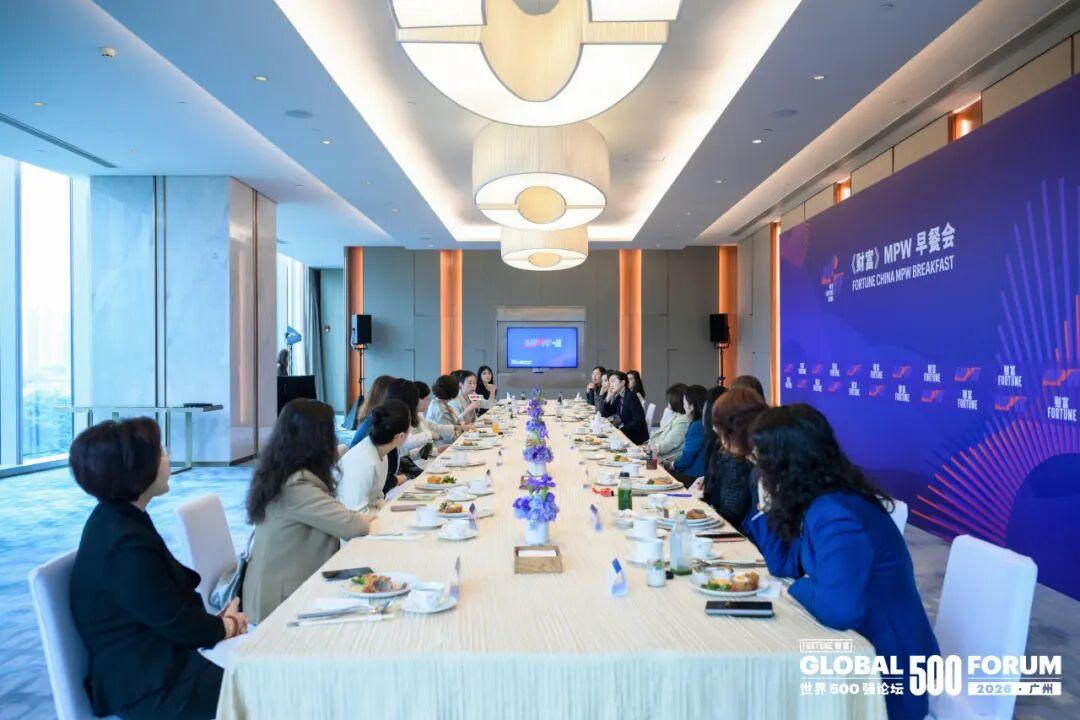
Lanny参加《财富》MPW早餐会(图片来源:2026《财富》世界500强论坛官方图片)

Lanny此次入选未来榜,让Oceanpayment十二年来参与全球商业发展的实践,进入了这份观察:面向未来,我们仍将从客户的真实经营需求出发,持续建设可信赖的数字支付服务。

注:文/龚作仁,文章来源:Laborer,本文为作者独立观点,不代表亿邦动力立场。

文章来源:Laborer

广告
微信
朋友圈

FAQ回顾

杨新芳是谁?

杨新芳(Lanny Yang)是全球数字支付服务商Oceanpayment的联合创始人兼首席执行官,拥有十余年支付领域全球化经营经验,主导团队围绕全球经营场景完善数字支付服务,2026年入选《财富》中国最具影响力商界女性未来榜。

Oceanpayment是一家什么类型的企业?

Oceanpayment是2014年创立的数字支付服务企业,服务全球化布局的客户,可适配不同地区交易习惯,提供覆盖风险管理、资金流转、跨区域协同的支付解决方案,助力企业搭建稳定的海外经营能力。

企业开展全球化经营对支付服务有哪些核心要求?

企业开展全球化经营时,支付服务需适配当地交易习惯,满足跨区域场景下的风险管理、资金流转、跨区域协同需求,同时适配AI时代新交易形态下的授权、风控与信任要求,支撑业务可靠增长。

2026年《财富》中国最具影响力商界女性榜单的评选核心是什么?

2026年《财富》中国最具影响力商界女性榜单主题为"效率时代的决策力",重点关注技术快速迭代背景下,企业领导者对长期投入方向、核心能力建设的判断,以及带领企业实现可靠增长的领导力。

这么好看,分享一下?

朋友圈 分享

APP内打开

赞 +1
+1
微信好友 朋友圈 新浪微博 QQ空间
关闭
收藏成功
发送
/140 0