广告
加载中

中智集团2026服贸会圆满收官 以全链出海服务与智库力量护航中国企业全球化

龚作仁 2026-09-14 19:28
龚作仁 2026/09/14 19:28

邦小白快读

EN
全文速览

你可以通过2026年服贸会释放的核心信息,了解中企出海领域的最新动态与实用参考内容。

1. 本届服贸会核心信息:共有90个国家和国际组织设展、1830余家企业线下参展,首次设置出海服务专区、出海路演区与中国服务案例展区,集中发布180余项创新成果,是对接出海资源的重要国家级平台。中智集团推出的人力资源全链出海解决方案、AI招聘服务、出海合规服务等成果,是本次展会的亮点内容,展台的全球化场景“任意门”还成为热门打卡点。

2. 实用参考干货:当前熟悉属地法规、具备产业实操能力的复合型出海人才缺口极大,是决定企业海外落地速度的核心要素;企业出海不能只靠机会捕捉,需要建立全流程用工合规体系,搭建“中国管理团队+本地专业人才+国际化人才”的三层团队结构,不管是规划职业方向还是参与出海相关业务,都可围绕这些方向提前准备。

本次服贸会释放的中企出海趋势、落地痛点与支撑服务信息,对品牌商推进全球化布局有重要参考价值。

1. 最新出海趋势:截至2025年底我国对外投资存量达3.4万亿美元,连续9年位居全球前三,企业出海已从早期商品输出转向深度属地化布局,发展逻辑从“机会导向”转向“治理导向”,未来品牌全球化的竞争核心不再是出海速度,而是属地治理体系与人才体系的搭建能力。

2. 品牌出海需直面的核心问题:覆盖120余家各行业出海标杆企业的调研显示,出海品牌普遍面临五大核心挑战,分别是市场进入策略评估、合规管理与风险防控、属地生态圈与文化融入、产品力与品牌力建设、国际化组织与人才管理,其中用工合规、人才供给是制约海外落地的最突出瓶颈。

3. 可借力的服务支撑:品牌可依托专业机构的全链人力资源服务,借助AI工具提升海外市场研判、跨文化管理效率,缩短属地团队搭建周期,建立全流程合规管控体系,降低出海试错成本。

2026年服贸会释放的出海领域机会提示、风险预警与实操方法,能为跨境卖家布局海外市场提供直接参考。

1. 增长机会提示:当前中企出海重心正向新兴市场转移,我国对外投资网络已覆盖全球189个国家和地区,出海进入深度属地化运营阶段,扎根本地市场、做好精细化运营的卖家仍有充足的增长空间。

2. 风险提示:卖家出海需警惕两大核心落地瓶颈,一是熟悉当地规则的复合型人才寻访难度大、周期长,容易拖慢市场落地节奏;二是各国劳动法规差异大,在招聘尽调、签证办理、合同适配、薪酬社保、劳资协商、员工解聘等全流程都存在合规风险,秉持机会主义思路粗放运营极易产生损失。

3. 可落地的实操方法:卖家可借助专业人力服务机构的全球人才匹配平台缩短招人周期,已有案例显示专业服务可支持企业7天搭建完成20余人的属地销售团队;同时要将合规管理从底线思维转向流程思维,搭建三层结构的属地团队,建立全周期风险管控机制。

本次服贸会呈现的中企出海趋势、落地需求与数智化转型经验,能为工厂布局海外产能、对接市场需求、推进数字化升级提供清晰参考。

1. 潜在商业机会:当前我国企业已在全球189个国家和地区设立5.8万家境外企业,出海模式从商品输出转向深度属地化布局,工厂既可以把握海外产能合作的机遇布局属地生产基地,也可以对接出海企业的本地化供应链、生产配套需求拓展业务空间。

2. 海外布局核心注意事项:工厂搭建属地生产体系时,需重点破解两大瓶颈,一是熟悉本地生产规则、掌握相关技术的人才供给不足,二是跨境用工全流程的合规风险较高,可参照“中国管理团队+本地生产技术人才+国际化运营人才”的三层结构搭建团队,建立覆盖招聘、薪酬、劳资管理全流程的合规体系。

3. 数字化升级启示:工厂可借鉴AI原生全球化的运营思路,依托数字人才服务平台提升海外人才匹配、跨文化团队管理效率,缩短海外生产基地的搭建周期。

本次服贸会释放的出海服务赛道发展趋势、客户真实痛点与标杆解决方案,能为出海领域服务商打磨产品、升级服务提供明确方向。

1. 行业发展趋势:中国企业全球化正迈入AI原生全球化新阶段,企业出海逻辑从机会导向转向治理导向,客户对出海服务的需求已从事务性的零散支持,转向覆盖全周期、具备智库支撑能力的陪伴式服务,服务价值核心从“帮企业走出去”转向“帮企业扎下根”。

2. 客户核心痛点:基于120余家出海央企、地方龙头与行业标杆企业的调研,当前客户存在五大核心挑战,分别是市场进入策略评估、合规风险防控、属地文化融入、产品品牌建设、国际化组织与人才管理,其中跨境用工合规、复合型人才供给是最突出的共性瓶颈,在新兴市场风险管控、外派人员管理、跨境薪酬税务等场景有明确的实操服务需求。

3. 可参考的服务创新方向:头部机构已通过AI技术实现人才秒级匹配,搭建全链条合规服务体系,依托“研究院+数据库+数字化平台”提供“咨询+数据”一体化服务,相关AI场景已入选国资委高价值应用场景。

本次服贸会呈现的出海生态供需特点、标杆服务经验与活动组织思路,能为出海服务平台优化生态建设、升级商家服务、做好风险引导提供参考。

1. 平台商家的核心服务需求:当前出海商家普遍面临两大核心落地瓶颈,一是熟悉属地规则的复合型人才寻访周期长、匹配难度大,拖慢市场落地节奏;二是跨境用工全流程合规风险高,同时在海外市场研判、跨文化管理、属地资源对接等方面存在普遍服务需求,商家已从早期拼速度的粗放出海,转向拼治理能力的精细化运营阶段,对全链条落地服务的需求强烈。

2. 可借鉴的平台运营经验:头部服务方通过整合AI人才匹配、全链路合规服务、智库研究支持三大核心能力,为商家提供从研判到落地的全周期支撑,同时通过沉浸式场景交互、专题路演、深度研讨、研究报告发布等形式触达客户;本次服贸会设置专属专区、路演区、案例展区搭建供需对接平台的做法,也值得平台参考。

3. 运营风向提示:平台需引导商家摒弃机会主义的出海思路,强化合规经营意识,协助商家搭建适配属地的人才与治理体系,降低商家出海的系统性风险。

2026年服贸会上呈现的中国企业全球化最新阶段特征、现实瓶颈与服务创新范式,具备较高的产业研究价值。

1. 产业发展新动向:截至2025年底我国对外投资存量达3.4万亿美元,连续9年位居全球前三,境内投资者在全球189个国家和地区设立5.8万家境外企业;企业出海正从商品输出阶段转向深度属地化布局阶段,发展逻辑从机会导向转向治理导向,全球化运营迈入AI原生全球化新阶段,未来企业出海的核心竞争力是属地治理能力与人才体系搭建能力,人才结构呈现三层并行的发展趋势。

2. 产业发展新问题:基于120余家不同类型出海样本企业的调研,当前企业国际化经营面临五大核心挑战,分别是市场进入策略评估、合规管理与风险防控、属地生态圈与文化融入、产品力与品牌力建设、国际化组织与人才管理,其中用工合规、人才供给是制约海外落地的最突出瓶颈,多数企业存在复合型国际化人才选育用留的系统性难题。

3. 服务创新新模式:头部人力资源服务机构探索形成“AI技术工具+全球服务网络+系统性智库输出”的全链出海服务模式,可为企业提供全周期支撑,相关AI场景已入选国资委人工智能高价值场景,为完善出海服务生态提供了新的实践样本。

返回默认
声明:快读内容全程由AI生成,请注意甄别信息。如您发现问题,请发送邮件至 run@ebrun.com 。

我是 品牌商 卖家 工厂 服务商 平台商 研究者 帮我再读一遍。

Quick Summary

Key takeaways from the 2026 China International Fair for Trade in Services (CIFTIS) offer timely updates and practical guidance on the latest trends in Chinese companies’ global expansion.

1. Core highlights of this year’s CIFTIS: The national-level platform for global expansion resource matchmaking hosted exhibitors from 90 countries and international organizations, with over 1,830 companies participating in offline exhibitions. For the first time, it launched dedicated zones for global expansion services, roadshows, and Chinese service case showcases, releasing more than 180 innovative outcomes. Standout exhibits included CIIC Group’s full-spectrum global expansion human resources solutions, AI-powered recruitment services, and overseas compliance services; its immersive “Portal to Globalization” interactive installation also became a popular visitor attraction.

2. Practical takeaways: There is currently a severe talent gap for interdisciplinary global expansion professionals who understand local regulations and have hands-on industry experience—this factor is the core determinant of how quickly companies can establish overseas operations. Companies cannot rely solely on opportunistic moves when expanding globally; they need to build a full-lifecycle employment compliance system and a three-tier talent structure consisting of a Chinese management team, local professional talent, and international talent. These insights can inform both career planning and business preparation for global expansion initiatives.

The trends, on-the-ground pain points, and support service insights for Chinese companies’ global expansion shared at the 2026 CIFTIS provide valuable reference for brands advancing their global footprint.

1. Latest expansion trends: By the end of 2025, China’s outbound foreign direct investment stock reached $3.4 trillion, ranking among the world’s top three for nine consecutive years. Chinese companies’ global expansion has shifted from early-stage merchandise export to deep localized operations, with the core development logic evolving from “opportunity-driven” to “governance-driven.” Going forward, the core competitive edge for global brands will no longer be expansion speed, but the ability to build localized governance and talent systems.

2. Core challenges for global brands: A survey of over 120 leading global expansion companies across industries identified five universal challenges: market entry strategy evaluation, compliance management and risk prevention, local ecosystem building and cultural integration, product and brand capability development, and international organization and talent management. Employment compliance and talent supply are the most prominent bottlenecks hindering overseas market entry.

3. Accessible support services: Brands can leverage specialized agencies’ full-chain HR services, and use AI tools to improve the efficiency of overseas market analysis and cross-cultural management, shorten local team building cycles, establish full-process compliance control systems, and reduce trial-and-error costs in global expansion.

Opportunity alerts, risk warnings, and practical operational guidance shared at the 2026 CIFTIS provide direct references for cross-border sellers planning overseas market expansion.

1. Growth opportunities: The focus of Chinese companies’ global expansion is shifting to emerging markets, with China’s outbound investment network covering 189 countries and regions worldwide. Global expansion has entered a stage of deep localized operation, leaving ample growth room for sellers that root themselves in local markets and implement refined operations.

2. Risk warnings: Sellers should guard against two core entry bottlenecks when expanding overseas. First, recruiting interdisciplinary talent familiar with local rules is difficult and time-consuming, which can easily delay market entry timelines. Second, labor regulations vary widely across countries, creating compliance risks across the full employment lifecycle including recruitment due diligence, visa processing, contract adaptation, compensation and benefits, labor-management consultation, and employee termination. Opportunistic, rough-and-ready operation models carry high risk of financial losses.

3. Actionable practices: Sellers can use global talent matching platforms provided by professional HR service providers to shorten recruitment cycles; existing cases show that professional services can help companies build a local sales team of over 20 people in as little as seven days. Additionally, sellers should upgrade compliance management from a baseline “bottom-line” approach to a process-oriented approach, build a three-tier local team structure, and establish a full-lifecycle risk control mechanism.

Trends in Chinese companies’ global expansion, on-the-ground demand, and digital transformation experience showcased at the 2026 CIFTIS provide clear guidance for factories planning overseas production capacity, connecting with market demand, and advancing digital upgrades.

1. Potential business opportunities: Chinese companies have established 58,000 overseas entities across 189 countries and regions. The global expansion model has shifted from merchandise export to deep localized operation. Factories can seize opportunities for overseas production capacity cooperation to build local production bases, as well as expand business by meeting the localized supply chain and production support needs of other globally expanding companies.

2. Key considerations for overseas layout: When building local production systems, factories need to address two core bottlenecks: the insufficient supply of talent familiar with local production rules and equipped with relevant technical skills, and high compliance risks across the full cross-border employment lifecycle. Factories can reference the three-tier team structure of “Chinese management team + local production and technical talent + international operation talent,” and build a compliance system covering recruitment, compensation, and labor management.

3. Digital upgrade insights: Factories can draw on the operational logic of AI-native globalization, using digital talent service platforms to improve the efficiency of overseas talent matching and cross-cultural team management, and shorten the construction cycle of overseas production bases.

Trends in the global expansion service sector, real client pain points, and benchmark solutions shared at the 2026 CIFTIS provide clear direction for service providers in the global expansion space to refine products and upgrade services.

1. Industry development trends: Chinese companies’ globalization is entering a new stage of AI-native globalization. The core logic of corporate global expansion is shifting from opportunity-driven to governance-driven. Client demand for global expansion services has evolved from fragmented transactional support to full-lifecycle, think-tank-backed companion services, with the core value proposition shifting from “helping companies go global” to “helping companies take root locally.”

2. Core client pain points: Based on a survey of over 120 globally expanding central state-owned enterprises, local leading enterprises, and industry benchmark companies, clients face five core challenges: market entry strategy evaluation, compliance risk prevention, local cultural integration, product and brand building, and international organization and talent management. Cross-border employment compliance and interdisciplinary talent supply are the most prominent universal bottlenecks, with clear practical service demand in scenarios including emerging market risk control, expatriate management, and cross-border compensation and tax management.

3. Reference for service innovation: Leading institutions have achieved second-level talent matching through AI technology, built full-chain compliance service systems, and provided integrated “consulting + data” services supported by a structure of “research institute + database + digital platform.” Related AI application scenarios have been selected as high-value application scenarios by the State-owned Assets Supervision and Administration Commission (SASAC).

Supply and demand characteristics of the global expansion ecosystem, benchmark service experience, and event organization approaches showcased at the 2026 CIFTIS provide reference for global expansion service platforms to optimize ecosystem building, upgrade merchant services, and provide sound risk guidance.

1. Core service demands of platform merchants: Global expansion merchants currently face two core entry bottlenecks: first, recruiting interdisciplinary talent familiar with local rules is time-consuming and difficult, delaying market entry timelines; second, cross-border employment carries high compliance risks across the full lifecycle. Merchants also have widespread demand for support in overseas market research, cross-cultural management, and local resource connection. Having moved past the early stage of rapid, rough-and-ready expansion, merchants are now pursuing refined operations centered on governance capability, creating strong demand for full-chain market entry services.

2. Referable platform operation experience: Leading service providers integrate three core capabilities—AI-powered talent matching, full-chain compliance services, and think-tank research support—to provide merchants with full-lifecycle support from market research to market entry. They also reach clients through immersive scenario interactions, themed roadshows, in-depth seminars, and research report releases. CIFTIS’s practice of setting up dedicated zones, roadshow areas, and case exhibitions to build supply-demand matchmaking platforms also offers useful reference for platforms.

3. Operational trend guidance: Platforms should guide merchants to abandon opportunistic expansion strategies, strengthen awareness of compliant operation, help merchants build localized talent and governance systems, and reduce systematic risks for merchants expanding globally.

The latest stage characteristics, practical bottlenecks, and service innovation paradigms of Chinese companies’ globalization presented at the 2026 CIFTIS carry high value for industry research.

1. New industry development trends: By the end of 2025, China’s outbound FDI stock reached $3.4 trillion, ranking among the world’s top three for nine consecutive years, with domestic investors establishing 58,000 overseas entities across 189 countries and regions. Chinese companies’ global expansion is shifting from merchandise export to deep localized operation, with development logic evolving from opportunity-driven to governance-driven, and global operation entering a new stage of AI-native globalization. Going forward, the core competitiveness of globally expanding companies will lie in local governance capability and talent system building, with talent structures showing a parallel three-tier development trend.

2. New industry development challenges: Based on a survey of over 120 sample companies across different sectors engaged in global expansion, companies currently face five core challenges in international operation: market entry strategy evaluation, compliance management and risk prevention, local ecosystem building and cultural integration, product and brand capability development, and international organization and talent management. Employment compliance and talent supply are the most prominent bottlenecks restricting overseas entry, with most companies facing systematic challenges in the selection, development, utilization, and retention of interdisciplinary international talent.

3. New service innovation models: Leading HR service institutions have explored and formed a full-chain global expansion service model of “AI technical tools + global service network + systematic think-tank output” to provide full-lifecycle support for enterprises. Related AI application scenarios have been selected as high-value AI scenarios by SASAC, providing new practical samples for improving the global expansion service ecosystem.

Disclaimer: The "Quick Summary" content is entirely generated by AI. Please exercise discretion when interpreting the information. For issues or corrections, please email run@ebrun.com .

I am a Brand Seller Factory Service Provider Marketplace Seller Researcher Read it again.

北京,9月13日讯——2026年中国国际服务贸易交易会在北京首钢园圆满落幕。本届服贸会秉持“全球服务,互惠共享”理念,紧扣“扩大开放、深化合作、引领创新”三大功能定位,共有90个国家和国际组织设展办会,1830余家企业线下参展,473家世界500强及行业龙头企业齐聚现场,首次设置出海服务专区、出海服务推介路演区与中国服务案例展区,集中发布180余项创新成果,为国内外服务商与出海企业搭建高效对接平台。

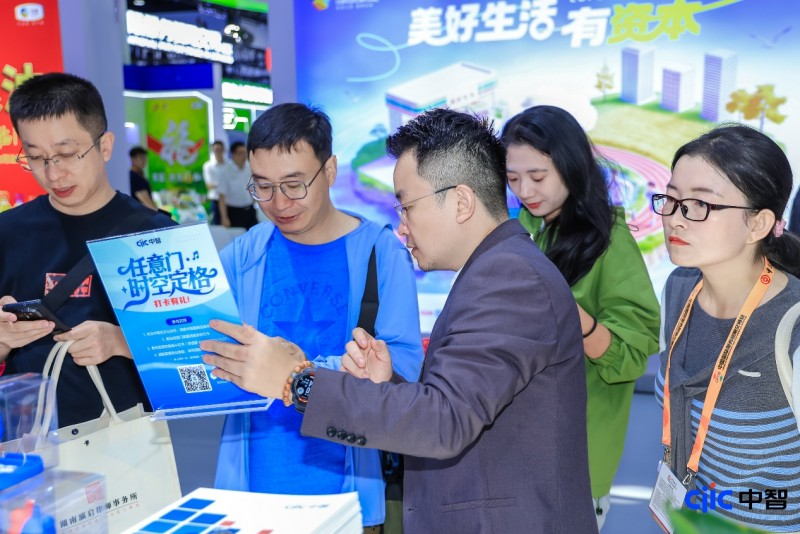
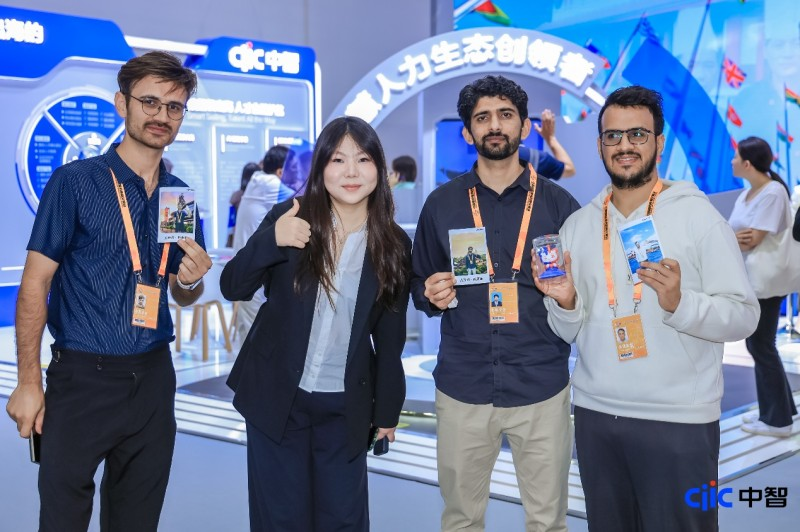
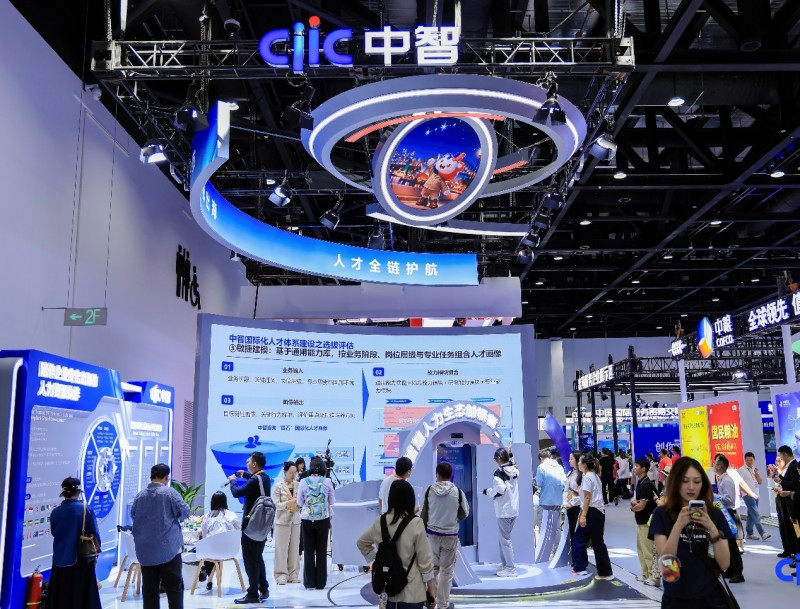
中智集团以“智启扬帆出海 人才全链护航”为主题亮相首钢园2号馆,以“一个核心+三大支撑”为展陈主线,集中展出人力资源全链出海综合解决方案。历经五天展期,中智依托这套解决方案,叠加AI创新成果与系统性智库输出,为这场聚焦全球化发展的国家级盛会注入强劲人力动能。展台“任意门”全球化场景美陈成为热门打卡点,观众可一键切换12个重点国家场景,沉浸式感受中智全球化服务网络的广度与深度。

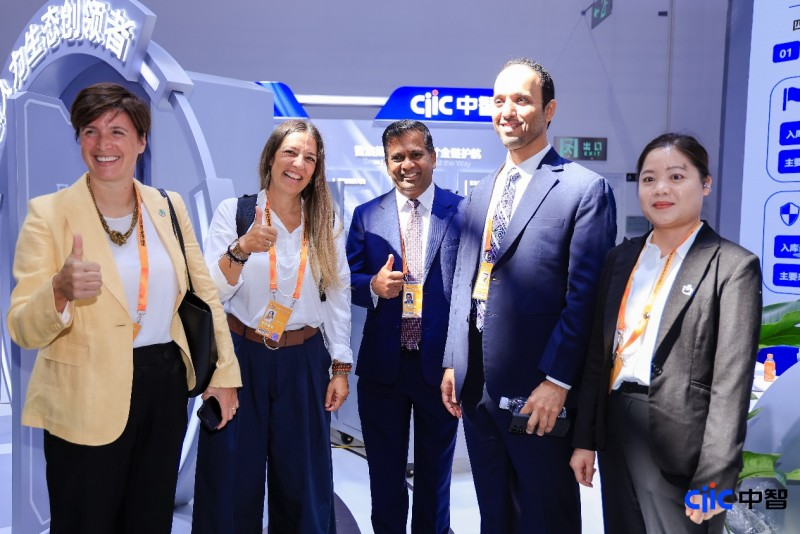
9月11日下午,北京市政府党组成员、副市长孙硕,朝阳区区委副书记、区长聂杰英等领导专程来到中智展台参观指导。中智集团党委副书记、董事、总经理王晓梅介绍中智紧扣国家战略、陪伴企业安全出海的全链条服务体系。孙硕副市长对中智的前瞻做法与务实举措给予充分肯定,强调人力资源服务业要主动对标国家高水平对外开放战略,以专业化、数字化、国际化的高质量服务赋能企业安全出海、稳健发展。

商务部数据显示,截至2025年底,我国对外投资存量达3.4万亿美元,连续9年位居全球前三;境内投资者在全球189个国家和地区设立境外企业5.8万家,企业出海加速由商品输出转向深度属地化布局。

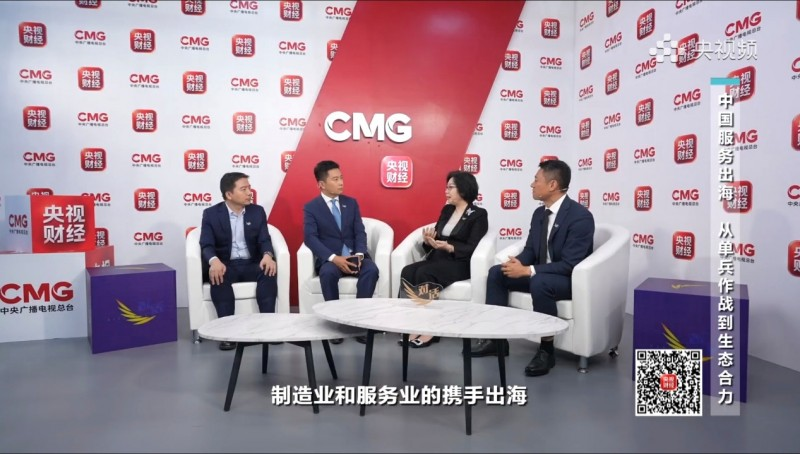
本届服贸会期间,王晓梅做客央视财经《对话》服贸会特别节目“中国服务全球上新”。她在节目中表示,企业开拓海外市场,人才能否快速到位,是决定海外布局推进速度的首要关口。海外业务迫切需要一批熟悉属地法规、具备产业实操能力的复合型人才,但这类人才寻访难度大、周期长。依托中智全球人才平台,能够实现候选人秒级初步匹配,有效压缩人才搜寻周期。王晓梅现场介绍,中智曾助力一家出海企业,在7天内完成20余名熟悉当地市场规则的海外营销管理及销售团队搭建,有力支撑企业快速落地海外市场。

聚焦海外人才招聘与供给,打通跨境人才流动通道

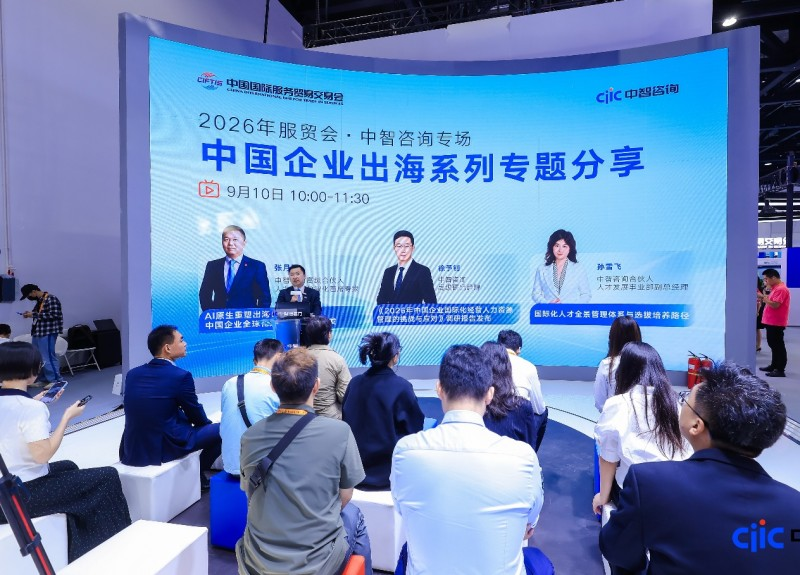
人才供给是制约企业海外落地的核心瓶颈之一。本届服贸会期间,中智会客厅重磅首发《2026年中国企业国际化经营人力资源管理挑战与应对》调研报告,成为解读中企出海人才困局的重要锚点。

中智咨询高级研究经理徐予钊介绍,报告调研覆盖120余家具备国际化业务或长期海外布局规划的央企集团、地方龙头及行业标杆企业。报告全景展现中国企业国际化经营现状与管理趋势,梳理出海企业五大核心挑战:市场进入策略评估、合规管理与风险防控、当地生态圈与文化融入、产品力与品牌力、国际化组织建设与人才管理;其中用工合规与人才供给,是制约企业海外落地最为突出的两大瓶颈。这份成果为企业谋划“十五五”国际化战略提供扎实决策参考,也为境外业务优化、国际化人才队伍建设提供实践借鉴。

基于报告揭示的人才痛点,中智咨询合伙人、人才发展事业部副总经理孙雪飞在“国际化经营与人才管理”专场带来《复合型国际化人才的选拔和培养》主题分享。她谈到,不少出海企业深陷国际化人才“选育用留”系统性难题,从选拔标准、培养机制及激励体系三个维度,提出推动企业人才战略从被动“应急补位”转向主动“体系化供给”的实施路径。

在人才供给体系建设之外,AI技术正在成为提升出海人才招聘与管理效率的关键变量。中智会客厅上午场,中智咨询高级合伙人、人力资源数智化首席专家张月强围绕《AI原生重塑出海:中国企业全球化运营的借鉴与启发》展开分享。他提出,中国企业全球化正迈向“AI原生全球化”新阶段,AI可助力企业在海外市场研判、跨文化组织管理等场景实现运营提效。

展期亮相的“智能数字员工驱动的人才就业服务平台”入选国务院国资委“中央企业人工智能战略性高价值场景”。继上一年度“AI数字人智能招聘面试”入选首批高价值场景后,中智再度斩获该项国家级认证,为海外人力资源“人才寻访——AI面试——人才测评——人岗匹配——员工关怀”全链路场景落地提供扎实服务支撑。该成果同步亮相中智展台交互区与本届服贸会主展馆中国服务专区;依托AI全球人才匹配、跨境用工合规打造的中智全链条出海解决方案,还成功入选北京市人力资源和社会保障局发布的六大服务成果。

聚焦出海合规与风险管控,护航中企海外稳健经营

人才供给的堵点逐步打通,合规与风险管控的考验又摆在眼前——这正是中智本届服贸会贯穿始终的另一大主线。

9月10日下午,中智会客厅开启“出海合规和落地实操”专场。中智咨询合伙人、数据服务与对标事业部总经理常江作《中企出海合规管理和可持续发展》主题分享。他提出,跨境用工合规应当从“底线思维”升级为“流程思维”,结合企业自身与属地国情,搭建精细化人力资源管控体系,依靠制度实现合规常态化运转。

圆桌对话环节,与会嘉宾深入研讨,围绕出海重心向新兴市场转移的机遇风险、外派人员三重风险管控、外派薪酬发放、税务权责界定、企业如何从“走出去”迈向“扎下根”五大实操议题深度交流,为参会企业输出风险前置的落地思路。

现场嘉宾形成共识,企业出海正从“机会导向”走向“治理导向”,未来拉开差距的不是谁先走出去,而是谁能在当地更快建立人才与治理体系,真正走得稳的企业管理的不只是外派员工,而是整套全球雇主责任体系;同时,在出海企业的属地化运营中,人才结构应走向“中国管理团队+本地专业人才+国际化人才”三层并行模式。

从会客厅的小范围深度研讨走向更大的公开平台,9月11日,中智登上本届服贸会首次设立的出海服务推介路演区,作为人力资源专场首家登台机构,带来《海外人力资源合规与风险管控——共筑出海新生态》专题分享。分享系统拆解中企出海各类合规痛点,输出从合规框架搭建到属地落地执行的成套解决方案。

针对各国劳动法规差异带来的现实风险,中智搭建覆盖招聘背景尽调、签证政策解读、劳动合同属地化适配、工时薪酬社保个税管理、工会劳资协商、离职解聘风险处置的全链条合规服务,帮助企业识别化解跨境用工全周期隐患。

正如前述调研报告揭示,合规管理与风险防控位列出海企业五大核心挑战之中,与人才供给共同构成制约海外落地的两大突出瓶颈。依托“研究院+数据库+数字化平台”的自身优势,叠加集团全球化网络落地能力,中智咨询可为企业提供海外组织管控、人力资源、属地化调研等“咨询+数据”一体化产品,实现从市场研判到落地实施的全周期智力支持。

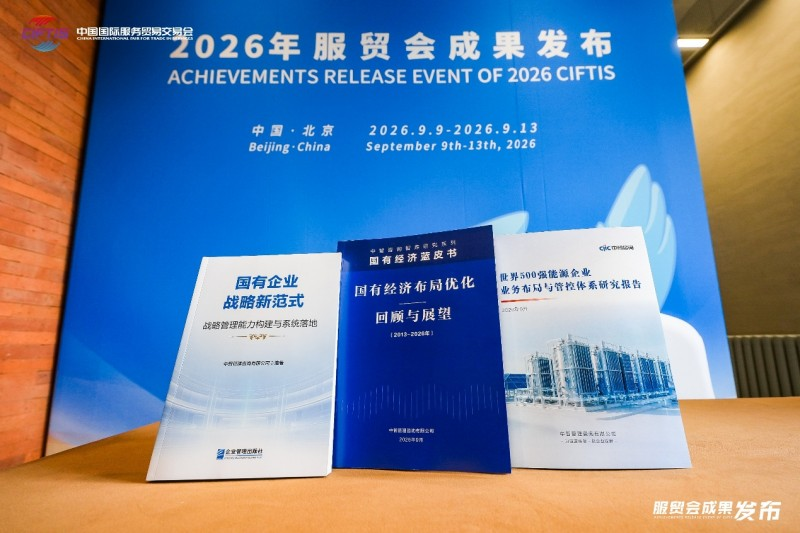
与调研报告一脉相承,中智的智库输出并未止步于此。9月12日,中智咨询集中发布《国有企业战略新范式:战略管理能力构建与系统落地》新书、《国有经济布局优化——回顾与展望(2013—2026年)》蓝皮书以及《世界500强能源企业业务布局与管控体系研究报告》三项成果,围绕战略管理、国有经济布局与全球能源变革三大命题,为“十五五”开局之年国资国企高质量发展提供智力支撑。

五天的服贸会圆满收官,但中智陪伴企业安全出海的步伐远未停歇。从"任意门"的沉浸式体验到会客厅的思想碰撞,从路演首秀的专业发声到多项智库成果重磅首发,本届服贸会上中智完成了从“服务展示”到“专业输出”的全面升维。面向未来,中智将继续以专业之力和央企担当,护航中资企业全球化之路走得更稳、更远。

注:文/龚作仁,文章来源:Laborer,本文为作者独立观点,不代表亿邦动力立场。

文章来源:Laborer

广告
微信
朋友圈

FAQ回顾

中国企业出海落地面临的核心人力资源瓶颈是什么?

当前中国企业出海落地最突出的两大瓶颈均与人力资源相关:一是人才供给不足,熟悉属地法规、具备产业实操能力的复合型人才寻访难度大、周期长;二是跨境用工合规风险高,不同国家劳动法规差异易引发全周期运营隐患。

中智集团可为出海企业提供哪些人力资源服务支持?

中智集团可提供人力资源全链出海综合解决方案,覆盖AI驱动的全球人才快速匹配、跨境用工全周期合规服务、海外组织管控咨询、属地化调研等“咨询+数据”一体化服务,支撑企业从市场研判到落地实施的全周期需求。

AI技术能为出海企业人力资源管理带来哪些价值?

AI可助力出海企业在海外市场研判、跨文化组织管理等场景实现运营提效,能够完成求职候选人秒级初步匹配,有效压缩人才搜寻周期,支撑人才寻访、AI面试、人才测评、人岗匹配、员工关怀全链路场景落地。

出海企业属地化运营适合搭建怎样的人才结构?

出海企业开展属地化运营时,适合采用“中国管理团队+本地专业人才+国际化人才”三层并行的人才结构,同时需建立体系化的国际化人才选育用留机制,从被动应急补位转向主动体系化人才供给。

这么好看,分享一下?

朋友圈 分享

APP内打开

+1
+1
微信好友 朋友圈 新浪微博 QQ空间
关闭
收藏成功
发送
/140 0