广告
加载中

年入273.5亿、品牌价值超千亿 波司登下一程锚定“百年品牌”

姜琪 2026-09-13 19:33
姜琪 2026/09/13 19:33

邦小白快读

EN
全文速览

这篇文章梳理了国货羽绒服龙头波司登50年的发展脉络、亮眼业绩与穿越周期的实践经验,既有值得大众了解的行业重点信息,也有可迁移的务实做事逻辑。

1. 核心关键信息:波司登2025/26财年实现营收273.5亿元,归母净利润39.94亿元,在2025年冬天气温偏暖的行业不利背景下,仍保持利润增速连续9年快于收入增速,目前品牌价值达1356.8亿元,连续31年拿下全国羽绒服市场销量第一,正式锚定打造百年品牌、百年企业的长期发展目标。

2. 可参考的务实经验:不管是经营事业还是个人成长,遇到困境不能只依赖偶然机会破局,要沉下心打磨核心能力;发展过程中要警惕盲目扩张的陷阱,聚焦核心赛道持续迭代,主动用新技术提升效率,敢于直面问题自我革新,才能扛过周期实现长期发展。

这篇文章详细披露了头部国货品牌波司登半个世纪的品牌建设经验与经营成果,为品牌商打造长周期国货品牌提供了可落地的参考样本。

1. 战略与品牌建设经验:品牌发展过程中要警惕盲目多元化扩张带来的资源浪费问题,坚定聚焦核心主航道,锚定清晰的长期发展目标。波司登2018年启动二次创业全面转型,收缩非相关业务聚焦羽绒服主业,目前品牌羽绒服业务占总营收86.2%,主品牌收入创同期历史新高,品牌价值达1356.8亿元。

2. 渠道与产品运营经验:渠道端要放弃粗放铺量思路,清退低效网点,进驻一二线城市核心商圈实现精细化运营;产品端要围绕多元消费场景搭建品类矩阵,打造极寒、泡芙、商务、户外四大心智品类覆盖不同场景与价格带,在面料、版型、工艺、核心保暖参数上持续升级,可借助数字化工具沉淀设计资产,缩短研发周期、提升产品标准化水平。

这篇文章梳理了羽绒服龙头波司登的多次破局历程与经营逻辑,能为赛道卖家提供风险提示、机会方向与可复制的经营方法参考。

1. 风险提示:卖家经营中需规避两类常见风险,一是产品迭代滞后,固守陈旧的产品形态无法匹配用户需求,会逐步丢失市场份额;二是盲目多元化扩张、粗放铺设渠道,会造成资源严重浪费,让经营陷入增长停滞的阵痛。

2. 机会与可借鉴方法:羽绒服市场正向场景细分化方向发展,极寒防护、休闲泡芙、商务通勤、户外功能等细分场景均有明确消费需求,可围绕不同价格带做针对性布局;可参考反季销售的节点营销策略打开销售缺口,渠道端放弃广撒网式低效铺货,转向核心点位精耕,重点打磨产品面料、版型、工艺等核心竞争力,借助数字化工具提升设计、运营效率,即便遇到暖冬这类不利行业环境,也能靠扎实的经营保持盈利韧性。

这篇文章呈现了头部羽绒服品牌波司登的产品迭代方向与供应链升级思路,能为相关生产工厂明确需求方向、挖掘商业机会、推进数字化升级提供务实参考。

1. 产品生产设计方向参考:当前羽绒服消费需求已从单纯追求厚重保暖转向轻暖时尚,消费者对产品的颜色、面料、款式、版型、工艺均有更高要求,对含绒量、蓬松度等核心品质参数有明确标准;同时需求呈现场景细分特征,覆盖极寒防护、休闲泡芙、商务通勤、户外功能等多元场景,每类场景对应不同的设计、生产标准,工厂可围绕这些方向优化产能结构。

2. 经营升级启示:头部品牌正推进全链路数字化重塑,工厂可主动对接品牌的数字化设计与供应链体系,抓住品牌聚焦主业、升级产品品质的合作机会,配套供应核心商圈渠道的高品质货品;也可借鉴其数字化思路,用AI类设计工具沉淀设计资产,缩短研发生产周期,提升版型标准化水平,拉高整体生产效率。

这篇文章披露了服饰行业龙头波司登的转型路径与数字化布局,能为相关服务商把握行业趋势、识别客户痛点、打磨适配解决方案提供参考。

1. 行业发展趋势判断:服饰行业已经走过粗放扩张、铺量增长的阶段,正在进入聚焦核心主业、精细化运营的高质量发展周期,头部品牌均在推进品牌、产品、渠道、供应链、数字化的全链路重塑,对专业化服务的需求持续提升。

2. 客户痛点与服务方向参考:品牌普遍存在三类核心需求,一是渠道优化需求,需要服务商协助完成低效网点梳理清退、核心商圈渠道进驻落地的运营服务;二是研发提效需求,可打磨适配服饰行业的AI设计类工具,帮助品牌沉淀历史设计资产,缩短研发周期,提升版型标准化水平;三是经营抗风险需求,可提供节点营销策划、用户运营等服务,帮助品牌通过反季销售等方式破局,在暖冬等不利环境下保持盈利韧性。

这篇文章呈现了头部服饰品牌波司登的渠道转型逻辑与经营特征,能为平台优化招商策略、完善运营服务、规避经营风向提供实际参考。

1. 品牌对平台的核心需求变化:当下头部服饰品牌已经放弃粗放铺量的渠道思路,转向核心渠道精耕,对平台的品牌调性匹配度、高价值用户触达能力、场景运营能力的要求持续提升,更愿意将资源倾斜给能助力品牌价值提升的优质平台,波司登清退低效网点、进驻一二线核心商圈的渠道调整,正是这一趋势的直接体现。

2. 平台运营与招商参考:招商端可重点倾斜资源引入聚焦核心主业、有清晰产品矩阵、盈利韧性强的品牌,这类品牌即便遇到暖冬等不利行业环境,也能靠扎实的产品力保持稳定增长;运营端可适配品牌的场景化品类布局,搭建极寒防护、商务通勤、户外功能、日常休闲等细分场景专区,配套反季销售等节点活动,帮助品牌平滑季节波动,提升经营效率,同时要审慎引入盲目扩张、产品力不足的商家,规避经营波动风险。

这篇文章以波司登50年发展历程为典型样本,呈现了中国民营服饰企业的成长路径、转型逻辑与产业新动向,是研究国货品牌发展、民营经济演进的重要参考素材。

1. 产业发展新动向观察:当前头部国货服饰企业已全面进入高质量发展阶段,普遍告别盲目多元化的扩张思路,聚焦核心主航道经营,渠道端从粗放铺量转向核心点位精耕;同时产业数智化转型正在向研发端深度渗透,比如波司登研发上线AI美学大脑,沉淀数十年设计资产重构设计体系,实现研发周期缩短、版型标准化提升,代表了服饰产业数字化的新方向。

2. 企业发展规律总结:波司登从8台缝纫机的村级缝纫组,成长为年入273.5亿、品牌价值超千亿的行业龙头,先后多次穿越行业周期的实践验证了,聚焦核心品类、持续打磨产品创新、敢于直面问题自我革命,是中国民营企业穿越周期、实现长期发展的核心逻辑,也是中国民营经济在改革开放进程中生长的典型缩影,暖冬等气候因素对季节性行业的影响、国货品牌价值成长路径等都是值得延伸研究的议题。

返回默认
声明:快读内容全程由AI生成,请注意甄别信息。如您发现问题,请发送邮件至 run@ebrun.com 。

我是 品牌商 卖家 工厂 服务商 平台商 研究者 帮我再读一遍。

Quick Summary

This article traces the 50-year development trajectory, standout financial performance, and cycle-tested operational lessons of Bosideng, China’s leading domestic down jacket brand, covering key industry takeaways for general audiences as well as transferable, practical principles applicable to both career and personal growth.

1. Key facts: In the 2025/26 fiscal year, Bosideng recorded revenue of RMB 27.35 billion and net profit attributable to shareholders of RMB 3.994 billion. Against the unfavorable industry headwind of an unseasonably warm 2025 winter, the company maintained a streak of nine consecutive years where profit growth outpaced revenue growth. Its brand value now stands at RMB 135.68 billion, it has ranked first in national down jacket sales for 31 straight years, and it has formally set the long-term goal of building a century-old brand and enterprise.

2. Practical takeaways: For both business operations and personal development, overcoming adversity cannot rely on random, one-off lucky breaks—instead, it requires deliberate focus on building core capabilities. During periods of growth, actors must guard against the pitfalls of blind expansion, stay focused on their core track to drive continuous iteration, proactively adopt new technologies to boost efficiency, and have the courage to confront flaws and pursue self-renewal to weather industry cycles and achieve long-term growth.

This article provides a detailed account of the half-century brand-building experience and operational results of Bosideng, a leading domestic Chinese apparel brand, offering an actionable reference sample for brand builders seeking to develop long-lasting homegrown brands.

1. Strategic and brand-building lessons: Brands must guard against resource waste caused by blind, unrelated diversification, remain firmly anchored to their core business track, and define clear long-term development goals. Since launching its "second entrepreneurship" full-scale transformation in 2018, Bosideng has wound down non-core operations to focus on its down jacket main business. Today, its branded down jacket segment accounts for 86.2% of total revenue, its core brand revenue hit an all-time high for the period, and its brand value reaches RMB 135.68 billion.

2. Channel and product operation lessons: On the channel front, brands should abandon the crude, volume-first expansion approach, phase out low-efficiency outlets, and enter core commercial districts in first- and second-tier cities to implement refined operations. On the product front, brands should build a diversified category matrix across varied consumption scenarios, with four core positioning pillars—extreme cold protection, puffer-style casual wear, business attire, and outdoor functional wear—to cover different use cases and price points. Continuous upgrades should be pursued across fabric, fit, craftsmanship, and core thermal performance metrics; digital tools can also be leveraged to archive design assets, shorten R&D cycles, and improve product standardization.

This article maps out the repeated turnaround efforts and underlying operational logic of down jacket segment leader Bosideng, providing risk warnings, opportunity signals, and replicable operational references for sellers in the category.

1. Risk alerts: Sellers should avoid two common operational pitfalls: first, lagging product iteration, as clinging to outdated product formats that fail to match evolving user needs will lead to gradual erosion of market share; second, blind diversification and crude channel expansion, which cause severe resource waste and drag operations into stagnant growth pains.

2. Opportunities and replicable tactics: The down jacket market is evolving toward scenario-based segmentation, with clear consumer demand across sub-segments including extreme cold protection, casual puffer styles, business commuter wear, and outdoor functional products, which supports targeted product layout across different price tiers. Sellers can reference off-season promotional node marketing strategies to unlock new sales streams, replace scattershot, low-efficiency channel expansion with intensive cultivation of core sales points, and prioritize building core competitiveness around product fabric, fit, and craftsmanship. Digital tools can be adopted to improve design and operational efficiency, enabling sellers to maintain profit resilience even amid unfavorable industry conditions such as warm winters.

This article outlines the product iteration direction and supply chain upgrade approach of leading down jacket brand Bosideng, providing practical guidance for relevant manufacturing factories to clarify demand trends, identify business opportunities, and advance digital transformation.

1. Product design and manufacturing direction guidance: Consumer demand for down jackets has shifted from a sole focus on heavy, bulky warmth to lightweight warmth and stylish design. Consumers now hold higher expectations for color, fabric, style, fit, and craftsmanship, and have clear standards for core quality parameters such as down content and fill power. Demand is also increasingly segmented across use cases, including extreme cold protection, casual puffer wear, business commuting, and outdoor functionality, each requiring distinct design and production standards—factories can optimize their capacity structure around these directional trends.

2. Operational upgrade insights: As leading brands pursue end-to-end digital transformation, factories can proactively integrate with brands’ digital design and supply chain systems to capture partnership opportunities arising from brands’ focus on core business and product quality upgrades, and position themselves to supply high-quality goods for brands’ core commercial district channels. Factories can also reference these digital practices, applying AI-powered design tools to archive design assets, shorten R&D and production cycles, improve fit standardization, and raise overall production efficiency.

This article reveals the transformation path and digital layout of apparel industry leader Bosideng, providing a reference for relevant service providers to understand industry trends, identify client pain points, and develop tailored solutions.

1. Industry trend assessment: The apparel industry has moved past the era of crude expansion and volume-driven growth, entering a high-quality development cycle defined by core business focus and refined operations. Leading brands are pursuing end-to-end overhauls spanning brand positioning, product development, channel management, supply chain, and digital capabilities, driving sustained growth in demand for specialized professional services.

2. Client pain points and service direction guidance: Brands face three core categories of demand: First, channel optimization needs, which require services to support the review and phase-out of low-efficiency outlets and support entry into core commercial districts. Second, R&D efficiency improvement needs, for which providers can develop apparel-specific AI design tools to help brands archive historical design assets, shorten R&D cycles, and improve fit standardization. Third, operational risk resilience needs, for which providers can deliver services including nodal marketing planning and user operation, helping brands drive growth via tactics such as off-season sales and maintain profit resilience amid unfavorable conditions like warm winters.

This article outlines the channel transformation logic and operational characteristics of leading apparel brand Bosideng, providing practical reference for e-commerce and retail platforms to optimize merchant recruitment strategies, improve operational services, and mitigate operational risks.

1. Shifts in brands’ core platform demands: Leading apparel brands have abandoned the crude, volume-first channel expansion approach in favor of intensive cultivation of core channels, raising requirements for platforms’ alignment with brand tonality, ability to reach high-value users, and scenario operation capabilities. Brands are increasingly willing to allocate resources to high-quality platforms that support brand value growth, a trend directly reflected in Bosideng’s channel adjustments of phasing out low-efficiency outlets and entering core commercial districts in first- and second-tier cities.

2. Platform operation and recruitment guidance: On the recruitment front, platforms should prioritize resources to attract brands focused on their core business, with clear product matrices and strong profit resilience, as these brands can maintain stable growth via solid product strength even amid unfavorable industry conditions such as warm winters. On the operation front, platforms can align with brands’ scenario-based category layouts by building dedicated zones for segmented scenarios including extreme cold protection, business commuting, outdoor functionality, and daily casual wear, paired with nodal activities such as off-season sales to help brands smooth seasonal fluctuations and improve operational efficiency. Platforms should also exercise caution when onboarding merchants with a track record of blind expansion and weak product strength to avoid operational volatility risks.

Using Bosideng’s 50-year development history as a canonical case, this article presents the growth path, transformation logic, and new industry trends of Chinese private apparel enterprises, serving as important reference material for research on the development of domestic brands and the evolution of the private sector.

1. Observation of new industry development trends: Leading domestic Chinese apparel enterprises have fully entered a high-quality development stage, generally abandoning blind diversification to focus on core business operations, and shifting channel strategy from crude volume expansion to intensive cultivation of high-value locations. Meanwhile, industrial digital and intelligent transformation is penetrating deep into the R&D process: for example, Bosideng has developed and launched an AI aesthetic brain, archiving decades of design assets to restructure its design system, shortening R&D cycles and improving fit standardization—a development that represents a new direction for digital transformation in the apparel industry.

2. Summary of enterprise development patterns: Bosideng grew from a village-level sewing group with eight sewing machines to an industry leader with annual revenue of RMB 27.35 billion and a brand value exceeding RMB 100 billion. Its track record of repeatedly navigating industry cycles verifies that focusing on core categories, continuously refining product innovation, and having the courage to confront flaws and pursue self-renewal are the core logics enabling Chinese private enterprises to weather cycles and achieve long-term development, making Bosideng a typical microcosm of China’s private sector growth through the reform and opening-up era. Additional topics worthy of further research include the impact of climatic factors such as warm winters on seasonal industries, and the value growth path of domestic Chinese brands.

Disclaimer: The "Quick Summary" content is entirely generated by AI. Please exercise discretion when interpreting the information. For issues or corrections, please email run@ebrun.com .

I am a Brand Seller Factory Service Provider Marketplace Seller Researcher Read it again.

【亿邦原创】9月12日,波司登50周年纪录片《50岁,正青春》在京首映,影片系统回顾了这家中国羽绒服企业50年来的关键节点与转型历程。波司登创始人、集团董事局主席兼总裁高德康出席并致辞,提出“百年品牌、百年企业”的长期目标。

波司登2025/26财年业绩显示,公司实现营收约273.5亿元,同比增涨5.6%;归母净利润约39.94亿元,同比增长13.7%。在2025年冬季全国气温整体偏暖的行业背景下,波司登仍能实现利润增速连续九年快于收入增速,盈利韧性凸显。

波司登50周年纪录片中,披露了一段起源细节:1975年,高德康在上海一位教授家中,从报纸上看到中国登山队从北坡登顶珠峰的报道,第一次接触到羽绒服。“我要做一件能登上珠峰的全世界最好的羽绒服”——这个念头成为波司登此后半个世纪的起点。

1976年,高德康带领10位乡亲、8台缝纫机在常熟小院成立缝纫组。1992年,他注册了自己的品牌,但随即遭遇市场巨变,企业陷入生存困境。直到1995年夏天,北京王府井百货筹备羽绒服反季销售,波司登反季销售大获成功。

但真正让企业走出困境的,不只是一次渠道机会 。高德康沉下心寻找问题根源,在颜色、面料、款式、版型和工艺上逐一创新升级,并增加含绒量,锁定蓬松度,对产品做了一次脱胎换骨的升级。波司登由此推动羽绒服从厚重臃肿向轻暖时尚转型。1995年冬天,焕然一新的波司登羽绒服一炮打响,当年销量较上年增长近8倍,跃居全国销量冠军。

然而,商业世界的风向从不长久太平。2014年,波司登因多元化扩张、渠道粗放,陷入增长阵痛。纪录片中,高德康对当时的扩张阵痛做了直接反思:“战略上盲目做加法,资源严重浪费。”2018年,他发起“二次创业”全面转型,核心动作是聚焦主航道,推进品牌、产品、渠道、供应链、数字化等全面重塑。

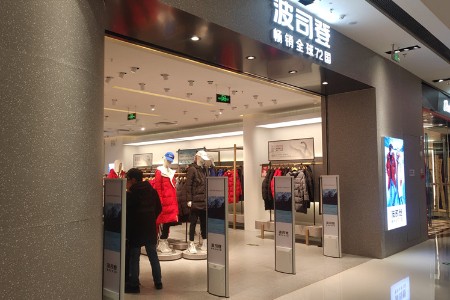
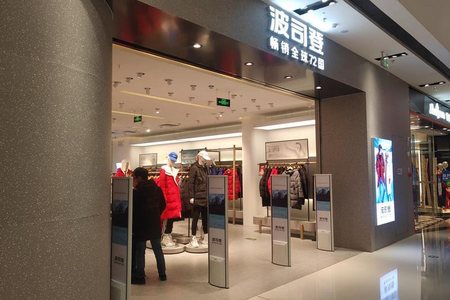
在渠道端,波司登退出大量低效网点,全面进驻一二线城市核心商圈,完成从“铺量” 到 “精耕” 的渠道结构升级。截至目前,波司登连续31年全国市场销量第一,品牌价值达1356.8亿元。

2025/26财年,品牌羽绒服业务收入235.6亿元,同比增长8.7%,占总营收的86.2%,这一占比印证了 "聚焦主航道" 战略的落地成果。其中主品牌波司登收入约197.5亿元,同比增长6.9%,创同期历史新高。品类经营层面,波司登持续打造“极寒、泡芙、商务、户外”四大心智品类,覆盖不同场景与价格带。

支撑产品迭代与品类拓展的,还有其持续投入的数字化能力。波司登研发上线的“AI美学大脑”,整合品牌数十年设计资产,将其转化为设计师日常应用的实战工具,在缩短研发周期、提升版型标准化的同时,完成设计体系的数字化。

著名经济学家姚景源称,波司登的前行之路是“中国民营经济在改革开放中生长的缩影”。从1976年的8台缝纫机,到年收入超两百亿元的行业龙头,波司登用50年验证了:聚焦核心品类、持续产品创新、敢于自我革命,是企业穿越周期的关键。

面向未来,高德康表示,公司将继续坚守实业根基,做强核心主业,以品牌引领、AI赋能、高质发展,向“百年品牌、百年企业”的目标稳步迈进。

亿邦持续追踪报道该情报,如想了解更多与本文相关信息,请扫码关注作者微信。

本文首发于 亿邦动力 官方网站

文章来源:亿邦动力

广告
微信
朋友圈

FAQ回顾

波司登2025/26财年的经营业绩怎么样?

波司登2025/26财年实现营收约273.5亿元,同比增长5.6%;归母净利润约39.94亿元,同比增长13.7%,利润增速连续九年快于收入增速。其中品牌羽绒服业务收入235.6亿元,占总营收86.2%,公司已连续31年位居全国羽绒服市场销量第一,品牌价值达1356.8亿元。

波司登发展历程中有哪些关键转型节点?

波司登发展史上有两次核心转型:一是1995年全面升级羽绒服的颜色、面料、款式、含绒量等,推动羽绒服从厚重臃肿向轻暖时尚转型,当年销量跃居全国第一;二是2018年启动“二次创业”,聚焦羽绒服主航道,全面重塑品牌、产品、渠道、供应链与数字化体系。

波司登能够穿越行业周期的核心原因是什么?

波司登50年发展实践验证,穿越周期的核心是聚焦羽绒服核心品类,持续推进产品创新,敢于自我革命调整战略,同时通过数字化工具(如自研AI美学大脑)赋能设计研发,优化渠道效率,坚持长期主义走高质发展路线。

波司登目前布局了哪些核心羽绒服品类?

波司登当前聚焦羽绒服主赛道,打造了“极寒、泡芙、商务、户外”四大核心心智品类,覆盖不同消费场景与价格带,可满足多元用户需求,2025/26财年主品牌波司登收入约197.5亿元,同比增长6.9%,创同期历史新高。

这么好看,分享一下?

朋友圈 分享

APP内打开

赞 +1
+1
微信好友 朋友圈 新浪微博 QQ空间
关闭
收藏成功
发送
/140 0