广告
加载中

李想 投了茂名首富

刘博 2026-09-10 09:45
刘博 2026/09/10 09:45

邦小白快读

EN
全文速览

本文披露了造车新势力理想汽车战略投资动力电池厂商欣旺达动力的核心事件,同时梳理了欣旺达的发展历程以及理想汽车的投资布局,核心干货信息如下:

1. 本次交易核心信息:理想汽车出资26.5亿元增资,增资完成后间接合计持有欣旺达动力11.17%股份,成为第二大股东,欣旺达动力三个月内完成三轮融资总额达50亿元,投后估值超300亿元,现有股东接近百家。

2. 双方合作进展:欣旺达从2017年开始就是理想的动力电池供应商,2025年双方成立各持50%股权的合资电池公司,目前全新一代理想L8已经全系切换合资公司生产的电芯,电池包下线已经突破10万台。

3. 理想投资布局:李想早年做天使投资,后停止个人投资转做VC基金LP,现在理想汽车围绕产业链布局投资,覆盖动力电池、无人车、智能驾驶、具身智能多个赛道。

本文围绕新能源汽车动力电池产业链的最新合作与资本动向,能给新能源品牌商提供多方面参考,核心干货如下:

1. 产业链合作模式参考:新能源车企无需完全自建重资产电芯工厂,可通过战略投资绑定专业供应商,形成长期利益共同体,发挥双方各自专业优势,既降低重资产经营风险,也符合产业分工规律,提升长期运营效率。

2. 产品研发与品牌布局:品牌商可逐步深化与核心供应商的合作,从配套供应升级到联合研发、合资生产,还可在核心零部件上标注自有品牌标识,强化产品认知,提升品牌影响力。

3. 产业发展趋势:当前新能源汽车市场爆发,核心零部件供应稳定是关键,品牌商通过产业链战略投资可牢牢掌握供应能力,规避产能受限风险,提前布局核心技术适配未来竞争。

本文披露了新能源汽车动力电池领域最新资本动向与产业合作模式,能给新能源赛道相关卖家提供不少机会与风险参考,核心干货如下:

1. 市场机会层面:新能源汽车爆发带动动力电池赛道持续增长,行业分工逐步细化,头部车企更倾向于和专业动力电池厂商深度绑定,手握核心技术的动力电池厂商可获得更多资本支持与稳定订单,欣旺达动力三个月融资50亿就是典型案例。

2. 资本运作参考:赛道内企业可通过开放多轮融资引入产业资本,分摊重资产投入压力,若遇到资本市场环境变化需要下调估值,可提前通过资本公积定向转增等方式保护原有股东权益,避免股权纠纷。

3. 风险提示:动力电池赛道进入门槛高,市场竞争激烈,后来者需要找准差异化定位切入,欣旺达晚进入赛道时选择技术要求更高的HEV电芯作为基本盘,最终成功站稳脚跟,这个路径值得后来者参考。

本文对动力电池及相关制造工厂的发展有不少参考价值,核心干货整理如下:

1. 产品生产需求:当前动力电池行业对专业化生产要求极高,电芯制造需要长期积累材料、工艺、设备、良率和质量管理能力,还要具备规模化产业协同能力,具备专业制造优势的工厂更容易获得头部车企的深度合作机会。

2. 商业机会:新能源汽车市场爆发,头部车企对稳定核心零部件供应需求强烈,制造工厂如果能抓住机会和头部车企深度绑定,从配套供应升级到合资建厂,就能获得稳定订单、充足资本支持,欣旺达动力和理想绑定后估值突破300亿,筹备IPO就是典型案例。

3. 发展启示:如果晚进入赛道,不用盲目跟风同质化竞争,可以选择差异化产品切入,欣旺达当初进入动力电池赛道不被市场看好,最终选择以HEV电芯为基本盘,逐步成长为国内四家全球动力电池一级制造商之一,这个发展路径对很多转型工厂有借鉴意义。

本文透露了新能源动力电池和整车制造领域的最新行业动向,能给相关服务商带来不少干货参考,核心内容整理如下:

1. 行业发展趋势:当前新能源汽车产业链分工越来越清晰,重资产的电芯制造由专业厂商负责,车企聚焦整车研发与用户运营,产业链深度协同已经成为行业大趋势,催生了大量围绕产业链协同的服务需求。

2. 客户核心痛点:车企的核心痛点是动力电池产能不稳定、技术迭代慢,自建电芯工厂门槛高、重资产压力大;动力电池厂商的核心需求是充足资本、稳定订单和产业资源,以此拓展市场份额,冲击更高行业地位。

3. 业务方向参考:服务商可围绕车企与动力电池厂商的深度协同需求,开发资本对接、产能管理、技术研发合作对接等相关服务;同时大量动力电池厂商开启多轮融资筹备分拆上市,也给金融服务、投行服务带来了更多业务机会。

本文围绕新能源产业链的资本与产业动向,给相关产业投资平台、制造业服务平台带来不少参考,核心干货整理如下:

1. 市场需求:当前头部动力电池企业快速扩张过程中,对产业资本的需求十分旺盛,欣旺达动力三个月完成三轮融资就是证明,产业平台可抓住机会布局优质动力电池及上下游项目,抢占赛道红利。

2. 平台运营参考:平台在布局项目时,可推动被投企业引入产业链上下游头部企业作为战略股东,发挥产业协同优势,比如欣旺达动力先后引入天齐锂业、阳光电源、理想汽车等产业投资方,既获得了资金,也拿到了稳定订单与产业资源。

3. 风险规避要点:项目估值需要结合当前资本市场环境灵活调整,估值下调时,要提前设计方案保护原有股东权益,避免产生股东矛盾;布局项目时要关注项目的差异化定位,优先支持有清晰细分赛道优势的项目,降低同质化竞争风险。

本文呈现了当前新能源汽车动力电池领域的产业新动向与商业模式创新,对产业研究者有不少参考价值,核心干货整理如下:

1. 产业新动向:头部造车新势力熬过早期竞争后,已经从单纯造车转向全产业链布局+产业投资,一方面通过战略投资核心零部件企业绑定供应链,保障产能稳定,另一方面围绕未来竞争方向,提前布局具身智能、智能驾驶、无人车等上游核心技术赛道,打造长期竞争力。

2. 商业模式创新:本文打破了车企一定要自建电芯工厂的固有认知,提出了“战略投资+深度协同+合资制造”的轻资产合作模式,该模式符合产业分工规律,能够提升全产业链长期效率,也解决了车企自建工厂重资产投入的风险问题,是值得深入研究的新模式。

3. 待研究新问题:欣旺达动力多轮融资中出现估值下调,反映出当前一级市场对新能源赛道估值逻辑的变化,头部动力电池企业分拆上市也成为新的资本运作趋势,这些都是值得研究者深入挖掘的新方向。

返回默认
声明:快读内容全程由AI生成,请注意甄别信息。如您发现问题,请发送邮件至 run@ebrun.com 。

我是 品牌商 卖家 工厂 服务商 平台商 研究者 帮我再读一遍。

Quick Summary

This article discloses Li Auto's strategic investment in Xinwangda Power Battery, a Chinese power battery manufacturer, and reviews the company's growth history as well as Li Auto's broader investment portfolio. Key takeaways are as follows:

1. Core deal details: Li Auto invested RMB 2.65 billion to increase Xinwangda Power's capital. After the transaction, Li Auto will indirectly hold a total 11.17% stake in Xinwangda Power, becoming the company's second-largest shareholder. Xinwangda Power has completed three rounds of financing totaling RMB 5 billion within three months, pushing its post-investment valuation above RMB 30 billion, with nearly 100 existing shareholders.

2. Cooperation progress: Xinwangda has been a power battery supplier to Li Auto since 2017. The two parties established a 50-50 joint venture battery company in 2025. All variants of the new-generation Li L8 SUV have now fully switched to cells produced by the joint venture, and the cumulative number of battery packs rolling off the production line has exceeded 100,000 units.

3. Li Auto's investment footprint: Li Auto founder Li Xiang made angel investments early in his career, then stopped personal investing to become an LP for VC funds. Today, Li Auto has built a portfolio of industry chain-focused investments covering power batteries, autonomous vehicles, intelligent driving and embodied intelligence.

This article offers actionable takeaways for new energy vehicle (NEV) brands based on the latest partnership and capital developments in the NEV power battery supply chain:

1. A reference for supply chain cooperation models: NEV brands do not need to fully build their own capital-heavy cell manufacturing facilities. Instead, they can bind long-term interests with professional suppliers via strategic investment, leveraging each party's comparative advantages. This approach lowers the operational risks of heavy-asset ownership, aligns with the logic of industrial specialization, and improves long-term operational efficiency.

2. Product R&D and brand strategy: Brands can gradually deepen cooperation with core suppliers, advancing from component supply to joint R&D and joint venture manufacturing. Brands can also add their own branding to core components to strengthen product recognition and boost brand influence.

3. Alignment with industry trends: Stable core component supply is critical amid the current explosive growth of the NEV market. Strategic investments along the industrial chain allow brands to secure supply capacity, hedge against the risk of production constraints, and lay the groundwork for future competition via early core technology布局.

This article outlines the latest capital and industry cooperation trends in the NEV power battery space, offering insights into opportunities and risks for sellers in the NEV ecosystem:

1. Market opportunities: The NEV boom has driven sustained growth in the power battery sector and growing industry specialization. Leading automakers increasingly seek deep partnerships with professional battery makers, meaning battery producers with core technologies can access more capital support and steady order flow. Xinwangda Power's RMB 5 billion in fundraising over three months is a clear example.

2. Reference for capital operations: Companies in the sector can open up multiple financing rounds to bring in industrial capital and spread the pressure of heavy capital expenditure. If market conditions require a valuation cut, tools such as targeted capital reserve conversion can protect original shareholders' interests in advance and avoid ownership disputes.

3. Risk note: The power battery sector has high entry barriers and intense competition. New entrants should carve out a differentiated niche. When Xinwangda entered the market later than incumbents, it focused on higher-requirement HEV cells as its core business to gain a foothold, a path worth emulating for new players.

This article offers valuable insights for power battery and related manufacturing facilities:

1. Production requirements: The modern power battery industry demands extremely high specialized manufacturing standards. Cell production requires long-term accumulated capabilities in materials, process engineering, equipment, yield and quality management, paired with large-scale industrial collaboration capabilities. Factories with specialized manufacturing advantages are far more likely to secure deep partnerships with leading automakers.

2. Business opportunities: Amid the NEV boom, leading automakers have strong demand for stable core component supply. If manufacturing facilities can seize the chance to build deep ties with leading automakers, advancing from component supply to joint venture production, they can secure steady orders and abundant capital support. The partnership between Xinwangda Power and Li Auto, which has pushed Xinwangda Power's valuation above RMB 300 billion and put it on track for an IPO, serves as a strong case study.

3. Development lessons: Late entrants to the sector do not need to blindly pursue homogeneous competition. They can instead enter via a differentiated product niche. When Xinwangda entered the power battery sector, it was not favored by the market, but it built its core business around HEV cells and gradually grew into one of only four global top-tier power battery manufacturers in China. This growth path offers clear lessons for factories undergoing transformation.

This article covers the latest industry developments in NEV power batteries and vehicle manufacturing, offering key insights for relevant service providers:

1. Industry trends: The NEV industrial chain is seeing increasingly clear specialization: heavy-asset cell manufacturing is handled by professional producers, while automakers focus on vehicle R&D and user operations. Deep industrial chain collaboration has become the dominant industry trend, generating substantial new demand for services that support this collaboration.

2. Core pain points of clients: For automakers, the core pain points are unstable power battery production capacity, slow technology iteration, and the high barriers and heavy capital pressure of building in-house cell facilities. For battery makers, core needs include sufficient capital, steady order flow and industrial resources to expand market share and climb industry rankings.

3. Business direction references: Service providers can develop targeted offerings to support deep collaboration between automakers and battery makers, including capital connection, capacity management, and R&D partnership matching. Meanwhile, the wave of multi-round fundraising and planned spin-off IPOs among power battery firms has also created new business opportunities for financial services and investment banking.

This article provides insights for industrial investment platforms and manufacturing service platforms based on the latest capital and industry trends in the NEV supply chain:

1. Market demand: Leading power battery companies have extremely strong demand for industrial capital during their rapid expansion, as demonstrated by Xinwangda Power completing three financing rounds in three months. Industrial platforms can seize the opportunity to invest in high-quality power battery and upstream/downstream projects to capture sector growth dividends.

2. Platform operation insights: When building out a project portfolio, platforms can help portfolio companies attract leading upstream and downstream industry players as strategic investors to unlock collaborative advantages. For example, Xinwangda Power has brought on industrial investors including Tianqi Lithium, Sungrow Power Supply, and Li Auto, gaining not just capital but also steady orders and industrial resources.

3. Risk mitigation: Project valuations need to be adjusted flexibly according to current capital market conditions. When valuations are cut, platforms should help structure solutions in advance to protect existing shareholders' interests and avoid conflicts between investors. When selecting projects, platforms should prioritize companies with clear differentiated positioning in niche segments to reduce the risk of homogeneous competition.

This article presents new industry developments and business model innovations in the NEV power battery sector, offering key insights for industry researchers:

1. New industry trends: After surviving the early competitive phase, leading new energy vehicle startups have shifted from pure vehicle manufacturing to full-supply-chain布局 plus industrial investment. On one hand, they secure stable production capacity by binding core component suppliers via strategic investment; on the other hand, they build long-term competitiveness by making early investments in future-oriented core technology tracks including embodied intelligence, intelligent driving and autonomous vehicles.

2. Innovative business models: This article challenges the conventional wisdom that automakers must build their own cell factories, and outlines a "strategic investment + deep collaboration + joint venture manufacturing" asset-light cooperation model. This model aligns with the logic of industrial specialization, improves long-term efficiency across the entire supply chain, and solves the risk of heavy capital expenditure associated with in-house manufacturing, making it a new model worthy of in-depth research.

3. New research questions: The valuation markdown seen in Xinwangda Power's multiple financing rounds reflects shifting valuation logic for the NEV sector in China's primary market, while the trend of leading battery makers spinning off their power battery businesses for IPO has emerged as a new capital operation trend. Both are new directions that warrant further in-depth research from industry analysts.

Disclaimer: The "Quick Summary" content is entirely generated by AI. Please exercise discretion when interpreting the information. For issues or corrections, please email run@ebrun.com .

I am a Brand Seller Factory Service Provider Marketplace Seller Researcher Read it again.

相似一幕上演。

投资界获悉,欣旺达公告,理想汽车拟以26.5亿元增资子公司欣旺达动力,认购其增资完成后8.79%的股份。至此,欣旺达动力今年以来已完成三笔融资,融资总额高达50亿元。

炙手可热的欣旺达动力背后,是一对来自广东茂名的兄弟——王明旺、王威,他们白手起家创办了上市公司欣旺达,叱咤电池江湖,哥哥王明旺更是上榜茂名首富。随着新能源汽车爆发,王氏兄弟进军动力电池,欣旺达动力以前所未有的速度崛起,至今身后云集了近百家机构股东。

透过欣旺达动力,外界得以一窥理想汽车的另一面——做投资。曾经的造车新势力,在熬过九死一生的竞争之后,正将触角伸到更宽广的天地。

三个月三轮,估值300亿,股东近百家

理想汽车与欣旺达动力结缘已久。

早在2017年,欣旺达就成为理想汽车早期动力电池供应商;随后在2022年2月,理想汽车关联主体参与了欣旺达动力24.3亿元新一轮融资;2025年,欣旺达动力与理想汽车联手成立山东理想汽车电池有限公司,各持有50%股权,负责理想自研电池的生产制造。

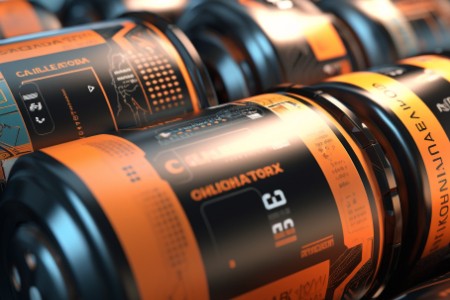
在此之前,欣旺达动力已经为理想L6、i6、L8等多款车型配套动力电池;今年6月,全新一代理想L8全系切换使用双方合资公司产出电芯,电池包直接标注“理想”;截至8月,该合资电池包下线规模已经突破10万台。

将目光拉回至本轮融资。随着交易落地后,理想汽车相关主体将间接合计持有欣旺达动力11.17%股份,成为第二大股东。而以此计算,欣旺达动力最新投后估值将超过300亿元。

根据公告,对于欣旺达而言,本次交易目的旨在深化欣旺达动力与理想汽车的战略合作,充分发挥双方在技术研发、产能配套、市场拓展等方面的协同优势,巩固公司在动力电池领域的竞争地位,提升乘用车市场占有率。

理想汽车表示,此次战略投资核心不是一项单纯的财务投资,而是围绕电池技术、制造质量和用户价值建立更长期的战略协同,有助于双方从联合研发、制造协同进一步升级为长期利益共同体。

至于为何不自建电芯工厂,理想汽车直言,动力电池是高度专业化、重资产、重制造的产业。电芯制造不仅需要长期的材料、工艺、设备、良率和质量管理积累,也需要规模化的产业协同能力。“通过战略投资和深度协同,理想可以更深入地参与电芯技术、制造质量和长期能力建设,同时发挥产业链伙伴在制造端的专业优势。这是一种更符合产业分工和长期效率的模式。”

值得一提的是,这已是欣旺达动力今年完成的第三轮融资。

稍早前的5月,欣旺达公告披露称,子公司欣旺达动力拟进行C轮增资扩股,引入工融金投、远致工融、农银投资、中邮投资、锦言商管、德阳投控、区域协同基金、执古投资、联赢激光、赢合科技、嘉兴积鑫、叶氏化工、罗湖高新投共13家投资方。根据公告,13家投资方合计出资16.8亿元。

当中有一个细节需要注意:欣旺达动力C轮投前估值为250亿元,较上一轮估值大幅下降150亿元。欣旺达在公告中解释称,估值下降主要受到资本市场状况和子公司经营情况等因素影响。为此,欣旺达动力还在融资前实施了资本公积定向转增,以保护部分原有股东的利益。

时隔两个月,欣旺达再发公告,欣旺达动力拟进行C+轮增资扩股,引入阳光电源、天齐锂业(射洪)有限公司作为战略投资者,合计出资8.05亿元认购欣旺达动力2.93%股份。

再加上此次C++轮融资,欣旺达动力短短三个月时间,一举完成了50亿元新融资,股东阵容更是达到了97家。

广东茂名兄弟联手,又开启IPO

欣旺达背后,是一对广东兄弟白手起家的故事。

1967年出生于广东茂名的王明旺,自小家境贫寒,1991年从中山大学电子专业进修班毕业后,便进入香港精森(深圳)电子公司做产品销售,开始接触电池行业。

工作一年后,王明旺决定创业,先从模具市场入手。1993年,他又与几位同学开办了一家电子加工厂,主要生产用于手机、传呼机等通信产品的锂电池。很快,踩中市场风口的王明旺,仅用一年时间就做出了近百万元的利润。

后在1995年,索尼电池厂遭遇火灾,由于找不到替代的电池产品,导致索尼手机价格翻倍且供不应求。王明旺从前东家那里拿到了低价的电池材料,拉来自己的亲弟弟王威,开启了第三次创业之旅。

1997年,王明旺与王威正式在深圳成立欣旺达电子,成为电池OEM、ODM供应商。在兄弟二人的努力下,欣旺达的营收逐年上升,随后收购深圳汇创达科技的60%股份,增加了薄膜开发与销售的产业。而在1999年拿下康佳集团的手机电池订单,成为欣旺达的转折点。

有大企业背书的欣旺达,又在2000年与飞利浦、日本电气、海尔达成了合作;2003年,欣旺达销售额首次突破一亿元,并进入联想、ATL的供应链。而正是凭借与ATL的合作,欣旺达在2011年进入苹果产业链,迎来高光时刻。同年4月,欣旺达在创业板成功上市,最新市值超300亿元。

实际上,欣旺达对动力电池行业倾心已久。早在2008年,欣旺达就建立了相应的事业部,开始切入汽车动力电池模组业务,先从动力电池包和BMS(电池管理系统)开发起步。随后在2014年,欣旺达成立了汽车电池子公司,披露正加大对动力电池等新能源产业链产品和技术的研发;2017年,欣旺达又确定了“三全”业务战略举措,即全面进入动力电池产业、全面把控核心资源、全产业链战略布局。

但市场反应并不尽如人意,王威曾回忆:“当时股票直接跌停板,大家都觉得你疯了,很多人都已经快收摊了,你才进来做。”

为此,欣旺达选择技术难度更大,对寿命、快充快放都更严格的产品——HEV电芯,成为其在动力电池领域的基本盘。时至今日,欣旺达动力已跻身国内四家“全球动力电池一级制造商”之一,产品及服务已落地全球15国家和地区,共计260余家客户,覆盖乘用车、商用车、船舶、工商业储能、电力储能等多场景。

亲自担任欣旺达动力董事长的王明旺,也凭此积累了不菲的个人财富。《2025胡润全球富豪榜》显示,王明旺与蔡帝娥夫妇以115亿元的财富排名第2295位,成为“茂名首富”。

早在2023年,欣旺达就曾公告拟将欣旺达动力分拆至创业板上市,只不过目前尚未有最新进展传出,与此同时欣旺达也正冲刺赴港二次上市。这意味着,王明旺、王威兄弟的下一个IPO不远了。

理想的另一面:做投资

外界鲜少知道的是,理想汽车创始人李想也曾是一名天使投资人。

时间回到2014年,李斌找到了刚从汽车之家卸任的李想探讨造车,这对昔日的汽车网站竞争对手,也在此时化干戈为玉帛。一番交流过后,李想拒绝了出任蔚来汽车联合创始人,但还是果断的掏出了1500万美元,成为了蔚来的天使投资人和创始股东。

如今看来,蔚来汽车恐怕是李想投资生涯中最得意的案例之一。几年前,李想在一篇个人博客中,坦言自己的投资成绩可以用极差来形容。“为数不多的两三个成功案例,说白了都是走狗屎运,和自己的判断以及团队的帮助没有任何关系。成功的案例也不需要我操心和帮忙。”

对此,李想也反思过,他认为自己创业之所以还不错,最大的本事就是用人。然而当角色变为投资人时,李想发现自己还是以创业的心态来做投资,觉得60-80分的人也就够用了,可以把他们变成90分以上的优秀创业者,结果往往非常糟糕。

正因如此,李想后来干脆停掉了个人所有的投资,转投自己。用他的话来说,“直接All in创业,每天累得要死,快乐的一塌糊涂。”虽然李想不擅长做天使投资,但他做起LP来却是得心应手。

明势创投创始合伙人黄明明与李想交集颇深,早在他创立明势之前,就以天使投资人的身份投资了汽车之家。后来李想拿出一部分钱交给黄明明,成了明势的LP,后者则是理想汽车的天使轮机构投资人,此后更是连续7轮追加投资理想汽车。

李想与源码资本创始合伙人曹毅也是老相识。两人早在2009年就已认识,曹毅曾评价李想是一个理想的创业者。2014年,曹毅离开红杉中国创立源码资本,李想则出资成为了源码资本首期基金的个人LP。而源码资本亦是理想汽车A轮主要投资方,并在后续持续多轮加码投资。

如今,李想的投资意志更多体现在理想的出手中。

记得2022年的一次媒体沟通会上,李想曾表示,“要把供应能力掌握在自己手里,避免出现产能受限。” 同年3月,重庆车之辕创业投资有限公司成立,注册资本6亿元,为重庆车之轩科技全资子公司,后者则由理想汽车CFO李铁担任董事一职。

这当中,最引人注意的要属对新石器无人车的投资。2018年4月,新石器获得由车和家及元禾原点投资的天使轮融资。时隔两年后,理想汽车又领投了新石器的近2亿元A+轮融资,并成为新石器继CEO余恩源之后第二大股东。

此外,理想汽车早在2017年12月就参与了知行科技Pre-A轮融资,并在2020年再次加码知行科技B轮融资,后者于2023年12月在港股成功上市。

与此同时,理想汽车也开始在具身智能赛道密集出手,相继投资了千觉机器人、斜跃智能、曦诺未来等一众明星项目。背后的逻辑不言而喻——李想此前判断,未来的3-5年,中高端智能汽车的竞争本质上就是具身智能的竞争。

回想2019年春节假期的最后一天,李想曾在微博发文,总结了自己创业20年来所经历的五个楼层,“人因为痛苦而改变,人因为受益而坚持。”造车是一条九死一生的路,如今李想渐渐杀了出来。但从更长的时间轴来看,这一切也许只是开始。

注:文/刘博,文章来源:投资界(公众号ID:pedaily2012),本文为作者独立观点,不代表亿邦动力立场。

文章来源:投资界

广告
微信
朋友圈

FAQ回顾

理想汽车投资欣旺达动力的核心目的是什么?

此次战略投资不是单纯的财务投资,核心是围绕电池技术、制造质量和用户价值建立更长期的战略协同,有助于双方从联合研发、制造协同进一步升级为长期利益共同体,还能发挥产业链伙伴的专业优势,是更符合产业分工和长期效率的模式。

欣旺达动力最新融资和估值情况如何?

2025年欣旺达动力三个月内完成三轮融资,总融资额达50亿元,股东阵容达97家,最新投后估值超过300亿元;此前C轮投前估值为250亿元,较上一轮估值下降150亿元。

欣旺达动力的实际控制人是谁?

欣旺达动力由广东茂名的王明旺、王威兄弟创办,王明旺现任欣旺达动力董事长,其与蔡帝娥夫妇以115亿元财富位列《2025胡润全球富豪榜》第2295位,为茂名首富。

理想汽车为什么不选择自建电芯工厂?

动力电池属于高度专业化、重资产、重制造的产业,电芯制造不仅需要长期的材料、工艺、设备、良率和质量管理积累,也需要规模化产业协同能力,通过战略投资与产业链伙伴协同是更高效的发展模式。

这么好看,分享一下?

朋友圈 分享

APP内打开

赞 +1
+1
微信好友 朋友圈 新浪微博 QQ空间
关闭
收藏成功
发送
/140 0