广告
加载中

跨境大卖傲基上半年营收增长28.77% 利润却下跌62.07%

亿邦动力 2026-08-31 17:20
亿邦动力 2026/08/31 17:20

邦小白快读

EN
全文速览

本文核心介绍了跨境大卖傲基股份2026年上半年的中期业绩情况,核心干货信息如下

1.核心业绩数据:上半年实现营收72.21亿元,同比增长28.77%;公司应占利润0.41亿元,同比下跌62.07%,下滑幅度符合此前预期,利润下滑主要受自配送业务亏损、产能利用率不足、汇率波动三个因素影响。

2.业务布局情况:傲基营收来自商品销售和物流解决方案两大板块,核心品类为家居家电,贡献过半营收,同时拓展电动工具品类获得稳定增量;物流业务营收增长43.7%但毛利率下滑,主要受自配送负毛利影响。

3.未来动作:目前已经组建AI专项团队,推进AI在需求预测、产品设计等场景落地提效降本,未来还会加大海外仓基础设施的投资,支撑业务增长。

本文公布了头部跨境品牌傲基的最新经营情况,能给跨境布局的品牌商提供多维度参考,核心干货如下

1.品类与渠道布局参考:核心品类家居家电能贡献过半营收,是出海稳定的基本盘;拓展电动工具等非核心品类可获得稳定增量;渠道方面,第三方平台仍是核心,新兴第三方平台尤其是TikTok增速高达82.2%,已经能带动渠道结构优化,是品牌出海新增量渠道。

2.经营风险提示:利润会受到自配送业务亏损、产能利用率不足、汇率波动三方面因素侵蚀,布局自配送业务时尤其要警惕负毛利拉低整体盈利的问题;拓展新兴平台会推高销售推广、交易相关成本,需要提前做好成本规划。

3.降本增效方向:可以参考傲基的做法,组建专项团队推进AI在需求预测、产品设计等环节落地,同时布局海外仓基建支撑业务拓展。

头部大卖傲基的最新业绩,给跨境出海卖家提供了清晰的机会方向和风险提示,核心干货如下

1.增量机会提示:品类层面,核心家居家电之外,拓展电动工具品类可获得稳定收入增量;渠道层面,TikTok为代表的新兴第三方平台收入增速达82.2%,是新的流量增长渠道;市场层面,北美是稳定基本盘,欧洲市场增速达65.2%,国内市场也实现快速提升,欧洲和国内都值得挖掘增量。

2.风险提示:自配送业务容易出现负毛利,会直接拉低整体毛利率,布局该业务需要警惕亏损风险;同时要注意产能利用率不足、汇率波动对利润的侵蚀,提前做好应对预案。

3.可学习的经营方向:可以拓展物流解决方案业务,该业务能实现高速增长,优化自身营收结构;同时可落地AI技术到运营各环节降本提效,加大海外仓布局支撑长期业务增长。

傲基的最新经营情况,给对接跨境出海的生产工厂提供了需求方向和转型启示,核心干货如下

1.产品需求与商业机会:当前头部跨境大卖的核心出货品类是家居家电,该品类长期有稳定的采购需求;同时大卖正在积极拓展以电动工具为代表的新品类,该板块业务收入同比上涨28.2%,相关品类的工厂可以把握合作机会,对接大卖的拓展需求获得增长。

2.生产端启示:傲基利润下滑的重要原因之一是产能利用率不足,工厂在给跨境卖家供货时,要提前做好产能规划,合理安排生产订单,避免产能闲置拉低自身利润,同时要关注大卖的产能需求波动,灵活调整生产规模。

3.数字化转型启示:头部大卖已经在推进AI在需求预测、产品设计环节的落地,工厂可以对接大卖的数字化需求,推进自身的数字化改造,更好匹配大卖的研发生产要求,也可以借助AI提升自身生产运营效率。

从傲基的最新业绩中,可看出跨境出海行业的发展趋势和客户痛点,给服务商指明业务方向,核心干货如下

1.当前客户核心痛点:头部跨境大卖已经普遍面临增收不增利的压力,傲基营收增长近三成但利润下滑超六成,利润被自配送亏损、产能不足、汇率波动、新兴平台拓展带来的销售开支上涨多重因素挤压,大卖有强烈的降本提效需求。

2.行业发展新趋势:当前头部大卖在推进品类、渠道、市场的多元化布局,加速拓展新品类、新兴社交平台、新区域市场;同时开始布局自有物流业务,加大海外仓基建投入,还在推进AI技术落地到运营全环节,商业模式逐步多元化。

3.服务商业务机会:可针对大卖降本提效需求,开发AI赋能需求预测、产品设计的相关技术服务;针对大卖布局海外仓和自配送的需求,提供配套的物流技术、合作运营服务;针对大卖拓展新兴平台的需求,提供新兴平台推广、运营配套服务,匹配客户新需求。

傲基的经营情况反映了当前大卖对跨境平台的需求,给平台招商运营提供启示,核心干货如下

1.大卖的核心需求:当前第三方平台仍是大卖商品销售的核心渠道,占商品销售收入的93.4%,大卖有强烈的渠道多元化布局需求,对TikTok这类新兴社交电商平台的合作需求旺盛,愿意投入更多资源开拓新兴平台,新兴平台已经获得了82.2%的高速增长。

2.平台招商方向:招商可以重点倾斜家居家电这类大卖核心品类,该品类能贡献稳定的规模营收;同时关注电动工具等高增长新品类,匹配大卖品类拓展的需求;另外要针对大卖多元市场布局的需求,优化欧洲、国内市场的配套服务,支撑大卖开拓新市场。

3.平台运营风险规避:大卖拓展新兴平台过程中,销售开支会大幅增长,主要是业务推广费和平台交易费,过度上涨的成本会挤压大卖利润,平台在制定收费和推广规则时,要平衡自身收益和大卖的成本压力,培育健康的平台生态,保障长期合作。

本文公布了头部跨境大卖傲基的最新中期业绩,反映出当前跨境电商产业的新动向和新问题,具备较高的研究价值,核心内容如下

1.产业发展新动向:品类端,头部大卖在稳固核心家居家电品类基本盘的基础上,积极拓展电动工具等高增长新品类,打造第二增长曲线;渠道端,大卖加速布局TikTok等新兴社交电商平台,推进渠道多元化,降低对传统大平台的依赖;市场端形成了北美基本盘、欧洲高增长、国内快速提升的多元市场结构;商业模式上,头部大卖从单一商品销售向商品+物流解决方案多板块协同转型,同时开始落地AI技术提效,加大海外仓基建布局,模式持续升级。

2.产业新问题:当前跨境电商行业已经出现明显的增收不增利问题,头部大卖营收高速增长的同时,利润被自配送亏损、产能不足、汇率波动、新兴平台拓展成本多重因素挤压,大幅下滑,这个问题反映出当前跨境电商产业利润分配结构的新变化,值得深入研究。

返回默认

声明:快读内容全程由AI生成,请注意甄别信息。如您发现问题,请发送邮件至 run@ebrun.com 。

我是 品牌商 卖家 工厂 服务商 平台商 研究者 帮我再读一遍。

Quick Summary

This article shares key takeaways from Aukey's H1 2026 interim financial performance, as outlined below:

1. Core performance metrics: Aukey generated 7.221 billion yuan in revenue in H1 2026, up 28.77% year-over-year. However, the company attributable profit came in at 41 million yuan, down 62.07% year-over-year, a decline in line with prior forecasts. The profit drop was mainly driven by three factors: losses in the merchant fulfillment business, underutilized production capacity, and exchange rate volatility.

2. Business structure: Aukey's revenue comes from two core segments: product sales and logistics solutions. Home goods and consumer electronics, its core category, contribute more than half of total revenue, while its expansion into power tools has delivered steady incremental growth. The logistics segment grew 43.7% year-over-year but saw a decline in gross margin, dragged down by negative margins from the merchant fulfillment business.

3. Future initiatives: Aukey has established a dedicated AI team to implement AI tools in use cases including demand forecasting and product design to improve efficiency and cut costs. It also plans to increase investment in overseas warehouse infrastructure to support future business growth.

This article releases the latest operating results of leading cross-border brand Aukey, offering multi-dimensional insights for brands expanding cross-border business, with key takeaways as follows:

1. Category and channel layout reference: Core categories such as home goods and consumer electronics can contribute over half of revenue, forming a stable foundation for cross-border expansion. Expanding into non-core categories like power tools can deliver steady incremental growth. On the channel front, third-party platforms remain the core, and emerging third-party platforms especially TikTok have achieved a high growth rate of 82.2%, driving channel structure optimization and becoming a new incremental growth channel for cross-border brands.

2. Operational risk warning: Profit can be eroded by three factors: losses from merchant fulfillment, underutilized capacity, and exchange rate volatility. Brands need to be particularly alert to the risk that negative margins from merchant fulfillment can drag down overall profitability. Expanding into emerging platforms will push up sales, marketing and transaction-related costs, so brands should make proactive cost planning.

3. Direction for cost reduction and efficiency improvement: Brands can follow Aukey's example by setting up dedicated teams to deploy AI in processes such as demand forecasting and product design, and invest in overseas warehouse infrastructure to support business expansion.

The latest performance of leading cross-border seller Aukey offers clear insights into growth opportunities and risk warnings for cross-border sellers, with key takeaways as follows:

1. Incremental opportunity alerts: On the category front, beyond the core home goods and consumer electronics business, expanding into power tools can deliver steady incremental revenue. On the channel front, emerging third-party platforms represented by TikTok have recorded 82.2% year-over-year revenue growth and are a new channel for traffic growth. On the market front, North America remains a stable core, the European market grew 65.2% year-over-year, and the domestic Chinese market has also seen rapid growth, meaning both Europe and the domestic market are worth tapping for incremental growth.

2. Risk warnings: Merchant fulfillment often leads to negative gross margins that directly pull down overall gross margin, so sellers need to be wary of loss risk when entering this business. Sellers should also pay attention to the profit erosion caused by underutilized capacity and exchange rate volatility, and prepare contingency plans in advance.

3. Operational directions worth learning: Sellers can expand logistics solution services to achieve high growth and optimize revenue structure. They can also deploy AI technology across operational links to cut costs and improve efficiency, and increase overseas warehouse布局 to support long-term business growth.

Aukey's latest operating performance offers insights into demand trends and transformation for manufacturing factories serving the cross-border export sector, with key takeaways as follows:

1. Product demand and business opportunities: Home goods and consumer electronics are the core shipping categories for leading cross-border sellers, which maintain long-term stable procurement demand. At the same time, leading sellers are actively expanding new categories represented by power tools, with revenue in this segment up 28.2% year-over-year. Factories producing relevant categories can seize cooperation opportunities and grow by aligning with leading sellers' expansion needs.

2. Insights for production: Underutilized production capacity is one of the key reasons for Aukey's profit decline. When supplying cross-border sellers, factories should plan production capacity in advance, arrange production orders reasonably, and avoid idle capacity dragging down profits. They should also monitor fluctuations in sellers' capacity demand and adjust production scale flexibly.

3. Insights for digital transformation: Leading cross-border sellers are already rolling out AI in demand forecasting and product design. Factories can align with sellers' digital needs, advance their own digital transformation to better match sellers' R&D and production requirements, and leverage AI to improve their own production and operational efficiency.

Key industry trends and customer pain points can be identified from Aukey's latest performance, pointing out clear business directions for cross-border service providers, with key insights as follows:

1. Current core customer pain points: Leading cross-border sellers generally face pressure of growing revenue without growing profits. Aukey achieved nearly 30% revenue growth but saw profit drop more than 60%, with profits squeezed by multiple factors: merchant fulfillment losses, underutilized capacity, exchange rate volatility, and rising sales expenses from emerging platform expansion. This gives leading sellers strong demand for cost reduction and efficiency improvement.

2. New industry development trends: Leading cross-border sellers are pursuing diversified layouts across categories, channels and markets, accelerating expansion into new categories, emerging social platforms and new regional markets. They are also building out in-house logistics businesses, increasing investment in overseas warehouse infrastructure, and deploying AI across all operational links, gradually diversifying their business models.

3. Business opportunities for service providers: Service providers can develop AI-powered technical services for demand forecasting and product design to meet leading sellers' cost reduction and efficiency improvement needs. To support sellers' expansion into overseas warehouses and merchant fulfillment, they can offer supporting logistics technology and co-operation operation services. For sellers expanding into emerging platforms, they can provide matching promotion and operational services to align with new customer needs.

Aukey's operating results reflect the current demand of large cross-border sellers for cross-border platforms, offering insights for platform investment attraction and operations, with key takeaways as follows:

1. Core demand from large sellers: Third-party platforms still remain the core sales channel for large sellers, accounting for 93.4% of product sales revenue. Large sellers have strong demand for diversified channel layout, and are eager to cooperate with emerging social e-commerce platforms like TikTok, willing to invest more resources to expand on emerging platforms, which have already achieved 82.2% high growth.

2. Investment attraction direction for platforms: Platforms can prioritize attracting sellers of core categories such as home goods and consumer electronics, which deliver stable large-scale revenue. They should also pay attention to high-growth new categories such as power tools to match large sellers' category expansion needs. In addition, to support large sellers' diversified market layout, platforms should optimize supporting services for the European and domestic Chinese markets to help sellers enter these new markets.

3. Operational risk mitigation for platforms: When large sellers expand into emerging platforms, sales expenses increase significantly, mainly for business promotion and platform transaction fees. Excessively rising costs squeeze large sellers' profits. When formulating fee and promotion rules, platforms need to balance their own revenue with large sellers' cost pressure to cultivate a healthy platform ecosystem and ensure long-term cooperation.

This article releases the latest interim performance of leading cross-border seller Aukey, reflecting new trends and emerging issues in the current cross-border e-commerce industry and offering high research value, with key content as follows:

1. New industry development trends: On the category side, on top of solidifying their core position in home goods and consumer electronics, leading sellers are actively expanding high-growth new categories such as power tools to build a second growth curve. On the channel side, sellers are accelerating布局 on emerging social e-commerce platforms such as TikTok to advance channel diversification and reduce dependence on traditional large platforms. On the market side, a diversified structure has formed, with North America as the core base, Europe posting high growth, and the domestic Chinese market growing rapidly. In terms of business model, leading sellers are transforming from single product sales to a synergistic model of product sales plus logistics solutions, while deploying AI technology to improve efficiency and increasing investment in overseas warehouse infrastructure, continuously upgrading their operating model.

2. New industry issues: The cross-border e-commerce industry is currently facing a clear problem of growing revenue without growing profits. While leading sellers achieve rapid revenue growth, their profits are squeezed by multiple factors including merchant fulfillment losses, underutilized capacity, exchange rate volatility, and expansion costs for emerging platforms, leading to sharp profit declines. This issue reflects new changes in the profit distribution structure of the cross-border e-commerce industry, which deserves in-depth research.

Disclaimer: The "Quick Summary" content is entirely generated by AI. Please exercise discretion when interpreting the information. For issues or corrections, please email run@ebrun.com .

I am a Brand Seller Factory Service Provider Marketplace Seller Researcher Read it again.

日前,傲基(深圳)跨境商务股份有限公司(以下简称“傲基股份”)公布2026年中期业绩。公告显示,上半年营收72.21亿元,同比增加28.77%;公司拥有人应占期内利润出现大幅下滑,降至0.41亿元,同比减少62.07%。不过利润表现整体符合预期,此前傲基股份评估上半年净利润较2025年同期会下降56.3%至74.8%。

据业绩公告,此次利润下滑主要受自配送业务亏损、产能利用率不足和汇率波动导致的汇兑损失三方面因素影响。

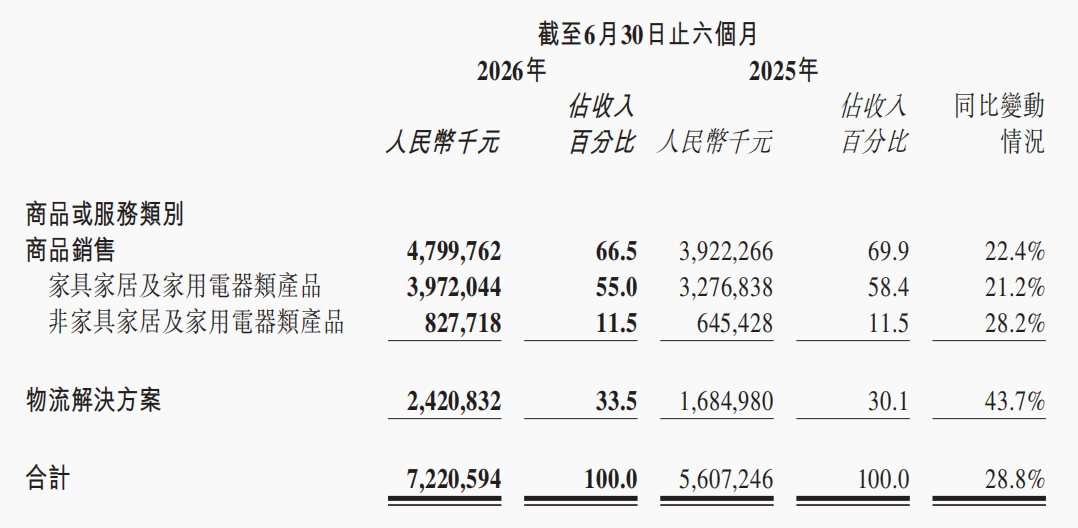
分业务板块看,傲基股份营收主要由商品销售和物流解决方案两大来源。商品销售收入占总营收达66.5%,其中,家具家居及家用电器产品为商品销售核心品类,上半年产生收入39.72亿元,为公司贡献过半营收。核心品类外,傲基股份也在拓展以电动工具为代表的非家具家居及家用电器类产品,该部分业务带来稳定收入增量,上半年同比上涨28.2%。

物流解决方案业务营收表现亮眼,实现43.7%的高速增长,报告期内收入达24.21亿元,占总营收比重增至33.5%。但该业务在毛利率方面有所下降,由去年同期10.2%降至7.6%,公告对此解释为自配送业务的负毛利对整体毛利率的结构性下拉。

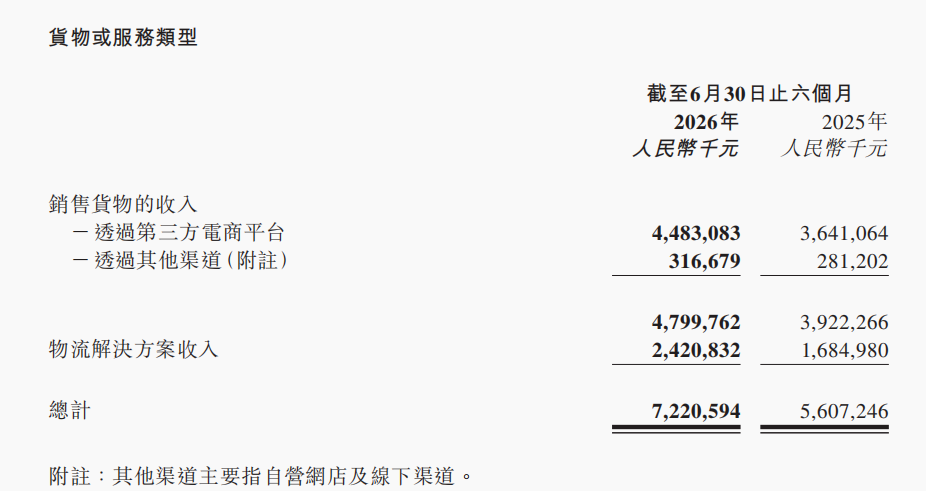
商品销售业务中,傲基股份在推进渠道与市场结构的多元化建设。具体而言,第三方电商平台仍是商品销售的主要渠道,占商品销售收入的93.40%。此外,公告称,新兴第三方平台收入同比增长82.2%,尤以TikTok平台表现突出,新兴平台带动整体渠道结构优化。但与之同步增加的还有销售开支,12.82亿元主要投入了业务推广费和平台交易费。

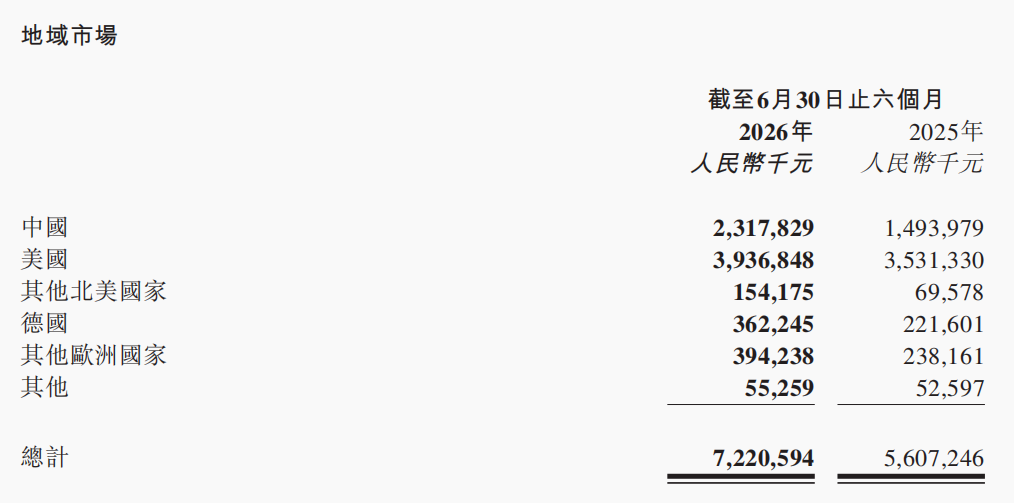
市场方面,北美仍是傲基股份核心市场,贡献稳定的收入基本盘,收入同比增长17.1%;就收入增速而言,欧洲市场领跑,报告期内实现65.2%的高速增长;国内市场同样快速提升,贡献23.18亿元收入,多元市场建设取得一定成效。

AI技术赋能在公告中被多次提及,据悉,傲基科技已组建AI专项团队,系统推进人工智能在需求预测、产品设计等场景中的落地,试图借此提高各环节协同效率,降低运营成本。此外,傲基科技未来仍会加大对海外仓等基础设施建设投资,为业务增长提供物流支撑。


本文首发于 亿邦动力 官方网站

文章来源:亿邦动力

广告
微信
朋友圈

FAQ回顾

傲基股份2026年上半年的经营业绩怎么样?

2026年上半年傲基股份总营收达72.21亿元,同比增长28.77%;归母净利润为0.41亿元,同比下跌62.07%,利润下滑幅度符合此前预期的56.3%至74.8%区间。

傲基股份2026年上半年利润下滑的原因是什么?

利润下滑主要受三方面因素影响:一是自配送业务亏损,二是产能利用率不足,三是汇率波动导致的汇兑损失,其中自配送业务负毛利还拉低了物流业务整体毛利率。

傲基股份的主要营收构成是什么?

傲基股份营收主要分为两大板块:一是占总营收66.5%的商品销售业务,核心品类为家具家居及家用电器,电动工具等新品类同比增长28.2%;二是占比33.5%的物流解决方案业务,上半年增速达43.7%。

傲基股份未来有哪些重点布局方向?

傲基股份已组建AI专项团队,推进人工智能在需求预测、产品设计等场景落地,降低运营成本;未来还将加大海外仓等基础设施建设投资,为业务增长提供物流支撑。

这么好看,分享一下?

朋友圈 分享

APP内打开

赞 +1
+1
微信好友 朋友圈 新浪微博 QQ空间
关闭
收藏成功
发送
/140 0