广告
加载中

汇通达召开快消连锁零售首期主题沙龙 探索“零食+便利”融合新业态

龚作仁 2026-08-28 17:39
龚作仁 2026/08/28 17:39

邦小白快读

EN
全文速览

本文核心内容是汇通达牵头旗下战略投资的零食、便利品牌,共同探索“零食+便利”融合新业态,相关核心信息和可参考干货如下

1. 当前行业背景:国内消费呈结构性分化,传统便利店和量贩零食都遭遇增长瓶颈,行业增速放缓、客流承压,贴近社区高频消费场景的融合新业态迎来发展窗口期

2. 新业态核心方向:并非简单叠加两种传统业态,而是重构贴近用户、高频刚需、极致效率的新模式,会针对城区商圈和下沉乡镇市场布局差异化店型,同步优化货盘结构与价格体系,依托智慧供应链和AI提升单店经营竞争力

3. 项目进展:该模式已经在长沙标杆门店得到初步验证,门店销售额单月环比提升45%,目前项目已升级为汇通达公司级重点项目,长期目标是万店规模,未来将从区域样板逐步推向全国布局

本文披露了快消零售行业的新消费趋势与品牌合作机会,符合品牌商关注的渠道、消费趋势等需求,干货如下

1. 消费趋势层面:当前传统便利店、量贩零食均陷入增长瓶颈,贴近社区高频消费的“零食+便利”融合新业态迎来发展窗口期,增量市场主要来自下沉市场以及年轻社区家庭客群,整体空间较大

2. 渠道合作机会:汇通达的新业态项目已经升级为公司级重点项目,长期目标是万店规模,正计划从区域样板走向全国布局,目前正在深化与头部品牌厂商的合作,品牌商可对接拓展下沉市场新渠道

3. 产品调整方向:新业态会持续优化货盘结构和价格体系,要求提供适配不同区域消费习惯的高质价比产品,为品牌商的产品研发调整指明了方向

对于布局快消零售赛道的卖家,本文披露了新的增长机会与可借鉴的发展经验,相关干货如下

1. 行业变化与机会:当前传统便利店和量贩零食业态普遍增速放缓、客流承压,而“零食+便利”融合新业态做的是外部增量市场,并非瓜分内部存量,对于卖家来说是新的增长赛道,发展空间充足

2. 实操可借鉴方向:卖家可布局贴近社区的高频消费场景,针对城区商圈和下沉乡镇市场打造差异化店型,持续优化自身品类结构与价格体系,适配不同区域的消费习惯

3. 合作与发展参考:可依托成熟平台的供应链、数字化、运营能力打磨可复制可盈利的单店模型,汇通达的“产业+资本”双轮驱动模式开放合作,长期发展可对标万店规模的目标逐步推进

本文为快消产品生产工厂披露了新的产品需求、商业机会与数字化发展启示,相关干货如下

1. 产品生产设计需求:当前“零食+便利”融合新业态快速发展,需要工厂提供适配不同区域消费习惯的产品,既要覆盖饮料乳品、散称零食、鲜食等多个品类,还要符合高质价比的定位,匹配新业态优化后的货盘结构

2. 商业合作机会:汇通达牵头的新业态项目长期目标是万店规模,目前正在深化与头部品牌工厂的合作,计划面向全国拓展,工厂可对接进入该新业态的供应链体系,获取下沉市场的新增量

3. 数字化转型启示:新业态依托汇通达的智慧供应链与AI能力提升经营效率,工厂也可加快自身数字化建设,对接平台的数字化能力,进一步提升整体供货与运营效率

本文为快消零售领域相关服务商梳理了行业发展趋势、客户痛点与潜在机会,相关干货如下

1. 行业发展趋势:当前传统快消零售业态增长遭遇瓶颈,“零食+便利”融合新业态成为行业新的增长方向,汇通达已经将该项目升级为公司级重点项目,长期目标是万店规模,未来会释放大量相关服务需求

2. 核心客户痛点:传统业态普遍存在增速放缓、客流承压的问题,相关企业需要解决店型标准化建设、货盘优化、单店模型打磨等问题,迫切需要提升单店的经营效率与市场竞争力

3. 业务机会方向:当前客户对智慧供应链、AI数字化运营的需求明显提升,服务商可围绕新业态的标准化建设、单店模型打磨、数字化运营打造针对性的解决方案,抓住行业新机会

本文为快消零售平台披露了新业态布局的经验与发展方向,相关干货如下

1. 行业需求层面:当前品牌、商家都有寻找新增量的需求,传统存量竞争增长难度大,“零食+便利”融合新业态匹配消费者对社区高频刚需消费的需求,是平台值得布局的新赛道

2. 可借鉴的运营做法:汇通达采用“产业+资本”双轮驱动模式,联合旗下投资的多个品牌,以共创价值共享成长的机制共同打磨模式,针对不同区域布局差异化店型,依托自身的供应链、数字化能力赋能单店

3. 发展战略参考:平台布局新业态可先打造区域样板验证模式,再逐步推向全国,核心是打磨可复制可盈利的单店模型,要聚焦做外部增量市场,避免内部存量竞争,以规模化作为长期发展目标

本文为快消零售产业研究提供了新的产业动向与商业模式创新案例,相关干货如下

1. 产业新动向:当前国内消费市场延续结构性分化,传统便利店和量贩零食业态均出现增长瓶颈,行业整体增速放缓、客流承压,“零食+便利”融合新业态迎来发展窗口期,成为行业新的发展方向

2. 创新商业模式:该新业态并非传统两种业态的简单叠加,而是重构“贴近用户、高频刚需、极致效率”的全新发展路径,采用共创价值、共享成长的合作机制,依托汇通达“产业+资本”双轮驱动,整合供应链、数字化资源打磨可复制可盈利的单店模型

3. 研究参考案例:该模式已经通过长沙标杆门店得到初步验证,门店销售额单月环比提升45%,项目目前已经升级为公司级重点项目,长期目标为万店规模,计划逐步从区域样板走向全国布局,是新业态融合的典型研究样本

返回默认
声明:快读内容全程由AI生成,请注意甄别信息。如您发现问题,请发送邮件至 run@ebrun.com 。

我是 品牌商 卖家 工厂 服务商 平台商 研究者 帮我再读一遍。

Quick Summary

This article centers on Huitongda leading its strategically invested snack and convenience store brands to jointly explore the new "snack + convenience" integrated retail format. Key takeaways are as follows:

1. Industry background: China's consumer market is experiencing structural divergence, with both traditional convenience stores and bulk snack chains facing growth headwinds—slowing expansion and softening foot traffic. This has opened a window of opportunity for integrated new formats that cater to high-frequency community consumption.

2. Core strategy of the new format: Rather than simply combining the two traditional formats, the model reconstructs a user-centric approach focused on high-frequency daily demand and extreme operational efficiency. It will roll out differentiated store formats for urban business districts and lower-tier township markets, while optimizing product assortment and pricing structures. It leverages smart supply chains and AI to boost per-store operational competitiveness.

3. Project progress: The model has already seen initial validation at flagship stores in Changsha, with a 45% month-on-month increase in same-store sales. The project has now been upgraded to a company-level strategic initiative with a long-term goal of 10,000 stores, and will expand from regional pilots to a national rollout.

This article outlines new consumer trends and brand partnership opportunities in the FMCG retail sector, tailored to brand owners' focus on channels and consumption shifts. Key insights include:

1. Consumer trends: Both traditional convenience stores and bulk snack chains have hit growth plateaus, creating a growth window for the "snack + convenience" integrated format targeting high-frequency community consumption. Most incremental demand comes from lower-tier markets and young urban family households, representing significant untapped market space.

2. Channel partnership opportunities: Huitongda's new format project is now a company-level strategic initiative with a long-term target of 10,000 stores, preparing to expand beyond regional pilots to national coverage. It is currently deepening cooperation with leading brand manufacturers, offering brand owners an opportunity to access new channels in lower-tier markets.

3. Product adjustment guidance: The new format will continuously optimize product assortment and pricing, requiring high-quality, cost-effective products tailored to regional consumption habits—providing clear direction for brands' product development and adjustment.

For sellers active in the FMCG retail space, this article outlines new growth opportunities and actionable insights:

1. Industry shifts and opportunities: Traditional convenience and bulk snack formats are broadly facing slowing growth and declining foot traffic, while the integrated "snack + convenience" format taps into new incremental demand rather than competing for existing market share. It represents an entirely new growth track with ample room for expansion for sellers.

2. Actionable takeaways: Sellers can target high-frequency community consumption scenarios, develop differentiated store formats for urban districts and lower-tier townships, and continuously adjust product assortments and pricing to match local consumption habits.

3. Partnership and growth guidance: Sellers can leverage established platforms' supply chain, digital and operational capabilities to refine a replicable, profitable per-store model. Huitongda's "industry + capital" dual-driven model is open for collaboration, and sellers can pursue gradual scaling toward a large-scale network long-term.

This article outlines new product demand, business opportunities and digital transformation insights for FMCG manufacturers:

1. Product development requirements: The fast-growing "snack + convenience" integrated format requires manufacturers to deliver products adapted to regional consumption habits, covering multiple categories including beverages, dairy, bulk snacks and fresh food, while meeting the positioning of high quality at competitive prices to fit the format's optimized product assortment.

2. Business cooperation opportunities: Huitongda's new format initiative has a long-term goal of 10,000 stores, is deepening partnerships with leading branded manufacturers, and plans national expansion. Manufacturers can partner to join the new format's supply chain system and capture incremental demand in lower-tier markets.

3. Digital transformation takeaways: The new format improves operational efficiency through Huitongda's smart supply chain and AI capabilities. Manufacturers can accelerate their own digital transformation and integrate with the platform's digital tools to improve overall supply and operational efficiency.

This article summarizes industry trends, client pain points and potential opportunities for service providers in FMCG retail:

1. Industry trends: Traditional FMCG retail formats have hit growth bottlenecks, and the integrated "snack + convenience" format has emerged as a new growth engine for the industry. Huitongda has upgraded the initiative to a company-level strategic project with a 10,000-store long-term target, which will generate significant new demand for related services going forward.

2. Core client pain points: Traditional formats broadly face slowing growth and softening foot traffic, and industry players urgently need to address challenges including standardized store development, product assortment optimization, and per-store model refinement to improve per-store operational efficiency and competitiveness.

3. Business opportunity directions: Demand for smart supply chains and AI-powered digital operations has risen sharply. Service providers can develop targeted solutions focused on standardized format development, per-store model refinement, and digital operations to capture new opportunities in this growing sector.

This article shares layout experience and development direction for FMCG retail platforms exploring new formats:

1. Market demand: Brands and sellers are all actively searching for new sources of incremental growth, as competing for existing market share has become increasingly difficult. The integrated "snack + convenience" format aligns with consumers' demand for high-frequency daily consumption in community settings, making it a promising new track for platforms to explore.

2. Operational best practices: Huitongda adopts a dual-driven "industry + capital" model, partnering with its portfolio brands to co-develop the model through a value-sharing, co-growth mechanism. It rolls out differentiated store formats for different regions, and empowers individual stores through its built-out supply chain and digital capabilities.

3. Strategic guidance: When rolling out a new format, platforms can first build a regional pilot to validate the model before expanding nationally. The core priority is refining a replicable, profitable per-store model, focusing on tapping incremental external demand rather than competing for internal existing market share, with large-scale scaling as the long-term goal.

This article provides new industry insights and a business model innovation case for FMCG retail industry research:

1. New industry trends: China's consumer market continues to see structural divergence, with both traditional convenience stores and bulk snack chains facing growth bottlenecks, slowing overall industry expansion and declining foot traffic. The integrated "snack + convenience" format has entered a growth window and emerged as a new development direction for the industry.

2. Innovative business model: This new format is not a simple combination of two traditional formats, but a reconstructed development path centered on "user proximity, high-frequency daily demand, and extreme operational efficiency". It operates under a co-value-creation, shared-growth cooperation mechanism, backed by Huitongda's "industry + capital" dual drive, and integrates supply chain and digital resources to refine a replicable, profitable per-store model.

3. Research case reference: The model has already been initially validated at flagship stores in Changsha, delivering a 45% month-on-month increase in store sales. The project has now been upgraded to a company-level strategic initiative with a long-term goal of 10,000 stores, planning gradual expansion from regional pilots to national coverage. It serves as a typical research case format integration innovation in the retail sector.

Disclaimer: The "Quick Summary" content is entirely generated by AI. Please exercise discretion when interpreting the information. For issues or corrections, please email run@ebrun.com .

I am a Brand Seller Factory Service Provider Marketplace Seller Researcher Read it again.

零食优选、桔子花开、可好便利三大品牌共谋店型升级与全国拓展

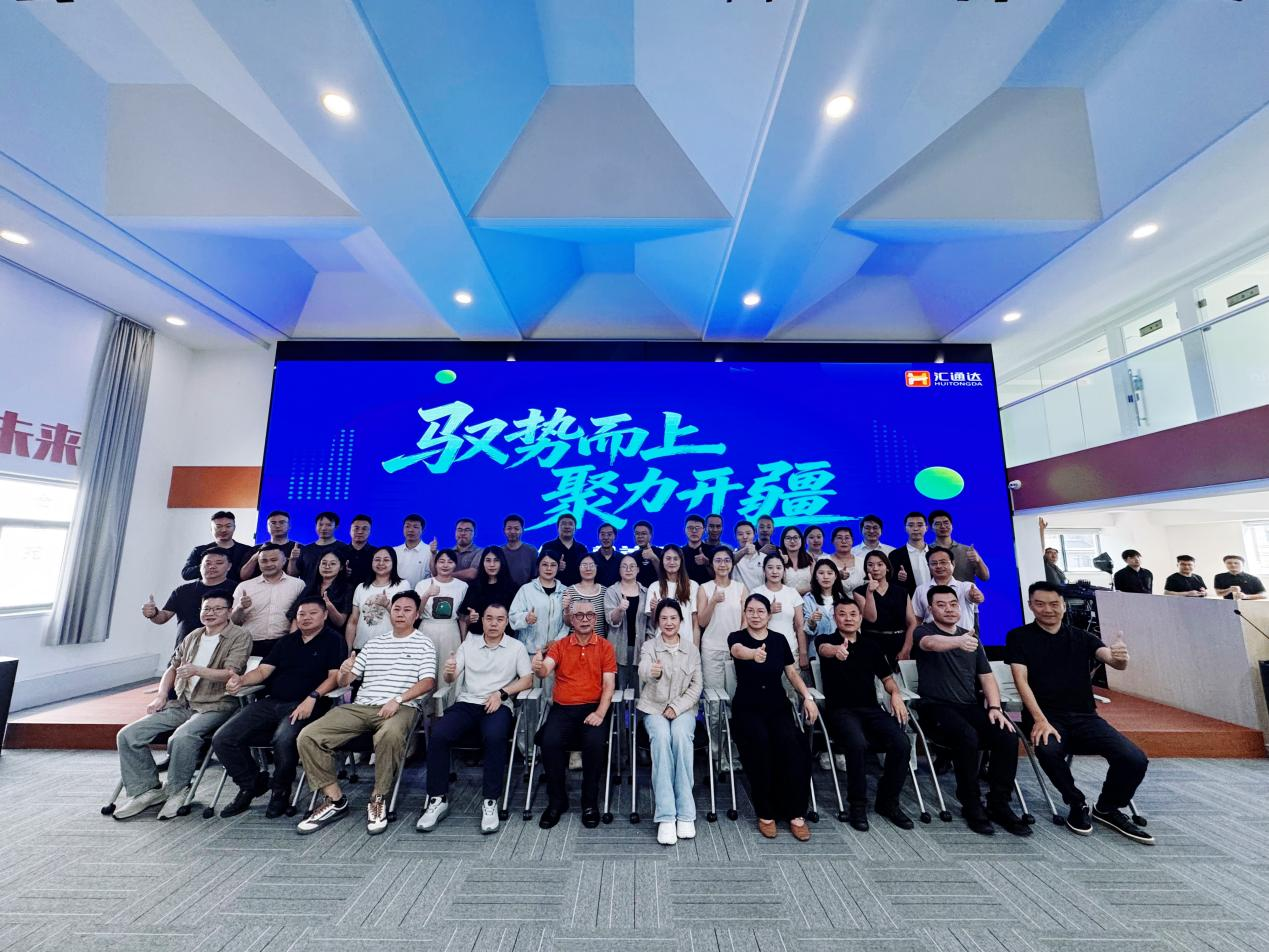
8月27日,汇通达网络(9878.HK)快消连锁零售板块首期主题沙龙在南京举行,旗下战略投资品牌零食优选、桔子花开、可好便利等业务负责人齐聚一堂,围绕“零食+便利”融合新业态的发展模式、店型规划与市场拓展展开深度研讨。与会各方达成共识,将以共创价值、共享成长的机制,推动新业态从区域样板走向全国布局。

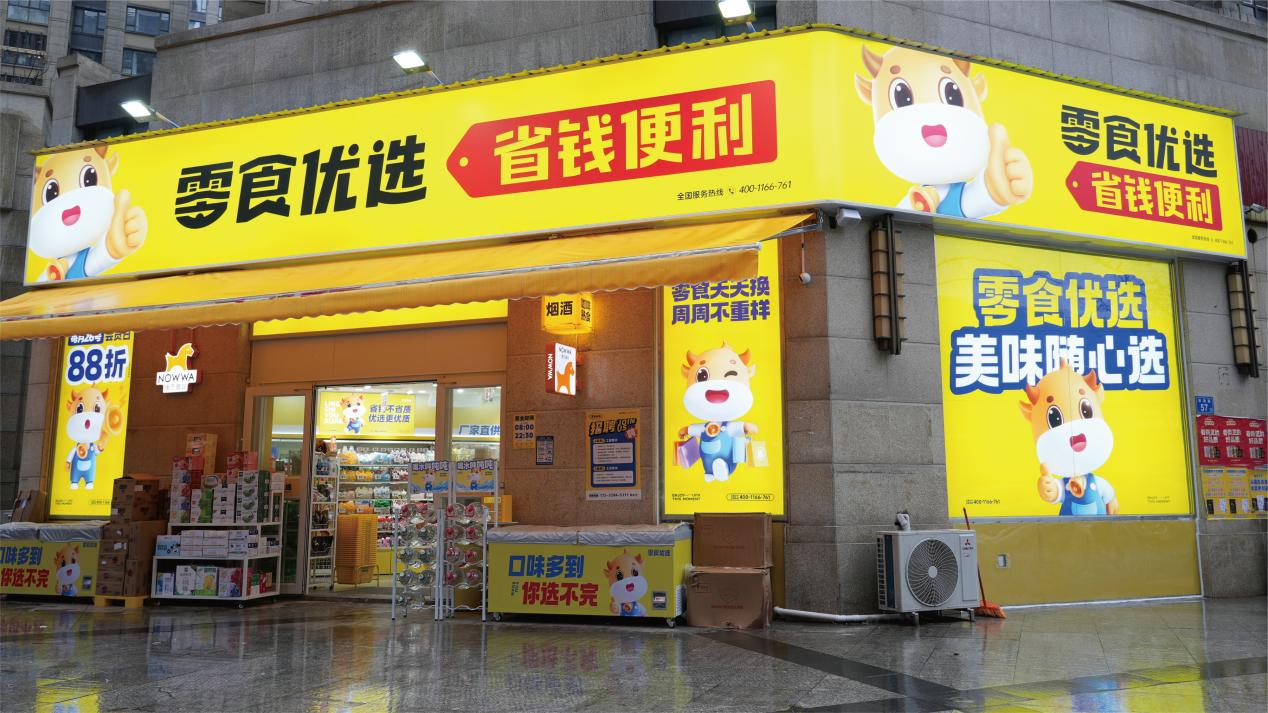
当前,国内消费市场延续结构性分化,传统便利店与量贩零食业态普遍遭遇增长瓶颈,行业整体增速放缓、客流承压,融合多元品类、贴近社区高频消费场景的新业态正迎来发展窗口期。基于对趋势的前瞻研判,汇通达携手三大品牌探索“零食+便利”融合新业态,它并非传统零食店与便利店的简单叠加,而是重构“贴近用户、高频刚需、极致效率”的全新模式,致力于走出一条区别于现有赛道的特色发展路径。

店型升级方面,板块将加快店型迭代与标准化建设,面向城区商圈与下沉乡镇市场布局差异化店型,适配不同区域的消费习惯。品类与供应链优化同步推进,持续打磨货盘结构与价格体系,深化与头部品牌厂商的合作,依托汇通达智慧供应链与AI能力,全面提升单店经营质量与市场竞争力。

以今年5月开业的长沙标杆门店为例,饮料乳品、散称零食、鲜食等品类销售结构持续优化,销售额单月环比提升45%,新店型的市场竞争力得到初步验证。

服务市场与人群拓展方面,板块将立足下沉市场优势,向更广区域及更年轻的社区家庭客群延伸,让高质价比商品走进更多消费者。战略目标层面,本次沙龙明确,新业态项目将升级为公司级重点项目,以万店级规模为长期目标,加快跻身行业第一梯队。

与会各方表示,新业态拓展不是瓜分内部存量蛋糕,而是共同从外部市场获取增量。依托汇通达“产业+资本”双轮驱动及十六年深耕下沉市场积累的供应链、数字化与运营能力,板块将持续打磨可复制、可盈利的单店模型,为“快消连锁零售+AI科技”战略落地提供有力支撑。

注:文/龚作仁,文章来源:Laborer,本文为作者独立观点,不代表亿邦动力立场。

文章来源:Laborer

广告
微信
朋友圈

FAQ回顾

零食便利融合新业态是什么?

零食便利融合新业态并非传统零食店与便利店的简单叠加,而是重构“贴近用户、高频刚需、极致效率”的全新模式,将面向城区商圈与下沉乡镇市场布局差异化店型,依托智慧供应链与AI能力优化品类供应链,全面提升单店经营质量与市场竞争力。

汇通达零食便利融合新业态的长期发展目标是什么?

该业态项目已升级为汇通达公司级重点项目,长期目标是打造万店级规模,加快跻身行业第一梯队,将从区域样板走向全国布局,覆盖更广泛的年轻社区家庭客群,为消费者提供更高质价比的商品。

当前快消连锁零售行业的发展现状是怎样的?

当前国内消费市场延续结构性分化,传统便利店与量贩零食业态普遍遭遇增长瓶颈,行业整体增速放缓、客流承压,融合多元品类、贴近社区高频消费场景的新业态正迎来发展窗口期。

零食便利融合新业态的经营效果怎么样?

零食便利融合新业态的市场竞争力已得到初步验证,今年5月开业的长沙标杆门店通过优化饮料乳品、散称零食、鲜食等品类销售结构,实现销售额单月环比提升45%,经营表现亮眼。

这么好看,分享一下?

朋友圈 分享

APP内打开

赞 +1
+1
微信好友 朋友圈 新浪微博 QQ空间
关闭
收藏成功
发送
/140 0