广告
加载中

地上铁参编!智能原生业界首本《数字员工运营管理指南(1.0)》重磅发布

龚作仁 2026-08-13 17:39
龚作仁 2026/08/13 17:39

邦小白快读

EN
全文速览

本文核心是智能原生领域首本《数字员工运营管理指南(1.0)》正式发布,同时披露了参编单位地上铁的数字员工落地实践干货,核心信息整理如下:

1. 指南层面:该指南由行业权威机构牵头编制,系统梳理了数字员工从规则驱动、智能辅助到AI原生的三阶段演进路径,搭建了从规划到退役的全流程运营体系,为行业规模化落地提供权威参考。

2. 落地实践层面:地上铁作为新能源物流车数智化服务商,依托超22.4万台运营车辆的数据沉淀,已经推出两款成熟的数字员工产品,成长型的铁小智覆盖业务沉淀、效率提升、协作管理三大核心场景,能释放员工重复性劳动;数据型数据智能体打通企业数据链路,覆盖三十多个业务场景,将取数周期从1-2天压缩到秒级到分钟级,还能实现异常主动预警。

品牌商可从本文获得数字化转型方向、品牌建设、产品研发和行业趋势相关干货,具体总结如下:

1. 行业趋势层面:当前传统行业数字化智能化转型加速,数字员工已经在垂直物流领域实现规模化落地,能覆盖内部运营、业务管理等多场景提效,是未来企业升级的重要方向。

2. 产品研发层面:可参考地上铁的经验,依托自身多年业务沉淀的数据,将全链路业务管理经验和数字员工理念结合,分类型分场景打造适配自身业务的数字员工产品,针对性解决业务知识沉淀、人力浪费等问题。

3. 品牌建设层面:参与行业权威标准编制,输出自身落地实践经验,可以获得行业官方认可,有效提升品牌专业度和行业影响力,还能对外赋能合作伙伴拓展业务边界。

卖家可从本文获得数字化转型机会、落地经验和风险提示相关干货,具体总结如下:

1. 机会层面:当前AI数字员工已经进入可落地阶段,能有效解决卖家普遍面临的效率低、人力成本高、响应不及时等问题,是卖家接下来可以布局的数字化升级方向。

2. 可借鉴的落地经验:参考地上铁的分层产品模式,针对业务管理、效率提升、数据调取不同需求打造不同类型数字员工,能实现业务知识自动沉淀、重复性工作自动化、数据调取秒级响应,还能主动推送异常预警,推动运营从被动响应转向主动预防。

3. 风险提示:数字员工落地需要结合自身业务场景,依托自身业务数据沉淀打磨,不能盲目照搬通用方案,才能真正发挥提效价值。

工厂可从本文获得数字化转型启示、产品需求方向和商业机会相关干货,具体总结如下:

1. 产品生产设计需求层面:当前制造运营领域对智能化升级需求强烈,数字员工可适配工厂生产管理、业务销售、运营协作、数据管理等多场景,能帮工厂提升运营效率,释放人力投入高价值创新工作。

2. 数字化转型启示:工厂可参考地上铁的落地路径,依托自身多年生产运营沉淀的业务数据,将全生命周期生产管理经验和数字员工理念结合,分场景落地不同功能的数字员工,逐步推进数字化升级。

3. 商业机会:工厂完成自身数字化落地后,可输出实践经验参与行业标准建设,获得行业认可,还可以对外输出数字化能力赋能同行,挖掘新的商业增长点。

服务商可从本文获得行业发展趋势、客户痛点和解决方案参考相关干货,具体总结如下:

1. 行业发展趋势:当前智能原生数字员工已经完成从实践到标准的推进,首本行业指南发布,标志着数字员工即将进入规模化落地阶段,物流等垂直领域已经有成熟实践,是服务商接下来的核心赛道。

2. 客户痛点梳理:当前企业客户普遍存在业务经验难以沉淀、重复性人力投入多、跨部门协作混乱、数据调取效率低、异常响应不及时等痛点,都可以通过数字员工解决。

3. 解决方案参考:可参考地上铁的产品架构,分为成长型数字员工解决业务、效率、协作类问题,数据型数字员工解决数据打通和快速取数问题,适配不同客户多元化场景需求,另外参与行业标准编制也能提升自身行业认可度,积累客户信任。

平台商可从本文获得行业需求、平台建设方向和风险规避相关干货,具体总结如下:

1. 行业需求层面:当前各类企业都有数字化智能化运营升级的需求,核心需求是通过数字员工降低运营成本、提升响应效率,平台可围绕数字员工落地打造相关服务和生态。

2. 可参考的平台运营做法:可借鉴本次指南编制的模式,联合行业内头部落地企业共同制定行业标准,梳理清晰的演进路径和全流程运营体系,既为行业落地提供支撑,也能提升平台自身的行业影响力。还可以开放生态引入不同垂直领域的落地服务商,丰富平台服务场景。

3. 风向规避:布局数字员工要结合垂直领域的业务特性打磨产品,避免推出脱离实际场景的通用产品,要依托头部企业的实践经验验证产品价值,降低落地失败的风险。

研究者可从本文获得数字员工领域产业新动向、垂直领域落地案例和商业模式相关研究素材,具体总结如下:

1. 产业新动向:智能原生领域首本《数字员工运营管理指南(1.0)》正式发布,明确了数字员工三阶段演进路径,构建了从规划到退役的全流程运营体系,标志着数字员工正式从试点探索走向规模化落地阶段,产业发展进入新阶段。

2. 垂直领域落地案例:本文提供了新能源物流领域头部企业地上铁的完整落地案例,地上铁依托自身车辆运营数据沉淀,打造两类数字员工覆盖六十余个业务场景,验证了数字员工在重运营垂直行业的落地价值,提供了真实的研究样本。

3. 商业模式参考:本文呈现的“对内精细运营提效+对外赋能行业伙伴+参与标准建设获得行业认可”的闭环模式,也为研究数字员工时代企业的商业模式创新提供了新的样本。

返回默认
声明:快读内容全程由AI生成,请注意甄别信息。如您发现问题,请发送邮件至 run@ebrun.com 。

我是 品牌商 卖家 工厂 服务商 平台商 研究者 帮我再读一遍。

Quick Summary

This article centers on the official release of the industry's first *Digital Employee Operation and Management Guide (Version 1.0)* in the AI-native field, and shares actionable insights from Di Shang Tie, a contributing organization, on its real-world digital employee implementation. Key takeaways are as follows:

1. About the guide: Led by authoritative industry institutions, the guide systematically outlines digital employees' three-stage evolution from rule-driven operations to AI-assisted workflows and ultimately AI-native capabilities. It also establishes a full-lifecycle operation framework covering the entire process from planning to decommissioning, serving as an authoritative reference for large-scale industry adoption.

2. About real-world implementation: As a digital intelligent service provider for new energy logistics vehicles, Di Shang Tie has launched two mature digital employee products based on data accumulated from its fleet of over 224,000 operating vehicles. Tie Xiaozhi, a growth-oriented digital employee, serves three core scenarios: business knowledge documentation, efficiency improvement and collaborative management, freeing staff from repetitive work. The data-oriented AI agent integrates end-to-end enterprise data pipelines, covers more than 30 business scenarios, reduces data query time from 1-2 days to seconds or minutes, and enables proactive anomaly alerting.

This article provides actionable insights on digital transformation direction, brand building, product R&D and industry trends for brand owners, summarized below:

1. Industry trend: Digital and intelligent transformation is accelerating across traditional industries. Digital employees have already achieved large-scale adoption in the vertical logistics sector, delivering efficiency gains across internal operations, business management and other scenarios, and represent a key direction for future enterprise upgrading.

2. Product R&D: Brand owners can draw lessons from Di Shang Tie's experience: leverage business data accumulated over years of operation, combine end-to-end business management expertise with the digital employee concept, and build business-specific digital employee products categorized by type and scenario to address pain points such as insufficient business knowledge documentation and wasted human resources.

3. Brand building: Participating in the development of authoritative industry standards and sharing practical implementation experience can help brands gain official industry recognition, effectively boost professional credibility and industry influence, and expand business boundaries by empowering external partners.

This article offers key insights on digital transformation opportunities, implementation experience and risk mitigation for sellers, summarized below:

1. Opportunities: AI-powered digital employees are now ready for real-world deployment, and can effectively solve common pain points for sellers including low operational efficiency, high labor costs and slow response times. This makes digital employees a high-priority direction for sellers' upcoming digital upgrading initiatives.

2. Implemention takeaways: Following Di Shang Tie's layered product model, sellers can build different types of digital employees to meet distinct needs for business management, efficiency improvement and data access. This enables automatic business knowledge documentation, automation of repetitive work, second-level data response, and proactive anomaly alerting, shifting operations from passive response to proactive prevention.

3. Risk mitigation: To fully unlock efficiency gains, digital employee deployment must be tailored to a business's unique scenarios and refined based on its own accumulated operational data, rather than blindly adopting one-size-fits-all generic solutions.

This article provides insights on digital transformation inspiration, product design requirements and business opportunities for manufacturing facilities, summarized below:

1. Product design and development requirements: There is currently strong demand for intelligent upgrading in manufacturing operations. Digital employees can be adapted to multiple factory scenarios including production management, sales, operational collaboration and data management, helping factories improve operational efficiency and free up staff to focus on high-value innovative work.

2. Digital transformation insights: Factories can follow Di Shang Tie's implementation path: leverage business data accumulated over years of production and operation, combine full-lifecycle production management expertise with the digital employee concept, deploy digital employees with tailored functions for different scenarios, and advance digital upgrading step by step.

3. Business opportunities: After completing internal digital transformation, factories can share their practical experience to participate in industry standard development and gain industry recognition. They can also export their digital capabilities to empower peers and unlock new sources of revenue growth.

This article shares insights on industry development trends, customer pain points and solution references for service providers, summarized below:

1. Industry development trend: The release of the first industry guide for AI-native digital employees marks the completion of the progression from practical implementation to industry standardization. Digital employees are about to enter a phase of large-scale adoption, with mature use cases already established in vertical sectors such as logistics, making this a core growth track for service providers going forward.

2. Customer pain point analysis: Enterprise clients commonly face pain points including difficulty documenting institutional knowledge, excessive labor spent on repetitive work, disorderly cross-departmental collaboration, low data access efficiency and slow anomaly response—all of which can be addressed by digital employees.

3. Solution reference: Service providers can adapt Di Shang Tie's product architecture, which separates growth-oriented digital employees for addressing business, efficiency and collaboration challenges from data-oriented digital employees for breaking down data silos and accelerating data access, to meet the diverse scenario-based needs of different clients. In addition, participating in industry standard development can boost a provider's industry reputation and build customer trust.

This article provides insights on industry demand, platform development direction and risk mitigation for platform operators, summarized below:

1. Industry demand: A wide range of enterprises currently demand digital and intelligent operational upgrading, with the core need to reduce operational costs and improve response efficiency through digital employees. Platforms can build related services and ecosystems centered on digital employee implementation.

2. Operational best practices: Platform operators can learn from the guide development model: collaborate with leading industry players that have mature implementation experience to co-develop industry standards, map out a clear evolution path and full-process operation framework. This not only supports industry-wide adoption, but also boosts the platform's own industry influence. Platforms can also open up their ecosystems to invite implementation service providers from different vertical sectors to enrich available service scenarios.

3. Risk mitigation: When developing digital employee offerings, platforms must tailor products to the unique business characteristics of vertical sectors, avoid launching generic solutions disconnected from real-world use cases, and validate product value based on leading players' practical experience to reduce the risk of implementation failure.

This article provides research materials on new industry developments, vertical sector implementation cases and business models in the digital employee space for researchers, summarized below:

1. New industry developments: The release of the *Digital Employee Operation and Management Guide (Version 1.0)*, the first guide of its kind for the AI-native field, defines the three-stage evolution path of digital employees and establishes a full-lifecycle operation framework from planning to decommissioning. This marks that digital employees have officially moved beyond pilot exploration to enter the large-scale adoption phase, bringing the industry into a new stage of development.

2. Vertical sector implementation case: This article features a full implementation case from Di Shang Tie, a leading player in the new energy logistics sector. Leveraging data accumulated from its vehicle operations, Di Shang Tie has built two categories of digital employees covering more than 60 business scenarios, verifying the implementation value of digital employees in operation-intensive vertical industries and providing a high-quality real-world research sample.

3. Business model reference: The closed-loop model presented in this article—"internal fine-tuned operation for efficiency gains + external empowerment for industry partners + industry recognition via participation in standard setting"—also provides a new sample for research on business model innovation in the era of digital employees.

Disclaimer: The "Quick Summary" content is entirely generated by AI. Please exercise discretion when interpreting the information. For issues or corrections, please email run@ebrun.com .

I am a Brand Seller Factory Service Provider Marketplace Seller Researcher Read it again.

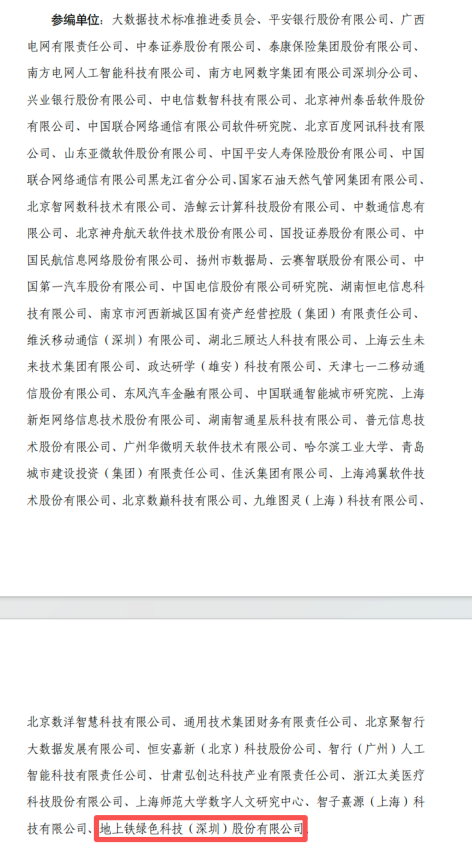
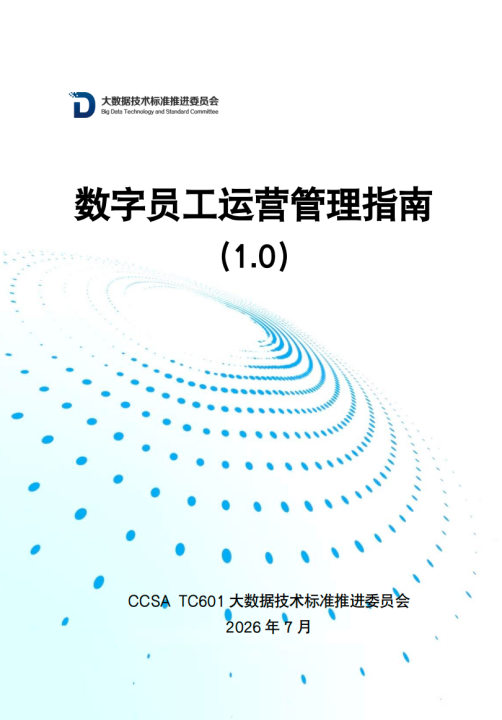
近日,由CCSA TC601大数据技术标准推进委员会牵头编制的智能原生领域首本《数字员工运营管理指南(1.0)》正式发布。该指南系统梳理了数字员工从规则驱动、智能辅助到AI原生三阶段演进路径,构建覆盖规划、建设、上线、运行、优化和退役的全流程运营体系,为行业规模化落地提供权威参考。地上铁作为新能源物流车数智化服务商代表参与编制,为交通物流领域数字员工应用场景落地提供了实践经验,这也标志着地上铁数智化能力获行业认可。

地上铁参编《数字员工运营管理指南(1.0)》

作为国内领先的新能源物流车运营服务商,地上铁依托超22.4万台运营车辆沉淀的车联网数据底座与多场景AI落地实践,将车辆全生命周期管理经验与数字员工运营理念深度融合,打造适配物流运输业务的AI数字员工产品能力,赋能企业内部办公、业务经营、全域数据管理等多元化场景。

铁小智作为地上铁"成长型数字员工",具备长期记忆、多智能体协同等特性,覆盖地上铁业务支持、效率提升、智能协作三大核心场景:

• 业务侧-结构化沉淀销售策略、项目方案等知识,可自动生成业务报告,执行车型匹配、服务网络等决策建议,并通过AI质检提升服务标准化水平;

• 效率侧-快速生成报告、需求文档、动态逻辑图等,释放员工重复性劳动力,专注创新与突破性工作;

• 协作侧-基于岗位职责和历史记忆生成专属方案,实现任务派发、进度管理、逾期预警等协作链全周期可视化管理

数据智能体作为地上铁"数据型数字员工",基于OpenClaw框架集成即时通信,以AI智能体打通企业数据链路,覆盖营销、履约、维保、商机、质量等30+业务场景,通过"对话即取数"的方式实现了多项关键提效:

•7×24小时支持销售服务、维保工单、库存/车牌速查等高频数据需求;

• 取数流程从排期1-2天缩短至秒级~分钟级,反哺业务加速发现异常与决策响应;

• 支持极端天气预警和异常指标主动推送,推动团队从被动响应转向主动预防。

未来,地上铁将持续深化AI与运营、维保、能源、安全等核心场景的融合,对内提升精细运营能力,对外赋能行业伙伴,为交通物流行业的数字化转型贡献落地实践经验,助力行业加速迈向智能化、规模化的新阶段。

注:文/龚作仁,文章来源:Laborer,本文为作者独立观点,不代表亿邦动力立场。

文章来源:Laborer

广告
微信
朋友圈

FAQ回顾

《数字员工运营管理指南(1.0)》有什么作用?

该指南是智能原生领域首本相关权威指南,由CCSA TC601大数据技术标准推进委员会牵头编制,系统梳理了数字员工从规则驱动、智能辅助到AI原生的三阶段演进路径,构建覆盖全生命周期的运营体系,为行业规模化落地提供权威参考。

地上铁的数字员工产品有哪些类型?

地上铁打造了两类数字员工,一类是具备长期记忆、多智能体协同特性的成长型数字员工“铁小智”,覆盖业务支持、效率提升、智能协作三大核心场景;另一类是数据型数字员工数据智能体,覆盖30个业务场景,支持“对话即取数”。

物流企业应用数字员工能获得哪些效率提升?

应用数字员工后,物流企业高频数据需求可获7×24小时支持,原本需要1-2天排期的取数流程可缩短至秒级到分钟级,还能获得极端天气预警、异常指标主动推送服务,助力团队从被动响应转向主动预防。

这么好看,分享一下?

朋友圈 分享

APP内打开

+1
+1
微信好友 朋友圈 新浪微博 QQ空间
关闭
收藏成功
发送
/140 0