广告
加载中

情感陪护机器人 不能阻止优必选股价触底

于刀刀 2026-07-30 10:56
于刀刀 2026/07/30 10:56

邦小白快读

EN
全文速览

本文梳理了当前中国人形机器人赛道的发展现状、头部企业竞争格局,披露了优必选等玩家的真实经营数据,核心干货如下

1. 当前赛道已形成宇树科技、优必选、智元机器人三足鼎立的格局,三家分别走极致硬件降本扩规模、全栈全场景布局、AI原生数据飞轮三条差异路线,各有优劣。

2. 优必选新推出的主打情感陪伴的U1系列人形机器人,对外宣传预售破1.3万台,但实际电商渠道销量冷清,存在功能价格严重错配问题,11.98万元的入门款仅能聊天,不能做家务,续航仅2-4小时,商业化前景尚不明确。

3. 目前优必选作为港股人形机器人第一股,上市四年累计亏损超42亿元,股价低于发行价,在宇树科技科创板上市后,将面临全行业的估值重估压力。

本文对人形机器人赛道头部品牌的发展路径、竞争策略做了清晰对比,对布局人形机器人赛道的品牌商有诸多参考干货,具体如下

1. 消费趋势方面,当前情感陪伴、工业应用是人形机器人两大核心需求方向,独居人口带来的情感陪伴痛点真实存在,但高价低功能的产品无法匹配大众刚需,现阶段仅能覆盖高端小众市场。

2. 产品研发与定价竞争方面,宇树走硬件极致降本路线,核心零部件自研率超90%,把双足人形机器人价格打到10万元以下,靠低价高毛利实现稳定盈利,而优必选全品类全场景布局导致资源分散,高价持续亏损,这种路径值得品牌商警惕。

3. 品牌营销方面,宇树靠春晚、世界级赛事曝光获得自然流量,几乎不做付费市场推广,成本结构极轻,这种轻营销口碑路线值得品牌商参考。

本文分析了人形机器人赛道的最新竞争格局和发展机会风险,对想要入局人形机器人相关领域的卖家,核心干货如下

1. 市场机会方面,当前人形机器人已经进入商业化落地早期,工业、科研、高端消费场景都有明确需求,宇树2025年出货5500台就实现6亿元扣非净利润,证明赛道已经具备盈利空间,赛道增长确定性较强。

2. 风险提示方面,优必选情感陪护机器人的试水暴露出赛道诸多坑点:高价与功能严重错配、预售存在水分、需求属于伪大众刚需,入局消费级情感陪护赛道的卖家需要警惕,不要盲目跟风讲概念。

3. 可借鉴经验方面,极致降本、核心部件自主可控、轻量化运营的模式,比盲目铺摊子做全栈全场景更容易存活,先聚焦做大规模再拓展场景,是更稳妥的发展路径。

本文梳理了人形机器人赛道的产品需求和竞争现状,对布局人形机器人相关领域的工厂,核心干货如下

1. 产品生产与设计需求方面,当前人形机器人行业的核心趋势是核心零部件自主可控、降本增效,宇树核心零部件自研率超90%,优必选也收购零部件厂商强化自主能力,国产化替代带来明确的市场需求,核心零部件工厂有大量商业机会。

2. 商业机会方面,目前人形机器人已经加速落地工业场景,优必选Walker系列已经进入比亚迪、吉利等多家头部车企工厂,2026年出货目标达到5000台,工业场景规模化落地给相关配套工厂带来了稳定的订单需求。

3. 发展启示方面,工厂布局人形机器人相关业务要避免盲目多元化铺摊子,全场景布局容易分散资源,推高成本削弱竞争力,聚焦核心环节、主打降本和规模化才能建立市场竞争优势。

本文分析了人形机器人行业当前的发展阶段和普遍痛点,对为人形机器人企业提供服务的服务商,核心干货如下

1. 行业发展趋势方面,当前人形机器人赛道已经从早期技术概念验证进入商业化落地阶段,资本和产业都从故事导向转向盈利导向,赛道形成三足鼎立的竞争格局,不同路线的企业都产生了多样的服务需求。

2. 客户核心痛点方面,当前行业普遍存在三大痛点:一是全行业都有核心零部件降本的压力,二是消费级产品普遍难以找到产品与市场的契合点,三是亏损企业面临巨大的估值压力,需要完成从故事驱动到盈利驱动的转型。

3. 解决方案机会方面,服务商可以围绕核心零部件国产化降本提供供应链整合服务,围绕消费级场景的需求验证提供市场调研和用户运营服务,围绕企业资本需求提供估值重构、资本对接等相关服务。

本文披露了人形机器人行业企业的需求和行业潜在风险,对布局人形机器人赛道的平台商,核心干货如下

1. 企业核心需求方面,当前做消费级产品的人形机器人企业,需要电商平台帮助其完成用户教育和市场需求验证,做硬件制造的企业需要供应链平台帮助其完成核心零部件的降本整合,开源开发者社区也需要平台提供生态支撑。

2. 平台运营机会方面,平台可以针对性开设人形机器人专属招商通道,吸引不同路线的企业入驻,参考宇树的模式打造开源开发者社区,吸引开发者入驻,提升平台的用户粘性和品牌影响力。

3. 风险规避方面,当前不少消费级人形机器人还处于概念测试阶段,存在宣传数据与实际销量不符的情况,平台需要做好合规监管,避免虚假宣传影响平台声誉,同时优先筛选有技术实力和落地能力的企业合作。

本文梳理了2026年中国人形机器人赛道的最新发展动向,披露了头部企业的一手经营数据,对产业研究者来说,核心干货如下

1. 产业新动向方面,当前中国人形机器人赛道已经形成三足鼎立的竞争格局,诞生了三种完全不同的商业模式:宇树的硬件极致降本+开源生态+规模放量模式,优必选的全栈全场景平台模式,智元的AI原生数据飞轮+RaaS模式,三种路线的竞争将决定行业未来走向。

2. 行业新问题方面,当前行业暴露出多个值得研究的新问题:一是全场景多元化布局反而容易成为包袱,资源分散推高成本削弱竞争力;二是情感陪护赛道存在需求悖论,痛点真实但产品价格功能错配,规模化难度极大;三是宇树上市后行业将迎来估值重估,盈利成为核心锚点,故事驱动的模式难以为继。

3. 研究启示方面,当前行业内各家技术差距不大,资本能力和供应链掌控能力比技术领先更重要,商业化落地能力是企业长期存活的核心竞争力。

返回默认
声明:快读内容全程由AI生成,请注意甄别信息。如您发现问题,请发送邮件至 run@ebrun.com 。

我是 品牌商 卖家 工厂 服务商 平台商 研究者 帮我再读一遍。

Quick Summary

This article maps out the current development status and competitive landscape of leading players in China's humanoid robot sector, and discloses operational data of major players including UBtech. Key takeaways are as follows:

1. The sector is currently dominated by three leading players — Unitree Robotics, UBtech, and Agibot — each adopting distinct strategic paths: aggressive hardware cost reduction to drive scale, full-stack full-scenario布局, and AI-native data flywheel, respectively, with their own strengths and weaknesses.

2. UBtech's newly launched U1 series, positioned as an emotional companion humanoid robot, advertised that pre-orders exceeded 13,000 units, but actual sales through e-commerce channels have been sluggish. The model suffers from a severe mismatch between functionality and price: the 119,800 RMB entry variant only supports chat functions, cannot perform household chores, and has a battery life of just 2 to 4 hours, leaving its commercial outlook uncertain.

3. As the first listed humanoid robot firm on the Hong Kong Stock Exchange, UBtech has accumulated net losses of over 4.2 billion RMB in four years since listing, and its share price trades below the IPO offer price. Following Unitree Robotics' planned listing on the Shanghai STAR Market, UBtech will face industry-wide valuation re-pricing pressure.

This article provides a clear comparison of development paths and competitive strategies of leading brands in the humanoid robot sector, offering actionable insights for brands looking to enter the space. Key findings are as follows:

1. On consumer trends: emotional companionship and industrial applications are currently the two core demand segments for humanoid robots. While the demand for emotional companionship driven by a rising single-person household population is genuine, high-priced low-functionality products fail to match mass market demand, and the segment can only serve a small high-end niche market for now.

2. On R&D and pricing competition: Unitree pursues an aggressive hardware cost-cutting strategy, with in-house R&D coverage for over 90% of core components, bringing the price of its bipedal humanoid robot below 100,000 RMB. It achieves stable profitability through low price and high gross margins. In contrast, UBtech's full-category full-scenario布局 has led to fragmented resources and persistent losses at high price points, a pitfall brands should watch out for.

3. On brand marketing: Unitree gained organic exposure through appearances at the Spring Festival Gala and world-class events, and spends almost nothing on paid marketing, resulting in an extremely lean cost structure. This low-cost reputation-driven approach is a valuable reference for brands.

This article analyzes the latest competitive landscape, opportunities and risks in the humanoid robot sector, with key takeaways for sellers looking to enter humanoid robot-related fields as follows:

1. On market opportunities: humanoid robots are now in the early stage of commercialization, with clear demand from industrial, research and high-end consumer scenarios. Unitree is projected to deliver 5,500 units in 2025 and generate 600 million RMB in non-GAAP net profit, proving the sector already offers viable profit margins and has strong growth certainty.

2. On risk warnings: UBtech's foray into emotional companion robots reveals key pitfalls in the sector: severe mismatch between high pricing and limited functionality, inflated pre-order figures, and overstated mass market demand. Sellers entering the consumer-grade emotional companion segment should be cautious and avoid blindly jumping on the concept bandwagon.

3. On actionable lessons: The model of aggressive cost reduction, in-house control of core components, and lean operations is far more sustainable than spreading resources thin to pursue full-stack full-scenario布局. A more reliable growth path is to first focus on scaling up in a core segment before expanding into new scenarios.

This article maps out product demand and competitive dynamics in the humanoid robot sector, with key insights for factories planning humanoid robot-related布局 as follows:

1. On product manufacturing and design demand: the core industry trend today is in-house control of core components and cost efficiency improvement. Unitree already produces over 90% of core components in-house, and UBtech has also acquired component manufacturers to strengthen its in-house capabilities. Domestic import substitution has created clear market demand, opening up substantial business opportunities for core component factories.

2. On business opportunities: humanoid robots are accelerating adoption in industrial scenarios. UBtech's Walker series has already been deployed in factories of leading automakers including BYD and Geely, with a 2026 shipment target of 5,000 units. Large-scale adoption in industrial scenarios brings stable order demand for supporting factories.

3. On strategic takeaways: factories entering humanoid robot-related businesses should avoid blindly diversifying into too many areas. Full-scenario布局 fragments resources, drives up costs and undermines competitiveness. Focusing on core links, prioritizing cost reduction and scale is the right path to build sustainable competitive advantages.

This article analyzes the current development stage and common pain points of the humanoid robot industry, with key insights for service providers serving humanoid robot companies as follows:

1. On industry trends: the humanoid robot sector has moved beyond early-stage technology proof-of-concept to the commercialization stage. Capital and industry players have shifted from story-focused valuation to profit-focused operation. With the sector now forming a three-way competitive landscape, players following different strategic paths have generated diverse service demands.

2. On core customer pain points: the industry currently faces three widespread pain points: first, the entire sector faces pressure to cut costs for core components; second, consumer-grade products generally struggle to find product-market fit; third, loss-making companies face heavy valuation pressure and need to transition from story-driven to profit-driven operations.

3. On service opportunities: service providers can offer supply chain integration services to support cost reduction through localization of core components, market research and user operation services to validate demand for consumer scenarios, and valuation restructuring and capital connection services to meet enterprises' financing needs.

This article discloses enterprise demand and potential risks in the humanoid robot industry, with key insights for platform operators布局ing the humanoid robot sector as follows:

1. On core enterprise demand: consumer-grade humanoid robot developers need e-commerce platforms to help with user education and market demand validation; hardware manufacturing firms need supply chain platforms to support cost reduction and integration of core components; and open-source developer communities also need platforms to provide ecosystem support.

2. On platform operation opportunities: platforms can launch dedicated onboarding channels for humanoid robot companies to attract players following different strategic paths, and build open-source developer communities modeled on Unitree's approach to attract developers and boost user stickiness and brand influence.

3. On risk mitigation: many current consumer-grade humanoid robots are still in concept testing phase, and there are cases of advertised figures mismatching actual sales. Platforms should enforce proper compliance oversight to avoid reputational damage from false advertising, and prioritize partnerships with companies that have proven technical and commercial落地 capabilities.

This article梳理 the latest developments in China's humanoid robot sector heading into 2026 and discloses first-hand operational data of leading players, with key insights for industry researchers as follows:

1. On new industry developments: China's humanoid robot sector has formed a three-way competitive structure, with three distinctly different business models: Unitree's aggressive hardware cost-cutting + open-source ecosystem + volume scaling model, UBtech's full-stack full-scenario platform model, and Agibot's AI-native data flywheel + RaaS model. Competition between these three paths will shape the future of the industry.

2. On emerging industry issues: the sector has revealed several new issues worth in-depth research: first, full-scenario diversified布局 can easily become a burden, fragmenting resources, driving up costs and weakening competitiveness; second, the emotional companion segment faces a demand paradox — while the pain point is real, the mismatch between product price and functionality makes mass scaling extremely difficult; third, following Unitree's listing, the entire sector will enter a phase of valuation re-pricing, with profitability becoming the core valuation anchor, making story-driven models unsustainable.

3. On research insights: technological gaps between leading players are narrow today. Capital access and supply chain control capabilities matter more than technological leadership, and commercial落地 capability is the core competitive advantage for long-term survival.

Disclaimer: The "Quick Summary" content is entirely generated by AI. Please exercise discretion when interpreting the information. For issues or corrections, please email run@ebrun.com .

I am a Brand Seller Factory Service Provider Marketplace Seller Researcher Read it again.

多元化没有错,但当人形机器人这个核心赛道被后来者用更低的成本、更高的效率重新定义时,优必选的“全栈全场景”反而成了包袱。

2026年7月2日,中国证监会的一纸批文,让宇树科技正式拿到了科创板IPO的入场券。这家成立仅十年的公司,以420亿元的发行估值、6亿元的年度扣非净利润、60%的毛利率,即将成为A股“人形机器人第一股”。

而在港股市场,真正的“人形机器人第一股”优必选,股价仍在78港元附近震荡,低于90港元的发行价。市值约560亿港元,折合人民币约500亿元——看起来与宇树不相上下,但翻开财报,却是另一番景象:2025年营收20.01亿元,净亏损7.9亿元,四年累计亏损超42亿元。

当宇树科技的创始人王兴兴在科创板敲钟的那一刻,优必选的投资者们不得不面对一个残酷的问题:如果宇树值420亿,优必选该值多少?

1

从“第一股”到“被定价”:

优必选的估值之困

2023年12月,周剑带着Walker S站在港交所门口,说那是“用机器人敲响人类未来的新历史”。彼时优必选是全球第一家登陆资本市场的人形机器人企业,资本市场愿意为一个关于未来的故事支付溢价。

但故事讲了一年又一年,数字却越来越难看。

2025年,优必选全年交付全尺寸人形机器人1079台,收入8.21亿元,同比增长2203.7%——这个数字看起来很炸裂,但细究之下,2024年的基数只有3台。也就是说,一家成立14年、融资超57亿元的公司,在2024年只卖出了3台全尺寸人形机器人。

更刺眼的对比来自宇树。2025年,宇树科技营收17.08亿元,扣非净利润6亿元,人形机器人出货量5500台,均价约17万元,毛利率接近60%。

把两家公司的数字并排放:

一个卖76万还亏钱,一个卖17万还能赚6亿。这不是简单的价格战,而是两种商业逻辑的根本分野。

宇树走的是“硬件极致降本+开源生态+规模放量”的路线。自研电机、减速器、控制器,核心零部件国产化率超90%,把双足人形机器人的价格从数十万元打到10万元以下。 它的费用结构极轻——2025年前三季度研发费用率仅7.7%,销售费用率6.5%,几乎不做市场推广,靠品牌自然流量和口碑运转。

优必选则像一家“什么都做”的机器人集团。教育机器人、物流机器人、消费级智能硬件(猫砂盆、割草机、扫地机、泳池机器人),再加上人形机器人Walker系列。2025年,“其他智能硬件设备”收入4.99亿元,物流机器人收入下滑16.9%,教育机器人增速仅13.7%。

多元化没有错,但当人形机器人这个核心赛道被后来者用更低的成本、更高的效率重新定义时,优必选的“全栈全场景”反而成了包袱。

02

情感陪护的悖论:

1.3万台预售背后的“叫好不叫座”

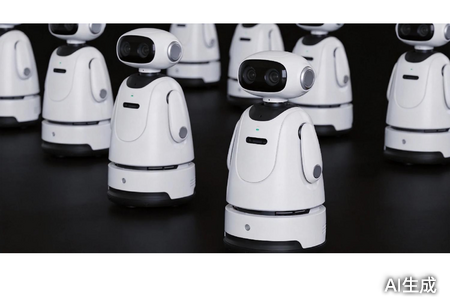
2026年6月30日,优必选在深圳举办了一场盛大的发布会。聚光灯下,一排皮肤细腻、眼神空洞的仿生人形机器人缓缓走来。这是优必选面向消费级市场推出的全新品牌“优世界”(UWORLD),首款产品U1系列主打情感陪伴,售价从11.98万元到99万元不等。

发布会结束,优必选宣布U1系列全渠道预售订单突破13361台。按照最低配版本估算,理论营收超过15亿元。创始人周剑将50%的精力投入家庭场景,宣称“人机陪伴经济是人类历史上第一个情绪价值无上限、陪伴无边界的刚需场景”。

但市场的真实反应,远比发布会上的掌声复杂。

首先是产品功能与价格的严重错配。U1 Lite(11.98万元)和U1 Pro(16.98万元)均为半身或全身固定版本,不支持自主行走,也不能做家务——它不会扫地、不会做饭、不会帮你拿快递,核心功能就是“陪你聊天”。有网友精准总结为“硅胶娃娃加豆包”。

其次是渠道端的冷寂。记者查询电商平台发现,淘宝旗舰店相关产品仅显示售出1件,京东与淘宝官方旗舰店的商品页面均未显示购买用户评价记录。这与“1.3万台预售”的宏大叙事形成了诡异的对照。

再次是定金门槛低,尾款考验大。U1系列预售定金仅为3000元,7月15日前可随时退订。虽然优必选管理层在闭门会议中回应称整体退订率不足8%,但首批产品直到9月16日才启动交付——从预售到交付的三个月空窗期里,舆论的祛魅效应正在发酵。

更深层的矛盾在于需求真伪的拷问。中国确实有1.27亿独居人口,情感陪伴是真实痛点。但当一个售价12万元的机器人只能坐在床头跟你聊天、续航仅2—4小时且需要定期维护时,这个“情绪价值”的性价比是否足够支撑规模化复购?

一位行业分析师的点评颇为犀利:“U1系列现阶段更接近寻找PMF(产品-市场契合)的早期尝试。高价位、万台订单表明有一定需求基础,但年化产能6000台、经调整净亏损6.9亿元反映出规模化挑战。目前阶段,更可能是技术可行性测试与市场教育并行。”

资本市场的反应同样微妙。发布会当天,优必选股价一度上涨超17%,但随着产品细节披露,股价迅速回调,次日下跌9.92%。 投资者用真金白银投票:这个故事,暂时还不敢全信。

03

三强对决:

宇树、优必选、智元的路线之争

2026年的中国人形机器人赛道,已经形成了三足鼎立的格局。但三家公司,走的是三条截然不同的路。

宇树科技:硬件原教旨主义

王兴兴的哲学很简单——把成本打下来,把规模做上去。宇树的核心竞争力在于极致的供应链掌控:自研电机、减速器、力控传感器,核心零部件自研率超90%,摆脱海外依赖。2025年央视春晚16台H1机器人表演秧歌,世界人形机器人运动会包揽四项竞速冠军,品牌势能拉满。

宇树的产品矩阵清晰:四足机器人B系列(工业级)、Go系列(消费级);人形机器人H1/H2(全尺寸)、G1/R1(中小尺寸)。价格带从几千元到十几万元,覆盖科研、工业、消费多场景。它的开源生态在GitHub上有超过40个项目,开发者社区活跃。

但宇树的短板也很明显:在具身智能大模型、工业场景深度落地方面,积累尚浅。它更像一家“极致的硬件公司”,而非“AI+机器人”的平台型企业。

优必选:全栈全场景的理想主义

周剑的野心是做一个“人机共生”的平台。从伺服舵机到情感大模型,从汽车工厂到家庭客厅,优必选试图覆盖所有场景。2025年,Walker S系列已进入比亚迪、吉利、东风柳汽等汽车工厂实训,工业场景收入占比超80%。

优必选的技术厚度是真实的:全球授权专利2985项,其中海外专利508项;52个自由度的Walker S2具备15kg负载能力和自主换电系统;在汽车制造场景积累了过亿条工业数据。

但“全都要”的代价是资源分散。2025年优必选研发费用5.07亿元,研发费用率25.36%,远高于宇树的7.73%。 高额投入并未转化为明显的技术代差,反而持续侵蚀利润。更麻烦的是应收账款——2025年末余额13.02亿元,其中政府相关客户回款延迟,信用减值损失1.51亿元。

智元机器人:数据飞轮的激进实验

作为赛道里估值体量最大的公司之一(约180亿元),智元选择了一条更“AI原生”的路。它不做单一爆款,而是构建“多机器人家族+数据平台+仿真训练+海外渠道”的完整基础设施。2025年出货量5168台,据Omdia数据位居全球第一。

智元的打法是“量产先行、数据闭环”。通过收购上纬新材曲线进入A股,2026年7月又官宣启动赴港上市流程,资本运作能力极强。它的优势在于大模型与具身智能的整合,以及RaaS(机器人即服务)的商业模式探索。

但智元成立仅三年,技术沉淀和供应链掌控力能否支撑其宏大的平台叙事,仍需时间验证。

04

重新估值:

优必选的价值锚点在哪里?

宇树上市之后,整个具身智能赛道将迎来一次剧烈的价值重估。优必选如果不能在以下几个维度上给出明确答案,估值压力只会越来越大。

第一,工业场景的规模化交付能力。

这是优必选目前最确定的护城河。2025年Walker系列在手订单近14亿元,2026年S3机型量产,单价降至18万元起,全年出货目标5000台。如果工业人形机器人能在汽车工厂实现从“实训”到“稳定创造效益”的跨越,优必选将证明它不只是“能造机器人”,而是“机器人能赚钱”。

但挑战在于,宇树也在加速工业场景渗透。一旦宇树把10万元级的人形机器人送进工厂,优必选76万元的Walker还能守住多少客户?

第二,消费级业务的盈利模型验证。

U1系列是优必选从To B向To C跨越的关键一跃。但“情感陪护”这个赛道,本质上是卖“非刚需的奢侈品”。11.98万元的入门价,已经接近一辆家用轿车的价格。在功能有限、口碑未经验证的情况下,首批用户的真实反馈、退货率、复购率,将决定这个故事能否继续讲下去。

更现实的可能是:U1系列短期内成为“高端玩具”和“商用展示品”,而非真正的家庭刚需。优必选需要回答的是——当新鲜感褪去,用户是否还愿意为这台“不会干活的聊天机器”支付高额维护成本?

第三,成本下降与毛利率的平衡。

优必选2025年毛利率37.7%,较2024年的28.7%已有提升,但距离宇树的60%仍有巨大差距。Walker S3的目标是将单价从76万元降至18万元,这意味着毛利率必须同步提升才能维持盈利。这要求优必选在供应链整合上做出更大突破——收购浙江锋龙电气29.99%股权,正是为了强化伺服电机等核心零部件的自主可控。

第四,从“故事驱动”到“盈利驱动”的叙事转换。

港股市场对亏损科技公司的容忍度正在下降。优必选四年累计亏损超42亿元,虽然2025年经调整EBITDA亏损收窄至4.38亿元,但距离盈亏平衡仍有距离。 宇树科技的上市,将提供一个清晰的估值锚点:盈利的人形机器人公司,值多少PE?不盈利的呢?

一位投资人的话值得深思:“在各家的具身智能技术没有明显拉开差距的时候,资本能力对公司更为重要。上市后机器人公司即便一直亏损,产品技术也非行业领先,但也能保持几百亿元的市值,不缺资金。”

作者 : 于刀刀 监制 : 理想 排版 : 洋洋

出品|陆玖商业评论·北京办公室

注:文/于刀刀,文章来源:陆玖商业评论(公众号ID:liujiucaijing69),本文为作者独立观点,不代表亿邦动力立场。

文章来源:陆玖商业评论

广告
微信
朋友圈

FAQ回顾

中国人形机器人赛道主要代表企业有哪些?分别走什么路线?

目前中国人形机器人赛道已形成宇树科技、优必选、智元三足鼎立格局,三家路线差异明显:宇树科技主打硬件极致降本、开源生态、规模放量,核心零部件自研率超90%;优必选走全栈全场景路线,覆盖工业、消费等多领域;智元走AI原生路线,主打量产先行、数据闭环模式。

优必选推出的情感陪护机器人U1系列存在哪些问题?

优必选U1系列主打情感陪伴,售价11.98万到99万元不等,现存问题较多:首先功能价格错配,低端版本不支持自主行走、无法做家务,仅具备聊天功能;其次销量不及预期,电商平台官方旗舰店仅显示售出1件,无用户评价;此外定金门槛仅3000元退订风险高,续航仅2-4小时,性价比不足。

2025年优必选和宇树科技的经营数据有什么差异?

2025年宇树科技营收17.08亿元,扣非净利润6亿元,人形机器人出货量5500台,毛利率接近60%;同期优必选营收20.01亿元,净亏损7.9亿元,四年累计亏损超42亿元,全尺寸人形机器人交付1079台,毛利率仅37.7%,远低于宇树科技的盈利表现。

优必选当前面临的估值压力主要来源有哪些?

优必选估值压力主要来自四方面:一是核心赛道被宇树等后来者以更低成本、更高效率抢占,全栈全场景布局反而成资源分散的包袱;二是新推出的情感陪护机器人U1系列市场认可度待验证,尚未跑通消费级盈利模型;三是毛利率远低于同行,成本控制能力不足;四是长期亏损尚未实现盈利,港股对亏损科技公司容忍度持续下降。

这么好看,分享一下?

朋友圈 分享

APP内打开

+1
+1
微信好友 朋友圈 新浪微博 QQ空间
关闭
收藏成功
发送
/140 0