广告
加载中

自己种的食材自己开餐厅卖 餐饮业迎来一批“农科所”餐厅

红餐编辑部 2026-07-28 13:31
红餐编辑部 2026/07/28 13:31

邦小白快读

EN
全文速览

当前餐饮行业出现了一批主打新鲜健康的“农科所”餐厅新类型,核心是自有种植养殖基地的玩家自己种食材自己开餐厅卖,能给消费者带来更好的健康用餐体验。

1. 这类餐厅的核心优势是食材新鲜,大多采用从田间到餐桌的直供模式,不少餐厅还支持现场采摘即时下锅,最大化保留食材新鲜度,同时大多采用透明厨房,食材制作全程可视,契合消费者对食品安全的需求。

2. 这类餐厅定价大多亲民,比如广州农科所开的鲜蔬火锅店人均仅74元,性价比突出,同时菜品覆盖火锅、家常菜,能满足简餐、聚餐、轻食养生等多种需求,不少餐厅还结合采摘项目,能给消费者带来沉浸式田园体验,目前已经收获大量消费者好评。

当前健康餐饮风潮兴起,主打新鲜健康的“农科所”餐厅模式,给餐饮品牌商提供了新的发展方向参考,多个成功案例验证了模式的可行性。

1. 消费趋势把握:当下消费者越来越看重食材新鲜度、健康属性与食品安全,这类餐厅精准踩中了消费升级的趋势,依托自有基地的直供模式,解决了消费者对食材品质的核心顾虑。

2. 品牌营销参考:可以学习这类餐厅的定位传递,比如用绿色主打装修直观传递健康定位,墙面张贴食材溯源知识强化健康认知,背靠专业机构或自有基地本身就是品质背书,能获得普通餐厅没有的信任溢价。

3. 产品定价参考:产品上主打原生态食材,适配养生需求,做组合套餐满足多元需求,定价走性价比路线,更容易打开市场。

“农科所”餐厅这种跨界新业态,给餐饮卖家带来了新的增长机会与经营参考,同时也提示了需要注意的风险。

1. 机会方向:健康餐饮已经成为明确的增长赛道,主打新鲜直供的“农科所”模式当下消费者接受度很高,如果有源头供应链资源的卖家,完全可以尝试这种差异化模式,依托供应链优势获得独特的信任溢价,竞争力远高于普通餐厅。

2. 可学习的经营要点:供应链端缩短链路做直供,保证食材新鲜;场景端设置透明厨房,强化消费者对食品安全的信任;产品端做组合套餐,拓展多元菜品适配不同消费场景;还可以结合采摘等休闲项目,做一站式体验提升用户粘性。

3. 风险提示:该模式不能只靠源头食材优势,要长期经营必须在服务、运营效率方面持续投入,补齐运营短板才能长久发展。

对于种植养殖类生产工厂/基地来说,跨界做“农科所”餐厅是新的商业机会,也明确了生产端的产品方向。

1. 新商业机会:当前健康消费风潮兴起,消费者愿意为新鲜、安全、原生态的食材支付溢价,自有种植养殖基地的生产工厂,可以依托自身供应链优势跨界开餐厅,延伸自身产业链,把源头优势转化为更高的盈利,目前已有广州农科所、万禾羊场、天津天民田园等多个成功案例,模式可行性已经得到验证。

2. 产品生产方向:现在消费者对食材的核心需求是新鲜、原生态、安全,生产端可以围绕这个需求优化种植养殖标准,突出高品质原生态的产品定位,更符合市场需求。

3. 模式协同启示:可以把餐厅和原有采摘、观光等休闲农业项目结合,打造体验闭环,提升整体项目的盈利能力。

“农科所”餐厅这类新业态的兴起,给餐饮相关服务商带来了新的行业趋势与业务机会。

1. 行业发展趋势:近年来越来越多农业端的玩家,包括农科机构、种植基地、养殖园区跨界进入餐饮行业,主打新鲜健康的直供餐饮已经成为餐饮行业新的增长点,这类玩家和传统餐饮商家的需求存在明显差异,孕育了新的服务需求。

2. 客户核心痛点:这类跨界玩家大多拥有源头食材优势,也有专业背景做品质背书,但普遍缺乏餐饮行业的运营经验,在服务体系搭建、门店运营管理、效率提升等方面存在明显短板,自身很难快速补齐这些能力。

3. 服务商的解决方案方向:服务商可以针对性开发适配这类玩家的服务产品,比如餐饮运营培训、门店管理系统输出、门店场景设计服务等,帮助这类玩家补齐运营短板,抓住这波行业增长的红利。

“农科所”餐厅这类新餐饮玩家的兴起,给餐饮平台、商圈平台带来了新的招商机会与运营方向。

1. 招商机会:这类跨界玩家本身拥有自有供应链和专业背景背书,开出的餐厅精准契合当下健康消费需求,用户好评率高,存活率也优于很多新兴餐饮品牌,属于优质的招商对象,平台可以针对性推出专属招商计划,吸引这类玩家入驻商圈或者平台。

2. 运营管理方向:平台可以针对这类餐厅“新鲜健康”“采摘+餐饮体验”的特点,给这类商家打上专属标签,给予针对性的流量倾斜,帮助他们对接对健康餐饮有需求的目标客群,提升商家的经营效果。

3. 风险规避:这类商家普遍存在运营能力不足的问题,平台可以配套推出运营培训、管理咨询等服务,帮助商家提升运营能力,降低商家的淘汰率,保障平台整体的商家质量。

“农科所”餐厅模式是农业与餐饮融合发展过程中出现的新产业动向,具备较高的研究价值。

1. 产业新动向:近年来农业研究机构、种植基地、养殖园区等非常规玩家跨界进入餐饮领域,打造出了“农业+餐饮+休闲体验”的融合型新商业模式,这种模式既延伸了农业产业的价值链,也丰富了餐饮行业的生态,是一二三产业融合发展的新实践。

2. 模式核心优势:该模式的核心竞争力一是短供应链直供,最大化保证食材新鲜度,契合健康消费需求;二是自带专业背景带来的信任溢价,这种优势是普通餐饮门店很难复制的;三是和休闲体验结合打造了差异化的体验,提升了用户粘性。

3. 值得研究的新问题:该模式目前还处于发展初期,普遍存在重源头轻运营的问题,未来如何平衡源头优势和餐饮运营能力,如何实现规模化复制,都是产业研究需要解答的新问题。

返回默认
声明:快读内容全程由AI生成,请注意甄别信息。如您发现问题,请发送邮件至 run@ebrun.com 。

我是 品牌商 卖家 工厂 服务商 平台商 研究者 帮我再读一遍。

Quick Summary

A new category of "agricultural research institute-style" restaurants focused on fresh, healthy eating has emerged in China's food service industry. These venues are operated by players that own their own planting and breeding bases, growing their own ingredients to serve to diners, and deliver an improved healthy dining experience.

1. Their core strength is ingredient freshness. Most use a farm-to-table direct supply model, and many allow on-site picking for immediate cooking, maximizing ingredient freshness. Most also feature open kitchens that let diners watch food preparation, which aligns with consumer demand for food safety.

2. Most of these restaurants are priced affordably. For example, the fresh vegetable hot pot restaurant opened by the Guangdong Academy of Agricultural Sciences only charges 74 yuan per person on average, delivering strong value for money. Their menus cover everything from hot pot to home-style dishes, meeting demand for casual meals, group gatherings, light diets and other use cases. Many also combine dining with picking activities to offer an immersive rural experience, and have already earned widespread positive reviews from consumers.

Against the backdrop of the rising healthy dining trend, the "agricultural research institute-style" restaurant model centered on fresh, healthy food offers new development directions for F&B brands, with multiple successful cases proving the model's feasibility.

1. Capturing consumer trends: Today's consumers increasingly prioritize ingredient freshness, health attributes and food safety. This restaurant category perfectly aligns with this consumer upgrade trend, and its direct supply model operated from owned bases resolves consumers' core concerns over ingredient quality.

2. Brand marketing takeaways: Brands can learn from these restaurants' positioning communication, such as using green-focused decor to visually convey a healthy identity, and posting ingredient traceability information on walls to reinforce health perceptions. Backing from a professional institution or ownership of a production base acts as an inherent quality endorsement, generating a trust premium that conventional restaurants cannot access.

3. Pricing and product takeaways: Focusing on natural ingredients to match health demand, offering combo sets to meet diverse needs, and pursuing a value-focused pricing strategy makes it far easier to gain market traction.

This cross-industry new format of "agricultural research institute-style" restaurants brings new growth opportunities and operational references for independent F&B operators, while also highlighting key risks to note.

1. Opportunity paths: Healthy dining is already a clear high-growth segment, and the fresh, direct-supply "agricultural research institute" model has won high consumer acceptance today. Sellers with access to upstream supply chain resources can absolutely test this differentiated model, leverage their supply chain advantages to earn a unique trust premium, and build far stronger competitiveness than conventional restaurants.

2. Operational lessons to adopt: Shorten supply chain links to run direct supply and guarantee ingredient freshness; add open kitchens in the dining space to strengthen consumer trust in food safety; offer combo menus and a diverse selection of dishes to fit different consumption scenarios; and combine dining with leisure activities like picking to create a one-stop experience that boosts user retention.

3. Risk warning: This model cannot rely on upstream ingredient advantages alone. For long-term operation, operators must make sustained investments in service and operational efficiency, and address operational gaps to build a sustainable business.

For planting and breeding production facilities and bases, cross-industry expansion into "agricultural research institute-style" restaurants creates new business opportunities and clarifies product direction for production players.

1. New business opportunities: Amid the current boom in healthy consumption, consumers are willing to pay a premium for fresh, safe, natural ingredients. Production facilities that own their own planting and breeding bases can leverage their inherent supply chain advantages to enter the restaurant business cross-industry, extend their industrial chain, and convert upstream advantages into higher profits. Multiple successful cases already exist, including Guangdong Academy of Agricultural Sciences' restaurant, Wanhe Sheep Farm, and Tianjin Tianmin Pastoral, proving the model's feasibility.

2. Product development direction: Consumers' core demands for ingredients today are freshness, naturalness and safety. Production players can adjust their planting and breeding standards around these demands, and emphasize a high-quality, natural product positioning that better matches market demand.

3. Synergy insights: Operators can integrate restaurants with existing agritourism offerings such as picking and sightseeing to build a closed experience loop and improve the profitability of the entire project.

The rise of the new "agricultural research institute-style" restaurant format brings new industry trends and business opportunities for F&B-related service providers.

1. Industry development trend: In recent years, a growing number of upstream agricultural players — including agricultural research institutions, planting bases and breeding parks — have entered the food service industry cross-sector. Fresh, healthy direct-supply dining has become a new growth driver in China's F&B industry, and these players have distinctly different needs from traditional F&B operators, creating new unmet service demand.

2. Core customer pain points: Most of these cross-sector players hold upstream ingredient advantages and professional backgrounds that act as quality endorsements, but they generally lack F&B operation experience. They have clear gaps in service system building, store operation management, efficiency improvement and other areas, and struggle to build these capabilities quickly on their own.

3. Solution directions for service providers: Service providers can develop tailored service products for these players, such as F&B operation training, store management system licensing, and store spatial design services, to help these players address operational gaps and capture the growth dividend from this industry trend.

The emergence of these new "agricultural research institute-style" F&B players brings new leasing and operation opportunities for F&B platforms and commercial property developers.

1. Leasing opportunities: These cross-sector players have their own supply chains and professional endorsements, and their restaurants perfectly align with current demand for healthy dining. They earn high user ratings and have higher survival rates than many emerging F&B brands, making them high-quality target tenants. Platforms and properties can launch dedicated recruitment programs to attract these players to locate on their platforms or in their commercial districts.

2. Operation direction: Platforms can add exclusive tags for these restaurants based on their "fresh and healthy" "picking + dining experience" positioning, allocate targeted traffic to connect them with target consumers interested in healthy dining, and improve merchants' operating performance.

3. Risk mitigation: Since these merchants generally have insufficient operational capabilities, platforms can add supporting services such as operation training and management consulting to help merchants improve their capabilities, reduce merchant attrition, and maintain the overall quality of merchants on the platform.

The "agricultural research institute-style" restaurant model is a new industrial trend emerging from the integrated development of agriculture and food services, and carries high research value.

1. New industrial trend: In recent years, non-conventional players including agricultural research institutions, planting bases and breeding parks have entered the F&B sector cross-industry to build a new integrated "agriculture + dining + leisure experience" business model. This model extends the value chain of the agricultural industry while enriching the ecosystem of the F&B sector, representing a new practical example of integrated development across primary, secondary and tertiary industries.

2. Core advantages of the model: The model's core competitiveness comes from three factors. First, the short direct supply chain maximizes ingredient freshness to match health consumption demand. Second, the professional background inherently generates a trust premium that is difficult for conventional F&B outlets to replicate. Third, combining dining with leisure experience creates differentiated experiences that boost user retention.

3. New research questions: The model is still in an early stage of development, and commonly suffers from an overemphasis on upstream sourcing at the expense of operations. Key open questions for industrial research include how to balance upstream advantages with F&B operational capabilities, and how to achieve scalable replication of the model.

Disclaimer: The "Quick Summary" content is entirely generated by AI. Please exercise discretion when interpreting the information. For issues or corrections, please email run@ebrun.com .

I am a Brand Seller Factory Service Provider Marketplace Seller Researcher Read it again.

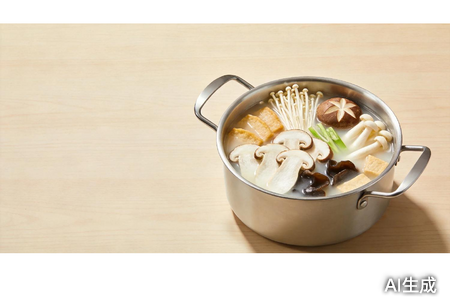
采摘鲜蔬直接下锅,从田间到餐桌零延迟,这般极致新鲜的火锅体验,正俘获大批食客。

本文由红餐网(ID:hongcan18)原创首发,作者:何桂湘;编辑:李唐。

近年来,类似一批种植基地、养殖园区等非常规玩家纷纷开出主打新鲜健康食材的餐厅。

随着健康餐饮消费风潮的兴起,这类餐厅正逐渐成为餐饮行业的一抹新亮色。

人均74!

广州农科所开了家鲜蔬火锅店

近日,广州市农科所在海珠区琶洲商圈开出了一家主打鸡肉鲜蔬食材的农园蔬宴火锅餐厅。据红餐网了解,这家农园蔬宴火锅餐厅可采摘鲜蔬直接下锅,真真实现从田间到餐桌零延迟,如此极致新鲜的火锅体验,这家餐厅开业后收获不少食客的好评。

从门店整体装修来看,这家餐厅的装修非常简约。门头直接采用亮眼的绿色做主打,极具辨识度的同时,还直观传递出新鲜健康的餐厅定位。走进店内,原木色与绿色桌椅占据主要视觉空间,整体氛围清新雅致。店内的墙面还张贴着系列均衡饮食、食材溯源的知识贴,进一步将健康饮食理念融入用餐场景。门店还设置透明厨房,菜品制作全程可视化,不仅突出了现做现卖的特点,也充分贴合当下消费者的食安需求。

门店的装修尽管简约,但在食材新鲜方面,这家餐厅却尽力做到了极致。以该店的蔬菜食材为例,因为背靠广州农科所,这家餐厅的板蓝根油菜、红叶生菜、紫背菜等蔬菜大多由广州农科所南沙种植基地直供。与此同时,该餐厅外还直接设置了露天种植区,像白背菜等一些蔬菜可现场采摘、即时入锅。

不止是蔬菜食材在新鲜上尽力做到极致,该餐厅的其它食材供应也坚持高品质、原生态标准。比如鸡肉食材,该餐厅就精选杏花鸡、灵芝鸡、水果鸡等优质生态放养土鸡。另据不少消费者反馈,餐厅的牛肉丸、猪肉丸等食材,能直接尝出来为餐厅新鲜手打。

在火锅锅底上,该餐厅主打广式风格的山泉水清水锅底以及清补凉养生锅底,精准适配养生饮食需求。在火锅售卖形式上,该餐厅将锅底、食材进行不同组合,以不同套餐的形式售卖,可适配不同的消费需求。

为进一步丰富消费者体验,餐厅还推出香茅叶蒸鸡、绿野仙煎、紫椰菜拌细菊等多款清淡家常菜,可同时满足日常简餐、轻食养生、家庭聚餐等多元需求。价格层面,大众点评显示,目前门店人均消费约74元,性价比特点突出。

餐饮业迎来一批“农科所”餐厅

自己种的食材自己开餐厅卖,据红餐网观察,近年来,不少种植基地、养殖园区纷纷下场开餐厅,餐饮业迎来一批非常规玩家。

比如万禾羊场旗下的小羊餐厅。据上海崇明报道,该餐厅就位于羊场旁,所需的羊肉食材由羊场直接供应,并且为提供新鲜的蔬菜食材,餐厅门前还特意开辟了一片时令菜园。餐厅负责人此前向东方网透露,仅开业后的三个多月,就已接待大量来自上海市区及长三角地区的客人,较为火爆。

以食材新鲜供应为特色的,还有广州中大圣禾灵芝产业科技园开出的仙草餐厅。据了解,该餐厅同样开在园区内灵芝种植园旁,直接把种植园的灵芝作为主要食材,推出了灵芝鸡汤、灵芝焖鸡等系列药食同源的灵芝农家菜。大众点评显示,仙草餐厅评论区“用料新鲜”“很养生”等评价不少。

另外,天津的天民田园农业基地开出的大运河生态餐厅,也同样凭借食材新鲜出圈。据了解,大运河生态餐厅主打武清当地特色的“运河宴”珍馐,并且为保障菜品更加营养丰富、健康安全,该餐厅直接以园区内种植的黄瓜、西红柿等优质农产品作为主要食材,同样受到不少消费者的欢迎。

为什么这批非常规玩家开出的餐厅,能够赢得消费者的青睐?在红餐网看来,这得益于其独有的短渠道供应链优势。

普通餐饮店往往依赖多级采购渠道和第三方供应商,而这批非常规玩家餐厅的食材供应,大多采用从“从田间到餐桌”的直供模式,有效缩短了食材供应链路,最大化地保留了食材的新鲜度。这对于当下注重健康餐饮消费的消费者来说,具有更强的吸引力。

此外,这批餐厅自带研究院所、种植基地、养殖基地等“硬核”背景。对此,有业内人士认为:“农科所等非常规玩家并非空谈食材健康新鲜,而是以本身的专业资质为餐厅食材品质提供了有效背书,这种信任溢价是普通餐饮门店难以复制的。”

还值得一提的是,这批非常规玩家跨界开出的餐厅,大多与其旗下的游玩项目进行协同,进一步丰富了消费者的体验。比如大运河生态餐厅,就与园内采摘项目协同,实现“采摘+餐饮”的一站式体验。据了解,消费者可以先在园内大棚采摘,再到餐厅品尝美食,进而沉浸式感受田园乐趣。

小 结

总体而言,农业研究机构、种植基地、养殖园区等非常规玩家跨界开出餐厅,在为消费者提供更具新鲜健康饮食选择的同时,也丰富了餐饮行业的生态。不过,这批非常规玩家想要长期经营好餐厅,除了保持源头供应优势,还需要在服务、效率等运营维度持续下功夫。

注:文/红餐编辑部,文章来源:红餐网(公众号ID:hongcan18),本文为作者独立观点,不代表亿邦动力立场。

文章来源:红餐网

广告
微信
朋友圈

FAQ回顾

什么是农科所餐厅?

农科所餐厅是农科所、种植基地、养殖园区等农业相关主体跨界开设的餐厅,普遍采用田间到餐桌的直供模式,主打新鲜健康的原生态食材,依托自身农业背景为食材品质做背书,部分还搭配采摘等休闲体验项目。

农科所餐厅相比普通餐厅有什么优势?

农科所餐厅的供应链路更短,食材直供能最大化保留新鲜度;自带农业研究、种养殖相关专业资质背书,食材品质可信度更高;部分门店还可搭配采摘等游玩项目,能给消费者提供更丰富的沉浸式消费体验。

农科所餐厅适配哪些消费场景?

农科所餐厅主打健康养生定位,可适配日常简餐、轻食养生、家庭聚餐等常规餐饮场景,部分搭配采摘项目的门店还能满足近郊休闲、亲子出游等需求,适配重视食安、偏好新鲜食材的各类消费群体。

国内有哪些代表性的农科所类跨界餐厅?

代表性门店包括广州农科所开设的农园蔬宴火锅餐厅、万禾羊场旗下的上海小羊餐厅、广州中大圣禾灵芝产业科技园的仙草餐厅、天津天民田园农业基地的大运河生态餐厅,均以新鲜健康食材为核心特色。

这么好看,分享一下?

朋友圈 分享

APP内打开

+1
+1
微信好友 朋友圈 新浪微博 QQ空间
关闭
收藏成功
发送
/140 0