广告
加载中

柠檬茶困在9.9元 柠檬奶却想卖到19元

龙猫君 2026-07-02 15:41
龙猫君 2026/07/02 15:41

邦小白快读

EN
全文速览

这篇文章核心介绍了新茶饮市场当前的品类格局,以及热门新品柠檬奶诞生的背景和发展前景,核心干货如下

1. 当前新茶饮原有品类都存在明显痛点:柠檬茶被做成9.9元低价引流款,无法拉高客单;季节性水果茶生命周期只有两三个月,无法长期售卖;传统厚奶茶不符合年轻人追求清爽低甜、轻负担的消费需求,市场需求逐渐下滑。

2. 柠檬奶刚好填补了市场缺口,定价在15-19元中高价格带,全年可卖,通过捶打柠檬表皮取香替代榨取柠檬汁的工艺,解决了牛奶结块问题,结合了柠檬的清爽和牛乳的顺滑,同时满足消费者对清爽和口感满足感的需求。

3. 当前柠檬奶已经从区域市场验证阶段进入头部品牌集中推广阶段,未来还需要解决出杯效率、出品稳定性、守住价格带等问题,才有望成为长期稳定的大单品。

新茶饮品牌可从柠檬奶的兴起中,获得产品研发、菜单结构布局、价格带规划等多方面的参考,核心干货如下

1. 当前消费趋势明确转向清爽低甜、轻负担,原有菜单结构存在明显缺口:低价引流款赚流量不赚利润,季节款短寿无法长期贡献营收,厚奶茶不符合新需求,品牌需要一款可全年售卖、拉动客单的中价格带稳定大单品。

2. 产品研发可参考新路径:柠檬奶不是头部品牌总部凭空研发的产物,是区域小店通过用户快速反馈反复试错验证出来的,这种路径更易诞生有生命力的新品。工艺上可借鉴捶打柠皮取香替代榨柠檬汁,解决牛奶结块的稳定性问题。

3. 风险和方向提示:需要警惕新品快速同质化后陷入价格战,要通过开发多产品线(花茶线、热饮线、低糖线等)守住15-19元价格带,避免重走柠檬茶低价化老路。

新茶饮卖家可从柠檬奶的热潮中捕捉新的增长机会,同时做好风险应对,核心干货如下

1. 当前市场需求出现明确变化,消费者越来越偏好清爽低负担的饮品,原有品类结构留出了明确的市场机会:市场缺一款可以日常售卖、价格适中的稳定单品,柠檬奶刚好契合这个需求,能帮卖家优化菜单结构,拉高整体客单价。

2. 创新和上新可参考的经验:柠檬奶已经经过区域市场验证,头部品牌集中推广完成了消费者教育,中小卖家可顺势上新填补自身菜单空白;新品研发不用完全等总部规划,可以结合本地消费者反馈快速调整配方,更容易跑通本地市场。

3. 风险提示:需要提前应对三个核心问题:一是捶打柠皮带来的出杯效率低、人力成本上升问题,要平衡现制感和经营效率;二是出品稳定性问题,避免长时间放置后出现风味下降;三是要避免陷入同质化价格战,尽量做出差异化守住价格带。

新茶饮品类迭代给上游生产端带来了新的商业机会,也对生产供应提出了新要求,核心干货如下

1. 新的市场需求已经出现:柠檬奶作为当前最具潜力的新兴大单品,对香水柠檬、特制牛乳、适配的花茶底的需求会持续上涨,上游工厂可提前布局相关原料产能,抢占新兴品类的供应市场。

2. 产品生产开发有新方向:柠檬奶的核心痛点是酸度控制、牛奶蛋白凝固、门店出品不稳定,工厂可针对性开发专用预处理原料,比如预处理柠檬香气原料、稳定型专用奶基,帮助门店降低操作难度,减少出品问题,提升稳定性。

3. 产业发展带来的启示:当前新茶饮的创新不再只由头部品牌总部主导,越来越多有生命力的新品来自区域终端门店和消费者的日常反馈,上游工厂可推进数字化对接终端,多挖掘区域中小门店的需求,更早捕捉新品类方向,提前布局抢占市场。

新茶饮的产业变化催生了新的客户痛点,服务商可围绕新需求开发对应解决方案,核心干货如下

1. 当前行业发展趋势明确:新茶饮已经进入存量竞争阶段,品牌对能长期留在菜单、持续贡献营收利润的稳定大单品需求强烈,柠檬奶作为当前最被看好的新品类,会带动全产业链相关服务需求的增长。

2. 行业核心客户痛点清晰:目前柠檬奶发展过程中,品牌和门店面临三个核心痛点:一是捶打柠皮带来的出杯效率低、人力成本高的问题;二是出品稳定性差,长时间放置后容易出现风味衰减、轻微凝结的问题;三是产品同质化严重,品牌难以打造差异化竞争力。

3. 解决方案可围绕痛点布局:服务商可开发标准化的柠檬香气萃取预制原料,或者适配柠檬奶的自动化制作设备,帮助门店提升出杯效率,降低人力成本;也可以为品牌提供配方优化、差异化风味调试服务,帮助品牌打造差异化产品,提升竞争力。

新茶饮的产品结构调整给平台带来了新的运营和增长机会,同时也需要规避相关风险,核心干货如下

1. 当前行业新需求明确:大量新茶饮品牌都在调整菜单结构,集中推出柠檬奶新品,消费者对新品的尝鲜需求上涨,平台可围绕这个新品类开展相关运营活动,拉动平台交易增长。

2. 平台招商和运营方向清晰:平台可推出柠檬奶专属主题营销活动,吸引消费者参与,拉动流量增长;同时可以针对性招商,吸引主打柠檬奶的区域品牌、专门店入驻,丰富平台品牌供给;还可以给上线柠檬奶的品牌提供流量扶持,提升平台整体交易规模。

3. 需要规避的行业风险:要提前警惕品类快速同质化后出现价格下探,影响平台和品牌的整体利润,可引导品牌做差异化产品运营,设置不同的运营分层;同时针对柠檬奶配送过程中容易风味衰减的问题,可优化对应的配送服务标准,保障消费者体验。

柠檬奶的兴起反映了当前新茶饮产业发展的新动向,为研究存量竞争时代的新茶饮产业提供了典型样本,核心干货如下

1. 产业发展出现新动向:新茶饮已经从增量竞争进入存量竞争阶段,品牌开始主动调整菜单结构和价格带布局,填补原有品类结构留出的市场缺口;同时行业创新路径发生变化,不再是头部品牌总部研发主导,转变为区域终端门店试错验证,再由头部品牌放大推广的路径,真正有生命力的创新更多来自终端消费反馈。

2. 产业发展暴露新问题:当前新茶饮行业新品创新窗口越来越短,产品复制速度快过消费者偏好形成的速度,同质化和价格下探风险极高,一个新品要成长为长期稳定大单品,需要经历认知扩散、规模复制、价格带保卫三个阶段的考验,暴露出行业品类沉淀难的核心痛点。

3. 商业模式层面的新启示:柠檬奶的兴起本质是新茶饮品牌在存量市场中,通过优化菜单结构提升客单价、寻找新增长空间的尝试,为存量竞争时代的新茶饮行业增长提供了新的思路。

返回默认
声明:快读内容全程由AI生成,请注意甄别信息。如您发现问题,请发送邮件至 run@ebrun.com 。

我是 品牌商 卖家 工厂 服务商 平台商 研究者 帮我再读一遍。

Quick Summary

This article analyzes the current product landscape of China’s modern tea beverage industry, and explores the origin and growth prospects of the trending new product: lemon milk. Key takeaways are as follows:

1. All existing major beverage categories in the modern tea segment face distinct pain points: Lemon tea is largely positioned as a low-cost 9.9-yuan traffic product that cannot boost average order value; seasonal fruit teas only have a 2-3 month product lifecycle, making them unsuitable for year-round sales; traditional thick milk teas no longer match young consumers’ demand for light, low-sugar, low-calorie drinks, and are seeing a gradual decline in demand.

2. Lemon milk fills this gap perfectly. It is priced at a mid-to-high 15-19 yuan range, suitable for year-round sales, and solves the milk curdling problem by extracting aroma from lemon peel instead of squeezing the entire fruit. It combines the refreshment of lemon with the smoothness of milk, satisfying consumers’ demand for both a light taste and a rich mouthfeel.

3. Lemon milk has already moved beyond regional validation to the stage of large-scale promotion by leading brands. To become a stable long-term core product, it still needs to address challenges including order fulfillment speed, consistent product quality, and price positioning maintenance.

The rise of lemon milk provides valuable insights for modern tea brands across product development, menu strategy, and price positioning. Key takeaways are as follows:

1. Consumer preferences have clearly shifted to light, low-sugar, low-calorie drinks, creating a clear gap in existing brand menus: Low-price traffic products bring users but no profit, seasonal products have short lifecycles and cannot contribute stable annual revenue, and traditional thick milk teas no longer fit new consumer demands. Brands urgently need a stable, year-round core product in the mid-price range to lift average order value.

2. Brands can adopt a new approach to product development: Lemon milk was not invented from scratch by the R&D teams at leading brands, but iterated and validated by small regional shops based on rapid user feedback. This approach is far more likely to generate enduring new products. For production, brands can also adopt the lemon peel aroma extraction process instead of full juice extraction to solve the milk curdling stability problem.

3. Risks and directional guidance: Brands should guard against the rapid commoditization of lemon milk that leads to price wars. To avoid repeating the low-price trajectory of lemon tea, brands should maintain the 15-19 yuan price positioning by expanding diversified product lines, including floral tea variations, hot drink options, and low-sugar formulations.

Individual modern tea sellers can capture new growth opportunities from the lemon milk trend, while preparing to mitigate potential risks. Key takeaways are as follows:

1. Clear shifts in consumer demand have created an obvious market opening: Consumers increasingly prefer light, low-calorie beverages, and the existing product structure leaves an opening for a stable, moderately priced, everyday beverage. Lemon milk fits this demand perfectly, allowing sellers to optimize their menus and lift overall average order value.

2. Sellers can draw lessons for innovation and new product launches: Lemon milk has already been validated in regional markets, and large-scale promotion by leading brands has completed consumer education. Small and medium sellers can quickly add lemon milk to their menus to fill gaps. Sellers do not need to wait for headquarters to roll out new product plans; they can adjust formulations quickly based on local consumer feedback to adapt to their local markets.

3. Risk alerts: Sellers need to prepare for three core challenges in advance: First, the lemon-peel tapping process slows order fulfillment and raises labor costs, so sellers need to balance handcrafted appeal with operational efficiency. Second, they need to address consistency issues to prevent flavor degradation after prolonged holding. Third, they need to avoid同质化价格竞争,尽量做出差异化守住价格带。

The iteration of modern tea product categories creates new commercial opportunities for upstream suppliers, while raising new requirements for production and supply. Key takeaways are as follows:

1. New market demand has emerged: As one of the most promising emerging core products today, lemon milk will drive sustained growth in demand for perfumed lemons, specialized dairy products, and compatible floral tea bases. Upstream factories can expand production capacity for these related raw materials in advance to capture the supply market for this emerging category.

2. New directions for product development: The core pain points of lemon milk are acidity control, milk protein coagulation, and inconsistent in-store output. Factories can develop specialized pre-processed raw materials targeting these problems, such as pre-extracted lemon aroma ingredients and stabilized specialized milk bases, to reduce operational complexity for stores, reduce output issues, and improve consistency.

3. Insights for industrial development: Innovation in the modern tea industry is no longer led exclusively by R&D departments at leading brands. An increasing number of enduring new products originate from regional terminal stores and everyday consumer feedback. Upstream factories can digitize direct connections with terminal operators, better capture demand from small and medium regional stores, identify new category directions earlier, and expand capacity ahead of the curve to capture market share.

Industrial changes in the modern tea industry have created new customer pain points, and service providers can develop targeted solutions aligned with these new demands. Key takeaways are as follows:

1. The current industry trend is clear: The modern tea industry has entered a stage of stock competition, and brands have strong demand for stable core products that can stay on menus and contribute consistent revenue and profit. As the most promising new category today, lemon milk will drive growth in demand for related services across the industrial chain.

2. Core customer pain points are clear: Currently, brands and stores face three core pain points during lemon milk scaling: First, the lemon-peel tapping process slows order fulfillment and raises labor costs. Second, product consistency is poor, with flavor degradation and mild coagulation occurring easily after prolonged holding. Third, severe product homogenization makes it hard for brands to build differentiated competitiveness.

3. Solution development can center directly on these pain points: Service providers can develop standardized pre-processed lemon aroma extract ingredients, or automated production equipment customized for lemon milk, to help stores improve order fulfillment speed and cut labor costs. They can also offer formulation optimization and differentiated flavor customization services to help brands build differentiated products and strengthen their competitiveness.

Product structure adjustments in the modern tea industry create new operational and growth opportunities for marketplaces, while also requiring risk mitigation. Key takeaways are as follows:

1. Clear new industry demand has emerged: A large number of modern tea brands are adjusting their menu structures and rolling out lemon milk products in large numbers, driving rising consumer demand for trying new products. Marketplaces can run targeted promotional activities centered on this new category to drive overall transaction growth.

2. Clear directions for merchant recruitment and operations: Marketplaces can launch lemon milk-themed marketing campaigns to attract consumers and boost traffic growth; at the same time, they can carry out targeted recruitment to attract regional lemon milk-specialized brands and shops to join the platform, enriching the platform’s brand offerings. They can also provide traffic support for brands that launch lemon milk, lifting the platform’s overall transaction volume.

3. Industry risks to avoid: Platforms should prepare in advance for price erosion after rapid product homogenization, which would hurt overall profitability for both the platform and participating brands. They can guide brands to run differentiated product operations and set up tiered operational frameworks. They also need to optimize delivery service standards for lemon milk to address flavor degradation during delivery, and protect consumer experience.

The rise of lemon milk reflects new trends in the development of China’s modern tea industry, and provides a typical case study for researching the industry in the stock competition era. Key takeaways are as follows:

1. New industry trends have emerged: The modern tea industry has shifted from incremental growth to stock competition, and brands have begun proactively adjusting their menu structures and price positioning to fill gaps left by the existing product landscape. At the same time, the industry innovation model has changed: innovation is no longer led exclusively by R&D teams at leading brands, and instead follows a new path of trial and validation by regional terminal stores, followed by scaling and promotion by leading brands. Truly enduring innovation increasingly originates from terminal consumer feedback.

2. New industry problems have been exposed: The innovation window for new products in the modern tea industry is growing shorter, and product copying outpaces the formation of stable consumer preferences, leading to extremely high risk of homogenization and price erosion. For a new product to grow into a stable long-term core product, it needs to pass three stages of testing: awareness diffusion, scale replication, and price positioning defense, which exposes the core industry pain point of difficulty building long-term product category depth.

3. New insights for business models: The rise of lemon milk is essentially an attempt by modern tea brands to lift average order value and find new growth space by optimizing menu structure in a saturated market, providing new inspiration for growth in the modern tea industry during the stock competition era.

Disclaimer: The "Quick Summary" content is entirely generated by AI. Please exercise discretion when interpreting the information. For issues or corrections, please email run@ebrun.com .

I am a Brand Seller Factory Service Provider Marketplace Seller Researcher Read it again.

新消费导读

新茶饮行业不缺新品。每到夏天,各个品牌的菜单都会迅速变得热闹。荔枝、水蜜桃、杨梅、葡萄、西瓜、芒果轮番登场,季节性水果像一张张短期流量牌,被反复打出。

但遗憾的是,这些产品大多只能卖两三个月,依赖时令供应,生命周期短,波动也大。它们适合制造夏季声量,却很难成为一个品牌长期菜单里的稳定基本盘。

与此同时,另一类常青产品也遇到了自己的问题。柠檬茶曾经是新茶饮里最稳定的品类之一。它清爽、解渴、标准化程度高,适合大规模门店复制。但随着越来越多品牌入局,手打柠檬茶逐渐被打成低价引流款。

9.9元,几乎成了柠檬茶的主流心智。这对新茶饮品牌来说,并不是一个轻松的局面。

低价柠檬茶可以带来客流,却很难贡献更高客单;季节水果茶可以制造热度,却很难全年销售;传统厚奶茶仍然有市场,但在年轻人越来越追求清爽、低甜、轻负担的消费趋势下,也需要新的替代和补充。

于是,新茶饮菜单上开始出现一个明显缺口:品牌需要一种全年可卖、风味不重、客单价高于柠檬茶、又能承接清爽化趋势的新大单品。

柠檬奶正是踩着这个缺口出现的。它不是简单把柠檬和牛奶放在一起,而是试图把柠檬从9.9元的低价引流款里拉出来,重新放进15元到19元的中高价格带里。

这也是为什么,今年夏天多个头部品牌开始集中上新柠檬奶。

霸王茶姬在全国门店推出糯青山、雾红尘两款柠檬奶特调。品牌对外公布的数据显示,两款产品开售三天,总销量突破8万杯。

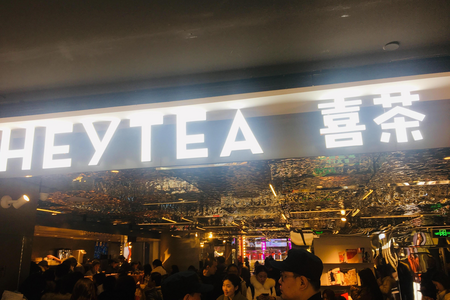
在此前后,喜茶茶坊推出柠打·九窨茉王,沪上阿姨上架沁爽青柠小铁。几个头部品牌几乎在同一时间,把柠檬奶推到了消费者面前。

表面上看,这是一场新品上新。

但进一步来看,它其实是新茶饮行业在存量竞争里,对菜单结构和价格带的一次重新试探。

作者:龙猫君

来源:新消费智库

新茶饮菜单重排,柠檬奶补位

过去几年,新茶饮品牌的菜单大致由几类产品构成。

第一类,是低价引流款。

该类产品承担拉新、促活和提高门店到访频次的作用。柠檬茶就是其中最典型的代表。

它足够大众,足够清爽,足够稳定,也足够容易低价化。一杯柠檬茶卖9.9元,消费者会觉得合理。价格再高,就需要更多解释。

第二类,是季节流量款。

夏天的荔枝、杨梅、水蜜桃、葡萄,秋冬的草莓、芋泥、栗子,都属于这一类。

它们的价值在于制造新鲜感。但它们的问题也很明显:窗口期短,供应波动大,产品很容易随季节结束而退场。

第三类,是经典奶茶和高满足感产品。

厚乳、生椰、奶盖、芋泥、布蕾、麻薯、冰淇淋等元素,曾经长期支撑新茶饮的客单价和满足感。

但当消费者喝了足够多厚重饮品之后,疲劳也会出现。尤其是在健康意识增强、控糖意识上升之后,年轻人对高糖、厚重、强负担的奶茶开始变得更谨慎。

这就让新茶饮品牌面临一个现实问题:

低价款太便宜,时令款太短命,厚奶茶又太重。

品牌需要一种新的中间层产品。目前市面上多数柠檬奶产品价格大多在15元到19元之间。这个区间高于9.9元柠檬茶,却又没有高到像一些限定款那样成为偶发消费。它市场缺一个可以日常售卖、可以提高客单、可以摆脱水果季节限制、又能承接清爽口味趋势的中高价格带单品。

这就是柠檬奶真正的价值。柠檬奶之所以能承担这个角色,是因为它重新组织了柠檬的价值。

过去,柠檬茶卖的是解渴和清爽。解渴是一种很容易被低价化的需求。消费者不会愿意为“解渴”支付太高溢价。

但柠檬奶把柠檬放进了另一个风味结构里。香水柠檬提供清爽香气,牛乳提供顺滑口感,花茶底提供香气层次。

这样一来,产品就不再只是普通柠檬茶,而更像一杯轻盈型奶饮。柠檬香气降低了奶饮的甜腻感,牛乳又降低了柠檬茶的刺激感,花茶则让整杯饮品不至于只有酸和奶两个单薄维度。

这让柠檬奶有机会同时满足两种需求:既要清爽,也要满足感。这种产品结构,对今天的新茶饮行业很重要。

奶茶行业到今天已经不再缺单点创意,真正稀缺的是能够在菜单里长期存在的固定主力型产品。

很多新品可以火一个月。但品牌真正想要的,是一款能留在菜单上、持续贡献销量和利润的常态化单品。

柠檬奶的想象力,正来自这里。它不只是今年夏天的一杯新品,而是新茶饮品牌在重新寻找菜单基本盘。

柠檬奶是区域市场筛选出来的产品

柠檬奶看起来像头部品牌共同推热的新品,但它并不是一个凭空出现的创意。更准确地说,它是一款先在区域市场里被反复试错、完成初步验证,再被头部品牌放大的产品。

这很重要。

过去,新茶饮行业很多爆款来自头部品牌的研发部门。品牌先提出一个概念,市场迅速跟进,中小品牌再复刻扩散。柠檬奶的路径有些不同。

它不是从总部会议室里直接长出来的,而是先在街边小店、区域门店和本地消费习惯里被慢慢筛选出来。

从公开资料和行业报道来看,柠檬与牛奶的组合并不新鲜。早年港式茶餐厅、台式奶茶店里,都曾出现过类似产品。但很长时间里,这类饮品没有成为全国性主流品类。

原因不在概念,而在工艺。柠檬有酸,牛奶有蛋白质。如果大量柠檬汁直接混入鲜奶,果酸很容易导致牛奶蛋白凝固,出现分层、结块、发涩等问题。

一杯饮品在小店里偶尔做出来好喝,并不代表它可以进入几千家门店。新茶饮要做成大单品,关键不只是创意,而是能不能稳定出品。

柠檬奶真正的转折,来自区域市场里长期的门店试错。在浙江部分市场,一些小店和柠檬奶专门品牌开始摸索更稳定的处理方式。它们不再把重点放在挤压柠檬果肉取汁,而是转向捶打香水柠檬表皮,依靠果皮释放天然香气。

这个动作看似很小,但改变了整杯饮品的底层逻辑。过去是用柠檬汁提供酸,现在是用柠檬皮提供香。

酸度降低之后,牛奶结块风险随之下降,柠檬奶才有了更稳定的出品基础。这也是柠檬奶能够从区域小店走向连锁品牌的前提。

区域市场之所以能筛选出这类产品,是因为它有三个优势。

第一,用户反馈更直接。

小店没有复杂的研发流程,也没有层层审批。老板每天站在门店里,能直接看到消费者喝完之后的反应,能听到顾客说酸了、腻了、淡了、涩了,也能很快调整配方。对一款还不成熟的饮品来说,这种反馈速度很重要。

第二,门店操作更灵活。

头部品牌做新品,往往要考虑全国门店适配、供应链稳定、品牌调性、价格体系、运营效率,动作会更谨慎。

但区域品牌可以围绕一个小品类反复试配方、调甜度、换茶底、换奶基,直到产品在本地市场跑通。

第三,区域消费习惯更容易沉淀成品类心智。

很多全国性新品,在早期都不是靠大规模投放被教育出来的,而是在某些城市、某些街区、某类人群里先形成稳定复购。

柠檬奶也是如此。它最早并不是以“全国大单品”的姿态出现,而是先在部分区域市场被消费者接受。随后,区域连锁品牌进一步把这套产品模型标准化,让它具备了向更大市场扩散的基础。

比如爷爷不泡茶推出兰香青柠后,就进一步把柠檬奶的制作流程量化,用花茶和特制牛乳完善风味结构,使产品不再只是柠檬香和奶香的简单叠加,而是形成更完整的茶饮表达。

这类产品能够取得不错的市场反馈,说明柠檬奶已经在区域连锁体系里完成过一次规模化验证。

等到霸王茶姬、喜茶茶坊、沪上阿姨等品牌今年集中入局时,柠檬奶已经不是未经验证的新品。

头部品牌做的,是把一个被区域市场验证过的产品模型,放进更大的全国门店网络里,这说明新茶饮行业的创新,并不总是发生在头部品牌的研发部门。

很多真正有生命力的新品,可能先从地方市场、区域门店和真实消费习惯里生长出来。

柠檬奶进入爆品生命周期,真正的竞争才刚开始

柠檬奶现在的热度,已经让它提前进入了同质化倒计时。新茶饮行业过去几年发现,一个新品只要被验证,复制速度会非常快。

一个品牌做出声量,其他品牌迅速跟进,供应链快速成熟,产品表达趋同,最后价格下探。

柠檬奶很可能也会经历类似过程。它现在还有新鲜感,消费者觉得柠檬和牛奶的组合有反差,品牌也能围绕“柠檬奶”制造新品认知。

但当越来越多门店同步上架,消费者很快会发现,不同品牌的柠檬奶差异可能没有想象中那么大。

柠檬皮香气、牛乳、花茶底、清爽低甜,这些关键词都容易被复刻。一旦产品表达趋同,竞争就会回到品牌势能、门店密度、会员体系、价格活动和出杯效率上。

创新窗口越来越短,产品被复制的速度,往往快过消费者形成稳定偏好的速度。

所以,柠檬奶能不能真正成为长期大单品,不能只看今年夏天有多少品牌上新。

它还需要经过完整的爆品生命周期考验。

第一阶段,是认知扩散期。

头部品牌入局,最大的价值不是卖出多少杯,而是迅速扩大品类认知。当霸王茶姬、喜茶茶坊、沪上阿姨同时把柠檬奶推到消费者面前,市场教育速度会明显加快。

原本只在部分区域流行的柠檬奶,会被更多消费者知道。在这个阶段,区域品牌和专门店会受益,也会承压。受益在于品类变热,搜索、尝鲜和讨论都会增加。

承压在于,消费者一旦知道头部品牌也有柠檬奶,就会开始用更熟悉的品牌、更近的门店和更稳定的会员权益来选择产品。

第二阶段,是规模复制期。

这个阶段考验的是门店工程能力。柠檬奶的核心动作之一,是捶打柠皮。这个动作带来了现制感,也带来了香气释放。但对门店来说,它也意味着额外操作时间和人力成本。

消费者喜欢“现打”“现捶”的真实感,门店则必须面对高峰期出杯效率。一款产品如果太慢,会影响门店整体运营。

尤其是全国性连锁品牌,一款产品能不能长期留在菜单上,取决于它是否足够适应标准化生产,手打柠檬茶过去已经遇到过类似问题。

现制感越强,消费者感知越好,但门店效率压力也越大。柠檬奶未来要解决的,是如何在“现制价值”和“经营效率”之间找到平衡。

规模复制期还会放大另一个问题:饮用稳定性。虽然捶打柠皮降低了酸度,也缓解了牛奶蛋白凝固问题,但这并不代表所有问题彻底消失。

柠檬奶放置时间过长后,仍可能出现苦涩感、轻微凝固或风味衰减。这对外带、配送和长时间饮用场景都会产生影响。

一款产品如果只能在门店现喝时表现最好,离店后体验下降,它的场景就会被限制。

第三阶段,是价格带保卫期。

这是柠檬奶最关键的一关。柠檬奶这次被行业看见,一个重要原因在于它有机会把柠檬从9.9元低价心智里拉出来,放进15元到19元价格带。

但一旦所有品牌都开始做,产品差异又不明显,价格竞争很可能再次发生。如果柠檬奶最终也被打回9.9元,它就只是替代了旧柠檬茶,而没有真正改变新茶饮的菜单结构。

柠檬奶真正要避免的,是重走柠檬茶低价化的老路。基础款之外,能不能开发花茶线、热饮线、低糖线、不同奶基线,决定柠檬奶能不能从短期爆品变成长期菜单。只有这样,它才有可能从今年夏天的热门新品,变成新茶饮行业里的长期品类。

结尾:

新茶饮不缺新品,缺的是能留下来的产品

今天的新茶饮行业,已经不再是靠一个新品就能轻松增长的行业。消费者见过太多组合。

水果、茶底、奶基、小料、香气、口感,几乎都被反复开发过。品牌每年都能推出新品,但真正能够留在菜单上的并不多。

行业缺的不是三个月的热闹,而是一款可以长期卖、稳定卖、反复被购买的产品。

柠檬奶的价值就在这里。它从街边小店长出来,在区域品牌里被验证,再由头部品牌放大。这说明新茶饮的创新不只发生在头部品牌的新品发布会上,也发生在街边小店、区域市场和消费者日常反馈里。

它会被复制,会被内卷,会被低价化,也可能很快迎来审美疲劳。但至少在当下,它给新茶饮行业提供了一个信号:当旧品类被低价打穿,行业就需要新的价值表达,这也是新茶饮行业对下一个常态化大单品的渴望。

注:文/龙猫君,文章来源:新消费智库,本文为作者独立观点,不代表亿邦动力立场。

文章来源:新消费智库

广告
微信
朋友圈

FAQ回顾

柠檬奶为什么成为新茶饮品牌的热门上新品类?

当前新茶饮市场存在低价柠檬茶难提客单、季节果茶销售周期短、厚奶茶不符合清爽低甜消费趋势的痛点,柠檬奶定价多在15-19元区间,全年可售,兼具清爽与满足感,可填补菜单中间层产品缺口。

新茶饮柠檬奶的产品优势有哪些?

柠檬奶以捶打柠檬皮取香替代压榨柠檬汁取酸,降低了牛奶蛋白凝固的风险实现稳定出品,兼具柠檬清爽香气、牛乳顺滑口感与花茶风味层次,既解腻又有满足感,契合年轻人低甜轻负担的消费偏好。

柠檬奶要成为新茶饮长期大单品需经过哪些考验?

柠檬奶需闯过三关:一是认知扩散期,头部品牌加速品类教育的同时也将带来同质化竞争;二是规模复制期,需平衡现制价值与门店出杯效率、配送饮用稳定性;三是价格带保卫期,需丰富产品矩阵守住15-19元中高价格带。

柠檬奶的研发发展路径是怎样的?

柠檬奶最早出现在港式、台式奶茶店,后经浙江等区域市场的小店反复试错调整工艺,通过捶打柠皮取香解决牛奶结块问题,经区域连锁品牌验证跑通产品模型后,才由霸王茶姬、喜茶等头部品牌推向全国市场。

这么好看,分享一下?

朋友圈 分享

APP内打开

+1
+1
微信好友 朋友圈 新浪微博 QQ空间
关闭
收藏成功
发送
/140 0