广告
加载中

朴朴的「鲜制化」实验

刘诗雨 2026-07-01 09:26
刘诗雨 2026/07/01 09:26

邦小白快读

EN
全文速览

本文围绕朴朴超市开展的水饮鲜制化商业实验展开,普通人可以从中了解到即时零售带来的新品消费选择和体验升级。

1. 目前朴朴已经推出自有品牌优赐的HPP西瓜汁、HPP冷萃茶、鲜啤三款鲜制饮品,采用HPP低温高压杀菌加全程冷链,最大程度保留原料原有风味,解决了传统工艺留不住新鲜口感的问题。

2. 这类产品价格亲民,原来高端渠道300ml卖50元的HPP果汁,现在朴朴1L装仅售18.8元,已经走进大众消费,多款产品销量和用户好评表现突出,目前HPP西瓜汁销量同比增长超100%,冷萃茶积累上万条好评。

3. 依托朴朴前置仓即时配送,最快几天就能从工厂到消费者手中,能买到日期更新鲜的饮品,符合当下大众追求健康、新鲜、零添加的消费需求。

朴朴的鲜制化实验给饮品品牌商提供了产品研发、品牌布局的新参考,贴合当下行业消费趋势。

1. 消费趋势层面,当前消费者越来越追求健康、新鲜、零添加、短保质期、配料简单的饮品,传统长保质期工业标品已经无法满足需求,鲜制化水饮存在较大的市场增长空间。

2. 产品研发层面,可以参考朴朴的创新方向,针对此前无法工业化量产的鲜制品类,结合HPP杀菌工艺、全程冷链做产品创新,同时对原料、工艺全链路把控,比如西瓜汁通过跨产区布局、糖度量化筛选保障风味稳定。

3. 渠道与品牌层面,即时零售渠道能帮助原本高端的鲜制产品下沉大众市场,依托平台短链路高周转可以降本定亲民价,还可依托平台消费洞察和销量预期降低创新风险,做自有品牌延伸渠道信任,更容易获得消费者认可。

本文揭示了即时零售赛道下鲜制饮品的增长机会,给各类饮品卖家提供了新的发展方向和可借鉴经验。

1. 市场机会层面,消费者对健康新鲜短保饮品的需求持续提升,传统渠道无法承接鲜制品类的规模化流通,当前鲜制水饮赛道存在明显供给缺口,属于潜力较大的增量市场。

2. 合作与机会层面,卖家可以和朴朴这类拥有前置仓冷链体系的即时零售平台合作,依托平台的短链路、高周转、全程冷链能力,解决短保产品流通慢、损耗高的痛点,还可依托平台的用户密度和稳定销量预期,降低创新试错成本。

3. 风险提示与可学习点:鲜制产品对全链路品控要求很高,任何环节出错都会影响口碑,需要严格把控各个环节;做鲜制产品可以主动压缩保质期,把更好的赏味体验留给消费者,更容易获得用户认可。

朴朴的鲜制化水饮实验给饮品生产工厂带来了新的商业机会和转型方向参考。

1. 产品生产和设计需求层面,当下市场对鲜制短保饮品的需求越来越高,工厂需要调整生产思路,从主打稳定长保质期标品,转向适配鲜制品类的生产,引入HPP低温高压杀菌等新工艺,同时配合下游渠道对原料做分级筛选,比如按糖度筛选西瓜原料,保障风味稳定。

2. 商业机会层面,此前很多无法工业化量产的鲜制品类,比如鲜西瓜汁、鲜啤、鲜冷萃茶,依托即时零售链路已经可以规模化走向大众,工厂可以和即时零售平台合作开发这类新品类,拓展新的增长曲线。

3. 转型启示:工厂可以和即时零售平台深度绑定,依托平台的消费趋势洞察开展产品研发,还能依托平台给出的确定性销量预期安排生产,降低库存和生产风险,借助平台的冷链和周转能力解决短保产品流通难题。

水饮鲜制化的发展趋势给各类零售服务商带来了新的市场需求和发展方向。

1. 行业发展趋势:水饮行业正在从长保标品规模化发展,转向鲜制化短保产品的创新增长,即时零售带动鲜制品类规模化落地,整个行业对配套服务商的需求也在不断升级,催生了很多新的服务需求。

2. 核心客户痛点:鲜制化产品对冷链运输、短链路周转、原料分级筛选的要求远高于传统产品,上游工厂和即时零售平台都需要能适配鲜制产品全链路的服务支持,高标准冷链物流、原料检测筛选、HPP工艺配套设备等服务都存在较大增量空间。

3. 解决方案方向:服务商可以围绕鲜制食品的全链路需求,打造适配短保产品的专项服务,比如针对前置仓体系的分段冷链配送服务、针对原料分级的风味检测服务,帮助品牌和平台解决鲜制产品品质不稳定、流通损耗高的痛点,抓住行业增长机会。

朴朴的鲜制化实验给各类即时零售平台提供了新的竞争方向和运营参考,助力平台从效率竞争转向品质竞争。

1. 需求变化:当前商家和消费者对平台的需求已经从“快履约”转向“好商品”,平台只比拼配送速度和密度已经无法形成差异化竞争力,需要向上游延伸参与商品定义,才能打造新的核心竞争力,摆脱单纯的价格战。

2. 可借鉴的运营做法:依托自身已经建成的前置仓网络和原有生鲜冷链体系,切入鲜制化短保商品赛道,打造自有鲜制品牌,和上游合作从原料端开始把控产品品质,通过高周转压缩流通时间,保障产品新鲜度,把原本高端的鲜制品做成亲民大众产品,拉动平台增长。

3. 需要规避的风险:鲜制化产品对全链路品控要求很高,任何一个环节出问题都会消耗平台信任,需要做好全链路品控;同时需要平台具备足够的用户密度和周转效率才能消化短保产品库存,避免临期损耗,盲目扩张容易引发库存风险。

朴朴的鲜制化实验是即时零售行业发展的新动向,对研究零售行业迭代和产业升级具备重要的样本研究价值。

1. 产业新动向:当前即时零售行业已经完成第一层履约效率竞争,也就是比拼前置仓密度、配送速度的阶段,正式转向第二层商品品质竞争,平台开始从单纯的渠道方向上游延伸,参与商品定义、研发、全链路品质把控,逐步转变为商品创新创造者,这是零售业迭代的全新方向。

2. 全新商业模式:依托即时零售的前置仓短链路、高周转、原有生鲜冷链体系,解决了传统食品工业无法规模化生产鲜制短保商品的痛点,让原本只能在限定场景销售的产品走向大众日常消费,形成了“需求驱动-平台牵头-上游配合-全链路控鲜”的全新商品开发范式。

3. 研究启示:零售模式的迭代会持续推动商品供给的迭代,未来会有更多短保鲜制食品品类依托即时零售实现产业化,值得进一步跟踪研究,即时零售从效率竞争到品质竞争的转型也为零售产业升级提供了新的研究方向。

返回默认
声明:快读内容全程由AI生成,请注意甄别信息。如您发现问题,请发送邮件至 run@ebrun.com 。

我是 品牌商 卖家 工厂 服务商 平台商 研究者 帮我再读一遍。

Quick Summary

This article takes a deep dive into Pupu Supermarket's fresh-made beverage commercial experiment. General readers can gain insights into new product options and upgraded consumption experiences brought by instant retail.

1. Pupu has already launched three fresh-made beverages under its private brand Youci: HPP watermelon juice, HPP cold-brew tea, and fresh beer. The products use HPP high-pressure low-temperature pasteurization and full cold-chain logistics to retain the original flavor of ingredients to the maximum extent, solving the problem that traditional processing methods cannot preserve fresh taste.

2. These products are affordably priced. What used to cost 50 yuan for a 300ml HPP juice sold through high-end channels now costs only 18.8 yuan for a 1-liter bottle on Pupu, making fresh HPP beverages accessible to mass consumers. Multiple products have delivered strong sales performance and high user satisfaction: HPP watermelon juice has seen a year-over-year sales growth of over 100%, and the cold-brew tea has accumulated more than 10,000 positive user reviews.

3. Powered by Pupu's front-warehouse instant delivery network, these beverages can reach consumers from factories in just a few days, allowing customers to purchase drinks with much fresher production dates that align with today's consumer demand for healthy, fresh, zero-additive products.

Pupu's fresh beverage experiment provides new references for product development and brand layout for beverage brands, aligning well with current industry consumption trends.

1. On the consumption trend side: Consumers today are increasingly seeking healthy, fresh, zero-additive, short-shelf-life beverages with simple ingredient lists. Traditional long-shelf-life mass-produced standardized products can no longer meet this demand, leaving substantial room for growth in the fresh-made beverage category.

2. On product development: Brands can draw inspiration from Pupu's innovation direction: for fresh-made categories that previously could not be mass-produced industrially, brands can combine HPP pasteurization technology and full cold-chain logistics to drive product innovation, while implementing end-to-end quality control over ingredients and processing. For example, Pupu ensures consistent flavor for its watermelon juice through cross-region sourcing and quantitative sugar content screening.

3. On channels and branding: The instant retail channel helps originally premium fresh-made products penetrate the mass market. Leveraging the platform's short supply chain and high inventory turnover, brands can cut costs to set consumer-friendly prices, while using the platform's consumer insights and sales volume forecasts to reduce innovation risk. Private branding can also extend the platform's existing consumer trust to new products, making it easier to win customer recognition.

This article reveals the growth opportunity for fresh-made beverages in the instant retail track, providing new development directions and actionable insights for all types of beverage sellers.

1. On market opportunity: Consumer demand for healthy, fresh, short-shelf-life beverages continues to rise, while traditional channels cannot support large-scale distribution of fresh-made products. This leaves a clear supply gap in the fresh beverage market, making it a high-potential incremental market.

2. On partnership and opportunity: Sellers can partner with instant retail platforms like Pupu that already have established front-warehouse cold chain systems. Leveraging the platform's short supply chain, high turnover and full cold-chain capabilities, sellers can solve the core pain points of slow distribution and high waste for short-shelf-life products. The platform's high user density and predictable stable sales volume also help reduce the cost of innovation trial and error.

3. Risk warning and key takeaways: Fresh-made products have extremely high requirements for end-to-end quality control; any mistake in any link will damage brand reputation, so strict control across all links is mandatory. Actively shortening product shelf life to deliver the best possible taste experience to consumers also makes it easier to earn user approval.

Pupu's fresh-made beverage experiment brings new business opportunities and transformation references for beverage manufacturing factories.

1. On product production and design demand: As market demand for fresh-made short-shelf-life beverages continues to grow, factories need to adjust their production strategies. Instead of focusing on stable, long-shelf-life standardized products, they need to adapt to produce fresh-made categories, introduce new processing technologies such as HPP high-pressure low-temperature pasteurization, and cooperate with downstream channels to implement hierarchical screening of raw materials—such as sorting watermelon by sugar content to ensure consistent flavor.

2. On business opportunity: Many fresh-made categories that previously could not be industrially mass-produced, including fresh watermelon juice, fresh beer and fresh cold-brew tea, can now reach mass consumers at scale through the instant retail supply chain. Factories can partner with instant retail platforms to develop these new categories and unlock new growth curves.

3. Transformation insights: Factories can form deep partnerships with instant retail platforms. They can leverage the platform's consumer trend insights to guide product development, arrange production based on the platform's predictable sales volume to reduce inventory and production risks, and rely on the platform's cold chain and turnover capabilities to solve the distribution difficulties for short-shelf-life products.

The growing trend of fresh-made beverages brings new market demand and development directions for all types of retail service providers.

1. Industry development trend: The beverage industry is shifting from scaled growth of long-shelf-life standardized products to innovation-driven growth of fresh-made short-shelf-life products. Instant retail has enabled large-scale commercialization of fresh-made categories, which has upgraded overall industry demand for supporting services and created many new service demands.

2. Core customer pain points: Fresh-made products have much higher requirements for cold chain logistics, short-link turnover and raw material分级 screening than traditional products. Upstream factories and instant retail platforms both need end-to-end service support adapted to fresh-made products. There is substantial incremental growth space for high-standard cold chain logistics, raw material testing and screening, HPP process supporting equipment and other related services.

3. Solution direction: Service providers can build specialized services tailored for short-shelf-life products around the end-to-end needs of fresh-made food, such as segmented cold chain delivery for front-warehouse systems and flavor testing services for graded raw materials. This helps brands and platforms solve pain points including inconsistent product quality and high distribution waste, allowing service providers to capture industry growth opportunities.

Pupu's fresh-made experiment provides new competitive directions and operational references for instant retail platforms, helping platforms shift from efficiency competition to quality competition.

1. Changing demand: Currently, the demand from merchants and consumers for platforms has shifted from "fast fulfillment" to "quality products". Competing only on delivery speed and coverage density can no longer create differentiated competitive advantages. Platforms need to extend upstream to participate in product definition to build new core competitiveness and escape pure price competition.

2. Actionable operational insights: Leveraging existing front-warehouse networks and established fresh produce cold chain systems, platforms can enter the fresh-made short-shelf-life product track, launch in-house fresh-made brands, partner with upstream players to control product quality starting from the ingredient stage, and compress distribution time through high turnover to ensure product freshness. By turning originally premium fresh-made products into affordable mass-market goods, platforms can drive overall business growth.

3. Risks to avoid: Fresh-made products have extremely high requirements for end-to-end quality control; any mistake in any link will erode consumer trust in the platform, so full-link quality control is a must. In addition, platforms need sufficient user density and turnover efficiency to absorb short-shelf-life product inventory and avoid near-expiry waste; blind expansion can easily trigger inventory risks.

Pupu's fresh-made experiment represents a new development trend in the instant retail industry, and offers important sample research value for studying retail industry iteration and industrial upgrading.

1. New industrial trend: The instant retail industry has already completed the first phase of competition centered on fulfillment efficiency, which focused on front-warehouse density and delivery speed, and has officially entered the second phase of competition centered on product quality. Platforms are now extending upstream from their pure channel role to participate in product definition, R&D, and end-to-end quality control, and gradually transforming into product innovation creators. This is an entirely new direction for retail industry iteration.

2. A brand-new business model: Leveraging the short supply chain, high turnover, and existing fresh produce cold chain system of instant retail front warehouses, this model solves the pain point that traditional food industry cannot mass produce fresh-made short-shelf-life products at scale. It allows products that previously could only be sold in limited scenarios to enter daily mass consumption, forming a brand-new product development paradigm: "demand-driven, platform-led, upstream-collaborative, full-link freshness control".

3. Research insights: Retail model iteration will continue to drive product supply iteration. In the future, more fresh-made short-shelf-life food categories will achieve industrialization through instant retail, which deserves further follow-up research. The transition of instant retail from efficiency competition to quality competition also provides a new research direction for retail industry upgrading.

Disclaimer: The "Quick Summary" content is entirely generated by AI. Please exercise discretion when interpreting the information. For issues or corrections, please email run@ebrun.com .

I am a Brand Seller Factory Service Provider Marketplace Seller Researcher Read it again.

很长一段时间里,商超和便利店的货架上看不到瓶装西瓜汁的身影。

症结在于西瓜这种水果的个性太「极端」:它的果肉高糖多汁,暴露在空气中极易氧化变味儿,甚至滋生微生物,导致果肉变质。

传统的高温杀菌工艺、巴氏杀菌,解决了细菌问题,却很难留住西瓜汁的清新口感。一瓶新鲜西瓜汁,这就这样成了食品工业的「隐痛」。

如果将视野放到整个水饮工业,货架上缺位的不只是新鲜西瓜汁,冷萃茶、鲜啤等诸多品类此前都停留在现制、仅限当日销售的有限场景,很难通过工业化方式走入主流消费。

这是因为一瓶饮料从工厂出发要辗转仓库、多层经销商、货架,最终才能到达消费者手中。为了适应这条漫长路径,它必须足够稳定,比如可常温保存、长保质期、低损耗。

但当消费者开始追求健康、新鲜、零添加、短保质期、配料简单,那些经得起漫长时间的工业标品,就显得不够用了。

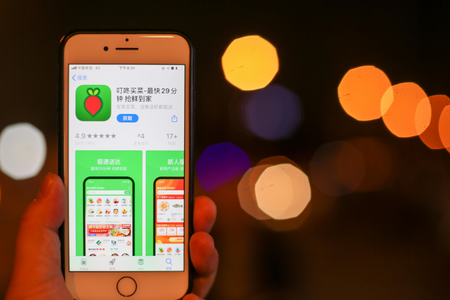
还好哪里有「错配」,哪里就有补位。最近几年,以朴朴超市为代表的即时零售平台,陆续上架了包括HPP西瓜汁、HPP冷萃茶、鲜啤在内的多款更能凸显「鲜」的水饮类商品。

某种程度上,这些探索正在开启一场水饮商品「鲜制化」的商业实验。

01 装进瓶子里,「新鲜」开始看得见

「像把西瓜直接榨进瓶子里,口感和味觉都接近吃西瓜。」社交平台上,有消费者这样形容朴朴自有品牌「优赐」推出的HPP西瓜汁。

这款产品用HPP低温高压杀菌,通过全程冷链,最大限度保留了西瓜刚切开时的新鲜状态,目前1L装西瓜汁的售价是18.8元/瓶。

朴朴超市采销人员表示,今年6月上半月,优赐HPP西瓜汁销量同比增长已超100%,持续受到用户欢迎和回购。

HPP果汁并非全新概念,但过去它是果汁界的「爱马仕」。由于原料、运输、存储的苛刻要求,300毫升的HPP果蔬汁曾卖到50元左右,且只在星级酒店等高端渠道流通。

直到近年HPP果汁进入新零售、即时零售渠道,这类产品才真正走向大众。

茶饮品类里也在发生类似的变化。

传统瓶装茶饮多采用热萃与高温杀菌,茶叶本身的香气易在高温中流失、茶汤易苦涩。朴朴的优赐HPP冷萃茶,用冷萃、HPP和冷链的组合,实现了风味和营养的双重锁鲜。

目前,该品类在朴朴App已积累上万条好评。

相比果汁和茶饮,啤酒市场并不缺新品。消费者能在便利店、商超买到各种熟啤、纯生、精酿。但真正意义上的鲜啤,始终难以被日常货架承接。

鲜啤的灵魂来自活酵母与丰富风味物质,国标明确规定不能热杀菌,因此鲜啤过去更多出现在酒馆、餐厅、精酿门店等有限场景中,消费半径相对较窄,价格也更高。

这让朴朴从中看到了鲜制化的空间。在坚持「真鲜啤」这一产品定位的同时,通过全程冷链尽量锁住风味,再通过高效周转降低损耗,同时确保消费者买到的都是距离生产日期不远的新鲜鲜啤。相比市面上经过灭菌流程、可常温存放的各类啤酒,优赐啤酒更接近现打状态,保质期更短。

采销人员表示,周转最高效的一款优赐鲜啤,保质期已从此前的28天进一步压缩至了21天,就是为了将高效链路和周转所节省出来的赏味期,以更加明确的形式反馈给消费者。

当一款款「鲜制」饮品陆续摆上冷柜、占据家庭冰箱,消费者打开夏天的方式,也从「冰爽」走向了「鲜爽」。

02 供应链如何定义「新鲜」 ?

即时零售之所以能带来消费体验的升级,主要依靠一套强悍的供应链体系托住「新鲜」。

新鲜曾经是对生鲜品类的最高赞誉。一把高山青菜、一盒妃子笑荔枝、一条冰鲜带鱼,生鲜从产地到餐桌的速度,直接左右着消费者对于「鲜」的感知层次 。

但到了水饮品类,新鲜就不只是「时间」这个单一维度。

它更像一道产品设计题:什么样的原料能支撑风味?什么样的工艺能保留口感?什么样的链路能让短保商品以最佳赏味状态抵达消费者的手中?

任何一个环节出现松动,产品就可能从「鲜」滑向「险」。

这也是朴朴「鲜制化」实验更值得讨论的地方。HPP西瓜汁、HPP冷萃茶和鲜啤看似分属不同品类,但它们共用同一套基础能力。

以HPP西瓜汁为例,西瓜极易变质,糖度、产区、采摘时机任何一项变动,都可能让风味波动。

在产地端,朴朴的做法是跨产区布局——在江苏东台、河南夏邑等地分批种植,实现西瓜原料从4月到10月的持续供应;在原料筛选环节,瓜农被要求在采收前先控水增甜,工厂在榨汁前会对西瓜糖度进行量化筛选,然后交由先进的HPP工艺实现锁鲜。

但原料和工艺只是鲜制化商品成立的前半程,真正的难题在于:设计出来的短保质期商品,如何尽快完成流通?

从消费心理学来看,即便保质期同样剩余四分之一,人们往往会更容易接纳常温、长保质期的临期食品。原因无他,一个以「新鲜」为卖点的商品,人们对日期新鲜的阈值也会更低。

换言之,对于鲜制化食品,流通速度关乎品质感受。

而朴朴这类即时零售商的核心优势,恰在于短链路流通、高效率周转,以及最初针对生鲜品类所建立起来的冷链体系。传统经销渠道,商品从工厂到达消费者手中通常要辗转数周;但在朴朴平台上,商品从流水线到朴朴总仓、前置仓,最快只要几天。

这套能力依托朴朴的前置仓体系+大仓模式。自2016年从福州起步,朴朴超市在华东、华南、西南地区10个城市,建起400多个大型前置仓,单仓面积1000多平方米、商品SKU达到近万件。

这个比线下商超前置仓更密、比生鲜电商SKU更多的组合,大大拉升了商品的周转效率。以优赐鲜啤为例,去年该品类平均周转天数在10天以内,畅销单品可控制在一周内。优赐冷萃茶,一般用户拿到手里时,距离产品出厂日不超过两周。

当然,供应链上游愿意和平台一起做这些创新,是因为朴朴的即时零售网络已具备「消化需求」的能力。朴朴在区域市场形成的用户密度、前置仓网络和自有品牌销量,以及基于用户需求的消费趋势洞察,实际上提高了它与上游共同创新的议价能力。

从定义产品到提供确定性较强的销量预期,朴朴正从线上「渠道」变身线上品牌商的角色。

从这一维度来看,不排除朴朴的「鲜制化」实验未来会扩散到更多短保食品品类,比如零食、烘焙等大众品类。

03 即时零售卷向品质化

「30分钟送达」是朴朴的第一块金字招牌。

过去外界讨论即时零售,焦点多放在「快」上。前置仓密度、骑手履约效率,这些能力构成了即时零售的第一层竞争,以及明显区别于传统商超、远场电商的鲜明价值。

但当速度逐渐成为零售行业的「基础设施」后,新的竞争开始转向商品本身。

朴朴的鲜制化实验,只是这场大转向的一个小分支。HPP西瓜汁、HPP冷萃茶、优赐鲜啤等单品的成功,背后验证的是即时零售参与商品定义的能力。

即时零售平台的优势是「快」,但在此前,「快」只带来消费体验的提升;现在它向上游延伸,变成食品工业「新鲜化」的推手——短链路压缩流通时间,自建冷链确保品质稳定,高周转降低损耗,需求驱动的选品提高创新命中率……当这些能力互相叠加,过去因流通门槛过高而无法被规模化生产的商品,有了进入大众日常消费的可能。

从零售业的演变规律来看,伴随零售模式的迭代,人们能买到的商品也在持续迭代。

大卖场时代,包装食品、日化用品借助全国连锁超市的货架走向全国;电商时代,线下大卖场的货架限制被打破,天然适合「无限货架」的女装品类快速崛起;在新零售浪潮下,生鲜、速食、即食类商品迎来高增长,成为新一轮消费升级的一个注脚。

从这个角度来看,呈现「鲜制化」趋势的水饮品类甚至更大范围的工业品,可能就是朴朴这类即时零售平台改变商品供给的一种体现。

无形中,「新鲜」也在改变消费者判断商品的方式。以前买饮料,人们看保质期是关注「还能不能喝」,现在当一名HPP冷萃茶用户看保质期,他更关注的是这瓶茶饮是否还在风味最佳的阶段。

通过用「快」定义商品标准,即时零售将新鲜和健康作为体现商品品质的一个黄金标准,也由此带动新一轮以品质为标尺的消费升级。

「新鲜」也在重塑零售商自有品牌的价值。过去,自有品牌常常被简单等同于品牌「平替」。但在鲜制化商品上,自有品牌更像是一种渠道信任的延伸——消费者愿意购买这些产品,是相信平台的选品标准、品控能力和履约节奏。

新鲜的背后,是平台全链路能力的集中释放。

在我们看来,朴朴的鲜制化实验也为即时零售行业提供了一种新的商品开发范式:当「快」不再停留在履约层,而是向上游延伸,参与原料选择、工艺改造、冷链周转和品质标准重构,平台就有机会从「更快的零售商」进化为「更懂商品的零售商」。

朴朴率先跑通的,正是即时零售从效率竞争走向品质竞争的可能性。

注:文/刘诗雨,文章来源:降噪NoNoise,本文为作者独立观点,不代表亿邦动力立场。

文章来源:降噪NoNoise

广告
微信
朋友圈

FAQ回顾

鲜制化饮品有什么特点?

鲜制化饮品主打健康、新鲜、零添加、配料简单,多采用HPP低温高压杀菌、冷萃等工艺锁鲜,全程冷链配送,保质期更短,能最大程度保留食材本身的风味与营养,价格亲民,适配大众日常消费需求。

即时零售平台做鲜制化商品有什么优势?

即时零售平台拥有短链路流通、高效率周转的特点,配套成熟的冷链体系,可大幅压缩商品从工厂到消费者的流通时间,同时依托高密度前置仓网络和用户需求洞察,可协同上游供应链创新,降低短保商品损耗,保障鲜制商品品质。

朴朴的鲜制化实验目前覆盖了哪些品类?

朴朴的鲜制化实验目前已覆盖水饮赛道,推出自有品牌优赐旗下的HPP西瓜汁、HPP冷萃茶、鲜啤等多款鲜制饮品,未来还可能延伸到零食、烘焙等更多短保食品品类,满足消费者对新鲜健康食品的需求。

为什么过去鲜啤很难在普通商超买到?

鲜啤含有活酵母与丰富风味物质,按规定不能热杀菌,保质期短,过去仅在酒馆、餐厅、精酿门店等有限场景流通,消费半径窄、价格偏高,且传统经销链路长,无法保障鲜啤的风味稳定性,因此很难走入大众日常消费。

这么好看,分享一下?

朋友圈 分享

APP内打开

赞 +1
+1
微信好友 朋友圈 新浪微博 QQ空间
关闭
收藏成功
发送
/140 0