广告
加载中

好特卖开的第一家超市 一股奥乐齐味

雷俊 2026-06-09 10:49
雷俊 2026/06/09 10:49

邦小白快读

EN
全文速览

本文核心内容是靠临期折扣食品起家的好特卖,原有扩张模式增长遇阻,开出首家OK生鲜概念店探索第二增长曲线,核心干货如下

1. 增长现状:好特卖2021年开始全国拓店,2024年6月门店数960家,到2025年12月仅954家,近一年半几乎零增长,还陆续关闭多家门店,原有模式增长已经见顶。

2. 新店调整:首家新店落地上海社区街边底商,面积2000平比普通店大一倍,新增平价生鲜、现制烘焙熟食板块,打造自有品牌,定价大多低于同类竞品,还推出按时折价机制,隔天未售完自动降价匹配价格敏感用户。

3. 待解挑战:新模式需要同时应对零食折扣店和老牌社区生鲜店的双重竞争,还要解决生鲜损耗控制、精细化运营等核心难题,模式尚未跑通。

本文梳理了头部折扣零售品牌好特卖的战略转型,对各类消费品牌把握行业趋势、布局渠道有参考价值,干货如下

1. 行业与消费趋势:当前折扣零售赛道边界正在被打破,同行纷纷向更高频的社区日常消费场景延伸,消费者对平价刚需的生鲜品类需求旺盛,原有临期尾货模式已经出现增长瓶颈。

2. 渠道启示:临期尾货渠道可以帮助品牌消化库存,但该模式本身存在供给不稳定、议价空间有限的短板,品牌可以将其作为库存消化的补充渠道,但不能过度依赖。

3. 产品方向参考:好特卖转型过程中,重点打造平价自有生鲜、烘焙、新鲜零食品牌,主打短保高性价比,贴合价格敏感型社区用户需求,对品牌开发下沉市场、布局自有品牌有参考意义。

本文梳理了折扣零售赛道的现状与头部玩家的转型尝试,能给赛道内卖家提供机会、风险层面的参考,核心干货如下

1. 赛道现状:原有临期折扣模式存在天生约束,货源依赖品牌库存、供给不稳定,上游议价能力弱盈利空间薄,模式易复制缺少壁垒,最终导致门店复购低、客流波动大,增长见顶,同时同行纷纷拓品类抢存量,客流分流压力大。

2. 增长机会:切入社区生鲜能补齐临期模式短板,生鲜属于高频刚需品类,能培养用户固定到店习惯,带来稳定客流,还能带动零食日化品类的连带销售,拉高客单价与复购,在上海等有成熟生鲜供应链的区域可以轻资产启动,门槛较低。

3. 风险提示:切入生鲜会面临零食折扣店和社区生鲜店的双重竞争,且对运营、供应链、损耗控制能力要求极高,目前模式尚未跑通,卖家入局需要提前评估自身能力。

零售端的战略转型给生产工厂带来了新的商业机会与方向启示,核心干货如下

1. 新商业机会:头部折扣零售品牌正在从单一临期尾货经营,向社区刚需全品类转型,新增大量生鲜、熟食、烘焙、短保新鲜零食的品类需求,还在大力开发自有品牌,给工厂带来了代工合作、定向开发产品的新增量机会。

2. 产品生产设计需求:目前折扣品牌新业务主打平价、新鲜、短保,烘焙要求当日现烤,零食主打短保自研,整体面向价格敏感型用户,工厂在产品研发生产环节,可以匹配这类高性价比、短保周转快的需求调整方向。

3. 转型启示:零售端整体在向社区高频消费转型,工厂可以抓住头部折扣品牌拓品类的机遇,依托区域成熟供应链资源,拓展和大连锁品牌的合作,轻资产配合获得稳定订单,降低自身拓市风险。

本文梳理了折扣零售行业的最新转型动向,暴露了行业玩家的痛点,给零售相关服务商指明了业务方向,干货如下

1. 行业发展趋势:国内临期折扣零售经过一轮快速扩张后已经进入增长瓶颈期,头部玩家都在寻找第二增长曲线,纷纷布局社区生鲜赛道,转型对相关服务的需求大幅提升,行业迎来新的服务增量市场。

2. 客户核心痛点:传统折扣品牌做生鲜转型,大多缺少成熟的生鲜供应链资源,缺乏生鲜损耗控制、门店精细化运营的能力,新开社区店还需要重新调整选址规划、动线设计,相关能力缺口较大。

3. 业务机会:服务商可以针对性开发相关产品,比如面向转型品牌推出区域标准化生鲜供应链服务、生鲜损耗管控系统、社区门店选址规划服务,帮助品牌轻资产启动转型,降低转型门槛与运营风险,抓住行业转型的红利。

好特卖的转型尝试,对零售平台把握商家需求、优化运营招商、规避风险有参考价值,核心干货如下

1. 商家新需求:原来主打进驻购物中心的折扣零售品牌,现在开始转向社区街边底商布局,对社区商铺资源、社区流量运营工具、生鲜供应链配套都产生了新的需求,平台可以针对性调整招商与服务方向。

2. 可借鉴的运营做法:好特卖转型过程中,依托区域成熟供应链降低启动重投入,采用平价定价加按时折价的模式培育用户,选址贴合社区常住居民刚需,这些做法平台可以借鉴,用来优化平台内社区零售商家的扶持策略。

3. 风向规避:切入生鲜赛道面临双重竞争,对运营能力要求极高,目前模式尚未跑通,平台在招商社区折扣零售项目时,需要重点评估商家的生鲜运营能力,提前提示相关风险,避免商家大规模扩张后出现关店潮,影响平台整体口碑。

本文呈现了国内折扣零售产业的最新动向,提出了行业发展的新问题,对产业研究具有较高的参考价值,干货如下

1. 产业新动向:国内临期折扣零售赛道经过前期的快速扩张后,已经进入增长瓶颈期,头部玩家开始集体探索第二增长曲线,纷纷向高频社区生鲜品类延伸,打破了原有折扣零售的品类边界,行业竞争逻辑从原来的货源争夺转向社区用户运营能力的竞争。

2. 行业新问题:原有临期尾货商业模式天生存在三大缺陷,分别是货源依附品牌方不稳定、上游议价能力弱盈利薄、门槛低易复制缺少核心壁垒,最终导致复购低客流波动大;头部玩家转型后还面临双重竞争压力,对供应链、运营、损耗控制的要求远高于原有模式,转型能否跑通仍待观察。

3. 研究价值:本次好特卖的社区生鲜折扣店尝试,为研究头部零售企业破局增长、折扣零售商业模式创新提供了鲜活的一手案例,也为研究国内社区零售赛道竞争格局变化提供了新的研究样本。

返回默认
声明:快读内容全程由AI生成,请注意甄别信息。如您发现问题,请发送邮件至 run@ebrun.com 。

我是 品牌商 卖家 工厂 服务商 平台商 研究者 帮我再读一遍。

Quick Summary

This article covers Hot Maxx, the Chinese discount retailer that built its business on near-expiry food, which is facing stalled growth under its original expansion model. The company has opened its first "OK Fresh" concept store to explore a new second growth curve. Key takeaways are as follows:

1. Current growth status: Hot Maxx began its national store expansion in 2021, growing to 960 locations by June 2024. As of December 2025, its total store count stands at just 954, marking almost zero net growth over the past 18 months. The chain has also closed multiple stores in recent periods, indicating that its original business model has hit a growth ceiling.

2. Adjustments to the new concept store: The first OK Fresh store is located in a street-level retail space in a Shanghai residential community. At 2,000 square meters, it is twice the size of a standard Hot Maxx location. It adds affordable fresh produce, in-store baked goods and ready-to-eat cooked food, and develops private label products, most priced lower than comparable offerings from competitors. It also implements a time-based dynamic discount system, where unsold products are automatically discounted the next day to cater to price-sensitive consumers.

3. Unresolved challenges: The new model must compete simultaneously against established discount snack chains and traditional community fresh grocery stores. It also needs to solve core problems including fresh produce waste control and refined operations, and the model has not yet been proven viable at scale.

This article outlines the strategic transformation of leading discount retail brand Hot Maxx, offering valuable insights for consumer brands looking to navigate industry trends and plan channel strategies. Key takeaways are as follows:

1. Industry and consumer trends: The boundaries of China's discount retail sector are blurring, as players increasingly expand into the higher-frequency daily consumption scenarios of residential communities. Consumer demand for affordable, staple fresh produce is strong, and the original near-expiry overstock model has hit a growth bottleneck.

2. Channel takeaways: Near-expiry overstock channels can help brands clear inventory, but the model itself has inherent drawbacks: unstable supply and limited pricing power. Brands can use this channel as a supplementary outlet for excess inventory, but should avoid over-reliance.

3. Product direction insights: During its transformation, Hot Maxx has prioritized building affordable private labels in fresh produce, baked goods, and short-shelf-life fresh snacks, aligning with the needs of price-sensitive community consumers. This offers a useful reference for brands looking to enter lower-tier markets and build out their own private label lines.

This article outlines the current state of China's discount retail sector and the transformation efforts of its leading players, offering reference on opportunities and risks for sellers in the space. Key takeaways are as follows:

1. Sector status quo: The original near-expiry discount model has inherent constraints: it relies on brand overstock for inventory, has unstable supply, limited upstream bargaining power that keeps profit margins thin, and low barriers to entry that make the model easy to replicate with little competitive moat. These issues ultimately lead to low repeat purchase rates, volatile foot traffic, and capped growth. At the same time, peer players are expanding their product categories to capture existing market share, creating heavy pressure of customer diversion.

2. Growth opportunities: Entering the community fresh grocery segment can resolve core weaknesses of the near-expiry model. Fresh produce is a high-frequency staple category that cultivates regular store visit habits, drives stable foot traffic, and boosts cross-sales of snacks and personal care products, lifting average order value and repeat purchases. In regions with mature fresh produce supply chains such as Shanghai, entry can be done with an asset-light model, keeping barriers to entry relatively low.

3. Risk warnings: Entering fresh produce means facing dual competition from existing discount snack chains and established community grocery players. It also requires extremely high capabilities in operations, supply chain management, and waste control. The model is not yet proven viable, so sellers should thoroughly assess their own capabilities before entering the market.

The strategic transformation taking place at the retail end is bringing new business opportunities and directional insights for manufacturing factories. Key takeaways are as follows:

1. New business opportunities: Leading discount retail brands are shifting from operating solely as near-expiry overstock sellers to full-line retailers focused on community staples, creating substantial new demand for fresh produce, cooked food, baked goods, and short-shelf-life fresh snacks. They are also aggressively expanding private label development, bringing new growth opportunities for factories through OEM cooperation and customized product development.

2. Product and manufacturing requirements: The new lines from discount brands are positioned as affordable, fresh, and short-shelf-life: baked goods require in-store daily baking, while snacks focus on private-label short-shelf-life offerings, all targeted at price-sensitive consumers. Factories can adjust their R&D and manufacturing strategies to match this demand for cost-effective, fast-turnaround short-shelf-life products.

3. Transformation insights: The broader retail industry is shifting toward high-frequency community consumption. Factories can leverage the opportunity created by leading discount brands' category expansion, use existing regional mature supply chain resources to expand cooperation with large retail chains, and secure stable orders through an asset-light cooperation model, reducing their own market expansion risks.

This article outlines the latest transformation trends in China's discount retail industry, highlights key pain points for industry players, and points out new business directions for retail-related service providers. Key takeaways are as follows:

1. Industry development trends: After a period of rapid expansion, China's near-expiry discount retail sector has entered a growth bottleneck. Leading players are all searching for a second growth curve and rushing to lay out in the community fresh grocery segment. This transformation has substantially lifted demand for related services, creating a new growing service market for the industry.

2. Core client pain points: Traditional discount brands transitioning into fresh groceries mostly lack mature fresh produce supply chain resources, and capabilities in fresh produce waste control and refined in-store operations. New community store openings also require adjustments to site selection planning and in-store circulation design, creating large capability gaps in these areas.

3. Business opportunities: Service providers can develop targeted solutions, such as regionally standardized fresh produce supply chain services, fresh waste management systems, and community store site selection planning services for transforming brands. These offerings help brands launch their transformation with an asset-light model, lower entry barriers and operational risks, and allow service providers to capture dividends from the industry's transition.

Hot Maxx's transformation attempt offers valuable insights for retail platforms looking to understand merchant demand, optimize operations and merchant recruitment, and mitigate risks. Key takeaways are as follows:

1. New merchant demand: Discount retail brands that originally focused on locating in shopping malls are now shifting to street-level community retail spaces, creating new demand for community commercial property resources, community traffic operation tools, and fresh produce supply chain support. Platforms can adjust their merchant recruitment and service strategies to match this new demand.

2. Operational best practices to adopt: During its transformation, Hot Maxx leveraged regional mature supply chains to reduce heavy upfront investment, used a combination of everyday low pricing plus time-based dynamic discounts to cultivate consumer habits, and located stores to serve the daily needs of local community residents. Platforms can draw on these practices to optimize support strategies for community retail merchants on their platforms.

3. Risk mitigation: Entering the fresh grocery segment brings dual competition and requires far stronger operational capabilities than existing models, and the new model has not yet been proven. When recruiting community discount retail projects, platforms should prioritize assessing merchants' fresh produce operational capabilities, disclose relevant risks in advance, and avoid store closure waves after large-scale expansion that could damage the platform's overall reputation.

This article presents the latest developments in China's discount retail industry, raises new questions about industry development, and offers high reference value for industrial research. Key takeaways are as follows:

1. New industry developments: After a period of rapid expansion, China's near-expiry discount retail sector has entered a growth bottleneck. Leading players have collectively begun searching for a second growth curve, expanding into high-frequency community fresh produce categories and breaking the original category boundaries of discount retail. The core of industry competition has shifted from争夺 inventory sources to competition over community user operation capabilities.

2. New industry challenges: The original near-expiry overstock business model has three inherent flaws: it relies on brand overstock with unstable supply, limited upstream bargaining power keeps profit margins thin, and low barriers to entry mean the model is easy to replicate with little core competitive moat, ultimately leading to low repeat purchases and volatile foot traffic. After transformation, leading players also face dual competitive pressure, and requirements for supply chain, operations, and waste control are far higher than under the original model. It remains to be seen whether the transformation will prove successful.

3. Research value: Hot Maxx's experiment with community discount fresh grocery stores provides a vivid firsthand case for research on how leading retail companies break growth bottlenecks and innovate discount retail business models. It also offers a new research sample for studying changes in the competitive landscape of China's broader community retail sector.

Disclaimer: The "Quick Summary" content is entirely generated by AI. Please exercise discretion when interpreting the information. For issues or corrections, please email run@ebrun.com .

I am a Brand Seller Factory Service Provider Marketplace Seller Researcher Read it again.

导读:从尾货到生鲜,好特卖寻找第二增长曲线。

靠卖临期食品起家的好特卖,开始卖菜了。

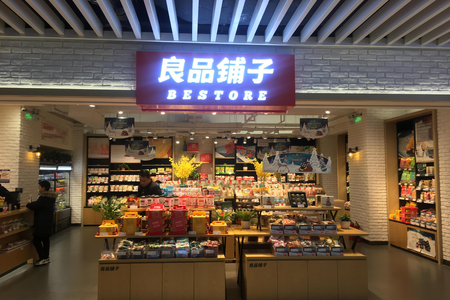
5月22日,好特卖在上海开出首家OK生鲜概念店。作为上海本土折扣连锁品牌,2021年好特卖凭借临期食品、品牌尾货的平价差异化模式,开始全国规模化拓店。

但从2025年开始,这一增长路径明显放缓。根据好特卖联合创始人张宁透露的数据,2024年6月门店数为960家;而截至2025年12月,门店数仅954家,近一年半几乎零增长。极海品牌监测数据显示,好特卖曾在2025年10-12月关闭28家门店;壹览商业数据显示,2026年5月,好特卖关闭广东嘉禾金箔店和南京雨花吾悦广场店。

原有模式增长有限的情况下,好特卖开始寻求第二增长曲线。近日壹览商业来到了好特卖在上海开出首家OK生鲜概念店,看完以后感觉有一股很强烈的奥乐齐味道。

从门店看,好特卖OK店占地约2000平方米,面积比普通标店大出近一倍,划出大面积空间打造现制专区,陈列区动线更开阔。选址逻辑也发生变化,此前好特卖标准门店偏爱进驻购物中心、商超配套铺位,依托商场的自然客流。而好特卖OK店落地社区街边底商,贴合周边常住居民日常刚需消费。

但新的位置,也带来了新的竞争压力。

以首家OK店周边为例,门店50米内有好想来零食店,250米处有一家本土老牌社区生鲜超市,700米外还有零食很忙门店。前者与好特卖争夺折扣零食客群,后者则在蔬菜、水果、肉禽蛋等刚需品类上具备更强的社区渗透能力。

从产品看,门店在原有折扣标品基础上新增平价生鲜板块,同时围绕生鲜、熟食、烘焙打造自有品牌。其中,烘焙区设置20款SKU,主打当日现烤平价面点,价格在4.9-15.9元之间,保质期2-3天;果干、短保饼干类新鲜零食上线11款SKU,推出紫苏酸枣粒、紫苏芒果条、甘草梅饼等多款自研产品。

好特卖为何锚定生鲜赛道找增量?

首先,原有临期尾货模式本身存在增长上限。好特卖早期的核心价值,是替品牌消化库存,并以低价吸引消费者。但这一模式天然存在三点约束:其一,货源依附品牌方库存余量,货品供给稳定性无法保障;其二,采购规模受库存结构限制,上游议价能力有限,单品盈利空间相对较薄;其三,临期货源准入门槛低,商业模式易被同行复制,长期缺少核心竞争壁垒。

这些问题最终都会反映到门店经营上。临期折扣零食带有较强的“淘货”属性,消费者到店往往取决于是否有新鲜感和价格惊喜,但这类需求并不稳定。对门店来说,复购频次不足、客流波动较大,会削弱单店持续增长能力。

生鲜品类恰好能补齐短板,水果、蔬菜、肉蛋等品类具有更高消费频次,也更容易形成固定到店习惯。如果生鲜经营能够跑通,不仅能够持续带来稳定的进店客流,还能够带动零食、日化等品类连带成交,从而拉升整体客单价和复购率,创造增量。

其次,对手的“围追堵截”倒逼好特卖主动防御。当前折扣零售的边界正在被不断打破。超盒算NB、美团快乐猴等折扣商超本身就覆盖零食、日化、生鲜等多品类,万辰集团、三只松鼠、良品铺子等零食品牌也在尝试向更高频的社区消费场景延伸。

当同行不断拓宽品类、加密门店,好特卖如果仍停留在临期尾货和折扣零食为主的模型中,存量客流可能被进一步分流。因此,切入生鲜既是寻找增量,也是防止原有客流被对手截留。

但需注意的是,上述零食品牌的生鲜业务本身尚处探索阶段,未形成可复制的模式。好特卖以同样方式回应,实际上是将自身置于同时与零食折扣店和社区生鲜超市两面竞争的格局。OK店周边既有好想来、零食很忙等零食对手,也有社区生鲜超市分流客源,印证了这一策略可能增加而非减轻竞争复杂度。

最后,好特卖布局生鲜也存在一定的外部便利条件。一方面,上海本地成熟的标准化生鲜供应链体系,能够帮助好特卖以轻资产模式快速落地生鲜板块,省去自建仓储、大额备货的重投入成本,降低了生鲜业务的启动门槛,是好特卖能够快速试水的前提。

另一方面,延续品牌长期积淀的平价心智,好特卖生鲜定价大部分低于同类竞品,如3kg麒麟瓜售价仅17.6元,低于超盒算NB的18.9元,也低于美团快乐猴的17.99元;1kg妃子笑荔枝仅8.7元,低于超盒算NB的19.9元,也低于奥乐齐的16.9元。

同时好特卖推出“按时折价”机制,1kg普罗旺斯番茄售价9.9元,隔天未售完自动降至7.9元,匹配价格敏感型消费群体,便于快速培育用户消费习惯、抢占社区生鲜零售市场。

然而,这些初步尝试尚未回答更根本的问题。

好特卖OK店的核心逻辑,是用生鲜提升到店频次,再带动其他品类销售。这个逻辑在消费场景上成立,但真正的难点在于生鲜业务本身能否持续、稳定运营。生鲜不是简单增加一个品类,而是对门店运营能力、供应链响应速度和损耗控制能力的系统考验。

如果生鲜价格足够低,但损耗过高,门店利润会被快速消耗;如果为了控制损耗而降低备货量,又可能削弱消费者到店体验;如果周边社区生鲜店在蔬菜、肉蛋等刚需品类上更有优势,好特卖的生鲜引流效果也可能不及预期。

对于好特卖来说,卖菜不是一次简单的品类扩充,而是门店模型的一次重构。它需要证明,自己不仅能卖便宜的临期零食,也能经营更高频、更复杂、更依赖精细化运营的社区日常消费。

注:文/雷俊,文章来源:壹览商业(公众号ID:yilanshangye ),本文为作者独立观点,不代表亿邦动力立场。

文章来源:壹览商业

广告
微信
朋友圈

这么好看,分享一下?

朋友圈 分享

APP内打开

赞 +1
+1
微信好友 朋友圈 新浪微博 QQ空间
关闭
收藏成功
发送
/140 0