广告
加载中

“淘宝女装第一股”戎美,超级时装发布成交破记录

亿邦动力 2026-06-03 18:43
亿邦动力 2026/06/03 18:43

邦小白快读

EN
全文速览

本文核心内容是淘宝初代女装商家戎美首次参加淘宝618超级时装发布,拿下当天淘宝天猫服饰成交第一,打破品牌自身单日成交记录的发展故事,从中可以得到这些干货信息:

1. 戎美深耕淘宝20年,是上市的淘宝女装第一股,从线上网店一步步发展到落地上海线下品牌体验店,完成了从网店到品牌的蜕变。

2. 戎美的发展经验值得参考:它坚持不盲目扩张多渠道,认为淘宝对老品牌来说运营成本最低,靠精准定位、优质产品积累了70%的复购率,会员贡献成交超60%,支撑它坚持做品牌不打折,现在还升级体验,让消费者兼顾性价比和品牌面子。

本文给服饰品牌的品牌化发展提供了可参考的干货经验,核心内容如下:

1. 品牌营销方面,可以借助平台官方IP超级时装发布,采用线下时装秀联动线上直播的模式,既可以展示品牌调性提升品牌形象,又能实现高效的成交转化,一举两得。

2. 渠道建设方面,不用盲目跟风全域多渠道扩张,对于深耕多年的品牌来说,聚焦起家的核心平台反而运营成本更低、效率更高,还可以搭配线下体验店,实现线上提成交、线下做体验的双向互补。

3. 用户与定价方面,做好用户沉淀获得高复购后,可以坚持不打折聚焦做品牌,当前消费趋势显示,消费者除了看重高性价比,也越来越重视购买和穿着的面子感,品牌需要兼顾产品力和品牌形象升级,同时淘宝目前有扶植原创商家的政策资源可利用。

对于服饰类线上卖家,本文整理了可参考的政策信息、机会和经验干货如下:

1. 平台政策机会:今年淘宝重点扶植原创服饰商家,推出超级时装发布、原创保护、新品打爆等多项扶持措施,能够帮助初创卖家低成本起步,完成品牌进阶,是可以对接利用的平台资源。

2. 市场机会提示:即便当前女装行业整体承压,不少品牌营收下滑,只要依托核心平台沉淀好高粘性用户,依然可以实现利润率上涨,高复购的用户结构是品牌稳定发展的核心底气。

3. 经验与风险提示:不要盲目扩张非核心渠道拉高运营成本,优先深耕自身起家的优势平台,发展到一定阶段后,可以通过线下体验店加平台官方IP活动升级品牌,满足消费者新需求。

对于服饰类工厂,本文带来产品需求、商业机会和数字化转型的干货启示如下:

1. 产品生产与设计需求:当前女装消费者不仅要求优质面料、高性价比的产品力,还越来越看重品牌调性和穿着的身份感,生产设计端需要配合品牌,兼顾产品品质和符合品牌定位的风格打造,戎美的日系简约高级风就是精准击中消费需求的典型案例。

2. 商业机会:目前淘宝正在大力扶植原创服饰商家,大量从淘宝起步的原创女装品牌都在推进品牌化升级,对符合品质要求的供应链有大量新增需求,对工厂来说是新的合作机会。

3. 自有品牌发展启示:如果工厂要做自有服装品牌,不用一开始就盲目铺多渠道,先深耕一个核心电商平台控制运营成本,逐步积累高复购用户再推进品牌升级,成功率更高。

对于服饰电商相关服务商,本文带来行业趋势、客户痛点和业务机会的干货如下:

1. 行业发展趋势:当前国内服饰行业正在迎来新一轮品牌升级,线上原生女装品牌已经从单纯比拼性价比,转向性价比加品牌形象升级的发展阶段,越来越多淘系原创女装品牌开始布局线下体验店,走线上线下融合的品牌化路线,大量网店已经完成向成熟品牌的蜕变。

2. 客户痛点:当前多数服饰商家都面临品牌升级难、盲目扩张拉高运营成本、成交增长乏力的问题,中小原创商家还面临起步成本高、缺少品牌曝光资源的痛点。

3. 业务机会:服务商可以围绕淘系商家的品牌升级需求,开发线下秀场搭建、线上线下直播联动、线下体验店空间设计等相关服务,对接商家升级需求,也可以和平台官方IP合作拓展业务。

对于电商平台,本文从淘宝和戎美的案例带来运营和发展的干货启示如下:

1. 商家核心需求:商家入驻平台,除了需要流量和成交转化支持,还需要能帮助品牌升级的IP资源、低运营成本的经营环境,以及覆盖不同发展阶段的扶持政策,成熟商家需要品牌曝光升级资源,初创商家需要低成本起步的扶持。

2. 可借鉴的平台运营做法:可以打造类似超级时装发布的官方IP,支持商家结合线下资源做线下秀联动线上直播,既帮商家提升品牌调性,又带动成交转化,同时搭配原创保护、新品打爆等扶持措施,覆盖不同层级商家的需求。

3. 风向规避:平台需要打造低运营成本的商家经营环境,帮助商家控制成本,才能留住成熟头部品牌,打造健康的平台商家生态,避免商家外流。

对于零售和服饰电商产业研究者,本文提供了淘系原生女装品牌发展的典型案例,带来产业研究的干货内容如下:

1. 产业新动向:国内线上原生女装品牌已经进入品牌升级的新阶段,早期靠流量和性价比起家的淘系女装,现在纷纷转向品牌力打造,通过线下体验店加平台官方IP活动完成升级,不少初代网店已经成长为能和国际大牌比肩的成熟品牌。

2. 新商业模式总结:本文呈现了一种新的成功商业模式,即核心平台深耕加线上线下互补加高复购用户支撑品牌升级,不同于行业普遍的全域多平台扩张策略,该模式依托核心平台的低运营成本,能帮助品牌在行业承压期依然实现利润率上涨。

3. 研究启示:中小原创品牌的品牌化不需要盲目多渠道布局,聚焦核心平台控制成本,逐步沉淀用户再升级,是适合原生线上服饰品牌的发展路径,平台的针对性扶持对商家品牌化有显著推动作用。

返回默认
声明:快读内容全程由AI生成,请注意甄别信息。如您发现问题,请发送邮件至 run@ebrun.com 。

我是 品牌商 卖家 工厂 服务商 平台商 研究者 帮我再读一遍。

Quick Summary

This article tells the growth story of Rongmei, one of Taobao’s earliest women’s apparel sellers, which claimed the top spot in apparel sales on Tmall during its first participation in Taobao’s 618 Super Fashion Show event, breaking its own single-day sales record. It shares the following key takeaways:

1. Rongmei has built its business on Taobao for 20 years, and is the first listed women’s apparel brand originated from Taobao. It grew from an online store to opening an offline brand experience store in Shanghai, completing its transformation from an online shop to a full-fledged brand.

2. Rongmei’s development holds valuable lessons: It has refrained from blind multi-channel expansion, believing Taobao offers the lowest operating cost for established brands. Through precise market positioning and high-quality products, it has built a 70% repeat purchase rate, with members contributing over 60% of total sales. This user base enables it to stick to brand positioning without discounting, and it is now upgrading customer experience to help consumers get both great value and brand status.

This article offers actionable insights for apparel brands looking to build up their own branding, with core takeaways as follows:

1. For brand marketing, leveraging platform official IP events like Super Fashion Show, and combining offline fashion shows with online live streaming, allows brands to showcase their identity, boost brand image, and drive efficient sales conversion, killing two birds with one stone.

2. For channel strategy, brands do not need to blindly follow the trend of全域 multi-channel expansion. For brands with deep roots in one platform, focusing on the core platform where they built their business delivers lower operating costs and higher efficiency. Pairing this with an offline experience store creates a complementary model where online drives sales and offline delivers immersive brand experience.

3. For user management and pricing: After building user loyalty and achieving a high repeat purchase rate, brands can maintain full pricing to focus on brand building. Current consumer trends show that beyond value for money, shoppers increasingly care about the social status associated with purchasing and wearing a brand. Brands need to upgrade both product quality and brand image. In addition, brands can take advantage of Taobao’s current policy support for original merchants.

For online apparel sellers, this article summarizes actionable policy insights, opportunities and experience as follows:

1. Platform policy opportunities: Taobao is prioritizing support for original apparel brands this year, rolling out multiple support initiatives including Super Fashion Show, original IP protection, and new product launch programs. These resources help early-stage sellers get started at low cost and advance their brand building, and are well worth leveraging.

2. Market opportunity note: Even when the overall women’s apparel industry is under pressure and many brands are seeing revenue decline, brands can still grow profit margins by building high-loyalty user bases on their core platform. A high-repeat-purchase user structure is the core foundation for stable brand growth.

3. Experience and risk warning: Avoid expanding into non-core channels blindly, which will only push up operating costs. Prioritize deepening your presence on the core platform where you built your business. Once you reach a certain scale, you can upgrade your brand through an offline experience store paired with official platform IP events to meet evolving consumer demands.

For apparel manufacturers, this article shares key insights on product demand, business opportunities and digital transformation as follows:

1. Product design and manufacturing demand: Today’s women’s apparel consumers not only require high-quality fabrics and value for money, but also increasingly care about brand identity and the social status conveyed by the clothing. Manufacturers need to work with brands to deliver both product quality and styling that aligns with the brand’s positioning. Rongmei’s minimalist high-end Japanese style is a典型 example of accurately hitting this consumer demand.

2. Business opportunities: Taobao is currently heavily supporting original apparel merchants, and a large number of Taobao-originated original women’s apparel brands are advancing their brand upgrades, creating strong new demand for high-quality supply chains. This represents a major new cooperation opportunity for factories.

3. Insights for private label development: If a factory wants to launch its own apparel brand, it does not need to roll out across multiple channels right from the start. Building a deep presence on one core e-commerce platform first to control operating costs, gradually accumulating high-repeat-purchase users before advancing brand upgrades, delivers a far higher success rate.

For apparel e-commerce service providers, this article outlines key industry trends, client pain points and business opportunities as follows:

1. Industry development trend: China’s apparel industry is entering a new round of brand upgrading. Online-native women’s apparel brands have moved beyond competing purely on value for money, and are now focusing on a combination of affordability and brand image upgrading. A growing number of Taobao-based original apparel brands are opening offline experience stores, pursuing an omni-channel brand development route that blends online and offline operations. Many early online stores have already completed their transformation into mature brands.

2. Client pain points: Most apparel brands currently struggle with brand upgrading challenges, rising operating costs from blind expansion, and stagnant sales growth. Small and medium-sized original brands also face pain points including high startup costs and a lack of brand exposure resources.

3. Business opportunities: Service providers can develop offerings aligned with the brand upgrading needs of Taobao merchants, including offline fashion show construction, offline-online live streaming integration, and offline experience store space design. This allows providers to meet merchants’ upgrading demand, and they can also expand business by partnering with official platform IP events.

For e-commerce platforms, this article draws operational and development insights from the Taobao-Rongmei case as follows:

1. Core merchant demands: When merchants join a platform, beyond traffic and conversion support, they also need IP resources to support brand upgrading, a low-operating-cost business environment, and support policies tailored to different growth stages. Mature brands need exposure and upgrading resources, while early-stage brands need support for low-cost startup.

2. Replicable operational practices: Platforms can build official IP events similar to Super Fashion Show, supporting merchants to combine offline resources with offline shows and online live streaming. This helps merchants boost their brand identity while driving sales conversion, and can be paired with support initiatives such as original protection and new product launch programs to meet the needs of merchants at different tiers.

3. Risk mitigation: To retain mature leading brands and build a healthy platform ecosystem that prevents merchant outflow, platforms need to cultivate a low-operating-cost business environment that helps merchants control costs.

For researchers of retail and apparel e-commerce, this article provides a典型 case study of the development of Taobao-native women’s apparel brands, with the following key industry research takeaways:

1. New industry trends: China’s online-native women’s apparel brands have entered a new stage of brand upgrading. Early Taobao apparel brands that built their business on traffic and affordability are now shifting focus to building brand power. They are completing upgrading through a combination of offline experience stores and official platform IP events, and many early online stores have grown into mature brands that can compete with international luxury brands.

2. New successful business model: This article outlines a proven new business model: deep focus on a core platform, online-offline complementarity, and brand upgrading supported by a high-repeat-purchase user base. Unlike the industry’s common strategy of multi-platform expansion, this model leverages the low operating cost of a core platform to enable brands to grow profit margins even during industry downturns.

3. Research implications: For small and medium-sized original brands, brand building does not require blind multi-channel expansion. Focusing on a core platform to control costs, gradually accumulating users before advancing upgrading, is a development path well-suited for online-native apparel brands. Targeted platform support plays a significant role in driving merchant brand building.

Disclaimer: The "Quick Summary" content is entirely generated by AI. Please exercise discretion when interpreting the information. For issues or corrections, please email run@ebrun.com .

I am a Brand Seller Factory Service Provider Marketplace Seller Researcher Read it again.

“成交第一!”5月31日24点刚过,坐落于上海的戎美之家一片欢呼。

深耕淘宝20年的初代女装商家戎美,一向不参加平台大促,今年618首次登上「超级时装发布」,就是看中这个IP打造品牌的势能。通过线下门店的时装大秀,联动线上直播,单日直播成交突破品牌历史记录,成为当天淘宝天猫服饰商家成交TOP1。

“淘宝运营成本是最低的”

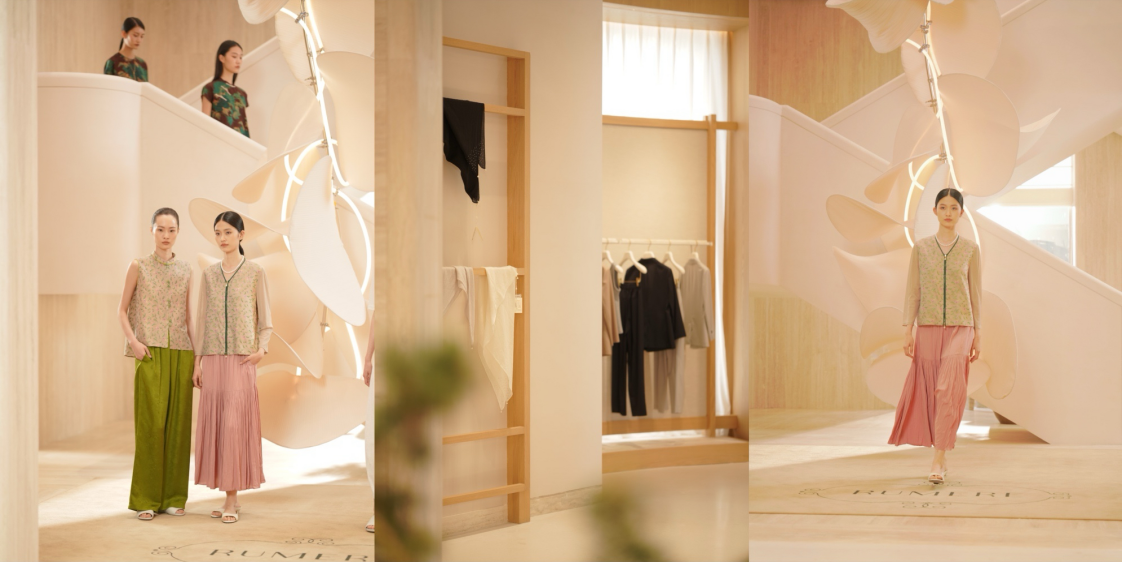
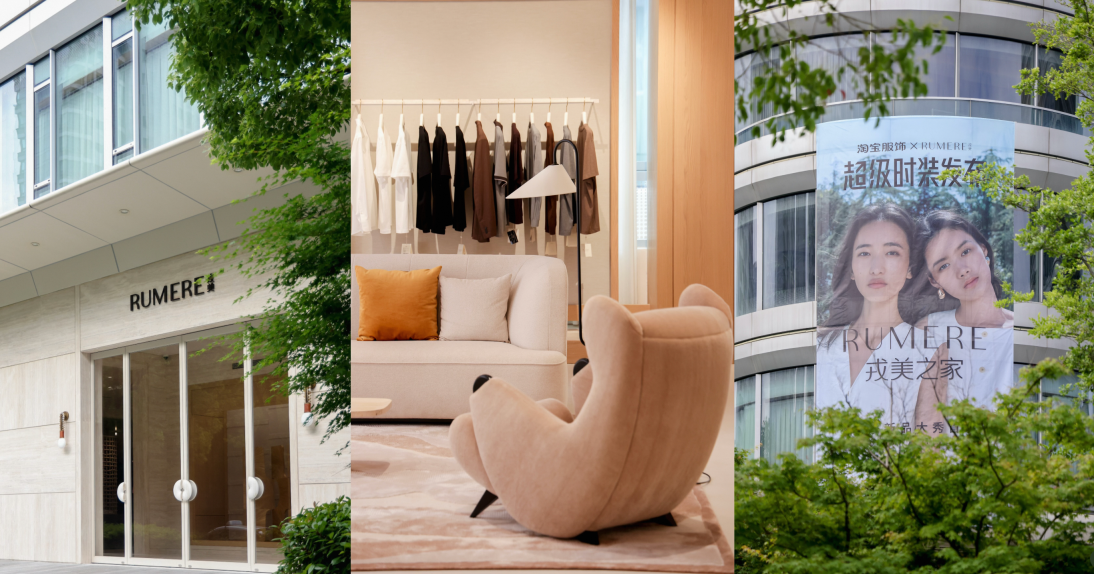
本次超级时装发布,在品牌线下体验店上海“戎美之家”举办,浅米色店铺陈列、店内挑高中庭与柔和光影,完整还原品牌标志性的日系简约高级感,有那么一瞬仿佛置身于国际大牌的门店。

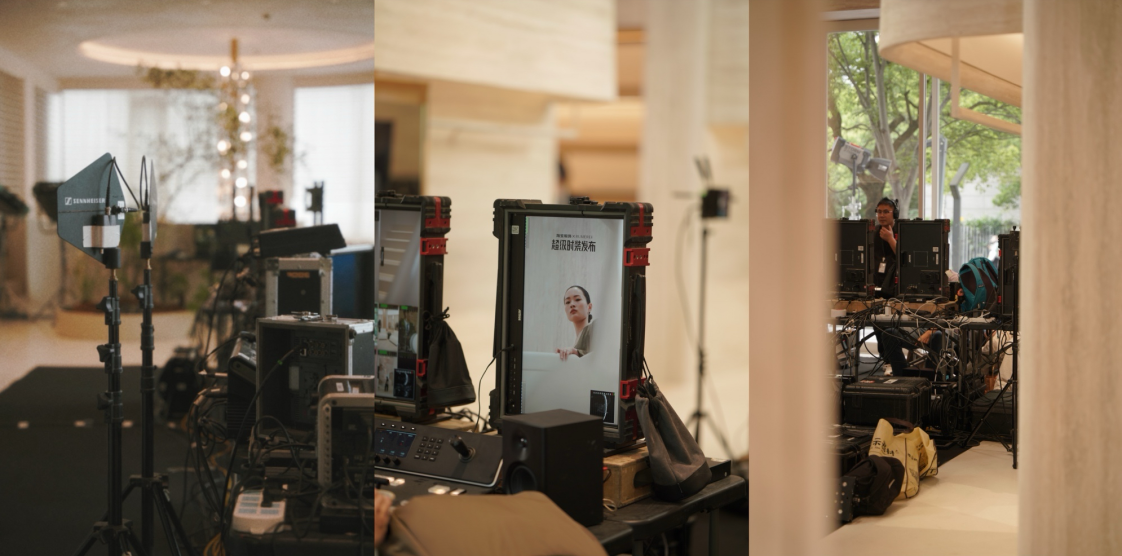
现场专业秀场灯光和设备,让线上直播间和线下实景实时联动。在展示了品牌调性的同时,借助「超级时装发布」实现直播高效转化,开卖一小时,就实现了成交爆发。

戎美「超级时装发布」走秀彩排现场

在行业普遍全域布局、多平台扩张的背景下,戎美坚持把淘宝作为核心阵地,不盲目拓展外部渠道。创始人郭健、温迪夫妇强调:“我们从淘宝起家,没有不做淘宝的理由。从成本、效率的角度来说,对于我们这种20年老店,在淘宝运营的成本是最低的。”

戎美创始人郭建、温迪夫妇在接受亿邦动力采访

想让粉丝买戎美,不仅有里子,更有面子

早年创始人温迪凭借精准的日系高端女装定位、优质面料以及高性价比优势,从淘宝店起步,快速沉淀了第一批种子用户,逐步成为淘宝头部女装店铺。

2026年,戎美线下品牌体验店落地上海,实现了线上成交不断突破、线下积累品牌体验的双向互补。纵观戎美的全周期发展,其始终扎根在淘宝生态之上。

位于上海的戎美之家品牌线下体验店

即使在女装行业普遍承压、品牌营收双位数下滑,依托淘宝沉淀的高粘性用户,戎美利润率仍是上涨的。平台数据显示,戎美淘宝店铺整体复购率达70%,会员贡献成交占比超60%,高复购的用户结构,正是戎美敢于坚持不打折、重产品、做品牌的底气所在。

此次参与淘宝「超级时装发布」,就是看中这种合作,不仅能直播带货,做成交爆发,还能通过时装大秀,提升品牌形象。创始人郭建表示,过往戎美注重的是性价比,现在意识到,让粉丝“穿得有面子”也是很重要的消费体验。

因此,他们斥巨资在上海开线下体验店、也积极和平台互动,参加「超级时装发布」,就是为了让戎美消费者“买得有面子、穿得有里子,还能省票子”。

从初代淘宝女装商家,到率先上市,成为“淘宝女装第一股”;从线上店铺到线下“戎美之家”,20年的成长轨迹,实现了从网店到品牌的蜕变。

不只是戎美,中生代的CHIC JOC、开间、UNICA,以及新锐女装商家素舶、Alright then、你好卡农……,都是在淘宝起步,参加超级时装发布,走到线下开店,成为和大牌比邻而居的女装品牌。

今年以来,淘宝一直致力于扶植原创商家,通过超级时装发布、原创保护、新品打爆等方式,帮助还在初创阶段的服饰商家,实现低成本起步,走上品牌进阶之路。

文章来源:亿邦动力

广告
微信
朋友圈

这么好看,分享一下?

朋友圈 分享

APP内打开

赞 +1
+1
微信好友 朋友圈 新浪微博 QQ空间
关闭
收藏成功
发送
/140 0