



广告
加载中

超六成越南消费者每周都在直播间购物 品牌官号成为最重要触达途径

王昱 2026-05-11 16:27
王昱 2026/05/11 16:27

邦小白快读

EN
全文速览

直播电商在越南已成为主流消费方式,提供实用购物指南。

1.67%的线上支出发生在直播购物中,60%消费者每周通过直播网购,主要集中在晚间时段,表明直播是日常消费的重要渠道。

2.热门商品包括时尚、美妆和个人护理产品,这些品类通过直播的实时演示和互动增强信任,帮助消费者更好理解商品。

3.品牌官方账号是主要入口,50%消费者更倾向在官方直播间购物,相比KOL推荐更可靠,建议优先选择官方认证保障正品。

4.驱动购买的关键因素包括价格竞争力(56%消费者因低价下单)、专属优惠(43%受限时折扣影响)和算法推荐(44%认可平台推送),这些实操点可优化购物决策。

5.消费者行为显示,47%在进入直播间时无明确计划,冲动消费仅13%,因此需结合促销和内容吸引力促成转化,避免单纯依赖低价。

直播电商为品牌营销和渠道建设提供新机遇,需强化官方策略。

1.品牌渠道建设:品牌官方账号是主要流量入口,50%消费者偏好官方直播间,是KOL渠道的两倍,表明自播体系能提升信任和成交率。

2.品牌定价和价格竞争:82%消费者受价格和促销主导,品牌需为直播提供专属优惠以区别传统渠道,但仅低价不足,需结合限时机制刺激转化。

3.消费趋势和用户行为:直播优势在于互动性(59%增强信任)和产品展示(53%认可),适合高展示性商品如时尚美妆;60%消费者每周直播购物,晚间时段是黄金窗口。

4.产品研发启示:消费者更关注“官方正品”,品牌应优化直播内容如实时演示,以缩短决策路径;KOL影响力弱化(仅24%重视),转向品牌自播更具长期价值。

5.风险提示:依赖低价可能失去核心吸引力,建议通过需求培育、稳定排期和专属权益体系强化用户黏性。

直播电商在越南带来增长机会,需把握消费变化和应对策略。

1.增长市场和机会提示:67%线上支出在直播中,60%消费者每周购物,表明市场潜力大;算法推荐(44%消费者认可)和专属优惠(43%驱动决策)是可利用的增长点。

2.消费需求变化:47%消费者在考虑阶段进入直播,冲动消费仅13%,转化需价格、促销和内容吸引力叠加;品类偏好如时尚美妆提供细分机会。

3.正面影响和可学习点:品牌自播体系崛起,官方账号成交率更高,卖家可学习官方认证和稳定直播排程以提升信任。

4.风险提示和事件应对:依赖低价竞争风险高(82%消费者受价格主导),可能失去吸引力;建议通过需求培育和专属权益规避风险。

5.最新商业模式:KOL模式弱化,品牌自有直播成为主流,卖家可探索合作方式如平台算法优化,以刺激即时转化。

直播电商启示产品生产和设计需求,推动商业机会和数字化转型。

1.产品生产和设计需求:热门品类如时尚、美妆和个人护理需高展示性,直播强调实时演示和实物展示(31%消费者认可),工厂应优化产品可视化设计以适配直播需求。

2.商业机会:品牌自播趋势增长,50%消费者偏好官方渠道,可能增加对特定产品的需求;专属优惠机制(如限时折扣)启示工厂参与促销合作。

3.推进数字化和电商启示:直播作为电商基础设施(67%线上支出占比),工厂需关注数字化渠道如算法推荐(44%驱动成交),启示整合电商平台以拓展市场。

4.风险与机会:消费者行为显示冲动消费少(仅13%),工厂应聚焦于需求培育和产品展示能力,避免单纯低价竞争。

直播电商发展凸显行业趋势和解决方案需求,需关注新技术和客户痛点。

1.行业发展趋势:直播已成为越南电商核心基础设施,60%消费者每周购物;互动性(59%增强信任)和产品展示能力(53%认可)是主要优势。

2.新技术应用:算法推荐(44%消费者受其影响)是关键变量,能精准推送商品;实时互动技术解决静态页面局限,服务商可开发相关工具。

3.客户痛点:信任问题是核心痛点,直播通过官方认证和实物展示(31%解决展示问题)缓解;KOL影响力下降(仅24%重视),品牌转向自播需求增长。

4.解决方案:提供品牌自播体系支持,如专属优惠机制和稳定排程工具;针对47%消费者在考虑阶段,服务商可设计需求培育方案以提升转化率。

平台需优化直播功能以满足商业需求和规避风险,强化运营管理。

1.商业对平台的需求和问题:品牌需要专属优惠和官方认证支持(50%消费者偏好),平台应提供差异化机制;算法推荐(44%驱动成交)是核心需求,需精准推送。

2.平台的最新做法和招商:直播时段集中在晚间(30%占比),平台可优化排程吸引用户;品牌自播趋势崛起,招商重点转向官方账号。

3.运营管理:直播优势在于互动性和展示能力,平台需强化这些功能以提升信任;60%消费者每周购物,表明用户黏性高,但需稳定内容。

4.风向规避:依赖低价竞争风险大(82%消费者受价格主导),可能失去吸引力;建议通过需求培育和专属权益体系规避,同时监控KOL弱化趋势(仅24%重视)。

直播电商揭示产业新动向和商业模式变革,提供政策启示。

1.产业新动向:品牌自播体系崛起,替代KOL依赖(官方账号价值更高),直播已成为基础设施(67%线上支出占比),消费电子和时尚行业趋势明显。

2.新问题:冲动消费特征弱(仅13%),47%消费者在考虑阶段,转化需多重因素如价格、促销和内容吸引力;KOL公信力下降(24%重视)引发信任机制问题。

3.政策法规建议和启示:报告建议需求培育和稳定直播排期,政策可支持官方认证体系;专属优惠机制需平衡低价风险,启示监管促销活动。

4.商业模式:品牌自有直播更具长期价值,通过互动性(59%信任增强)和算法推荐(44%推动成交)优化;消费行为如晚间集中购物(30%)提供运营模式参考。

返回默认

声明:快读内容全程由AI生成,请注意甄别信息。如您发现问题,请发送邮件至 run@ebrun.com 。

我是 品牌商 卖家 工厂 服务商 平台商 研究者 帮我再读一遍。

Quick Summary

Live-stream shopping has become a mainstream consumption method in Vietnam, offering practical shopping guidance.

1. 67% of online spending occurs during live-stream shopping, with 60% of consumers shopping via livestreams weekly, primarily in the evening, indicating its role as a key daily consumption channel.

2. Popular categories include fashion, beauty, and personal care products, where real-time demonstrations and interaction build trust and help consumers better understand products.

3. Brand-owned accounts are the primary entry point, with 50% of consumers preferring to shop in official livestreams for greater reliability over KOL recommendations; choosing officially certified channels is advised to ensure authenticity.

4. Key purchase drivers include price competitiveness (56% of consumers buy due to low prices), exclusive offers (43% are influenced by limited-time discounts), and algorithm recommendations (44% trust platform suggestions), which can be leveraged to optimize shopping decisions.

5. Consumer behavior shows 47% enter livestreams without a specific purchase plan, while only 13% make impulse buys; thus, combining promotions with engaging content is crucial for conversion, rather than relying solely on low prices.

Live-stream commerce presents new opportunities for brand marketing and channel development, requiring a strengthened owned-channel strategy.

1. Channel Development: Brand-owned accounts are the main traffic entry point, preferred by 50% of consumers—double the preference for KOL channels—indicating that self-hosted streams boost trust and conversion rates.

2. Pricing and Competition: 82% of consumers are driven by price and promotions; brands should offer livestream-exclusive deals to differentiate from traditional channels, but must pair discounts with urgency (e.g., limited-time offers) to drive conversions.

3. Consumer Trends: Livestreams excel in interactivity (59% say it builds trust) and product demonstration (53% value this), making them ideal for high-engagement categories like fashion and beauty; 60% of consumers shop weekly via livestreams, with evenings being peak hours.

4. Product and Content Insights: Consumers prioritize "official authenticity"; brands should optimize live demonstrations to shorten decision paths. With KOL influence waning (only 24% prioritize it), investing in owned livestreams offers long-term value.

5. Risk Mitigation: Over-reliance on discounts may erode brand appeal; instead, focus on demand cultivation, consistent scheduling, and exclusive member benefits to enhance loyalty.

Live-stream commerce in Vietnam offers growth opportunities, requiring adaptation to shifting consumer behaviors and strategies.

1. Market Potential: 67% of online spending occurs in livestreams, and 60% of consumers shop weekly, indicating significant potential; algorithm recommendations (44% of consumers trust them) and exclusive offers (43% drive decisions) are key levers for growth.

2. Evolving Demand: 47% of consumers enter livestreams during the consideration phase, with only 13% making impulse purchases; conversion requires a blend of competitive pricing, promotions, and compelling content. Category preferences (e.g., fashion/beauty) present niche opportunities.

3. Best Practices: The rise of brand-owned streams—where official accounts achieve higher conversion—offers lessons; sellers can emulate certification and consistent scheduling to build trust.

4. Risks and Responses: Heavy price competition is risky (82% of consumers are price-driven) and may dilute appeal; mitigate this by cultivating demand and offering exclusive perks.

5. Emerging Models: As KOL influence declines, brand-hosted livestreams are becoming mainstream; sellers can explore partnerships, such as optimizing for platform algorithms, to spur immediate conversions.

Live-stream commerce informs product design and production needs, driving commercial opportunities and digital transformation.

1. Product Design: High-visual categories like fashion, beauty, and personal care thrive in livestreams, which emphasize real-time demonstrations (31% of consumers value this); factories should optimize products for visual appeal to align with livestream requirements.

2. Commercial Opportunities: The growth of brand-owned streams (50% consumer preference for official channels) may increase demand for specific products; exclusive promotion mechanisms (e.g., limited-time discounts) suggest factories can engage in co-promotion partnerships.

3. Digital Integration: Livestreams represent core e-commerce infrastructure (67% of online spending), urging factories to leverage digital channels like algorithm recommendations (44% drive sales) and integrate with e-commerce platforms for market expansion.

4. Risks and Focus: With low impulse buying (only 13%), factories should prioritize demand cultivation and product展示 capabilities over competing solely on price.

Live-stream commerce growth highlights industry trends and solution needs, emphasizing technology and client pain points.

1. Industry Trends: Livestreaming is now core to Vietnam’s e-commerce, with 60% of consumers shopping weekly; interactivity (59% say it builds trust) and product demonstration (53% value it) are key advantages.

2. Technology Applications: Algorithmic recommendations (44% of consumers influenced) enable precise targeting, while real-time interaction tools address static page limitations; service providers can develop related technologies.

3. Client Pain Points: Trust is a central issue, mitigated through official certification and live product展示 (31% resolve展示 concerns); with KOL influence declining (only 24% prioritize it), brands are shifting to owned livestreams.

4. Solutions: Support brand-owned streams with tools for exclusive offers and scheduling stability; for the 47% of consumers in the consideration phase, design demand-nurturing solutions to boost conversion.

Platforms must optimize livestream features to meet commercial needs and mitigate risks, enhancing operational management.

1. Merchant Needs: Brands require support for exclusive offers and official certification (50% consumer preference), necessitating differentiated platform mechanisms; algorithm recommendations (44% drive sales) are critical for precision targeting.

2. Platform Strategies: Livestreams peak in the evening (30% of activity); platforms can optimize scheduling to attract users. With the rise of brand-owned streams, merchant acquisition should focus on official accounts.

3. Operations: Livestreams’ strengths in interactivity and demonstration require platform reinforcement to build trust; 60% weekly usage indicates high engagement, but consistent content is key.

4. Risk Management: Over-reliance on price competition is risky (82% of consumers are price-driven) and may reduce appeal; platforms should encourage demand cultivation and exclusive benefits, while monitoring the decline in KOL influence (only 24% prioritize it).

Live-stream commerce reveals industry shifts and business model transformations, offering policy insights.

1. Industry Trends: Brand-owned livestreams are rising, reducing reliance on KOLs (official accounts hold higher value); livestreaming is now infrastructure (67% of online spending), with clear trends in consumer electronics and fashion.

2. Emerging Issues: Impulse buying is low (only 13%), while 47% of consumers are in the consideration phase, requiring a mix of price, promotion, and content for conversion; declining KOL credibility (24% prioritize it) raises trust mechanism questions.

3. Policy Implications: The report advocates demand cultivation and stable scheduling; policies could support official certification systems. Exclusive offer mechanisms must balance low-price risks, informing regulation of promotions.

4. Business Models: Brand-hosted streams offer long-term value through interactivity (59% trust boost) and algorithm recommendations (44% drive sales); behavioral patterns like evening shopping peaks (30%) inform operational models.

Disclaimer: The "Quick Summary" content is entirely generated by AI. Please exercise discretion when interpreting the information. For issues or corrections, please email run@ebrun.com .

I am a Brand Seller Factory Service Provider Marketplace Seller Researcher Read it again.

【亿邦原创】5月11日消息,市场研究机构 QandMe 日前发布《越南直播商业流行度报告》指出,直播电商在越南市场已从传统电商的辅助销售方式,逐渐演变为线上消费的重要基础设施。

报告显示,在受访消费者的线上总支出中,约67%已经发生在直播购物场景中,意味着直播渠道正在成为越南电商生态中的核心组成部分。

从品类表现来看,时尚、美妆以及个人护理产品,成为越南消费者在直播间中最青睐的三大商品类别。这也反映出直播电商对于高展示性、高互动性商品的天然适配能力。相比传统图文页面,直播能够通过实时演示、试用讲解以及即时互动,进一步提升消费者对商品的理解和信任。

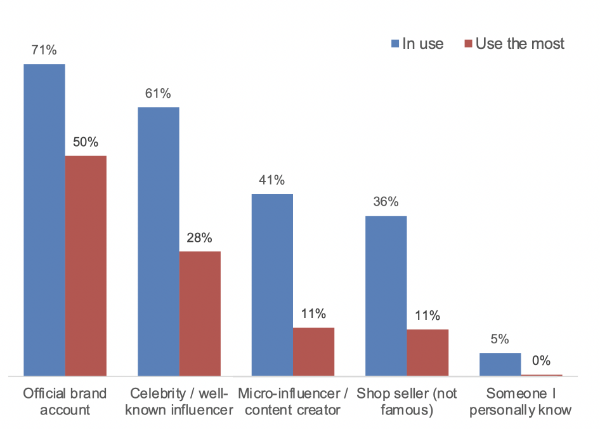
报告显示,品牌官方账号正在成为越南直播电商体系中最重要的流量入口和成交渠道。在受访者中,约半数消费者表示,他们更倾向于在带有官方认证的品牌直播间购物。

这一比例几乎达到通过KOL或名人推荐进入直播间消费者数量的两倍,更是普通卖家推荐渠道的五倍。相比依赖达人带货,越来越多消费者开始将“官方正品”视为购物决策的重要保障。

与此同时,越南消费者的直播购物行为并未完全呈现“冲动消费”特征。数据显示,47%的用户在进入直播间时仍处于商品考虑阶段,并没有明确的购买计划,真正促成交易的关键,在于价格、促销时机以及直播内容吸引力等多重因素叠加后的即时转化效果。相比之下,典型的冲动型直播消费人群仅占约13%。

在影响购买决策的因素中,价格和促销活动仍然占据主导地位,占比高达82%。不过,直播相较传统电商平台最大的差异化优势,则体现在互动性和产品展示能力方面。

其中,59%的消费者认为直播中的实时互动能够增强购买信任,53%的消费者则认可主播即时讲解产品的能力。这种动态展示方式,相较传统静态商品页面,更有助于缩短消费者决策路径。

报告还进一步梳理了驱动越南消费者直播购物的六大核心动机。56%的消费者表示,他们会因为直播间价格更具竞争力而选择下单;43%的消费者则会受到直播专属优惠券、限时折扣以及稀缺性营销的影响,从而加快购买决策。

此外,平台算法推荐能力也正在成为推动直播成交的重要变量。约44%的受访者表示,内容分发算法能够在合适时间将相关商品推送给目标用户,从而激发购买兴趣。另有31%的消费者认为,主播通过实物展示和现场演示,可以有效解决静态图片难以呈现的问题。

值得注意的是,尽管KOL营销仍具影响力,但其重要性已出现弱化趋势。仅24%的消费者认为KOL公信力对购买决策具有重要作用,而23%的消费者则更加认可品牌官方账号在建立信任和推动成交方面的价值。这意味着,品牌自播体系正在逐步替代过去高度依赖达人流量的直播商业模式。

QandMe指出,直播已经成为部分越南消费者的主要购物方式。报告显示,60%的受访者每周都会通过直播进行网购,而观看直播的时间则主要集中在晚间居家时段,占比约30%。

在此背景下,研究机构建议品牌方重新审视直播电商的战略定位。由于超过半数消费者以“最低价”为核心目标进入直播间,品牌必须为直播渠道提供区别于传统电商平台及线下零售体系的专属优惠,否则直播将失去其最核心的吸引力。

不过,报告同时强调,仅依赖低价竞争并不足以长期驱动成交。当前最普遍的消费路径,依然是用户先形成潜在需求,再在直播过程中被优惠、限时机制及即时内容刺激完成转化。因此,企业需要在直播前持续进行需求培育,并通过稳定直播排期、官方认证以及专属权益体系,进一步强化用户黏性和品牌信任。

QandMe认为,对于快消品、消费电子以及时尚等多个行业而言,建立品牌自有直播体系,正在成为比单纯依赖头部达人更具长期价值的经营策略。随着消费者对“官方正品”认知不断强化,品牌直播间未来或将在越南电商市场中占据更加核心的位置。


亿邦持续追踪报道该情报,如想了解更多与本文相关信息,请扫码关注作者微信。

文章来源:亿邦动力

广告
微信
朋友圈

这么好看,分享一下?

朋友圈 分享

APP内打开

+1
+1
微信好友 朋友圈 新浪微博 QQ空间
关闭
收藏成功
发送
/140 0