广告
加载中

TikTok Shop美区发布新规:买家责任退货运费改由商家全额承担

王昱 2026-05-09 04:50
王昱 2026/05/09 04:50

邦小白快读

EN
全文速览

政策变化重点信息。

1. TikTok Shop美区将于2026年6月起实施新规,买家责任退货(如不再需要、尺码不合适)的运费全由商家承担。

2. 此前费用分担灵活,新规明确商家责任边界,取消平台或消费者分摊。

对商家的实操影响。

1. 高退货率品类如服饰和鞋靴(退货率15-25%)面临利润压缩,单笔退货可能吞噬半数以上利润。

2. 以女装为例:30美元商品毛利约9美元,退货运费3-6美元,成本成固定负担。

应对策略实操干货。

1. 利用平台上线全链路经营成本可视化服务,通过数据反馈优化商品详情页、包装和履约体验,降低退货率。

2. 选择可选型商家保障险,对冲退货成本波动风险(如大促期间)。

品牌定价和价格竞争优化点。

1. 新规允许商家将退货运费纳入商品定价体系,提升成本控制自主权,需重新评估定价策略以补偿潜在损失。

2. 高退货率品类如服饰,需预防因尺寸不合适导致退货增加成本。

消费趋势和用户行为启示。

1. 美国市场退货率长期较高(15-25%),反映用户对尺寸和需求的敏感性,启示品牌精准定位消费趋势。

2. 优化产品研发:通过数据反馈减少尺寸偏差,提升用户体验降低退货风险。

品牌渠道建设机会。

1. 利用平台全链路成本可视化服务分析退货费用构成,优化渠道管理(如仓储和售后)。

2. 商家保障险提供风险管理工具,增强品牌在渠道中的稳定性。

政策解读与风险提示。

1. TikTok Shop美区2026年6月新规:买家责任退货运费由商家全额承担,取代旧分摊模式。

2. 风险:利润空间压缩,如女装退货可损失3-6美元运费,吞噬50%以上毛利;退货率15-25%成固定成本负担。

事件应对措施和机会提示。

1. 应对措施:利用平台全链路成本可视化服务优化商品页、包装和履约,减少信息偏差导致退货。

2. 机会:可选商家保障险对冲大促或季节波动风险,稳定现金流。

可学习点和商业模式调整。

1. 学习平台成本测算方法(如30美元商品案例),重新设计运营模式降低退货率。

2. 扶持政策如可视化工具,提供增长市场数据支持,帮助卖家适应新规。

产品生产和设计需求优化。

1. 高退货率品类如服饰面临尺寸不合适问题,启示工厂优化生产标准(如更精准尺寸设计)减少退货原因。

2. 需求转变:开发更高质量产品,降低用户退货倾向,应对成本增加风险。

推进数字化和电商的启示。

1. 平台全链路成本可视化服务提供数据反馈,启示工厂利用数字化工具分析仓储和物流环节,优化生产流程。

2. 电商趋势:退货成本量化负担,推动工厂结合电商需求(如包装改进)提升效率。

商业机会挖掘。

1. 机会:合作品牌商提供低退货率产品,开拓市场;如从退货数据中识别设计改进点。

2. 保险机制启示:工厂可探索类似风险管理模型提升供应链稳定性。

行业发展趋势和新技术应用。

1. TikTok Shop推动退货体系向商家自担型转变,目标是建立成本可测算、风险可管理体系。

2. 新技术:全链路成本可视化服务利用数据反馈优化商品详情和履约,降低退货率。

客户痛点和解决方案。

1. 痛点:商家面临高退货成本波动(如大促期)和利润不稳定。

2. 解决方案:平台推出可选商家保障险对冲风险;服务商可参考开发类似工具(如数据化分析服务)。

行业机会与服务创新。

1. 从新规中提取客户需求:如退货费用构成分析(物流、仓储),服务商可提供定制解决方案。

2. 商业模式启示:配套措施显示风险管理是趋势,服务商可拓展数字化服务或保险产品。

平台的最新做法和运营管理。

1. TikTok Shop新规:2026年6月起买家责任退货运费由商家承担,配套上线全链路成本可视化服务和可选商家保障险。

2. 运营目标:推动退货体系从平台补贴型转向商家自担型,强调成本可测算和风险可管理。

商业需求和平台招商策略。

1. 需求:商家对定价自主权提升的需求,平台通过新规平衡责任,招商时可突出风险保障工具。

2. 问题:如何缓解商家成本压力,平台用可视化数据优化运营管理(如商品页改进)。

风向规避和举措启示。

1. 规避退货风险:通过保险机制减少集中退货冲击现金流,确保平台稳定性。

2. 启示:数据化管理工具作为招商亮点,帮助卖家优化风向,提升平台吸引力。

产业新动向和新问题分析。

1. 新动向:TikTok Shop美区重塑退货责任结构,向商家自担型转变,减少平台补贴。

2. 新问题:退货成本从偶发支出演变为可量化经营负担,如退货率15-25%成固定成本。

政策法规建议和商业模式启示。

1. 建议:数据化管理(如全链路可视化服务)可推广为政策工具,帮助商家预测成本。

2. 启示:保险机制提供风险管理模式,适合其他电商平台借鉴。

产业案例和研究价值。

1. 案例:女装业务30美元商品利润损失分析,显示商业模式调整必要性。

2. 趋势:平台配套措施反映产业向成本可控体系发展,研究者可探索法规影响或创新模式。

返回默认

声明:快读内容全程由AI生成,请注意甄别信息。如您发现问题,请发送邮件至 run@ebrun.com 。

我是 品牌商 卖家 工厂 服务商 平台商 研究者 帮我再读一遍。

Quick Summary

Key policy changes.

1. TikTok Shop will implement new rules in the US from June 2026, where sellers will bear the full shipping cost for buyer-responsible returns (e.g., changed mind, wrong size).

2. Previously, costs were flexible; the new policy clarifies seller responsibility, eliminating cost-sharing by the platform or consumers.

Practical impact on sellers.

1. High-return categories like apparel and footwear (15-25% return rate) face profit compression, with a single return potentially erasing over half the profit.

2. For example, a $30 women's garment with a $9 gross profit could incur $3-6 in return shipping, making this a fixed cost burden.

Actionable coping strategies.

1. Utilize the platform's new end-to-end cost visibility service to optimize product pages, packaging, and fulfillment based on data feedback, reducing return rates.

2. Opt for optional seller protection insurance to hedge against fluctuations in return costs, such as during major sales events.

Optimization points for pricing and competition.

1. The new policy allows brands to incorporate return shipping costs into pricing strategies, enhancing cost control autonomy and requiring a reassessment to compensate for potential losses.

2. High-return categories like apparel must prevent increased costs from size-related returns.

Insights into consumer trends and behavior.

1. The US market's persistently high return rates (15-25%) reflect consumer sensitivity to sizing and needs, highlighting the need for brands to precisely target trends.

2. Optimize product development: Use data feedback to reduce sizing discrepancies and improve user experience, lowering return risk.

Opportunities for channel development.

1. Leverage the platform's end-to-end cost visibility service to analyze return cost structures and optimize channel management (e.g., warehousing, after-sales).

2. Seller protection insurance offers a risk management tool, enhancing brand stability within sales channels.

Policy interpretation and risk alert.

1. TikTok Shop's new US rules effective June 2026: Sellers fully bear shipping costs for buyer-responsible returns, replacing the previous cost-sharing model.

2. Risk: Profit margins compress; e.g., a women's apparel return costing $3-6 in shipping can erase over 50% of gross profit; the 15-25% return rate becomes a fixed cost burden.

Response measures and opportunity alerts.

1. Actions: Use the platform's end-to-end cost visibility service to optimize product pages, packaging, and fulfillment, reducing returns caused by information gaps.

2. Opportunity: Optional seller protection insurance hedges risks during peak sales or seasonal fluctuations, stabilizing cash flow.

Learnings and business model adjustments.

1. Learn from platform cost calculation methods (e.g., the $30 product case study) to redesign operations and lower return rates.

2. Support policies like visibility tools provide growth market data, helping sellers adapt to the new rules.

Optimizing product production and design needs.

1. High-return categories like apparel face issues with incorrect sizing, signaling a need to optimize production standards (e.g., more precise sizing) to reduce return causes.

2. Shifting demand: Develop higher-quality products to lower return propensity and mitigate rising cost risks.

Insights for digitalization and e-commerce.

1. The platform's end-to-end cost visibility service provides data feedback, encouraging factories to use digital tools to analyze warehousing and logistics, optimizing production processes.

2. E-commerce trend: Quantifiable return costs push factories to align with e-commerce needs (e.g., improved packaging) for greater efficiency.

Business opportunity exploration.

1. Opportunity: Partner with brands to supply low-return-rate products and expand market share; e.g., identify design improvements from return data.

2. Insurance mechanism insight: Factories can explore similar risk management models to enhance supply chain stability.

Industry trends and new technology applications.

1. TikTok Shop is shifting the return system towards a seller-liability model, aiming for a cost-predictable, risk-manageable framework.

2. New tech: The end-to-end cost visibility service uses data feedback to optimize product pages and fulfillment, reducing return rates.

Client pain points and solutions.

1. Pain points: Sellers face volatile high return costs (e.g., during promotions) and profit instability.

2. Solutions: The platform's optional seller protection insurance hedges risk; service providers can develop similar tools (e.g., data analytics services).

Industry opportunities and service innovation.

1. Extract client needs from the new policy: e.g., return cost analysis (logistics, warehousing) enables customized solutions.

2. Business model insight: Supporting measures show risk management is a trend; providers can expand digital services or insurance products.

Platform's latest practices and operational management.

1. TikTok Shop's new rules: From June 2026, sellers bear full shipping costs for buyer-responsible returns, accompanied by an end-to-end cost visibility service and optional seller protection insurance.

2. Operational goal: Transition the return system from platform-subsidized to seller-liable, emphasizing cost predictability and risk manageability.

Business needs and platform merchant acquisition strategy.

1. Need: Sellers demand greater pricing autonomy; the new policy balances responsibility, highlighting risk mitigation tools in merchant acquisition.

2. Challenge: Alleviating seller cost pressure; the platform uses visibility data to optimize operations (e.g., improving product pages).

Risk mitigation and initiative insights.

1. Mitigate return risk: Insurance mechanisms reduce cash flow impact from concentrated returns, ensuring platform stability.

2. Insight: Data management tools serve as a merchant acquisition highlight, helping sellers optimize risk and boost platform appeal.

Analysis of new industry dynamics and issues.

1. New dynamic: TikTok Shop is restructuring US return liability towards a seller-borne model, reducing platform subsidies.

2. New issue: Return costs evolve from incidental to quantifiable operational burdens, with 15-25% return rates becoming fixed costs.

Policy recommendations and business model insights.

1. Recommendation: Data-driven management (e.g., end-to-end visibility services) can be promoted as a policy tool to help sellers forecast costs.

2. Insight: Insurance mechanisms offer a risk management model suitable for adoption by other e-commerce platforms.

Industry case studies and research value.

1. Case: Analysis of profit loss in a $30 women's apparel item demonstrates the need for business model adjustments.

2. Trend: Platform support measures reflect industry shift towards cost-controllable systems; researchers can explore regulatory impacts or innovative models.

Disclaimer: The "Quick Summary" content is entirely generated by AI. Please exercise discretion when interpreting the information. For issues or corrections, please email run@ebrun.com .

I am a Brand Seller Factory Service Provider Marketplace Seller Researcher Read it again.

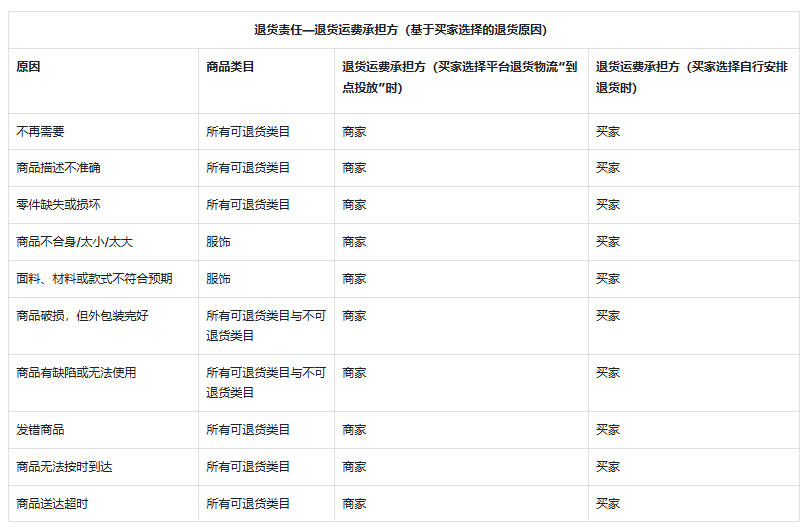
【亿邦原创】5月9日消息,TikTok Shop日前向美国市场商家发布最新政策公告,宣布将于2026年6月起调整平台退货费用承担机制。根据新规,凡因消费者个人原因发起的退货,包括“不再需要”“尺码不合适”等情形,其退货过程中产生的全部物流费用,将统一由商家承担。

这意味着,在新规正式实施后,针对买家责任类退货,商品从消费者地址寄回至平台退货仓或商家美国海外仓所涉及的境内运费,不再由平台或消费者分摊,而将全部计入卖家经营成本;消费者选择自行安排退货物流方式时,仍由买家承担运费。

相比此前相对灵活的费用分担模式,此次调整进一步明确了商家在退货链路中的责任边界。

对于平台而言,此举被解释为一种“提升定价自主权”的运营思路。TikTok Shop方面表示,商家未来可以将潜在退货运费提前纳入商品定价体系之中,从而更清晰地管理整体经营成本,并增强利润测算的确定性。

不过,从卖家实际经营角度来看,新规对利润空间的影响或将较为直接。

行业媒体进行了测算,以美国市场常见的跨境女装业务为例,若一件售价30美元的商品采用中国主体结合美国海外仓备货模式销售,当消费者因尺码不合适申请退货时,商家通常需承担3至6美元不等的美国境内逆向物流费用。

在毛利率约30%的情况下,该商品单笔订单的毛利润约为9美元。若发生一次退货,仅退货运费便可能吞噬掉超过半数利润,极端情况下甚至接近整单利润水平。对于利润率本就有限的跨境商家而言,退货成本的重要性将进一步上升。

尤其是在服饰、鞋靴等高退货率品类中,退货率长期维持在15%至25%并不罕见。随着新规落地,退货率将与卖家的固定运营成本更加直接挂钩,逆向物流费用也可能从过去的偶发性支出,逐渐演变为可长期量化的经营负担。

在宣布费用调整的同时,TikTok Shop也同步推出两项配套措施,以缓解商家对成本压力上升的担忧。

首先,平台将上线“全链路经营成本可视化”服务。该功能将帮助商家更清晰地查看退货费用构成,包括物流、仓储及售后等环节的具体支出情况,并通过数据反馈优化商品详情页、包装质量以及履约体验,从而降低因信息偏差或商品体验问题带来的退货率。

其次,平台还计划推出可选型“商家保障险”。根据官方描述,该保险工具主要用于对冲退货成本异常波动风险,帮助商家在大促活动、季节性消费波动等特殊时期,减轻集中退货对现金流和利润稳定性的冲击。

业内普遍认为,此次调整不仅意味着TikTok Shop美区退货责任结构的进一步重塑,也反映出平台正在推动退货体系从“平台补贴型”向“商家自担型”转变。

与此同时,配套的数据化管理与保险机制,则显示平台希望建立一套“成本可测算、风险可管理”的退货运营体系,而并非单纯将退货压力直接转嫁给卖家。


亿邦持续追踪报道该情报,如想了解更多与本文相关信息,请扫码关注作者微信。

文章来源:亿邦动力

广告
微信
朋友圈

FAQ回顾

TikTok Shop美区最新的退货政策有哪些变化?

TikTok Shop美区宣布,自2026年6月起,因买家个人原因(如不再需要、尺码不合适)发起的退货,其所有物流费用将改由商家全额承担,消费者选择自行安排退货方式时除外。

TikTok Shop新规对商家利润有哪些具体影响?

新规将直接增加商家成本。以美国跨境女装为例,一件30美元商品的单次退货运费(3-6美元)可能吞噬其30%毛利率下9美元毛利润的半数以上,对服饰等高退货率品类的利润冲击尤为显著。

TikTok Shop推出了哪些措施来帮助商家应对新规带来的成本压力?

平台推出两项配套措施:一是“全链路经营成本可视化”服务,帮助商家分析退货费用构成以优化运营降低退货率;二是推出可选型“商家保障险”,用于对冲退货成本异常波动风险。

这么好看,分享一下?

朋友圈 分享

APP内打开

+1
+1
微信好友 朋友圈 新浪微博 QQ空间
关闭
收藏成功
发送
/140 0