广告
加载中

九号发布泡泡玛特联名款 电动车竞争换战场了

亿邦动力 2026-04-30 00:14
亿邦动力 2026/04/30 00:14

邦小白快读

EN
全文速览

九号公司新品发布及联名焦点

1. 九号公司于北京举办2026新品发布会,推出Q系列智能电动两轮车新品,包括Qz3(续航64km)和Q3(续航35km),面向个性通勤和家庭出行场景。

2. 产品强调基础性能:标配前后碟刹、TCS防滑系统及辅助功能,安全可靠。

3. 智能交互功能:智驾屏整合导航、来电提醒、音乐播放、红绿灯提醒和UV防晒提醒,增加动态壁纸、情绪盲盒和节日彩蛋等娱乐元素,部分功能通过后续OTA更新上线。

4. 与泡泡玛特联名款电动车(Qz1和Q3泡泡玛特小甜豆联名款),外观有专属涂装,内置联名主题音效和仪表界面,随车配备定制NFC钥匙卡及包饰。

5. 九号主题开发者平台上线,设计师可创作仪表主题、音效和App主题,平台提供流量曝光和收益分成支持,车主可获取个性化选择。

6. 所有新品已登录各大电商平台,开启预约和售卖,消费者可轻松购买。

品牌营销策略与消费趋势洞察

1. 品牌营销:九号公司通过联名泡泡玛特(小甜豆系列)吸引年轻用户(18-34岁女性),利用可爱形象引发情绪共鸣,提升品牌情感价值。

2. 产品研发:新品Q系列引入半透密封橱窗作为移动展示空间,智驾屏整合导航、通信和娱乐功能,创新设计如动态壁纸和情绪盲盒,强化用户体验。

3. 消费趋势:电动车行业正从参数竞争转向体验和情绪价值驱动,回应Z世代深层需求(如“让路程变旅程”),这代表消费品牌的新坐标。

4. 用户行为观察:联名款针对特定粉丝群体,通过专属涂装、音效和主题设计增强购买动力,启发品牌在定价和渠道建设中融入情感元素。

5. 开发者平台提供创作生态,品牌可借鉴以促进设计合作和收益共享。

市场机会与商业模式创新

1. 增长市场:新品面向年轻用户(个性通勤和家庭出行需求),联名泡泡玛特吸引18-34岁女性群体,带来差异化销售机会和潜在需求增长。

2. 事件应对措施:九号主题开发者平台上线,卖家可学习开放合作模式,支持设计师创作主题、音效等,平台提供流量曝光和收益分成,助力卖家拓展合作渠道。

3. 正面影响与机会提示:电商平台(如各大电商)开启预约售卖,卖家可迅速接入新销售渠道;联名款增加产品溢价空间,降低同质化竞争风险。

4. 消费需求变化:行业转向体验和情绪价值驱动(强调设计、交互),卖家可调整产品策略,结合类似IP联名或定制主题迎合用户偏好。

5. 最新商业模式:开发者生态模式可复制,卖家可探索与设计师或平台的合作方式,获取扶持政策如流量支持。

产品设计与数字化启示

1. 产品生产和设计需求:新品Q系列需要半透密封橱窗设计(作为移动展示空间),以及联名款专属涂装和音效定制,生产过程中需优化外观和创新工艺(如定制NFC钥匙卡)。

2. 商业机会:联名泡泡玛特带来批量订单(如专属主题界面),工厂可承接类似IP合作项目;基础性能如前后碟刹和TCS防滑系统可提升产品质量标准。

3. 推进数字化启示:九号主题开发者平台展示数字化互动潜力,工厂可引入类似工具支持个性化定制(如仪表主题),并通过电商渠道(新品在线销售)优化供应链效率。

4. 行业启示:电动车转向情绪价值驱动,工厂需聚焦设计创新(如情绪盲盒),提高生产灵活性和定制能力。

技术趋势与解决方案焦点

1. 行业发展趋势:智能电动车正从性能参数转向情绪价值驱动,科技与美学融合重塑出行方式(如“让路程变旅程”),服务商需关注此新方向。

2. 新技术:智驾屏整合导航、通信、娱乐功能(包括红绿灯提醒和UV防晒提醒),支持OTA更新功能;九号主题开发者平台提供技术基础,支持设计师创作动态壁纸、音效等。

3. 客户痛点与解决方案:用户追求个性化体验(如情绪盲盒),服务商可开发类似交互系统;开发者平台解决设计痛点,通过创作指导、流量曝光和收益分成,提供全链路技术支持,服务商可推广此方案。

4. 行业转型:科技属性与情绪价值融合路径(如联名泡泡玛特),服务商需创新工具应对用户深层需求。

平台运营需求与创新做法

1. 商业对平台需求:九号主题开发者平台满足用户对个性化主题的需求(如仪表主题和音效),平台需管理内容创作生态,提供流量曝光和收益分成机制。

2. 平台最新做法:开发者平台打造开放式创作生态,连接设计师与车主,支持创作指导、收益共享,此做法可推广至其他平台招商(吸引设计师合作)。

3. 平台招商与运营管理:新品(Q系列和联名款)已登录各大电商平台,平台商可整合类似产品,利用在线预约和售卖优化运营;针对联名款(如泡泡玛特主题),需强化内容管理规避风险(如主题合规性)。

4. 风险规避:基础功能如TCS防滑系统确保安全,平台需强调产品可靠性;转向情绪价值驱动可能带来内容风险(如盲盒设计),平台商应设立审核机制。

产业动向与商业模式分析

1. 产业新动向:电动车行业竞争焦点转向设计、交互与情绪价值(如九号公司新品强调体验),科技与美学驱动产业转型(“让路程变旅程”),代表新问题如如何平衡参数与情感需求。

2. 新问题:分析人士指出行业探索科技属性和情绪价值融合路径,但需关注政策法规建议(如设计创新可能引发监管需求);IP联名(泡泡玛特)引发用户共鸣,但需研究其对商业模式的长期影响。

3. 政策法规启示:开发者平台提供收益分成模式,启示政策支持开放创作生态;行业转向可促进相关法规优化(如鼓励创新设计)。

4. 商业模式:九号公司通过联名款和开发者平台打造开放式生态(设计师创作、平台支持收益分成),代表新合作模式;此模式可用于其他产业,研究其可持续性和社会价值。

返回默认

声明:快读内容全程由AI生成,请注意甄别信息。如您发现问题,请发送邮件至 run@ebrun.com 。

我是 品牌商 卖家 工厂 服务商 平台商 研究者 帮我再读一遍。

Quick Summary

Segway-Ninebot unveiled its new Q-series smart electric two-wheelers at a 2026 product launch event in Beijing. The lineup includes the Qz3 (64km range) and Q3 (35km range), targeting personalized commuting and family travel scenarios.

1. The products emphasize core performance with standard features like front and rear disc brakes, a TCS anti-skid system, and other safety-assist functions.

2. A smart interactive display integrates navigation, call alerts, music playback, traffic light reminders, and UV protection alerts. It also offers entertainment elements such as dynamic wallpapers, mood blind boxes, and holiday easter eggs, with some features to be added via future OTA updates.

3. A collaboration with Pop Mart features special edition models (Qz1 and Q3 Pop Mart Sweet Bean versions) with exclusive paint jobs, custom sound effects, themed instrument panels, and NFC key cards and accessories.

4. Segway-Ninebot launched a Theme Developer Platform, allowing designers to create custom themes, sounds, and app interfaces. The platform offers traffic exposure and revenue sharing, while vehicle owners gain more personalization options.

5. All new models are now available for pre-order and purchase on major e-commerce platforms.

Segway-Ninebot’s latest launch highlights key branding and consumer trends in the electric two-wheeler market.

1. Brand Strategy: The Pop Mart collaboration (Sweet Bean series) targets young female users (aged 18–34), leveraging cute aesthetics to evoke emotional resonance and enhance brand affinity.

2. Product Innovation: The Q-series features a semi-transparent sealed display window as a mobile showcase space. The smart cockpit display integrates navigation, communication, and entertainment, with innovations like dynamic wallpapers and mood blind boxes to strengthen user experience.

3. Consumer Trends: The electric vehicle sector is shifting from spec-driven competition to experience and emotional value—addressing Gen Z’s desire to “turn travel into a journey.” This represents a new benchmark for consumer brands.

4. User Behavior Insights: Co-branded editions cater to niche fan bases with exclusive designs, sounds, and themes, offering lessons in pricing and channel strategies that integrate emotional appeal.

5. The Developer Platform creates a collaborative ecosystem, offering a model for brands to engage designers and share revenue.

Segway-Ninebot’s new releases present growth opportunities and business model innovations for sellers.

1. Market Potential: The Q-series targets younger users for personalized and family mobility. The Pop Mart collaboration attracts women aged 18–34, creating differentiated sales opportunities and potential demand growth.

2. Partnership Strategy: The Theme Developer Platform enables open collaboration, allowing designers to create themes and sounds with traffic and revenue-sharing support. Sellers can adopt similar models to expand partnerships.

3. Sales Channels: New models are available for pre-order on major e-commerce platforms, offering sellers quick access to new sales avenues. Co-branded editions allow for premium pricing and reduce homogenized competition.

4. Evolving Demand: As the industry shifts toward experience and emotional value, sellers should adjust product strategies—considering IP collaborations or customizable themes to align with user preferences.

5. Replicable Model: The developer ecosystem offers a template for sellers to partner with designers or platforms, leveraging support such as traffic incentives.

Segway-Ninebot’s product launch offers key insights for manufacturing and digital transformation.

1. Production Requirements: The Q-series requires semi-transparent display windows and co-branded customization (paint, sound effects, NFC key cards), calling for optimized exterior design and innovative processes.

2. Business Opportunities: Pop Mart collaborations may lead to bulk orders for themed interfaces. Factories can pursue similar IP partnerships while improving quality standards with features like disc brakes and TCS.

3. Digital Integration: The Theme Developer Platform demonstrates the potential for digital interaction. Factories can adopt similar tools to support customization (e.g., dashboard themes) and improve supply chain efficiency via e-commerce channels.

4. Industry Shift: As electric vehicles prioritize emotional value, factories must focus on design innovation (e.g., mood blind boxes) and enhance flexibility for customized production.

Segway-Ninebot’s launch highlights technology trends and solution opportunities for service providers.

1. Industry Direction: Smart electric vehicles are transitioning from performance specs to emotional value, merging technology and aesthetics to redefine mobility (“turn travel into a journey”). Service providers should monitor this shift.

2. Technology Focus: The smart display integrates navigation, communication, and entertainment (e.g., traffic light and UV alerts) with OTA update capabilities. The Developer Platform supports creation of dynamic wallpapers, sounds, and more.

3. User Needs & Solutions: Demand for personalized experiences (e.g., mood blind boxes) presents opportunities to develop interactive systems. The platform addresses design challenges through creator support, traffic exposure, and revenue sharing—offering a full-chain tech solution.

4. Sector Transformation: The fusion of tech and emotion (e.g., via Pop Mart collaboration) requires innovative tools to meet deeper user needs.

Segway-Ninebot’s new platform and products offer operational and partnership insights for marketplace operators.

1. Platform Demand: The Theme Developer Platform meets user demand for personalized themes and sounds. Marketplaces must manage content creation ecosystems with traffic exposure and revenue-sharing mechanisms.

2. Innovative Practice: The open developer ecosystem connects designers and vehicle owners, offering creation guidance and profit sharing—a model applicable to other platforms seeking designer collaborations.

3. Merchandising & Operations: New Q-series and co-branded models are available on e-commerce platforms. Marketplaces can integrate similar products, using pre-orders and online sales to optimize operations. Co-branded content requires careful management to ensure compliance.

4. Risk Mitigation: Basic features like TCS ensure safety and should be emphasized. The shift toward emotional value may introduce content risks (e.g., blind box designs), necessitating robust review mechanisms.

Segway-Ninebot’s product launch reflects broader industry shifts and business model innovations worth studying.

1. Industry Trend: Competition in the electric vehicle sector is shifting toward design, interaction, and emotional value—exemplified by Segway-Ninebot’s experience-focused approach. Tech-aesthetics integration is reshaping the industry (“turn travel into a journey”).

2. Emerging Issues: While companies explore blending tech and emotion, regulatory considerations may arise (e.g., design innovations prompting new policies). IP collaborations like Pop Mart drive user engagement, but long-term business impacts require further study.

3. Policy Implications: The Developer Platform’s revenue-sharing model suggests policy support for open creative ecosystems. Industry transformation may encourage regulatory updates to foster innovation.

4. Business Model Analysis: Segway-Ninebot’s co-branding and developer platform represent an open ecosystem model—enabling designer collaboration with platform-supported revenue sharing. This approach may be applicable across industries, warranting study of its sustainability and social value.

Disclaimer: The "Quick Summary" content is entirely generated by AI. Please exercise discretion when interpreting the information. For issues or corrections, please email run@ebrun.com .

I am a Brand Seller Factory Service Provider Marketplace Seller Researcher Read it again.

【亿邦原创】4月29日,北京,九号公司今举办2026新品发布会,推出多款Q系列智能电动两轮车的新产品,使用场景覆盖个性通勤、家庭出行等。

除了续航、动力和安全等基础性能参数,本次发布的Q系列似乎还有意强调一种全新的体验和价值。比如,引入半透密封橱窗,将车辆视为移动展示空间;智驾屏整合导航、通信与娱乐功能,加入动态壁纸、情绪盲盒等设计;与泡泡玛特联名,则释放更明确的信号。

如果将其放在更大的行业语境下,可以清晰地看到,科技与美学不仅重塑人们的出行方式,(“让路程变旅程”),也正在成为消费品牌的新坐标。电动两轮车,正在从强调参数,转向体验和情绪价值驱动。围绕设计、交互与情绪价值的差异化,开始成为行业的新竞争焦点。

比如Qz3与Q3,面向年轻用户,续航分别为64km与35km,标配前后碟刹、TCS防滑系统及多项辅助功能;在交互上,支持导航、来电提醒、音乐播放、红绿灯提醒及UV防晒提醒等功能,并通过动态壁纸、节日彩蛋与情绪盲盒、主题商城等,部分功能后续OTA上线。

当晚,该公司还发布九号主题开发者平台,打造连接设计师与车主的开放式创作生态。设计师可创作专属仪表主题、音效及App主题,平台将提供创作指导、流量曝光与收益分成的全链路支持,助力优质设计脱颖而出,同时为千万车主带来更丰富、个性化的主题选择。

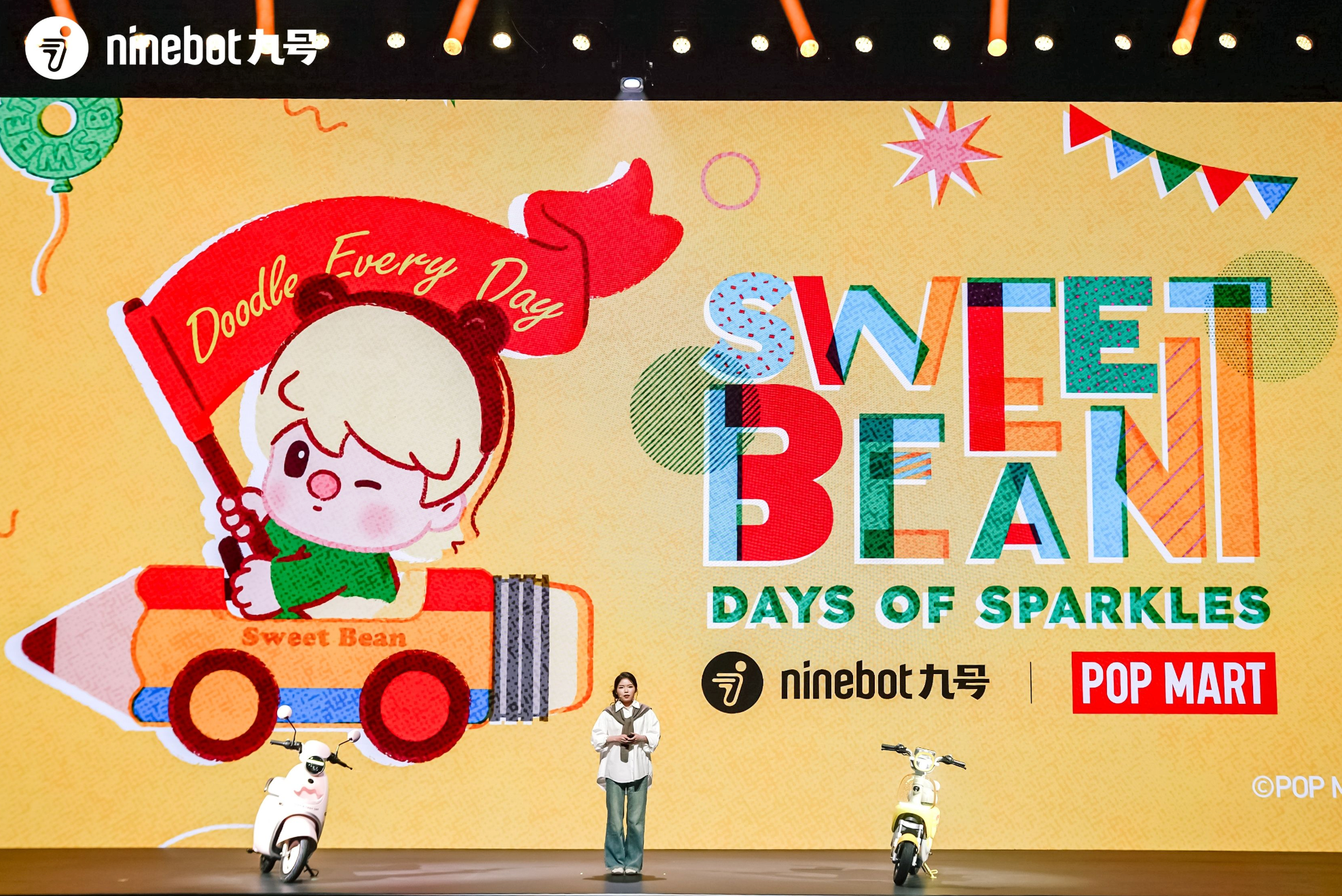
在标准车型之外,Q系列还带来两款联名产品——Qz1泡泡玛特小甜豆联名款与Q3泡泡玛特小甜豆联名款。泡泡玛特于2020年推出小甜豆盲盒系列,此后热度不减,其可爱治愈的形象与乐观天真的性格,深受18-34岁女性用户喜爱,在粉丝群体中引发情绪共鸣。

联名款不仅在外观上有专属涂装,还内置了联名款专属个性音效(开关机、充电、Hello音效)及主题仪表界面,随车配备定制版NFC钥匙卡及配套包饰。目前,Q3、Qz3、QL家庭版及联名款,已登录各大电商平台,正式开启预约及售卖。

分析人士认为,这标志着在产品基础性能之外,智能电动车开始探索科技属性和情绪价值的融合路径。不管是DIY展示空间,还是IP联名款,都在表明九号在回应Z世代用户深层需求方面迈出了一大步。

文章来源:亿邦动力

广告
微信
朋友圈

这么好看,分享一下?

朋友圈 分享

APP内打开

+1
+1
微信好友 朋友圈 新浪微博 QQ空间
关闭
收藏成功
发送
/140 0