广告
加载中

嘉御资本卫哲:没有“根据地”,出海等于“送死”

马蹄社 2026-03-09 11:48
马蹄社 2026/03/09 11:48

邦小白快读

EN
全文速览

卫哲强调出海必须有稳固根据地,避免流寇式失败,否则是送死。根据地建设是实操核心,需从国内根基做起。

1. 根据地包括三方面能力:营收利润根据地,国内须盈利作为现金奶牛,持续为海外输血;如果国内亏损,出海无力支撑长期投入。核心人才根据地,必须培养懂产品、供应链和文化的干部,可先在国内历练再派出;缺乏独当一面人才时,应暂缓出海。供应链壁垒根据地,产品需有独门绝技,防止同行抄袭;否则出海无竞争优势。

出海策略需权衡效率与规模:短期牺牲效率,海外投入回报低(如国内投10元回3元,海外仅回1.5元),但目标是未来速度和规模;前提是国内根据地稳固,能抽调资源打大仗。

出海策略对品牌商影响深远,涉及品牌渠道、产品研发和消费趋势洞察。根据地建设是品牌全球化的基石。

1. 品牌渠道和定价:通过核心人才根据地,培养干部支持海外渠道建设;国内稳固后自然扩张,避免价格竞争中的盲目出海。产品研发需供应链壁垒根据地,确保产品独特性(如独门绝技),防止抄袭,提升品牌定价权。消费趋势和用户行为:从国内市场观察出发,出海是强者扩张而非逃避内卷;当前趋势显示,企业需先在国内卷赢,才能应对海外同批对手。

代表案例如安克创新、泡泡玛特,通过根据地实现全球化;卫哲观点强调,品牌营销应根植于国内成功,再扩展至全球。

出海带来市场机会与风险,卖家需关注政策、需求变化和商业模式学习点。根据地缺失是最大风险。

1. 风险提示:没有根据地出海等于送死,如流寇式企业不断换战场失败;政策解读上,国内需先稳固,避免海外投入期亏损。增长市场和消费需求:海外有扩张机会,但需国内消费需求支持;事件应对措施包括先在国内招人培养。机会提示和学习点:有根据地后出海可追求规模;最新商业模式如从国内市场输血全球,合作方式需人才输送。

正面影响是未来规模增长,负面影响是效率牺牲;卫哲案例提供可学习点,如阿里巴巴模式。

工厂出海需关注产品生产需求和商业机会,根据地中的供应链启示是关键。数字化和电商推进可从供应链管理入手。

1. 产品生产需求:供应链壁垒根据地要求产品有独门绝技,防止抄袭;生产需独特性设计,满足海外竞争。商业机会:国内根据地稳固后出海扩展市场;推进数字化启示在于供应链链条长、成本高,需优化管理降低沟通开销。

卫哲观点强调,工厂应先在国内建立优势;案例如安克创新,通过供应链壁垒实现全球化。

行业发展趋势和客户痛点是服务商焦点,出海策略揭示新技术和解决方案需求。根据地建设提供解决路径。

1. 行业发展趋势:全球化进入深水区,企业出海潮流兴起;新技术如供应链管理需应对海外成本挑战。客户痛点:出海效率牺牲(人员成本高、供应链长、管理难),短期回报低;解决方案是帮助客户建立根据地,如人才培训或供应链优化。

卫哲观点提供启示,服务商可针对痛点设计服务,支持企业从国内输血海外。

平台商需关注商业对平台的需求和风险规避,出海策略揭示平台招商和运营管理启示。根据地稳固是合作基础。

1. 商业需求和平台做法:企业出海需平台支持运营管理,如降低供应链成本;平台最新做法可提供招商服务,帮助有根据地企业扩张。风向规避:避免与流寇式企业合作,风险高;运营管理中,强调国内根基重要性,规避效率损失风险。

卫哲观点提示平台商,招商应聚焦稳固企业;机会在支持未来规模增长。

产业新动向和商业模式是研究者核心,出海策略揭示新问题与政策启示。根据地缺失是产业关键问题。

1. 产业新动向:全球化棋局复杂化,企业需根据地穿越周期;新问题如流寇式出海失败率高。政策法规建议:国内政策应支持企业先建根据地;商业模式启示从国内市场输血全球扩张,代表案例安克创新提供模式研究。

卫哲观点强调认知边界决定企业边界,研究者可分析此决策系统。

返回默认

声明:快读内容全程由AI生成,请注意甄别信息。如您发现问题,请发送邮件至 run@ebrun.com 。

我是 品牌商 卖家 工厂 服务商 平台商 研究者 帮我再读一遍。

Quick Summary

Wei Zhe emphasizes that overseas expansion requires a solid domestic base to avoid the failure of being a "roving bandit"—otherwise, it’s suicidal. Building a strong domestic foundation is the core of practical execution.

1. A domestic base involves three key capabilities:

- A profit base: The domestic business must be profitable, acting as a cash cow to continuously fund overseas ventures. If the domestic business is losing money, it cannot support long-term overseas investment.

- A talent base: Cultivate leaders who understand products, supply chains, and culture, first training them domestically before sending them abroad. If capable talent is lacking, overseas expansion should be delayed.

- A supply chain moat: Products must have unique competitive advantages to prevent copying by rivals; otherwise, overseas expansion will lack differentiation.

Overseas strategy requires balancing efficiency and scale: short-term efficiency may be sacrificed, with lower returns on overseas investment (e.g., investing ¥10 domestically yields ¥3, but only ¥1.5 overseas), but the goal is future speed and scale—provided the domestic base is secure enough to reallocate resources for major battles.

Overseas expansion strategy deeply impacts brands, involving channel strategy, product R&D, and consumer trend insights. Building a domestic base is the cornerstone of brand globalization.

1. Brand channels and pricing: Through a talent base, train leaders to support overseas channel development; expand naturally after domestic stabilization to avoid reckless expansion amid price competition. Product R&D requires a supply chain moat to ensure uniqueness (e.g., proprietary technology), prevent imitation, and enhance pricing power.

- Consumer trends and behavior: Overseas expansion should stem from domestic strength, not escaping competition; current trends show that winning domestically is essential before facing the same rivals abroad.

Case studies like Anker Innovations and Pop Mart demonstrate globalization via a strong base. Wei Zhe’s view emphasizes that brand marketing should be rooted in domestic success before expanding globally.

Overseas expansion offers market opportunities and risks; sellers must monitor policies, demand shifts, and business model insights. Lack of a domestic base is the biggest risk.

1. Risk warnings: Expanding without a base is suicidal, akin to "roving bandits" failing repeatedly in new markets; policy-wise, domestic stability is crucial to avoid losses during overseas investment.

- Growth markets and demand: Overseas opportunities exist but require domestic demand support; mitigation measures include recruiting and training talent domestically first.

- Opportunities and learnings: With a base, expansion can pursue scale; newer models involve funding global growth from domestic profits, requiring talent transfer partnerships.

Positive impacts include future scale growth, while negatives involve efficiency trade-offs. Wei Zhe’s case studies, like Alibaba’s model, offer actionable insights.

Factories expanding overseas must focus on product demands and commercial opportunities, with supply chain insights from the domestic base being key. Digital and e-commerce advances can start with supply chain management.

1. Product demands: A supply chain moat requires unique product features to prevent copying; production must emphasize distinctive design for overseas competitiveness.

- Commercial opportunities: Expand overseas after securing the domestic base; digitalization insights highlight optimizing long, costly supply chains to reduce communication overhead.

Wei Zhe stresses that factories should first build domestic advantages. Cases like Anker Innovations show globalization achieved through supply chain barriers.

Industry trends and client pain points are focal for service providers; overseas strategy reveals demand for new technologies and solutions, with base-building offering a path forward.

1. Industry trends: Globalization is entering deeper waters, driving overseas expansion; new technologies like supply chain management must address overseas cost challenges.

- Client pain points: Overseas expansion sacrifices efficiency (high labor costs, long supply chains, management difficulties) with low short-term returns; solutions include helping clients build bases via talent training or supply chain optimization.

Wei Zhe’s insights guide service providers to design offerings that address pain points, supporting clients in funding overseas ventures from domestic profits.

Marketplaces must address commercial demands and risk mitigation; overseas strategy reveals insights for merchant recruitment and operations, with a stable base as the foundation for cooperation.

1. Commercial needs and platform actions: Expanding businesses require platform support in operations, like reducing supply chain costs; latest practices include recruitment services to help established firms scale.

- Risk avoidance: Avoid partnerships with "roving bandit" firms due to high risks; operations management should emphasize domestic roots to mitigate efficiency losses.

Wei Zhe’s view advises marketplaces to focus on stable firms; opportunities lie in supporting future scale growth.

Industry trends and business models are core for researchers; overseas strategy reveals new issues and policy implications, with lack of a base being a critical problem.

1. Industry trends: Globalization is becoming more complex, requiring bases to navigate cycles; new issues include high failure rates for "roving bandit" expansion.

- Policy recommendations: Domestic policies should support base-building; business model insights show funding global expansion from domestic markets, with cases like Anker Innovations offering research models.

Wei Zhe stresses that cognitive boundaries define corporate boundaries, providing a decision-making system for researchers to analyze.

Disclaimer: The "Quick Summary" content is entirely generated by AI. Please exercise discretion when interpreting the information. For issues or corrections, please email run@ebrun.com .

I am a Brand Seller Factory Service Provider Marketplace Seller Researcher Read it again.

【亿邦原创】近一两年,和不少企业老板交流时,嘉御资本创始合伙人、董事长卫哲反复听到一种声音:“国内太卷了,不如去海外找机会。”

在他看来,这种心态本身就非常危险。把出海当成逃离内卷的出口,本质上是一种“逃避式出海”,也是卫哲坚决反对的“流寇式出海”。

卫哲

嘉御资本创始合伙人、董事长

马蹄社×嘉御资本全球CEO研修班核心导师

1.没有根据地的出海,就是流寇。

什么叫流寇?在卫哲看来,就是没有稳定根据地,到处流窜,不断更换战场的公司。

他打了个非常形象的比方:中国市场,就是大多数企业的根据地。一个在国内都站不稳脚跟的公司,贸然出海,本质上不是升级战场,而是换个地方继续挨打。等你真正走出去会发现,海外市场的竞争对手往往还是那批在国内已经卷赢你的企业,只是换了一个赛场而已。

2.真正的“根据地”,不是海外仓和店铺数量

在卫哲看来,很多企业对“根据地”的理解存在偏差。它既不是你在海外开了多少账号,也不是你有几个海外仓,而是三种更底层的能力。

第一,营收和利润的根据地。 中国市场能不能做成“现金奶牛”,持续为全球化扩张输血?如果国内市场都在亏损边缘,你拿什么去烧海外漫长的投入期?

第二,核心人才的根据地。 根据地要能往外输送懂产品、懂供应链、懂文化的干部。如果连个能独当一面的海外负责人你都派不出来,那就先按兵不动,在国内招人、培养人,让他先在国内干一年,摸透家底再出去。

第三,供应链壁垒的根据地。 你的产品有没有独门绝技?是只有你能做,还是随便一个同行都能抄?

3.为什么出海一定牺牲效率?

卫哲直言,投海外的第一天,一定是牺牲效率的。在国内,投10块钱,可能马上回报3块;在海外,同样投10块钱,可能只回来1块5。原因很简单,海外人员成本更高、供应链链条更长、沟通与管理成本也更高。如果只算短期投资回报率,中国市场的效率依然远高于海外。

那为什么还要出海?

因为出海追求的从来都不是当下的效率,而是未来的速度和规模。但前提是,你的根据地必须足够稳固,稳固到可以被抽调资源去打更大的仗。

所以,别把出海当救命稻草,它是强者在占领高地后的自然扩张。根据地没建好就出海,不是去长征,是去送死。

(来自亿邦动力马蹄社2026年1月对话嘉御资本全球CEO决策研修班卫哲老师内容)

一个时代有一个时代的命题,一代企业家有一代企业家的长征。

当“野蛮生长”的红利出尽,当“模式创新”的简单牌局终结,当全球化的棋局进入更复杂、更莫测的深水区——我们面临一个所有中国企业家都必须回答的时代之问:

在下一个十年,什么样的企业能够穿越周期?什么样的领导者,能带领自己的品牌真正赢得世界的尊重?

我们坚信,答案不再指向任何外部的“风口”与“秘籍”,而是回归到企业家自身你的认知边界,就是企业唯一的边界;你的决策系统,就是企业最终的操作系统。

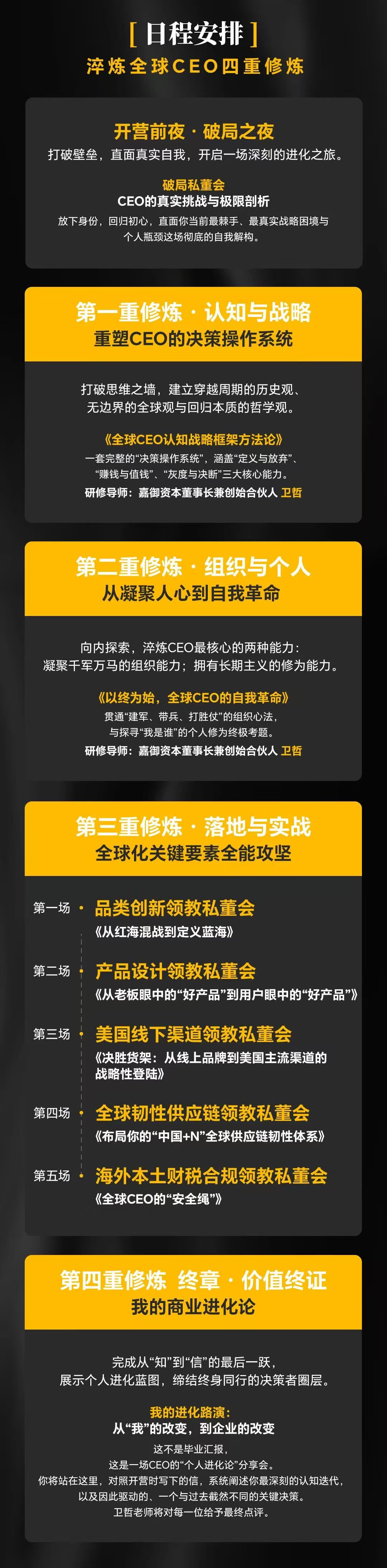
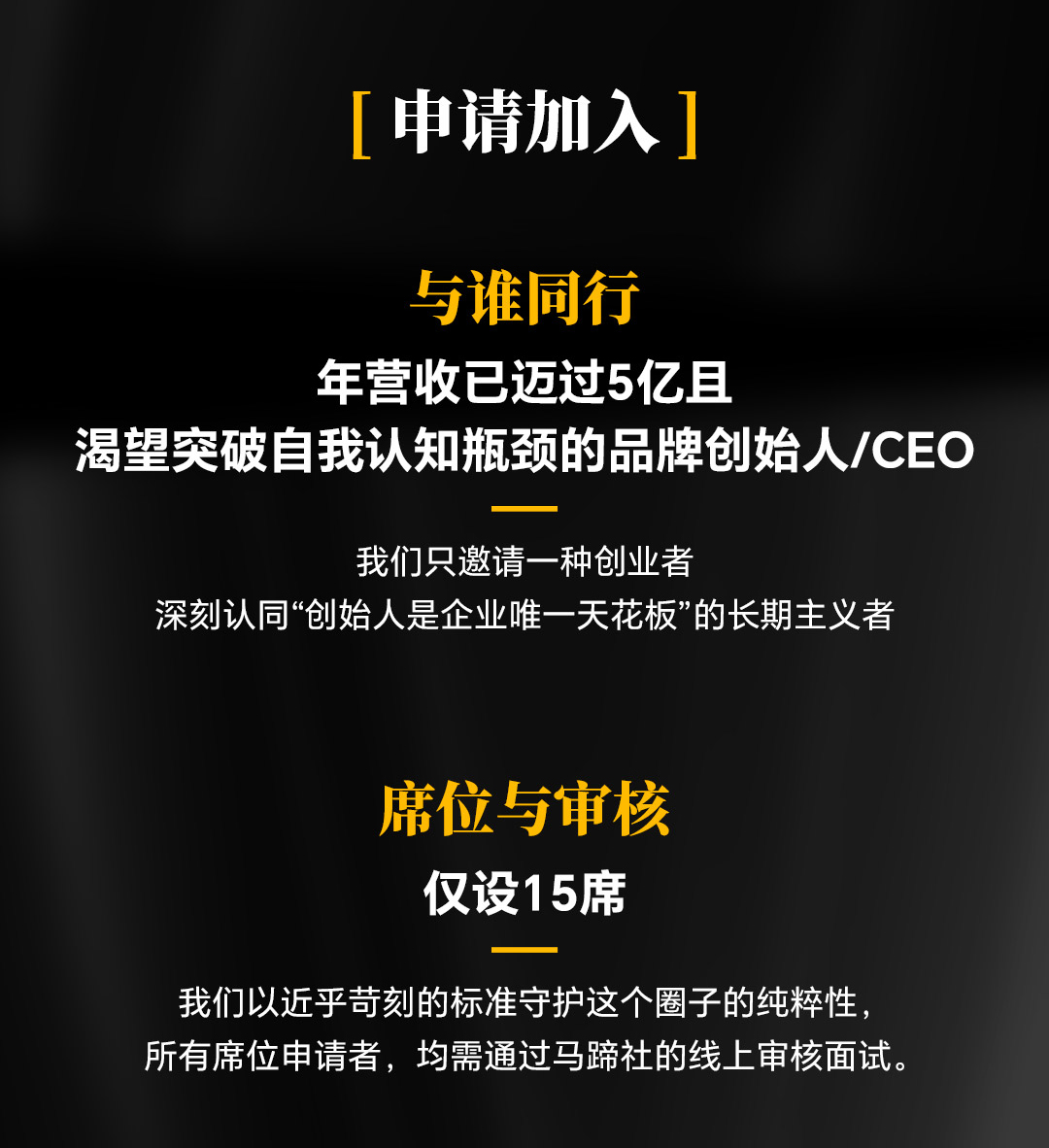
马蹄社联合嘉御资本正式发起“嘉御资本全球CEO决策研修班”。这并非又一个商学院课程,而是一场深度修行与淬炼。我们将与志同道合的创业者一起,回归商业本质,直面真实挑战,共同锻造一个能带领企业穿越未来的,全新的“决策操作系统”。

这段征程的终点,不是一份商业计划书,而是进化后的你与可持续增长的企业。

为什么卫哲的课,是所有CEO的必修课?

因为在中国,你很难找到第二位像他一样,在“全球零售、中国互联网、顶级投资”三个完全不同的战场上,都亲手打赢过百亿级战役的统帅。他曾将世界500强百安居(B&Q)带出泥潭,曾带领数万铁军将阿里巴巴送上神坛,如今作为嘉御资本创始人,他又深度赋能了安克创新、泡泡玛特等新一代全球化标杆。

他将用最犀利的方式,把他30年穿越周期的决策智慧,浓缩为一套可被你即刻使用的"CEO决策操作系统"。


见卫哲,就来马蹄社

报名详询:

文章来源:亿邦动力

广告
微信
朋友圈

FAQ回顾

什么是卫哲反对的“流寇式出海”?

“流寇式出海”指企业没有稳定国内市场根据地,为逃避内卷而盲目出海。卫哲认为这是危险策略,本质是换个赛场继续竞争,而非升级战场。

企业出海需要建立哪些核心根据地能力?

卫哲提出三大根据地能力:营收利润根据地(国内现金奶牛)、核心人才根据地(可外派干部)、供应链壁垒根据地(产品独门绝技)。

为什么出海初期会牺牲效率?

出海初期因人员成本高、供应链长、管理成本增,投资回报率低于国内。卫哲强调出海追求未来规模而非当下效率,需稳固根据地支撑。

这么好看,分享一下?

朋友圈 分享

APP内打开

赞 +1
+1
微信好友 朋友圈 新浪微博 QQ空间
关闭
收藏成功
发送
/140 0