广告
加载中

亏损8亿元!上海家化发布2024年业绩快报

张从容 2025-03-18 15:57
张从容 2025/03/18 15:57

邦小白快读

EN
全文速览

上海家化2024年业绩大幅亏损,首次利润为负。

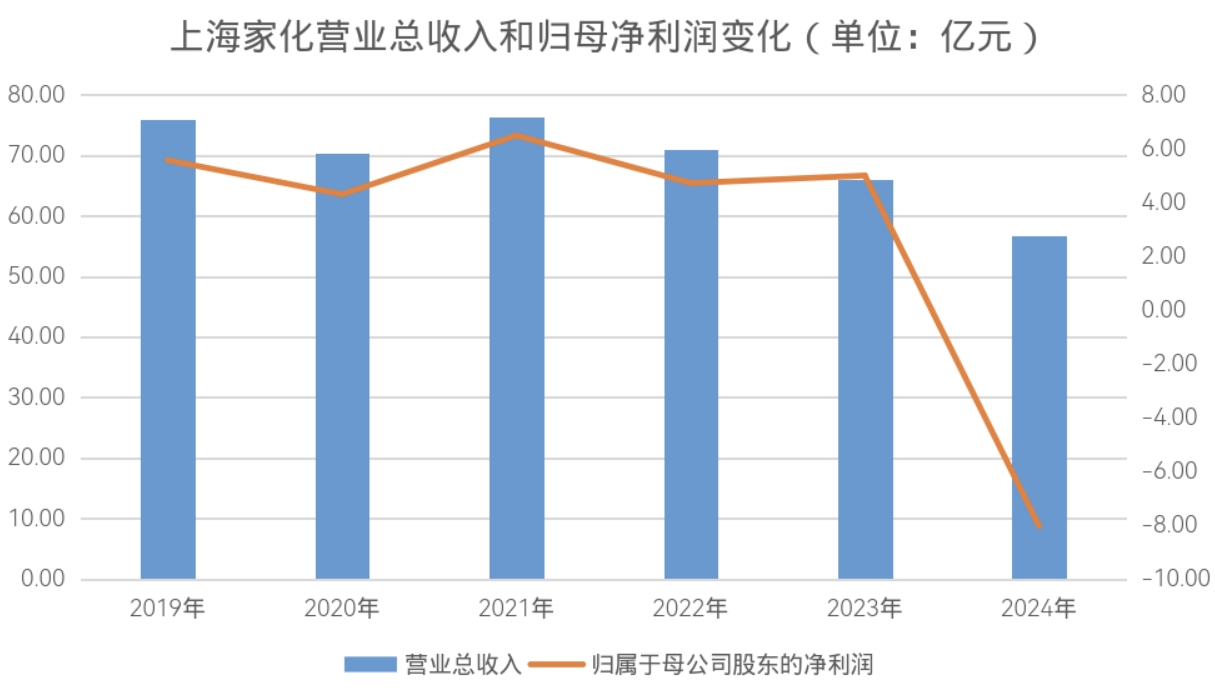
1. 营业总收入56.79亿元,同比下降13.93%;亏损总额8.02亿元,同比下降242.28%。

2. 亏损原因包括:线下渠道调整导致销售下降、百货渠道主动降低库存及闭店;线上经销商代理模式转自营模式,形成退货;海外业务受出生率低、婴童品类竞争加剧和经销商降低库存影响。

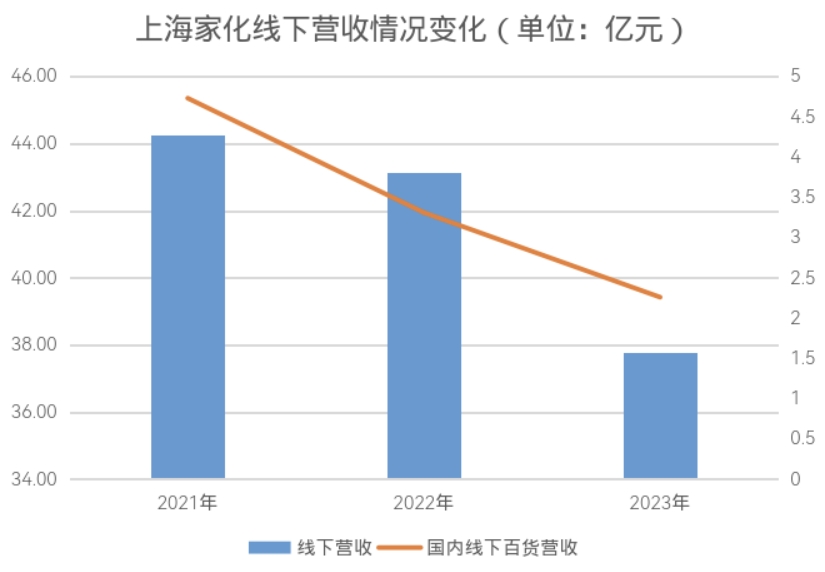
3. 历年趋势:2021至2023年线下渠道营收逐年下降,2023年国内线下百货渠道营收仅2.26亿元;海外营收2023年15.98亿元,同比下降12.86%。

管理层发生重大变动。

1. 2024年5月董事长潘秋生辞职;6月林小海接任董事长;8月副总经理叶伟敏辞职。

2. 新CEO林小海曾任宝洁、阿里和高鑫零售高管,2024年3月离职后加入上海家化,带来新管理背景。

渠道变化和消费趋势对品牌影响显著。

1. 品牌渠道建设:线下渠道调整和百货闭店导致营收下降;线上代理转自营模式形成退货,启示品牌需优化渠道转型策略。

2. 消费趋势:出生率低影响婴童护理和母婴喂养产品需求,海外业务表现不佳,反映用户行为变化如经销商降低库存。

3. 产品研发启示:基于海外营收下降(2023年15.98亿元,同比下降12.86%),品牌需调整产品线以适应市场变化。

用户行为观察。

1. 经销商行为显示需求减少,品牌应加强库存管理和市场调研。

2. 案例:上海家化业绩下滑,凸显品牌定价和价格竞争在渠道转型中的风险。

风险提示和机会并存。

1. 风险:渠道转型如线上代理转自营导致退货;外部因素如出生率低加剧竞争;库存管理问题引发闭店。

2. 机会:新CEO林小海背景(宝洁、阿里经验)可能带来新增长策略;消费需求变化启示卖家关注婴童品类调整。

3. 可学习点:避免仓促渠道调整,学习上海家化案例优化运营。

事件应对措施。

1. 管理层变动后新领导上任,提供应对业绩下滑的模板。

2. 合作方式启示:基于经销商降低库存,卖家可探索新合作模式以稳定供应链。

产品需求变化带来启示。

1. 产品生产需求:婴童护理和母婴喂养产品需求下降,因出生率低和竞争加剧,工厂需调整生产计划。

2. 商业机会:海外业务表现不佳(2023年营收15.98亿元,同比下降12.86%),启示开发新品类或优化供应链。

推进数字化和电商启示。

1. 线上自营模式问题如退货,显示工厂推进电商需谨慎过渡。

2. 案例:上海家化渠道调整,启示工厂加强库存控制和渠道合作。

行业发展趋势和客户痛点。

1. 趋势:渠道转型如线上代理转自营;消费需求变化如出生率低影响品类。

2. 痛点:退货问题、库存管理挑战(如经销商降低库存)、外部因素导致业务下滑。

3. 解决方案启示:服务商可提供优化库存系统或模式转型工具。

新技术应用。

1. 基于数字化推进案例,服务商应开发电商支持方案。

2. 数据:上海家化营收下降,凸显客户在渠道管理中的痛点需求。

商业对平台的需求和问题。

1. 需求:线上代理转自营模式显示平台需支持商家模式切换;库存管理问题如降低库存,启示平台优化运营工具。

2. 最新做法:渠道调整导致闭店和退货,平台应加强风险规避机制。

3. 平台招商启示:基于上海家化案例,平台需关注商家转型支持。

运营管理风向规避。

1. 风险:模式转型失败导致亏损,平台应提供过渡方案。

2. 案例:管理层变动,平台可借鉴以提升自身管理效率。

产业新动向和新问题。

1. 新动向:渠道调整(线下闭店、线上模式转型)、管理层变动(林小海上任)。

2. 新问题:亏损源于内部策略失误(如代理转自营退货)和外部因素(出生率低);商业模式挑战:自营模式风险。

3. 政策法规启示:虽未直接提及,但案例显示对渠道转型政策的建议需求。

研究案例深度。

1. 数据:营收56.79亿元同比下降13.93%,亏损8.02亿元;历年趋势如线下营收逐年下降。

2. 代表企业:上海家化反映行业问题,研究者可分析其教训。

返回默认

声明:快读内容全程由AI生成,请注意甄别信息。如您发现问题,请发送邮件至 run@ebrun.com 。

我是 品牌商 卖家 工厂 服务商 平台商 研究者 帮我再读一遍。

Quick Summary

Shanghai Jahwa reported significant losses in 2024, marking its first-ever negative profit.

1. Total operating revenue was RMB 5.679 billion, down 13.93% year-on-year, with a net loss of RMB 802 million, plunging 242.28%.

2. Losses were driven by: sales decline from offline channel adjustments; proactive inventory reduction and store closures in department stores; returns from shifting online distribution to a direct-operated model; and overseas challenges including low birth rates, intensified competition in baby care, and distributor destocking.

3. Historical trends: Offline revenue declined annually from 2021-2023, with domestic department store revenue hitting just RMB 226 million in 2023; overseas revenue fell 12.86% to RMB 1.598 billion in 2023.

Major management reshuffles occurred.

1. Chairman Pan Qiusheng resigned in May 2024; Lin Xiaohai succeeded as chairman in June; Vice President Ye Weimin resigned in August.

2. New CEO Lin Xiaohai, former P&G, Alibaba, and Suning.com executive, joined Shanghai Jahwa in March 2024, bringing fresh leadership perspectives.

Channel shifts and consumer trends significantly impact brands.

1. Channel strategy: Offline adjustments and department store closures reduced revenue; online distribution-to-direct model transitions caused returns, highlighting the need for optimized channel transformation.

2. Consumer trends: Low birth rates dampened demand for baby care and maternal products, with overseas underperformance reflecting distributor destocking and shifting user behavior.

3. Product R&D implications: Overseas revenue decline (RMB 1.598 billion in 2023, down 12.86%) signals the need for product line adjustments to align with market changes.

User behavior observations.

1. Distributor destocking indicates weakened demand, urging brands to enhance inventory management and market research.

2. Case study: Shanghai Jahwa’s performance decline underscores pricing and competitive risks during channel transitions.

Risks and opportunities coexist.

1. Risks: Channel transitions (e.g., online distribution-to-direct model causing returns); external factors like low birth rates intensifying competition; inventory issues triggering store closures.

2. Opportunities: New CEO Lin Xiaohai’s background (P&G, Alibaba) may drive growth strategies; shifting demand highlights potential in baby care category adjustments.

3. Key takeaway: Avoid abrupt channel shifts by learning from Shanghai Jahwa’s operational missteps.

Crisis response measures.

1. Leadership changes post-management reshuffle offer a template for addressing performance declines.

2. Partnership insights: Distributor destocking prompts exploration of new collaboration models to stabilize supply chains.

Shifting product demand yields insights.

1. Production needs: Demand for baby care and maternal products fell due to low birth rates and competition, requiring production plan adjustments.

2. Business opportunities: Overseas revenue decline (RMB 1.598 billion in 2023, down 12.86%) suggests diversifying product lines or optimizing supply chains.

E-commerce and digitalization implications.

1. Online direct-operated model challenges (e.g., returns) highlight the need for cautious transitions in factory e-commerce strategies.

2. Case study: Shanghai Jahwa’s channel adjustments underscore the importance of inventory control and channel collaboration.

Industry trends and client pain points.

1. Trends: Channel transitions (e.g., online distribution-to-direct models); demand shifts (e.g., low birth rates impacting categories).

2. Pain points: Return issues, inventory management challenges (e.g., distributor destocking), external factors driving business decline.

3. Solution opportunities: Providers can offer inventory optimization systems or transition support tools.

Technology application insights.

1. Digitalization cases emphasize the need for e-commerce support solutions.

2. Data context: Shanghai Jahwa’s revenue decline reveals client pain points in channel management.

Platform demands and challenges.

1. Merchant needs: Online distribution-to-direct transitions require platform support for model switches; inventory issues (e.g., destocking) highlight demand for operational tools.

2. Recent practices: Channel adjustments causing closures and returns necessitate platform risk mitigation mechanisms.

3. Merchant recruitment insights: Shanghai Jahwa’s case underscores the need for transition support.

Operational risk avoidance.

1. Risks: Failed model transitions leading to losses require platforms to offer phased solutions.

2. Case study: Management changes provide lessons for improving platform governance efficiency.

Industry dynamics and emerging issues.

1. New developments: Channel adjustments (offline closures, online model shifts); management changes (Lin Xiaohai’s appointment).

2. Emerging problems: Losses stem from internal missteps (e.g., returns from distribution-to-direct transition) and external factors (low birth rates); business model challenges in direct-operated models.

3. Policy implications: While not explicitly mentioned, the case suggests regulatory needs for smoother channel transitions.

Research case depth.

1. Data: Revenue of RMB 5.679 billion (down 13.93% YoY), loss of RMB 802 million; offline revenue declined annually.

2. Representative case: Shanghai Jahwa reflects broader industry lessons for analytical study.

Disclaimer: The "Quick Summary" content is entirely generated by AI. Please exercise discretion when interpreting the information. For issues or corrections, please email run@ebrun.com .

I am a Brand Seller Factory Service Provider Marketplace Seller Researcher Read it again.

【亿邦原创】3月18日,上海家化发布2024年业绩快报。快报显示,2024年,上海家化营业总收入56.79亿元,同比收窄13.93%;营业亏损8.32亿元,同比下降249.58%;亏损总额8.02亿元,同比收窄242.28%;归属于母公司股东的净亏损8.04亿元,同比收窄260.72%。

这是近6年来上海家化营业总收入首次低于60亿元,同时,这也是上海家化的营业利润、利润总额和归属于母公司股东的净利润首次为负。

快报中,上海家化将国内业务收入和利润降低的原因,主要归结于渠道的变化:线下渠道调整销售部加购、百货渠道主动降低社会库存及闭店;线上经销商代理模式转自营模式,形成退货。同时,受出生率低、婴童品类竞争加剧和经销商降低库存等因素的影响,婴童护理产品和母婴喂养产品的海外业务表现不佳。

从历年财报看,2021年至2023年,上海家化线下渠道营收逐年下降。同时,国内线下百货渠道的营业收入逐年下降,2023年仅为2.26亿元。海外营业收入同样整体收窄,2023年为15.98亿元,同比收窄12.86%。

2024年,上海家化管理层发生大震荡:5月,董事长潘秋生因个人原因,辞去公司董事长、首席执行官、总经理等职务;独立董事王鲁军连续任职期满6年,根据有关规定辞职;6月,林小海经选举后接任董事长;8月,副总经理叶伟敏因个人原因辞职,并在离职交接后受聘为公司外部顾问。

值得注意的是,新任CEO林小海曾在宝洁、阿里和高鑫零售担任高管,于2024年3月从高鑫零售离职,同年5月便空降上海家化担任CEO。

亿邦持续追踪报道该情报,如想了解更多与本文相关信息,请扫码关注作者微信。

文章来源:亿邦动力

广告
微信
朋友圈

FAQ回顾

上海家化2024年业绩快报的主要数据是什么?

2024年上海家化营业总收入56.79亿元,同比下降13.93%;营业亏损8.32亿元,同比下降249.58%;归属于母公司股东的净亏损为8.04亿元。这是其近6年营收首次低于60亿元。

上海家化亏损的主要原因有哪些?

亏损主因是线下渠道调整及闭店、线上模式转型导致退货,以及海外婴童业务受出生率低和竞争加剧影响。2023年线下百货渠道收入已降至2.26亿元。

2024年上海家化管理层有哪些变动?

2024年5月董事长潘秋生辞职,6月林小海接任董事长,8月副总经理叶伟敏辞职。林小海曾任宝洁、阿里和高鑫零售高管,于2024年3月离职后空降上海家化。

这么好看,分享一下?

朋友圈 分享

APP内打开

赞 +1
+1
微信好友 朋友圈 新浪微博 QQ空间
关闭
收藏成功
发送
/140 0