广告
加载中

净利润同比下跌10.8%?联合利华公布2024年全年业绩

张从容 2025-02-17 14:38
张从容 2025/02/17 14:38

邦小白快读

EN
全文速览

联合利华2024年全年业绩显示营业额增长但利润持续下滑,需关注重点数据和实操干货。

1. 整体业绩:营业额608亿欧元同比增长1.9%,但营业利润94亿欧元同比下降3.7%,净利润64亿欧元同比下降10.8%,营业利润和净利润已连续三年下降,营业利润率创近五年最低。

2. 业务亮点:美容与健康业务营业额132亿欧元增长5.5%为最高增长率;个人护理业务营业额136亿欧元最高但下跌1.5%;冰激凌业务83亿欧元增长4.5%表现优异;食品和家居护理业务分别增长1.1%和1.4%。

3. 地区动态:亚太非地区260亿欧元虽为最大市场但负增长0.8%;拉丁美洲91亿欧元增长最迅猛达8.3%;中国市场除食品外均中个位数下滑,原因市场疲软;新兴市场353亿欧元远高于发达市场的255亿欧元。

联合利华业绩反映消费趋势和产品机会,为品牌营销和研发提供洞察。

1. 消费趋势:新兴市场营业额353亿欧元高于发达市场255亿欧元,显示潜力区域;拉丁美洲增长8.3%最快,印度增长1.8%及菲律宾、泰国、非洲两位数增长,揭示高增长机会;中国市场疲软导致除食品外下滑,需调整用户行为策略。

2. 产品研发方向:美容与健康业务增长5.5%最高,表明该类别需求强劲,可优化产品创新;冰激凌业务增长4.5%显示季节性消费热点,个人护理业务虽营业额最高但下跌1.5%,提示需重新定价或竞争策略。

3. 区域渠道建设:亚太非负增长0.8%,印尼下滑8.7%,需加强品牌渠道;印度、非洲等增长区可拓展分销网络,学习联合利华基础营业利润增长12.6%的经验。

业绩报告揭示市场机会和风险,提供增长策略和可学习点。

1. 增长机会:拉丁美洲地区增长8.3%最迅猛,新兴市场353亿欧元潜力大,可作为扩张重点;美容与健康业务增长5.5%和冰激凌增长4.5%,表示细分需求旺盛;印度、菲律宾、泰国、非洲两位数增长区提供招商机会。

2. 风险提示:中国市场普遍下滑,营业利润连续三年下降,利润率近五年最低,需谨慎投资;亚太非负增长0.8%,印尼下滑8.7%,表示区域风险高;价格竞争激烈,营业利润下降可能影响盈利模式。

3. 应对措施和合作:基础营业利润增长12.6%和利润率提升170基点,显示成本控制有效,可学习优化策略;利用新兴市场合作方式,如拉丁美洲高增长,探索新商业模式;关注政策影响如市场疲软原因,调整事件应对。

业绩数据指明生产需求和商业机会,启示数字化和电商适应。

1. 产品生产需求:美容与健康业务增长5.5%最高,表示该类产品需求强劲,可增加生产线;冰激凌业务增长4.5%和食品业务增长1.1%,提示消费热点;个人护理业务虽下跌1.5%,但营业额最高,需关注设计优化。

2. 商业机会:新兴市场353亿欧元需求旺盛,地区如拉丁美洲增长8.3%、非洲两位数增长,提供区域合作空间;印度增长1.8%等增长区可拓展生产网络,应对亚太非负增长挑战。

3. 数字化启示:营业利润连续下降,基础利润率提升,显示内部效率需求,推动工厂采用更灵活生产方式;中国市场疲软,需借电商渠道优化,如学习联合利华区域策略调整。

行业趋势和客户痛点提供解决方案方向,从数据中提取洞察。

1. 行业趋势:整体营业利润下降3.7%,但基础营业利润增长12.6%,利润率提升170基点至18.4%,显示内部优化趋势;新兴市场353亿欧元高于发达市场255亿欧元,区域差异明显;业务如美容健康增长5.5%表示类别热点。

2. 客户痛点:中国市场普遍下滑,亚太非负增长0.8%,印尼下滑8.7%,原因市场疲软,揭示区域压力;营业利润连续三年下降,利润率最低,提示企业面临挑战;不同业务表现分化如个人护理下跌1.5%。

3. 解决方案:基于增长区如拉丁美洲8.3%和非洲两位数增长,开发区域策略工具;针对利润问题,提供成本控制方案;利用基础利润增长案例,设计新技术应对波动。

商业需求和平台运营启示,聚焦招商和风险规避。

1. 商业需求问题:联合利华利润下降可能影响平台合作;亚太非地区负增长0.8%,中国市场下滑,揭示区域需求疲软;印尼大幅下滑8.7%,表示潜在风险。

2. 平台机会:拉丁美洲增长8.3%迅猛和新兴市场353亿欧元潜力,提供招商亮点;美容健康业务增长5.5%和冰激凌增长4.5%,可吸引相关商家入驻;印度、非洲增长区支持平台拓展。

3. 运营管理:营业利润连续下降,提示平台强化风险规避,如优化招商策略;基础利润率提升显示内部效率,学习运营管理;利用区域增长数据,如欧洲123亿欧元稳定,调整平台风向。

产业动向和新问题揭示商业模式和政策启示。

1. 产业动向:营业利润和净利润连续三年下降,基础营业利润却增长12.6%,矛盾点值得研究;业务表现差异化,美容健康增长5.5%最高,个人护理下跌1.5%;区域如新兴市场353亿欧元主导,拉丁美洲8.3%增长迅猛。

2. 新问题:中国市场疲软导致下滑,原因不明需探讨;印尼大幅下滑8.7%,印度增长1.8%不均,揭示区域发展不平衡;营业利润率近五年最低,提示潜在经济问题。

3. 商业模式启示:美容健康业务成功案例可分析创新模式;冰激凌业务增长4.5%显示季节性或消费模式;政策建议基于数据如亚太非负增长,调整区域法规;基础利润提升提供效率启示。

返回默认

声明:快读内容全程由AI生成,请注意甄别信息。如您发现问题,请发送邮件至 run@ebrun.com 。

我是 品牌商 卖家 工厂 服务商 平台商 研究者 帮我再读一遍。

Quick Summary

Unilever's 2024 full-year results show turnover growth but a continued decline in profits, highlighting key data and practical insights.

1. Overall Performance: Turnover reached €60.8 billion, up 1.9% year-on-year, but operating profit fell 3.7% to €9.4 billion, and net profit dropped 10.8% to €6.4 billion. Both operating and net profits have declined for three consecutive years, with the operating profit margin hitting a five-year low.

2. Business Highlights: Beauty & Wellbeing led with a 5.5% growth to €13.2 billion; Personal Care, the largest segment at €13.6 billion, declined 1.5%; Ice Cream grew 4.5% to €8.3 billion, showing strong performance; Food and Home Care grew 1.1% and 1.4%, respectively.

3. Regional Dynamics: Asia Pacific Africa (€26 billion) remained the largest market but saw a 0.8% decline; Latin America surged 8.3% to €9.1 billion; China experienced mid-single-digit declines across most categories except Food, attributed to market softness; emerging markets (€35.3 billion) significantly outpaced developed markets (€25.5 billion).

Unilever's performance reflects consumer trends and product opportunities, offering insights for brand marketing and R&D.

1. Consumer Trends: Emerging markets (€35.3 billion) surpassed developed markets (€25.5 billion), highlighting growth potential; Latin America's 8.3% growth was the fastest, with India up 1.8% and the Philippines, Thailand, and Africa seeing double-digit growth, indicating high-opportunity regions; China's softness led to declines outside Food, necessitating user behavior strategy adjustments.

2. Product R&D Direction: Beauty & Wellbeing's 5.5% growth signals strong category demand, guiding innovation focus; Ice Cream's 4.5% growth points to seasonal consumption trends, while Personal Care's 1.5% decline despite high turnover suggests pricing or competitive strategy reviews.

3. Regional Channel Development: Asia Pacific Africa's 0.8% decline and Indonesia's 8.7% drop require strengthened brand channels; growth areas like India and Africa offer distribution expansion opportunities, leveraging Unilever's 12.6% underlying operating profit growth experience.

The report reveals market opportunities and risks, providing growth strategies and learnings.

1. Growth Opportunities: Latin America's 8.3% surge and emerging markets' €35.3 billion potential are key expansion targets; Beauty & Wellbeing (5.5% growth) and Ice Cream (4.5% growth) indicate strong niche demand; double-digit growth in India, Philippines, Thailand, and Africa offers partnership opportunities.

2. Risk Alerts: China's broad declines, three-year profit drops, and lowest margins in five years warrant cautious investment; Asia Pacific Africa's 0.8% decline and Indonesia's 8.7% slump signal high regional risks; price competition and profit declines may impact profitability models.

3. Countermeasures & Collaboration: A 12.6% underlying operating profit growth and 170-basis-point margin improvement demonstrate effective cost control, offering optimization lessons; leverage high-growth regions like Latin America for new business models; adjust strategies based on policy impacts, such as market softness causes.

Performance data indicates production demands and commercial opportunities, highlighting digital and e-commerce adaptations.

1. Production Demand: Beauty & Wellbeing's 5.5% growth signals strong product demand, suggesting production line expansions; Ice Cream's 4.5% and Food's 1.1% growth highlight consumption hotspots; Personal Care's 1.5% decline despite high turnover requires design optimizations.

2. Commercial Opportunities: Emerging markets' €35.3 billion demand offers regional collaboration potential, with Latin America (8.3% growth) and Africa (double-digit growth) as key areas; growth regions like India (1.8% growth) support production network expansion to counter Asia Pacific Africa's declines.

3. Digital Insights: Consecutive profit drops amid underlying margin gains underscore internal efficiency needs, pushing factories toward flexible production; China's softness necessitates e-commerce channel optimizations, learning from Unilever's regional strategy adjustments.

Industry trends and client pain points guide solution directions, with data-driven insights.

1. Industry Trends: Operating profit fell 3.7%, but underlying operating profit grew 12.6%, with margins up 170 basis points to 18.4%, indicating internal optimization trends; emerging markets (€35.3 billion) outperformed developed markets (€25.5 billion), showing regional disparities; segments like Beauty & Wellbeing (5.5% growth) highlight category hotspots.

2. Client Pain Points: China's declines, Asia Pacific Africa's 0.8% drop, and Indonesia's 8.7% slump reveal regional pressures from market softness; three-year profit declines and lowest margins signal corporate challenges; segment divergences, like Personal Care's 1.5% drop, add complexity.

3. Solutions: Develop regional strategy tools based on high-growth areas like Latin America (8.3%) and Africa; offer cost-control solutions for profit issues; design new technologies using underlying profit growth cases to address volatility.

Business demands and platform operations insights focus on merchant acquisition and risk mitigation.

1. Business Demand Issues: Unilever's profit declines may affect platform partnerships; Asia Pacific Africa's 0.8% drop and China's slump indicate regional demand softness; Indonesia's 8.7% decline signals potential risks.

2. Platform Opportunities: Latin America's 8.3% surge and emerging markets' €35.3 billion potential are merchant acquisition highlights; Beauty & Wellbeing (5.5% growth) and Ice Cream (4.5% growth) can attract relevant sellers; growth in India and Africa supports platform expansion.

3. Operational Management: Consecutive profit drops necessitate stronger risk mitigation, such as optimizing merchant strategies; underlying margin gains demonstrate internal efficiency lessons; leverage regional data, like Europe's stable €12.3 billion, to adjust platform focus.

Industry movements and new questions reveal business model and policy implications.

1. Industry Movements: Operating and net profits fell for three years, yet underlying operating profit grew 12.6%, a contradiction worth studying; segment divergences, with Beauty & Wellbeing up 5.5% and Personal Care down 1.5%; emerging markets (€35.3 billion) dominated, with Latin America's 8.3% surge leading growth.

2. New Questions: China's softness-driven declines require cause analysis; Indonesia's 8.7% drop and India's 1.8% growth reveal regional imbalances; the lowest operating margin in five years hints at underlying economic issues.

3. Business Model Implications: Beauty & Wellbeing's success offers innovation case studies; Ice Cream's 4.5% growth reflects seasonal or consumption patterns; policy suggestions based on data, like Asia Pacific Africa's decline, could inform regulatory adjustments; underlying profit gains provide efficiency insights.

Disclaimer: The "Quick Summary" content is entirely generated by AI. Please exercise discretion when interpreting the information. For issues or corrections, please email run@ebrun.com .

I am a Brand Seller Factory Service Provider Marketplace Seller Researcher Read it again.

【亿邦原创】日前,联合利华公布2024年全年业绩。据悉,联合利华2024年营业额为608亿欧元,同比增长1.9%;营业利润达94亿欧元,同比下降3.7%;基础营业利润为112亿欧元,同比增长12.6%;基础营业利润率提升了170个基点,达到18.4%;净利润达64亿欧元,同比下降10.8%。

值得注意的是,联合利华的营业利润、净利润均已连续三年下降,营业利润率为近5年内(2020年到2024年)最低值。

按业务看,2024年美容与健康业务营业额达132亿欧元,同比增长5.5%,是同比增长率最高的业务;营业额最高的业务是个人护理业务,营业额达136亿欧元,同比下跌1.5%;其次是食品业务,达134亿欧元,同比增长1.1%;家居护理123亿欧元,同比增长1.4%;冰激凌业务83亿欧元,同比增长4.5%。

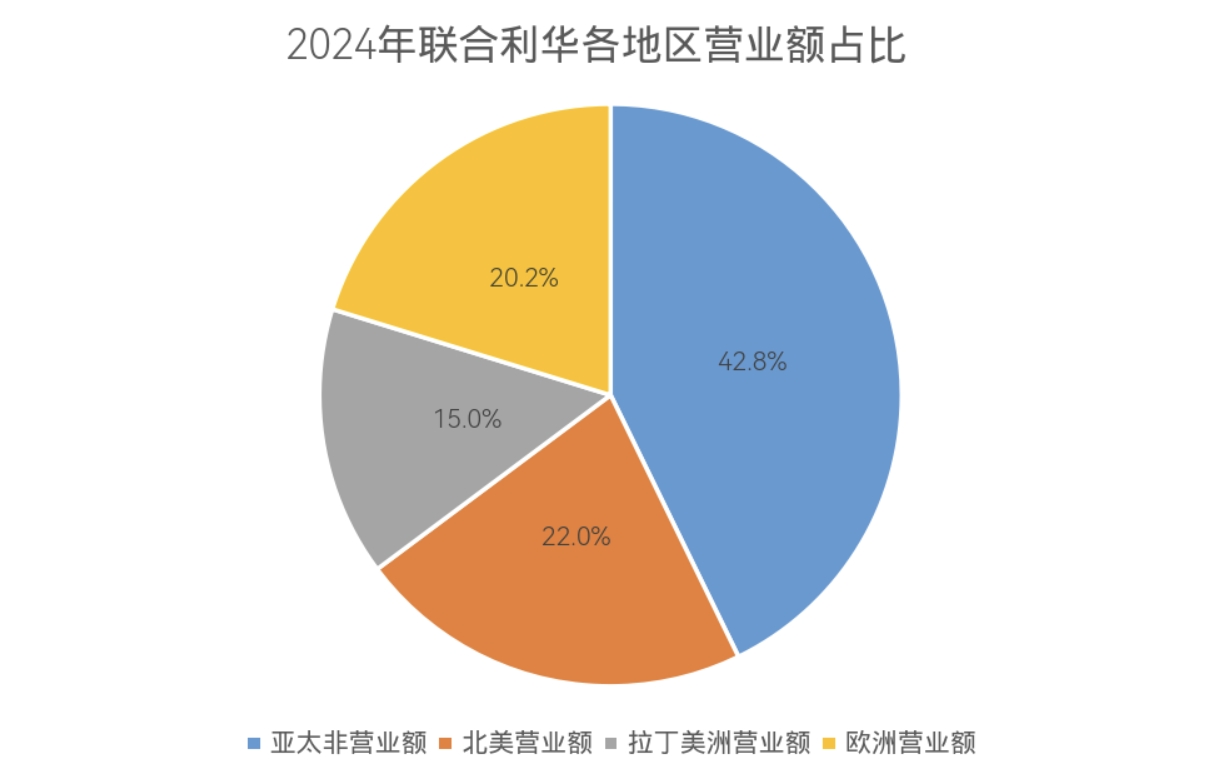
按地区看,亚太非仍然是联合利华最大的市场,也是唯一一个营业额负增长的地区,2024年全年营业额260亿欧元,同比下降0.8%;美洲地区营业额225亿欧元,其中北美134亿欧元,拉丁美洲91亿欧元,虽然拉丁美洲是营业额最低的地区,却是增长最迅猛的地区,同比增长8.3%;欧洲营业额123亿欧元。

值得注意的是,财报提及,中国市场除食品板块外,其他板块均出现中个位数的下滑,原因是“市场疲软”。在亚太非地区,联合利华年报中明确提及增长的地区包括印度(增长1.8%)、菲律宾、泰国、非洲(全年实现两位数增长);印度尼西亚下滑8.7%。

按地区发展程度看,新兴市场远高于发达市场,全年营业额达353亿欧元,发达市场255亿欧元。

亿邦持续追踪报道该情报,如想了解更多与本文相关信息,请扫码关注作者微信。

文章来源:亿邦动力

广告
微信
朋友圈

FAQ回顾

联合利华2024年全年业绩表现如何?

联合利华2024年营业额608亿欧元同比增长1.9%,净利润64亿欧元同比下降10.8%。营业利润94亿欧元下降3.7%,基础营业利润112亿欧元增长12.6%,基础营业利润率提升至18.4%。

联合利华各业务板块2024年营业额分别是多少?

个人护理业务营业额136亿欧元(同比下降1.5%),美容与健康业务132亿欧元(增长5.5%),食品业务134亿欧元(增长1.1%),家居护理123亿欧元(增长1.4%),冰激凌业务83亿欧元(增长4.5%)。

联合利华2024年在各地区市场表现如何?

亚太非地区营业额260亿欧元(下降0.8%)是最大市场,美洲225亿欧元(北美134亿,拉丁美洲91亿增长8.3%),欧洲123亿欧元。新兴市场营业额353亿欧元高于发达市场的255亿欧元。

这么好看,分享一下?

朋友圈 分享

APP内打开

赞 +1
+1
微信好友 朋友圈 新浪微博 QQ空间
关闭
收藏成功
发送
/140 0