广告
加载中

Temu或将直接在韩国本土招兵买马 构建综合物流体系

王昱 2025-02-10 11:11
王昱 2025/02/10 11:11

邦小白快读

EN
全文速览

Temu在韩国市场的扩张动作和关键数据展示其快速崛起。

1. Temu正招聘韩国本土员工,涵盖人事、总务、营销、物流等核心岗位,旨在加强市场布局。2. 构建综合物流系统,推进与韩国主要物流企业(如CJ物流、韩进物流)的公开竞标签约方案,优化配送效率。3. 市场表现强劲:上个月月活跃用户数达823万,仅次于Coupang和AliExpress;2024年前11个月累计下载量1804万次位居首位,显示用户高增长趋势。

Temu的当前行动被视为直接进军韩国市场的筹备阶段,类似全球速卖通战略,虽消息未完全证实,但数据表明其在竞争中的优势地位。

Temu的品牌营销策略和渠道建设动态突显其在韩国市场的本土化进程。

1. 品牌营销方面:招聘营销岗位韩国员工,强化本地化推广,以应对韩国消费者偏好。2. 品牌渠道建设:通过构建综合物流系统,签约韩国物流企业(如CJ物流、韩进物流),优化供应链和分销网络,便于产品快速到达用户。3. 消费趋势和用户行为:月活跃用户数823万排名第三,高下载量1804万次第一,表明用户对新电商平台的接受度高;Temu的快速增长反映韩国电商市场的蓬勃需求,可供参考定价和产品研发。

整体上,Temu的行动聚焦本土化,意在提升品牌竞争力,品牌商可从中学习如何利用物流和用户数据拓展渠道。

韩国市场的新增长机会和Temu的策略为卖家提供潜在合作点。

1. 政策解读和机会提示:Temu直接进军韩国市场,招聘当地员工、构建物流系统,卖家可借机进入韩国市场拓展业务。2. 消费需求变化:用户月活跃数823万及下载量第一显示需求高涨,卖家应关注用户偏本土化产品。3. 事件应对和风险提示:消息未由发言人证实,卖家需警惕不确定性;物流合作方案(公开竞标签约物流企业)提供合作机会,同时需防范竞争风险。

总体而言,Temu的模式类似全球速卖通,卖家可学习其本土化方法以抓住韩国市场机遇。

Temu的物流需求启示产品生产和数字化推进的商业机会。

1. 产品生产和设计需求:构建综合物流系统,强调高效配送,工厂需优化生产以支持快速周转的本土产品供应。2. 商业机会:Temu与韩国物流企业合作,工厂可探索供应链合作,如为电商订单提供定制化产品;月活跃用户823万的数据显示需求增长,工厂可瞄准韩国市场开发新产品。3. 推进数字化启示:Temu的电商扩张推动数字化物流,工厂应强化电商适配能力以降低成本。

整体上,Temu的行动提示工厂需关注韩国电商供应链需求,以抓住增长机遇。

行业趋势和物流解决方案突显服务商应对客户痛点的机遇。

1. 行业发展趋势:Temu推进本土化战略,类似全球速卖通,显示电商市场的本地化方向,服务商可优化配套服务。2. 新技术和客户痛点:综合物流系统构建(如公开竞标签约)旨在解决配送效率痛点,服务商可提供物流技术解决方案。3. 解决方案启示:Temu招聘物流岗位员工强化运维,服务商可开发类似方案帮助客户提升效率。

整体上,Temu的高下载量和活跃用户数据表明需求大,服务商需聚焦韩国市场痛点提供定制化服务。

Temu的平台运营策略和招商需求强调平台商需关注的最新做法。

1. 平台最新做法:招聘韩国本地员工加强运营管理,优化人事、营销等环节;构建综合物流系统,签约物流企业提升平台服务效率。2. 平台招商和运营管理:通过公开竞标推进物流合作,提供招商机会;平台本地化筹备(如成立分公司)展示运营策略,平台商可学习规避风险(如消息不确定性)。3. 商业需求问题:用户数据高增长(月活跃823万)显示市场潜力,平台需优化招商以吸引更多卖家。

整体上,Temu的行动类似速卖通,平台商应借鉴其本土化模式来管理平台风向。

产业新动向和商业模式分析提供政策启示和市场研究点。

1. 产业新动向:Temu直接进军韩国市场,招聘员工、构建物流系统,显示跨境电商本土化趋势;市场数据如月活跃用户823万及下载量第一突显新问题(如竞争加剧)。2. 商业模式:战略类似全球速卖通,研究者可分析其筹备阶段模式以推及新法规建议(如加强本地法规适应)。3. 政策启示:物流合作方案反映电商平台需优化监管;未证实消息提示数据透明性需求,研究者可探讨政策改进。

整体上,Temu的增长案例提供研究韩国电商市场的新视角和启示。

返回默认
声明:快读内容全程由AI生成,请注意甄别信息。如您发现问题,请发送邮件至 run@ebrun.com 。

我是 品牌商 卖家 工厂 服务商 平台商 研究者 帮我再读一遍。

Quick Summary

Temu's rapid expansion in South Korea is demonstrated by its strategic moves and key performance data.

1. Temu is hiring local Korean staff across core functions like HR, administration, marketing, and logistics to strengthen its market presence.

2. The company is building an integrated logistics system and advancing public bidding contracts with major Korean logistics firms such as CJ Logistics and Hanjin Logistics to optimize delivery efficiency.

3. Strong market performance: Last month, Temu recorded 8.23 million monthly active users, ranking third after Coupang and AliExpress, while its cumulative downloads of 18.04 million in the first 11 months of 2024 placed it first—highlighting robust user growth.

Temu's current actions are seen as preparations for a direct entry into the South Korean market, similar to AliExpress’s strategy. Although not fully confirmed, the data indicates its competitive advantage.

Temu’s brand marketing and channel development efforts highlight its localization strategy in South Korea.

1. Brand marketing: Hiring local marketing staff to strengthen promotions tailored to Korean consumer preferences.

2. Channel development: Establishing an integrated logistics system and partnering with Korean logistics companies like CJ Logistics and Hanjin Logistics to optimize supply chain and distribution networks for faster product delivery.

3. Consumer trends: With 8.23 million monthly active users (ranking third) and leading download figures (18.04 million), Temu’s growth reflects high acceptance of new e-commerce platforms in Korea—offering insights for pricing and product R&D.

Overall, Temu’s localized approach aims to enhance brand competitiveness, providing lessons for brands on leveraging logistics and user data to expand channels.

Temu’s expansion into South Korea presents new growth opportunities and strategic insights for sellers.

1. Policy and opportunity: Temu’s direct market entry, including local hiring and logistics development, allows sellers to explore the Korean market.

2. Consumer demand: High monthly active users (8.23 million) and leading downloads indicate strong demand, suggesting a focus on localized products.

3. Risks and responses: While the news remains unconfirmed by spokespersons, sellers should monitor uncertainties; logistics partnerships (via public bidding) offer collaboration opportunities but require competitive risk management.

Temu’s model resembles AliExpress, and sellers can learn from its localization tactics to capture opportunities in South Korea.

Temu’s logistics demands highlight opportunities for production optimization and digital transformation.

1. Production needs: The integrated logistics system emphasizes efficient delivery, requiring factories to support fast turnover of localized products.

2. Business opportunities: Partnerships with Korean logistics firms open avenues for supply chain collaboration, such as customized product orders; high user growth (8.23 million MAU) signals demand, encouraging new product development for the Korean market.

3. Digitalization: Temu’s expansion drives e-commerce logistics digitization, urging factories to enhance e-commerce adaptability to reduce costs.

Temu’s moves underscore the need for factories to align with South Korea’s e-commerce supply chain demands to seize growth.

Industry trends and logistics solutions reveal opportunities for service providers to address client pain points.

1. Market trends: Temu’s localization strategy, akin to AliExpress, signals a shift toward localized e-commerce, prompting service providers to optimize supporting services.

2. Technology and pain points: The integrated logistics system (e.g., public bidding contracts) targets delivery efficiency issues, creating demand for logistics tech solutions.

3. Solution insights: Temu’s hiring of logistics staff for operations highlights a need for efficiency-enhancing services that providers can develop.

High download and active user metrics indicate strong demand, urging providers to offer tailored solutions for the Korean market.

Temu’s platform strategies and merchant recruitment needs highlight evolving best practices for marketplace operators.

1. Latest practices: Hiring local staff to strengthen operations (HR, marketing) and building an integrated logistics system with partners to boost service efficiency.

2. Merchant management: Public bidding for logistics partnerships offers recruitment opportunities; localized preparations (e.g., establishing subsidiaries) demonstrate operational strategies, though unconfirmed news requires risk vigilance.

3. Business needs: High user growth (8.23 million MAU) signals market potential, necessitating optimized merchant attraction strategies.

Temu’s AliExpress-like approach offers lessons for platform operators on managing localization and market dynamics.

Temu’s market entry and business model provide insights for policy and industry analysis.

1. Industry trends: Direct expansion into South Korea via local hiring and logistics development reflects cross-border e-commerce localization; data (e.g., 8.23 million MAU, leading downloads) highlights issues like intensified competition.

2. Business model: The AliExpress-like strategy offers a case study for analyzing preparatory phases and regulatory adaptation (e.g., local compliance).

3. Policy implications: Logistics collaboration models underscore the need for regulatory optimization in e-commerce; unverified news suggests transparency requirements, inviting research into policy improvements.

Temu’s growth case offers a fresh perspective for studying South Korea’s e-commerce market and its implications.

Disclaimer: The "Quick Summary" content is entirely generated by AI. Please exercise discretion when interpreting the information. For issues or corrections, please email run@ebrun.com .

I am a Brand Seller Factory Service Provider Marketplace Seller Researcher Read it again.

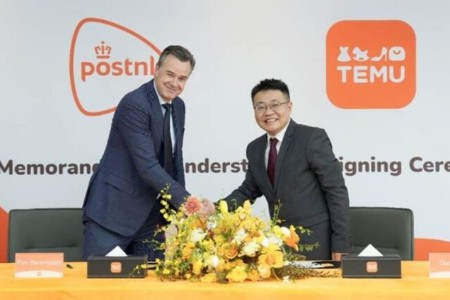
【亿邦原创】2月10日消息,据韩联社报道,Temu似乎“正为直接进军韩国市场进行准备。”据其披露,Temu从去年底开始为人事、总务、营销、物流等核心岗位招聘韩国员工。近期,Temu还准备在韩构建综合物流系统,推进通过公开竞标与韩国主要物流企业签约的方案。

目前,CJ物流、韩进物流等韩国企业是Temu在国内市场的主要物流合作伙伴。

Temu于2023年7月进入韩国市场,并于去年2月成立了韩国分公司“Whaleco Korea LLC”。但此前Whaleco Korea尚未雇用任何当地员工。

韩媒分析称,Temu近期所采取的一系列措施与另一家中国电商“全球速卖通”布局韩国市场的战略相似,可被视为加强本土化或直接进军韩国市场的筹备阶段。

据零售市场分析服务公司Wiseapp Retail的数据,上个月,Temu应用程序在韩国的月活跃用户数达到823万,仅次于韩国电子商务巨头Coupang Inc. 的3302万和阿里巴巴集团旗下的AliExpress的912万。

而去年12月,由IGA Works所发布的韩国应用市场调查报告也曾显示,2024年前11个月,Temu的累计新下载量高达1804万次,在该市场所有应用程序中位居第一。

韩联社也联系了Temu驻首尔的一位发言人,但他并未证实该公司是否正在尝试雇佣当地员工或推进其他战略行动的相关消息。


亿邦持续追踪报道该情报,如想了解更多与本文相关信息,请扫码关注作者微信。

文章来源:亿邦动力

广告
微信
朋友圈

FAQ回顾

Temu在韩国市场采取了哪些本土化策略?

Temu从2023年底开始为韩国市场招聘人事、总务、营销、物流等核心岗位员工,并计划构建综合物流系统,通过竞标与韩国主要物流企业签约。

Temu在韩国的市场份额和用户数据如何?

截至上个月,Temu应用在韩国的月活跃用户数为823万,仅次于Coupang和AliExpress。2024年前11个月累计新下载量达1804万次,位居市场第一。

Temu何时进入韩国市场并成立分公司?

Temu于2023年7月进入韩国市场,并于2024年2月成立了韩国分公司Whaleco Korea LLC,但初期未雇用当地员工。

这么好看,分享一下?

朋友圈 分享

APP内打开

赞 +1
+1
微信好友 朋友圈 新浪微博 QQ空间
关闭
收藏成功
发送
/140 0