广告
加载中

AI眼镜玩家李未可科技在CES展出三款产品 新品Meta Lens View将于春季正式发布

亿邦动力 2025-01-08 16:00
亿邦动力 2025/01/08 16:00

邦小白快读

EN
全文速览

文章重点介绍了李未可科技在CES 2025上展示的AI眼镜新品及其市场策略,提供实用干货。

1. 产品亮点:新品Meta Lens View重量控制在40克以内,比同类产品更轻便;Meta Lens Chat支持24种语言翻译功能,在国际展会中广受欢迎。

2. 市场策略:公司针对不同区域推广产品,欧美市场侧重带显示和摄像头的眼镜,其他国际市场侧重带音频AI的眼镜。

3. 渠道方式:通过深化与分销商合作、推广自有电商平台,并与亚马逊等巨头合作,提升销售覆盖。

4. 品牌曝光:2025年将加强社交媒体和跨境直播营销,以提高海外知名度。

5. 行业趋势:智能设备正朝轻量化与续航突破方向发展,区域化需求凸显(如本地化功能),并强调硬件、软件与服务一体的生态系统竞争。

李未可科技的海外品牌建设和产品创新提供核心干货,助力品牌策略。

1. 品牌营销:2025年通过社交媒体和跨境直播加强海外曝光度,提升全球品牌影响力。

2. 渠道建设:深化与分销商合作,利用CES达成初步意向;同时推广自有电商平台,并与亚马逊等电商巨头合作,拓展多渠道销售。

3. 产品研发:新品Meta Lens View注重轻量化设计(40克内),Meta Lens Chat融入多语言翻译功能,契合消费趋势中的轻便和本地化需求。

4. 消费趋势:用户偏好轻便持久设备(轻量化与续航突破),区域化需求推动产品多样化设计(如欧美市场侧重显示功能)。

5. 用户行为:国际展会反馈显示翻译功能受欢迎,提示品牌需关注用户交互痛点。

李未可科技的海外拓展策略揭示增长市场与合作机会,提供可学点。

1. 增长市场:欧美市场机会集中在带显示和摄像头的AI眼镜,其他国际市场聚焦带音频AI产品,卖家可据此分区域布局。

2. 消费需求变化:轻量化产品(如View)和翻译功能(如Chat)受用户欢迎,提示卖家关注轻便性和本地化服务需求。

3. 合作方式:通过CES与分销商建立合作意向,推广自有电商平台或与亚马逊合作,开拓销售渠道。

4. 机会提示:新品春季发布(Meta Lens View)带来增量机会;生态系统竞争趋势强调硬件、软件、服务一体化,卖家可学习此模式提升竞争力。

5. 可学习点:公司利用国际展会反馈优化产品设计(如轻量化),卖家可借鉴以应对市场事件。

产品生产需求和商业机会启示工厂数字化转型。

1. 生产设计需求:新品Meta Lens View重量控制在40克内,强调轻量化制造工艺,提升产品竞争力。

2. 商业机会:海外市场细分(欧美主推显示/摄像头产品,其他市场主推音频AI产品),工厂可针对性生产满足区域需求。

3. 数字化启示:推进电商合作(如自有平台或亚马逊),反映线上线下融合趋势;AI与硬件深度融合趋势(如语言翻译功能),提示工厂整合智能技术。

4. 机遇扩展:生态系统竞争强调一体化服务,工厂可探索硬件与软件结合的制造模式。

行业发展趋势和新技术为客户痛点提供解决方案。

1. 行业趋势:智能设备轻量化与续航突破成为主流,区域化需求凸显(如本地化功能),生态系统竞争加速硬件、软件与服务一体化布局。

2. 新技术:AI眼镜如Meta Lens Chat支持24种语言翻译,解决国际交流中的语言障碍痛点。

3. 解决方案:针对市场推广,公司通过分销商合作和电商平台(自有或亚马逊)策略,提供渠道优化方案;品牌营销使用社交媒体和跨境直播,可缓解客户曝光不足问题。

4. 痛点响应:用户反馈轻量化设计受欢迎,服务商可围绕此开发解决方案。

商业对平台的需求和运营管理提供最新做法。

1. 平台需求:企业需要电商平台(如亚马逊)和自有平台合作,解决产品销售和渠道覆盖问题。

2. 最新做法:通过CES平台招商达成分销商合作意向,推广多渠道策略;利用社交媒体和跨境直播提升运营曝光,规避市场风险。

3. 平台招商:CES作为国际展会吸引合作,提供招商机会;深化与分销商关系,强化平台生态。

4. 运营管理:品牌营销策略(如2025年加强海外曝光)帮助优化平台用户粘性,强调硬件、软件与服务一体化的生态竞争模式。

产业新动向和商业模式揭示研究启示。

1. 产业动向:AI与硬件深度融合趋势明显,表现为轻量化与续航突破、区域化需求凸显(如本地化功能差异)、生态系统竞争加速。

2. 新问题:市场多元化可能导致产品分化(如欧美与其他国际市场需求差异),需研究区域策略优化;生态竞争趋势引发对一体化服务模式的挑战。

3. 商业模式启示:硬件、软件与服务一体化布局(如Meta Lens产品线)代表新兴模式,研究者可分析其可持续性;无直接政策,但区域化需求可能隐含政策制定启示(如本地化法规)。

返回默认

声明:快读内容全程由AI生成,请注意甄别信息。如您发现问题,请发送邮件至 run@ebrun.com 。

我是 品牌商 卖家 工厂 服务商 平台商 研究者 帮我再读一遍。

Quick Summary

The article highlights Li Weike Technology's new AI glasses showcased at CES 2025 and its market strategy, offering practical insights.

1. Product highlights: The new Meta Lens View weighs under 40 grams, making it lighter than competing products; Meta Lens Chat supports 24-language translation, gaining popularity at international events.

2. Market strategy: The company tailors product promotion by region—focusing on glasses with displays and cameras for Europe and the U.S., and audio-AI glasses for other international markets.

3. Channel approach: Sales coverage is expanded through deeper distributor partnerships, promotion of its own e-commerce platform, and collaborations with giants like Amazon.

4. Brand exposure: In 2025, the company will boost overseas visibility via social media and cross-border livestream marketing.

5. Industry trends: Smart devices are trending toward lightweight designs and battery life breakthroughs, with regional demand (e.g., localized features) emphasizing ecosystem competition integrating hardware, software, and services.

Li Weike Technology’s overseas branding and product innovation offer core insights for brand strategy.

1. Brand marketing: In 2025, the company will enhance global influence through social media and cross-border livestreams to increase overseas exposure.

2. Channel development: Deepening distributor collaborations, leveraging CES for preliminary partnerships; promoting its own e-commerce platform and partnering with giants like Amazon to expand multi-channel sales.

3. Product R&D: The new Meta Lens View emphasizes lightweight design (under 40g), while Meta Lens Chat integrates multilingual translation, aligning with consumer trends for portability and localization.

4. Consumer trends: User preference for lightweight, long-lasting devices drives innovation; regional demand spurs diversified designs (e.g., display-focused models for Western markets).

5. User behavior: Positive feedback on translation features at international events highlights the need to address interaction pain points.

Li Weike Technology’s overseas expansion strategy reveals growth markets and partnership opportunities with actionable takeaways.

1. Growth markets: Europe and the U.S. offer opportunities for AI glasses with displays/cameras, while other international markets focus on audio-AI products—sellers can plan regional allocations accordingly.

2. Shifting demand: Lightweight products (e.g., View) and translation features (e.g., Chat) are popular, urging sellers to prioritize portability and localized services.

3. Collaboration models: Establish distributor partnerships via CES; leverage owned e-commerce platforms or Amazon to open sales channels.

4. Opportunity alert: Spring launch of Meta Lens View brings incremental potential; ecosystem competition trends emphasize integrated hardware, software, and services—sellers can adopt this model to boost competitiveness.

5. Key takeaway: The company uses international event feedback to refine products (e.g., lightweighting), a practice sellers can emulate to respond to market shifts.

Product requirements and commercial opportunities inform digital transformation for factories.

1. Production needs: The Meta Lens View’s sub-40g weight demands lightweight manufacturing techniques to enhance product competitiveness.

2. Commercial opportunities: Segmented overseas markets (display/camera products for West, audio-AI for others) enable targeted production to meet regional demand.

3. Digital insights: E-commerce partnerships (e.g., owned platforms or Amazon) reflect omnichannel trends; AI-hardware integration (e.g., translation features) signals the need to embed smart technologies.

4. Expansion avenues: Ecosystem competition underscores integrated services, prompting factories to explore combined hardware-software manufacturing models.

Industry trends and new technologies address client pain points with solutions.

1. Industry trends: Lightweight smart devices with extended battery life are mainstream; regional demand (e.g., localized features) accelerates ecosystem competition blending hardware, software, and services.

2. New tech: AI glasses like Meta Lens Chat, with 24-language translation, tackle language barriers in global communication.

3. Solutions: For market expansion, the company’s distributor and e-commerce strategies (owned/Amazon) offer channel optimization; social media and livestream marketing address low exposure issues.

4. Pain point response: User favor for lightweight designs guides service providers in developing relevant solutions.

Business demands on platforms and operational practices provide updated methodologies.

1. Platform needs: Companies seek e-commerce partnerships (e.g., Amazon or owned platforms) to resolve sales and channel coverage challenges.

2. Latest practices: Leveraging CES to secure distributor partnerships promotes multi-channel strategies; social media and livestreams enhance operational visibility while mitigating market risks.

3. Partnership recruitment: CES serves as a hub for international collaborations, offering招商 opportunities; strengthening distributor ties enriches platform ecosystems.

4. Operations management: Brand strategies (e.g., boosting overseas exposure in 2025) optimize user engagement, highlighting ecosystem competition integrating hardware, software, and services.

Industry shifts and business models reveal research implications.

1. Industry dynamics: AI-hardware integration trends include lightweighting, battery breakthroughs, and regional demand (e.g., localized features), accelerating ecosystem competition.

2. Emerging issues: Market diversification may drive product divergence (e.g., West vs. other regions), necessitating regional strategy optimization; ecosystem competition poses challenges for integrated service models.

3. Business insights: Integrated hardware-software-service models (e.g., Meta Lens lineup) represent emerging paradigms worthy of sustainability analysis; regional demands imply policy considerations (e.g., localization regulations).

Disclaimer: The "Quick Summary" content is entirely generated by AI. Please exercise discretion when interpreting the information. For issues or corrections, please email run@ebrun.com .

I am a Brand Seller Factory Service Provider Marketplace Seller Researcher Read it again.

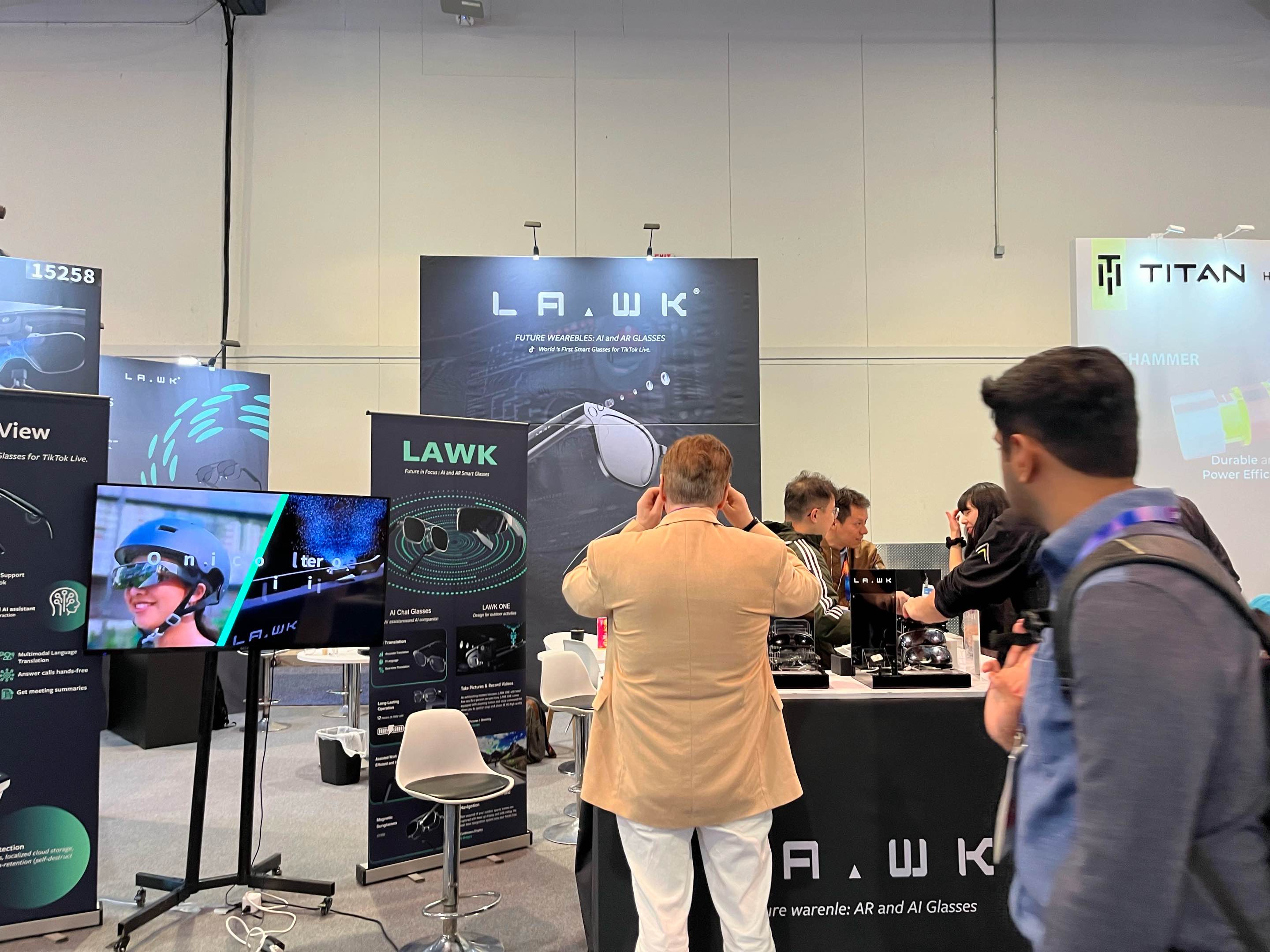
【亿邦原创】当地时间1月7日至10日,全球最大的电子消费展CES 2025在美国拉斯维加斯盛大开幕。作为国内AI眼镜玩家的李未可科技,继去年首次参展后,今年再次携新品亮相,展出了AR眼镜Meta Lens S3、AI眼镜Meta Lens Chat和2025年春季即将推出的AI拍摄眼镜Meta Lens View三款产品。

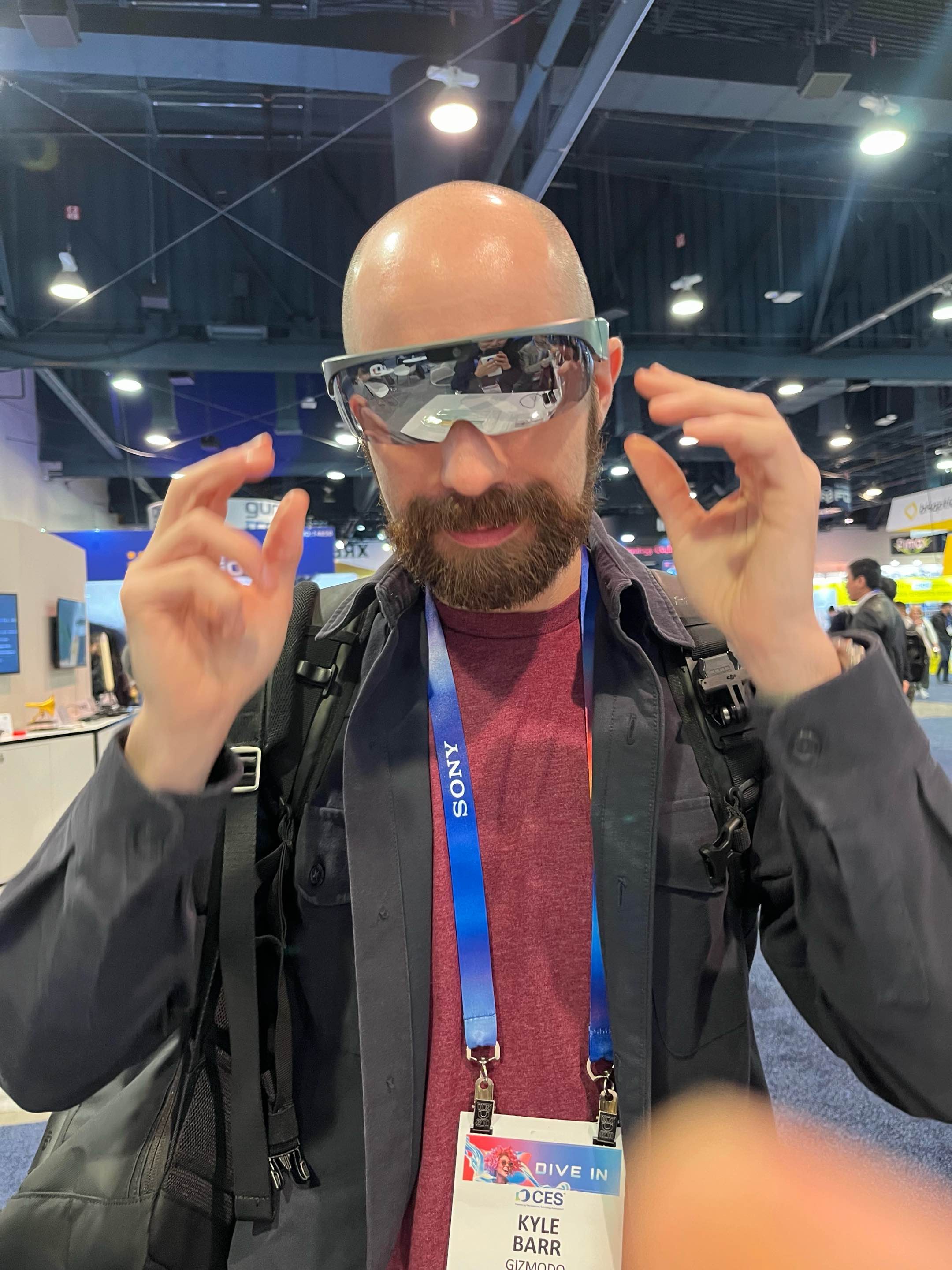
据其相关负责人介绍,新品View和Chat在CES上都很受关注,虽然本次新品View的软件功能没有开放体验,但是根据现场用户试戴的反馈来看,体验很好。“View这款产品整机重量控制在40g內,比Meta还要轻。而Chat上线了24种语言的翻译,在用户的实际体验中,特别是CES这样的国际展会,这一功能非常受欢迎。”他谈道。

对于海外市场端的产品计划,李未可科技方面表示,公司会针对不同市场的需求去推广不同的产品,例如,带显示的和带摄像头的AI眼镜主要在欧美市场开拓,带音频AI的眼镜主要会在欧美以外的国际市场。渠道策略上,一方面,李未可科技将深化与当地分销商的合作,并通过CES达成初步意向;另一方面将推广自有电商平台,同时与亚马逊等全球电商巨头合作。此外,2025年,李未可科技也将加强品牌营销,通过社交媒体、跨境直播等方式提升在海外的曝光度。

在本次CES上,李未可科技对于AI与硬件的深度融合感受颇深,“AI与硬件技术的应用范围更广泛了”。而就AI眼镜这一赛道的情况而言,其负责人总结了三个方面的发展趋势:

一是轻量化与续航的突破:智能设备越来越追求轻便和持久,用户体验成为重要卖点;

二是区域化需求凸显:海外观众对于本地化功能的需求更为强烈,市场逐渐走向多元化;

三是生态系统竞争:不仅仅是单品展示,更强调硬件、软件与服务一体化的生态布局。

文章来源:亿邦动力

广告
微信
朋友圈

FAQ回顾

李未可科技在CES 2025展出了哪些AI眼镜产品?

李未可科技展出了AR眼镜Meta Lens S3、AI眼镜Meta Lens Chat和即将于2025年春季发布的AI拍摄眼镜Meta Lens View三款产品。

李未可科技AI眼镜新品Meta Lens View有哪些特点?

Meta Lens View整机重量控制在40g以内,比Meta更轻,是一款主打轻量化的AI拍摄眼镜,将于2025年春季正式发布。

李未可科技如何布局海外市场?

公司将针对不同市场需求推广产品:带显示和摄像头的AI眼镜主攻欧美市场,带音频AI的眼镜面向其他国际市场,渠道包括当地分销商、自有电商平台和亚马逊合作。

这么好看,分享一下?

朋友圈 分享

APP内打开

赞 +1
+1
微信好友 朋友圈 新浪微博 QQ空间
关闭
收藏成功
发送
/140 0