广告
加载中

发改委国土开发与地区经济研究所来访知识服务中心

亿邦动力 2024-06-11 17:51
亿邦动力 2024/06/11 17:51

邦小白快读

EN
全文速览

文章介绍了国家发改委研究所考察全球跨境电商知识服务中心的详细事件,包含关键信息和实际操作干货。

1. 讲解员分享了中国跨境电商的发展历程和当前行业形势,帮助了解行业演变和现状。

2. 详细解读了杭州跨境电商综合试验区的创新政策和模式,提供实用参考。

3. 中心由多个机构联合建设运营,其三大功能(产业打卡地、创新观察哨、跨境会客厅)展示了公共服务平台的实际运作方式。

4. 中心以促进产业高质量发展为目标,立足杭州、服务全国、沟通世界,输出知识理论和实践经验,为读者提供实操启示。

文章内容可为品牌商提供跨境电商领域的消费趋势和渠道建设启示,聚焦品牌营销和用户行为观察。

1. 跨境电商行业形势分析揭示了当前消费需求和用户行为变化,帮助品牌商调整产品研发和定价策略。

2. 杭州跨境电商综合试验区的创新政策和模式展示了品牌渠道建设的机会,例如通过新政策优化品牌营销路径。

3. 知识服务中心作为公共服务平台,提供行业趋势观察,支持品牌商在电商渠道中应对竞争和市场波动。

文章提供了杭州跨境电商综合试验区的政策解读和合作机会,针对卖家关注增长市场和扶持政策。

1. 创新政策和模式的详细解读为卖家指明政策应对措施和增长方向,提示潜在风险和机会。

2. 中心联合建设模式展示了合作方式和扶持政策,例如多机构协作提供的商业机会和可学习点。

3. 跨境电商发展历程和形势分析揭示消费需求变化,帮助卖家把握最新商业模式和事件应对措施。

文章为工厂提供跨境电商领域的商业机会和数字化推进启示,聚焦产品生产和设计需求。

1. 跨境电商行业形势分析建议产品生产和设计的新需求,例如根据趋势调整生产策略。

2. 杭州综试区创新政策和模式提供商业机会启示,助力工厂在电商中推进数字化和降低成本。

3. 知识服务中心输出实践经验,为工厂提供推进电商化的具体启示,例如公共服务功能支持产业升级。

文章揭示了跨境电商行业发展趋势和知识服务中心的解决方案,针对客户痛点和技术应用。

1. 行业发展历程和形势分析提供当前趋势洞察,帮助服务商识别新技术和市场需求。

2. 中心作为公共服务平台,其三位一体功能(产业打卡地、创新观察哨、跨境会客厅)展示了解决行业痛点的方案,例如创新观察支持客户服务。

3. 中心任务聚焦输出知识理论和实践经验,为服务商提供合作启示,推动行业解决方案开发。

文章描述了全球跨境电商知识服务中心的平台运营做法,针对招商和需求管理。

1. 中心的联合建设模式涉及平台招商和合作方式,例如多机构共建展示了招商策略。

2. 其功能如产业打卡地、跨境会客厅展示平台运营管理和最新做法,帮助规避风险并优化管理。

3. 中心任务立足杭州、服务全国,提示商业对平台的需求和问题,例如输出知识支持平台风向规避。

文章提供跨境电商产业新动向和政策建议启示,聚焦商业模式和研究问题。

1. 发展历程和形势分析揭示产业新动向和新问题,例如杭州综试区的创新引发法规建议思考。

2. 创新政策和模式提供政策法规启示,支持研究者分析商业模式演变。

3. 知识服务中心作为城市产业公共服务平台,其商业模式值得研究,例如三位一体功能在产业中的作用。

返回默认
声明:快读内容全程由AI生成,请注意甄别信息。如您发现问题,请发送邮件至 run@ebrun.com 。

我是 品牌商 卖家 工厂 服务商 平台商 研究者 帮我再读一遍。

Quick Summary

The article details the National Development and Reform Commission's research institute's visit to the Global Cross-Border E-commerce Knowledge Service Center, providing key insights and practical takeaways.

1. Presenters shared the development history and current state of China's cross-border e-commerce sector, offering context on its evolution and present conditions.

2. It offers a detailed analysis of the innovative policies and models within the Hangzhou Cross-Border E-commerce Comprehensive Pilot Zone, serving as a practical reference.

3. The center, jointly built and operated by multiple institutions, demonstrates the operational model of a public service platform through its three core functions: an industry landmark, an innovation observatory, and a cross-border meeting hub.

4. Aiming to promote high-quality industry development, the center is rooted in Hangzhou but serves the nation and connects globally, exporting knowledge and practical experience to provide actionable insights for readers.

The article offers brand owners insights into consumer trends and channel development within cross-border e-commerce, focusing on brand marketing and user behavior.

1. Analysis of the cross-border e-commerce landscape reveals shifts in consumer demand and user behavior, aiding brands in refining product development and pricing strategies.

2. Innovative policies and models from the Hangzhou Pilot Zone highlight opportunities for channel building, such as optimizing brand marketing pathways through new regulations.

3. As a public service platform, the Knowledge Service Center provides industry trend monitoring, supporting brands in navigating competition and market volatility within e-commerce channels.

The article provides sellers with policy interpretations and partnership opportunities from the Hangzhou Pilot Zone, focusing on market growth and support policies.

1. Detailed analysis of innovative policies and models guides sellers on compliance measures and growth directions, highlighting potential risks and opportunities.

2. The center's collaborative operational model showcases partnership avenues and support policies, such as business opportunities and best practices derived from multi-agency cooperation.

3. Historical and current analysis of cross-border e-commerce reveals evolving consumer demands, helping sellers adapt to new business models and respond effectively to market events.

The article provides factories with business opportunities and digital transformation insights in cross-border e-commerce, focusing on production and design needs.

1. Analysis of the cross-border e-commerce sector suggests new requirements for product manufacturing and design, such as adjusting production strategies based on market trends.

2. Innovative policies and models from the Hangzhou Pilot Zone offer business opportunities that can aid factories in digital advancement and cost reduction within e-commerce.

3. The Knowledge Service Center's export of practical experience provides specific guidance for factories on e-commerce transformation, leveraging public service functions to support industrial upgrading.

The article reveals industry trends and the Knowledge Service Center's solutions for cross-border e-commerce, addressing client pain points and technology applications.

1. Analysis of the sector's development and current state offers trend insights, helping service providers identify new technologies and market demands.

2. The center's three-in-one function (industry landmark, innovation observatory, cross-border meeting hub) demonstrates solutions for industry challenges, such as using innovation observation to enhance client services.

3. The center's mission to export knowledge and practical experience offers collaboration insights for service providers, facilitating the development of industry-wide solutions.

The article describes the platform operation practices of the Global Cross-Border E-commerce Knowledge Service Center, focusing on merchant acquisition and demand management.

1. The center's joint construction model involves strategies for merchant recruitment and partnership building, exemplified by multi-institution collaboration.

2. Its functions, such as the industry landmark and cross-border meeting hub, showcase modern platform management practices, aiding in risk mitigation and operational optimization.

3. The center's mission to serve nationally from a Hangzhou base highlights business demands and challenges for platforms, such as leveraging knowledge outputs to navigate market shifts.

The article offers researchers insights into new trends and policy implications within the cross-border e-commerce industry, focusing on business models and research questions.

1. Analysis of the sector's development and current state reveals emerging trends and issues, such as regulatory considerations prompted by innovations in the Hangzhou Pilot Zone.

2. Innovative policies and models provide implications for policy and regulation, supporting researchers in analyzing the evolution of business models.

3. As an urban industrial public service platform, the Knowledge Service Center's business model is a valuable case study, particularly the role of its three-in-one function within the industry.

Disclaimer: The "Quick Summary" content is entirely generated by AI. Please exercise discretion when interpreting the information. For issues or corrections, please email run@ebrun.com .

I am a Brand Seller Factory Service Provider Marketplace Seller Researcher Read it again.

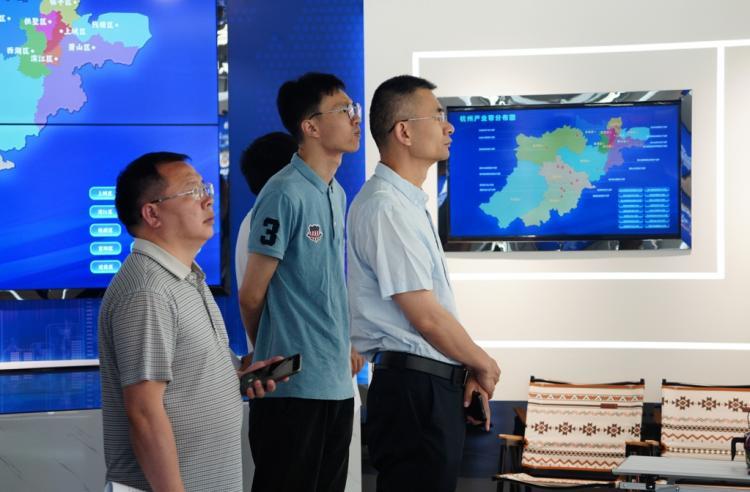
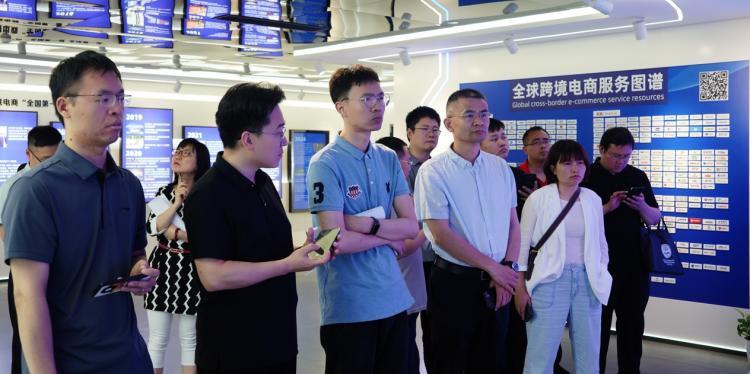
6月11日,国家发展改革委国土开发与地区经济研究所来访全球跨境电商知识服务中心。讲解员向考察团一行介绍了中国跨境电商的发展历程、跨境电商行业发展形势,分享了杭州跨境电商综试区的创新政策、模式。

全球跨境电商知识服务中心由杭州跨境电商综试区、萧山区人民政府、萧山经济技术开发区、杭州信息港小镇、亿邦动力联合建设运营。中心作为跨境电商行业首个城市产业知识公共服务平台,已经形成了产业打卡地、创新观察哨、跨境会客厅三位一体的产业知识公共服务功能。中心将以促进跨境电商产业高质量发展为首要任务,立足杭州、服务全国、沟通世界,为全球跨境电商高质量发展持续输出有效的知识理论和实践经验。


文章来源:亿邦动力

广告
微信
朋友圈

FAQ回顾

全球跨境电商知识服务中心由哪些单位联合建设运营?

该中心由杭州跨境电商综试区、萧山区人民政府、萧山经济技术开发区、杭州信息港小镇、亿邦动力五家单位联合建设运营,是跨境电商行业首个城市产业知识公共服务平台。

全球跨境电商知识服务中心的主要功能有哪些?

中心已形成产业打卡地、创新观察哨、跨境会客厅三位一体的产业知识公共服务功能,旨在为全球跨境电商高质量发展输出知识理论和实践经验。

杭州跨境电商综试区有哪些创新政策和模式?

文章提及杭州跨境电商综试区拥有创新政策和模式,具体内容由国家发改委考察团在知识服务中心听取分享,旨在促进跨境电商产业高质量发展。

这么好看,分享一下?

朋友圈 分享

APP内打开

赞 +1
+1
微信好友 朋友圈 新浪微博 QQ空间
关闭
收藏成功
发送
/140 0