广告
加载中

沃尔玛可太懂心理学了

罗拉 2026-11-18 15:52
罗拉 2026/11/18 15:52

邦小白快读

EN
全文速览

总1 沃尔玛当前最值得关注的变化是减少短期促销、强化天天平价。

1.阶段性折扣逐步退出,小程序优惠券减少,门店不以特价堆头刺激购买。

2.以2024年新一代门店升级为节点,精简价格带、减少促销机制,把资源用于日常价格稳定。

3.有商品价格长期稳定,例如19.99元20枚鸡蛋至少13个月未变价。

总2 日常购物可关注省心与稳定价格。

1.不用计算入手时机,不必担心今天买明天降价,价格简单透明更省心。

2.高频日用品更看重价格稳定,社交媒体上惠宜抽纸、纯水湿巾、棉柔巾、洗洁精和沃集鲜常温牛奶、4.0纯牛奶、高钙饼干常被列入“闭眼入”清单。

3.有人为9块9纯水湿巾和小绿瓶牛奶设置上架提醒,说明人气商品需关注到货。

总3 低价背后是体系效率。

1.精简SKU从两万多到1万左右,集中打造大单品。

2.沃集鲜通过源头规模直采和定制化平衡品质与价格,烘焙品质对标专业店、价格约一半。

3.整箱陈列、自动化履约、智能分拣和AI补货提升效率,低价不只靠供应商让利。

总1 价格策略要适应从促销刺激转向天天平价。

1.沃尔玛减少阶段性折扣和促销机制,强调日常价格持续竞争力与稳定,品牌不能只依赖短期折扣制造购买理由。

2.消费者存在损失厌恶,促销价可能成为心理锚点,恢复原价易产生失去优惠的落差,稳定价格更利于建立信任。

3.消费趋势趋于理性省心,价格越简单透明越省心,会员店、硬折扣和电商透明优惠都反映这一变化。

总2 产品与品牌营销可借力大单品和自有品牌。

1.沃尔玛精简SKU,从两万多砍到1万左右,集中资源打造有竞争力大单品,减少商品开发和运营成本。

2.自有品牌惠宜、沃集鲜受消费者关注,惠宜抽纸、纯水湿巾、棉柔巾、洗洁精和沃集鲜牛奶、高钙饼干进入“闭眼入”清单。

3.沃集鲜通过源头规模直采、商品定制化寻找品质与价格平衡,烘焙集中资源做大单品,品质对标专业烘焙店、价格约后者一半。

总3 渠道合作与研发设计要配合供应链效率。

1.供应商可通过大批量采购、稳定商品需求和协同获得更有竞争力采购条件,原料价格波谷锁单可减少成本波动。

2.商品规格设计要考虑整箱陈列,外箱盖板撕开即可整箱推入货架,节约上架成本。

3.自动化履约、智能分拣和AI预测补货提升运营效率,品牌定价竞争最终比拼系统效率。

总1 政策与商业模式变化:沃尔玛明确减少促销、坚持EDLP天天平价。

1.自2024年新一代门店升级以来,精简价格带并减少促销机制,阶段性折扣逐步退出,小程序优惠券减少。

2.2025年供应商峰会上,沃尔玛中国总裁及CEO朱晓静强调EDLP是长期稳定价值承诺,不是一场促销活动。

3.中国本土超市战略转型中,天天平价成为多家超市新口号,西班牙Mercadona也把天天低价作为经营方向。

总2 消费需求变化带来机会与风险提示。

1.消费者更看重省心、价格简单透明,反感层层计算促销;高频日用品不仅看性价比,也看价格稳定。

2.机会在于价格稳定商品易形成信任,惠宜和沃集鲜多款商品被列入“闭眼入”清单,人气商品到货即被关注。

3.风险在于依赖短期促销会触发损失厌恶,促销价成心理锚点,恢复原价易让消费者觉得买贵,影响下次购物选择。

总3 可学习点与合作方式。

1.可学习精简SKU、集中打造大单品、用自有品牌直采定制平衡品质价格,以及整箱陈列降低上架成本。

2.可与沃尔玛做稳定商品需求和大批量采购协同,关注原料价格波谷锁单等成本管理方式。

3.增长市场信号包括沃尔玛中国连续多个季度增长、会员店和硬折扣受关注,低价长期竞争力要靠供应链、自动化和AI补货的系统效率。

总1 产品生产和设计需求更偏向大单品、整箱陈列与定制化。

1.沃尔玛精简SKU,从两万多砍到1万左右,集中资源打造有竞争力的大单品,减少商品开发和运营成本。

2.新一代门店大量采用整箱陈列,商品只需撕开外箱盖板即可整箱推入货架,工厂做规格设计时要考虑节约上架成本。

3.自有品牌沃集鲜通过源头规模直采、商品定制化寻找品质与价格平衡,烘焙集中资源做大单品,品质对标专业烘焙店、价格约后者一半。

总2 商业机会来自供应商协同和稳定需求。

1.供应商可通过大批量采购、稳定商品需求和协同获得更有竞争力采购条件。

2.沃尔玛会在原料价格波谷时期锁定订单,减少原料成本波动,工厂可关注采购时机和运输资源综合管理。

3.天天平价要求成本控制贯穿商品定义、生产、仓储物流和门店运营,低价不能只靠压低采购价。

总3 数字化和电商启示是自动化与预测补货。

1.沃尔玛很早引入计算设备和卫星通信,数智化时代把自动化视为供应链战略核心。

2.智能分拣机器人使整体效率较传统模式提升约两倍,华东智慧物流枢纽日均处理能力预计提升约4倍。

3.AI预测补货分析历史销售、天气、市场活动等几十项动态因子,前置仓和云仓自动补货指令占比接近90%,工厂可理解需求预测对生产和供货节奏的价值。

总1 行业趋势是天天平价和透明价格回归。

1.沃尔玛减少阶段性促销、强化EDLP,消费者更倾向选择天天平价或频繁小幅折扣的商店,而非偶尔大幅折扣。

2.会员店、硬折扣受关注,电商双11单件直降、官方立减等透明优惠增多,本土超市也把天天平价作为转型口号。

3.商业环境越成熟、消费者越理性,帮顾客省钱的零售模式往往更有生命力,沃尔玛中国连续多个季度增长。

总2 客户痛点集中在促销依赖和价格信任。

1.促销价可能成为消费者心理锚点,恢复原价会触发损失厌恶,让消费者产生失去优惠的落差。

2.消费者选择商店时,对未来价格预期比过去平均价格更有影响力,省心、简单透明的价格更受欢迎。

3.零售商若只把成本压力向上游转移,价签可以变便宜,但低价未必长期持续。

总3 解决方案是全链条成本控制和新技术应用。

1.通过精简SKU、打造大单品、自有品牌直采定制、整箱陈列和原料波谷锁单降低商品与上架成本。

2.用自动化履约中心、智能分拣机器人、智慧物流枢纽提升供应链和门店运营效率。

3.用AI预测补货分析历史销售、天气、市场活动等几十项因子,自动生成补货指令,帮助客户建立高精度需求预测和稳定履约。

总1 消费者对平台的淘宝需求是价格简单透明、购物省心。

1.消费者反感经过层层计算的促销手段,价格越简单透明越省心。

2.高频日用品消费者不仅看性价比,也看重价格稳定,不愿为今天买明天降价而懊恼。

3.电商平台近两年双11单件直降、官方立减等透明优惠增多,说明平台需要降低购物决策复杂度。

总2 平台最新做法可参考沃尔玛的EDLP和精简运营。

1.沃尔玛自2024年新一代门店升级以来,精简价格带、减少促销机制,阶段性折扣退出,小程序优惠券减少,把资源用于日常价格稳定。

2.沃尔玛精简SKU从两万多到1万左右,集中打造大单品,并用惠宜、沃集鲜等自有品牌支撑天天平价。

3.平台运营可借供应链自动化、智能分拣、AI预测补货提升履约效率,自动补货指令在前置仓和云仓占比接近90%。

总3 招商合作与风向规避要重视长期价格承诺。

1.2025年供应商峰会上,沃尔玛中国总裁及CEO朱晓静强调EDLP是长期稳定价值承诺,不是一场促销活动,招商合作应围绕稳定需求和大批量采购协同。

2.平台应避免过度依赖短期促销,否则促销价成心理锚点,恢复原价易触发损失厌恶并影响复购。

3.低价不能只靠压供应商,需把成本控制贯穿商品定义、生产、仓储物流和门店运营,规避把短期价格战当成长期竞争力。

总1 产业新动向是EDLP回潮与硬折扣、会员店受关注。

1.沃尔玛长期坚持EDLP,2024年新一代门店升级后进一步精简价格带、减少促销机制,阶段性折扣退出。

2.西班牙零售商Mercadona在1993年启动全面质量战略时就把天天低价作为经营方向,2024年以来中国本土超市战略转型中天天平价成为多家超市新口号。

3.会员店、硬折扣和电商透明优惠增多,反映消费者对简单透明价格的偏好。

总2 新问题在促销定价与消费者心理。

1.损失厌恶使同等损失的心理冲击大于收益,促销价可能成为心理锚点,恢复原价会让消费者产生失去优惠的落差。

2.2014年美国消费者研究杂志的研究发现,消费者更倾向选择天天平价或频繁小幅折扣的商店,选择商店时对未来价格预期比过去平均价格更有影响力。

3.零售商若靠向上游转移成本压低价,价签便宜但低价难长期持续,天天平价考验商品和运营成本管理能力。

总3 商业模式启示是低价必须以系统效率为支撑。

1.沃尔玛把帮顾客省钱内化为商业模式,通过规模效应和运营效率长期盈利,1974年正式确立EDLP。

2.执行层面包括精简SKU、打造大单品、自有品牌直采定制、整箱陈列、原料波谷锁单,以及自动化履约、智能分拣、AI预测补货。

3.自动化履约中心预计带来超过30%成本改善,智能分拣效率提升约两倍,AI补货自动指令占比接近90%,说明低价竞争正在转向系统效率竞争。

返回默认
声明:快读内容全程由AI生成,请注意甄别信息。如您发现问题,请发送邮件至 run@ebrun.com 。

我是 品牌商 卖家 工厂 服务商 平台商 研究者 帮我再读一遍。

Quick Summary

Summary 1: The most notable shift at Walmart is reducing short-term promotions and strengthening everyday low prices.

1. Periodic discounts are gradually exiting, mini-program coupons are decreasing, and stores no longer use special-price display stacks to stimulate purchases.

2. Since the 2024 upgrade of its next-generation stores, Walmart has streamlined price bands and reduced promotional mechanisms, directing resources toward everyday price stability.

3. Some product prices have remained stable for a long time; for example, RMB 19.99 for 20 eggs has not changed for at least 13 months.

Summary 2: For everyday shopping, consumers can focus on convenience and stable prices.

1. Shoppers no longer need to calculate the best time to buy or worry that an item bought today will be cheaper tomorrow; simpler and more transparent pricing is easier.

2. For high-frequency daily goods, price stability matters more. On social media, Huiyi facial tissues, pure-water wipes, cotton soft tissues, dish soap, and Wojixian shelf-stable milk, 4.0 pure milk, and high-calcium biscuits are often included on must-buy lists.

3. Some people set restock alerts for RMB 9.9 pure-water wipes and little-green-bottle milk, indicating that popular items require attention to availability.

Summary 3: Low prices are underpinned by system efficiency.

1. SKUs have been cut from more than 20,000 to about 10,000, with resources concentrated on building hero SKUs.

2. Wojixian balances quality and price through scale-based direct sourcing at the origin and customized products; its bakery quality benchmarks professional stores while priced at about half.

3. Full-case displays, automated fulfillment, smart sorting, and AI replenishment improve efficiency; low prices do not rely solely on supplier concessions.

Summary 1: Pricing strategy must adapt from promotion-driven stimulation to everyday low prices.

1. Walmart is reducing periodic discounts and promotional mechanisms and emphasizing the sustained competitiveness and stability of everyday prices; brands cannot rely only on short-term discounts to create purchase reasons.

2. Consumers exhibit loss aversion; promotional prices may become psychological anchors, and returning to list price can create a sense of lost savings. Stable pricing is better for building trust.

3. Consumer trends are becoming more rational and convenience-oriented; the simpler and more transparent the price, the easier the experience. Membership stores, hard discounters, and transparent e-commerce offers all reflect this shift.

Summary 2: Product and brand marketing can leverage hero SKUs and private labels.

1. Walmart has streamlined SKUs from more than 20,000 to about 10,000, concentrating resources on competitive hero SKUs and reducing product development and operating costs.

2. Private labels Huiyi and Wojixian are attracting consumer attention; Huiyi facial tissues, pure-water wipes, cotton soft tissues, dish soap, and Wojixian milk and high-calcium biscuits have entered must-buy lists.

3. Wojixian seeks a balance between quality and price through scale-based direct sourcing and customized products; in bakery, it concentrates resources on hero SKUs, benchmarking professional bakeries in quality at about half the price.

Summary 3: Channel collaboration and R&D/design must align with supply chain efficiency.

1. Suppliers can obtain more competitive purchasing terms through large-volume procurement, stable product demand, and collaboration; locking in orders at troughs in raw material prices can reduce cost volatility.

2. Product specification design should consider full-case displays: the outer carton lid can be torn open so the full case can be pushed directly onto shelves, saving shelving costs.

3. Automated fulfillment, smart sorting, and AI-based demand forecasting and replenishment improve operational efficiency; ultimately, brand pricing competition is a competition in system efficiency.

Summary 1: Policy and business model changes: Walmart is explicitly reducing promotions and adhering to EDLP.

1. Since the 2024 upgrade of next-generation stores, Walmart has streamlined price bands and reduced promotional mechanisms; periodic discounts are gradually exiting and mini-program coupons are decreasing.

2. At the 2025 supplier summit, Zhu Xiaojing, President and CEO of Walmart China, emphasized that EDLP is a long-term, stable value commitment, not a promotional campaign.

3. In the strategic transformation of Chinese local supermarkets, everyday low prices have become a new slogan for several chains; Spain's Mercadona also treats everyday low prices as a business direction.

Summary 2: Changes in consumer demand bring opportunities and risk warnings.

1. Consumers increasingly value convenience and simple, transparent pricing and dislike complicated, layered promotions; for high-frequency daily goods, they consider not only value for money but also price stability.

2. The opportunity is that stably priced products can easily build trust; multiple Huiyi and Wojixian products are on must-buy lists, and popular items attract attention as soon as they are restocked.

3. The risk is that reliance on short-term promotions triggers loss aversion; promotional prices become psychological anchors, and a return to list price can make consumers feel they paid more, affecting their next shopping choice.

Summary 3: Learnings and collaboration methods.

1. Retailers can learn to streamline SKUs, concentrate on hero SKUs, use private-label direct sourcing and customization to balance quality and price, and adopt full-case displays to reduce shelving costs.

2. Sellers can collaborate with Walmart on stable product demand and large-volume procurement, and pay attention to cost management methods such as locking in orders at raw material price troughs.

3. Growth-market signals include Walmart China's growth for multiple consecutive quarters and the attention given to membership stores and hard discounters; long-term low-price competitiveness depends on system efficiency in supply chain, automation, and AI replenishment.

Summary 1: Product production and design requirements are shifting toward hero SKUs, full-case displays, and customization.

1. Walmart has streamlined SKUs from more than 20,000 to about 10,000, concentrating resources on competitive hero SKUs and reducing product development and operating costs.

2. Next-generation stores make extensive use of full-case displays; products can be pushed directly onto shelves after the outer carton lid is torn open, so factories should consider shelf-placement cost savings in specification design.

3. Private label Wojixian seeks a balance between quality and price through scale-based direct sourcing at the origin and customized products; in bakery, it concentrates resources on hero SKUs, benchmarking professional bakeries in quality at about half the price.

Summary 2: Business opportunities come from supplier collaboration and stable demand.

1. Suppliers can obtain more competitive purchasing terms through large-volume procurement, stable product demand, and collaboration.

2. Walmart locks in orders during troughs in raw material prices to reduce raw material cost volatility; factories can pay attention to procurement timing and integrated transportation resource management.

3. EDLP requires cost control across product definition, production, warehousing and logistics, and store operations; low prices cannot rely only on pressing down procurement prices.

Summary 3: Digitalization and e-commerce implications are automation and forecast-based replenishment.

1. Walmart introduced computing devices and satellite communications early; in the digital-intelligence era, it treats automation as a core supply chain strategy.

2. Smart sorting robots improve overall efficiency by about two times versus traditional models, and the East China smart logistics hub's average daily processing capacity is expected to increase about fourfold.

3. AI-based replenishment forecasting analyzes dozens of dynamic factors such as historical sales, weather, and marketing activities; automatic replenishment instructions account for nearly 90% at front warehouses and cloud warehouses. Factories can understand the value of demand forecasting for production and supply cadence.

Summary 1: The industry trend is a return to everyday low prices and transparent pricing.

1. Walmart is reducing periodic promotions and strengthening EDLP; consumers increasingly prefer stores with everyday low prices or frequent small discounts over occasional large discounts.

2. Membership stores and hard discounters are attracting attention; e-commerce platforms are offering more transparent discounts such as direct price cuts on single items and official markdowns during Double 11; local supermarkets are also adopting everyday low prices as a transformation slogan.

3. The more mature the business environment and the more rational consumers become, the more viable retail models that help customers save money tend to be; Walmart China has grown for multiple consecutive quarters.

Summary 2: Customer pain points center on promotion dependence and price trust.

1. Promotional prices may become psychological anchors for consumers; returning to list price triggers loss aversion and creates a sense of losing a discount.

2. When choosing a store, consumers' expectations of future prices have more influence than past average prices; convenient, simple, and transparent pricing is more popular.

3. If retailers only shift cost pressure upstream, price tags may become cheaper, but low prices may not last long.

Summary 3: Solutions are full-chain cost control and new technology application.

1. Reduce product and shelf-placement costs through SKU simplification, hero SKUs, private-label direct sourcing and customization, full-case displays, and locking in raw material orders at price troughs.

2. Use automated fulfillment centers, smart sorting robots, and smart logistics hubs to improve supply chain and store operating efficiency.

3. Use AI-based replenishment forecasting to analyze dozens of factors such as historical sales, weather, and marketing activities and automatically generate replenishment instructions, helping clients build high-precision demand forecasts and stable fulfillment.

Summary 1: Consumers' demands on platforms are simple, transparent pricing and convenient shopping.

1. Consumers dislike promotions that require layer upon layer of calculation; the simpler and more transparent the price, the easier the shopping experience.

2. For high-frequency daily goods, consumers consider not only value for money but also price stability; they do not want to be annoyed by buying today and seeing a lower price tomorrow.

3. In the past two years, e-commerce platforms have offered more transparent discounts during Double 11, such as direct price cuts on single items and official markdowns, indicating that platforms need to reduce the complexity of shopping decisions.

Summary 2: Platforms can reference Walmart's EDLP and streamlined operations.

1. Since the 2024 upgrade of next-generation stores, Walmart has streamlined price bands and reduced promotional mechanisms; periodic discounts are exiting and mini-program coupons are decreasing, with resources directed toward everyday price stability.

2. Walmart has cut SKUs from more than 20,000 to about 10,000, concentrating on hero SKUs and using private labels such as Huiyi and Wojixian to support everyday low prices.

3. Platform operations can leverage supply chain automation, smart sorting, and AI-based replenishment forecasting to improve fulfillment efficiency; automatic replenishment instructions account for nearly 90% at front warehouses and cloud warehouses.

Summary 3: Merchant recruitment, cooperation, and trend-risk avoidance should value long-term price commitments.

1. At the 2025 supplier summit, Zhu Xiaojing, President and CEO of Walmart China, emphasized that EDLP is a long-term, stable value commitment, not a promotional campaign; merchant recruitment and cooperation should focus on stable demand and large-volume procurement collaboration.

2. Platforms should avoid excessive reliance on short-term promotions; otherwise, promotional prices become psychological anchors, and returning to list price can easily trigger loss aversion and affect repeat purchases.

3. Low prices cannot rely only on squeezing suppliers; cost control must run through product definition, production, warehousing and logistics, and store operations, avoiding treating short-term price wars as long-term competitiveness.

Summary 1: The new industry development is the resurgence of EDLP and attention to hard discounters and membership stores.

1. Walmart has long adhered to EDLP; after the 2024 upgrade of next-generation stores, it further streamlined price bands and reduced promotional mechanisms, with periodic discounts exiting.

2. Spanish retailer Mercadona already treated everyday low prices as a business direction when it launched its comprehensive quality strategy in 1993; since 2024, everyday low prices have become a new slogan for several Chinese local supermarkets in strategic transformation.

3. Membership stores, hard discounters, and more transparent e-commerce offers reflect consumers' preference for simple and transparent pricing.

Summary 2: New questions concern promotional pricing and consumer psychology.

1. Loss aversion makes the psychological impact of an equivalent loss greater than that of an equivalent gain; promotional prices may become psychological anchors, and returning to list price creates a sense of lost savings.

2. A 2014 study in the Journal of Consumer Research found that consumers prefer stores with everyday low prices or frequent small discounts; when choosing a store, expectations of future prices have more influence than past average prices.

3. If retailers lower prices by shifting costs upstream, price tags may be cheaper, but low prices are difficult to sustain; EDLP tests product and operating cost management capabilities.

Summary 3: The business model implication is that low prices must be supported by system efficiency.

1. Walmart internalizes helping customers save money into its business model and has long profited through scale effects and operating efficiency; it formally established EDLP in 1974.

2. Execution includes SKU simplification, hero SKUs, private-label direct sourcing and customization, full-case displays, locking in raw material orders at price troughs, automated fulfillment, smart sorting, and AI-based replenishment forecasting.

3. Automated fulfillment centers are expected to bring cost improvements of more than 30%, smart sorting efficiency is about twice as high, and automatic AI replenishment instructions account for nearly 90%, indicating that low-price competition is shifting toward system-efficiency competition.

Disclaimer: The "Quick Summary" content is entirely generated by AI. Please exercise discretion when interpreting the information. For issues or corrections, please email run@ebrun.com .

I am a Brand Seller Factory Service Provider Marketplace Seller Researcher Read it again.

走出双11定点领券、满减凑单的大促仪式感之后,再去逛一圈沃尔玛,消费者可能会感到一丝「平淡」。

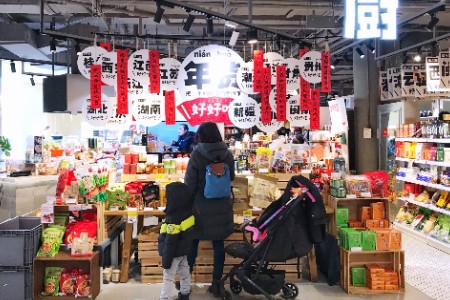
门店没有限时促销的诱人堆头,没有「特价」海报营造的紧迫感,当然也没有额外的大脑带宽等待被消耗。货架上的一瓶酱油、一包纯水湿巾,今天买跟半年前买,价格变化可能并不大。

在一个习惯用折扣刺激消费的市场,一家零售商为什么没有把促销当成常规武器?

01 消失的促销

在零售行业,促销几乎是一种本能。

新店开业要促销,重要节庆要促销,换季要促销,双11、618更是如此。用折扣制造购买理由,用低价刺激短期客流,已经成为许多零售商的经营惯性。

但沃尔玛却反其道而行之,强调要摆脱对短期促销的依赖。

当然这也导致一些首次走入沃尔玛的消费者心生疑惑:很多商超新店开业时都会提供各种折扣福利;但沃尔玛门店几乎看不到什么促销商品。就连沃尔玛小程序上之前经常发放的优惠券,这两年也一并消失了。

这些不太符合行业惯例的变化,背后其实有一条相同的主线:自2024年启动新一代门店升级以来,沃尔玛提出精简价格带并减少促销机制,把更多资源用于维持日常价格的稳定性。

此后,阶段性折扣慢慢退出了沃尔玛。取而代之的是,有媒体发现,一款19.99元20枚的鸡蛋产品至少有13个月没有变价。

这一策略并非突然出现。更准确地说,它只是沃尔玛长期坚持的EDLP(Everyday Low Prices,天天平价)在价格管理上的进一步强化。

「天天平价」四个字看似朴素,却是沃尔玛模式的内核。

沃尔玛创始人山姆·沃尔顿曾用一个「女裤理论」解释低价的价值:一条女裤进价80美分,售价1.2美元;如果定价到1美元,单件利润虽然减少,但销量可以增长到原来的3倍以上。

这套定价思路后来发展为沃尔玛的经营哲学:通过更有竞争力的商品价格吸引更多顾客,以规模效应和运营效率支撑长期盈利。沿着这套零售哲学,沃尔玛于1974年正式确立EDLP策略,将「帮顾客省钱」内化为商业模式本身。

EDLP的核心是,强调日常价格的持续竞争力与稳定性,借此与顾客建立信任。

这种价格认知,已经渗透到不少消费者的日常购物中。在社交媒体上,沃尔玛自有品牌「惠宜」的抽纸、纯水湿巾、棉柔巾、洗洁精,以及另一自有品牌「沃集鲜」的常温牛奶、4.0纯牛奶、高钙饼干等商品,经常出现在消费者的「闭眼入」清单里。

在小红书评论区,有人表白沃尔玛的棉柔巾「厚实好用」「谁说便宜没好货」,有人自发安利惠宜抽纸「性价比高、价格还稳定」;还有人会为了抢购用了很多年的9块9纯水湿巾和新晋网红「小绿瓶」牛奶等人气商品,而在手机上设置上架提醒,这样便能在商品到货的第一时间下单。

这些评价里有一个值得注意的细节:在日用品类,大家关注的不只是商品的性价比,还有价格的稳定性。尤其是那些需要高频购买的商品,消费者其实更看重价格稳定。

毕竟当「天天平价」成为常态,人们就不用费心计算入手时机,或为今天刚买明天就降价而懊恼。

02 为什么说EDLP恰逢其时?

沃尔玛的做法,恰好绕开了消费者的一种常见心理:损失规避。

现代心理学与行为经济学有一个著名的「损失厌恶」理论。研究发现,人们面对同等数量的收益和损失时,损失带来的心理冲击通常更大。在经典研究中,失去100元带来的痛苦,大约是得到100元带来快乐的两倍。

这种心理也会影响消费者对商品价格的判断。

国内零售行业盛行多年的高/低价促销策略,习惯通过动态调整价格刺激消费。消费者在促销期间买到低价,固然会产生占到便宜的满足感,但促销价格也可能逐渐成为他们衡量商品价值的心理锚点。一旦价格恢复原位,消费者很容易产生一种「失去了优惠」的落差。

打个比方,去年双十一以700元/桶买过蛋白粉的消费者,今年看到同款商品涨到1258元,很难不认为自己买贵了。

现实情境下,消费者对价格的预期,其实会影响他们下一次去哪里购物。

早在2014年,美国《消费者研究杂志》就发表了一项关于零售定价策略的研究。研究发现,相比偶尔推出大幅折扣的商店,消费者更倾向于选择实行天天平价、或频繁提供小幅折扣的商店。

原因在于,消费者选择商店时,对未来价格的预期,比对过去平均价格的判断更有影响力。

尤其当商品选择越来越丰富、消费者越来越理性,不同人群的购物需求开始趋于一致——省心,价格越简单透明,消费越省心。

近几年会员店、硬折扣等业态备受关注,背后都有这种消费变化的影子。电商平台也在努力降低购物决策的复杂度。观察近两年的双11,单件直降、官方立减等透明优惠方式明显增多,平台自然也知道,消费者现在比较反感经过层层计算的促销手段。

这种变化也是「天天平价」在当下重新获得吸引力的原因。

从这个角度看,沃尔玛坚持了50多年的EDLP,确实赶上了一个新的消费窗口期,甚至可以说是恰逢其时。

只不过,「天天平价」对沃尔玛而言是一种长期经营承诺。

全球零售商无非两种:一种想方设法从顾客身上多赚钱,另一种想方设法帮顾客省钱。沃尔玛长期坚持的正是后一种零售哲学。

从全球零售发展来看,商业环境越成熟、消费者越理性,帮顾客省钱的零售模式往往拥有更强的生命力。沃尔玛业态在中国市场实现连续多个季度的增长,便是体现之一。

在2025年沃尔玛供应商峰会上,沃尔玛中国总裁及CEO朱晓静再次强调,沃尔玛与顾客建立信任的方式很简单,就是「EDLP天天平价」。这不是一场促销活动,而是通过长期、稳定的价值承诺,为顾客创造极致的价值体验。

如果将视角放到全行业,会看到沃尔玛的零售哲学,也在影响着整个零售行业。西班牙零售商Mercadona1993年启动全面质量战略时,就将「天天低价」作为经营方向;2024年以来的中国本土超市战略转型中,「天天平价」也成为多家超市的新口号。

当消费者希望低价成为一种稳定的日常体验,零售商还要回答一个更现实的问题:怎样才能让商品价值保持长期竞争力?

答案不能只写在价签上。

03 天天平价其实是一套体系

「天天平价」听起来是一种定价策略,真正执行起来,却是一项系统工程。

在供给充足、价格竞争激烈的市场环境下,零售商都在寻找降低商品售价的空间。一种简单的做法,是把成本压力向上游转移,通过压低采购价格换取终端竞争力。但这种方式能让「价签」变得便宜,却未必能让低价长期持续。

沃尔玛的供应链优势,经常被归结为采购规模。规模确实重要,但它只是起点。只有把成本控制贯穿从商品定义、生产到仓储物流、门店运营的整个经营链条,低价才可能成为长期承诺。

先看采购端。有国内供应商告诉我们,沃尔玛通过大批量采购、稳定的商品需求和供应商协同,确实可以获得更有竞争力的采购条件。

但这种规模采购不只是简单地扩大订单,还涉及采购时机、商品规格、运输资源等多个环节的综合管理。《降噪NoNoise》此前报道过,沃尔玛中国会在原料价格的波谷时期锁定订单,减少原料成本波动。商品规格设计上,新一代门店大量采用整箱陈列,商品只需撕开外箱盖板即可整箱推入货架,由此节约上架成本。

其次是商品效率。

沃尔玛战略转型升级中,在商品层面主要有两个动作:

一是精简SKU,将门店SKU从两万多砍到1万左右。集中资源打造有竞争力的大单品,减少商品开发和运营成本。

二是自有品牌「沃集鲜」的持续迭代。通过源头规模直采、商品定制化等方式,沃集鲜持续寻找品质与价格之间更好的平衡,也由此成为沃尔玛实现「天天平价」的重要支撑。

以「沃集鲜」的烘焙为例,通过集中资源打造大单品,其品质对标专业烘焙店,价格约为后者的一半。

再往后,是供应链、门店运营和履约网络的技术提效。

沃尔玛虽然是一家零售企业,但在每一波技术浪潮的商用中均走在了前列。早在1975年,沃尔玛便引入IBM计算设备;1987年,建立全美首个私营卫星通信系统,实现库存实时监控、语音通信、数据传输和电视会议。

数智化时代,沃尔玛很早便将自动化视为整体供应链战略的核心,并借助数智化技术,提升供应商协同、门店运营效率。

在2025年4月的投资者会议上,沃尔玛总部曾披露,预计到当年底,新一代自动化履约中心带来的成本改善幅度将超过30%。

具体到中国市场,智能分拣机器人投入使用后,整体效率较传统模式提升约两倍。沃尔玛中国还在加大物流基础设施投入,其中浙江嘉兴的华东智慧物流枢纽项目是其三十年来规模最大的单笔供应链投资,日均处理能力预计提升约4倍。

而沃尔玛供应链的AI预测补货系统,通过分析历史销售数据、天气变化、市场活动等几十项动态因子,构建了高精度的需求预测与补货模型。在前置仓和云仓环境中,系统自动生成的补货指令占比已接近90%。

这一整套的体系化工程,也解释了为什么「天天平价」不能只靠供应商让利。

说到底,EDLP背后考验的是一家零售商管理商品和运营成本的能力。无穷尽地减少经营链条中的无效成本,才有可能为消费者带来极致的价格。

沃尔玛坚持了半个多世纪的「天天平价」,真正难复制的也正在这里:低价写在价签上,背后比拼的其实是系统效率。

正如沃尔玛创始人山姆·沃尔顿所说,「沃尔玛公司每浪费一块钱,实际上就是向顾客多收了一块钱;而每次我们帮顾客省下一块钱,就在竞争中领先了一步。」

注:文/罗拉,文章来源:降噪NoNoise,本文为作者独立观点,不代表亿邦动力立场。

文章来源:降噪NoNoise

广告
微信
朋友圈

FAQ回顾

沃尔玛的EDLP天天平价是什么意思?

EDLP即Everyday Low Prices,强调日常价格的持续竞争力与稳定性,通过更有竞争力的商品价格吸引更多顾客,再以规模效应和运营效率支撑长期盈利。沃尔玛于1974年正式确立该策略,并在2024年启动新一代门店升级后进一步精简价格带、减少促销机制,把资源用于维持日常价格稳定。

沃尔玛为什么很少做促销?

沃尔玛长期坚持EDLP天天平价,并在2024年启动新一代门店升级后精简价格带、减少促销机制,把更多资源用于维持日常价格稳定,阶段性折扣因此逐步退出。这样做也绕开消费者的损失规避心理,避免促销价成为心理锚点,让顾客不必计算入手时机,或担心今天买明天降价。

天天平价如何支撑沃尔玛的低价?

天天平价背后是一套系统:通过大批量采购、在原料价格波谷期锁定订单、整箱陈列节约上架成本,并把门店SKU从两万多精简到1万左右;同时以自有品牌沃集鲜源头直采和定制化平衡品质与价格,再借助自动化履约中心、智能分拣机器人和AI预测补货系统提升供应链与门店运营效率。

沃尔玛的自有品牌惠宜和沃集鲜为什么受消费者关注?

惠宜的抽纸、纯水湿巾、棉柔巾、洗洁精,以及沃集鲜的常温牛奶、4.0纯牛奶、高钙饼干等商品,常出现在消费者的“闭眼入”清单里。消费者关注的不只是性价比,还有高频购买商品的价格稳定性;沃集鲜通过源头规模直采、商品定制化寻找品质与价格的平衡,其烘焙品质对标专业烘焙店,价格约为后者一半。

为什么天天平价在当下零售市场重新受到关注?

消费者越来越反感经过层层计算的促销手段,更看重省心和价格透明;研究显示,消费者选择商店时对未来价格的预期,比对过去平均价格更有影响力。会员店、硬折扣等业态,以及电商单件直降、官方立减等透明优惠增多,都降低了购物决策复杂度,也让沃尔玛坚持50多年的EDLP赶上新的消费窗口期。

这么好看,分享一下?

朋友圈 分享

APP内打开

赞 +1
+1
微信好友 朋友圈 新浪微博 QQ空间
关闭
收藏成功
发送
/140 0