广告
加载中

雷鸟新品AI眼镜:全彩显示 强调时尚定位

亿邦动力 2026-10-27 18:05
亿邦动力 2026/10/27 18:05

邦小白快读

EN
全文速览

总1:新品核心信息

1.10月27日雷鸟创新官宣第四代双目全彩AI眼镜雷鸟iO+即将发布,演员蒋奇明率先佩戴体验,产品尚未正式上市。

2.外观延续iO系列轻量化思路,采用玳瑁元素、圆润镜框与金色装饰,强调复古气质和时尚感,区别于常见智能眼镜的科技感外观。

总2:佩戴与技术卖点

1.镜桩与此前雷鸟iO相差无几,但支持双目全彩显示仍需容纳复杂光学组件,对光引擎集成度和小型化要求高;成品仍接近普通眼镜,轻薄程度优于常见单绿眼镜。

2.搭载第四代双目全彩MicroLED光波导技术,解决彩虹纹与漏光问题,并抑制传统光波导镜片反光;全彩能承载更丰富、更高密度信息。

3.购买参考方面,iO此前强调34克轻量机身,iO+面向追求高阶体验用户;同日Rokid也发布全彩AI眼镜,最终体验和价格策略仍待观察。

总1:品牌定位与营销传播

1.雷鸟iO+延续轻量设计,同时强化潮流属性,玳瑁元素、圆润镜框、金色装饰传递复古时尚感,明显有别于智能眼镜常见的科技感外观。

2.传播重心偏向“时尚属性+全彩显示”双线并进,借蒋奇明佩戴曝光进入公众视野,传递“先让人愿意戴出门”的信号,面向追求高阶体验的用户群体。

总2:产品研发与竞争观察

1.产品搭载第四代双目全彩MicroLED光波导技术,解决彩虹纹与漏光问题,并大幅抑制传统光波导镜片反光;全彩被视为AI眼镜从“可用”走向“好用”的关键,彩色能承载更丰富、更高密度信息,也更契合认知与交互习惯。

2.同日Rokid发布全彩AI眼镜,同样采用全彩MicroLED路线并定位日常佩戴;雷鸟以时尚加全彩双线形成差异。

3.消费趋势上,智能眼镜外观正从科技感向日常潮流感延伸;两条路线谁更能打动消费者,取决于后续量产产品的实际佩戴体验与价格策略。

总1:市场机会与产品卖点

1.雷鸟iO+即将发布,核心卖点是双目全彩显示加时尚外观,强调玳瑁元素、圆润镜框和金色装饰,面向追求高阶体验的用户。

2.全彩显示被业内视为AI眼镜从“可用”走向“好用”的关键,彩色能承载更丰富、更高密度信息,也更契合人类认知与交互习惯,可作为消费需求升级的观察点。

总2:可学习点与风险提示

1.雷鸟借演员蒋奇明佩戴体验让新品首次进入公众视野,并以“时尚属性+全彩显示”双线传播,强化先让人愿意戴出门的购买理由。

2.同日Rokid发布全彩AI眼镜,同样采用全彩MicroLED路线并定位日常佩戴,说明全彩AI眼镜竞争正在升温。

3.风险在于全彩MicroLED技术门槛高,需攻克红光效率低、三色亮度难平衡、光机小型化、光波导彩虹纹和量产良率等难题;从实验室到规模化量产并把复杂光学系统塞进轻巧镜框仍是行业共同挑战。卖家应关注新品上市后的价格、渠道、实际佩戴反馈和两条路线的市场表现。

总1:产品设计与生产需求

1.雷鸟iO+支持双目全彩显示,但镜桩与此前雷鸟iO相差无几,说明内部需高集成度容纳复杂光学显示组件,对光引擎集成度与小型化提出较高要求。

2.产品在支持双目全彩的同时仍保持接近普通眼镜的形态,轻薄程度优于市面上常见的单绿眼镜,体现结构设计需兼顾光学系统、轻量化和日常佩戴。

总2:制造挑战与商业机会

1.全彩MicroLED需攻克红光效率低、三色亮度难平衡的物理瓶颈,同时解决光机小型化、光波导彩虹纹、漏光、反光和量产良率等难题;实验室跑通全彩后,转化为稳定规模化量产并把复杂光学系统塞进轻巧镜框,是行业共同挑战。

2.雷鸟通过自研量产设备、建设AR光学工厂,打通从全彩MicroLED光引擎规模化量产到光机小型化设计的关键环节,并称是行业唯一掌握核心光学方案全链路自研并量产能力的企业。

3.对工厂而言,可关注光学组件、精密结构件、量产设备、良率提升和轻量化集成等配套机会。

总1:行业趋势与新技术

1.全彩显示被视为AI眼镜从“可用”走向“好用”的关键,彩色能承载更丰富、更高密度信息,也更契合人类认知与交互习惯。

2.全彩MicroLED光波导凭借高亮度、低功耗和高透光率等优势,被认为是AR眼镜的终极光学方案;雷鸟与Rokid同日推出全彩AI眼镜,日常佩戴方向更加明显。

总2:客户痛点与解决方案样本

1.客户痛点集中在全彩MicroLED门槛高,市面产品大多妥协于单绿色方案;真正全彩需攻克红光效率低、三色亮度难平衡,以及光机小型化、光波导彩虹纹、漏光和量产良率等难题。

2.雷鸟iO+搭载第四代双目全彩MicroLED光波导技术,解决彩虹纹与漏光问题,并大幅抑制传统光波导镜片反光。

3.雷鸟通过自研量产设备、建设AR光学工厂,打通全彩MicroLED光引擎规模化量产到光机小型化设计;前三代技术积累支撑将全彩光学系统集成于日常镜框。服务商可围绕量产良率、光学检测、轻量化设计和佩戴体验优化提供方案。

总1:新品资源与招商机会

1.雷鸟iO+即将发布,因蒋奇明率先佩戴体验而首次进入公众视野,传播重心为“时尚属性+全彩显示”双线并进;平台可关注全彩AI眼镜新品首发、品牌入驻和内容种草资源。

2.同日Rokid发布全彩AI眼镜,同样主打全彩显示并采用全彩MicroLED路线,定位日常佩戴场景,说明全彩AI眼镜正在形成新品竞争带。

总2:运营管理与风向规避

1.运营上可围绕玳瑁元素、圆润镜框、金色装饰和复古时尚外观做潮流场景内容,突出接近普通眼镜的形态、轻量化和全彩信息显示能力;全彩被视为AI眼镜从“可用”到“好用”的关键,可作为新品卖点运营。

2.风向规避方面,全彩技术仍有红光效率低、三色亮度难平衡、光机小型化、彩虹纹、漏光和量产良率等挑战,最终能否打动消费者取决于量产产品的实际佩戴体验与价格策略。平台需关注产品成熟度、价格接受度和竞品路线差异,避免对未上市卖点过度宣传。

总1:技术路线与产业新动向

1.雷鸟iO+采用第四代双目全彩MicroLED光波导技术,在解决彩虹纹与漏光问题基础上,大幅抑制传统光波导镜片反光;全彩MicroLED具高亮度、低功耗和高透光率,被认为是AR眼镜终极光学方案,但需攻克红光效率低、三色亮度难平衡、光机小型化、彩虹纹和量产良率等难题。

2.2021年雷鸟发布雷鸟X1,攻克三色MicroLED合色难题;此后通过自研量产设备、建设AR光学工厂,打通全彩MicroLED光引擎规模化量产到光机小型化设计的关键环节,并称是行业唯一掌握核心光学方案全链路自研并量产能力的企业。

总2:竞争格局与研究问题

1.同日Rokid发布全彩AI眼镜,同样采用全彩MicroLED路线并定位日常佩戴;雷鸟传播重心偏向时尚属性加全彩显示双线,Rokid侧重全彩显示能力本身,两条路线形成对照。

2.产业新问题在于实验室全彩显示如何转化为稳定规模化量产,并把复杂光学系统塞进轻巧镜框;商业模式上,路线胜负取决于量产产品实际佩戴体验与价格策略。研究可关注全彩AI眼镜轻量化、时尚化与日常佩戴的消费者接受度,以及良率、成本对商业化的影响。

返回默认
声明:快读内容全程由AI生成,请注意甄别信息。如您发现问题,请发送邮件至 run@ebrun.com 。

我是 品牌商 卖家 工厂 服务商 平台商 研究者 帮我再读一遍。

Quick Summary

Summary 1: Key new-product information

1. On October 27, RayNeo officially announced that its fourth-generation binocular full-color AI glasses, RayNeo iO+, are about to launch; actor Jiang Qiming was first to wear and experience them, and the product has not yet been officially released.

2. The design continues the lightweight approach of the iO series, using tortoiseshell elements, rounded frames, and gold accents to emphasize a retro character and fashion sense, distinguishing it from the tech-forward look of common smart glasses.

Summary 2: Wearability and technology selling points

1. The temple arms are almost the same as those of the previous RayNeo iO, but supporting binocular full-color display still requires accommodating complex optical components, placing high demands on optical-engine integration and miniaturization; the finished product remains close to ordinary glasses and is thinner and lighter than common monochrome-green glasses.

2. It features fourth-generation binocular full-color MicroLED waveguide technology, addressing rainbow artifacts and light leakage while suppressing reflections from traditional waveguide lenses; full color can carry richer, higher-density information.

3. As a purchase reference, the iO previously emphasized a 34-gram lightweight body, while the iO+ targets users seeking a premium experience; Rokid also launched full-color AI glasses on the same day, and final experience and pricing strategy remain to be seen.

Summary 1: Brand positioning and marketing communications

1. RayNeo iO+ continues the lightweight design while strengthening its fashion attributes; tortoiseshell elements, rounded frames, and gold accents convey a retro fashion sense, clearly different from the tech-oriented appearance common among smart glasses.

2. Communications focus on two lines in parallel—'fashion attributes + full-color display'—using Jiang Qiming's wearing exposure to bring the product into public view and signal that it should first make people willing to wear it out; it targets users seeking a premium experience.

Summary 2: Product development and competitive observation

1. The product features fourth-generation binocular full-color MicroLED waveguide technology, addressing rainbow artifacts and light leakage and substantially suppressing reflections from traditional waveguide lenses; full color is seen as key to AI glasses moving from 'usable' to 'good to use,' as color can carry richer, higher-density information and better matches cognition and interaction habits.

2. Rokid launched full-color AI glasses the same day, also adopting the full-color MicroLED route and positioning for daily wear; RayNeo differentiates through a dual line of fashion plus full color.

3. In consumer trends, smart-glasses design is extending from tech-forward looks to everyday fashion; which route better appeals to consumers will depend on the actual wearing experience and pricing strategy of eventual mass-produced products.

Summary 1: Market opportunities and product selling points

1. RayNeo iO+ is about to launch; its core selling points are binocular full-color display and a fashion-forward appearance, emphasizing tortoiseshell elements, rounded frames, and gold accents, targeting users seeking a premium experience.

2. Full-color display is regarded by the industry as key to AI glasses moving from 'usable' to 'good to use'; color can carry richer, higher-density information and better matches human cognition and interaction habits, making it a signal to watch for upgrading consumer demand.

Summary 2: Takeaways and risk alerts

1. RayNeo used actor Jiang Qiming's wearing experience to bring the new product into public view for the first time and communicated on two lines—'fashion attributes + full-color display'—reinforcing the purchase rationale of first making people willing to wear it out.

2. Rokid launched full-color AI glasses on the same day, also adopting the full-color MicroLED route and positioning for daily wear, indicating that competition in full-color AI glasses is heating up.

3. Risks lie in the high technical barriers of full-color MicroLED: low red-light efficiency, difficulty balancing brightness across three colors, optical-engine miniaturization, waveguide rainbow artifacts, and mass-production yield must be overcome; moving from the lab to scaled mass production and fitting a complex optical system into a light frame remains an industry-wide challenge. Sellers should watch post-launch pricing, channels, actual wearing feedback, and the market performance of the two routes.

Summary 1: Product design and production requirements

1. RayNeo iO+ supports binocular full-color display, but its temple arms are almost the same as those of the previous RayNeo iO, indicating that the interior must accommodate complex optical display components with high integration, placing significant demands on optical-engine integration and miniaturization.

2. While supporting binocular full color, the product maintains a form close to ordinary glasses and is thinner and lighter than common monochrome-green glasses on the market, reflecting structural design that must balance the optical system, lightweighting, and daily wear.

Summary 2: Manufacturing challenges and business opportunities

1. Full-color MicroLED must overcome physical bottlenecks such as low red-light efficiency and difficulty balancing brightness across three colors, while also solving optical-engine miniaturization, waveguide rainbow artifacts, light leakage, reflections, and mass-production yield; after proving full color in the lab, converting it into stable scaled mass production and fitting a complex optical system into a light frame is an industry-wide challenge.

2. RayNeo has connected key stages from scaled mass production of full-color MicroLED optical engines to optical-engine miniaturization design by developing its own mass-production equipment and building an AR optics factory; it claims to be the only company in the industry with full-chain in-house R&D and mass-production capability for core optical solutions.

3. For factories, opportunities to watch include supporting optical components, precision structural parts, mass-production equipment, yield improvement, and lightweight integration.

Summary 1: Industry trends and new technologies

1. Full-color display is seen as key to AI glasses moving from 'usable' to 'good to use'; color can carry richer, higher-density information and better matches human cognition and interaction habits.

2. Full-color MicroLED waveguide technology, with advantages such as high brightness, low power consumption, and high transmittance, is regarded as the ultimate optical solution for AR glasses; RayNeo and Rokid launched full-color AI glasses on the same day, making the daily-wear direction clearer.

Summary 2: Customer pain points and solution examples

1. Customer pain points center on the high barriers of full-color MicroLED, with most market products compromising on monochrome-green solutions; true full color requires overcoming low red-light efficiency, difficulty balancing brightness across three colors, and challenges in optical-engine miniaturization, waveguide rainbow artifacts, light leakage, and mass-production yield.

2. RayNeo iO+ features fourth-generation binocular full-color MicroLED waveguide technology, addressing rainbow artifacts and light leakage and substantially suppressing reflections from traditional waveguide lenses.

3. RayNeo has connected scaled mass production of full-color MicroLED optical engines to optical-engine miniaturization design by developing its own mass-production equipment and building an AR optics factory; three generations of technology accumulation support integrating a full-color optical system into everyday frames. Service providers can offer solutions around mass-production yield, optical inspection, lightweight design, and wearing-experience optimization.

Summary 1: New-product resources and merchant recruitment opportunities

1. RayNeo iO+ is about to launch and entered public view for the first time because Jiang Qiming wore and experienced it first; communications focus on two lines in parallel—'fashion attributes + full-color display'; platforms can watch first-launch resources for full-color AI glasses, brand onboarding, and content-seeding resources.

2. Rokid launched full-color AI glasses on the same day, also emphasizing full-color display and adopting the full-color MicroLED route, positioned for daily-wear scenarios, indicating that full-color AI glasses are forming a competitive new-product cluster.

Summary 2: Operations management and trend risk avoidance

1. Operations can build fashion-scenario content around tortoiseshell elements, rounded frames, gold accents, and a retro fashion appearance, highlighting the form close to ordinary glasses, lightweighting, and full-color information display; full color is seen as key to AI glasses moving from 'usable' to 'good to use' and can be operated as a new-product selling point.

2. On trend risk avoidance, full-color technology still faces challenges including low red-light efficiency, difficulty balancing brightness across three colors, optical-engine miniaturization, rainbow artifacts, light leakage, and mass-production yield; whether it ultimately appeals to consumers depends on the actual wearing experience and pricing strategy of mass-produced products. Platforms need to watch product maturity, price acceptance, and differences in competitors' routes, and avoid overpromoting unlaunched selling points.

Summary 1: Technology route and new industry developments

1. RayNeo iO+ adopts fourth-generation binocular full-color MicroLED waveguide technology and, while addressing rainbow artifacts and light leakage, substantially suppresses reflections from traditional waveguide lenses; full-color MicroLED offers high brightness, low power consumption, and high transmittance and is regarded as the ultimate optical solution for AR glasses, but must overcome challenges such as low red-light efficiency, difficulty balancing brightness across three colors, optical-engine miniaturization, rainbow artifacts, and mass-production yield.

2. In 2021, RayNeo launched RayNeo X1, overcoming the challenge of three-color MicroLED color combination; since then, by developing its own mass-production equipment and building an AR optics factory, it has connected key stages from scaled mass production of full-color MicroLED optical engines to optical-engine miniaturization design, and claims to be the only company in the industry with full-chain in-house R&D and mass-production capability for core optical solutions.

Summary 2: Competitive landscape and research questions

1. Rokid launched full-color AI glasses on the same day, also adopting the full-color MicroLED route and positioning for daily wear; RayNeo's communications focus on the dual line of fashion attributes plus full-color display, while Rokid emphasizes full-color display capability itself, forming a contrast between the two routes.

2. The new industry question is how lab-proven full-color display can be converted into stable scaled mass production and how a complex optical system can be fitted into a light frame; on the business-model side, which route wins will depend on the actual wearing experience and pricing strategy of mass-produced products. Research can focus on consumer acceptance of lightweight, fashion-oriented, daily-wear full-color AI glasses, as well as the impact of yield and cost on commercialization.

Disclaimer: The "Quick Summary" content is entirely generated by AI. Please exercise discretion when interpreting the information. For issues or corrections, please email run@ebrun.com .

I am a Brand Seller Factory Service Provider Marketplace Seller Researcher Read it again.

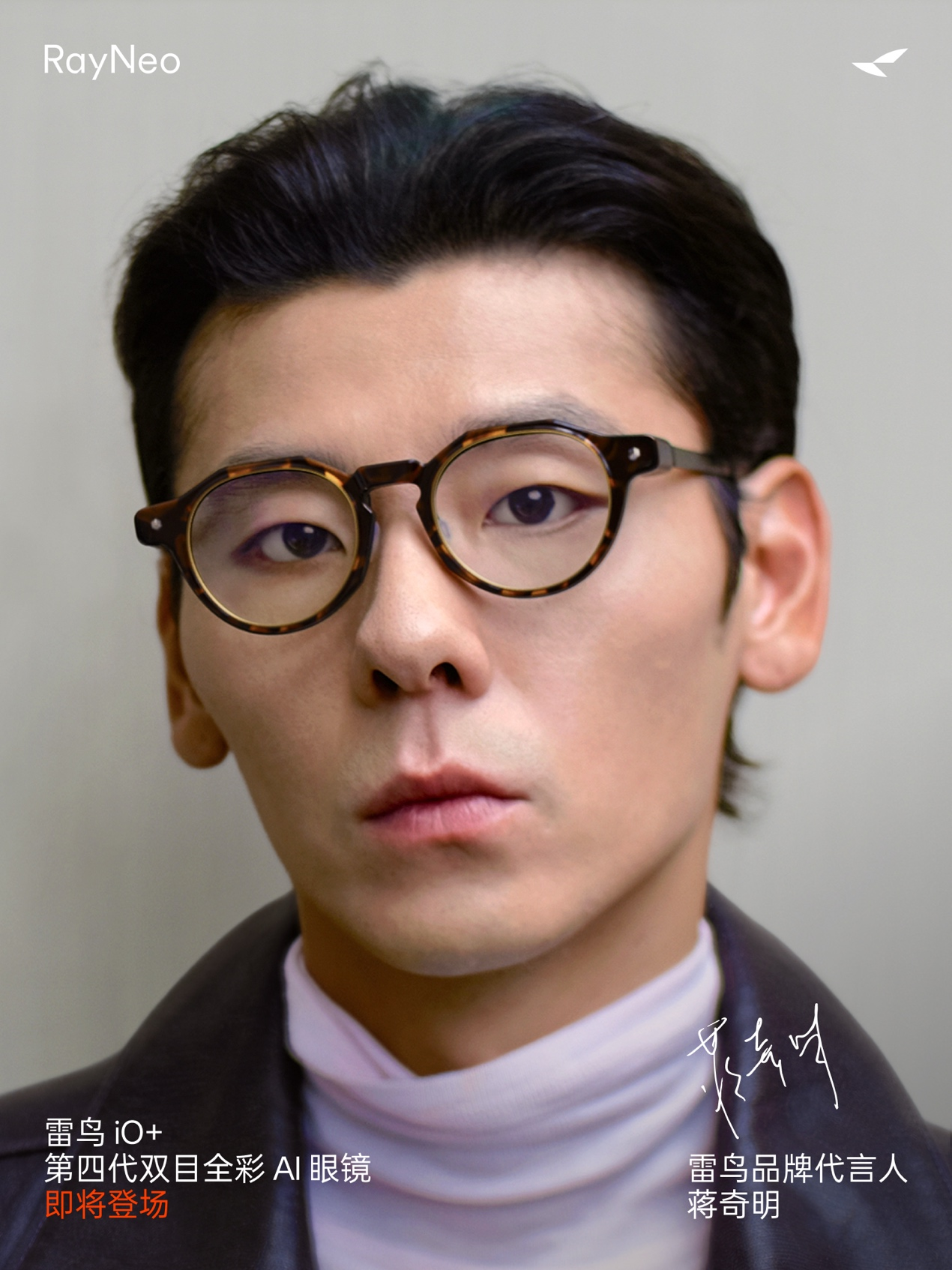
【亿邦原创】10月27日,雷鸟创新正式官宣第四代双目全彩AI眼镜雷鸟iO+即将发布。这款尚未正式上市的产品,因演员蒋奇明率先佩戴体验而首次进入公众视野。

从曝光照片来看,雷鸟iO+延续了iO系列轻量化设计思路,同时强化了潮流属性。新品采用玳瑁元素搭配圆润镜框与金色装饰细节,整体风格强调复古气质与时尚感,有别于智能眼镜常见的科技感外观。

值得注意的是,其镜桩部分与此前的雷鸟iO相差无几。对于支持全彩显示的AI眼镜而言,镜桩内部需容纳复杂的光学显示组件,这对光引擎的集成度与小型化提出了较高要求。雷鸟iO+在支持双目全彩显示的同时,仍保持了接近普通眼镜的形态,轻薄程度优于市面上常见的单绿眼镜。

据雷鸟创新方面介绍,雷鸟iO+搭载第四代双目全彩MicroLED光波导技术,在解决彩虹纹与漏光问题的基础上,大幅抑制了传统光波导镜片的反光。

据悉,全彩显示被业内视为AI眼镜从“可用”走向“好用”的关键。相比单色,彩色能承载更丰富、更高密度的信息,也更契合人类认知与交互习惯。全彩MicroLED光波导凭借高亮度、低功耗和高透光率等优势,被认为是AR眼镜的终极光学方案。但受限于全彩MicroLED极高的技术门槛,市面产品大多妥协于单绿色方案。要实现真正的全彩,需攻克红光效率低、三色亮度难平衡的物理瓶颈,同时解决光机小型化、光波导彩虹纹、量产良率等难题。即便在实验室跑通全彩显示,如何转化为稳定的规模化量产,并把复杂光学系统塞进轻巧镜框,仍是行业面临的共同挑战。

雷鸟创新方面表示,得益于前三代双目全彩显示技术积累,雷鸟iO+将全彩光学系统集成于日常镜框之内,在视觉与佩戴体验上进一步接近普通眼镜。从攻克底层光学难题到整机轻量化,该公司正逐步推进全彩AI眼镜走向日常佩戴。

雷鸟iO于此前上市,强调34克轻量机身卖点,此次亮相的雷鸟iO+在延续该设计思路的基础上,进一步强化潮流属性,面向追求高阶体验的用户群体。

值得关注的是,10月27日同日,Rokid也发布了旗下全彩AI眼镜产品。据公开信息,Rokid此次发布的新品同样主打全彩显示能力,在光学方案上采用全彩MicroLED路线,定位日常佩戴场景。

与Rokid侧重全彩显示能力本身不同,雷鸟iO+此次的传播重心明显偏向“时尚属性+全彩显示”的双线并进——玳瑁元素、圆润镜框、蒋奇明佩戴曝光,都在传递“先让人愿意戴出门”的信号。

两条路线谁更能打动消费者,或许取决于后续量产产品的实际佩戴体验与价格策略。

亿邦持续追踪报道该情报,如想了解更多与本文相关信息,请扫码关注作者微信。

本文首发于 亿邦动力 官方网站

文章来源:亿邦动力

广告
微信
朋友圈

FAQ回顾

全彩MicroLED光波导是什么?为什么被认为是AR眼镜的终极光学方案?

全彩MicroLED光波导是利用MicroLED光引擎配合光波导镜片实现双目全彩显示的光学方案,具备高亮度、低功耗和高透光率等优势。相比单色方案,彩色能承载更丰富、更高密度的信息,更契合人类认知与交互习惯,因此被业内视为AR眼镜的终极光学方案,也是AI眼镜从“可用”走向“好用”的关键。

AI眼镜实现全彩显示为什么难以规模化量产?

全彩MicroLED技术门槛极高,需攻克红光效率低、三色亮度难平衡的物理瓶颈,同时解决光机小型化、光波导彩虹纹、漏光与反光以及量产良率等难题。即便在实验室跑通全彩显示,还要把包含复杂光学组件的系统塞进接近普通眼镜的轻巧镜框,因此市面产品大多妥协于单绿色方案。

雷鸟创新在全彩AI眼镜光学技术上有哪些积累?

雷鸟创新于2021年发布首个轻量级双目全彩MicroLED光波导眼镜雷鸟X1(智能眼镜先锋版),攻克三色MicroLED合色难题。此后公司通过自研量产设备、建设AR光学工厂,打通了从全彩MicroLED光引擎规模化量产到光机小型化设计的关键环节,并称是行业唯一掌握核心光学方案全链路自研并量产能力的企业。

雷鸟iO与Rokid的全彩AI眼镜在定位上有什么差异?

雷鸟iO强调“时尚属性+全彩显示”双线并进,采用玳瑁元素、圆润镜框与金色装饰细节,并由演员蒋奇明率先佩戴曝光,传递“先让人愿意戴出门”的信号;Rokid于10月27日同日发布全彩AI眼镜,同样采用全彩MicroLED路线、定位日常佩戴场景,但传播重心更侧重全彩显示能力本身。

目前AI眼镜市场有哪些全彩显示代表产品?

雷鸟创新已推出多代双目全彩产品,包括2021年的雷鸟X1、以34克轻量机身上市的雷鸟iO,以及即将发布的第四代双目全彩AI眼镜雷鸟iO。此外,Rokid也于10月27日发布主打全彩显示、采用全彩MicroLED路线的AI眼镜,定位日常佩戴场景。

这么好看,分享一下?

朋友圈 分享

APP内打开

赞 +1
+1
微信好友 朋友圈 新浪微博 QQ空间
关闭
收藏成功
发送
/140 0