广告
加载中

长虹供应链:“虹采商城”双轮驱动,实现能力外溢与合规前置

亿邦智库 2026-10-27 10:17
亿邦智库 2026/10/27 10:17

邦小白快读

EN
全文速览

总1 平台转型看点是内部采购能力产品化。

1. 虹采商城以双模引擎并行:生产性物资用ERP深度定制和JIT配送,通用办公及MRO用电商超市模式,形成稳准快省。

2. 2009年起打通需求分析、履约、合同、发票、全生命周期数据,2023年方案获上市公司数字化转型典型案例。

总2 实操与合规干货。

1. 合规前置把招投标法和内控规则固化进代码,制度流程化、流程表单化、表单信息化。

2. 技术用大数据比价预警、RPA对账开票、API扩充SKU,AI物料归类实现一物一码。

3. 输出四个统一和全流程规范,服务数百家外部企事业单位,非关联业务占比逐年攀升。

总1 品牌商可关注平台带来的渠道、定价与产品资源对接。

1. 渠道:虹采商城B2B平台开放产品中心、经销商专属采购融资,把长虹系优质产品资源与外部产业采购需求高效对接,服务半径从集团内部延伸到产业生态。

2. 定价:大数据价格监测模型实时抓取全网价格比对预警,防止价格虚高;平台还有定价管理、采购选商等全流程规范。

总2 研发与用户行为线索。

1. 物料标准化为成本模型搭建、设计选型标准化铺路,上游物料干净后下游价格分析、供应商推荐更可信。

2. 电商超市式采购让采购人员像逛电商平台一样选品、比价、下单、收货,体现快省体验需求。

3. 集采、定制、助农、福利等场景化产品矩阵,可承接品牌产品资源与渠道对接。

总1 卖家可看增长市场与合作入口。

1. 平台能力从电子信息延伸到快消、能源化工、机械制造,集采、定制、助农、福利等场景矩阵成型,外部企事业单位已服务数百家,非关联业务占比逐年攀升。

2. 合作方式有托管运营与自主运营:中小企业标准化接入,大中型企业定制化服务;B2B平台开放产品中心、经销商专属采购融资,API对接主流电商和垂直平台。

总2 机会与风险提示。

1. 机会在于撮合加输出、平台加生态,以及供应商准入、采购寻源、物流商寻源、废旧资产拍卖等在线公开入口。

2. 风险在于合规与价格:招投标法和内控规则固化进代码,供应商注册专人限时处置、在线留痕,大数据比价预警防虚高。

3. 可学习点是双模引擎、合规前置和全流程数字化规范,能复制到不同规模客户。

总1 工厂可关注生产协同、设计标准化和业务机会。

1. 生产性物资采用ERP深度定制和JIT配送,采购计划与生产计划无缝协同,需求提报、采购下单、生产配送形成闭环,让物资在正确时间到达正确位置。

2. 物料标准化让同一种物料只有一个身份证号,自动拆解填充一物多码;标准化属性为成本模型、设计选型标准化铺路,上游物料干净后价格分析和供应商推荐更可信。

总2 数字化与商业机会。

1. 平台以工业互联网智慧供应链方案支撑合同、供应商、采购选商、定价、供需协同、结算等全生命周期管理。

2. 能力延伸至快消、能源化工、机械制造,场景有集采、定制、助农、福利商城;供应商准入、AI开发工作站寻源、物流商寻源、报废资产拍卖等均在线公开,工厂可寻找接入与供应合作机会。

总1 服务商可关注趋势、痛点与解决方案。

1. 趋势是大型制造企业供应链从内部服务走向社会化商业赋能,形成平台加生态、撮合加输出、托管加自主运营,非关联业务占比逐年攀升。

2. 客户痛点包括需求分析、履约跟踪、端到端采购断点多,线下签约周期长、效率低,物料信息割裂、人工核对耗时,同料异名同料异码,价格虚高,对账开票重复。

总2 新技术与可复制方案。

1. 双模引擎分别解决生产性物资稳准和通用物资快省;合规模块把招投标法和内控规则固化进代码。

2. 大数据价格监测、RPA对账开票、API互联、AI智能物料归类,实现一物一码和全链路物料标准化。

3. 四个统一和合同、供应商、定价、供需协同、结算等全流程规范可整体复制,服务商可据此为中小企业标准化接入、为大中型企业定制化落地。

总1 平台商可关注需求、做法和风控。

1. 需求来自集团庞大生产制造物资采购,也要向社会化商业赋能;不同规模客户需要不同接入方式,中小企业适合托管运营标准化接入,大中型企业适合自主运营定制化服务。

2. 最新做法是双模引擎:生产性物资ERP深度定制加JIT,通用办公及MRO走电商超市;同时以撮合加输出、平台加生态扩展集采、定制、助农、福利等场景。

总2 招商运营与风向规避。

1. 招商运营上,B2B平台开放产品中心、经销商专属采购融资,API对接主流电商和垂直平台,采购寻源、物流商寻源、报废资产拍卖等在线公开留痕。

2. 风控上,供应商准入要求公开、注册后专人限时处置、过程在线跟踪;公告专区发布监督检查和廉洁倡议,招投标法及内控规则固化进代码,确保交易在阳光下运行。

总1 研究者可关注产业新动向与新问题。

1. 新动向是千亿级制造集团把供应链中枢能力产品化,虹采商城从企业内部服务转向社会化商业赋能,坚持链路共赢与阳光合规双主线,形成平台加生态、撮合加输出、托管加自主运营等模式。

2. 新问题包括采购断点多、线下签约周期长、物料信息割裂、同料异名同料异码、人工核对耗时、价格虚高和合规风险。

总2 政策启示与商业模式。

1. 政策启示是把招投标法和企业内控规则固化进代码,推进制度流程化、流程表单化、表单信息化,并以四个统一消除管理盲区。

2. 商业模式上,双模引擎分别服务生产性物资和通用物资,场景矩阵覆盖集采、定制、助农、福利,B2B平台叠加经销商采购融资,标准化采购管理体系可整体复制。

3. 数据与案例包括2009年改革、2023年获上市公司数字化转型典型案例、服务数百家外部单位、覆盖160多个国家和地区。

返回默认
声明:快读内容全程由AI生成,请注意甄别信息。如您发现问题,请发送邮件至 run@ebrun.com 。

我是 品牌商 卖家 工厂 服务商 平台商 研究者 帮我再读一遍。

Quick Summary

Summary 1: The platform transformation centers on productizing internal procurement capabilities.

1. Hongcai Mall runs a dual-mode engine in parallel: production materials use deep ERP customization and JIT delivery, while general office supplies and MRO use an e-commerce supermarket model, delivering stability, accuracy, speed, and cost savings.

2. Since 2009, it has connected demand analysis, fulfillment, contracts, invoicing, and full-lifecycle data. In 2023, the solution was named a typical case of digital transformation for listed companies.

Summary 2: Practical operations and compliance insights.

1. Compliance is front-loaded by embedding tendering law and internal control rules into code, turning policies into processes, processes into forms, and forms into digital workflows.

2. Technology uses big-data price comparison alerts, RPA reconciliation and invoicing, APIs to expand SKUs, and AI-based material classification to achieve one item, one code.

3. It outputs the Four Unifications and full-process standards, serving hundreds of external enterprises and public institutions, with non-affiliated business accounting for a rising share.

Summary 1: Brand owners should watch the channel, pricing, and product-resource connections created by the platform.

1. Channel: Hongcai Mall's B2B platform opens a product center and dealer-specific procurement financing, efficiently connecting Changhong-quality product resources with external industrial procurement demand and extending its service radius from group internals to the industrial ecosystem.

2. Pricing: A big-data price monitoring model captures and compares prices across the web in real time and issues alerts to prevent inflated prices; the platform also has full-process standards for pricing management and procurement supplier selection.

Summary 2: R&D and user-behavior signals.

1. Material standardization lays the groundwork for cost models and standardized design selection; once upstream materials are clean, downstream price analysis and supplier recommendations become more credible.

2. E-commerce supermarket-style procurement lets buyers select products, compare prices, place orders, and receive goods much like shopping on an e-commerce platform, reflecting demand for speed and savings.

3. Scenario-based product matrices for centralized procurement, customization, agricultural assistance, and employee benefits can absorb brand product resources and channel connections.

Summary 1: Sellers can look at growth markets and partnership entry points.

1. Platform capabilities extend from electronic information to fast-moving consumer goods, energy and chemicals, and machinery manufacturing. Scenario matrices for centralized procurement, customization, agricultural assistance, and benefits have taken shape; hundreds of external enterprises and public institutions are already served, and non-affiliated business accounts for a rising share.

2. Cooperation models include managed operations and self-operated operations: standardized access for SMEs and customized services for large and medium-sized enterprises. The B2B platform opens a product center and dealer-specific procurement financing, and connects to mainstream e-commerce and vertical platforms via APIs.

Summary 2: Opportunities and risk notes.

1. Opportunities lie in matchmaking plus output, platform plus ecosystem, and online public entry points for supplier admission, procurement sourcing, logistics provider sourcing, and scrap asset auctions.

2. Risks lie in compliance and pricing: tendering law and internal control rules are embedded into code, supplier registration is handled by dedicated staff within set time limits with online traces, and big-data price comparison alerts guard against inflated prices.

3. Lessons include the dual-mode engine, front-loaded compliance, and full-process digital standards, which can be replicated for customers of different sizes.

Summary 1: Factories should focus on production collaboration, design standardization, and business opportunities.

1. Production materials use deep ERP customization and JIT delivery, with procurement plans seamlessly coordinated with production plans; demand submission, procurement orders, and production delivery form a closed loop so materials arrive at the right place at the right time.

2. Material standardization gives each material a single ID and automatically splits and fills multiple codes for the same item; standardized attributes lay the groundwork for cost models and design selection standardization, and once upstream materials are clean, price analysis and supplier recommendations become more credible.

Summary 2: Digitalization and commercial opportunities.

1. The platform supports full-lifecycle management of contracts, suppliers, procurement supplier selection, pricing, supply-demand collaboration, and settlement through an industrial-internet smart supply chain solution.

2. Capabilities extend to fast-moving consumer goods, energy and chemicals, and machinery manufacturing. Scenarios include centralized procurement, customization, agricultural assistance, and benefits malls; supplier admission, AI development workstation sourcing, logistics provider sourcing, and scrap asset auctions are all open online, giving factories opportunities to find access and supply partnerships.

Summary 1: Service providers should watch trends, pain points, and solutions.

1. The trend is that large manufacturers' supply chains are moving from internal service to socialized commercial empowerment, forming platform plus ecosystem, matchmaking plus output, and managed plus self-operated operations, with non-affiliated business accounting for a rising share.

2. Customer pain points include fragmented demand analysis, fulfillment tracking, and end-to-end procurement; long and inefficient offline contracting cycles; isolated material information and time-consuming manual checks; same materials under different names and codes; inflated prices; and repetitive reconciliation and invoicing.

Summary 2: New technologies and replicable solutions.

1. The dual-mode engine addresses stability and accuracy for production materials and speed and savings for general materials; the compliance module embeds tendering law and internal control rules into code.

2. Big-data price monitoring, RPA reconciliation and invoicing, API interconnection, and AI intelligent material classification enable one item, one code and full-chain material standardization.

3. The Four Unifications and full-process standards for contracts, suppliers, pricing, supply-demand collaboration, and settlement can be replicated as a whole, allowing service providers to offer standardized access for SMEs and customized implementation for large and medium-sized enterprises.

Summary 1: Platform operators should focus on demand, practices, and risk control.

1. Demand comes from the group's massive production and manufacturing material procurement and also from the need to empower socialized commerce; customers of different sizes need different access models—managed operations with standardized access suit SMEs, while self-operated customized services suit large and medium-sized enterprises.

2. The latest practice is the dual-mode engine: deep ERP customization plus JIT for production materials, and an e-commerce supermarket for general office supplies and MRO; at the same time, matchmaking plus output and platform plus ecosystem expand scenarios such as centralized procurement, customization, agricultural assistance, and benefits.

Summary 2: Merchant recruitment, operations, and risk avoidance.

1. For recruitment and operations, the B2B platform opens a product center and dealer-specific procurement financing, connects to mainstream e-commerce and vertical platforms via APIs, and keeps procurement sourcing, logistics provider sourcing, and scrap asset auctions open online with traces.

2. For risk control, supplier admission requires transparency, registrations are handled by dedicated staff within set time limits, and processes are tracked online; the announcement zone publishes supervision inspections and integrity initiatives, while tendering law and internal control rules are embedded into code to ensure transactions run in the sunlight.

Summary 1: Researchers should watch new industry developments and new problems.

1. A new development is that a 100-billion-level manufacturing group is productizing its supply chain hub capabilities; Hongcai Mall is shifting from internal enterprise service to socialized commercial empowerment, adhering to the dual main lines of win-win links and transparent compliance, and forming models such as platform plus ecosystem, matchmaking plus output, and managed plus self-operated operations.

2. New problems include fragmented procurement, long offline contracting cycles, isolated material information, same materials under different names and codes, time-consuming manual checks, inflated prices, and compliance risks.

Summary 2: Policy implications and business models.

1. The policy implication is to embed tendering law and corporate internal control rules into code, advance the transformation of policies into processes, processes into forms, and forms into digital workflows, and use the Four Unifications to eliminate management blind spots.

2. In terms of business model, the dual-mode engine serves production materials and general materials respectively; the scenario matrix covers centralized procurement, customization, agricultural assistance, and benefits; the B2B platform adds dealer procurement financing; and the standardized procurement management system can be replicated as a whole.

3. Data and cases include the 2009 reform, being named a typical case of digital transformation for listed companies in 2023, serving hundreds of external units, and covering more than 160 countries and regions.

Disclaimer: The "Quick Summary" content is entirely generated by AI. Please exercise discretion when interpreting the information. For issues or corrections, please email run@ebrun.com .

I am a Brand Seller Factory Service Provider Marketplace Seller Researcher Read it again.

【亿邦原创】长虹创始于1958年,历经多次转型,已发展成为集智慧家居、信息通信、绿色能源、特种装备等产业为主的千亿级跨国企业集团,旗下拥有四川长虹、长虹美菱、长虹华意、长虹佳华、长虹能源、中科美菱、华丰科技7家上市公司,位居四川省数字经济企业第1位、中国电子信息百强企业第13位,产品和服务覆盖160多个国家和地区、超5亿用户。作为这家千亿级制造集团的供应链中枢,长虹供应链承担着统筹采购资源、保障产业链稳定、推动供应链数智化转型的多重使命。正是依托这样的产业体量与制造积淀,长虹供应链以“虹采商城”为核心载体,探索出一条从“企业内部服务”向“社会化商业赋能”转型的独特路径。该平台坚持“链路共赢”与“阳光合规”双主线并行,既满足了长虹集团庞大的生产制造物资采购需求,又将成熟的供应链管理能力产品化、向社会输出,实现了商业价值与社会价值的统一[1]。

“稳与准,快与省”双轮驱动

从内部平台到行业标杆,“虹采商城”的双轮驱动逻辑正在被越来越多企业关注。事实上,这场转型早在2009年便已埋下伏笔。彼时,长虹着手上下游供应链改革、库存周转提升、智慧工厂建设等布局,将原本孤立的用户需求分析、履约跟踪、端对端采购流程管理断点多、线下签约周期长、效率低等痛点逐一化解,把供应链上下游、合同签订、发票管理、产品全生命周期等环节的数据流打通,实现运营管理数字化、精细化、规范化、提速增效、敏捷供应、高效协同,保证产业链供应链稳定,形成了智慧、精益、生态的数字采购供应链体系。

2023年,长虹工业互联网智慧供应链解决方案在中国上市公司协会年会暨2023中国上市公司峰会上荣获“上市公司数字化转型典型案例”称号。在长虹看来,此次入选不仅是对平台的肯定,更意味着其依托工业互联网平台赋能的供应链数字化建设已取得长足进步,并在产品端与运营端实现双质变:产品方面,终端产品和中间产品全面入网,并通过技术和物联网持续改造升级,品类得以丰富、生态得以完善;运营方面,内部业务全面云化,智能数字供应链服务能力持续提升。

在运营架构上,“虹采商城”设计了灵活的双模引擎。针对内部生产性物资,平台采用深度定制的ERP对接模式,确保采购计划与生产计划的无缝协同,实现JIT(准时制)配送,从需求提报、采购下单到生产配送形成闭环,让物资在正确的时间到达正确的位置;针对通用办公及MRO物资,则采用标准化的电商超市模式,提供极致的用户体验,让采购人员像逛电商平台一样完成选品、比价、下单、收货[1]。

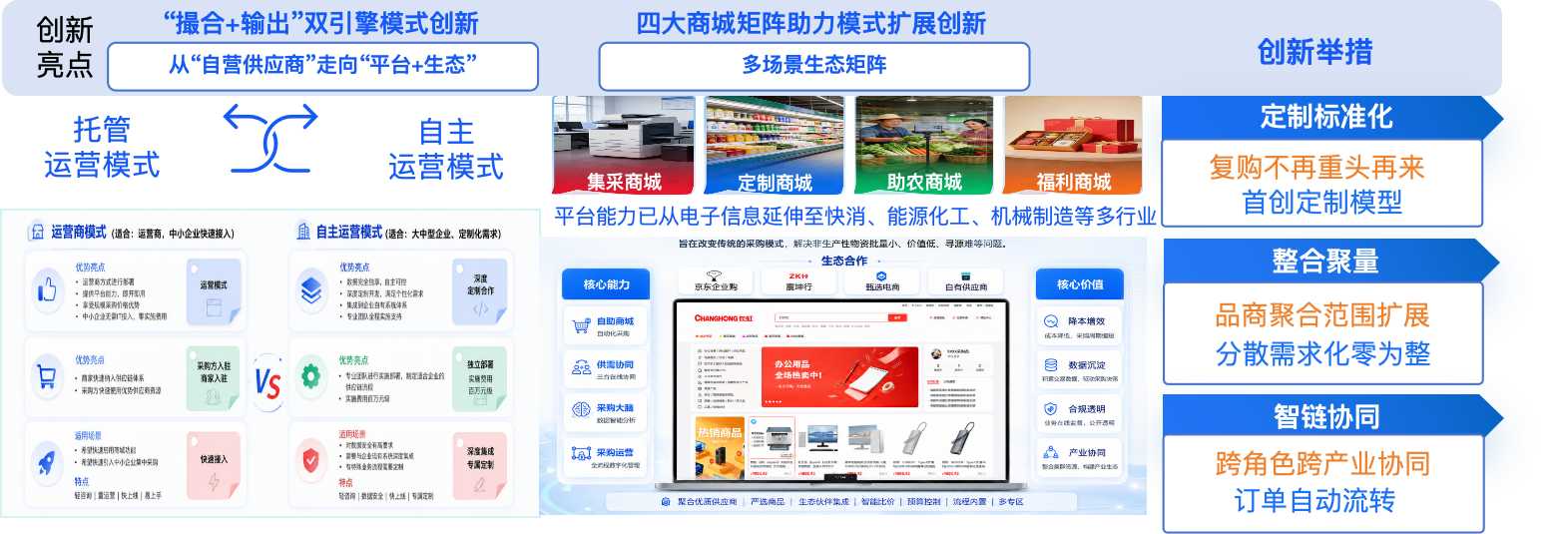
双模引擎的背后,是长虹多年制造经验的沉淀:生产性物资追求“稳”与“准”,通用物资追求“快”与“省”,两种逻辑并行不悖、互为补充。而平台能力也正从电子信息产业延伸至快消、能源化工、机械制造等多行业,集采商城、定制商城、助农商城、福利商城等场景化产品矩阵逐步成型,“一站式”采购从设想走向现实。以“撮合+输出”双引擎模式为牵引,长虹供应链正从“自营供应商”走向“平台+生态”,运营模式覆盖托管运营与自主运营两种形态,前者面向中小企业实现标准化接入,后者面向大中型企业提供定制化服务,让不同规模、不同需求的客户都能找到适配的采购方案[1]。

完善基础业务管理与合规风控

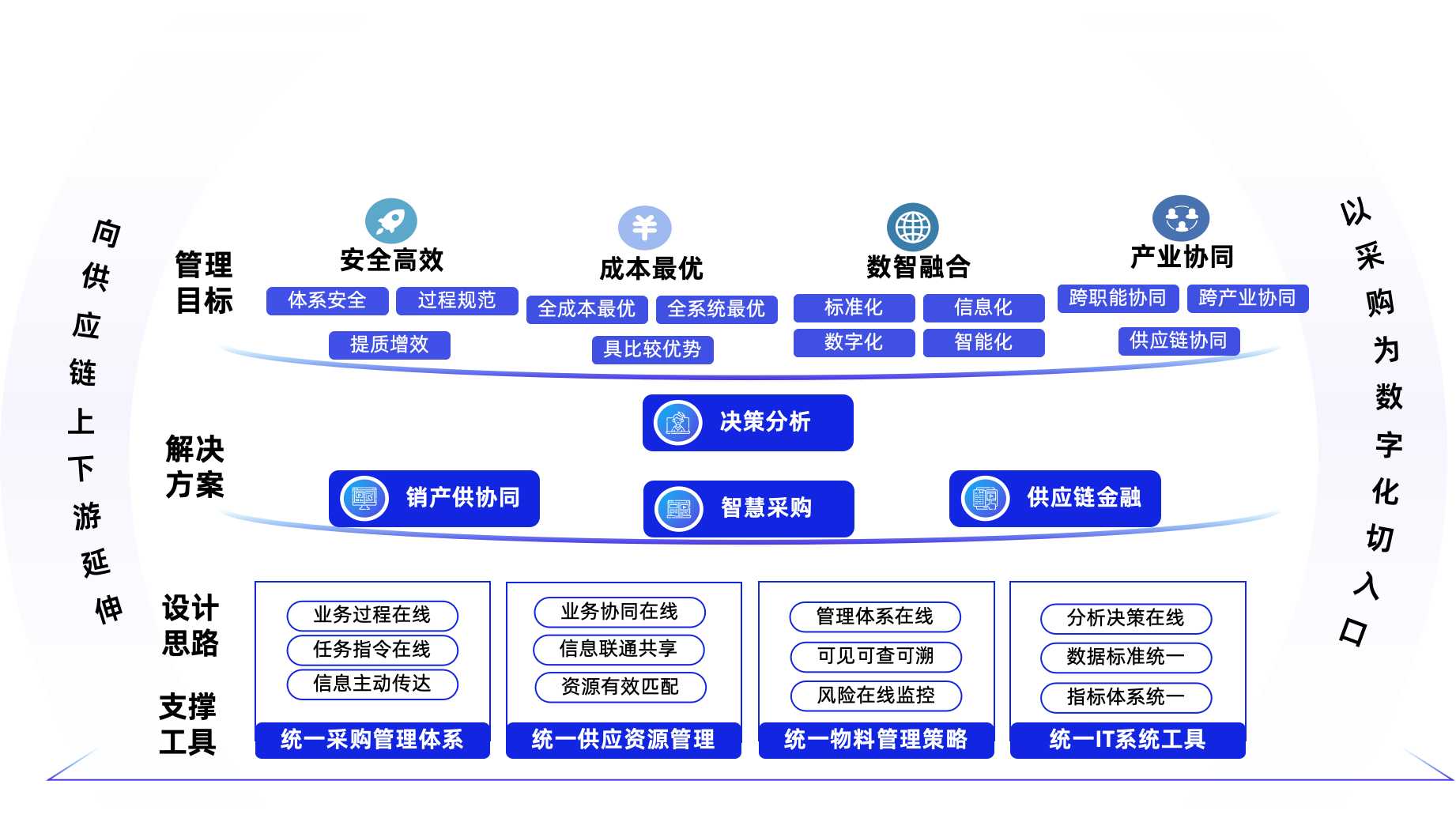
如果说双模引擎解决的是“效率”问题,那么合规管理解决的则是“安全”问题。平台特别强化了合规管理模块,将招投标法与企业内控规则固化在代码中,实现“制度流程化、流程表单化、表单信息化”,从源头上杜绝违规操作风险,确保每一笔交易都在阳光下运行[1]。这一理念与长虹智慧供应链平台(SPSC)的建设方向一脉相承。作为长虹控股集团官网“智慧供应链”栏目直接指向的平台,SPSC以“阳光供应链、高效供应链、数字供应链”为方向,坚持“公平、公正、公开、诚信”原则。平台明确提出“统一采购管理体系、统一供应资源管理、统一物料管理策略、统一IT系统工具”的“四个统一”目标,把分散在各产业单元的采购管理、供应资源、物料策略与信息系统整合进同一框架,从体系层面消除管理盲区。

在阳光供应链板块,平台公开了供应商准入要求,供应商在系统内注册后由专人对接、限时处置,过程节点在线跟踪、信息闭环管理;在公告专区,平台定期发布监督检查情况,公示“廉洁合作、清风过节”等倡议书,将采购监督渠道置于阳光之下。同时,平台日常滚动发布采购寻源与采购信息公示:从AI开发工作站等物资类寻源,到物流商寻源等服务类采购,再到报废固定资产拍卖处置等公告,均在线公开、全程留痕。

而在体系底层,长虹工业互联网智慧供应链解决方案已构建融合网络、计算、存储、用户核心能力的分布式开放体系,满足合同全生命周期管理、供应商全生命周期管理、采购选商、定价管理、供需协同管理、结算管理、企业采购业务管理、上下游协同化管理等关键需求,支撑企业实现快速高效的精益管理模式,完善基础业务管理与合规风控体系,降低采购成本、提升运营效率,赋能上下游实现供应链多方共赢。

技术赋能是长虹供应链的又一大亮点。平台利用大数据分析建立了精准的价格监测模型,能够实时抓取全网价格数据进行比对预警,有效防止价格虚高;通过RPA机器人自动化处理对账、开票等重复性工作,释放了大量人力资源,让人力聚焦于更具价值的供应商开发与谈判工作中;同时,平台开放了API接口,实现了与主流电商巨头及垂直行业平台的互联互通,极大地丰富了SKU资源池[1]。

在更前沿的AI应用层面,长虹供应链正在把“老师傅的经验”沉淀为“可复用的算法”。过去,物料信息割裂、人工核对耗时费力是行业普遍痛点,采购人员大量的时间不是花在“判断”上,而是消耗在“核对”里。在需求调研阶段,业务人员用实际案例充分还原现状,甚至用Excel模拟核心算法的手工演算过程,为技术校验提供真实参照;多年沉淀的个人工作经验则被系统性“翻译”成机器可理解的规则,形成专业知识库。在研发与测试阶段,关键用户能在30分钟内对流程分支、异常场景给出专业解析,业务骨干在业务与研发之间充当“翻译官”,业务人员则利用下班时间逐一验证系统功能,确保系统不仅“技术上跑得通”,更“业务上行得通”。最终,智能物料归类系统成功上线——让同一种物料在系统里只有一个“身份证号”,实现“一物多码”的自动拆解与填充[1]。

随着系统全面上线,长虹供应链彻底告别了不同系统、不同业务间物料代码混乱、名称不一、信息割裂、无法统一比对的行业乱象,终结了“同料异名、同料异码”的低效困境,实现全链路物料信息标准化、规范化、统一化管理。当每一条物料都有了准确的分类和标准化的属性描述,采购人员面对新料号时不再是无从下手的核对清单,而是一份可直接用于寻源报价的“数据资产”;物料属性的标准化,也为后续成本模型搭建、设计选型标准化铺平了道路——上游物料“干净”了,下游的价格分析、供应商推荐才有了可信的根基。从“经验驱动”走向“数据驱动”,长虹供应链的智能化转型正在加速推进[1]。

目前,长虹供应链已成功服务数百家外部企事业单位,非关联业务占比逐年攀升。其成功的关键在于,不仅提供了一个“买东西”的渠道,更输出了一套经过几十年制造业验证的标准化采购管理体系——从“四个统一”的管理框架,到合同管理、供应商管理、定价管理、供需协同、结算管理等全流程的数字化规范,均可整体复制、快速落地。面向产业链伙伴,长虹还持续运营虹采商城(虹商)B2B平台,开放产品中心、经销商专属采购融资等服务,将长虹系优质产品资源与外部产业采购需求高效对接,让平台的服务半径从集团内部延伸至更广阔的产业生态。

放眼全球,长虹控股集团已构建覆盖全球160余个国家和地区的多元化供应体系,在欧洲及“一带一路”沿线国家的业务布局日臻完善[2]。以“虹采商城”为支点、以CHiM“双跨”平台为底座,长虹供应链正在把一条经过数十年验证的“共赢链”开放给整个产业生态——这既是大型制造企业数字化转型的样本,也是供应链从“企业内部服务”走向“社会化商业赋能”的生动注脚。未来,随着数智化采购与供应链管理纵深推进,长虹供应链这套“链路共赢+阳光合规”双轮驱动的打法,有望为更多中国企业的供应链升级提供可复制、可推广的实践范本。

信息来源

[1] 新华网《数智赋能锻强供应链 长虹破解物料管理标准化难题》:http://www.xinhuanet.com/tech/20261013/5bca641357514c3d8e4ad02d1a79f53e/c.html

[2] 四川长虹电子控股集团有限公司官网-集团动态:长虹控股集团:坚决维护资本市场稳定http://www.changhong.com.cn/contents/65/22410.html

亿邦智库持续关注央国企数字化采购领域的最新进展,如想了解更多与本文相关信息,请扫码关注作者微信或发送邮箱。联系邮箱:zhangjing@ebrun.com

作为TO B领域年度风向标,“2026第八届亿邦产业互联网年会暨首届产业智能体大会”将于11月20日在北京召开。主题定为“AI与出海带来的模态进化”,聚焦产业智能体落地、AI供应链价值重构、数据要素与TOKEN经济、产业出海新生态等前沿议题深度思辨。大会将集结学界权威、央国企标杆、产业龙头、投资机构、服务生态伙伴,汇聚产业核心力量、拆解产业数智化转型路径、分享前沿实战经验。同期还将发布年度产业互联网报告及标杆案例,举办决策人闭门会、“千峰奖”颁奖盛典。

本文首发于 亿邦动力 官方网站

文章来源:亿邦动力

广告
微信
朋友圈

FAQ回顾

虹采商城是什么平台?

“虹采商城”是长虹供应链的核心采购平台,面向内部生产性物资采用ERP深度定制和JIT配送,面向通用办公及MRO物资采用电商超市模式,并以托管运营、自主运营等方式向外部企业输出数字化采购与供应链管理能力。

长虹供应链的虹采商城如何兼顾采购效率与合规风控?

平台用双模引擎提升效率:生产性物资通过ERP对接和JIT配送实现稳准,通用物资以电商超市模式实现快省;合规上将招投标法和企业内控规则固化进系统,并依托SPSC“四个统一”、供应商准入公开、采购寻源留痕和价格监测预警降低风险。

长虹供应链的数字化采购方案适合哪些企业?

适合有采购数字化需求的不同规模企业:中小企业可采用托管运营实现标准化接入,大中型企业可采用自主运营获得定制化服务;方案输出“四个统一”管理框架及合同、供应商、定价、供需协同、结算等全流程规范,已服务数百家外部企事业单位。

长虹供应链如何解决物料管理中“同料异名、同料异码”问题?

通过上线智能物料归类系统,把物料经验转化为可复用规则和专业知识库,让同一种物料在系统中只有一个“身份证号”,并自动拆解与填充“一物多码”,实现全链路物料信息标准化、规范化、统一化管理,为寻源报价、成本模型和供应商推荐提供可信数据基础。

长虹供应链的“双轮驱动”指什么?

在平台战略上,“虹采商城”坚持“链路共赢”与“阳光合规”双主线并行,既服务长虹集团生产制造采购,又将供应链能力产品化向社会输出;在采购运营上,生产性物资追求“稳与准”,通用办公及MRO物资追求“快与省”,形成双模引擎。

这么好看,分享一下?

朋友圈 分享

APP内打开

赞 +1
+1
微信好友 朋友圈 新浪微博 QQ空间
关闭
收藏成功
发送
/140 0