广告
加载中

中核供应链:双维智控,严守采购质量与价格防线

亿邦智库 2026-10-08 17:00
亿邦智库 2026/10/08 17:00

邦小白快读

EN
全文速览

总:中核供应链用“质量穿透式监管+价格指数竞价”的双维智控体系管住采购,核心是标准化、数字化和闭环。

1. 质量管控:事前对供应商做注册、合格准入和分层分级管理;事中用物联网、区块链以及“核链慧眼”监测生产、运输、验收等环节,识别围串标和关联风险;事后通过绩效考核、履约评价以及《履约公约》形成追溯整改闭环。招投标还上线了“双盲”评审,做到评标专家盲抽、投标人信息盲评,从流程上隔绝人为干扰。

2. 价格管控:通用物资用市场公开数据和历史交易生成价格指数,以此作为采购定价基准;大宗材料引入上海有色网SMM指数、我的钢铁网钢材价格指数,实现“指数联动浮动价”;大额及指数外品类采用二次竞价机制,在合规前提下充分激发竞争、压降成本。

3. 落地平台:电子采购平台和电子商城支撑全流程在线采购、供应商管理、集中采购和供应链金融。普通读者可借鉴的是“事前准入、事中监控、事后闭环”的采购管理框架,以及用价格指数替代固定价、用竞价机制补充指数外品类的定价思路。

总:对品牌商而言,这篇文章的干货是央企集采渠道的准入路径、价格竞争规则和品牌建设启示。

1. 渠道与品牌建设:中核电子商城坚持标准、通用、大宗定位,是办公用品、MRO工业品等标准化市售物资的一级集采平台。品牌商若想进入央国企采购市场,需要把产品做成标准商品,并按电子商城的上架和管控规定管理商品信息;采购活动公开透明,品牌曝光和订单获取更依赖资质、交付能力和履约口碑。

2. 定价与价格竞争:采购定价从“固定价”转向“指数联动浮动价”,通用物资以价格指数为基准,通过折扣率体现品牌商价格水平;大宗材料联动SMM指数、钢材价格指数报价。品牌商不能只盯自身成本,还要把外部价格指数作为报价锚点,并在大额及指数外品类中准备好应对二次竞价。

3. 用户行为与研发启示:中核供应链推进“五化”供应链,并用供应商考核机制、履约评价、商品上架管控和《履约公约》筛选供应商。品牌商应把质量稳定性、交付能力和数字化对接能力作为核心竞争力,参与集中采购管理变革;同时可关注中核与境外企业在核燃料组件零部件等领域合作带来的产业链配套机会。

总:面向中核这类央国企采购市场,卖家能从中找到清晰的入市机会、合作规则和风险提示。

1. 市场机会:中核电子商城和电子采购平台是集团统一采购入口,办公用品、MRO工业品等标准品一级集采执行刚性增强,大宗产品集采也在着力突破;大额及指数外品类有二次竞价机制,卖家可用竞争性报价切入非标和大额订单。

2. 政策与机制:供应商要经过注册、合格准入、不良行为管理和履约评价,实行分层分级管理;中选供应商要签署《履约公约》,商品上架、标准商品管理、供应商考核机制等都有明确规定。卖家应尽早完成资质维护和平台对接,避免在信用评价和“双盲”评审中被淘汰。

3. 风险与应对:价格管控以价格指数为基准,大宗材料联动上海有色网SMM指数和钢材价格指数,报价必须盯住外部市场数据;电子商城通过折扣率体现价格差异,低价不一定胜出,质量和履约更关键。2025—2026年度通用物资一级集采项目已经正式启动,10家中选供应商参与,说明窗口期已打开,需及时关注集采品类和项目启动会信息。

4. 可学习点:中核供应链优化“标准商品+多渠道采购”模式,卖家可借鉴其数字化供应链能力,把自身产品、库存和物流信息接入平台,用全流程在线履约能力争取长期订单。

总:对工厂而言,文章揭示了成为核工业供应商的质量门槛、产品需求与数字化转型方向。

1. 产品与生产需求:核级物资要求质量“零缺陷”,工厂必须具备全生命周期质量追溯能力;通用物资以办公用品、MRO工业品等标准化市售物资为主,大宗材料采购涉及天然铀、核燃料组件零部件、TREX管坯等,显示中核在核燃料和核心设备领域存在持续采购需求。

2. 质量管理启示:供应商要通过事前准入、事中物联网和区块链监控、事后绩效评价闭环。工厂应把质量数据实时采集、不可篡改、可追溯作为生产管理基础,才能满足央企“穿透式监管”要求。

3. 商务与合作机会:中核供应链定价使用价格指数,通用物资按价格指数联动浮动,大宗材料联动上海有色网SMM指数和钢材价格指数。工厂报价不能只看自身成本,还要建立与市场指数挂钩的定价模型;电子商城的“标准、通用、大宗”定位为工厂标准品上架销售提供通道,供应链金融最快T+0放款也能改善资金周转。

4. 数字化与电商启示:中核一体化数字供应链平台覆盖采购全流程,服务1500余家客户。工厂也应推进产品编码、商品信息标准化和线上化,主动对接央企采购系统,逐步适应电子招标、在线评标、“双盲”评审等规范化采购流程。

总:对服务商而言,文章呈现了央国企供应链数字化建设的真实需求和技术方向。

1. 行业趋势:中核供应链建设“一体化数字供应链平台”,整合电子采购、电子商城、供应商管理、供应链金融等能力,并推进“五化”供应链体系。服务商可围绕采购全流程在线管理、集中采购电商化、全电子招标、供应商管理和数据服务寻找切入点。

2. 新技术应用:物联网、区块链、大数据和智能分析已在质量穿透式监管中落地;“核链慧眼”通过整合内外部数据、自研采购风险监控模型,能识别围串标、关联关系和供应链风险,并获得国资委奖项。服务商可借鉴这种“数据+模型”风控产品。

3. 客户痛点与解决方案:央国企客户的核心痛点是核级物资质量“零缺陷”和大宗物资价格波动。中核的解法是“质量穿透式监管+价格指数竞价”,用价格指数作为定价基准、用二次竞价压降非标成本。服务商应提供可对接价格指数、风险模型、区块链追溯的一体化解决方案,帮助客户从被动应对转向主动管理。

4. 具体需求场景:公司设有13个在线评标室和20余个异地评标室,说明多点位、合规化招投标工具有需求;“双盲”评审功能上线,意味着评标系统、信息匿名化、防篡改设计是新机会;供应链金融平台全流程线上操作和T+0放款,也为金融科技服务商提供合作空间。

总:对平台运营商而言,文章的干货是央企采购平台的功能架构、风控工具和运营机制。

1. 平台定位与功能:中核集团电子采购平台于2019年上线、2020年完成一期建设,实现采购全流程标准化、规范化、电子化,并通过电子招标投标系统三星级认证;平台还延伸出电子商城、SRM供应商关系管理系统、供应链金融平台等模块。平台商可对照构建“招采+商城+供应商管理+金融”的一体化体系。

2. 招商与运营管理:电子商城坚持办公用品、MRO工业品等标准品一级集采,通过商品上架管控、标准商品管理、供应商考核和《履约公约》压实责任。平台运营的关键是制定商品准入规则、考核机制和品类标准,并让供应商分层分级,形成优胜劣汰。

3. 最新做法:上线“双盲”评审功能,实现评标专家盲抽、投标人信息盲评,评分提交后不得修改;依托物联网、区块链和大数据建设“核链慧眼”,识别围串标、关联关系和供应链风险。这些是平台商可借鉴的公平交易和智能风控工具。

4. 客户需求与风险规避:平台要服务集团内9万名员工和1500余家客户,需要全流程在线操作和快速放款等体验;还要兼顾合规监管、价格指数联动和供应链风险预警。平台商应把价格指数、竞价机制与合规风控内置于交易流程,避免只重功能而忽视采购安全和价格公允。

总:从研究视角看,文章呈现了央国企供应链数字化转型的典型案例,核心是以“双维智控”回应质量安全与价格波动两大难题。

1. 产业新动向:核工业供应链安全上升为国家战略议题,中核供应链从2018年成立到电子采购平台上线,再到“双盲”评审、价格指数应用,展示央企采购从规范化、电子化走向数智化和精益化的路径;“五化”供应链体系可作为产业政策和企业战略研究样本。

2. 新问题与机制创新:核级物资质量“零缺陷”催生穿透式监管,中核通过SRM分层分级准入、物联网和区块链全程监控、履约评价闭环,解决供应商资质、过程追溯、责任落地问题;招投标“双盲”评审把专家抽取与投标人信息隔离,是治理人为干预采购的有益实验。

3. 定价与模式创新:值得研究的是“价格指数竞价”双轨价格管理体系——通用物资用价格指数联动浮动价,大宗材料外挂上海有色网SMM指数和钢材价格指数,大额及非标品类用二次竞价机制。该模式探索了央企采购定价从“经验定价”转向“市场基准定价”,兼顾降本增效与合规竞争。

4. 政策与生态启示:中核供应链以产业链“链长”身份开展供应链金融,让中小企业共享龙头资信;同时与法马通、西屋电气、欧安诺等境外企业签署采购合同,增强核产业链韧性。卓越绩效模式导入和大规模集采变革提示研究者关注央企供应链的生态化、国际化以及绩效考核与供应链管理协同。

返回默认

声明:快读内容全程由AI生成,请注意甄别信息。如您发现问题,请发送邮件至 run@ebrun.com 。

我是 品牌商 卖家 工厂 服务商 平台商 研究者 帮我再读一遍。

Quick Summary

Overview: CNNC Supply Chain manages procurement with a dual-dimensional smart-control system that combines look-through quality supervision and price index-based bidding, built on standardization, digitalization, and closed-loop management.

1. Quality control: Before procurement, suppliers must complete registration, qualified-access review, and tiered management. During execution, IoT, blockchain, and the "Nuclear Chain Insight" system monitor production, transportation, acceptance, and other links to identify bid-rigging and related-party risks. Afterward, performance assessment, contract fulfillment evaluation, and the Contract Performance Convention form a closed loop for traceability and corrective action. The bidding process also uses a "double-blind" evaluation: evaluation experts are randomly drawn and bidder information is anonymized, removing human interference at the process level.

2. Price control: For general supplies, a price index is generated from public market data and historical transactions and serves as the procurement pricing benchmark. Bulk materials use the Shanghai Nonferrous Metals Network's SMM index and Mysteel's steel price index to create "index-linked floating prices." Large-value purchases and categories outside the index coverage adopt a second-round bidding mechanism, fully promoting competition and reducing costs under compliance requirements.

3. Implementation platform: The e-procurement platform and e-mall support full-process online procurement, supplier management, centralized procurement, and supply chain finance. The takeaways for general readers are the procurement management framework of "pre-qualification, in-process monitoring, and post-event closed loop," and the pricing approach of replacing fixed prices with price indices while using bidding mechanisms for categories not covered by indices.

Overview: For brands, the key takeaways are the access path to central SOE centralized procurement channels, the rules of price competition, and implications for brand building.

1. Channel and brand building: CNNC's e-mall is a first-tier centralized procurement platform positioned around standard, general-purpose, bulk materials, covering office supplies, MRO industrial goods, and other standardized market products. Brands entering central SOE procurement markets need to make their products standard commodities and manage product information according to the e-mall's listing and control rules. Procurement activities are open and transparent, so brand exposure and order acquisition rely more on qualifications, delivery capability, and fulfillment reputation.

2. Pricing and competition: Procurement pricing is moving from fixed prices to index-linked floating prices. For general supplies, the price index serves as the benchmark and brand price levels are shown through discount rates; bulk materials are quoted against the SMM index and steel price indices. Brands should not only track their own costs but also use external price indices as quotation anchors and be prepared for second-round bidding on large-value and non-index categories.

3. Buyer behavior and R&D implications: CNNC Supply Chain is advancing its "five-modernization" supply chain and selects suppliers through assessment mechanisms, fulfillment evaluations, product listing controls, and the Contract Performance Convention. Brands should make quality stability, delivery capability, and digital integration their core competitiveness and take part in centralized procurement management reform. They should also watch for supply chain opportunities in areas such as nuclear fuel assembly components created by CNNC's cooperation with overseas enterprises.

Overview: For sellers, the article provides clear market entry opportunities, cooperation rules, and risk warnings for central SOE procurement markets such as CNNC.

1. Market opportunities: CNNC's e-mall and e-procurement platform are the group's unified procurement gateways. First-tier centralized procurement for standard products such as office supplies and MRO industrial goods is being more strictly enforced, and centralized procurement of bulk products is also being pushed forward. Large-value and non-index categories use a second-round bidding mechanism, allowing sellers to enter non-standard and high-value orders through competitive quotes.

2. Policies and mechanisms: Suppliers must undergo registration, qualified-admission review, misconduct management, and fulfillment evaluation, and are managed in tiers. Winning suppliers must sign the Contract Performance Convention, and product listing, standard product management, and supplier assessment are clearly specified. Sellers should complete qualification maintenance and platform integration as early as possible to avoid being eliminated by credit evaluation and the double-blind review.

3. Risks and responses: Price controls are benchmarked to price indices; bulk materials are linked to the SMM index and steel price indices, so quotation must keep pace with external market data. The e-mall reflects price differences through discount rates; low prices do not necessarily win—quality and fulfillment matter more. The 2025–2026 centralized procurement project for general supplies has officially started, with 10 selected suppliers participating, indicating that the window is open; sellers should follow tender categories and project launch information promptly.

4. Takeaways: CNNC Supply Chain has optimized its "standard products + multi-channel procurement" model. Sellers can borrow its digital supply chain capabilities by connecting their product, inventory, and logistics information to the platform and securing long-term orders with full-process online fulfillment.

Overview: For factories, the article reveals the quality threshold, product requirements, and digital transformation direction for becoming a nuclear industry supplier.

1. Product and production requirements: Nuclear-grade material requires "zero-defect" quality, so factories must have full-lifecycle quality traceability. General supplies mainly include standardized market products such as office supplies and MRO industrial goods. Bulk material purchases involve natural uranium, nuclear fuel assembly components, TREX tube billets, and other items, showing CNNC's sustained demand in nuclear fuel and core equipment procurement.

2. Quality management implications: Suppliers must pass pre-qualification, in-process IoT and blockchain monitoring, and post-event performance evaluation. Factories should make real-time, tamper-proof, and traceable quality data the foundation of production management to satisfy central SOEs' "look-through supervision" requirements.

3. Business and cooperation opportunities: CNNC Supply Chain prices procurement using price indices—general supplies are linked to floating index prices, and bulk materials are linked to the SMM index and steel price indices. Factories cannot quote only on internal cost; they need pricing models that track market indices. The e-mall's "standard, general-purpose, bulk" positioning provides a channel for factories to list standard products, and supply chain finance with minimum T+0 settlement can improve cash flow.

4. Digital and e-commerce implications: CNNC's integrated digital supply chain platform covers the full procurement process and serves more than 1,500 clients. Factories should standardize product codes and product information, put them online, proactively connect with central SOE procurement systems, and gradually adapt to standardized processes such as electronic tendering, online bid evaluation, and double-blind review.

Overview: For service providers, the article presents the real demand and technology direction for digital supply chain construction in central SOEs.

1. Industry trends: CNNC Supply Chain is building an "integrated digital supply chain platform" that brings together e-procurement, e-mall, supplier management, and supply chain finance, while advancing a "five-modernization" supply chain system. Service providers can find entry points in full-process online procurement management, e-commerce-based centralized procurement, fully electronic tendering, supplier management, and data services.

2. New technology applications: IoT, blockchain, big data, and intelligent analytics have been deployed in look-through quality supervision. By integrating internal and external data and using self-developed procurement risk monitoring models, "Nuclear Chain Insight" can identify bid-rigging, related-party relationships, and supply chain risks, and has received an award from SASAC. Service providers can draw on this "data + model" risk-control product.

3. Client pain points and solutions: Central SOE clients' core pain points are zero-defect nuclear-grade quality and commodity price volatility. CNNC's solution is "look-through quality supervision + price index bidding," using price indices as the pricing benchmark and second-round bidding to cut non-standard costs. Service providers should offer integrated solutions that connect price indices, risk models, and blockchain traceability, helping clients move from reactive response to proactive management.

4. Specific demand scenarios: The company has 13 online bid evaluation rooms and more than 20 remote evaluation rooms, indicating demand for multi-site, compliance-oriented tendering tools. The launch of double-blind review creates new opportunities in evaluation systems, information anonymization, and tamper-proof design. The supply chain finance platform's fully online operation and T+0 settlement also provide room for fintech service providers to collaborate.

Overview: For platform operators, the article offers the functional architecture, risk-control tools, and operating mechanisms of central SOE procurement platforms.

1. Platform positioning and capabilities: CNNC Group's e-procurement platform went live in 2019 and completed phase one construction in 2020, realizing standardization, normalization, and electronification of the full procurement process, and passing the three-star certification for e-tendering systems. It has expanded into modules including e-mall, SRM supplier relationship management, and supply chain finance. Platform operators can use this as a reference to build an integrated "tendering + e-mall + supplier management + finance" system.

2. Merchant recruitment and operations management: The e-mall maintains first-tier centralized procurement of standard products such as office supplies and MRO industrial goods, enforcing responsibility through product listing controls, standard product management, supplier assessment, and the Contract Performance Convention. The key to platform operation is to set product admission rules, assessment mechanisms, and category standards, and to tier suppliers so that the strongest players win.

3. Latest practices: The platform has launched double-blind review, which randomly selects evaluation experts, anonymizes bidder information, and prevents score changes after submission. Relying on IoT, blockchain, and big data, "Nuclear Chain Insight" identifies bid-rigging, related-party relationships, and supply chain risks. These are fair-trading and intelligent risk-control tools that platform operators can adopt.

4. Customer needs and risk avoidance: The platform serves 90,000 employees and more than 1,500 clients in the group, requiring fully online workflows and fast disbursement. It must also balance compliance supervision, price index linkage, and supply chain risk early warnings. Platform operators should embed price indices, bidding mechanisms, and compliance risk controls intrinsically into the transaction process, rather than focusing only on functionality at the expense of procurement security and price fairness.

Overview: From a research perspective, the article presents a typical case of supply chain digital transformation in central SOEs, using "dual-dimensional smart control" to tackle quality safety and price volatility.

1. New industry dynamics: Nuclear industry supply chain security has risen to a national strategic issue. From CNNC Supply Chain's establishment in 2018 and the e-procurement platform launch to the adoption of double-blind review and price indices, the article shows the path of central SOE procurement evolving from standardized and electronic to digital-intelligent and lean. The "five-modernization" supply chain system can serve as a sample for studying industrial policy and corporate strategy.

2. New problems and institutional innovation: The "zero-defect" quality requirement for nuclear-grade materials has given rise to look-through supervision. CNNC addresses supplier qualification, process traceability, and accountability through tiered SRM admission, IoT and blockchain full-process monitoring, and closed-loop fulfillment evaluation. The double-blind review, which separates expert selection from bidder information, is a useful experiment in governing human interference in procurement.

3. Pricing and model innovation: Worth studying is the "price index + bidding" dual-track pricing system—general supplies use index-linked floating prices, bulk materials are tied to the SMM index and steel price indices, and large-value and non-standard categories use second-round bidding. This model shifts central SOE procurement pricing from "experience-based pricing" to "market-benchmarked pricing," balancing cost reduction and efficiency with compliant competition.

4. Policy and ecosystem implications: As the industrial chain's "chain leader," CNNC Supply Chain provides supply chain finance that enables SMEs to share the leading enterprise's credit. It has also signed procurement contracts with Framatome, Westinghouse, Orano, and other overseas companies, strengthening the resilience of the nuclear industry chain. The introduction of performance excellence models and large-scale centralized procurement reform suggests researchers should pay attention to the ecosystemization and internationalization of central SOE supply chains, as well as the coordination of performance assessment and supply chain management.

Disclaimer: The "Quick Summary" content is entirely generated by AI. Please exercise discretion when interpreting the information. For issues or corrections, please email run@ebrun.com .

I am a Brand Seller Factory Service Provider Marketplace Seller Researcher Read it again.

【亿邦原创】核工业是国之重器,产业链供应链安全稳定关乎国家战略全局。作为中国核工业集团下属二级单位,中核(上海)供应链管理有限公司(以下简称中核供应链)承载着“集团公司一体化数字供应链平台与现代供应链管理公司”的重要使命,致力于打造世界一流核产业现代供应链企业。面对核级物资质量“零缺陷”的极致要求与大宗物资价格波动的市场风险,中核供应链创新构建“质量穿透式监管+价格指数竞价”的双维智控体系,以标准化管理为根基、以数字化平台为载体,实现了采购质量与价格的精准管控,为核工业产业链供应链安全提供了坚实支撑。

中核供应链成立于2018年2月,总部位于上海市徐汇区,现有北京、西北、浙江三个分公司和一个西南业务分中心。公司现有人员170余人,业务范围涵盖数字供应链平台开发运维、统一招标采购服务、集中采购服务、供应链金融服务、数据服务、创新孵化等业务领域,逐步形成采购全流程服务、数字供应链开发运维管理和新业务新市场开发三大核心能力。

在体系建设上,中核供应链着力构建精益化、协同化、国际化、智慧化、绿色化的“五化”供应链体系,数字供应链赋能采购管理成效不断提升。作为集团电子采购业务的统一载体,中核供应链负责建设运营的中核集团电子采购平台(http://cnncecp.toobiao.com/)于2019年7月1日正式上线,并于2020年12月完成一期整体建设,实现了采购全流程标准化、规范化、电子化,促进采购活动公开透明、阳光高效,打造集团公司电子采购服务中心;该平台是积极响应党中央、国务院推进供应链创新与应用战略部署的重大举措,是贯彻落实国资委关于中央企业管理提升的具体行动,围绕“规范管理、降本增效、高效便捷”总目标持续推进采购管理电子化,已通过电子招标投标系统三星级认证。

穿透式监管守护核级物资“零缺陷”

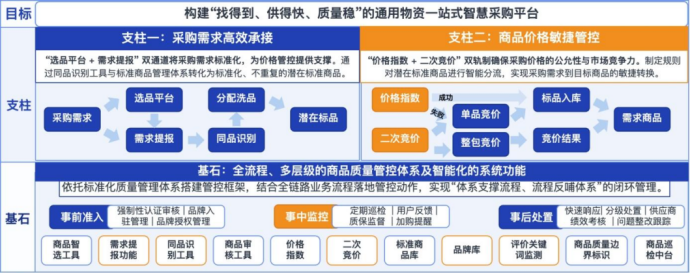
核级物资直接关系核设施安全运行,质量管控不容丝毫闪失。中核供应链以标准化管理为核心,构建起覆盖商品全生命周期的质量管控体系,实现“事前准入、事中监控、事后闭环”的全程穿透式监管。

事前严把准入关。供应商是质量管控的第一道关口。中核供应链依托集团供应商关系管理系统(SRM),全面开展供应商注册、合格准入、不良行为管理与履约评价等工作,建立供应商分层分级管理机制。2022年4月,中核集团召开供应商关系管理系统(SRM)正式运行启动会,标志着集团在采购领域数字化转型取得又一重要阶段性成果,通过建立健全供应商信息化管理工作机制,切实履行供应商分层分级管理主体责任[1]。

事中实施动态监控。在采购实施与履约环节,中核供应链依托物联网、区块链等数字技术,对生产、运输、验收等关键环节实施穿透式监管,实现质量数据的实时采集与不可篡改。其自主研发的智慧风控产品“核链慧眼”基于中核集团一体化数字供应链平台打造,通过整合内外数据资源,运用大数据及智能分析技术,配合自研的采购风险监控模型,在识别供应商围串标、关联关系、供应链风险等方面为集团合规监管提供有力支持。2023年底,“核链慧眼”荣获国务院国资委智能监管业务模型创新活动优秀应用奖,充分体现了行业对其数字化风控能力的认可[2]。

事后建立闭环机制。对质量问题实施追溯、分析与整改,是质量管控体系的最后一环。中核供应链通过供应商绩效考核、履约评价等机制形成持续改进的闭环。在2025年3月召开的中核集团2025—2026年度通用物资一级集采项目启动会上,中核供应链对商品上架与管控规定、标准商品管理方案、供应商考核机制等内容进行宣贯,10家中选供应商共同签署《履约公约》,以契约化管理压实质量责任[3]。

在招投标环节,中核供应链同样以机制创新保障公平与质量。2025年12月,中核集团采购与供应链一体化智能服务平台“双盲”评审功能正式上线,中核供应链依托代理的中核环保某二级集采项目顺利完成首个"双盲"试点项目评审。该功能通过“评标专家盲抽+投标人信息盲评”的双重设计,从流程上隔绝人为干扰——投标文件技术卷严禁出现投标人名称及身份暗示信息,专家评审技术卷时未知投标人任何信息,评分提交后不得修改,为招标采购工作筑起坚实的公平屏障,标志着中核供应链招投标规范化建设迈入新阶段[4]。

指数锚定与竞价机制破解定价难题

在价格管控维度,中核供应链搭建“双轨制价格管理体系”:针对通用物资建立价格指数模型,以市场公开数据与历史交易数据生成科学客观的价格指数,作为采购定价基准;针对大额及指数外品类引入二次竞价机制,在合规前提下充分激发市场竞争。双轨并行,既保证了通用物资价格的稳定性与公允性,又推动非标及大额物资采购成本持续压降。

以电子商城为集采主阵地。中核集团电子商城是中核供应链受集团公司委托建立的集团一级集中采购实施平台,坚持标准、通用、大宗定位,全面加强办公用品、MRO工业品等标准化市售物资一级集采执行刚性,并在大宗产品集采方面着力突破。

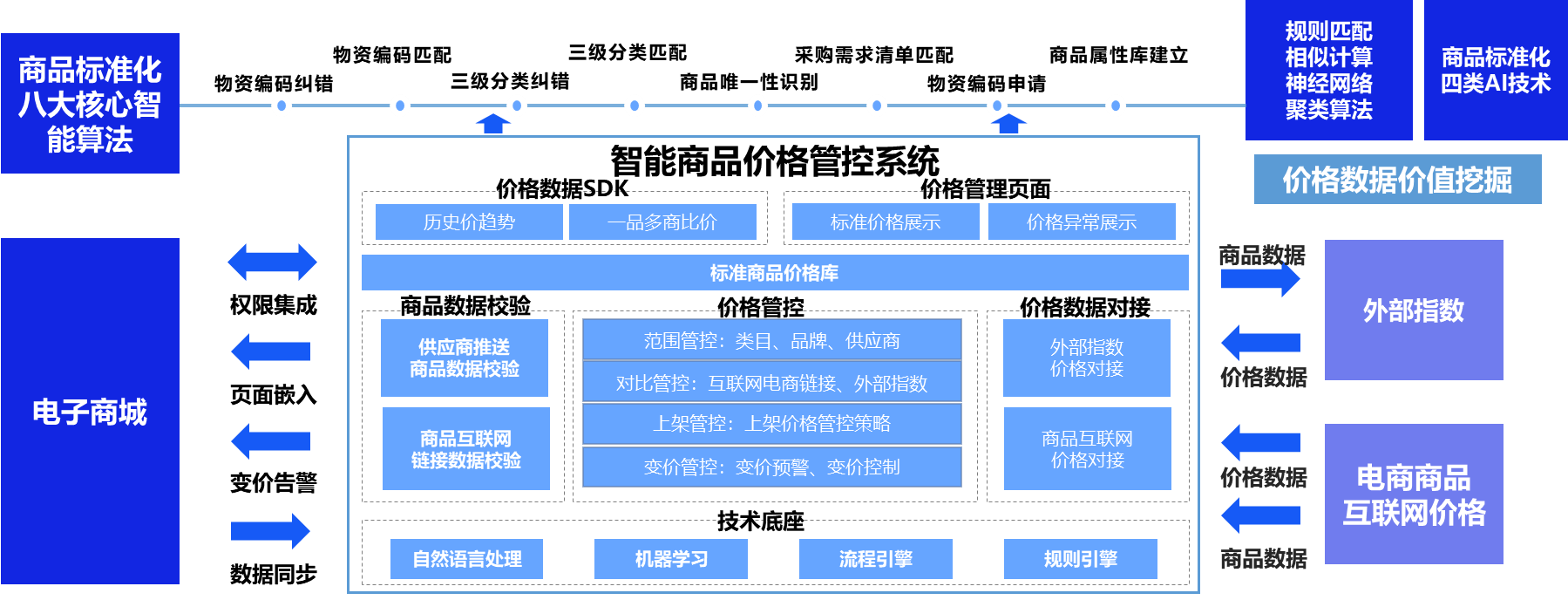
以价格指数实现科学定价。在价格指数应用方面,中核供应链率先在集团内系统性地推动价格指数落地,选择国内最具公信力的开放式采购平台价格作为基础数据源,并将销量、评价数作为权重因子构建价格指数,为采购定价提供科学标尺;在大宗材料采购中,引入上海有色网SMM指数、我的钢铁网钢材价格指数作为核心价格计算参数,依托专业机构的市场数据支撑保障定价依据的客观性与公信力。同时,中核供应链创新定价模式,实现从“固定价”到“指数联动浮动价”的升级,将价格指数条款嵌入电商化采购运营过程,以价格指数为基准通过调控折扣率体现不同供应商价格水平,真正依托价格指数进行市场行为定价[5]。

以竞价机制压降非标成本。针对大额及指数外品类,二次竞价机制在合规前提下充分引入竞争。2025年3月,中核集团2025—2026年度通用物资一级集采项目正式启动,中核供应链持续优化“标准商品+多渠道采购”模式,与10家中选供应商携手推进集中采购管理模式变革,在保障商品质量的同时不断优化采购成本[3]。

平台生态锻造供应链

双维智控体系的落地,离不开数字化平台的底座支撑。作为中核集团数字化供应链平台建设和运营主体,中核供应链以一体化为统领,打造采购全流程在线管理、集中采购电商化实施、全电子招标/非招标数智化、供应商管理等功能,服务客户1500余家,服务集团内员工9万余名。

在招标代理服务方面,中核供应链现有一支专业招标队伍、规范化的业务流程和标准化的服务流程,公司本部和分公司设有13个在线评标室,本部、分公司及全国各地办事处共设置20余个异地评标室,线下招投标与电子招投标结合,满足客户多元化需求,为招标人遴选优质供应商保驾护航。

在供应链金融领域,中核供应链依托集团供应链金融平台,积极发挥产业链“链长”作用,实现自身优质资信与产业链供应链中小企业共享,为客户提供全流程线上操作、最快T+0放款等多种便捷服务,运用大数据、区块链等技术手段推动以融促产,搭建起对内连通集团成员单位、对外衔接金融机构的桥梁。

面向全球核产业链,中核集团持续深化开放合作。2025年 11月 6日,在第八届进博会配套活动暨签约仪式上,中核集团多家下属企业与法国法马通、美国西屋电气、法国欧安诺、乌兹别克斯坦纳沃伊国有铀业公司等境外企业签署8 项采购合同,项目涵盖核燃料组件零部件、TREX管坯、天然铀等。集团依托数字化手段优化全球核燃料与核心设备供需对接,增强核产业链韧性[6]。

质量与价格,是采购管理的一体两面;安全与效益,是央企供应链的两大命题。中核供应链通过“质量穿透式监管+价格指数竞价”的双维智控体系,将质量管控嵌入商品全生命周期,将价格管理锚定于客观市场基准,实现了从“被动应对”到“主动管理”的跨越。2026年以来,中核供应链持续推进卓越绩效模式导入,将其作为承接集团发展战略、匹配公司定位、实现迭代升级的重要抓手[7]。

面向未来,中核供应链将继续秉持“以客户为中心”的经营理念,以数字化转型为核心,持续深化一体化数字供应链平台建设,做优一体化平台、做大集采服务规模、做强增值业务,朝着国际一流的核供应链服务企业阔步前进,为核工业高质量发展和产业链供应链安全稳定贡献更大力量。

信息来源

[1] 中核供应链官网:《中核集团召开集团供应商关系管理系统(SRM)正式运行启动会暨专题培训会》

https://www.cnsc-sh.com/zhgylglyxgs/xwdt88/gsxw91/1239976/index.html

[2] 中核供应链官网:《开门红!“核链慧眼”荣获国资委智能监管业务模型创新活动优秀应用奖》

https://www.cnsc-sh.com/zhgylglyxgs/xwdt88/gsxw91/1405094/index.html

[3] 中核供应链官网:《凝心铸卓越,聚力启新程|中核集团2025—2026年度通用物资一级集采项目正式启动》

https://www.cnsc-sh.com/zhgylglyxgs/xwdt88/gsxw91/180f9b94c5374d7aa95c8a0863fd92cb/index.html

[4] 中核供应链官网:《“双盲”护航,公正提质——中核供应链完成中核集团采购平台首个"双盲"评审项目》

https://www.cnsc-sh.com/zhgylglyxgs/xwdt88/gsxw91/2026031114233595209/index.html

[5] 中国工业新闻网:《防范价格风险 提升采购质效——价格指数在央企采购中的创新实践》

https://h5.cinn.cn/davmu/share/holly/doc/2026/06/K18x8nw1/index.html

[6] 中核供应链官网:《进博会8项签约!中核集团为全球核产业链“加购”》

https://www.cnsc-sh.com/zhgylglyxgs/xwdt88/jtyw58/dfdcb9e6adb240718ba88410b29aee6e/index.html

[7]中核集团官网:《卓越绩效 | 中核供应链:锚定卓越坐标 赋能高质量发展》

https://www.cnnc.com.cn/cnnc/xwzx65/ztbd74/321f8572c3954f9a80c2bc6c2139b905/1c23a76880114b56829c320de37ee030/2026061810113897695/index.html

亿邦智库持续关注央国企数字化采购领域的最新进展,如想了解更多与本文相关信息,请扫码关注作者微信或发送邮箱。联系邮箱:zhangjing@ebrun.com


本文首发于 亿邦动力 官方网站

文章来源:亿邦动力

广告
微信
朋友圈

FAQ回顾

中核供应链是做什么的?属于什么行业?

中核供应链是中国核工业集团下属二级单位,成立于2018年2月,总部位于上海。公司负责建设运营中核集团一体化数字供应链平台,业务涵盖统一招标采购、集中采购、供应链金融、数字供应链平台开发等,致力于打造世界一流核产业现代供应链企业,属于核工业供应链服务领域。

中核供应链如何保障核级物资的采购质量?

中核供应链通过“质量穿透式监管”体系实现全生命周期管控。事前依托SRM系统进行供应商准入与分层分级管理;事中运用物联网、区块链等技术对生产运输验收环节动态监控,并利用自研“核链慧眼”风控产品识别围串标等风险;事后通过供应商绩效考核和履约评价形成闭环,2025年还通过“双盲”评审机制隔绝人为干扰。

中核供应链的价格指数竞价机制是什么?

这是中核供应链“双维智控”体系的价格管控部分。针对通用物资,引入上海有色网SMM指数、我的钢铁网价格指数等市场公开数据构建价格指数作为定价基准;针对大额及非标品类引入二次竞价机制,并实现从固定价到指数联动浮动价升级,通过调控折扣率反映供应商价格差异,实现科学市场化定价。

中核集团电子采购平台有哪些功能?

中核集团电子采购平台由中核供应链负责建设运营,2019年7月正式上线,2020年12月完成一期建设。平台实现采购全流程标准化、电子化和规范化,支持招标、非招标、供应商管理等功能,已通过电子招标投标系统三星级认证,服务客户1500余家、集团内员工9万余名。

中核供应链的“双盲”评审有什么特点?

“双盲”评审于2025年12月正式上线,采用“评标专家盲抽+投标人信息盲评”双重设计,投标文件技术卷严禁出现投标人名称及暗示信息,专家评审时未知投标人身份,评分提交后不得修改,从流程上隔绝人为干预,有效保障招标采购的公平公正。

这么好看,分享一下?

朋友圈 分享

APP内打开

赞 +1
+1
微信好友 朋友圈 新浪微博 QQ空间
关闭
收藏成功
发送
/140 0