广告
加载中

蚂蚁CEO韩歆毅:AI增长必须变成普通人收入

亿邦动力胡镤心 2026-09-10 11:07
亿邦动力胡镤心 2026/09/10 11:07

邦小白快读

EN
全文速览

本文整理了蚂蚁集团CEO韩歆毅在2026外滩大会上关于AI经济发展的核心观点,核心干货如下

1.核心判断:AI是当前经济最重要的变量之一,但AI发展不能只依靠资本投入,也不能只停留在存量降本提效,必须走向价值创造,创造新供给激活新需求,最终要让AI增长转化为普通人的收入和获得感。

2.已落地案例:蚂蚁推出的AI健康工具“阿福”,可以帮用户解读体检报告、整理健康信息、对接医生,目前超半数用户来自三线及以下城市,近三成是老年人,六分之一咨询发生在凌晨,切实解决了普通人过去得不到满足的健康需求。

3.对普通人的影响:AI不会只带来岗位替代,未来会持续降低普通人使用AI的门槛,还会通过职业培训提升大家参与AI价值创造的能力,同时会有配套社会保障帮助大家完成转型,普通人有更多机会分享AI增长红利。

本文为品牌商把握AI时代的消费趋势、调整营销和产品方向提供了诸多干货参考,内容如下

1.消费趋势变化:AI正在激活大量过去无法被满足的增量需求,原本成本过高、依赖少数专家、难以规模化的专业服务,现在可以通过AI落地,下沉市场、老年群体、非工作时段的小众需求都成为可挖掘的新市场。

2.营销逻辑变革:过去以流量为中心的营销模式,随着流量成本不断上升,边际收益持续下滑,AI智能体时代商业核心将转向用户意图,通过用户智能体和商家智能体对接真实需求,能带来完全不同于移动互联网时代的增量需求。

3.发展方向提示:品牌商应当抓住AI从降本增效转向价值创造的趋势,主动用AI创造新供给匹配新需求,同时借助行业逐步降低的AI使用门槛,让自身和下游合作伙伴都能参与AI价值创造,分享AI增长红利。

本文为卖家梳理了AI时代的商业变化、增长机会与风险提示,干货内容如下

1.商业模式迭代机会:传统移动互联网以流量为中心的经营模式,已经出现流量成本高、边际收益下滑的困境,AI智能体时代新商业模式以用户真实意图为核心,通过用户智能体与商家智能体直接对接需求,能开辟全新的增量市场,是新的增长机遇。

2.风险提示:如果卖家只将AI用于降本增效、替代人力,不挖掘创造新需求,可能会面临供需失衡、投入产出不匹配的新问题,需要尽早调整方向。

3.可对接的机会:蚂蚁计划联合生态伙伴共同建设开放、可信的智能体商业基础设施,卖家可以关注相关生态合作机会,未来行业也会持续降低中小企业使用AI的门槛,卖家可以提前布局,借助低成本AI工具提升经营能力,抢占新市场。

本文为工厂推进AI数字化转型、把握AI时代商业机会提供了诸多启示,干货内容如下

1.转型方向启示:AI应用不能只停留在生产环节的降本增效、替代人力,必须转向用AI创造新的产品供给,挖掘激活新的消费需求,才能获得长期增长,避免陷入投入产出不匹配的发展困境。

2.产品设计方向参考:AI可以整合模型、数据、专业经验,让过去成本高、依赖专家、难以规模化的产品和服务落地生产,工厂可以围绕下沉市场、老年群体等过去未被充分满足的群体需求,开发适配的新产品,挖掘新市场。

3.数字化转型提示:未来行业会逐步降低AI工具的使用门槛,工厂可以抓住这个机遇推进数字化升级,在人机协作模式下,工厂可以侧重发挥人力在判断力、创造力方面的优势,优化生产和产品设计流程,提升整体竞争力。

本文为服务商把握AI行业趋势、挖掘客户需求、布局业务方向提供了诸多干货,内容如下

1.行业发展趋势:AI经济已经完成初期大规模基础设施投入阶段,正式转向价值创造阶段,以意图为中心的智能体商业是未来核心新业态,围绕需求对接、智能支付等新场景会催生大量的服务需求,市场空间广阔。

2.核心客户痛点梳理:当前个人和中小企业使用AI的门槛较高,劳动者能力跟不上AI转型要求,大量下沉市场、特殊时段的需求没有被满足,传统商家面临流量成本高收益低的困境,这些痛点都是服务商的业务机会。

3.解决方案方向参考:服务商可以聚焦把复杂的AI模型能力转化为低成本、易使用的落地工具,服务中小商家和个体劳动者;也可以围绕智能体商业新循环,参与建设相关配套基础设施,和头部企业生态合作,获得发展机会。

本文为平台商把握AI时代商业需求、调整平台发展方向、规避行业风险提供了干货参考,内容如下

1.商家和用户对平台的新需求:传统流量型平台模式已经碰到流量成本上升、边际收益下滑的瓶颈,商家需要新的需求对接方式,用户需要更精准匹配自身意图的服务,平台必须调整方向适配智能体商业的新形态。

2.行业参考做法:蚂蚁已经在医疗等场景落地AI创新应用,未来计划联合生态伙伴建设开放、可信的智能体商业基础设施,加速AI经济循环,给平台布局提供了清晰的参考方向。

3.风险规避提示:平台不能只把AI用于存量提效、替代人力,要引导平台商家创造新供给激活新需求,还要主动降低平台商家和劳动者使用AI的门槛,帮助主体获得参与AI价值创造的能力,才能形成可持续的经济循环,保障平台长期发展。

本文为研究AI经济的研究者提供了产业新动向、核心新问题与新商业模式观点,干货内容如下

1.最新产业动向:当前全球正进行规模空前的AI基础设施投资,亚马逊、微软等四家美国科技公司2026年计划资本开支合计就超过7000亿美元,AI已经从技术研发进入场景落地阶段,以意图为核心的智能体商业新业态正在逐步成型。

2.待研究的核心新问题:当前AI发展普遍存在只重资本投入、只做存量提效,不创造增量需求的问题,可能引发供需失衡、收入分配不均等经济社会问题,如何让AI增长红利惠及普通个体和中小企业,是AI经济可持续发展需要解决的核心问题。

3.新观点参考:提出了智能体时代以用户意图为中心的新商业模式,替代原有的流量中心模式,认为新商业循环会带来大量增量需求,同时提出降低AI门槛、提升劳动者能力、完善分配保障机制,形成“投资—收入—消费”新循环的路径,为相关研究提供了新的思考方向。

返回默认

声明:快读内容全程由AI生成,请注意甄别信息。如您发现问题,请发送邮件至 run@ebrun.com 。

我是 品牌商 卖家 工厂 服务商 平台商 研究者 帮我再读一遍。

Quick Summary

This article summarizes key insights on AI-driven economic development shared by Ant Group CEO Han Xinyi at the 2026 Bund Conference, as outlined below:

1. Core judgment: AI is one of the most significant variables shaping today's economy. However, its growth cannot rely solely on capital input, nor should it be limited to cutting costs and improving efficiency in existing markets. Instead, AI must advance to create value: generate new supply to unlock unmet demand, and ultimately convert AI-driven growth into higher income and greater tangible benefits for ordinary people.

2. Deployed use case: Ant Group has launched "A Fu", an AI-powered health tool that helps users interpret physical exam reports, organize personal health records, and connect to doctors. To date, more than half of its users are based in third-tier cities and below, nearly 30% are seniors, and one-sixth of user consultations take place after midnight. The tool has effectively addressed unmet health needs of ordinary people that were previously unaddressed.

3. Implications for ordinary people: AI will not only displace jobs. Over time, it will lower barriers to AI access for the general public, boost people's ability to participate in AI value creation through targeted vocational training, and be supported by matching social security systems to help workers through transitions. This will create more opportunities for ordinary people to share in the dividends of AI growth.

This article offers actionable insights for brands to identify consumer trends and adjust marketing and product strategies in the AI era, as outlined below:

1. Shifting consumer trends: AI is unlocking large volumes of incremental demand that could not be met profitably in the past. Professional services that were previously too costly, dependent on a small pool of experts, and hard to scale can now be delivered at scale via AI. Underserved segments including the下沉 market, senior consumers, and niche demand outside regular working hours have all emerged as new, exploitable markets.

2. Transformed marketing logic: The traditional traffic-centric marketing model has seen rising customer acquisition costs and steady declines in marginal returns. In the age of AI agents, the core of business will shift to user intent. Matching user agents with merchant agents to connect with genuine demand will unlock incremental growth on a scale unseen in the mobile internet era.

3. Strategic guidance: Brands should capitalize on the broader industry shift of AI from cost optimization to value creation, proactively develop new AI-powered offerings to match new demand, and leverage the gradually falling barriers to AI adoption to enable both themselves and their downstream partners to participate in AI value creation and capture growth dividends.

This article outlines business shifts, growth opportunities and risk warnings for sellers in the AI era, as summarized below:

1. Opportunity for business model iteration: The traditional traffic-centric operating model of mobile internet already faces headwinds of high acquisition costs and falling marginal returns. The new business model of the AI agent era centers on genuine user intent, and connecting user agents directly with merchant agents to match demand can open up entirely new incremental markets, representing a major new growth opportunity.

2. Risk warning: Sellers that only use AI to cut costs, improve efficiency and replace labor, rather than proactively explore and create new demand, may face new problems including supply-demand imbalances and misaligned input-output ratios, and need to adjust their strategy sooner rather than later.

3. Accessible opportunities: Ant Group plans to work with ecosystem partners to build open, trusted commercial infrastructure for AI agents. Sellers can monitor opportunities to participate in these ecosystem collaborations. The industry will continue to lower barriers to AI adoption for small and medium-sized businesses, so sellers can prepare early, leverage low-cost AI tools to improve operating capacity, and capture first-mover advantage in new markets.

This article offers key insights for factories advancing AI-driven digital transformation and seizing business opportunities in the AI era, as outlined below:

1. Guidance on transformation direction: AI applications should not be limited to cutting costs, improving efficiency and replacing labor in production. To achieve long-term growth and avoid the pitfall of misaligned input-output ratios, factories must shift focus to using AI to create new product offerings and unlock new consumer demand.

2. Reference for product design direction: AI can integrate models, data and professional expertise to enable mass production of products and services that were previously costly, expert-dependent and hard to scale. Factories can develop tailored new products and tap into new markets by targeting underserved groups such as consumers in lower-tier cities and senior populations.

3. Tips for digital transformation: The industry will gradually lower barriers to accessing AI tools, and factories can seize this window to advance digital upgrades. Under human-AI collaboration models, factories can focus on leveraging human strengths in judgment and creativity to optimize production and product design processes, and boost overall competitiveness.

This article offers key insights for service providers to identify AI industry trends, uncover customer pain points and plan business strategy, as outlined below:

1. Industry development trends: The AI economy has completed the initial phase of large-scale infrastructure investment and is now officially shifting to a value creation phase. Intent-centric agent-based commerce will emerge as the core new business model of the future, and new scenarios including demand matching and intelligent payment will generate massive new service demand, creating broad market opportunities.

2. Core customer pain points: Barriers to AI adoption for individuals and small and medium-sized enterprises remain high, workers' skills have not kept pace with AI transformation demands, large volumes of demand from lower-tier markets and non-standard hours remain unmet, and traditional merchants face the dilemma of high traffic costs and low returns. All of these pain points represent new business opportunities for service providers.

3. Guidance on solution development: Service providers can focus on converting complex AI model capabilities into low-cost, easy-to-use deployment tools to serve small merchants and individual workers. They can also participate in building supporting infrastructure for the new agent-based commerce cycle through ecosystem cooperation with leading companies to capture growth opportunities.

This article offers actionable insights for platform operators to identify new business demands in the AI era, adjust platform development strategies, and mitigate industry risks, as outlined below:

1. New demands from merchants and users: The traditional traffic-driven platform model has already hit bottlenecks of rising acquisition costs and falling marginal returns. Merchants need new demand matching models, while users need services that more accurately match their individual intent. Platforms must adjust their strategies to adapt to the new form of agent-based commerce.

2. Industry reference: Ant Group has already deployed innovative AI applications in sectors including healthcare, and plans to cooperate with ecosystem partners to build open, trusted commercial infrastructure for AI agents to accelerate the AI economic cycle, offering a clear strategic reference for platform planning.

3. Risk mitigation: Platforms should not only use AI to improve efficiency in existing markets and replace labor. They must guide on-platform merchants to create new supply and unlock new demand, proactively lower barriers to AI adoption for on-platform merchants and workers, and help these market participants build the capacity to participate in AI value creation. Only this can form a sustainable economic cycle and support long-term platform growth.

This article shares new industry developments, core research questions and emerging business model perspectives for researchers studying the AI economy, as outlined below:

1. Latest industry developments: The world is currently seeing unprecedented levels of investment in AI infrastructure: four major U.S. tech companies including Amazon and Microsoft plan a combined total of more than $700 billion in capital expenditure in 2026. AI has moved beyond pure R&D into the phase of real-world deployment, and a new intent-centric agent-based commercial ecosystem is gradually taking shape.

2. Core unaddressed research questions: Current AI development is largely focused on capital input and efficiency improvements in existing markets, rather than creating new incremental demand. This could trigger economic and social problems including supply-demand imbalances and unequal income distribution. How to ensure the dividends of AI growth benefit ordinary individuals and small and medium-sized enterprises is the core challenge that must be solved to achieve sustainable development of the AI economy.

3. New perspectives for research: This talk introduces a new intent-centric business model for the AI agent era to replace the traditional traffic-centric model, arguing this new commercial cycle will unlock massive incremental demand. It also outlines a path to a new "investment-income-consumption" economic cycle by lowering AI barriers, upgrading worker skills, and improving distribution and social protection mechanisms, offering new directions for relevant research.

Disclaimer: The "Quick Summary" content is entirely generated by AI. Please exercise discretion when interpreting the information. For issues or corrections, please email run@ebrun.com .

I am a Brand Seller Factory Service Provider Marketplace Seller Researcher Read it again.

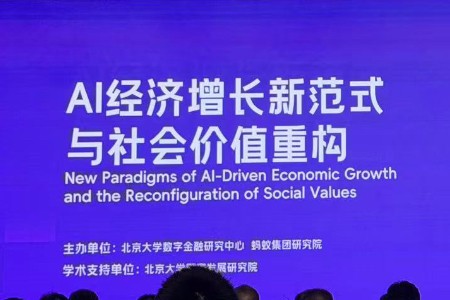
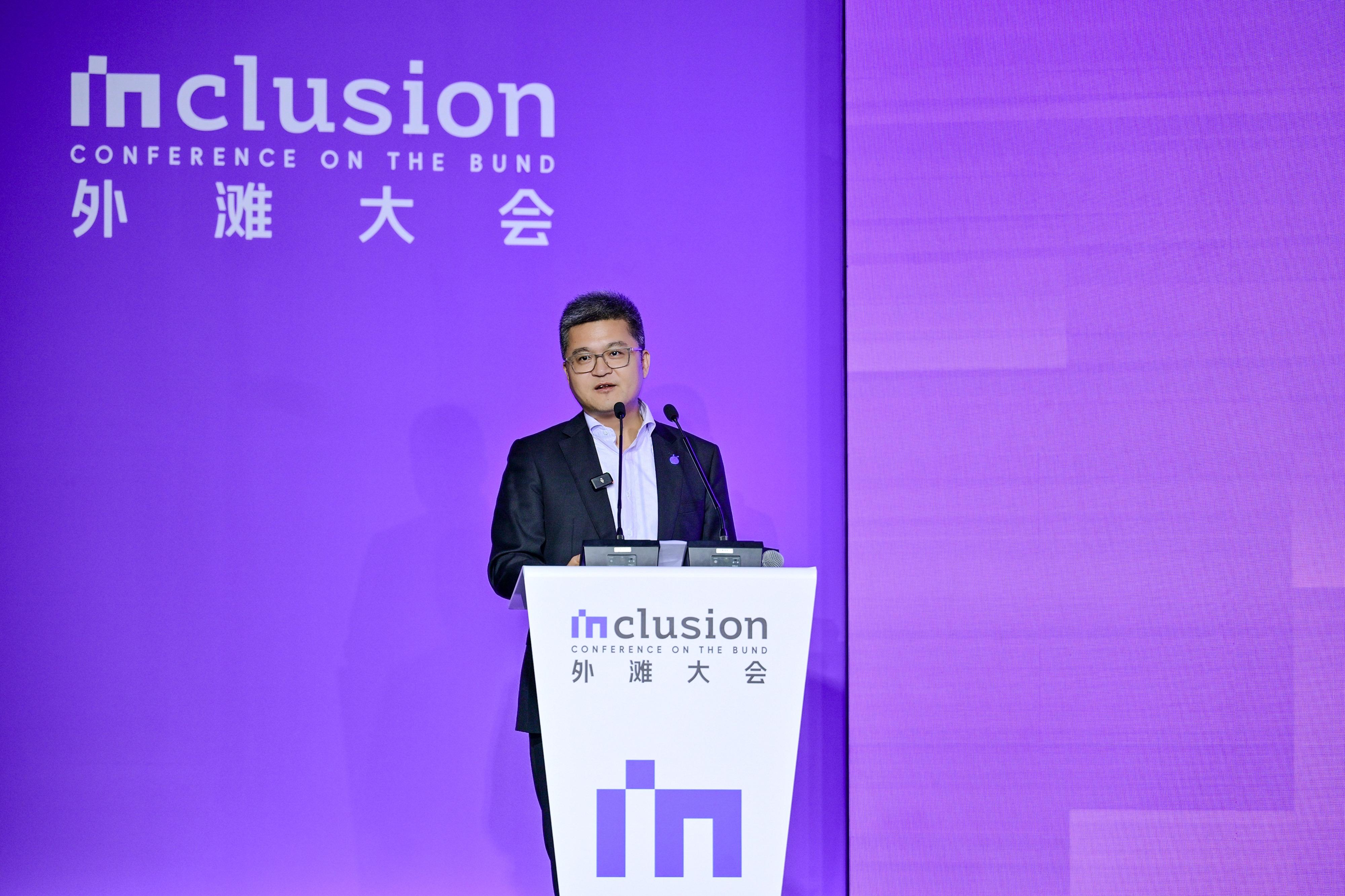
9月9日下午,在2026 Inclusion·外滩大会“AI经济增长新范式与社会价值重构”论坛上,蚂蚁集团CEO韩歆毅表示,AI经济不能只依靠资本投入,AI应用也不能止步于存量提效。企业需要从降本增效走向价值创造,用AI创造更多新的供给、激活更多新需求,并让个体劳动者和中小企业拥有更多参与新价值创造、分享AI增长红利的能力和机会。

“AI毫无疑问是当前经济社会最重要的变量之一。”韩歆毅表示,从芯片、算力到数据中心,基础设施投入持续增长;从大模型到智能体,AI也开始进入越来越多的生产和生活场景。但站在经济和社会发展的角度,仍然需要回答一个关键问题:AI如何带来更可持续的经济增长和更广泛的社会价值?

当前,全球正在进行一轮规模空前的AI基础设施投资。仅亚马逊、微软、谷歌和Meta四家公司,2026年计划投入的资本开支合计就超过7000亿美元。韩歆毅表示,CAPEX投资对经济的拉动作用只是一时,这些资本投入只有转化为未来持续性的产出和价值,才有可能带来真正的长期经济增长。

“AI经济不能只依靠资本投入,AI应用也不能止步于存量提效。”韩歆毅表示,如果AI只是停留在单纯的提效和替代式应用,没有创造增量需求,可能带来供需失衡、投入产出不匹配等新的问题。

他以电气化进程作类比。电力出现后,真正推动经济跃迁的不是前期电力发明、建发电厂发电,而是几十年后电气化广泛应用,家用电器、工厂电气设备、城市有轨电车、电气化铁路、通信网络等无数新产品、新服务和全新的生活方式出现。

“AI也是如此,企业必须从降本增效走向价值创造,用AI创造出更多新的供给,激活更多新需求,形成更丰富的智能经济新业态。”

围绕新需求、新业态,韩歆毅认为,目前已经可以看到一些新的路径和趋势。

一方面,当模型、数据、工具、企业知识和人的专业经验能够被AI组织起来,一些过去成本过高、依赖少数专家、难以规模化的服务正在进入市场,满足过去难以被满足的需求。

以医疗健康为例,韩歆毅介绍,蚂蚁正在做的“阿福”可以帮助用户理解检查报告、整理长期健康信息、提供健康建议,并连接合适的医院和医生。目前,蚂蚁阿福的用户中,55%来自三线及以下城市,将近30%为老年人,约六分之一的咨询发生在凌晨0点至6点。韩歆毅认为,AI有机会提升专业优质医疗服务的可得性。

另一方面,以意图为中心的新型智能体商业正在激活和释放新的需求。韩歆毅表示,过去的商业更多以“流量”为中心,商家通过大流量平台投放,但随着流量成本不断上升,边际收益也会不断下降。

在Agent时代,商业的核心将更多转向用户的“意图”:能否准确理解用户需求,并让合适的商品和服务在用户产生需求时出现。如果每个用户都有自己的生活助手,每个商家也有自己的经营Agent,用户Agent与商家Agent就可以围绕真实需求建立连接,并通过Agentic Payment完成支付。韩歆毅认为,这个新的商业循环可能带来与移动互联网时代完全不同的增量需求。

韩歆毅指出,新的需求形成以后,还要进一步回答:AI创造的增长如何转化为个体劳动者和中小企业的就业和收入机会,形成“投资—收入—消费”新循环。要实现这个循环,需要在资本和劳动之间形成更均衡、更公平的分配,并完善相应的分配和社会保障机制。

在就业问题上,面对AI可能带来的替代冲击,有观点提出设立“人类保留岗位”。韩歆毅认为,对于司法裁决等涉及伦理责任的岗位,这一主张具有一定合理性,但如果普遍通过行政手段固化既有岗位,可能以牺牲生产力为代价。“更可持续的路径,是提高劳动者和中小企业参与新价值创造、分享AI增长红利的能力和机会。”

他认为,一方面,企业要把复杂的模型能力转化为低成本、易使用、能够直接解决实际问题的产品,降低个人和中小企业使用AI的门槛;另一方面,也要通过教育和职业培训提升人的能力,在人机协作中更好发挥判断力、创造力等优势。同时,还需要完善二次分配机制,建立适配的社会保障措施,为劳动者度过AI转型期、重新参与新经济循环提供支撑。

韩歆毅表示,蚂蚁将承担起企业责任,一方面继续扎根生活服务、医疗健康、金融服务等真实需求和商业场景,推动AI创新;另一方面,与生态伙伴共同建设开放、可信的智能体商业基础设施,加速AI经济循环。

“AI的价值最终要由真实增长来检验,也要由更多人的获得感来衡量。”韩歆毅说。

本文首发于 亿邦动力 官方网站

文章来源:亿邦动力

广告
微信
朋友圈

FAQ回顾

AI经济发展如何实现长期可持续增长?

AI经济不能仅依靠资本投入与存量提效,需从降本增效转向价值创造,用AI创造更多新供给、激活新需求,形成丰富的智能经济新业态,同时建立均衡公平的分配与社会保障机制,让个体和中小企业共享增长红利。

AI落地医疗健康领域能带来哪些价值?

AI可提升专业优质医疗服务的可得性,比如蚂蚁集团推出的“阿福”可帮助用户解读检查报告、整理健康信息、提供健康建议并对接医疗资源,其用户中55%来自三线及以下城市,近30%为老年人。

智能体时代的商业逻辑和传统流量商业有什么不同?

传统商业以流量为核心,商家依赖大流量平台投放,流量成本攀升后边际收益不断下降;智能体时代商业以用户意图为核心,可精准匹配供需,通过用户与商家智能体的连接及智能支付形成新商业循环,创造增量需求。

AI发展带来的就业冲击如何缓解?

无需普遍通过行政手段固化既有岗位,可通过三个方向缓解冲击:一是企业推出低门槛易用的AI产品,降低中小主体使用成本;二是开展职业培训提升劳动者人机协作能力;三是完善二次分配与适配的社会保障机制。

这么好看,分享一下?

朋友圈 分享

APP内打开

赞 +1
+1
微信好友 朋友圈 新浪微博 QQ空间
关闭
收藏成功
发送
/140 0