广告
加载中

京东七鲜超市8月品牌日启幕,多款自有品牌新品集中亮相

龚作仁 2026-08-27 16:34
龚作仁 2026/08/27 16:34

邦小白快读

EN
全文速览

本次京东七鲜8月品牌日核心信息是推出多款覆盖乳品、饮料、零食的自有品牌新品,其中两款人气产品亮点突出,适合消费者尝试,具体如下

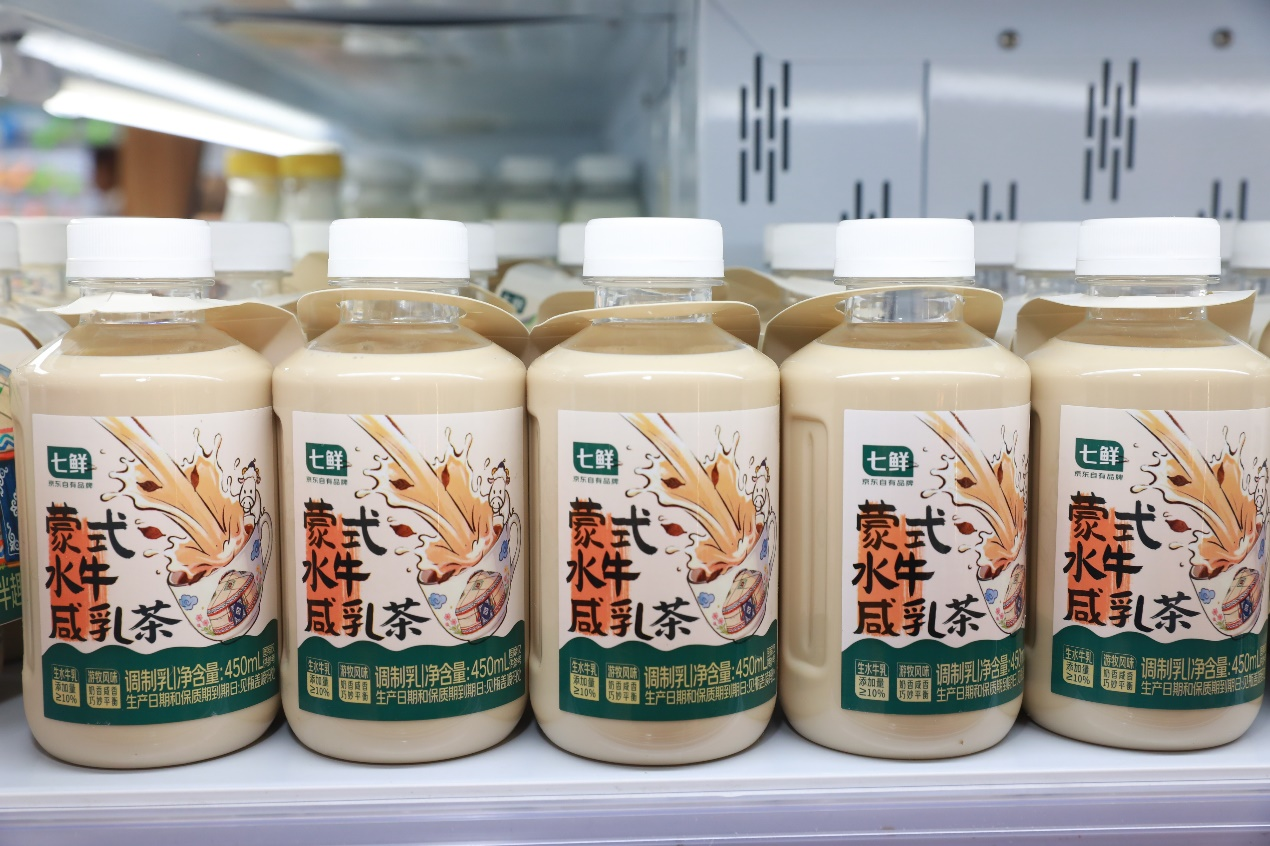
1. 七鲜蒙氏水牛咸乳茶主打还原内蒙古地标风味,采用新鲜生牛乳+水牛乳双牛乳黄金配比复刻蒙古族咸奶茶的灵魂口感,还附赠内蒙古传统工艺炒制的草原炒米包,能带来沉浸式地域风味体验,此前七鲜推出的蒙味羊杂汤、蒙味锅巴都有很好的市场表现,这款产品品质有保障

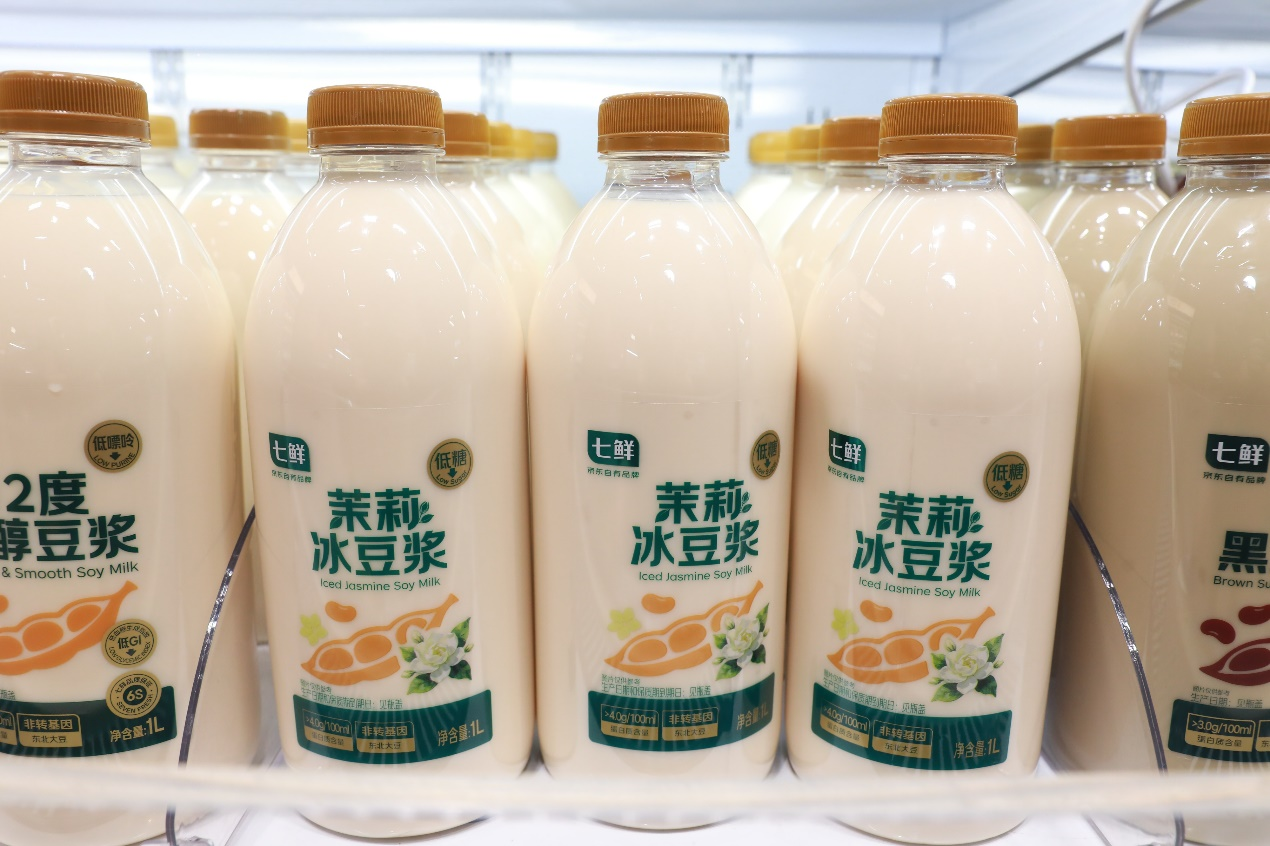
2. 七鲜茉莉冰豆浆主打健康饮品定位,选用非转基因东北大豆,添加茉莉花低温提取液,仅用4%蜂蜜调和,是低糖清甜的1L大容量产品,完全符合当下消费者好喝无负担的需求,七鲜已经推出多款不同功能风味的豆浆产品,产品线成熟。目前两款新品都已经在七鲜全国门店和线上渠道同步上架,可直接购买

本文展现了京东七鲜发展自有品牌的开发路径与运营玩法,对其他品牌商有较高参考价值,具体如下

1. 产品研发方向来看,七鲜走“地标风味挖掘+健康赛道深耕”双路线,一方面挖掘地域特色风味,从餐桌正餐延伸到茶饮等多元场景,成功实现地域风味商品化,此前推出的蒙味系列产品已经验证市场接受度,原汤羊杂登顶方便菜榜首,蒙味锅巴复购率居高不下;另一方面贴合当下消费趋势,深耕健康饮品赛道,丰富民生品类矩阵,覆盖不同需求的消费者

2. 品牌营销来看,七鲜固定每月27日打造自有品牌专属品牌日,集中上新造势,形成固定营销IP,同时新品全渠道同步上架,覆盖线上线下不同消费群体

对于零售卖家来说,七鲜自有品牌的上新动作,能带来不少经验参考与机会提示,具体如下

1. 消费需求层面,当下消费者既追求特色地域风味的仪式感体验,也追求健康无负担的日常饮食,特色风味可从传统正餐延伸到茶饮等细分场景,常规民生品类也能通过功能、风味创新挖掘新增长空间,比如豆浆这类品类也能搭建覆盖不同需求的产品矩阵,创造新销量

2. 运营经验与机会层面,可学习七鲜“地标风味挖掘+供应链能力支撑”的产品开发路径,从源头贴合消费者需求打造产品,通过固定专属上新节点打造自有品牌认知,同时打通线上线下全渠道铺货,卖家可以重点关注地域风味商品化、健康饮品这两个增长方向,挖掘新的产品机会

对于食品生产加工工厂来说,可从七鲜的自有品牌布局中找到对应生产需求与商业机会,具体如下

1. 产品生产设计需求层面,当前市场需求端偏向两类产品,一类是还原地标本味的地域特色产品,要求从供应链源头就贴合地方传统风味,还可搭配特色配件提升消费体验,比如本次随咸乳茶附赠独立炒米包;另一类是健康化民生产品,要求原料优质、低糖低负担,对原料甄选、生产工艺有更高要求,比如茉莉冰豆浆采用非转基因大豆、茉莉花低温提取工艺

2. 商业机会层面,七鲜在持续拓展自有品牌矩阵,从原有品类延伸到新消费场景,从功能到风味不断丰富产品线,工厂可依托自身产地或生产加工优势,对接七鲜自有品牌开发需求,参与地域风味产品、健康产品的开发,获得稳定合作机会

对于零售供应链、品牌营销相关服务商来说,可从七鲜的动作中捕捉行业趋势与客户需求,具体如下

1. 行业发展趋势层面,当下即时零售商超的自有品牌开发,已经从同质化低价竞争转向差异化价值打造,核心方向分为两个,分别是地域特色风味开发和健康饮品赛道深耕,不再是简单模仿热门产品,而是同时深挖用户的情绪价值与功能需求

2. 客户痛点与业务机会层面,商超做自有品牌开发,需要整合产地供应链、产品工艺开发的相关支持,一方面挖掘地域风味需要源头原料整合、传统工艺标准化的服务,另一方面做健康产品需要对应的提取工艺、低糖配方开发支持,服务商可针对这类需求打磨对应解决方案,对接商超自有品牌开发需求

对于线下商超零售平台来说,七鲜的自有品牌运营玩法,对平台运营、产品布局有很多参考价值,具体如下

1. 运营管理层面,平台可以打造固定的自有品牌专属上新节点,比如每月固定品牌日,集中上新造势,逐步培养消费者的认知与定期逛购习惯,同时新品要做到线上线下全渠道同步上架,覆盖不同消费场景的用户

2. 产品布局与风险规避层面,平台可以大力发展差异化自有品牌,一方面挖掘各地地标风味,将地域特色风味商品化延伸到不同消费场景,依托供应链支撑打造差异化产品;另一方面深耕民生品类,通过功能、风味创新丰富产品矩阵,满足不同消费者需求,提升用户复购与平台粘性,避开同质化价格竞争的风险

对于零售产业研究者来说,七鲜本次自有品牌上新动作,反映了即时零售行业自有品牌发展的新动向,具备研究价值,具体如下

1. 产业新动向层面,当前国内即时零售商超的自有品牌,已经走出了模仿跟风、打低价价格战的旧发展路径,探索出“地标风味挖掘+供应链能力支撑”的全新开发路径,将中国不同地域的特色饮食文化,转化为标准化的日常零售产品,延伸覆盖更多消费场景,契合当下消费者对特色体验、品质生活的需求

2. 商业模式层面,新开发路径同时兼顾了产品的情绪价值与功能价值,既靠地域风味满足消费者的体验需求与文化认同,又靠健康化产品满足消费者对品质健康饮食的需求,同时搭配固定品牌日的推广模式,这种全新的自有品牌发展模式,为研究零售行业自有品牌发展提供了新的典型案例

返回默认
声明:快读内容全程由AI生成,请注意甄别信息。如您发现问题,请发送邮件至 run@ebrun.com 。

我是 品牌商 卖家 工厂 服务商 平台商 研究者 帮我再读一遍。

Quick Summary

JD 7Fresh is launching a collection of new private-label products across dairy, beverages, and snacks for its August Brand Day. Two standout products are now available for consumers to try:

1. 7Fresh Mongolian-style Salty Buffalo Milk Tea is crafted to recreate the iconic local flavor of Inner Mongolia. It uses a signature golden ratio of fresh cow's milk and buffalo milk to replicate the authentic taste of traditional Mongolian salty milk tea, and includes an extra pack of roasted millet made with traditional Inner Mongolian processing for an immersive regional flavor experience. 7Fresh's previous Mongolian-inspired products, including braised lamb offal and Mongolian rice crackers, have already proven popular with consumers, so the new tea comes with a solid track record of quality.

2. 7Fresh Jasmine Iced Soymilk is positioned as a healthy beverage option. Made from non-GMO Northeast soybeans with cold-extracted jasmine flower essence and just 4% honey for sweetness, this low-sugar 1-liter product fits perfectly with consumer demand for great-tasting, guilt-free drinks. 7Fresh already has a mature and diverse soy product line covering different functional and flavor profiles. Both new products are available for purchase now across all 7Fresh physical stores nationwide and its online channels.

This article outlines 7Fresh's private label product development and operation strategy, offering valuable insights for other brand owners:

1. In terms of R&D direction, 7Fresh pursues a dual strategy of "regional signature flavor exploration + deep cultivation of the health category". On one hand, it taps into distinctive local flavors and extends beyond table meals to categories like ready-to-drink tea, successfully commercializing regional cuisine. 7Fresh's existing Mongolian-inspired line has already proven market demand: its original lamb offal product ranks first among prepared meals, and Mongolian rice crackers maintains consistently high repurchase rates. On the other hand, 7Fresh aligns with current consumer trends by expanding its footprint in the healthy beverage space, growing its staple product matrix to serve consumers with diverse needs.

2. In terms of brand marketing, 7Fresh has established a dedicated recurring private-label event on the 27th of every month, concentrating new product launches to build buzz and nurture a fixed marketing IP. All new products are rolled out simultaneously across online and offline channels to reach different consumer groups.

7Fresh's new private-label launch offers useful takeaways and opportunity signals for retail sellers:

1. On the consumer demand side, today's shoppers are seeking both immersive experiential products with distinctive regional flavors and healthy, guilt-free daily food options. Distinctive flavors can expand beyond traditional meals into niche categories like ready-to-drink tea, while even staple categories like soy milk can unlock new growth through innovation in function and flavor, allowing sellers to build a product matrix that meets diverse needs and drive new sales.

2. In terms of operational insights and opportunities, sellers can learn from 7Fresh's product development model of "regional flavor exploration + supply chain capability backing", which builds products from the ground up to align with consumer needs, nurtures private brand recognition through fixed recurring launch events, and distributes products across integrated online and offline channels. Sellers should prioritize the two high-growth areas of commercialized regional flavors and healthy beverages to uncover new product opportunities.

Food processing manufacturers can identify aligned production demands and new business opportunities from 7Fresh's private label expansion:

1. In terms of product design and production demand, the current market has strong demand for two product categories: the first is authentic regional signature products, which require supply chains built from the source to preserve traditional local flavors, and often include add-on specialty components to enhance the consumer experience — such as the separate roasted millet pack included with the new salty milk tea. The second category is healthy staple products, which require premium raw materials and low-sugar formulations, with higher standards for raw material selection and production technology. For example, 7Fresh's jasmine iced soy milk uses non-GMO soybeans and a cold-extraction process for jasmine essence.

2. In terms of business opportunities, 7Fresh is continuously expanding its private label matrix, extending from existing categories into new consumption scenarios and enriching its product line across functions and flavors. Manufacturers can leverage their own geographic advantages or production expertise to partner with 7Fresh on its private label development, contributing to regional flavor and healthy product projects and securing long-term stable cooperation.

Providers of retail supply chain and brand marketing services can identify industry trends and evolving client demand from 7Fresh's latest moves:

1. In terms of industry trends, private label development for on-demand retail supermarkets has shifted from homogeneous low-price competition to differentiated value creation. The core growth areas are developing distinctive regional flavors and deepening penetration in the healthy beverage segment: operators are no longer simply copying hit products, and are instead focusing on satisfying both consumers' emotional value and functional needs.

2. In terms of client pain points and business opportunities, supermarket private label development requires integrated support for origin supply chains and product process development. Exploring regional flavors requires services for source raw material integration and standardization of traditional crafts, while developing healthy products requires support for specialized extraction processes and low-sugar formulation development. Service providers can build tailored solutions for these demands to partner with supermarkets on their private label initiatives.

For offline supermarket and retail platforms, 7Fresh's private label operation strategy offers meaningful reference for platform operations and product layout:

1. In terms of operation management, platforms can establish a fixed recurring launch date exclusively for private label products, such as a monthly brand day, to concentrate new product launches and build buzz, gradually cultivating consumer awareness and a routine shopping habit. All new products should also be rolled out simultaneously across online and offline channels to reach users across different consumption scenarios.

2. In terms of product layout and risk mitigation, platforms can prioritize developing differentiated private label products. On one hand, they can explore local landmark flavors, commercialize these regional specialties, extend them into different consumption scenarios, and build differentiated products backed by strong supply chain capabilities. On the other hand, they can deepen their footprint in staple categories, enrich their product matrix through function and flavor innovation to meet diverse consumer demands, boost user repurchase and platform loyalty, and avoid the risks of homogeneous price competition.

For retail industry researchers, 7Fresh's latest private label launch reveals a new trend in private label development for the on-demand retail sector that carries significant research value:

1. In terms of new industry trends, private label lines for domestic on-demand retail supermarkets have moved away from the old development path of copying competitors and competing on price, and have forged a new development model of "regional flavor exploration backed by supply chain capabilities". This model transforms distinctive food culture from different regions of China into standardized mass retail products, extends coverage to more consumption scenarios, and aligns with current consumer demand for distinctive experiences and quality lifestyles.

2. In terms of business model, this new development approach delivers both emotional and functional value for products: it meets consumers' demand for experiential consumption and cultural identity through regional flavors, while satisfying their demand for high-quality, healthy diets through health-focused products, paired with a recurring monthly brand day marketing model. This new private label development model provides a fresh, representative case study for research on private brand growth in the retail industry.

Disclaimer: The "Quick Summary" content is entirely generated by AI. Please exercise discretion when interpreting the information. For issues or corrections, please email run@ebrun.com .

I am a Brand Seller Factory Service Provider Marketplace Seller Researcher Read it again.

8月27日,京东七鲜超市每月一度的“七鲜品牌日”如约而至。作为自有品牌的专属主场,本月七鲜超市再次集中上新多款新品,覆盖乳品、饮料、零食等品类。其中,七鲜蒙氏水牛咸乳茶与七鲜茉莉冰豆浆成为当之无愧的“人气双星”——前者将千里之外的内蒙古草原煮茶风味搬上都市货架,后者则以花香与豆香的巧妙碰撞,为“豆浆宇宙”再拓新版图。

新品蒙氏水牛咸乳茶的独特之处,不是简单地将奶茶“移植”到即时零售场景,而是从供应链源头就向内蒙传统煮茶风味靠拢。产品创新采用“双牛乳配比”——新鲜生牛乳与生水牛乳的黄金组合,让奶香浓郁饱满,甜咸交织,醇厚中透着顺滑,精准复刻了蒙古族咸奶茶的灵魂口感。

更令人惊喜的是,随包装附赠的内蒙古当地炒米包——精选草原糜子,经传统工艺炒制后焦香扑鼻。倒入茶中轻嚼,谷物焦香与乳香层层迸发,即便远在都市,也能在杯盏间完成一场草原煮茶的仪式感。

这并非七鲜首次将内蒙古地标风味商品化。此前,七鲜蒙味锅巴、七鲜蒙味羊杂汤等产品已相继上市,均以“还原地标本味”为核心理念。其中,内蒙原汤羊杂锅上线不久即登顶方便菜榜首,蒙味锅巴更是复购率居高不下。从羊杂汤到咸乳茶,七鲜的“寻味天下”版图,正从餐桌延伸至茶饮场景,让地域风味走入更多寻常人家的日常。

如果说咸乳茶是“地标风味”的惊艳表达,那么茉莉冰豆浆则是七鲜在健康饮品赛道上的深耕之作。选用非转基因东北大豆为基底,豆香纯正浓郁,奠定第一重味觉;再以茉莉花低温提取液入浆,花香清雅不涩;最后以4%蜂蜜温柔调和,豆香、花香、蜜香自然交融,层层递进。1L大容量、低糖清甜的口感定位,精准呼应了当下消费者对“好喝无负担”的健康诉求。

如果说七鲜蒙氏水牛咸乳茶是“地标风味”的代表,那么七鲜茉莉冰豆浆则是七鲜在健康饮品赛道上的持续深耕。

通过甄选非转基因东北大豆为基底,香浓纯正的豆香带来第一重味觉体验;再通过添加茉莉花低温提取液,带来不涩不苦的花香体验;又以4%蜂蜜调和,豆香、花香、蜜香自然交融。1L装大容量、低糖清甜的口感定位,精准切中了当下消费者对健康饮品的需求。

随着茉莉冰豆浆的推出,七鲜超市的“豆浆宇宙”也再添一员。此前,七鲜已陆续上市了12度低GI浓醇黄豆豆浆、黑糖黑豆豆浆、益生元高纤豆浆等多款自有品牌豆浆产品。从功能型到风味型,七鲜正持续丰富这一民生品类的矩阵,让不同偏好、不同需求的消费者都能找到属于自己的那一杯。

从内蒙古草原的奶香,到东北黑土地的豆香,七鲜自有品牌正走出一条“地标风味挖掘+供应链能力支撑”的深度开发之路。每月27日的“七鲜品牌日”,不仅是一次产品上新,更是七鲜超市向消费者敞开的一扇窗——透过它,能看到一家即时零售商超对地域食材的尊重,以及对品质生活的不懈追求。

目前,七鲜蒙氏水牛咸乳茶等自有品牌新品已在七鲜全国门店及线上渠道同步上架。从一杯草原风味的咸乳茶,到一袋花香萦绕的冰豆浆,七鲜用扎实的供应链脚步,丈量着中国大地的风土人情;而这份用心,最终化作了货架上的一抹温度,让每一口日常,都多了一分远方的诗意与踏实的甘甜。

注:文/龚作仁,文章来源:Laborer,本文为作者独立观点,不代表亿邦动力立场。

文章来源:Laborer

广告
微信
朋友圈

FAQ回顾

七鲜蒙氏水牛咸乳茶有什么特点?

七鲜蒙氏水牛咸乳茶是七鲜自有品牌地标风味类新品,采用新鲜生牛乳与生水牛乳的双牛乳黄金配比,精准复刻蒙古族咸奶茶甜咸醇厚的灵魂口感,还附赠内蒙古当地炒米包,可让消费者体验地道草原煮茶风味。

七鲜茉莉冰豆浆符合健康饮品需求吗?

七鲜茉莉冰豆浆符合健康饮品需求,它选用非转基因东北大豆为基底,添加茉莉花低温提取液,以4%蜂蜜调和,豆香、花香、蜜香自然交融,采用1L大容量、低糖清甜的定位,契合消费者“好喝无负担”的诉求。

七鲜品牌日是什么活动?

七鲜品牌日是京东七鲜超市每月27日固定举办的自有品牌专属活动,活动期间会集中上新覆盖乳品、饮料、零食等多品类的自有品牌新品,相关新品会同步在七鲜全国门店及线上渠道上架。

七鲜自有品牌的开发思路是什么?

七鲜自有品牌走“地标风味挖掘+供应链能力支撑”的深度开发路线,主打还原地标本味,此前推出的内蒙原汤羊杂锅曾登顶方便菜榜首,蒙味锅巴也保持较高复购率,广受消费者欢迎。

这么好看,分享一下?

朋友圈 分享

APP内打开

+1
+1
微信好友 朋友圈 新浪微博 QQ空间
关闭
收藏成功
发送
/140 0