广告
加载中

WRC 2026收官|产业竞争走向底层 灵境智源以具身智脑底座定义产业上限

龚作仁 2026-08-24 19:39
龚作仁 2026/08/24 19:39

邦小白快读

EN
全文速览

本文主要介绍了2026年8月在北京举办的世界机器人大会上,国产具身智脑底座服务商灵境智源的参展成果与行业核心观点,核心干货如下:

1. 灵境智源本次联合科大讯飞参展,打造具身智脑试验场,全方位展示了具身智脑底座对机器人产业落地的核心价值,获得了央视、新华社等数十家主流媒体聚焦报道,多位核心高管接受专访,解读产业变化与落地趋势。

2. 本次展会灵境智源完整亮相覆盖从轻量计算到超高算力的全梯度产品矩阵,发布两款全栈国产化新品,填补国产供给短板,现场验证了人形机器人在非结构化环境下的作业可靠性,推出全离线方案解决弱网断网场景痛点,依托标准化接口实现各类零散硬件的协同调度。

3. 行业核心判断指出,具身智能突破的关键是系统协同而非单点技术堆砌,当前行业需要建立全维度量化测评体系,走智脑加本体协同模式推动规模化落地。

对于机器人领域品牌商,本文梳理了当前产业发展趋势、产品研发方向与品牌营销参考,干货如下:

1. 产业趋势层面,当前机器人产业竞争已经下沉到底层核心零部件,多数厂商聚焦人形整机终端的背景下,具身智脑底座作为核心基础设施是新的价值赛道,国产自主可控的核心零部件有明确的市场缺口与政策支持,是品牌布局的新方向。

2. 产品研发层面,当前行业的核心痛点是单点性能优异但整机落地乏力,品牌研发要走智脑加本体的系统协同路线,重点解决非结构化环境作业、弱网断网适配等场景痛点,坚持全栈国产化自主可控的研发方向。

3. 品牌营销层面,参与顶级行业大会、联合头部企业打造实景落地演示、对接权威媒体输出观点,是有效的品牌曝光方式,同时通过开放生态合作扩大影响力,参与行业评选、拓展国际合作也能有效提升品牌知名度与认可度。

对于机器人领域卖家,本文梳理了当前产业的机会、痛点与发展方向,干货如下:

1. 机会层面,当前机器人产业竞争转向底层核心技术,国产具身智脑底座存在明显供给短板,国产替代需求旺盛,同时电力巡检、工业特种等场景落地加速,市场空间广阔,还有全球化布局的机会,本次灵境智源已经和新加坡相关企业达成战略合作。

2. 降本增效层面,依托成熟的标准化具身智脑底座,可以降低自身重复研发成本,借助底座的兼容能力快速适配不同硬件本体,推出满足不同场景需求的产品,快速抓住市场机会。

3. 风险与方向提示,当前行业正从零散试点走向集群协同发展,单靠单点技术很难实现落地突破,卖家需要主动对接生态,走产业协同路线,抓住核心零部件自主可控的政策与市场风口,避免重复投入研发底层技术,聚焦自身优势场景即可。

对于机器人相关生产工厂,本文带来了产品需求方向、商业机会与数字化转型的参考,干货如下:

1. 产品生产设计需求层面,当前机器人本体需要适配具身智脑底座的标准化接口,工厂在设计生产电机、传感器等硬件以及机器人本体的时候,需要对接通用标准接口,降低后续和智脑适配的成本,提升产品兼容性。

2. 商业机会层面,当前机器人在工业、特种等场景落地加速,全栈国产化智脑底座已经成熟,工厂可以和底层智脑服务商开展合作,依托成熟底座快速推出适配场景的成品,切入电力巡检等刚需市场,抓住国产替代的政策红利。

3. 数字化与业务升级启示,工厂不要只聚焦单点硬件生产,要拥抱产业协同模式,对接底层技术服务商,共同打造完整的落地方案,提升产品的市场竞争力,同时参与开放生态,拓展更多合作机会,推动自身业务的规模化增长。

对于机器人领域相关服务商,本文梳理了行业趋势、核心痛点与可参考的解决方案,干货如下:

1. 行业发展趋势层面,当前机器人产业竞争已经下沉到底层核心技术,具身智脑作为物理世界原生全栈计算底座,是机器人产业落地的核心基础设施,国产替代空间大,市场需求旺盛,是服务商布局的核心方向。

2. 行业核心客户痛点层面,当前行业普遍存在单点技术性能优异但整机落地乏力的问题,同时还有非结构化环境可靠性不足、弱网断网场景无法独立作业、不同硬件难以协同调度、全行业重复研发成本高的痛点。

3. 可参考的解决方案方向,可走全栈国产化自主可控路线,推出覆盖全梯度算力的产品矩阵满足不同需求,打造标准化接口降低适配成本,推出全离线端侧方案解决弱网痛点,推动建立全维度测评体系破解落地难题,兼顾自研攻坚和产业协同优化供应链成本。

对于机器人相关平台商,本文梳理了产业需求、平台运营方向与风险规避参考,干货如下:

1. 产业对平台的核心需求层面,当前行业正从零散试点走向集群协同发展,产业链上下游需要平台牵头,提供产业交流、资源对接、标准共建的公共场景,推动解决测评标准缺失、供应链协同不足等行业共性问题。

2. 招商与运营方向层面,底层核心技术服务商、走国产自主可控路线的零部件企业是当前产业发展的核心力量,也是平台重点招商引入的对象,这类企业关注度高,能带动整个生态的发展。平台运营中可以设置实景场景复刻展区,方便企业展示技术落地效果,组织多场细分论坛对接资源。

3. 风险规避层面,平台要引导产业走系统协同、生态合作的路线,规避单点技术堆砌、核心零部件卡脖子的风险,推动行业从技术试点走向规模化落地,助力国产供应链升级,把握产业发展的正确方向。

对于机器人产业研究者,本文呈现了具身智能产业最新动向、核心问题与商业模式参考,干货如下:

1. 产业最新动向层面,当前机器人产业竞争已经从整机终端下沉到底层核心零部件赛道,具身智脑作为原生全栈计算底座已经从幕后走向台前,成为产业落地的核心支撑,国产全栈技术已经实现突破,灵境智源的MScape Inside生态模式已经得到星尘智能、京东等多家伙伴的验证,产业已经开始向集群协同方向发展。

2. 产业核心新问题层面,当前行业存在三大核心卡点:一是行业热衷单点技术堆砌,缺乏系统协同导致落地难;二是缺乏覆盖感知、决策、控制、执行全维度的量化测评体系;三是国产核心零部件供给存在短板,供应链升级仍需推进。

3. 商业模式与路径参考,底层服务商做标准化底座、生态合作适配多元本体的模式,可以有效降低全行业重复研发成本,兼顾核心技术自研和产业协同的供应链升级路径,为核心零部件自主可控提供了可行的思路,具备较高的研究价值。

返回默认
声明:快读内容全程由AI生成,请注意甄别信息。如您发现问题,请发送邮件至 run@ebrun.com 。

我是 品牌商 卖家 工厂 服务商 平台商 研究者 帮我再读一遍。

Quick Summary

This article summarizes the exhibition achievements and industry insights from Lingjing Zhiyuan, a Chinese provider of embodied intelligence brain bases, at the World Robot Conference held in Beijing in August 2026. Key takeaways are as follows:

1. Lingjing Zhiyuan co-exhibited with iFlytek to build an embodied intelligence brain testing ground, fully demonstrating the core value of its embodied intelligence base for industrializing the robot industry. The exhibition attracted coverage from dozens of mainstream media including CCTV and Xinhua News Agency, with multiple senior executives giving exclusive interviews to interpret industry changes and commercialization trends.

2. At the event, the company unveiled its full-gradient product portfolio covering everything from lightweight computing to ultra-high computing power, and launched two new fully localization products to fill gaps in domestic supply. It also conducted on-site verification of humanoid robots' operational reliability in unstructured environments, launched a full offline solution to address pain points in weak and disconnected network scenarios, and enables coordinated scheduling of various discrete hardware via standardized interfaces.

3. Its core industry judgment is that the key to breakthroughs in embodied intelligence lies in systematic collaboration rather than stacking single-point technologies. The industry currently needs to establish a full-dimensional quantitative evaluation system, and advance large-scale commercialization through a collaborative model of intelligence brains and robot bodies.

This article summarizes current industry trends, product R&D directions and brand marketing references for robot brand owners. Key takeaways are as follows:

1. In terms of industry trends, competition in the robot industry has shifted downward to core underlying components. While most players are focused on humanoid robot end products, embodied intelligence bases, as core infrastructure, represent a new high-value track. Domestically-controlled core components face clear market gaps and policy support, making them a new direction for brand layout.

2. In terms of product R&D, the core industry pain point is excellent single-point performance but poor end-product commercialization. Brands should adopt the systematic collaborative route of integrating intelligence brains with robot bodies, prioritize solving pain points such as operation in unstructured environments and adaptation to weak/disconnected networks, and adhere to the fully localized, self-controlled R&D direction.

3. In terms of brand marketing, participating in top-tier industry conferences, co-building on-site commercial demonstration projects with leading companies, and sharing industry insights through authoritative media are effective brand exposure strategies. Expanding influence via open ecological cooperation, participating in industry awards and pursuing international cooperation can also effectively boost brand awareness and recognition.

This article summarizes current industry opportunities, pain points and development directions for robot sellers. Key takeaways are as follows:

1. In terms of opportunities, competition in the robot industry has shifted to underlying core technologies, and there is a clear supply gap for domestic embodied intelligence bases with strong demand for domestic substitution. At the same time, commercialization is accelerating in scenarios such as power inspection and industrial special-purpose robots, creating broad market space alongside opportunities for global expansion – Lingjing Zhiyuan has already signed a strategic cooperation with relevant enterprises in Singapore.

2. In terms of cost reduction and efficiency improvement, leveraging a mature standardized embodied intelligence base can reduce in-house repeated R&D costs. Its compatibility enables sellers to quickly adapt to different hardware bodies, launch products tailored to various scenario requirements, and capture market opportunities rapidly.

3. In terms of risk and direction guidance, the industry is moving from scattered pilots to clustered collaborative development, and it is difficult to achieve commercial breakthroughs relying solely on single-point technologies. Sellers should proactively connect with the industry ecosystem, follow the industrial collaboration route, capitalize on the policy and market boom for self-controlled core components, avoid redundant R&D investment in underlying technologies, and focus on their own advantageous scenarios.

This article provides references on product demand directions, business opportunities and digital transformation for robot-related manufacturing factories. Key takeaways are as follows:

1. In terms of product design and manufacturing requirements, current robot bodies need to adapt to the standardized interfaces of embodied intelligence bases. When designing and manufacturing hardware such as motors and sensors, as well as complete robot bodies, factories should align with general standard interfaces to reduce subsequent adaptation costs with intelligence brains and improve product compatibility.

2. In terms of business opportunities, robot commercialization is accelerating in industrial and special-purpose scenarios, and fully localized embodied intelligence bases have reached commercial maturity. Factories can partner with underlying intelligence brain providers to quickly launch finished products adapted to specific scenarios, enter刚需 markets such as power inspection, and capture policy dividends from domestic substitution.

3. In terms of insights for digital and business upgrading, factories should not only focus on single-point hardware manufacturing. They should embrace the industrial collaboration model, partner with underlying technology providers to co-develop complete commercial solutions, improve their products' market competitiveness, expand more cooperation opportunities by joining the open ecosystem, and drive scalable growth of their own business.

This article summarizes industry trends, core pain points and reference solutions for robot-related service providers. Key takeaways are as follows:

1. In terms of industry development trends, robot industry competition has shifted downward to underlying core technologies. As a native full-stack computing base for the physical world, embodied intelligence brain is the core infrastructure for robot industry commercialization, with large domestic substitution space and strong market demand, making it a core layout direction for service providers.

2. In terms of core customer pain points, the industry generally struggles with excellent single-point performance but poor end-product commercialization. Additional pain points include insufficient reliability in unstructured environments, inability to operate independently in weak/disconnected network scenarios, difficulty in coordinating scheduling across different hardware, and high repeated R&D costs across the industry.

3. In terms of reference solution directions, providers can follow the fully localized, self-controlled route, launch a full-gradient computing power product portfolio to meet diverse demands, develop standardized interfaces to reduce adaptation costs, launch full offline on-device solutions to address weak network pain points,推动 the establishment of a full-dimensional evaluation system to solve commercialization bottlenecks, and balance in-house R&D breakthroughs with industrial collaboration to optimize supply chain costs.

This article summarizes industry demand, platform operation directions and risk avoidance references for robot-related platform operators. Key takeaways are as follows:

1. In terms of core industry demand for platforms, the industry is moving from scattered pilots to clustered collaborative development. Upstream and downstream players in the industrial chain need platforms to take the lead in providing public scenarios for industry exchange, resource matching and standard co-building, to help solve common industry problems such as lack of evaluation standards and insufficient supply chain collaboration.

2. In terms of investment attraction and operation direction, underlying core technology service providers and component enterprises following the domestic self-controlled route are core drivers of current industry development, and are priority targets for platform investment attraction – these enterprises attract high public attention and can drive the development of the entire ecosystem. Platform operations can include on-site scenario reproduction exhibition zones to let enterprises demonstrate their commercialization results, and organize multiple segmented forums for resource matching.

3. In terms of risk avoidance, platforms should guide the industry to follow the route of systematic collaboration and ecological cooperation, avoid risks from single-point technology stacking and core component supply bottlenecks,推动 the industry move from technology pilots to large-scale commercialization, support the upgrading of the domestic supply chain, and keep the industry on the right development track.

This article presents the latest industry developments, core issues and business model references for robot industry researchers. Key takeaways are as follows:

1. In terms of latest industry developments, robot industry competition has shifted from end-product robots to the underlying core component track. As a native full-stack computing base, embodied intelligence brain has moved from behind the scenes to the forefront, becoming core support for industrial commercialization. Domestic full-stack technology has already achieved breakthroughs: Lingjing Zhiyuan's MScape Inside ecological model has been validated by multiple partners including Stardust Intelligence and JD.com, and the industry has already started moving toward clustered collaborative development.

2. In terms of new core industry issues, the industry currently faces three major core bottlenecks: first, the industry is overly focused on stacking single-point technologies, and lack of systematic coordination leads to commercialization difficulties; second, there is a lack of full-dimensional quantitative evaluation systems covering perception, decision-making, control and execution; third, there are still supply gaps in domestic core components, and supply chain upgrading remains to be advanced.

3. In terms of business model and path references, the model of underlying providers building standardized bases and adapting to diverse robot bodies via ecological cooperation can effectively reduce repeated R&D costs across the industry. This supply chain upgrading path, which balances core independent R&D and industrial collaboration, provides a feasible approach for achieving self-controlled core components, and carries high research value.

Disclaimer: The "Quick Summary" content is entirely generated by AI. Please exercise discretion when interpreting the information. For issues or corrections, please email run@ebrun.com .

I am a Brand Seller Factory Service Provider Marketplace Seller Researcher Read it again.

8月19日-8月23日,2026世界机器人大会在北京举办。当行业多数目光聚焦人形机器人整机终端,作为具身原生全栈计算底座服务商,灵境智源携手科大讯飞联合参展,打造“具身智脑试验场”,以产品、实景演示、多论坛观点,全方位展现具身智脑底座对机器人产业落地的核心价值。

主流媒体密集聚焦,解读智脑底座产业价值

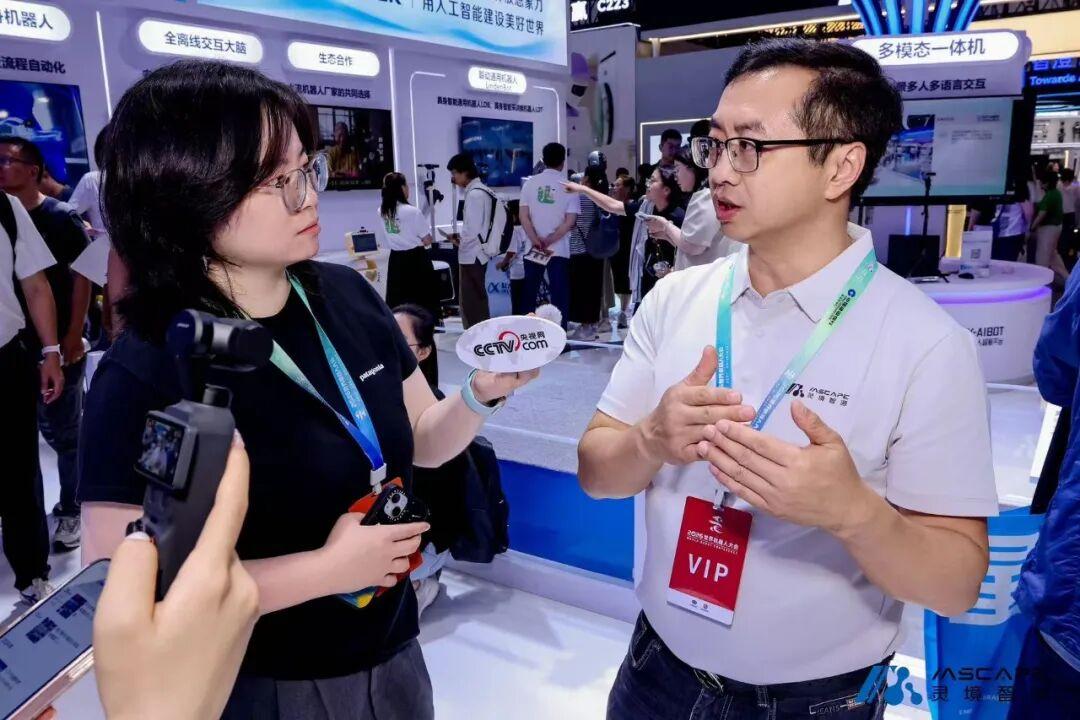
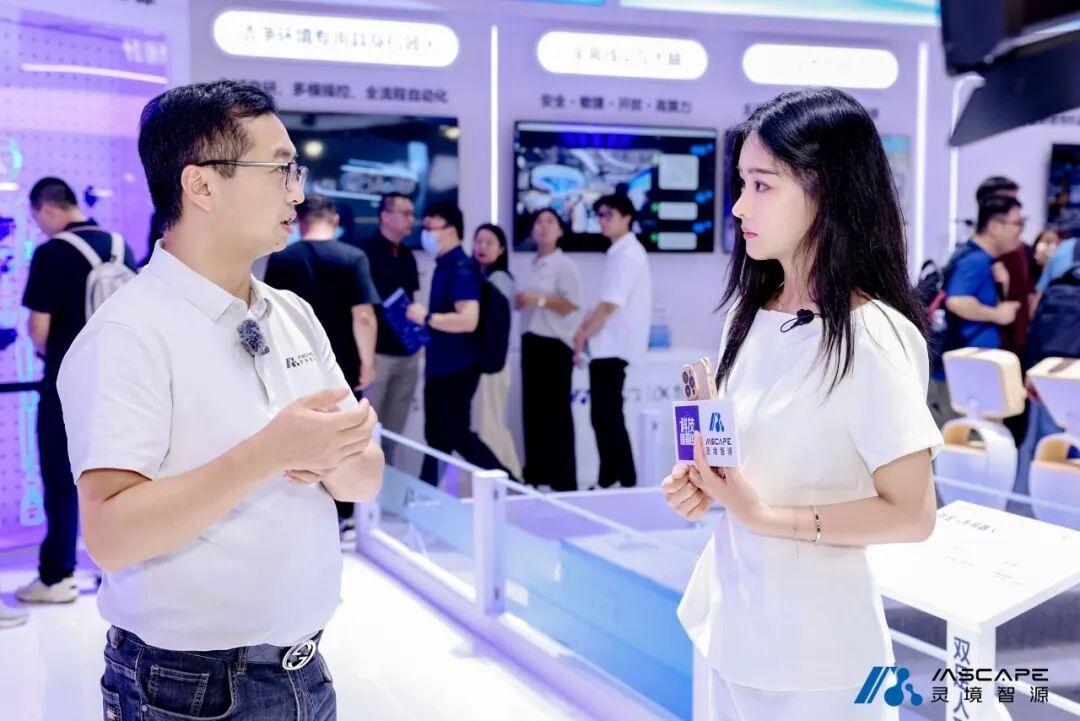
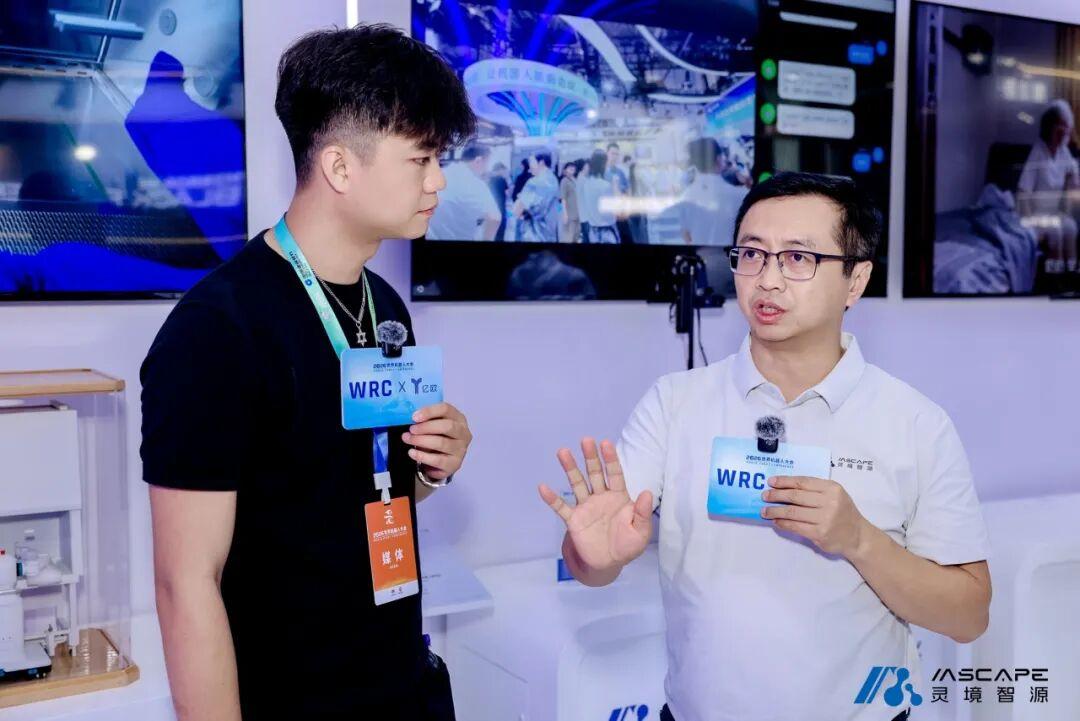
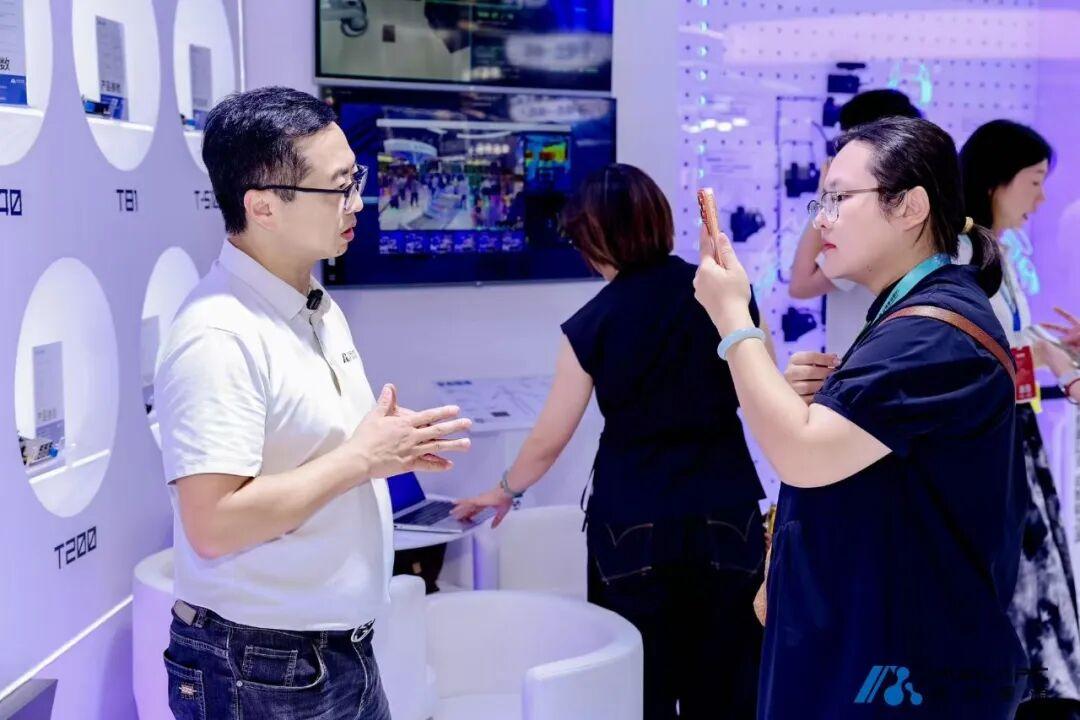
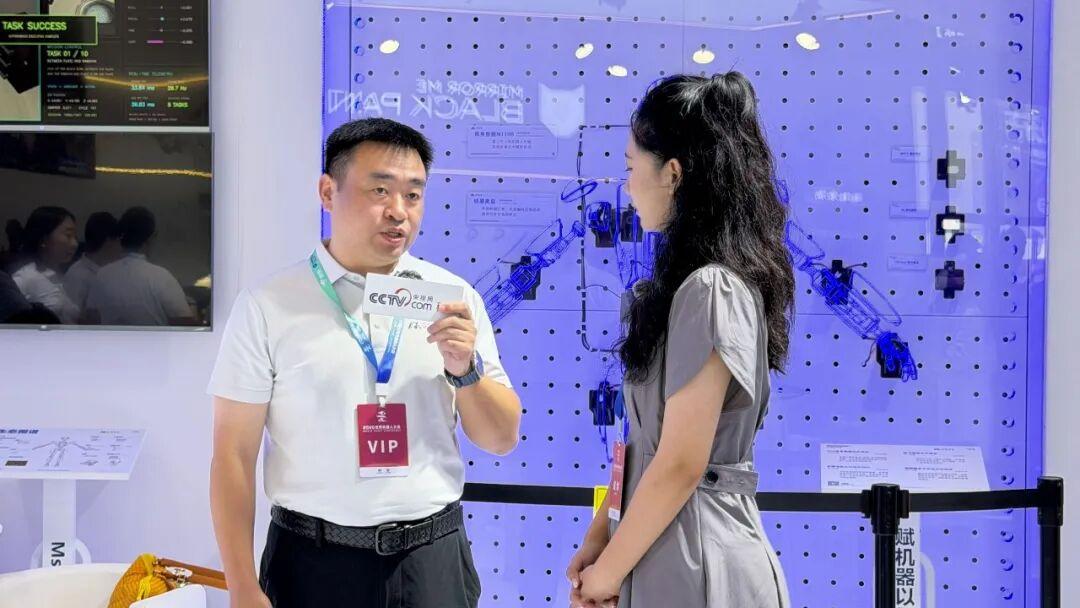
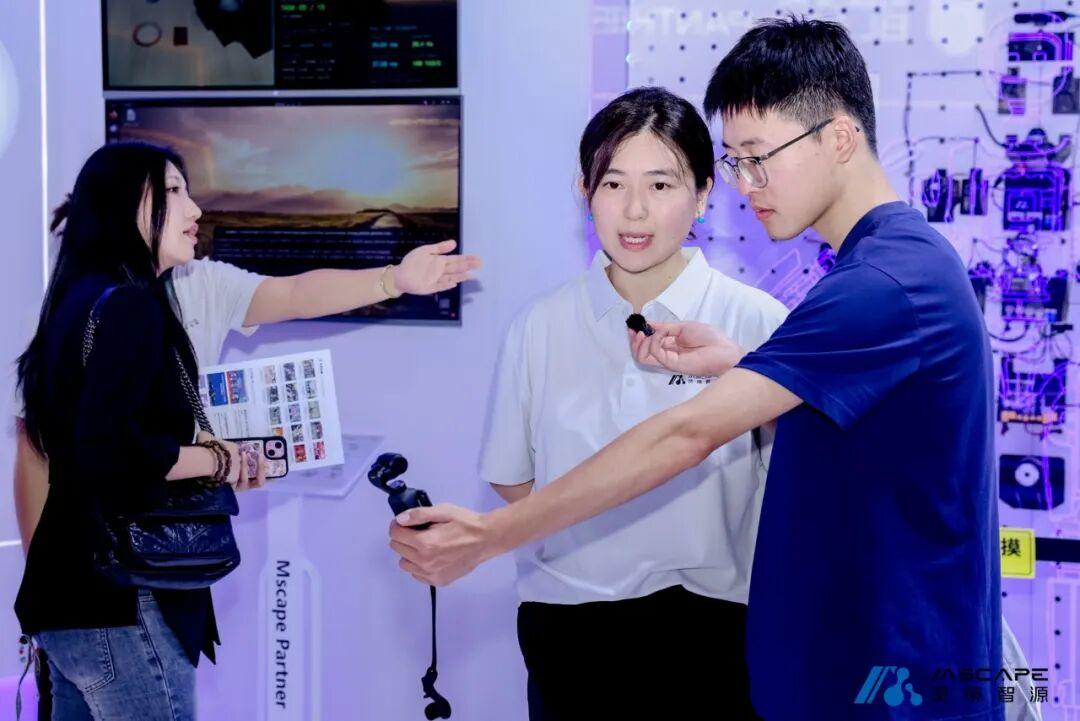
本届大会,CCTV‑2、央视网、新华社、科技日报、中国新闻社、中国日报、环球网等中央媒体,以及新浪财经、子弹财经等行业财经科技媒体到访展台报道,聚焦灵境智源国产具身智脑底座的技术突破与产业化实践。

图片

图片

图片

图片

图片

图片

图片

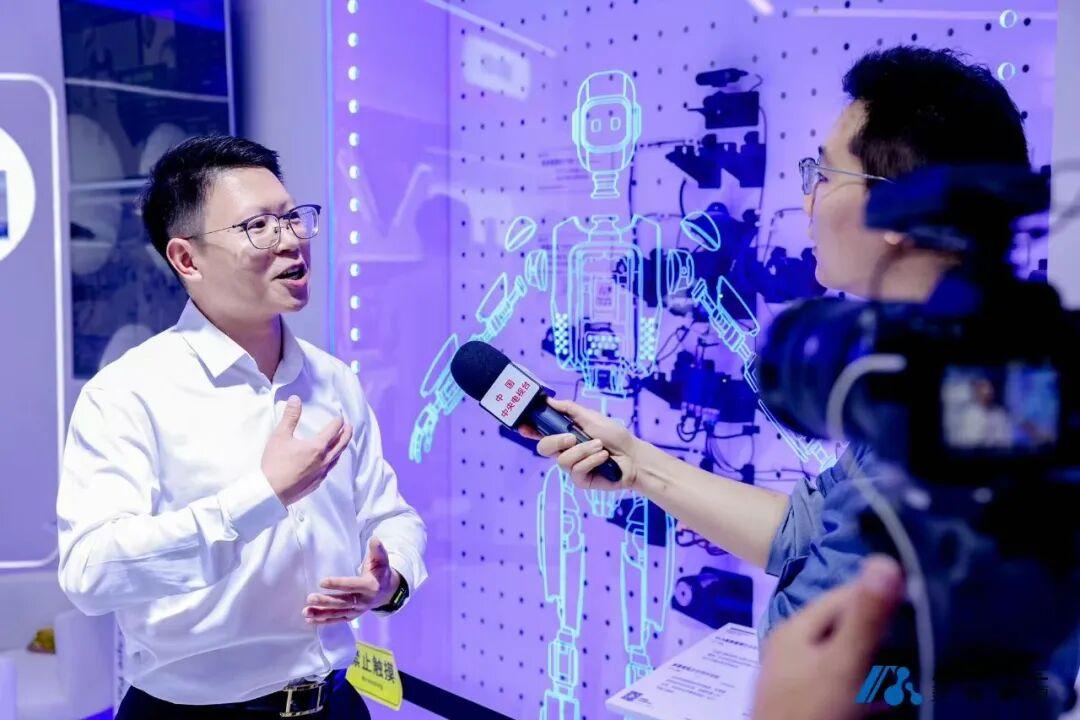
其中,CCTV‑2财经频道《天下财经》播出对创始人、CEO孙博的专项专访,聚焦灵境智源具身智脑这一核心零部件从幕后走向台前的产业变化;央视网对联合创始人、高级副总裁须海江开展专访,剖析机器人场景落地的核心卡点;央视网科技专访高级副总肖益,围绕技术自主可控、工程化落地解读行业趋势,立体呈现了国产具身智脑底座的产业化能力。

产品矩阵亮相,把具身智脑放进真实场景

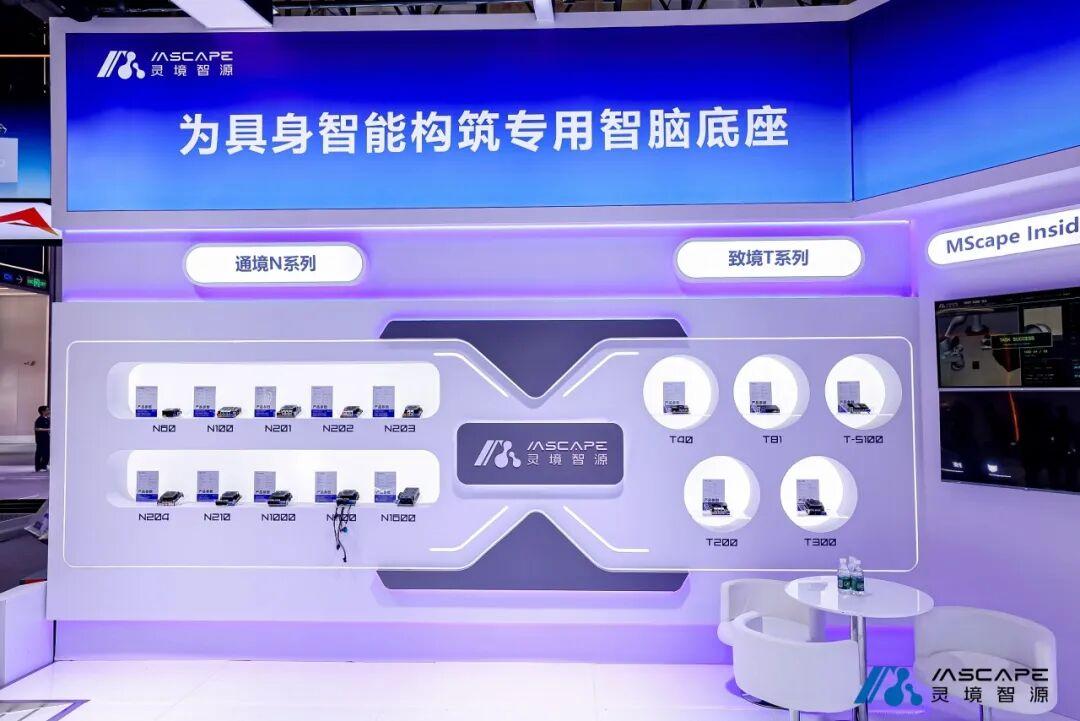
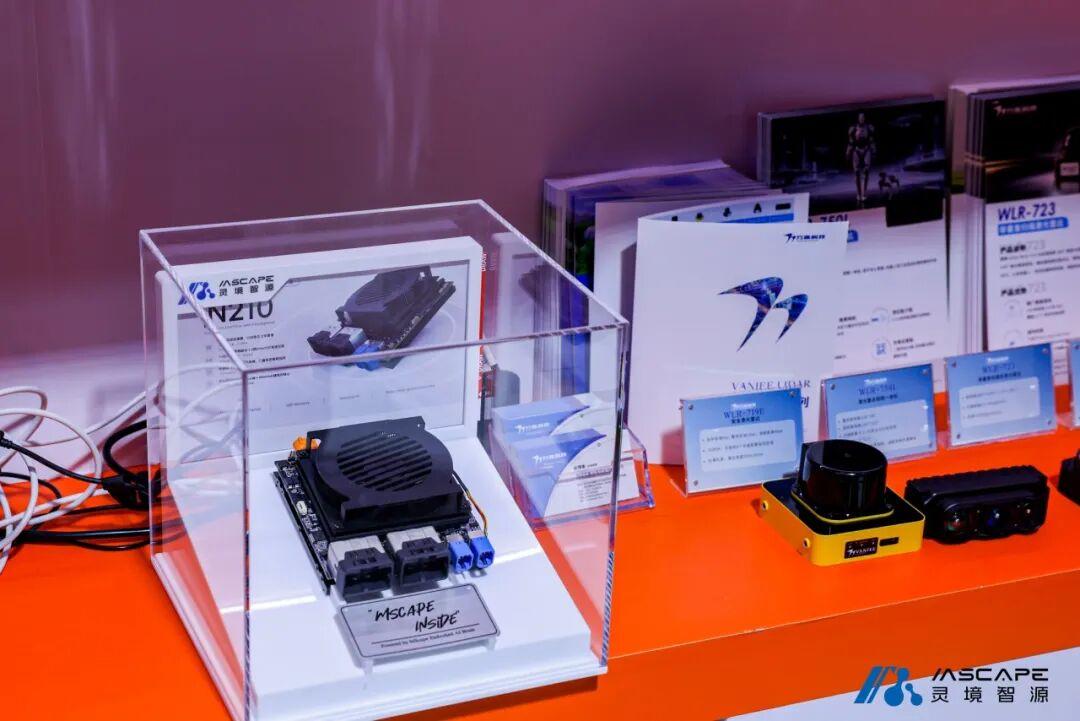
本次展台首次在北京完整亮相全梯度算力产品矩阵,覆盖从轻量计算到超高算力区间,适配不同机器人的算力需求。现场,致境T300“具身大脑”、T81“具身小脑” 两款全栈国产化新品正式发布,完善国产具身智脑供给短板,夯实自主可控根基。

图片

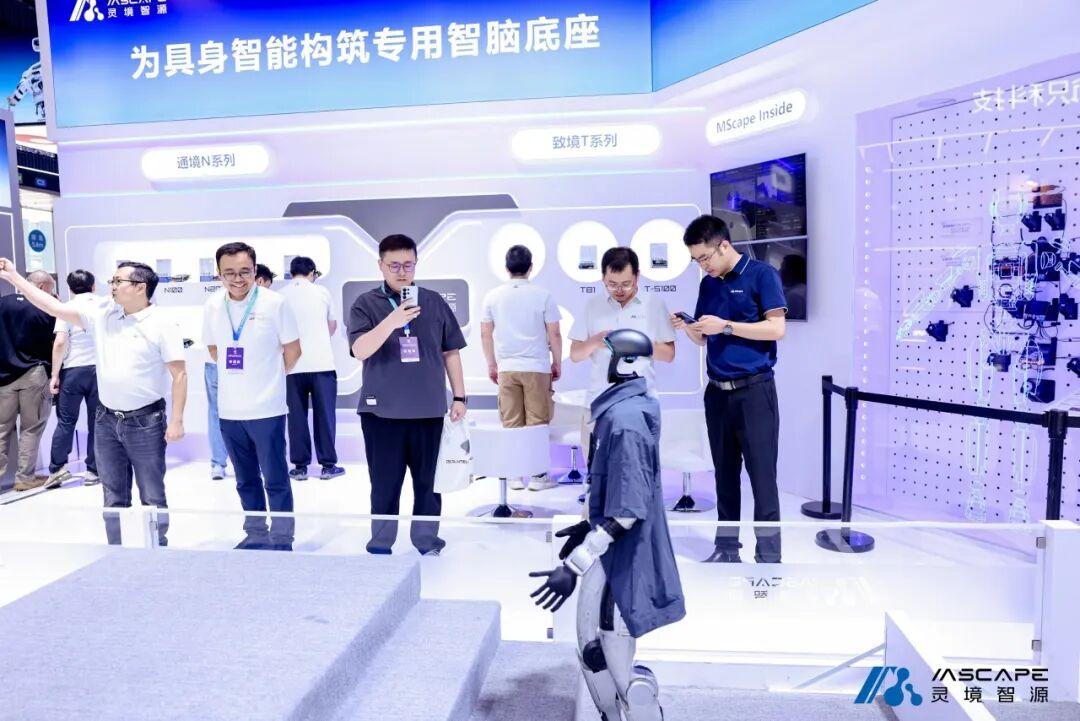
现场复刻电力巡检真实作业环境,搭载德沃夏克超异构架构具身智脑与配套视觉模型的人形机器人,自主完成跨越挡鼠板、上下楼梯等连续作业,直观验证设备在非结构化环境、无人工干预条件下的运行可靠性。

图片

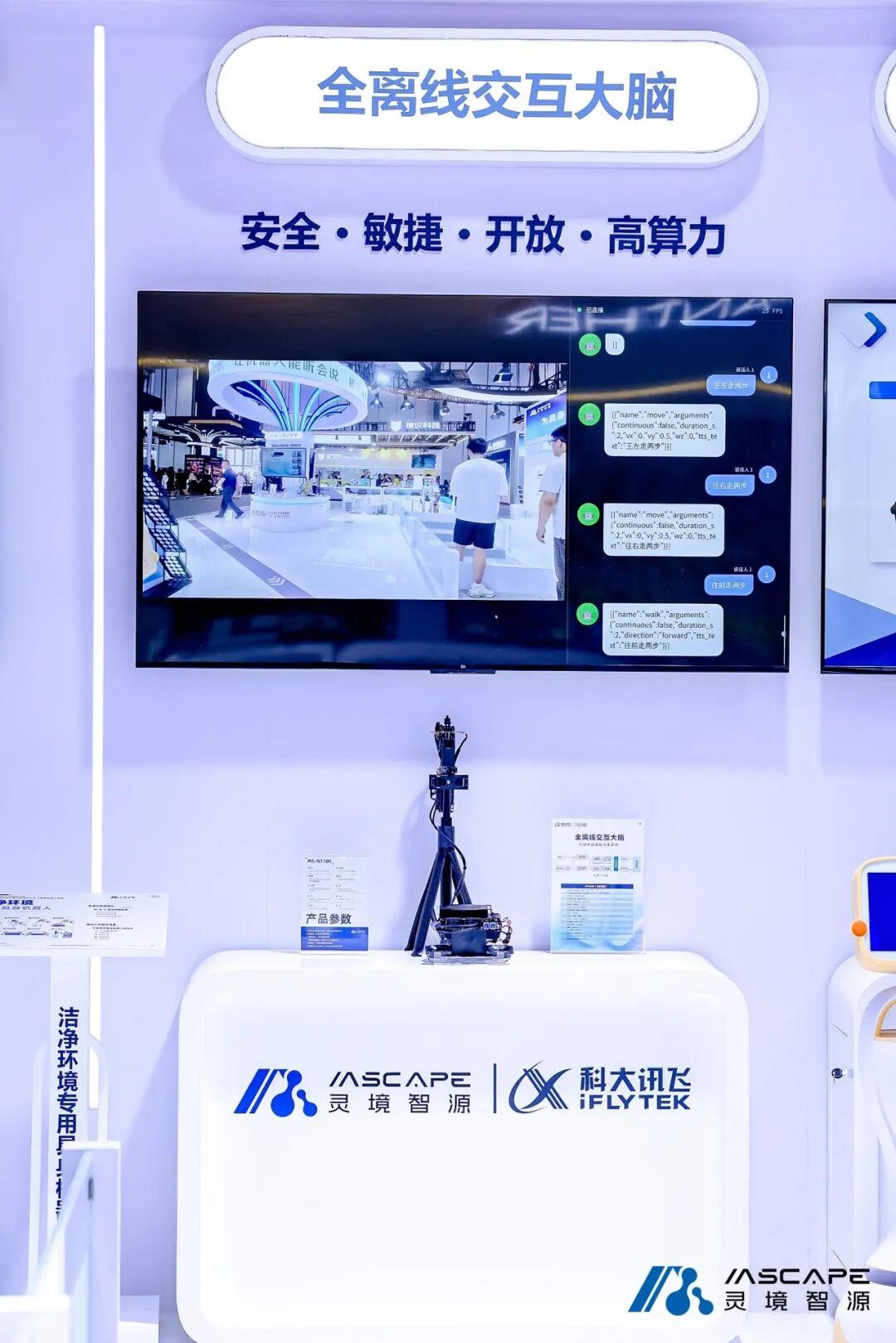
针对工业、特种场景网络受限痛点,灵境智源联合科大讯飞落地全离线交互大脑方案,实现端侧全闭环处理,即便弱网、断网环境,机器人仍可独立完成感知理解与任务执行。

图片

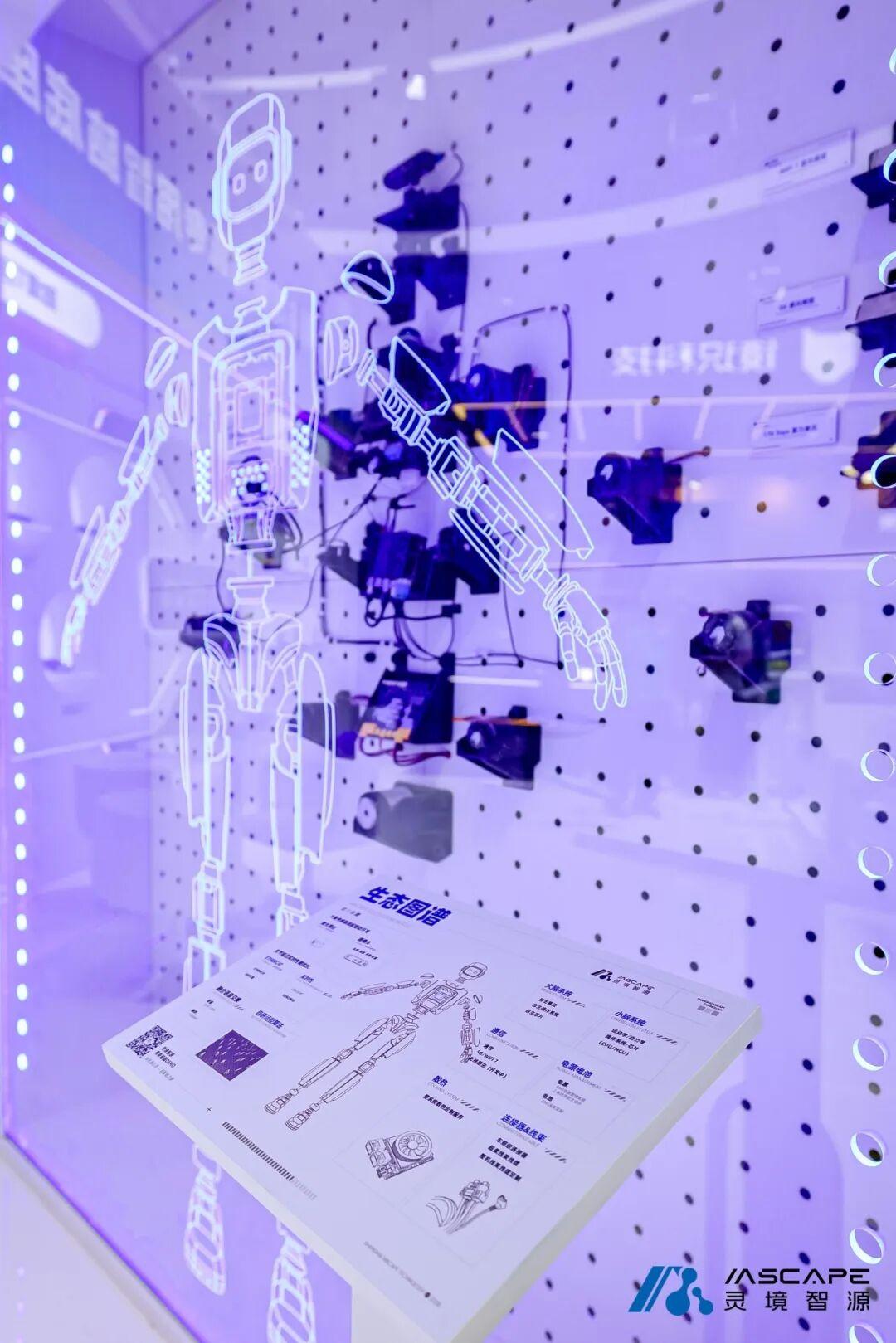
依托MScape Partner生态战略,展台特别设置机器人零部件拆解联动演示区,直观展现具身智脑依靠标准化接口,将电机、传感器、执行器等零散硬件统筹调度,形成协同运转的完整系统。

图片

MScape Inside落地,底座生态广泛验证

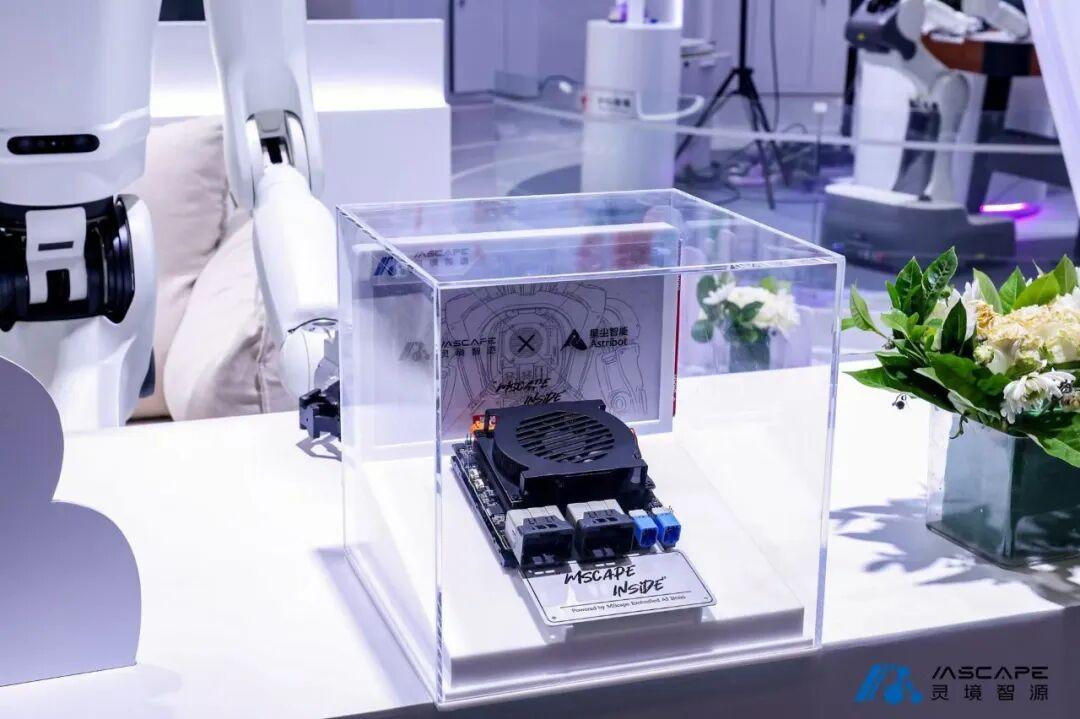
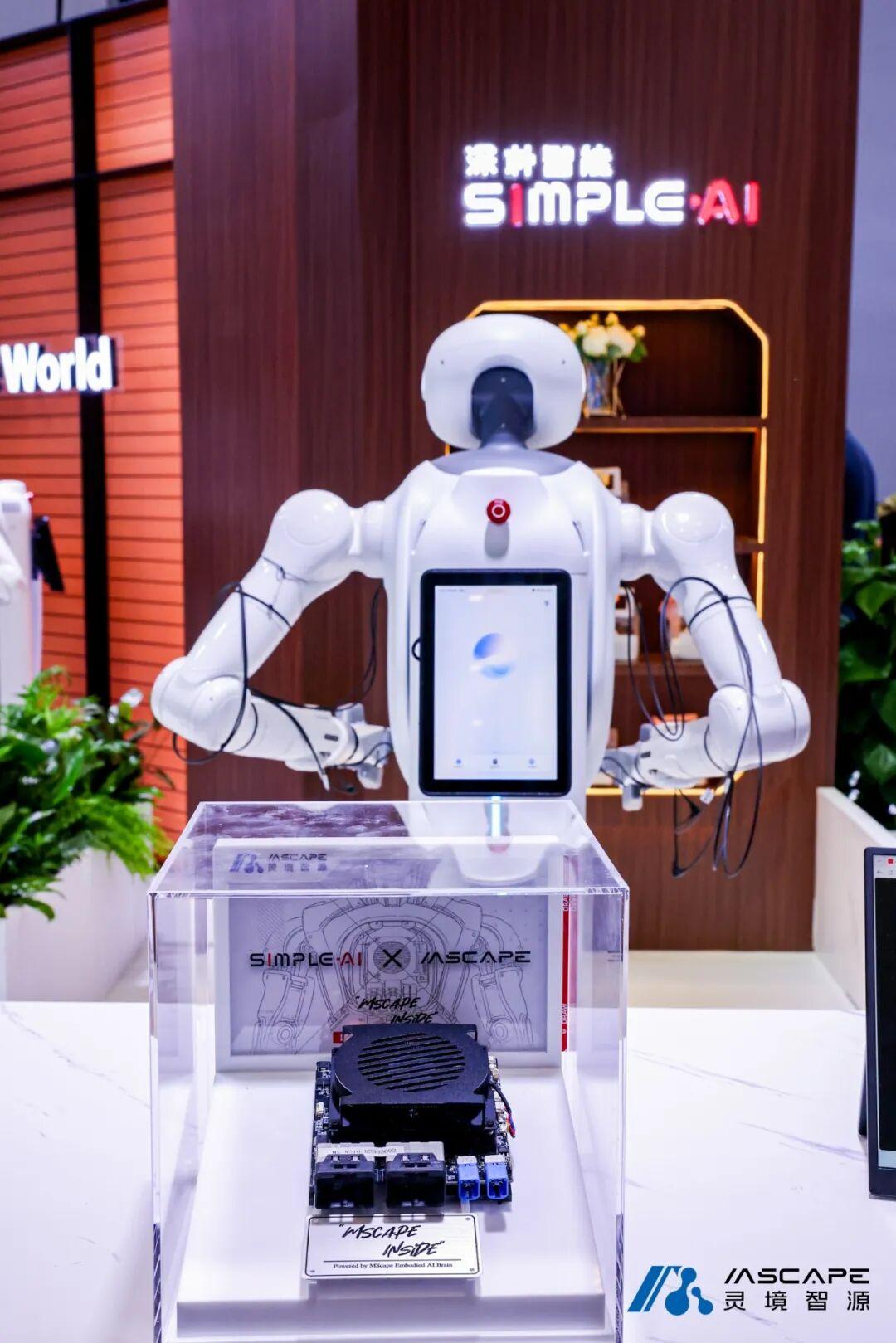
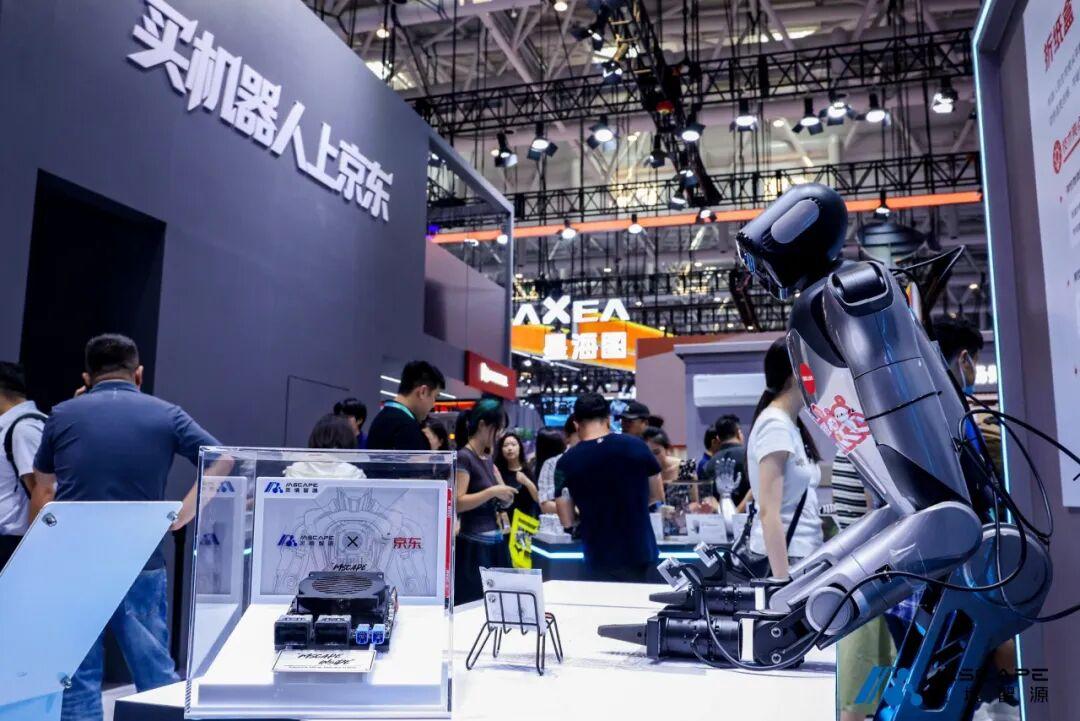
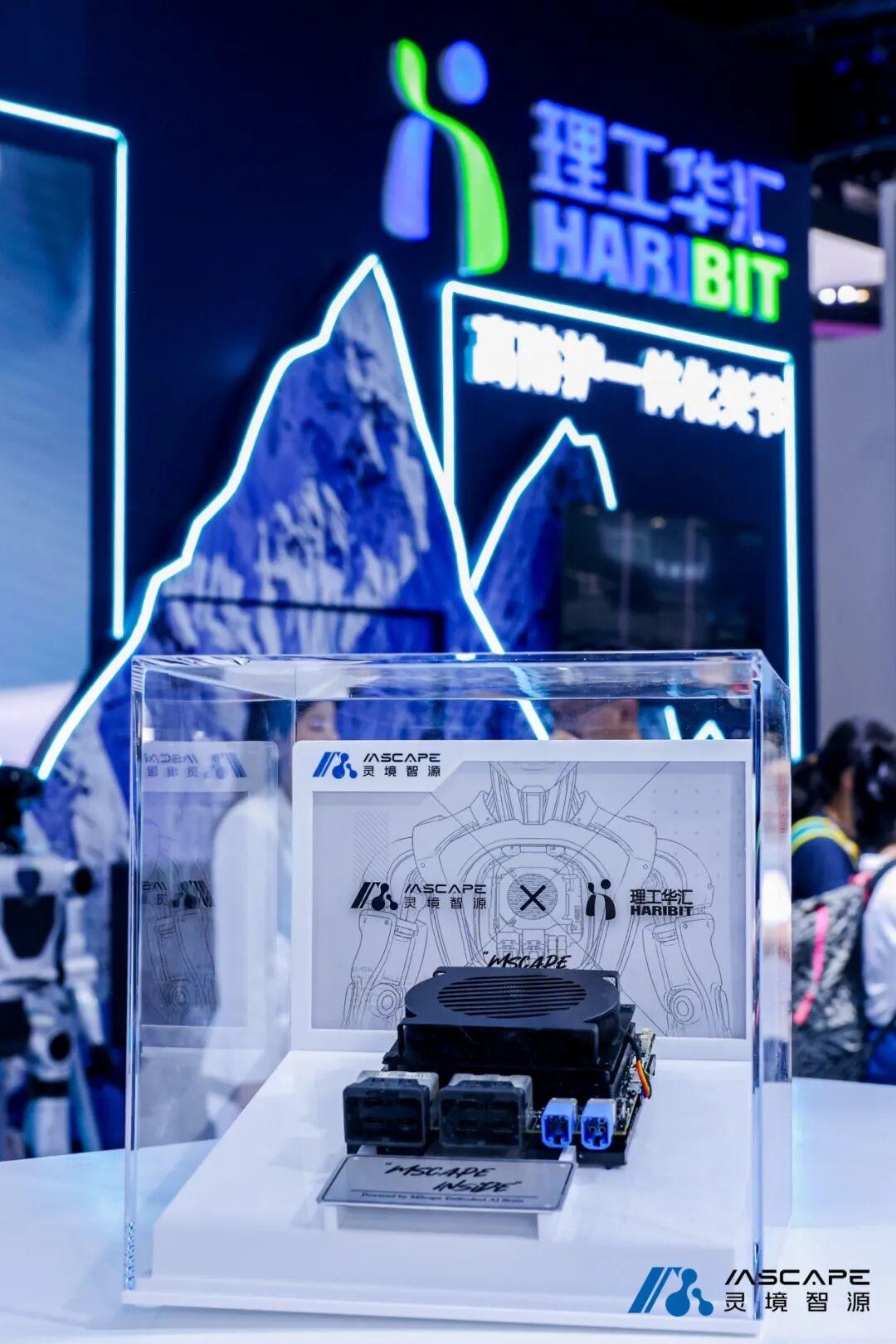
“MScape Inside”作为灵境智源的核心生态战略,旨在通过标准化接口与底层协议将具身智脑嵌入多元本体,降低行业重复研发成本。

图片

图片

图片

图片

图片

图片

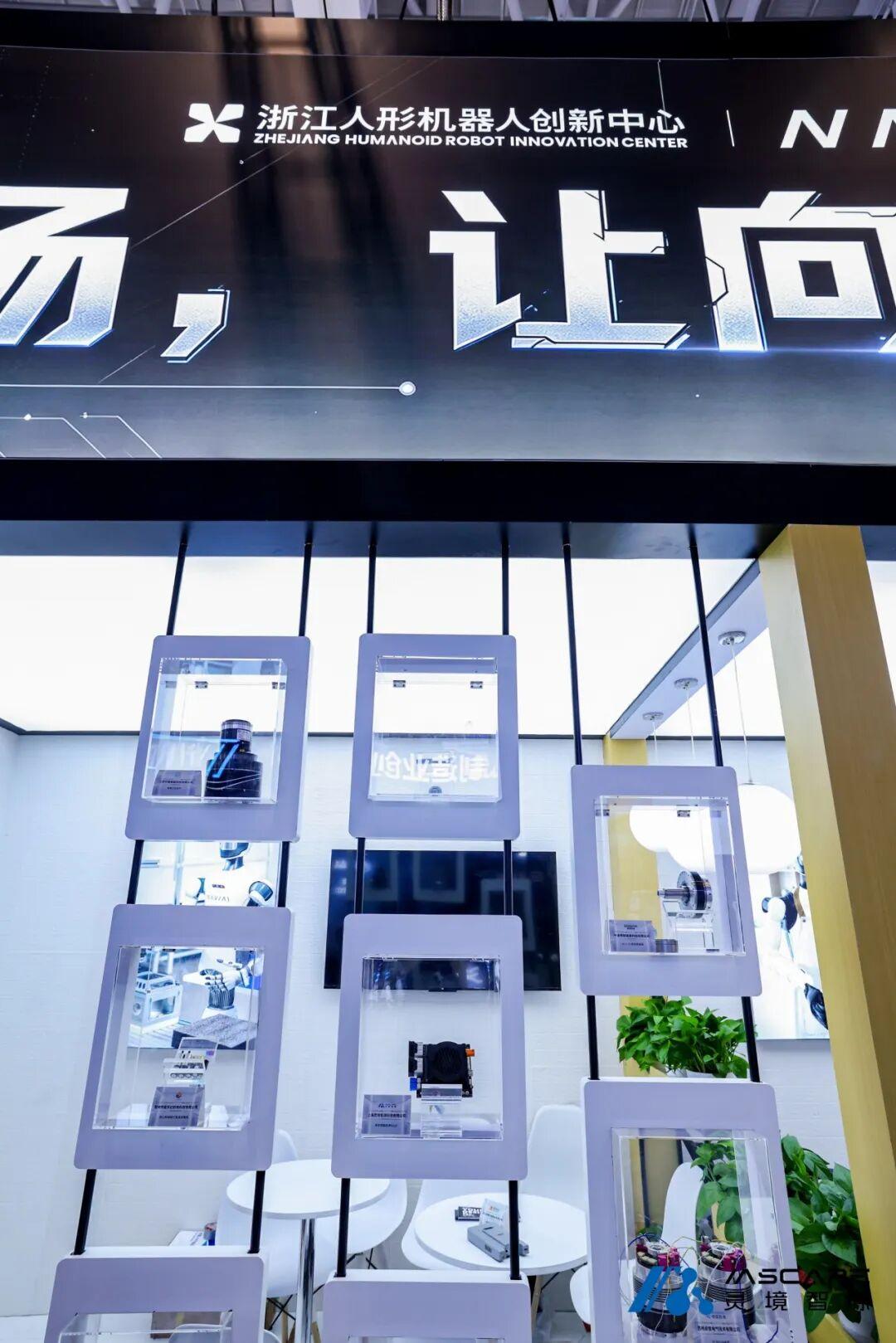
本届大会,星尘智能、深朴智能、理工华汇、浙江人形、湖北人形、京东等生态伙伴展台,均基于灵境智源底座展示了适配方案,凸显同一套智脑对多元硬件形态的广泛兼容。

多场核心论坛,与行业共探规模化破局路径

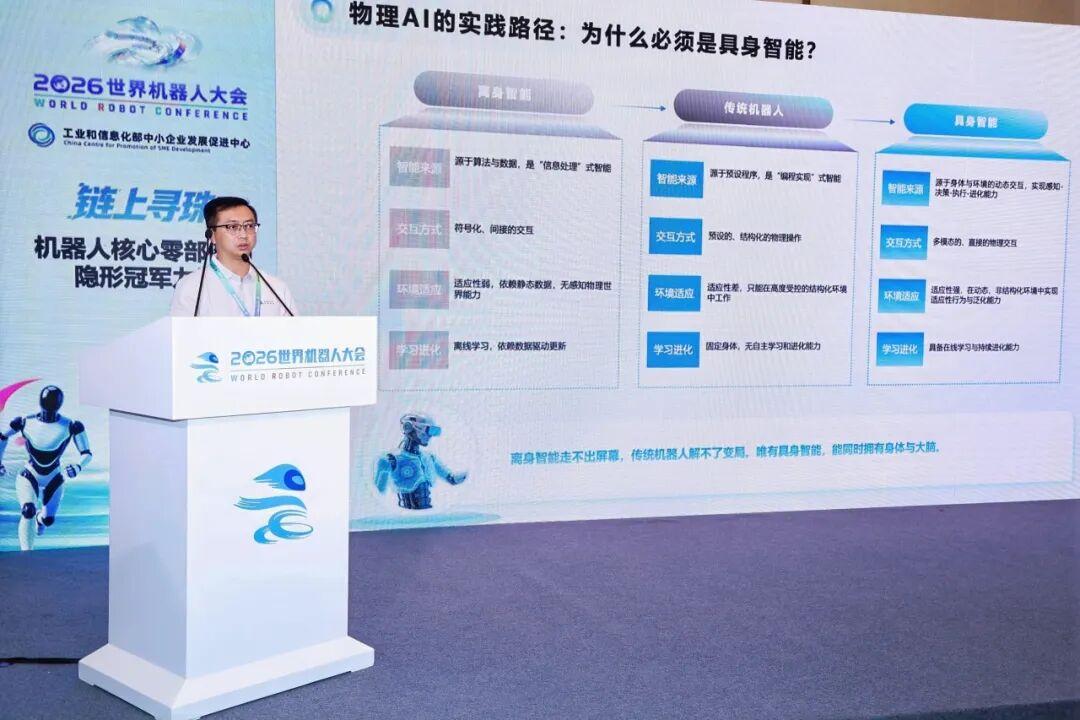
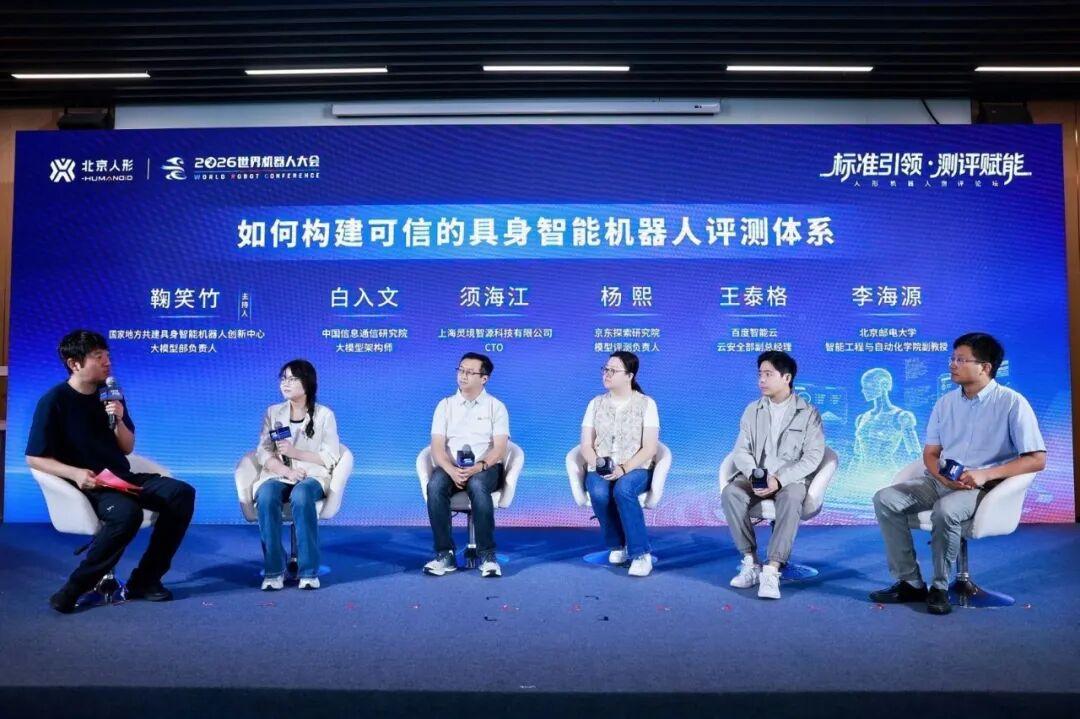
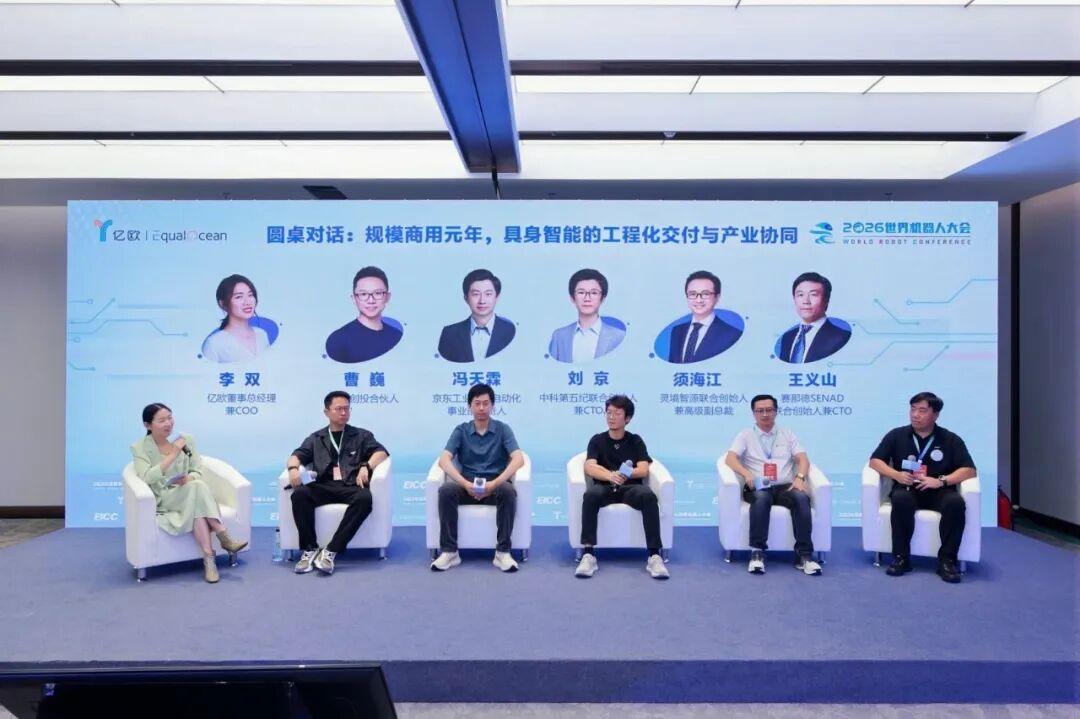
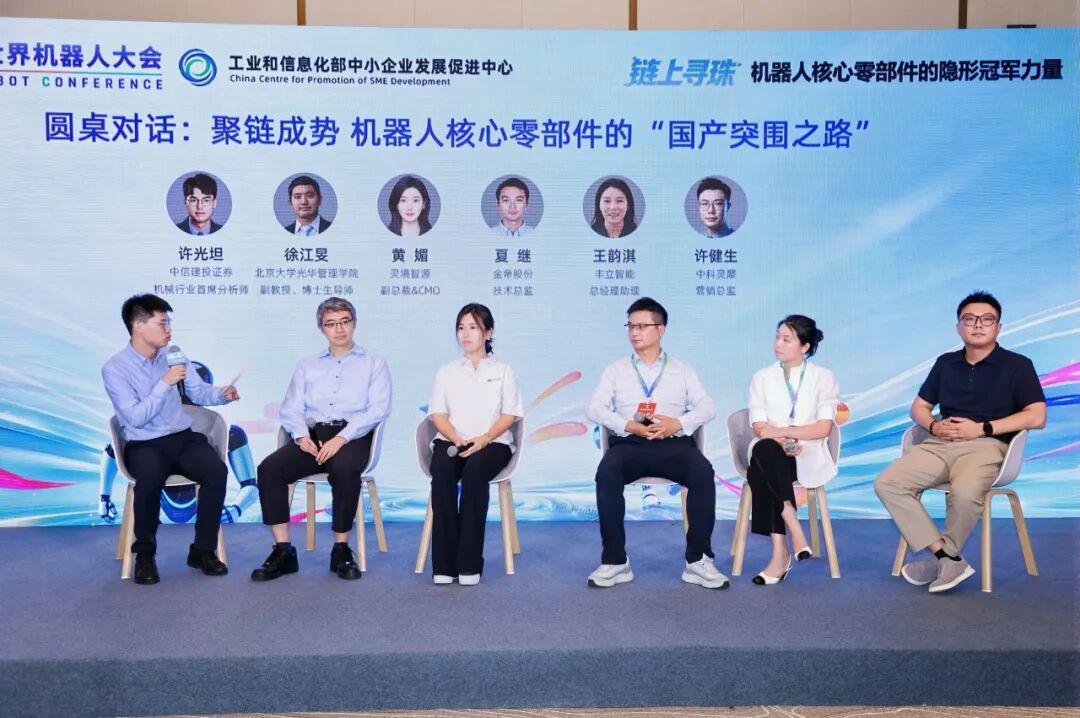
本届大会,灵境智源核心高管先后登上五场行业重磅活动,围绕物理AI底座价值、系统协同逻辑、测评标准建设、工程化落地、国产供应链建设五大方向,密集输出来自产业化一线的深度思考。

在中新机器人产业合作交流活动上,孙博以主旨演讲阐释具身智脑作为物理世界原生算力基础设施的定位,解读底座技术的产业价值与全球化潜能。

图片

图片

图片

立足大量工程实践,须海江在多场产业分享中传递核心判断:具身智能突破的关键在于系统协同,而非单点技术堆砌;行业亟需一套覆盖感知、决策、控制、执行全维度的量化测评体系,破解 “单点性能优异、整机落地乏力” 的行业顽疾;同时要打通软硬件、算法、系统与供应链的工程化闭环,依托 “智脑 + 本体” 协同模式,推动行业由零散试点迈向集群协同发展。

图片

针对国产零部件产业发展,黄媚在产业链主题活动中提出,供应链升级需要兼顾核心技术自研攻坚与产业协同,通过双向发力实现技术壁垒构建、迭代提速与成本优化,为机器人产业强链补链、实现核心零部件自主可控提供可行思路。

多系列活动,全方位呈现智脑产业化价值

展会期间,北京市东城区委书记孙新军一行到访灵境智源展台调研,对灵境智源坚持底层技术自主创新、深耕具身智能核心基础设施的发展方向给予肯定。

在由亿欧主办的“具身智能商业落地论坛”上,灵境智源与宇树科技、优必选、特斯拉等海内外标杆企业共同入选「2026全球具身智能标杆企业TOP100」榜单。

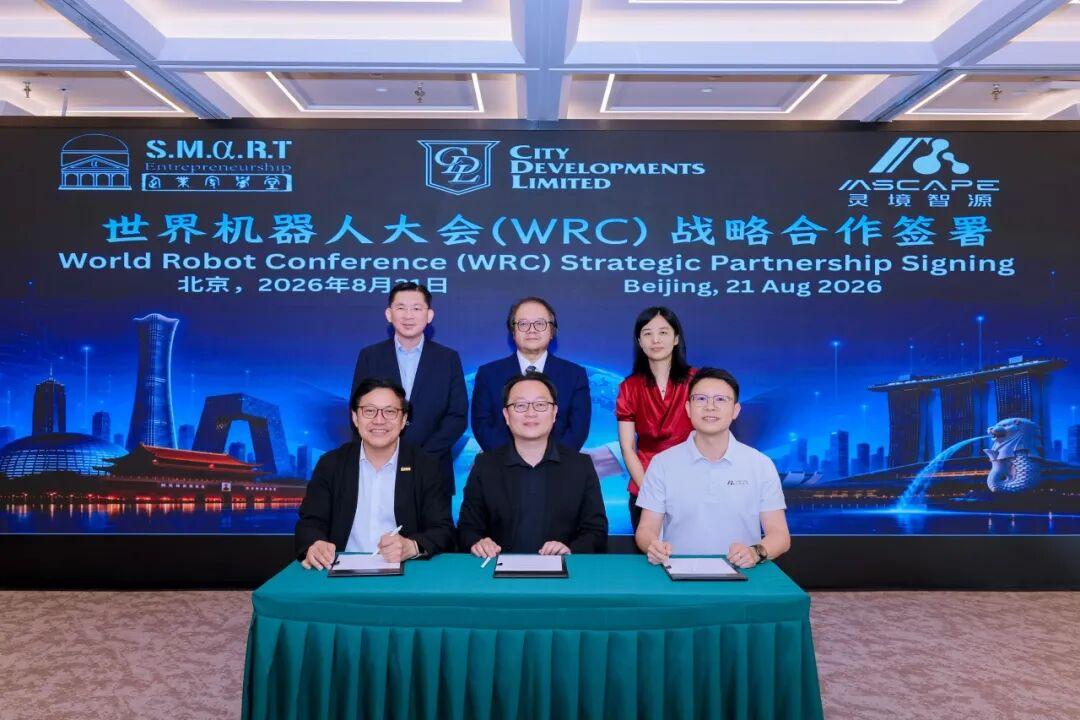
国际合作层面,灵境智源与S.M.A.R.T Entrepreneurship Academy、新加坡城市发展集团(CDL)达成战略合作签约。

注:文/龚作仁,文章来源:Laborer,本文为作者独立观点,不代表亿邦动力立场。

文章来源:Laborer

广告
微信
朋友圈

FAQ回顾

具身智脑底座对机器人产业发展有什么作用?

具身智脑底座作为物理世界原生算力基础设施,可统筹调度电机、传感器等零散硬件形成协同系统,覆盖全梯度算力适配不同机器人需求,还能降低行业重复研发成本,破解机器人“单点性能优异、整机落地乏力”的顽疾。

灵境智源在2026世界机器人大会发布了哪些新品?

灵境智源在2026世界机器人大会上完整亮相全梯度算力产品矩阵,正式发布致境T300“具身大脑”、T81“具身小脑”两款全栈国产化新品,完善国产具身智脑供给短板,夯实技术自主可控根基。

弱网环境下机器人无法正常作业有什么解决方案?

可采用全离线交互大脑方案,实现端侧全闭环处理,即便处于弱网、断网环境,机器人仍可独立完成感知理解与任务执行,可满足工业、特种等网络受限场景的机器人使用需求。

具身智能产业实现突破的关键是什么?

具身智能突破的关键在于系统协同而非单点技术堆砌,行业亟需覆盖感知、决策、控制、执行全维度的量化测评体系,同时要打通软硬件、算法、系统与供应链的工程化闭环,推动产业规模化落地。

这么好看,分享一下?

朋友圈 分享

APP内打开

赞 +1
+1
微信好友 朋友圈 新浪微博 QQ空间
关闭
收藏成功
发送
/140 0