广告
加载中

亚马逊欧盟合规新升级:9月起不提交MRN和EORI的商品无法入库

亿邦动力 2026-08-11 15:54
亿邦动力 2026/08/11 15:54

邦小白快读

EN
全文速览

本文核心是亚马逊欧盟站点最新的入库合规升级要求,新规将于9月1日起正式执行,面向普通读者的核心重点信息与实操干货整理如下:

1. 新规核心要求:所有非欧盟卖家直接发往法国亚马逊运营中心,或是通过PAN-EU亚马逊物流欧洲整合服务入库欧盟站点的货件,都必须提供首次入境国的MRN运输参考编号和EORI经济营运者注册和识别号两项进口信息。

2. 新规升级变化:本次调整把适用范围从原本的仅法国扩展到全欧盟,处罚力度也明显升级,未按要求提交信息会受到相应限制。

3. 实操注意事项:需要在亚马逊运营中心收到货件的60天内完成提交,明确了豁免情形,违规后补全信息即可解除限制,同时明确了两类编号的使用规则。

本次亚马逊欧盟合规升级对布局欧洲市场的品牌商影响重大,涉及品牌渠道布局、库存运营等多个核心环节,核心干货整理如下:

1. 合规要求变化直接影响品牌的欧盟仓备货与渠道布局,未达标会被限制创建新货件,打乱品牌的推广和备货节奏,品牌商需要提前梳理现有货流,更新内部合规流程,避免影响业务开展。

2. 不同资质品牌的合规要求不同:欧盟境内注册的品牌,或是非欧盟注册但在欧盟境内采购商品的品牌可获得豁免,后者需要留存有效进货发票以备查验,符合条件的品牌要提前准备好对应票据。

3. 品牌需要区分不同发货方式的合规责任:使用亚马逊全球物流或合作承运人不需要手动提交MRN,但品牌仍需要对整体进口合规性负责,需要提前核对信息的有效性。

本次亚马逊欧盟合规新规和所有做欧洲站的非欧盟卖家直接相关,针对卖家的政策解读、风险提示和应对措施整理如下:

1. 政策核心解读:新规9月1日生效,适用对象为公司注册地不在欧盟,从欧盟境外发往法国仓或是通过PAN-EU发往其他欧盟仓的卖家,本次升级将适用范围从仅法国扩大到全欧盟,执法力度升级。

2. 风险提示:未在货到仓60天内补全信息,会被限制创建新的发往欧盟的货件,但已有库存和在途货件都不受影响,不会直接扣货,整体风险可控。

3. 应对措施:平台只接受欧盟签发的两类编号,EORI可使用报关行编号,违规后补全信息就能解除限制,使用亚马逊合作物流不用手动提交MRN,但仍要承担合规责任,需要提前核对信息。

面向欧盟市场供货或是计划布局跨境电商的工厂,可从本次新规中得到这些启示和商业信息,整理如下:

1. 合规要求升级直接影响工厂的业务布局,如果工厂计划自营亚马逊欧洲站,需要提前准备好MRN、EORI相关资质,符合合规要求才能正常入库;如果是给跨境卖家供货,需要配合卖家梳理进口流程,留存好进货票据满足查验要求。

2. 行业趋势启示:欧盟跨境电商的合规化、数字化监管已经成为大趋势,本次要求信息存档六年并提交海关核验,要求工厂完善自身进出口信息管理体系,规范单据管理。

3. 商业机会:合规升级会淘汰一批不合规的中小从业者,工厂可趁机优化自身合规体系,拓展稳定的大卖家长期合作,也可凭借合规优势布局自营跨境渠道,抢占市场空间。

面向欧盟跨境电商提供物流、合规相关服务的服务商,可从本次新规中得到这些行业信息和业务机会,整理如下:

1. 行业发展趋势:欧盟跨境电商的进口合规要求持续收紧,本次从仅要求法国合规升级为全欧盟覆盖,还需要平台将信息提交给欧盟海关核验,说明合规已经成为行业刚性需求,市场空间持续扩大。

2. 当前客户的核心痛点:多数中小卖家不了解MRN和EORI的申请、使用规则,分不清不同发货场景的提交要求,很容易错过60天的提交期限,导致新货件创建受限,有大量的合规服务需求未被满足。

3. 业务发展方向:服务商可以推出MRN、EORI代申请、信息核对服务,还可以针对不同发货场景整理合规指南,帮助卖家提前梳理信息,同时可推出合规信息存档管理服务,满足平台六年存档的要求。

布局欧盟跨境电商业务的平台商,可从本次亚马逊合规升级中得到这些运营和管理启示,整理如下:

1. 当前卖家对平台的核心需求:欧盟对进口电商货件的监管越来越严格,卖家需要平台给出清晰明确的合规规则指引,降低自身的合规成本和合规风险。

2. 平台合规管理的参考:本次亚马逊新规明确区分了合规与豁免情形,违规后的限制范围清晰,补全信息即可解除限制,既符合欧盟海关的监管要求,也不会过度影响卖家正常运营,对其他平台的合规规则制定有参考价值。

3. 风险规避提示:欧盟进口监管会持续收紧,平台需要提前跟进监管要求升级合规体系,避免因为卖家不合规牵连平台,同时招商阶段就要提前告知非欧盟卖家合规要求,筛选合规卖家入驻,降低后续运营风险。

本次亚马逊欧盟合规升级事件,反映出欧盟跨境电商行业的最新发展动向,对产业研究的启示整理如下:

1. 产业新动向:欧盟跨境电商的监管正在持续收紧,监管范围从单一国家扩展到全欧盟区域,监管环节从末端销售转向前端进口全链路,合规已经成为非欧盟卖家进入欧盟市场的核心门槛,行业准入门槛明显提升。

2. 平台角色的新变化:原来进口监管主要由海关和卖家负责,本次新规中亚马逊主动将合规要求和入库权限绑定,还需要将信息提交给海关核验,说明平台已经成为监管落地的核心环节,平台的合规责任进一步提升。

3. 政策研究启示:欧盟针对非欧盟跨境卖家的合规体系正在逐步完善,后续大概率会有更多区域跟进类似监管要求,全球跨境电商合规化的趋势不可逆,对研究全球跨境电商监管政策走向有重要参考价值。

返回默认

声明:快读内容全程由AI生成,请注意甄别信息。如您发现问题,请发送邮件至 run@ebrun.com 。

我是 品牌商 卖家 工厂 服务商 平台商 研究者 帮我再读一遍。

Quick Summary

This article summarizes the core takeaways and practical guidance on Amazon’s latest inbound compliance update for its EU marketplaces, which takes effect on September 1:

1. Core requirement: All non-EU sellers shipping goods directly to Amazon’s French fulfillment centers, or sending inventory to any EU site via Amazon’s Pan-European Fulfillment (PAN-EU) program, are required to provide two key import documents: the Movement Reference Number (MRN) from the first country of entry into the EU, and an Economic Operator Registration and Identification (EORI) number.

2. Key changes: This update expands the scope of the requirement from France only to the entire European Union, and increases enforcement penalties. Shipments that fail to meet the requirement will face corresponding restrictions.

3. Practical notes: Information must be submitted within 60 days of Amazon receiving the shipment. Specific exemption cases are outlined, restrictions can be lifted once missing information is provided, and clear rules for the use of both identification numbers are defined.

Amazon’s EU compliance update has significant implications for brands operating in the European market, impacting core functions including channel strategy and inventory operations. Key takeaways for brands are as follows:

1. The new rule directly impacts a brand’s EU inventory planning and channel distribution. Non-compliance will result in restrictions on creating new shipments, disrupting marketing and restocking schedules. Brands should map their existing supply flows and update internal compliance processes in advance to avoid operational disruptions.

2. Eligibility for exemption varies by brand registration: Brands registered within the EU, or non-EU registered brands that source goods within the EU, are exempt from the requirement. Exempt non-EU brands must retain valid purchase invoices for inspection, and should prepare these documents ahead of time.

3. Compliance responsibilities vary by shipping method: Brands do not need to manually submit MRNs when using Amazon Global Logistics or Amazon-approved carriers, but they still retain full responsibility for overall import compliance, and must verify the validity of their information in advance.

Amazon’s new EU compliance rule directly affects all non-EU-based sellers operating on Amazon Europe. Below is a breakdown of the policy, risk warnings and actionable steps for sellers:

1. Policy overview: The rule enters into force on September 1, and applies to sellers registered outside the EU shipping goods from outside the EU to French fulfillment centers, or to any other EU fulfillment centers via the PAN-EU program. This update expands the scope from France only to the entire EU, and strengthens enforcement.

2. Risk assessment: Failure to submit required information within 60 days of delivery to the fulfillment center will result in restrictions on creating new shipments bound for the EU. Existing inventory and in-transit shipments are not affected, and goods will not be seized directly, so overall risks are manageable.

3. Recommended actions: Amazon only accepts MRN and EORI numbers issued by EU authorities. EORI numbers from customs brokers are acceptable. Restrictions can be lifted immediately after missing information is submitted. While sellers using Amazon-approved carriers do not need to manually submit MRNs, they still bear ultimate compliance responsibility and should verify information in advance.

For factories supplying the EU market or planning to enter cross-border e-commerce, the new rule brings the following insights and business implications:

1. The updated compliance requirement directly impacts business layout. If a factory plans to operate its own Amazon Europe store, it must prepare MRN and EORI qualifications in advance to meet inbound requirements. If a factory supplies goods to cross-border sellers, it will need to coordinate with sellers to align on import procedures and retain purchase invoices to meet inspection requirements.

2. Industry trend implication: Compliance-based digital regulation of cross-border e-commerce is now an established trend in the EU. The new rule requires import information to be retained for six years and submitted to customs for verification, meaning factories must upgrade their import and export information management systems and standardize document management.

3. Business opportunities: The compliance upgrade will force many non-compliant small and medium-sized players out of the market. Factories can leverage this opportunity to improve their own compliance systems, secure long-term partnerships with large stable sellers, and build out their own compliant direct-to-consumer cross-border channels to capture additional market share.

For logistics and compliance service providers serving the EU cross-border e-commerce industry, the new rule brings the following industry insights and business opportunities:

1. Industry development trend: Import compliance requirements for EU cross-border e-commerce continue to tighten. Expanding the requirement from France to the entire EU, coupled with the mandate that platforms share shipment data with EU customs for verification, confirms that compliance has become a core industry demand, creating a growing market for related services.

2. Core pain points of current clients: Most small and medium-sized sellers lack clarity on how to apply for and use MRN and EORI numbers, struggle to understand submission requirements for different shipping scenarios, and often miss the 60-day submission deadline, resulting in restrictions on new shipments. This leaves a large unmet demand for compliance services.

3. Strategic direction for business growth: Service providers can launch new offerings including MRN and EORI application assistance and information verification services. They can also develop customized compliance guides for different shipping scenarios to help sellers organize required information in advance, and offer compliance information archiving and management services to meet the 6-year retention requirement.

For marketplace platforms operating EU cross-border e-commerce businesses, Amazon’s compliance update offers the following operational and regulatory insights:

1. Core seller demand from platforms: As EU regulation of imported e-commerce shipments continues to tighten, sellers need platforms to provide clear, explicit compliance guidance to reduce their compliance costs and risks.

2. Reference for platform compliance management: Amazon’s new rule clearly defines compliance and exemption cases, sets out a clear scope of restrictions for non-compliance, and allows restrictions to be lifted once information is corrected. This approach meets EU customs regulatory requirements while avoiding unnecessary disruption to seller operations, offering a useful framework for other platforms designing their own compliance rules.

3. Risk mitigation guidance: EU import regulation will continue to tighten. Platforms need to proactively update their compliance systems to align with new regulatory requirements, to avoid being held liable for seller non-compliance. They should also communicate compliance requirements to non-EU sellers during the onboarding process, and prioritize onboarding compliant sellers to reduce long-term operational risk.

Amazon’s EU compliance update reveals the latest developments in the EU cross-border e-commerce industry, and offers key insights for industry research:

1. New industry dynamics: Regulation of EU cross-border e-commerce is continuing to tighten, with regulatory coverage expanding from individual member states to the entire EU bloc, and oversight shifting from end-stage sales to the entire end-to-end import process. Compliance is now a core entry barrier for non-EU sellers accessing the EU market, significantly raising industry-wide entry thresholds.

2. New evolution of platform roles: Previously, import regulation was primarily the responsibility of customs authorities and sellers. Under this new rule, Amazon has proactively tied compliance requirements to inbound access, and is required to share shipment data with customs for verification. This confirms that platforms have become a core node for regulatory enforcement, and their compliance responsibilities have expanded substantially.

3. Implications for policy research: The EU’s compliance framework for non-EU cross-border sellers is gradually maturing, and more regions are likely to introduce similar regulatory requirements in the future. The global shift toward cross-border e-commerce compliance is irreversible, making this update an important case study for research on global cross-border e-commerce regulatory trends.

Disclaimer: The "Quick Summary" content is entirely generated by AI. Please exercise discretion when interpreting the information. For issues or corrections, please email run@ebrun.com .

I am a Brand Seller Factory Service Provider Marketplace Seller Researcher Read it again.

8月11日,亚马逊全球开店发布最新合规通知,自9月1日起,非欧盟卖家直接发往法国运营中心的货件,以及通过PAN-EU(亚马逊物流欧洲整合服务)入库欧盟的货件,都必须提供首次入境国的MRN(运输参考编号)和EORI(经济营运者注册和识别号)两项进口详情。

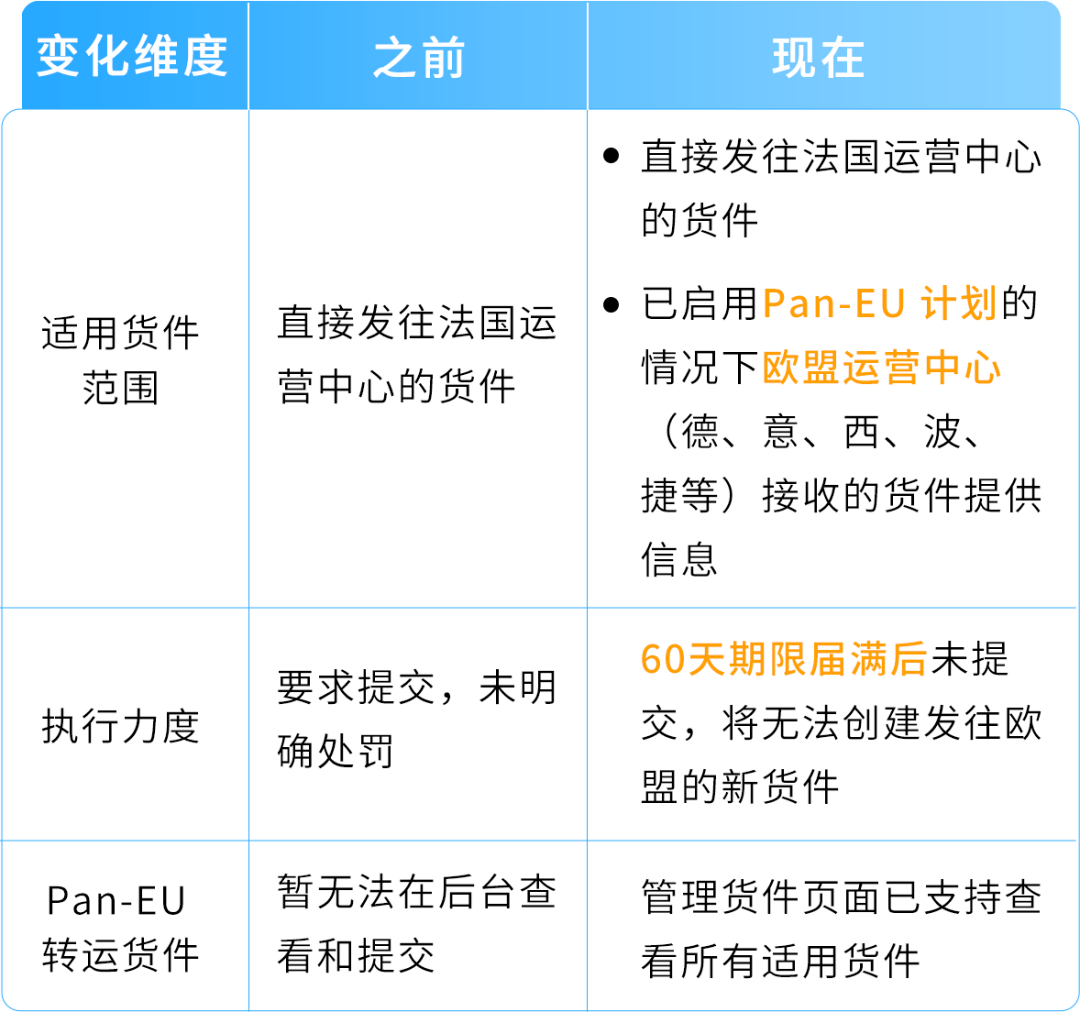
据悉,本次合规要求迎来重要升级。海关申报信息提交适用货件范围从“仅法国”扩展至“全欧盟”,执法力度从仅“要求提交”变为未提交则受处罚。卖家应于亚马逊运营中心收到首个货件的60天内,提供相应的MRN和EORI。若60天期限届满,卖家货件信息详情仍有缺失,将无法创建发往欧盟运营中心的新货件。

凡公司注册地不在欧盟境内,且从欧盟境外发运货物至亚马逊法国运营中心,或通过Pan-EU计划运送至其他欧盟国家运营中心的卖家,均需遵守该项要求。若卖家公司注册地在欧盟境内,或注册地虽不在境内但于欧盟境内购买商品,则符合豁免情形,但在后一种情形下,卖家还需保留有效的进货发票以备查验。

卖家若未能及时填报MRN和EORI信息,仅会导致新货件创建受限,已发往亚马逊的库存能力和已在途货件不受影响。卖家若想解除限制,为不合规货件补全进口详情信息即可。使用亚马逊全球物流或亚马逊合作承运人计划的卖家,虽不需要手动提供MRN,但仍需对进口合规性负责。

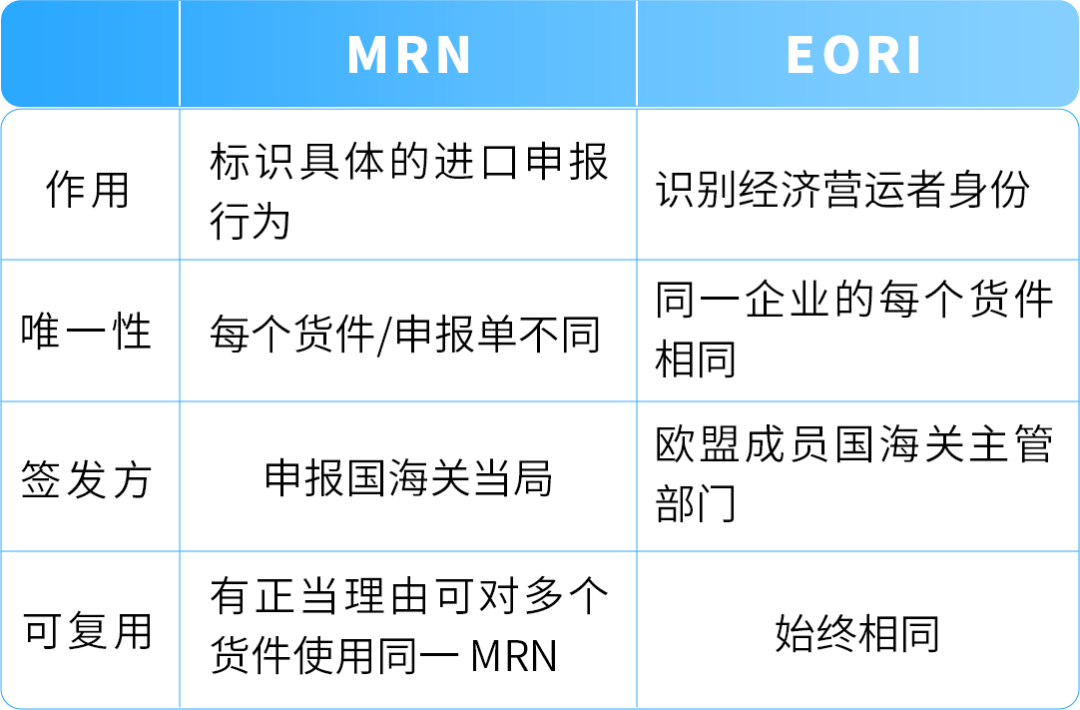
据了解,MRN标识具体的进口申报行为,由申报国海关生成,每个货件的MRN不同,但卖家若有正当理由可对多个货件复用MRN。EORI用于标识经济营运者身份,同一企业的EORI为固定编号,卖家也可提供报关行EORI。平台只接受欧盟签发的MRN和EORI。

此外,亚马逊也会检查卖家提供的MRN和EORI的有效性,相关记录至少存档六年,并按要求将进口详情记录提交给欧盟海关当局进行核验。

文章来源:亿邦动力

广告
微信
朋友圈

FAQ回顾

亚马逊欧盟站卖家9月起需提交哪些合规材料?

自9月1日起,非欧盟卖家直接发往法国运营中心的货件,以及通过PAN-EU(亚马逊物流欧洲整合服务)入库欧盟的货件,都必须提供首次入境国的MRN(运输参考编号)和EORI(经济营运者注册和识别号)两项进口详情。

未及时提交MRN和EORI的亚马逊欧盟站卖家会受什么影响?

卖家需在运营中心收到首个货件的60天内提交材料,超期未提交的无法创建发往欧盟运营中心的新货件,已发往亚马逊的库存和在途货件不受影响,补全信息即可解除限制。

哪些亚马逊欧盟站卖家可豁免提交MRN和EORI?

公司注册地在欧盟境内的卖家,以及注册地不在欧盟境内但在欧盟境内购买商品的卖家可豁免该项要求,后者需保留有效的进货发票以备查验。

亚马逊卖家提交的MRN和EORI有什么要求?

平台仅接受欧盟签发的MRN和EORI,MRN为申报国海关生成的进口申报标识,EORI是经济营运者身份标识,同一企业EORI为固定编号,也可提供报关行的EORI,相关记录至少存档六年。

这么好看,分享一下?

朋友圈 分享

APP内打开

赞 +1
+1
微信好友 朋友圈 新浪微博 QQ空间
关闭
收藏成功
发送
/140 0