广告
加载中

卖大牌尾货 一年狂揽34亿 江苏男装巨头再冲IPO

天下网商 2026-07-21 12:19
天下网商 2026/07/21 12:19

邦小白快读

EN
全文速览

本文核心披露了海澜之家转型做国际大牌尾货生意的全貌,核心干货信息如下

1. 目前国内运动服饰尾货市场规模已经突破千亿元,海澜之家依托自身深耕下沉市场几十年的渠道优势,承接了国际大牌的库存清仓需求,目前已经形成两种成熟业务模式,2025年非自有品牌业务营收已经达到34.47亿元,成为增速最快的新增长极。

2. 对于普通消费者来说,现在在三四五线城市的核心商圈,就能在海澜之家运营的正规门店,以比正价店更低的价格买到阿迪达斯、耐克等正品国际大牌服饰,甚至轻奢、美妆类正品,价格和性价比优势明显,为消费者提供了新的高性价比正品购物选择。

本文给服装领域品牌商提供了尾货赛道的发展现状、可参考模式与风险提示,干货内容如下

1. 消费与行业趋势层面,当下国内性价比消费成为主流,折扣业态整体规模快速增长,下沉市场对高性价比国际大牌需求旺盛,国际大牌普遍面临库存高企、下沉扩张受阻的痛点,拥有下沉渠道优势的品牌可切入该赛道实现能力变现。

2. 可参考的业务模式:海澜之家摸索出两种互补模式,针对品牌专属定位产品线采用买断制下沉到乡镇,针对全品类尾货采用代销制开多品牌集合店,既匹配品牌方清库存又不伤害正价品牌的需求,也发挥自身渠道优势。

3. 风险提示:切入该赛道会将原有轻资产模式转为重资产,容易推高自身库存带来减值压力,同时品牌方未来自主下沉也会挤压合作空间,需要提前做好风险应对。

本文给服装行业相关卖家披露了下沉尾货赛道的最新机会、可参考模式与风险提示,干货如下

1. 机会层面,当前国内运动服饰尾货市场规模破千亿元,国际大牌普遍有去库存、下沉扩张的迫切需求,自身拥有下沉渠道资源的卖家,可以依托渠道优势承接品牌需求,切入尾货生意变现,海澜之家该业务两年从不足1亿增长到34亿,赛道增长空间充足。

2. 可参考的成熟商业模式:目前已经跑通两种互补模式,一种是买断品牌专属定位产品线做品牌专营店,深入乡镇市场;另一种是和平台合作做多品牌集合折扣店,用代销模式降低自身风险,两种模式覆盖不同类型的库存需求。

3. 风险提示:买断模式会抬高自身库存,拉长周转天数、增加减值损失,同时品牌方未来自主下沉会挤压现有合作空间,需要提前布局应对潜在风险。

本文为服装生产工厂披露了服装行业的新动向与可挖掘的商业机会,干货如下

1. 行业背景层面,当下国内服装行业整体进入去库存周期,国际大牌和本土头部品牌都面临较大的库存压力,尾货处理赛道快速崛起,市场需求旺盛,工厂可以拓展和品牌方、渠道方的尾货分拣、改款适配下沉市场的相关合作,挖掘新的业务增量。

2. 商业机会层面,当前下沉市场对高性价比的国际品牌产品需求旺盛,国际品牌也会针对下沉市场开发专属产品线,工厂可以依托自身生产优势,承接品牌方下沉专属产品线的生产订单,进一步拓展自身业务规模。

3. 转型启示:头部品牌都在围绕自身原有核心优势转型寻找第二增长曲线,工厂也可以围绕自身生产、供应链核心优势,挖掘行业新需求,不要固守原有单一订单业务。

本文披露了当下服装零售行业的发展新趋势与不同玩家的核心痛点,对服务商来说干货内容如下

1. 行业发展趋势层面,国内尾货折扣赛道已经进入快速增长期,整体市场规模突破千亿元,越来越多的头部渠道品牌切入这个赛道,业态也从传统奥莱转向线上线下结合的下沉折扣门店,行业对相关专业服务的需求明显增长。

2. 客户核心痛点:切入尾货赛道的品牌商,普遍面临库存管理难度提升、数字化运营能力不足的问题,多品牌集合店也需要流量运营、会员管理的相关支持,而国际大牌需要对接成熟下沉渠道资源,解决自身下沉成本高的痛点。

3. 市场机会:服务商可以针对这些痛点,开发适配尾货零售门店的库存管理系统、会员运营方案,也可以搭建品牌方和渠道方的对接服务平台,挖掘自身新的业务增量。

本文为零售平台商披露了行业对平台的最新需求、成熟合作模式与风险提示,干货内容如下

1. 需求层面,传统头部渠道品牌拓展尾货新业务时,需要平台提供数字化能力和线上流量支持,国际品牌需要平台对接成熟的线下渠道帮助清库存,尾货折扣业态的快速发展也给平台带来了新的合作机会。

2. 成熟合作模式参考:海澜之家与京东合作的城市奥莱模式已经跑通,由渠道方负责线下选址与门店运营,平台输出数字化能力和线上流量,采用代销模式合作,主打会员制深度折扣,目前已经在全国多个三四线城市落地。

3. 风险提示:尾货赛道快速增长的同时,库存风险逐渐累积,平台在开展相关合作时,需要评估合作方的库存承压能力,规避模式风险,同时可以针对下沉市场折扣业态推出专项招商政策,吸引优质渠道方合作。

本文为服装产业研究者提供了本土头部服装企业转型的最新案例与产业新动向,干货内容如下

1. 产业新动向:当下国内服装行业进入存量竞争阶段,本土头部品牌普遍面临主品牌增长停滞、新品牌培育不及预期的困境,不少企业开始依托自身原有核心渠道优势,切入国际大牌尾货清仓赛道,实现渠道能力变现,目前该赛道已经成为头部企业新的增长极,海澜之家2025年该业务营收已经超过34亿元。

2. 创新商业模式总结:海澜之家摸索出了两种互补的尾货运营模式,分别是和国际品牌合作的买断制下沉专营店模式,以及和平台合作的代销制多品牌集合奥莱模式,两种模式覆盖不同类型的库存需求,充分发挥了各参与方的核心优势。

3. 待研究的新产业问题:该转型模式也带来了新的产业问题,比如轻资产品牌转重资产承接库存的风险如何管控,国际品牌自主下沉后现有合作模式的走向如何,都值得进一步深入研究。

返回默认
声明:快读内容全程由AI生成,请注意甄别信息。如您发现问题,请发送邮件至 run@ebrun.com 。

我是 品牌商 卖家 工厂 服务商 平台商 研究者 帮我再读一遍。

Quick Summary

This article provides a comprehensive overview of Heilan Home’s new business transformation into the off-price luxury and international branded apparel sector. Key takeaways are as follows:

1. China’s domestic off-price sportswear market has already surpassed 100 billion yuan in size. Leveraging its decades of channel penetration in lower-tier markets, Heilan Home has become a trusted partner for international brands looking to liquidate excess inventory, and has developed two proven, scalable business models. The company’s third-party branded business generated 3.447 billion yuan in revenue in 2025, making it its fastest-growing new growth driver.

2. For consumers, this model means authentic products from brands including Adidas, Nike, even premium labels and beauty products, are now available at deeply discounted prices in official stores operated by Heilan Home located in core commercial districts of tier-3, 4 and 5 cities. This creates a new high-value option for shoppers seeking authentic branded goods at affordable prices.

This article outlines the current state of China’s off-price apparel sector, shares actionable business models, and highlights key risk considerations for apparel brands. Key insights are as follows:

1. On consumer and industry trends: Value-focused consumption has become the mainstream in China today, and the discount retail sector is growing rapidly. Demand for affordable, authentic international branded goods is strong in lower-tier markets, while most global brands struggle with high inventory levels and failed expansion into lower-tier regions. Brands with established lower-tier channel networks can capitalize on this opportunity to monetize their existing capabilities.

2. A proven reference model: Heilan Home has developed two complementary off-price models. For brand-specific product lines, it uses an outright purchase model to distribute products to town and township markets. For full-category off-price inventory, it operates a multi-brand outlet via a consignment model. This structure meets brand owners’ inventory liquidation needs without damaging full-price brand equity, while leveraging Heilan Home’s core channel advantage.

3. Risk warning: Entering this sector converts a brand’s original asset-light business model into an asset-heavy one, which can increase overall inventory levels and create higher impairment pressure. Additionally, future direct expansion by brand owners into lower-tier markets will squeeze available collaboration space, so proactive risk mitigation is required.

This article reveals the latest opportunities, proven business models and risk warnings in the lower-tier off-price apparel sector for apparel industry sellers. Key insights are as follows:

1. Opportunity: China’s domestic off-price sportswear market has already exceeded 100 billion yuan, and most international brands face urgent pressure to liquidate inventory and expand into lower-tier markets. Sellers with existing lower-tier channel resources can leverage this advantage to meet brand demand and enter the off-price business for monetization. Heilan Home grew this segment from less than 100 million yuan to 3.4 billion yuan in just two years, demonstrating the sector’s significant growth potential.

2. Proven complementary business models: Two models have been fully validated. The first is an outright purchase model where sellers operate branded stores for brand-specific product lines, targeting township markets. The second is a multi-brand discount outlet operated in partnership with platforms, using a consignment model to reduce sellers’ own risk. The two models cover different types of inventory demand.

3. Risk warning: The outright purchase model increases a seller’s own inventory, lengthens inventory turnover days, and raises impairment loss risk. Meanwhile, future direct lower-tier expansion by brand owners will squeeze existing collaboration space, requiring proactive preparation to address potential risks.

This article outlines new industry trends and untapped business opportunities for apparel manufacturing factories. Key takeaways are as follows:

1. Industry background: China’s overall apparel industry is currently in an inventory reduction cycle, with both international brands and leading domestic brands facing significant inventory pressure. The off-price processing sector is growing rapidly with strong market demand. Factories can expand collaboration with brand owners and channel players on off-price sorting and product redesign for lower-tier market adaptation, to unlock new revenue growth.

2. Business opportunities: Demand for affordable authentic international branded goods is strong in lower-tier markets, and international brands are developing dedicated product lines for this segment. Factories can leverage their production strengths to take on manufacturing orders for these dedicated lower-tier lines, expanding their overall business scale.

3. Transformation insight: Leading brands are all transforming around their existing core advantages to find a second growth curve. Factories can similarly tap new industry demand based on their core strengths in production and supply chain, rather than sticking to a single, traditional order-based business.

This article reveals new trends in apparel retail and the core pain points of different industry players, with key insights for service providers as follows:

1. Industry growth trends: China’s off-price discount apparel sector is now in a period of rapid expansion, with an overall market size exceeding 100 billion yuan. A growing number of leading channel brands are entering the space, and the format is shifting from traditional outlet malls to omni-channel discount stores in lower-tier markets. This has driven a notable increase in demand for professional services supporting the sector.

2. Core customer pain points: Brands entering the off-price sector generally face higher inventory management complexity and insufficient digital operation capabilities. Multi-brand outlets also require support for traffic operations and membership management, while international brands need access to established lower-tier channel resources to solve the problem of high direct expansion costs.

3. Market opportunities: Service providers can develop targeted solutions for these pain points, including inventory management systems customized for off-price retail stores and membership operation frameworks. They can also build matchmaking platforms connecting brand owners and channel players to unlock new business growth.

This article outlines the latest industry demand for platforms, proven collaboration models and risk warnings for retail platform operators. Key insights are as follows:

1. Demand: When traditional leading channel brands expand into the off-price business, they require digital capabilities and online traffic support from platforms. International brands need platforms to connect them with established offline channels to help liquidate inventory. The rapid growth of the off-price discount format has created new collaboration opportunities for platforms.

2. Proven collaboration reference: The urban outlet model developed through Heilan Home’s partnership with JD.com has been fully validated. Under this model, the channel operator is responsible for offline site selection and store operation, while the platform provides digital capabilities and online traffic, with collaboration structured on a consignment basis focused on deep discounts for members. The model has already been rolled out across multiple tier-3 and 4 cities nationwide.

3. Risk warning: As the off-price sector grows rapidly, inventory risk is gradually accumulating. When launching relevant collaborations, platforms need to evaluate partners’ inventory capacity to avoid model risks. They can also introduce targeted recruitment policies for the lower-tier discount format to attract high-quality channel partners.

This article shares the latest case of transformation by a leading Chinese apparel enterprise and new industry trends for apparel industry researchers. Key insights are as follows:

1. New industry trends: China’s apparel industry has entered a stage of stock competition, with most leading domestic domestic brands facing stagnating growth in their core brands and underperforming new brand incubation. A number of companies have started leveraging their existing core channel advantages to enter the international brand off-price inventory liquidation sector, monetizing their channel capabilities. This sector has already become a new growth driver for leading firms, with Heilan Home generating more than 3.4 billion yuan in revenue from this business in 2025.

2. Summary of innovative business models: Heilan Home has developed two complementary off-price operation models: an outright-purchase dedicated lower-tier store model in partnership with international brands, and a consignment multi-brand outlet model in partnership with platforms. The two models cover different types of inventory demand, and fully leverage the core advantages of all participating parties.

3. New industry topics for further research: This transformation model has raised new industry questions, including how to manage the risk of asset-light brands shifting to an asset-heavy model to take on inventory, and how existing collaboration models will evolve after international brands expand directly into lower-tier markets. Both topics merit further in-depth research.

Disclaimer: The "Quick Summary" content is entirely generated by AI. Please exercise discretion when interpreting the information. For issues or corrections, please email run@ebrun.com .

I am a Brand Seller Factory Service Provider Marketplace Seller Researcher Read it again.

藏在县城里的“下水道生意”有多赚?

文|周晓奇

当你走进三四线城市的购物中心,在一家挂着“阿迪达斯”标志的门店里,用五折的价格买到一双经典款的Boost跑鞋时,或许以为这不过是一次普通的折扣购物。

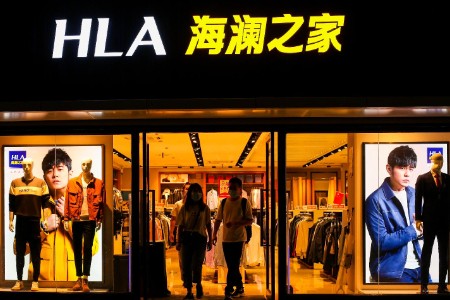
但鲜为人知的是,这家店的幕后操盘手,既不是阿迪达斯中国区总部,也不是传统的运动品牌经销商,而是国民男装品牌海澜之家。

据《天下网商》获悉,海澜之家通过控股子公司斯搏兹,运营阿迪达斯针对低线城市推出的FCC(Future City Concept)未来城市概念店,把价格介于正价与奥莱之间的产品铺向下沉市场,同时销售大牌尾货与正价产品。斯搏兹旗下的五哲体育,更是成为阿迪达斯在中国的独家清仓渠道。

作为曾经的“线下之王”,海澜之家最核心的资产从来都不是设计,而是对下沉市场“毛细血管”的深度渗透。面对国潮品牌崛起和库存压力,国际大牌在下沉市场的扩张步伐受阻。海澜之家凭借渠道优势,顺理成章地承接了国际大牌们的库存消费需求,转型为“超级清道夫”。

海澜之家搭了一条“下水道”生意

运动服饰尾货的盘子有多大?

结合多家行业机构的数据,国内运动服饰尾货市场规模已突破千亿元。传统清货渠道有奥特莱斯、线上特卖平台、线下批发流通市场等。海澜之家盯上的,正是这片尚未被充分开垦的“价值洼地”。

2022年,海澜之家通过全资子公司上海海澜投资,与上海海新体育发展集团共同成立斯搏兹品牌管理公司。创立之初,斯搏兹的业务路径清晰而有限:依托京东、唯品会等平台,在线分销耐克、阿迪达斯、彪马、Vans、亚瑟士等国际品牌的库存商品,扮演的是一个“线上折扣分销商”的角色。

直到2024年4月,上海海澜投资以8800万元收购斯搏兹11%股权,持股比例从40%增至51%,取得控股权。随后,斯搏兹拿下了阿迪达斯FCC系列产品在中国大陆的独家零售代理权。

在阿迪达斯的体系中,FCC系列产品的定位特殊:价格介于正价店与奥莱店之间,专门面向三四五线城市的消费群体,主打高性价比与休闲化设计。而这片广袤的下沉市场,正是海澜之家深耕了二十多年的核心腹地。

海澜之家的打法很清晰:阿迪达斯负责独家开发适配FCC渠道的产品线,海澜之家负责选址、开店、运营与库存管理,以买断模式拿到商品。这背后是海澜之家用渠道能力换取阿迪达斯的库存消化权和下沉市场经营权。

截至2025年末,阿迪达斯FCC门店已达723家,仅占海澜之家总门店数(7330家)的十分之一。

在斯搏兹向下沉市场推进的同时,海澜之家还铺设了一条线上线下的复合折扣渠道。

2024年,海澜之家与京东达成战略合作,联手打造“城市奥莱”新业态。当年9月,首家线下门店在无锡海澜飞马水城开业,门店内集齐了耐克、阿迪达斯、彪马、安德玛、亚瑟士、北面等运动户外品牌,以及蔻驰、MCM等轻奢品牌和雅诗兰黛、SK-II等美妆品牌,打造一站式折扣消费场景。

海澜之家主导线下选址与运营,京东提供数字化能力与线上流量入口,双方以委托代销模式运作。在经营上,该业态门店采取会员制入店,主打深度折扣特卖。截至目前已经开出约60家门店,分布在江苏、山东、河南、河北、安徽、山西等三四线城市的核心商圈。

对比来看,斯搏兹与阿迪达斯合作FCC模式走的是“买断制+品牌专营”路线,利润和库存风险并存,但门店可深入乡镇市场;京东奥莱走的是“代销制+集合店”路线,毛利率高但收入基数较小。两套模式在尾货处理上形成互补,前者消化的是品牌“正价与奥莱之间”的库存,后者消化的是品牌的全品类尾货。

海澜之家正在用自己最擅长的下沉渠道能力,为国际大牌们搭建一条“尾货下水道”。

百亿男装巨头,为何盯上国际大牌的“尾货”?

海澜之家从“卖自己的衣服”转向“卖别人的尾货”,并非一次从容的战略升级,而是一场被现实倒逼的无奈突围。

从财务基本面来看,2025年,海澜之家实现营收216.26亿元,同比增长仅3.19%,归母净利润21.66亿元,同比微增0.34%,增长近乎停滞。主品牌“海澜之家”表现更为疲软,2023年至2025年,其营收分别为161.99亿元、150.91亿元和147.84亿元,连续三年呈现下行态势。

面对主品牌遭遇的困境,海澜之家并非没有自救。

过去多年,海澜之家主动开启了“关小店、开大店”的渠道优化战略,收缩加盟网络,加速直营化转型,重塑品牌形象。截至2026年一季度,主品牌直营店数量增长至2404家,毛利率高达61%,远高于公司整体毛利率45%。但这些布局直接拉升了租金、人力等刚性成本,2026年一季度销售费用超14亿元,同比增长近12%。

在品牌方面,海澜之家也积极探索着第二增长曲线,曾孵化过女装品牌OVV、时尚男装品牌黑鲸HLA JEANS,还收购了高端婴童品牌英氏。但从实际经营成效来看,这些新业务矩阵尚未培育成能够独当一面的支柱,扛起百亿营收的重任。

从渠道结构重塑到品牌矩阵扩张,这些都不足以成为海澜之家的“救命稻草”,而为国际品牌“清库存”,或许能成为这家男装巨头在红海中突围的新路子。

近年来,国际运动品牌在中国市场面临双重挤压:一边是国货崛起带来的市场份额流失,一边是自身渠道调整带来的库存压力。

2025财年,耐克大中华区营收为65.85亿美元,同比下滑13%,成为其全球市场中跌幅最大的地区。阿迪达斯虽然在大中华区保持增长,但2025年全球存货总计为58.32亿欧元,相较于2024年的49.89亿欧元增长了17%。

对这些国际品牌来说,他们需要这样一个隐蔽的出货渠道:既要避免大规模打折对一二线城市正价店造成品牌伤害,又要兼顾快速回笼资金的现实需求。

而海澜之家运营了二十多年的“加盟托管”经验,以及深扎在三四五线城市、遍布全国的门店网络,恰好匹配国际品牌们迫切的下沉需求,为其提供现成的“基础设施”。

从更大的产业背景来看,市场风向也在转向性价比消费。根据《2025年度中国奥特莱斯产业发展报告》,2025年全国271个奥莱项目实现销售额近1850亿元,客流量近9.5亿人次。奥莱业态在中国正经历从过去被动的“尾货卖场”,进化为高客流的复合消费场景。

对海澜之家而言,与其固守一个见顶的市场,不如用自己的长板去切别人的蛋糕。

尾货是一门好生意吗?

从财务数据来看,2023年,海澜之家非自有品牌业务营收不足1亿元人民币,到了2025年,非自有品牌业务营收达到34.47亿元,同比增长29.18%。显然,这条新赛道已成为海澜之家增速最快的收入来源。

更值得关注的是,海澜之家与国际品牌的合作正在不断加深。2025年底,海澜之家与阿迪达斯宣布将构建“体育+”生态圈,合作从单纯的渠道代理升级为赛事运营和产品共创。例如双方以农历马年为主题,推出了HLAxAdidas合作纪念版卫衣。

不过,亮眼增长的背面,是海澜之家不断攀升的库存水位。

从2023年至2025年,海澜之家存货规模由93.37亿元增至108.19亿元,存货周转天数由326天拉长至390天,2025年存货减值损失达到4.95亿元。

“尾货业务”正在使海澜之家从“不承担库存风险”的轻资产模式,转向需大规模买断货品的自营零售模式。

更关键的是,海澜之家替阿迪达斯背了库存,而阿迪达斯本身正在经历渠道变革。公开资料显示,阿迪达斯不止一次提出要携手经销商合作伙伴,在“未来市场”积极开设新店,加快走入下沉市场。

当国际品牌加速向下沉市场渗透,品牌溢价被稀释只是时间问题。海澜之家与阿迪达斯合作的FCC产品线定位“正价店与奥莱之间”,这个暧昧的定价带既是机会,也可能存在更大的陷阱。

然而,现在的海澜之家或许没得选,这既是顺应服装行业去库存周期的无奈选择,也是渠道能力变现的最佳实践。这背后的核心焦点在于:当一个曾经以“不承担库存风险”著称的轻资产玩家,开始大规模承接国际品牌的库存重压时,它究竟是找到了第二增长曲线,还是仅仅沦为国际品牌的“线下库存仓库”?

日前,早已在A股挂牌上市的海澜之家,再次向港交所递交了主板上市招股书,试图通过“A+H”双资本平台为这场充满未知的转型储备弹药。目前来看,帮国际品牌清尾货这件事,海澜之家干得不错;但自己的库存,还在仓库里等待男人们放进自己的衣柜。

注:文/天下网商,文章来源:天下网商(公众号ID:txws_txws),本文为作者独立观点,不代表亿邦动力立场。

文章来源:天下网商

广告
微信
朋友圈

FAQ回顾

海澜之家的国际大牌尾货业务是怎么运作的?

海澜之家通过控股子公司斯搏兹拿下阿迪达斯FCC系列独家零售代理权,走买断制品牌专营路线深入下沉市场;还与京东合作打造“城市奥莱”集合店,走代销制路线,两套模式互补消化品牌各层级尾货。

海澜之家为什么要布局国际大牌尾货业务?

海澜之家主品牌营收连续三年下行,新孵化业务尚未成长为营收支柱,整体增长近乎停滞;而国际运动品牌面临国货挤压、库存高企的下沉需求,叠加国内性价比消费风潮,尾货业务成为新的增长突破口。

海澜之家尾货业务的经营现状如何?

2025年海澜之家非自有品牌尾货相关业务营收达34.47亿元,同比增长29.18%,是公司增速最快的收入来源;截至2025年末阿迪达斯FCC门店已达723家,与京东合作的城市奥莱已开出约60家。

海澜之家布局尾货业务面临哪些风险?

海澜之家存货规模从2023年的93.37亿元增至2025年的108.19亿元,周转天数拉长至390天,2025年存货减值损失达4.95亿元,轻资产模式转为重资产,还面临国际品牌自主下沉稀释溢价的风险。

这么好看,分享一下?

朋友圈 分享

APP内打开

赞 +1
+1
微信好友 朋友圈 新浪微博 QQ空间
关闭
收藏成功
发送
/140 0