广告
加载中

LV起诉风波后口碑下滑社媒掉粉 热门包二手价跳水

陆鹏鹏 2026-07-17 11:37
陆鹏鹏 2026/07/17 11:37

邦小白快读

EN
全文速览

本次LV起诉新茶饮品牌茉莉奶白商标侵权胜诉后,引发了一系列连锁负面反应,核心干货信息整理如下:

1. 舆论与线下层面:LV口碑断崖式下滑,多个官方社交账号持续掉粉,上海多家核心商圈门店客流大跌,往日排队进店的盛况不再,晚高峰时段甚至数分钟无客进门,和对面红火的周大福快闪店形成鲜明反差,门店导购也坦言客流受到明显影响。

2. 二手市场层面:多款热门LV包袋价格大幅跳水,官方售价23000元的爆款Carryall小号,二手9.5成新价格下探至12000元接近腰斩,部分款式二手价仅为原价三成,也有二奢商家借口碑问题趁势压价囤货,赌后续行情回暖。

3. 官方评论层面:人民日报明确表示中国传统纹样是公共文化资源,企业不能先占独享,我国商标法也明确规定注册商标含公共要素的,权利人无权禁止他人正当使用。

本次LV维权引发口碑反噬的事件,给所有品牌尤其是奢侈品牌带来了诸多值得参考的行业信息与经验,具体如下:

1. 消费趋势层面:当下中国消费者越来越重视公共文化资源的共享属性,品牌若试图独占公共传统纹样资源,哪怕符合法律判决结果,也会引发公众的抵制情绪,直接冲击品牌口碑、线下客流和产品的保值属性。

2. 行业现状层面:目前中国奢侈品市场恢复缓慢,LVMH集团2025年总营收、净利润同比分别下滑5%、13%,LV所属的核心皮具时装板块收入下滑8%,LV已经关闭了4家门店收缩零售网络,奢侈品行业在中国已经进入增速放缓的调整期。

3. 合规层面:品牌使用传统纹样注册商标,必须遵守法规要求,不能越过公共资源的边界,否则很容易引发舆论危机,给品牌带来不可挽回的损失,影响市场销售与品牌价值。

本次LV风波给各类品牌卖家、奢侈品卖家带来了多方面的风险提示与机会参考,具体整理如下:

1. 风险提示层面:品牌使用传统纹样注册商标与商业推广时,一定要遵守合规要求,不能独占公共文化资源,哪怕通过维权获得胜诉,也可能遭遇消费者的口碑反噬,直接影响线下客流、产品价格与品牌价值,带来难以挽回的损失。

2. 机会层面:LV此次口碑下滑让出了部分高端消费市场空间,本土高端品牌、同类竞品可以抓住当前消费者的情绪倾向,精准营销抢占用户心智,抢夺市场份额。

3. 二手奢侈品卖家层面:目前LV二手价格大幅跳水,不少商家选择趁势压价囤货,赌风波过后行情回暖赚取差价,卖家可以把握行情波动机会,同时要注意舆论风险对产品估值的持续性影响,合理控制库存。

本次LV风波与奢侈品行业发展现状,给奢侈品相关生产工厂、设计工厂带来了多方面的启示与机会参考,具体如下:

1. 产品设计生产层面:工厂在配合品牌做产品设计时,使用传统纹样要明确合规边界,不能协助品牌独占公共文化资源,要契合当下消费者对公共文化资源共享的诉求,避免给品牌客户带来合规与舆论风险,影响自身合作。

2. 商业机会层面:当前国际头部奢侈品在中国市场增速持续放缓,LVMH集团核心业务下滑,LV已经开始收缩线下门店,订单增长乏力,而本土高端品牌正迎来发展机会,相关工厂可以加大和本土高端品牌的合作,拓展新的业务增量,对冲国际品牌订单下滑的风险。

3. 发展启示层面:奢侈品行业整体进入减速航行期,工厂可以推进数字化管理降低运营成本,提升自身竞争力,应对行业调整期的挑战。

本次LV事件折射出奢侈品行业的诸多痛点,也给相关服务商带来了新的发展方向,具体整理如下:

1. 行业痛点层面:当前不少品牌在使用中国传统纹样时存在权属模糊的问题,容易引发法律争议与舆论危机;二手奢侈品市场价格受舆论事件影响波动大,缺乏透明稳定的估值标准,商家乱压价也会损害消费者权益。

2. 发展趋势层面:人民日报在评论中提出,要探索建立包括传统纹样在内的中华民族传统美学数据库,明确商业使用的规则,相关数字化服务商可以抓住这个方向,布局相关数据库建设,解决行业痛点,获得新的增长空间。

3. 二奢服务商层面,本次LV风波带来了大量的货源,商家可以合理储备货源,同时规范自身报价与收卖规则,获得消费者信任,抢占更多市场份额。

本次LV风波给奢侈品交易平台、电商平台带来了多方面的运营启示,具体整理如下:

1. 运营管理层面:本次LV二手价格大幅波动,不少商家趁势压价,平台需要完善价格监测机制,及时做好风险提示,打击恶意压价、炒作等行为,维护平台正常交易秩序,保护买卖双方的合法权益,避免引发用户不满。

2. 招商与发展层面:LV此次口碑下滑,消费者对本土品牌的好感度提升,平台可以抓住这个机会,加大本土高端品牌、原创设计品牌的招商力度,丰富平台品类,迎合当下消费者的需求,拓展新的增长空间。

3. 风险规避层面:针对传统纹样商业使用的侵权风险,平台可以完善入驻品牌的商标审核规则,明确权属要求,提前规避侵权风险,避免平台卷入舆论争议,损害平台自身声誉。

本次LV事件折射出中国奢侈品行业的诸多新动向、新问题,对产业研究有较高的参考价值,具体整理如下:

1. 产业发展新动向:当前国际头部奢侈品品牌在中国市场已经进入增速放缓的调整期,LVMH集团2025年总营收同比下滑5%,核心皮具时装板块收入下滑8%,包含中国在内的亚洲市场占比持续萎缩,LV已经关闭四家门店收缩零售网络,集团也明确表示2026年将限制开支,整个奢侈品行业进入减速航行阶段。

2. 产业治理新问题:品牌抢注独占公共传统纹样的合规问题日益凸显,现有规则下容易引发法律争议与舆论冲突,本次事件后提出建立中华民族传统美学数据库解决权属问题,这是产业知识产权治理层面的新课题。

3. 消费行为新变化:新一代消费者更加重视公共文化权益,品牌的价值观与格局会直接影响品牌价值,这为消费者行为研究提供了新的方向。

返回默认
声明:快读内容全程由AI生成,请注意甄别信息。如您发现问题,请发送邮件至 run@ebrun.com 。

我是 品牌商 卖家 工厂 服务商 平台商 研究者 帮我再读一遍。

Quick Summary

LV’s recent trademark infringement lawsuit victory against Chinese bubble tea brand Moly Bai has triggered a series of negative cascading effects. Key takeaways are as follows:

1. Public opinion and offline operations: LV’s reputation has plummeted, with consistent follower losses across its official social media accounts. Foot traffic at multiple LV stores in Shanghai’s prime commercial districts has dropped sharply—long lines that once characterized shopping at the brand are gone, and entrances can sit idle for minutes even during evening peak hours. This stands in stark contrast to the bustling Chow Tai Fook pop-up store across the street, and in-store sales associates have openly acknowledged the clear drop in customer traffic.

2. Secondhand market: Prices of multiple popular LV handbags have fallen sharply. The 9.5-new condition secondhand price of the top-selling Carryall PM, which retails new for 23,000 RMB, has dropped as low as 12,000 RMB, nearly a 50% cut. Some styles trade at just 30% of their original retail price. Some secondhand luxury dealers are taking advantage of the reputational hit to force down prices and build inventory, betting on a market recovery later.

3. Official commentary: People’s Daily has explicitly stated that traditional Chinese patterns are public cultural resources that cannot be appropriated for exclusive use by any enterprise. China’s Trademark Law also clearly stipulates that where a registered trademark contains public domain elements, the right holder cannot prohibit others from making legitimate use of those elements.

The reputational backlash following LV’s recent trademark enforcement victory offers valuable industry insights and lessons for all brands, particularly luxury players:

1. Consumer trends: Today’s Chinese consumers increasingly value the shared nature of public cultural resources. If a brand attempts to monopolize public traditional patterns, it will face public backlash even if it wins a legal dispute, which directly damages brand reputation, offline foot traffic, and product resale value.

2. Industry landscape: China’s luxury market recovery has been slow. LVMH Group forecasts that its 2025 total revenue and net profit will decline 5% and 13% year-over-year, respectively, while revenue from LV’s core leather goods and fashion segment will drop 8%. LV has already closed four stores to shrink its retail network, and the luxury industry in China has entered an adjustment period of slowing growth.

3. Compliance: When registering trademarks that incorporate traditional patterns, brands must comply with regulatory requirements and cannot overstep boundaries on public resources. Failure to do so easily triggers public relations crises that cause irreversible damage to brands, hurting sales and brand value.

The recent LV controversy provides multiple risk alerts and opportunity insights for all types of brand sellers and luxury goods sellers:

1. Risk alerts: When registering trademarks incorporating traditional patterns and carrying out commercial promotions, brands must strictly comply with regulatory requirements and cannot monopolize public cultural resources. Even a winning legal enforcement ruling can lead to consumer backlash, which directly hurts offline foot traffic, product prices, and brand value, causing irreversible losses.

2. Market opportunities: LV’s reputation drop has freed up share in the high-end consumer market. Domestic high-end brands and competing luxury players can capitalize on current consumer sentiment, deploy targeted marketing to build customer mindshare, and capture greater market share.

3. For secondhand luxury sellers: LV secondhand prices have plummeted, and many dealers are forcing down prices to build inventory, betting on a price recovery after the controversy fades to turn a profit on the spread. Sellers can capitalize on this market volatility, but should also pay attention to the persistent impact of reputational risk on product valuation and manage inventory appropriately.

The LV controversy and the current state of the luxury industry offer multiple insights and opportunity references for luxury goods manufacturing and design factories:

1. Product design and manufacturing: When supporting brand clients on product design, factories must clarify compliance boundaries for the use of traditional patterns, avoid assisting brands in monopolizing public cultural resources, and align with current consumer demand for shared public cultural resources. This prevents compliance and reputational risks for brand clients that would harm future cooperation with the factory.

2. Business opportunities: As leading international luxury brands face persistent slowing growth in China, with core LVMH business declining and LV already shrinking its offline store footprint, order growth has weakened. Meanwhile, domestic high-end brands are entering a period of growth opportunity. Relevant factories can expand cooperation with domestic high-end brands to develop new business growth and offset the risk of falling orders from international brands.

3. Development insights: The luxury industry as a whole has entered a period of slower growth. Factories can implement digital management to cut operating costs, improve competitiveness, and navigate the challenges of the industry’s adjustment period.

The LV incident highlights multiple pain points in the luxury industry and points to new development directions for relevant service providers:

1. Industry pain points: Many brands currently face unclear ownership issues when using traditional Chinese patterns, which easily leads to legal disputes and public relations crises. Secondhand luxury prices are highly volatile in response to public events, and there is a lack of transparent, stable valuation standards, while arbitrary price cutting by dealers harms consumer interests.

2. Development trends: People’s Daily has called for the creation of a database of traditional Chinese aesthetics that includes traditional patterns, with clear rules for commercial use. Relevant digital service providers can capitalize on this opportunity to invest in building such a database, solve industry pain points, and unlock new growth.

3. For secondhand luxury service providers: The LV controversy has generated a large volume of new inventory. Providers can build inventory reasonably, while standardizing their pricing and transaction rules to earn consumer trust and capture greater market share.

The LV controversy offers multiple operational insights for luxury trading platforms and e-commerce platforms:

1. Operational management: LV’s sharp secondhand price volatility has led many sellers to cut prices aggressively. Platforms need to improve price monitoring mechanisms, issue timely risk alerts, crack down on malicious price cutting, speculation and other improper behavior, maintain orderly trading, protect the legitimate rights and interests of both buyers and sellers, and avoid consumer dissatisfaction.

2. Business development and merchant recruitment: LV’s reputation loss has boosted consumer favorability toward domestic brands. Platforms can capitalize on this momentum to step up recruitment of domestic high-end brands and original design brands, enrich product assortments to align with current consumer demand, and unlock new growth.

3. Risk mitigation: To address the infringement risk associated with commercial use of traditional patterns, platforms can improve trademark review rules for入驻 brands, clarify ownership requirements, proactively avoid infringement risks, and prevent the platform from being drawn into public controversy that damages its own reputation.

The LV incident reveals multiple new trends and issues in China’s luxury industry, offering high reference value for industry research:

1. New industry development trends: Leading international luxury brands have now entered a period of slowing growth and adjustment in the Chinese market. LVMH forecasts 5% year-over-year revenue decline in 2025, with an 8% drop in revenue for its core leather goods and fashion segment. The Asian market, including China, accounts for a shrinking share of group revenue; LV has already closed four stores to shrink its retail network, and the group has explicitly stated it will limit spending in 2026. The entire luxury industry has entered a phase of slower growth.

2. New industry governance issues: The compliance problem of brands preemptively registering and monopolizing public traditional patterns has become increasingly prominent, and existing rules often lead to legal disputes and public conflicts. The call for a national traditional Chinese aesthetics database to clarify ownership issues following this incident represents a new research topic in industrial intellectual property governance.

3. New shifts in consumer behavior: The new generation of consumers attaches greater importance to public cultural rights and interests, and a brand’s values and vision have a direct impact on its brand value. This provides a new direction for consumer behavior research.

Disclaimer: The "Quick Summary" content is entirely generated by AI. Please exercise discretion when interpreting the information. For issues or corrections, please email run@ebrun.com .

I am a Brand Seller Factory Service Provider Marketplace Seller Researcher Read it again.

蓝鲸新闻7月16日讯(记者 陆鹏鹏)LV大概没有料到,一次商标维权,换来一场口碑反噬。短短几天,这家百年奢侈品牌被推上风口浪尖,品牌风评断崖式下跌。社交平台上质疑声接连不断,门店客流大不如前,二手市场更是闻风而动。曾经代表着身份与保值的老花Logo,如今正遭遇信任危机。

对此,人民日报刊文评论称,中国传统纹样作为公共文化资源,是全社会共享的文化财富。企业将公共文化资源进行创造性改造、转化为注册商标,是法律所允许的正当权利。

但这种转化,并不能对公共文化资源先占独享。对此,我国《商标法》早已明确规定,注册商标中含有本商品的通用名称、图形等要素以及地名,注册商标专用权人无权禁止他人正当使用。这一立场,也是世界各国法治实践的共识。

文章还提到,在人工智能技术快速迭代升级的当下,应探索建立包括传统纹样在内的中华民族传统美学数据库。构筑数据底座,商业使用就会明明白白,抢注、滥用、独占、抄袭等就难以蒙混过关。

LV起诉风波后:

口碑下滑社媒掉粉,线下门店排队盛况不再

近日,路易威登马利蒂(Louis Vuitton Malletier,简称“LV”)诉新茶饮品牌茉莉奶白商标侵权一案引发关注。判决书材料显示,两被告相关行为侵害了LV旗下7枚图形注册商标专用权,判令两被告立即停止涉案商标侵权行为。茉莉奶白主体公司赔偿LV经济损失合计1030万元。

判决结果出炉后,LV的社交媒体评论区迅速失守。大量网民涌入留言,声援茉莉奶白,其中不乏“格局小了”“从此避雷”等情绪化表达,抵制LV的声音持续发酵。事发短短数周,LV多个官方社交账号持续掉粉。这场线上舆论风暴并未止步于线上,相关情绪正肉眼可见地蔓延至线下。

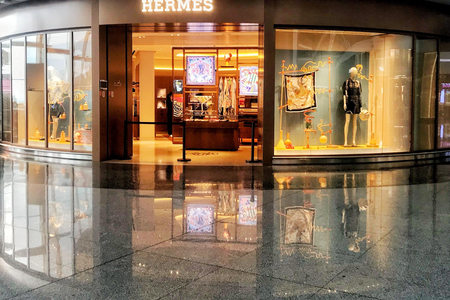
蓝鲸记者走访了上海市中心多家LV门店,昔日常见的排队围栏与等候客流,如今已难觅踪迹。

晚高峰时间段,蓝鲸记者在门外驻足观察许久,数分钟内无一人进入。店内同样冷冷清清,导购们静静站立等待,无客可接待。这番门可罗雀的景象,与以往动辄排队十五到二十分钟才能进店的盛况,形成了强烈反差。

更为讽刺的是,在另一LV门店对面,周大福快闪店正红火营业。记者注意到,两家店隔空相望,人流对比却十分鲜明,LV门口冷清,周大福店内客流不断,这一画面在社交网络被戏称为“贴脸开大”。

在LV门店内,蓝鲸记者以顾客身份询问导购,近期的起诉风波对客流是否有影响,导购迟疑片刻后坦言:“客流多少会有一些影响,不过也不排除别的原因。”

谈及门口“贴脸开大”的周大福快闪店,导购解释说:“周大福肯定不是因为这件事才来的,很早之前就定下来了。只是这个时间点有很多事情同时发生在一起。”导购称:“这些事情官方都在处理,不过大部分顾客还是会坚定选择LV的。”

二手市场价格跳水

曾经一包难求如今五折出售

蓝鲸记者注意到,LV多款热门包袋在转售市场正经历一轮明显降价。

以近年来一包难求的爆款Carryall小号手袋为例,官方售价23000元,得物APP上全新款已跌至19000元,较原价跌去约4000元。

而在二手奢侈品交易平台“只二”,9.5成新的同款更是下探至12000元附近,较公价近乎腰斩。

这还仅是曾经炙手可热的大爆款,其他款式跌幅更为惨烈。被网友戏称为“时代眼泪”的Onthego小号手袋,公价26900元,“只二”上9成新售价16249元,相当于打了六折。

曾被视为通勤标配的Neverfull小号手袋,公价14400元,同平台8.5成新已跌至4219元,仅为原价的三成。

蓝鲸记者从多家二奢店了解到,近期LV行情几乎是一路下探。

有商家坦言:“现在LV风评太差了,最近跑来出包的顾客太多了,根本收不过来。”对方补充道:“Carryall这种大爆款去年还抢不到,现在一直在跳水。热门款都跌成这样,冷门款早跌穿地板了。”

另有商家感慨,曾经公价四万多的Petite Malle“小硬盒”,如今二手八千多就能拿下;曾经公价三万多的Dauphine“达芙妮”,现在六千出头便可入手。

比二手售价更冷的是回收价。有消费者告诉蓝鲸记者,自己一只仅背过两次、几乎全新的Carryall,二奢店只开出一万元的回收报价,直接砍去了公价的一半还多。

有二奢从业者表示,LV二手行情走低,不止有诉讼风波带来的口碑下滑因素,也有别的原因。现在不少二奢店正在借“LV风评差”的名义趁势压价,先把价格打下来,赌风波过后行情回暖再涨价出手,中间赚取丰厚差价。这一操作本身也折射出二奢圈对LV品牌价值并未丧失长期信心。

去年业绩下滑门店收缩

LV巨轮进入减速航行期

强硬维权的姿态背后,藏着LV的业绩压力。

据LVMH集团2025年全年财报,集团总营收808.07亿欧元,同比下滑约5%,净利润下滑13%。

分区域看,包含中国所在的亚洲市场(除日本)贡献了其中26%的营收,较上一年进一步萎缩。分业务来看,LV所属的核心板块皮具与时装部门全年收入377.7亿欧元,下降8%,财报提到,中国本土市场恢复缓慢。

2026年第一季,LV集团营收同比增长1%,但具体到部门,时装与皮具部门仍同比下降2%。对LV集团来说。曾经旗下最赚钱的引擎,正在变得乏力,股价也从年初开始一路走低。

与此同时,线下的收缩也在进行。2025年至今,LV先后关闭上海前滩太古里LV路易威登巧克力店、LV北京首都机场店、LV昆明金格百货时光店、LV成都天府国际机场店四家门店,零售网络持续瘦身。

LVMH集团董事长兼首席执行官Bernard Arnault在2025年年报发布后表示,集团面临艰难的经营环境,并称2026年不会太轻松。Bernard Arnault向投资者直言,“LVMH将在今年(2026年)限制开支。”

从业绩来看,LV集团这艘全球奢侈品行业的巨轮,显然已经进入减速航行时期。而其核心市场此刻又笼罩在这场自伤口碑的诉讼风波之下。即便坐拥百年历史,LV要稳住航向,恐怕也非易事。

注:文/陆鹏鹏,文章来源:蓝鲸新闻(公众号ID:lanjingcj),本文为作者独立观点,不代表亿邦动力立场。

文章来源:蓝鲸新闻

广告
微信
朋友圈

FAQ回顾

LV起诉茉莉奶白事件后产生了哪些负面影响?

LV起诉茉莉奶白商标侵权判决出炉后,多个官方社交账号持续掉粉,上海核心商圈门店客流冷清,以往排队进店的盛况不再,多款热门包袋二手价大幅下跌,爆款Carryall小号9.5成新售价较公价近乎腰斩,Neverfull小号8.5成新售价仅为原价的三成。

LVMH集团2025年的业绩表现如何?

LVMH集团2025年总营收808.07亿欧元,同比下滑约5%,净利润下滑13%;包含中国在内的亚洲(除日本)市场贡献26%营收,较上一年萎缩;核心的皮具与时装部门全年收入377.7亿欧元,同比下降8%,2026年第一季度该部门收入仍同比下降2%。

LV二手包价格下跌除了口碑问题还有其他原因吗?

LV二手包价格下跌除了诉讼风波带来的口碑下滑因素外,还有部分二奢店借“LV风评差”的名义趁势压价,计划等风波过后行情回暖再涨价出手赚取差价,目前二奢圈对LV品牌价值并未丧失长期信心。

企业使用公共文化资源注册商标有什么法律规定?

企业可将公共文化资源进行创造性改造转化为注册商标,属于合法权利,但不得对公共文化资源先占独享。我国《商标法》明确规定,注册商标中含有本商品通用名称、图形等要素以及地名的,专用权人无权禁止他人正当使用。

这么好看,分享一下?

朋友圈 分享

APP内打开

赞 +1
+1
微信好友 朋友圈 新浪微博 QQ空间
关闭
收藏成功
发送
/140 0