广告
加载中

不赚钱也要扎堆加拿大?中国车企的北美布局究竟意欲何为?

言奇 2026-07-15 13:20
言奇 2026/07/15 13:20

邦小白快读

EN
全文速览

当前中国已经成为全球第一大汽车出口国,头部中国车企在加拿大放开进口配额后,扎堆入局这个短期不赚钱的市场,核心是为未来进军美国高端市场做长线布局,具体干货信息如下:

1. 加拿大汽车的消费偏好、监管标准、准入规则、售后体系都和美国几乎一致,是中国车企进军美国的低成本练兵场,在这里完成产品适配和本地化运营后,未来入美可以直接衔接,试错成本很低。

2. 目前美国通过高额关税、政策限制大幅抬高中国车企直接入美的门槛,中国车企不敢贸然投入,因此选择先卡位加拿大,静待美国市场的政策窗口期。

3. 当前多家头部车企已经启动落地动作,比亚迪在做合规认证,奇瑞对接经销商完成极寒测试,计划今年四季度开售,整个布局是中国车企从产品出海到品牌出海的关键一步。

中国车企扎堆布局加拿大的战略,对出海汽车品牌的北美布局有诸多参考价值,核心干货如下:

1. 消费趋势与战略方向:北美高端市场是中国汽车品牌实现品牌出海的核心跳板,美国作为全球最大的高端汽车消费市场,是中国车企全球化进阶的核心目标,布局北美是品牌升级的必经之路。

2. 渠道建设可参考的路径:可以提前绑定加拿大头部经销商集团,这类经销商大多同时布局美加两地渠道,未来美国政策松动后可以快速复制渠道体系,抢占市场先机。

3. 产品端准备:需要提前完成合规认证、本地化适配,比如针对加拿大极寒环境做路况测试,验证车辆稳定性,提前积累本地化运营经验,为后续入美打基础。

对于出海布局北美的汽车卖家来说,当前行业的政策、机会与风险总结如下:

1. 政策层面:加拿大因为和美国贸易分歧加深,想要降低对美经济依赖,因此适度放开了中国汽车的进口配额,给中国车企带来了布局北美的战略窗口期,政策利好明显。

2. 机会层面:借助加拿大和美国市场规则同源的优势,卖家可以低成本完成产品适配、合规打磨、渠道搭建的练兵,比直接入美试错成本低很多,还能提前卡位优质渠道资源,静待入美机会。

3. 风险提示:加拿大本土市场容量小,年销量仅190万辆,进口配额有限,多家车企瓜分后单品牌空间很小,加上本身盈利性差,还要面对特斯拉等老牌玩家的竞争,短期很难盈利,必须做好长线布局的准备。

对于国内汽车生产工厂来说,本次中国车企扎堆布局加拿大带来的启示和机会总结如下:

1. 产品生产设计需求:出海北美市场需要提前做本地化适配,不仅要符合北美的严苛监管准入标准,还要针对区域使用场景调整产品,比如需要测试极寒环境下的车辆稳定性,核算高寒地区的质保成本,这些需求要在生产设计环节提前落实。

2. 商业机会:当前中国汽车出口已经登顶全球,正向着北美高端市场突破,加拿大放开进口配额后,头部车企的布局带来了稳定的小批量订单需求,工厂可以借此积累高端市场的生产经验,为未来美国市场开放做准备。

3. 战略启示:布局海外高端市场不能只追求短期盈利,要提前卡位做好长线布局,依托前置准备积累经验,等待市场窗口打开,这种稳扎稳打的模式适合中国制造业出海高端市场。

面向汽车出海的相关服务商,本次行业变化带来的干货总结如下:

1. 行业发展趋势:中国汽车出海已经从早期布局中低端新兴市场,转向进攻北美高端成熟市场,越来越多头部车企启动长线布局,对出海配套服务的需求大幅增长,市场空间广阔。

2. 客户核心痛点:中国车企想要进军美国市场,面临极高的贸易壁垒和准入门槛,直接入美试错成本太高,需要低成本的前置练兵路径,同时车企缺乏北美本地化运营的经验,在合规认证、渠道对接、市场测试等环节都需要专业支持。

3. 解决方案方向:服务商可以围绕中国车企布局加拿大的需求,针对性开发合规咨询、经销商对接、本地化测试、市场调研等服务,匹配车企长线布局的需求,抢占新的市场份额。

对于汽车流通、出海服务相关的平台商来说,本次行业动向的干货总结如下:

1. 商家核心需求:当前中国头部车企布局加拿大,核心需求是完成合规认证、本地化适配、渠道试水,积累北美市场运营经验,为未来进军美国市场做准备,亟需对接加拿大本地的优质渠道、合规、测试等资源,自身很难独立完成全部布局。

2. 平台可落地的最新做法:平台可以针对性推出北美出海招商服务,整合加拿大本地的经销商、服务机构资源,对接给中国车企,满足车企前置布局的需求,还可以提前布局美国市场相关的资源储备,等待未来政策窗口打开。

3. 风向规避:要注意美加贸易政策的不确定性,需要提前给客户提示风险,明确布局的长线属性,不要过度营销短期收益,同时密切关注美国贸易政策的变动,及时调整平台业务方向。

对于汽车产业、全球化领域的研究者来说,本次事件反映的产业新动向干货总结如下:

1. 产业新动向:中国汽车产业已经完成跨越式升级,出口规模登顶全球,当前正向着全球最高端的北美市场发起突围,改变了过去中国车企只布局中低端新兴市场的格局,标志着中国汽车全球化进入新的阶段。

2. 新问题:中国汽车产业崛起后,引发了传统汽车强国的戒备,美国通过贸易政策、技术限制层层抬高准入门槛,中国车企全球化进阶面临新的壁垒,需要探索全新的突围路径。

3. 商业模式与战略启示:本次中国车企采用“加拿大前置卡位、长线练兵”的模式,以小投入低试错成本积累经验,静待市场窗口期,为中国高端制造业突破贸易壁垒、出海全球高端市场提供了全新的样本,具有很高的研究价值。

返回默认
声明:快读内容全程由AI生成,请注意甄别信息。如您发现问题,请发送邮件至 run@ebrun.com 。

我是 品牌商 卖家 工厂 服务商 平台商 研究者 帮我再读一遍。

Quick Summary

China has recently become the world's largest vehicle exporter. After Canada lifted its import quota restrictions, leading Chinese automakers have rushed to enter this market, which is not profitable in the short term. Their core goal is to make long-term preparations for entering the high-end U.S. market. Key takeaways are as follows:

1. Canada's consumer preferences, regulatory standards, access rules and after-sales system are almost identical to those of the U.S., making it a low-cost testing ground for Chinese automakers targeting the U.S. market. After completing product adaptation and localized operations in Canada, automakers can seamlessly transition into the U.S. market with very low trial-and-error costs.

2. At present, high tariffs and policy restrictions have significantly raised the barrier for Chinese automakers to enter the U.S. market directly, so automakers are reluctant to make large upfront investments. Instead, they have chosen to secure a position in Canada first, waiting for a policy opening in the U.S. market.

3. Multiple leading Chinese automakers have already initiated on-ground expansion: BYD is currently completing regulatory compliance certification, while Chery is coordinating with dealers and finishing extreme cold weather testing, with plans to launch sales in Q4 this year. This entire expansion effort represents a critical step for Chinese automakers shifting from product exports to brand global expansion.

The strategy of Chinese automakers collectively entering Canada offers many key insights for automotive brands planning North American expansion. Key takeaways are as follows:

1. Consumer trends and strategic direction: The North American high-end market is a core springboard for Chinese automotive brands to achieve global brand expansion. As the world's largest high-end automotive consumer market, the U.S. is the core target for Chinese automakers seeking to advance their global footprint, and expanding into North America is a necessary step for brand upgrading.

2. Reference for channel development: Brands can proactively partner with leading Canadian dealer groups, most of which already operate networks across both Canada and the U.S. This allows brands to quickly replicate their channel system once U.S. policy loosens, gaining first-mover advantage in the market.

3. Product preparation: Brands need to complete regulatory certification and localization adaptation in advance, such as conducting road tests for Canada's extreme cold climate to verify vehicle stability, and accumulate localized operation experience early to lay the groundwork for a future U.S. entry.

For automotive sellers targeting expansion into North America, here is a summary of current industry policies, opportunities and risks:

1. Policy landscape: As Canada deepens trade disputes with the U.S. and seeks to reduce its economic dependence on its southern neighbor, it has moderately relaxed import quotas for Chinese vehicles, creating a strategic window of opportunity for Chinese automakers to expand into North America with clear policy tailwinds.

2. Opportunities: Leveraging the alignment of market rules between Canada and the U.S., sellers can complete product adaptation, compliance refinement and channel development at low cost, with far lower trial-and-error costs than entering the U.S. directly. Sellers can also lock in high-quality channel resources ahead of time, waiting for the opportunity to enter the U.S. market.

3. Risk warnings: Canada's domestic market is small in size, with annual new vehicle sales of only 1.9 million units and limited import quotas. After multiple automakers enter the market, the space for individual brands is very limited. Combined with low inherent profitability and competition from established players such as Tesla, it is difficult to turn a profit in the short term, so sellers must prepare for a long-term layout.

For domestic Chinese automotive manufacturing plants, here is a summary of insights and opportunities brought by leading Chinese automakers' collective expansion into Canada:

1. Product design and production requirements: Expansion into the North American market requires localization adaptation in advance. Products must not only meet North America's strict regulatory access standards, but also be adjusted for regional use scenarios: for example, manufacturers need to test vehicle stability in extreme cold environments and calculate warranty costs for high-cold regions, and integrate these requirements into production and design processes in advance.

2. Business opportunities: China's vehicle exports have already claimed the top global spot, and the industry is now pushing to break into the high-end North American market. After Canada relaxed its import quotas, the layout of leading automakers has created stable small-batch order demand. Factories can use this opportunity to accumulate production experience for high-end markets, preparing for the eventual opening of the U.S. market.

3. Strategic insights: Expanding into overseas high-end markets cannot focus solely on short-term profitability. Instead, companies need to secure a position early and make long-term preparations, accumulating experience through upfront preparation to wait for market opportunities to open up. This steady, step-by-step approach is well-suited for Chinese manufacturing expanding into global high-end markets.

For service providers supporting automotive global expansion, here is a summary of key takeaways from this industry shift:

1. Industry development trends: Chinese automotive expansion has evolved from early布局 in low- and middle-income emerging markets to targeting the mature high-end North American market. A growing number of leading automakers have launched long-term layout plans, driving substantial growth in demand for supporting expansion services and creating broad market space.

2. Core pain points of clients: Chinese automakers targeting entry into the U.S. market face extremely high trade barriers and access thresholds, and direct entry brings prohibitive trial-and-error costs. They need low-cost paths for upfront testing, and lack experience in North American localized operations, requiring professional support for compliance certification, dealer coordination, market testing and other links.

3. Solution direction: Service providers can develop targeted services aligned with Chinese automakers' needs for expanding into Canada, including compliance consulting, dealer connection, localization testing and market research. By matching the long-term layout needs of automakers, providers can capture new market share.

For platform operators active in automotive distribution and global expansion services, here is a summary of key insights from this industry trend:

1. Core merchant needs: The core goal of leading Chinese automakers expanding into Canada is to complete compliance certification, localization adaptation and channel testing, accumulate North American operation experience, and prepare for a future entry into the U.S. market. Automakers urgently need access to high-quality local Canadian resources for channels, compliance and testing, as they cannot complete the entire layout independently.

2. Actionable initiatives for platforms: Platforms can launch targeted North American expansion investment services, integrating local Canadian dealer and service provider resources to connect with Chinese automakers and meet their upfront layout needs. Platforms can also begin building resource reserves for the U.S. market in advance, in preparation for a future policy opening.

3. Risk mitigation: Platforms should note the uncertainty of U.S.-Canada trade policy, proactively communicate risks to clients, clarify the long-term nature of this expansion strategy, and avoid over-marketing short-term returns. Platforms should also closely monitor changes in U.S. trade policy and adjust business direction in a timely manner.

For researchers focused on the automotive industry and globalization, this incident reflects new industry trends with the following key takeaways:

1. New industry trends: China's automotive industry has achieved leapfrog upgrading, with export volumes topping the world. It is now pushing to break into the world's most advanced North American market, changing the past pattern where Chinese automakers only focused on low- and middle-income emerging markets. This shift marks that the globalization of Chinese automotive has entered a new stage.

2. Emerging challenges: As China's automotive industry rises, it has triggered caution from traditional automotive powerhouses. The U.S. has raised access barriers layer upon layer through trade policies and technology restrictions, creating new barriers for Chinese automakers advancing their globalization and requiring them to explore entirely new breakthrough paths.

3. Strategic and business model insights: The "pre-positioning in Canada for long-term testing" model adopted by Chinese automakers accumulates experience with small upfront investment and low trial-and-error costs, while waiting for a market window. This provides a new sample for Chinese high-end manufacturing to break through trade barriers and expand into global high-end markets, with high research value.

Disclaimer: The "Quick Summary" content is entirely generated by AI. Please exercise discretion when interpreting the information. For issues or corrections, please email run@ebrun.com .

I am a Brand Seller Factory Service Provider Marketplace Seller Researcher Read it again.

在中国汽车出口登顶全球、全球化步伐持续提速的当下,北美市场始终是中国车企进阶高端赛道的核心壁垒。

受严苛的贸易政策与技术禁令限制,中国车企长期难以直接入局美国这一全球顶级汽车消费市场。

而近期加拿大放开对华汽车进口配额,让这片体量有限、盈利薄弱的市场,瞬间成为比亚迪、奇瑞、长安、吉利等一众头部车企争相布局的热土。

看似反常的逆势扎堆布局,背后并非简单的海外拓市,而是一场瞄准美国市场、稳扎稳打的长线战略布局,勾勒出中国车企突围北美的全新棋局。

市场体量有限、短期盈利薄弱,车企为何逆势重金布局?

2026年1月,加拿大总理马克·卡尼(Mark Carney)官宣有限放开中国电动汽车进口政策,为长期相对封闭的北美核心市场撕开一道口子。

政策落地仅两周,中国头部汽车出口企业奇瑞便火速奔赴加拿大,与当地经销商启动首轮商务洽谈。紧随其后,比亚迪、吉利、长安汽车等一众中国车企密集入局,开启门店选址、合规认证、渠道搭建、路况实测等系列落地动作。

这场看似扎堆布局小众增量市场的行业热潮,并非简单的海外规模扩张,而是中国车企瞄准美国市场、精心布局的低成本前置练兵战略。

从短期商业维度来看,加拿大并非优质盈利市场,车企入局的现实收益十分有限。根据加方贸易规则,加拿大每年仅允许4.9万辆中国产汽车以6.1%低关税入境,五年内进口配额上限仅提升至7万辆。狭小的市场容量需要多家中国车企共同瓜分,单品牌销量空间被大幅压缩。

吉利旗下豪华跑车品牌莲花跑车的首席执行官冯擎峰在采访中坦言,今年计划在加拿大落地六家门店,但初期仅规划数百台销量。长安汽车设计总监Klaus Zyciora也透露,该公司已组建专项团队,筹备登陆加拿大市场。

加拿大本土市场体量狭小、汇率劣势突出,被业内评价为“全球车企盈利性最差的市场之一”。即便如此,头部车企依旧逆势加码,核心驱动力绝非短期营收,而是无可替代的长期战略价值。

在北美市场体系中,加拿大是中国车企进军美国极具价值的优质试验场,拥有无可比拟的市场适配属性。不同于主打低价车型、消费层级与美国差异显著的墨西哥市场,加拿大的汽车消费偏好、行业监管标准、准入规则、售后体系几乎与美国完全同源,是北美最贴合美国市场的复刻样板。

咨询机构AlixPartners全球汽车业务联席负责人Dan Hearsch直言,车企在加拿大完成产品适配、合规打磨与本地化运营后,未来进军美国市场便可实现高效衔接,试错成本极低。

JD Power加拿大公司汽车行业解决方案负责人Robert Kerwal也曾明确表示:“加拿大就是车企进军美国的练兵场。”两地市场唯一核心差距集中在体量层面,加拿大近年新车年销量约190万辆,而美国市场年销量超1,600万辆,坐拥全球顶级高端汽车消费大盘,是中国车企全球化进阶的核心增量市场。

进军美国市场,已成为多数出海型中国主流车企的重要长期目标。奇瑞国际总裁张贵兵公开坦言,出海美国是中国车企的普遍发展方向。

近年来,中国汽车产业完成跨越式升级,依托产业扶持与持续技术创新,新能源、混动车型销量持续爆发,大幅改写了全球汽车贸易格局。

曾经主导全球汽车贸易格局的德、日、韩、美等传统汽车强国,在整车出口规模上已被中国超越,中国顺势登顶全球第一大汽车出口国。

伴随中国汽车产业强势崛起,美国本土车企在华市场份额持续下滑,海外行业对中国车企的全球化扩张愈发戒备。

目前,美国通过高额进口关税、联网车载软硬件相关限制,大幅抬高了中国车企直接入美的准入门槛。

不仅如此,美国国会议员正积极推动立法,试图从制度层面固化对华汽车贸易限制,压缩未来政策松动空间。

即便特朗普曾表态,中国车企若赴美建厂可适度放开准入,但严苛的本土化门槛、多变的贸易政策、复杂的舆论环境,让中资车企不敢贸然投入。

Dan Hearsch分析道,随着大量中国汽车涌入加拿大,有意选购中国车型的美国消费者大概率会想方设法跨境购车、运回该国使用,“一定会有一批消费者抢先购入这类车型”。

与此同时,美国汽车行业组织汽车创新联盟持续施压,将中加汽车贸易合作定义为中国品牌进入美国的“潜在后门”,声称中国车型入美将带来经济与国家安全双重风险,坚决抵制中国车企整车进口与赴美建厂,进一步抬高对华市场准入壁垒。针对相关争议,美国白宫方面暂未公开置评。

深耕加拿大前置卡位,中国车企静待美国市场窗口期

美国的强硬封锁,叠加加拿大外交政策的转向,造就了此次难得的战略窗口期。

长期以来,美国持续对加拿大采取强硬贸易举措、公开舆论施压,双边分歧不断加深。

为降低对美国的经济依赖,加拿大逐步脱离美国贸易阵营,独立调整对华贸易政策,适度放开中国汽车进口配额。同时,加拿大依旧依托毗邻美国的区位优势、无缝衔接的市场规则,作为吸引全球贸易伙伴的核心筹码,这也为中国车企前置布局提供了绝佳土壤。

加拿大汽车残值评估机构加拿大黑皮书(Canadian Black Book)的战略市场洞察总监Daniel Ross表示,加拿大目前仅谨慎放开小批量中国汽车进口;若无法最终进入美国市场,即便加拿大完全放开进口,对中国车企吸引力也会大幅下降。

同时,Daniel Ross直言,若单纯着眼于短期收益,脱离美国市场单独布局加拿大,并不具备可观的商业价值。有限的进口配额不仅要在众多中国车企之间分配,还要与特斯拉、沃尔沃汽车等深耕北美的品牌同台竞争。

特斯拉在加拿大开售的中国产Model 3,售价约为美版同车型的一半,凭借高性价比抢占当地大量新能源市场份额,进一步挤压中国车企的生存空间。不难看出,车企布局加拿大的核心价值,更多是为未来落地美国市场积累经验、提前蓄力。

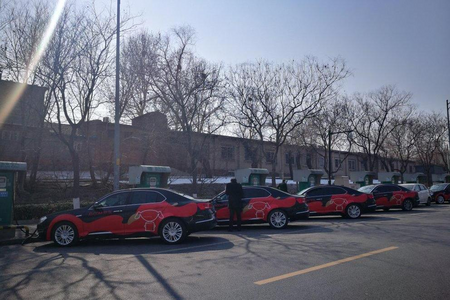
当前,各大车企的加拿大练兵布局已进入实质落地阶段。作为全球新能源销量冠军,比亚迪已向加拿大交通部提交备案,启动两款乘用车的进口合规认证,车型分别产自深圳与西安生产基地。

合作咨询公司DSMA首席执行官Farid Ahmad透露,比亚迪计划今年在加拿大落地六家经销门店。

而比亚迪执行副总裁李柯(Stelli Li)近期在伦敦活动上接受路透社采访时称,该品牌仍在敲定加拿大上市车型,预计明年正式开售。同时,李柯公开否认“练兵论”,称比亚迪已具备直接登陆美国的成熟能力,无需提前试错。

然而,尽管如此,行业仍普遍认为,此番系统化的渠道搭建、合规适配、市场试水,本质是为突破美国壁垒积累实战经验。

早在2022年,比亚迪便委托底特律咨询机构规划美国分销网络。2025年,比亚迪全球整车销量达460万辆,其中海外销量占比为23%。当前该公司已定下海外销量占比提升至50%的全球化目标,而行业专家认为,该目标的实现难以离开美国市场的支撑。

相较于比亚迪的谨慎表态,奇瑞的前置布局更加务实直白。

今年4月下旬,奇瑞携合资伙伴捷豹路虎于芜湖举办新车品鉴活动,特邀约20位加拿大汽车经销商到访赴芜湖总部实地考察、洽谈海外合作。活动现场,一众经销商近距离观摩全新首发车型神行者8(Freelander 8)SUV。在此之前,奇瑞已组织这批海外经销商参观北京车展,全方位展示完整产品矩阵与核心技术实力,获得海外渠道客商高度认可。

加拿大大型经销商集团Performance Auto Group的首席执行官Steve Alizadeh明确表示,奇瑞产品在加拿大具备清晰的市场机遇。与此同时,奇瑞针对性开展加拿大极寒路况实测,验证低温环境下车辆稳定性,核算高寒地区质保成本,全方位适配北美用车场景,计划今年第四季度正式开启加拿大销售。

值得关注的是,加拿大头部经销商集团大多深耕美国市场,同时布局美加两地渠道网络。中国车企提前绑定加拿大优质渠道资源,不仅能快速落地本地业务,更能在未来美国市场政策松动时,依托同源渠道体系快速复制落地,抢占市场先机。

结语

从行业全局来看,中国车企扎堆布局加拿大,是典型的长线产业博弈。短期来看,车企以小批量出口、低额度投入完成北美市场的合规认证、路况适配、渠道搭建与品牌试水,以较低代价积累成熟市场运营经验;长期来看,此番布局是为突破美国贸易壁垒、扎根全球高端市场筑牢根基。

北美高端市场是中国汽车品牌从“产品出海”迈向“品牌出海”的关键跳板。尽管美国市场准入仍需漫长等待,但中国车企向来擅长长线布局、稳步破局。在严苛的海外贸易环境下,加拿大已然成为中国车企突围北美的战略支点,一场低调的海外练兵,正在为中国汽车全球化的终极突破积蓄力量。

注:文/言奇,文章来源:盖世汽车(公众号ID:gasgooweb),本文为作者独立观点,不代表亿邦动力立场。

文章来源:盖世汽车

广告
微信
朋友圈

FAQ回顾

中国车企为什么要扎堆布局加拿大市场?

加拿大汽车消费偏好、行业监管标准、准入规则、售后体系几乎与美国完全同源,是中国车企进军美国市场的优质试验场。车企布局加拿大可通过低投入完成合规认证、路况适配、渠道搭建与品牌试水,提前积累北美成熟市场运营经验。

加拿大放开的中国汽车进口配额规则是什么?

2026年1月加拿大官宣有限放开中国电动汽车进口政策,当前每年仅允许4.9万辆中国产汽车以6.1%的低关税入境,未来五年内进口配额上限将提升至7万辆,配额需由多家入局的中国车企共同瓜分。

中国车企布局加拿大有哪些长期战略价值?

加拿大毗邻美国、市场规则与美国无缝衔接,中国车企提前布局可完成产品适配、合规打磨与本地化运营练兵,还能绑定同时深耕美加两地的优质经销商资源,待未来美国市场政策松动时可依托同源渠道快速落地抢占先机。

这么好看,分享一下?

朋友圈 分享

APP内打开

赞 +1
+1
微信好友 朋友圈 新浪微博 QQ空间
关闭
收藏成功
发送
/140 0