广告
加载中

完了 手机都变“方”了

雷科技AI硬件组 2026-07-13 10:43
雷科技AI硬件组 2026/07/13 10:43

邦小白快读

EN
全文速览

这篇文章核心分享了当前消费电子圈方形CMOS加速普及的行业动向,以及方形CMOS给普通用户带来的实际体验提升,核心干货如下

1. 当前方形CMOS已经在iPhone17系列前摄、大疆全系列新品影像设备、雷鸟V4 AI拍摄眼镜落地应用,华为、OPPO、荣耀最快下半年就会推出搭载方形CMOS的新品,小米、vivo也在产品评估阶段,普及速度正在加快。

2. 日常使用体验提升明显:无需旋转手机就能切换横竖构图,微信视频通话不用特意横放手机,视线更自然;多人自拍视角更广,系统可自动调整,不会出现边缘人脸变形。

3. 核心画质优势:同样尺寸的镜头和传感器,方形CMOS比传统矩形传感器多捕捉约20%的光子,暗光场景下噪点更少,画面更干净,同画质要求下产品可以做得更小巧。

本文梳理了方形CMOS普及背后的消费趋势与用户痛点,能够给品牌商的产品研发、方向调整提供参考,核心干货如下

1. 行业消费趋势变化:当前短视频普及,用户拍摄习惯从传统默认横屏变成横竖屏都常用,加上AI眼镜等新形态影像设备快速兴起,用户对小体积、大感光、多场景构图自由的需求越来越强烈,方形CMOS刚好匹配这一需求变化。

2. 产品研发启示:用户对前置影像等模块的核心痛点不是画质不够,而是构图体验别扭,盲目堆像素、加补光灯无法解决问题,从传感器形状这类基础硬件层面优化,就能带来用户可感知的明显体验升级,投入产出比更高。

3. 目前行业已经完成初步市场验证,苹果先行验证了用户认可度,头部国产厂商集体跟进,方形CMOS将成为接下来多类影像产品的核心升级方向,提前布局可抢占市场先机。

方形CMOS的普及给消费电子卖家带来了新的增量机会,核心干货总结如下

1. 当前行业动向清晰:方形CMOS已经从手机前置拓展到运动相机、全景相机、AI眼镜等多个影像品类,苹果已经完成了市场教育,证明体验升级的用户认可度,华为、OPPO等头部品牌下半年就会推出相关新品,行业即将迎来一波产品升级潮。

2. 市场机会明确:方形CMOS解决了用户自拍、微信视频、vlog拍摄等高频日常场景的长期痛点,体验提升用户感知非常明显,相关新品更容易获得用户关注和认可,会带来新的增长空间。

3. 实操提示:卖家需要提前跟进头部品牌的新品推广节奏,提前布局相关品类的备货与内容推广,抓住用户对影像体验升级的关注度,抢占新品类的增量市场,同时要注意如实宣传体验升级点,避免夸大营销。

方形CMOS的普及给上游硬件生产工厂带来了新的市场机会与研发方向,核心干货如下

1. 产品生产与设计需求已经发生变化:当前终端市场对传感器的需求不再是单纯堆高像素,而是要提升感光面积利用率、适配多场景构图需求,方形CMOS更接近镜头圆形像场,比传统矩形传感器利用率高20%左右,完美匹配终端需求。

2. 市场商业机会充足:方形CMOS的需求不止来自手机,还覆盖运动相机、全景相机、AI眼镜、行车记录仪、智能家居摄像头等多个新兴影像品类,尤其是AI眼镜这类新形态穿戴设备,受体积限制对小体积大感光的需求强烈,方形CMOS属于刚需产品,下游需求增量大。

3. 产业启示:硬件创新不一定需要打造颠覆性黑科技,解决用户高频场景的小痛点,从基础设计层面优化就能获得市场认可,工厂可围绕方形CMOS的需求调整生产线布局,抓住产业升级红利。

方形CMOS带动的影像硬件升级浪潮,给影像行业服务商带来了新的业务机会,核心干货如下

1. 行业发展趋势清晰:方形CMOS并非全新技术,但在短视频普及、新形态影像设备爆发、AI计算摄影发展三大趋势推动下,正在快速向各类消费级影像产品渗透,接下来普及速度会进一步加快,整个行业面临一轮硬件升级需求,市场空间大。

2. 当前下游客户核心痛点明确:传统矩形传感器无法适应当下用户横竖屏都常用的拍摄习惯,拍摄不同比例内容需要裁切,浪费像素损失画质,小体积设备很难做到足够大的感光面积,堆像素等传统方法无法解决这些痛点。

3. 业务方向总结:服务商可以围绕方形CMOS的供应链优化、生产调试、AI算法适配开发对应的服务,帮助下游终端品牌更快推出成熟产品,抓住方形CMOS带来的产业升级机会,更大的原始底片也能给AI计算摄影提供更多发挥空间,相关配套服务需求旺盛。

方形CMOS引发的影像硬件升级浪潮,给各类消费电子平台带来了新的增长机会,核心干货总结如下

1. 当前市场需求明确:方形CMOS解决了用户拍摄场景的长期高频痛点,体验提升用户感知强,苹果已经完成市场教育,接下来一年内多家头部品牌都会推出相关新品,市场关注度会持续走高,会带动整个影像品类的增长。

2. 平台可操作方向:招商层面可以提前引入搭载方形CMOS的手机、AI眼镜、运动相机等新品商家,提前布局热门新品赛道,抢占流量先机;运营层面可以围绕方形CMOS的体验提升做内容种草,帮助用户快速了解新品价值,匹配用户认知需求。

3. 风险规避提示:平台需要引导商家规范宣传,不要过度夸大方形CMOS的技术属性,要围绕实际体验提升做推广,避免夸大营销引发用户负面评价,维护品类的良性发展节奏,把握产业升级带来的增量。

本文梳理了方形CMOS加速普及的产业逻辑与发展动向,给产业研究者提供了清晰的研究方向,核心干货如下

1. 产业新动向明确:方形CMOS原本多用于专业影像设备,如今正在快速向消费级多品类渗透,目前已经覆盖手机前置、运动相机、全景相机、AI拍摄眼镜等产品,苹果推出相关产品后行业普及速度明显加快,国产头部品牌都在跟进布局,接下来会向更多影像品类拓展。

2. 产业升级背后的逻辑清晰:这次升级本质是底层硬件优化适配需求变化,短视频普及改变了用户拍摄习惯,新形态影像设备对体积和感光面积有更高要求,AI计算摄影需要更多原始信息,三大因素共同推动了方形CMOS的普及,属于需求拉动的底层硬件升级。

3. 研究启示:消费电子产业的创新不一定依赖颠覆性的全新技术,从基础硬件形态调整入手,解决用户未被满足的高频痛点,同样可以带来大的产业升级机会,这种需求导向的底层创新非常值得深入研究。

返回默认

声明:快读内容全程由AI生成,请注意甄别信息。如您发现问题,请发送邮件至 run@ebrun.com 。

我是 品牌商 卖家 工厂 服务商 平台商 研究者 帮我再读一遍。

Quick Summary

This article highlights the accelerating adoption of square CMOS image sensors in the consumer electronics industry, and breaks down the tangible experience improvements this technology brings to everyday users:

1. Square CMOS sensors are already implemented in the front camera of the iPhone 17 series, all new DJI imaging devices, and the Thunderbird V4 AI camera glasses. Huawei, OPPO, and Honor are on track to launch new products equipped with square CMOS as early as the second half of this year, while Xiaomi and vivo are currently evaluating the technology for their upcoming products, marking a rapidly accelerating adoption pace.

2. It delivers noticeable improvements in daily use: users can switch between landscape and portrait composition without rotating their phones, and no longer need to tilt their phones horizontally for WeChat video calls for more natural eye contact. It also provides a wider field of view for group selfies, with automatic framing that eliminates facial distortion at the edges of the frame.

3. It offers core image quality advantages: for lenses and sensors of the same physical size, square CMOS captures roughly 20% more photons than traditional rectangular sensors, resulting in less noise and cleaner output in low-light environments. It also enables slimmer, more compact product designs for equivalent image quality targets.

This article breaks down the consumer trends and unmet user needs driving the adoption of square CMOS, offering actionable insights for brand product development and strategic adjustment:

1. Shifting consumer demand: The widespread popularity of short-form video has transformed user shooting habits, from traditional default landscape shooting to equally frequent use of both landscape and portrait formats. Combined with the rapid rise of new form factors like AI-powered camera glasses, users are increasingly demanding small form factors, larger light-gathering area, and flexible composition across use cases — needs that square CMOS is perfectly positioned to meet.

2. Insights for product R&D: The core pain point for users for front-facing imaging modules is not insufficient image quality, but awkward composition experience. Blindly increasing pixel counts or adding fill lights cannot solve this problem; optimizing from the fundamental hardware level, such as adjusting sensor shape, delivers clearly perceivable experience upgrades with a higher return on investment.

3. The technology has already passed initial market validation: Apple was the first to confirm user acceptance, and top Chinese brands are collectively following suit. Square CMOS will become a core upgrade direction for multiple categories of imaging products in the near future, and early布局 allows brands to seize first-mover advantage.

The growing adoption of square CMOS opens up new incremental growth opportunities for consumer electronics sellers, with key takeaways as follows:

1. Clear industry momentum: Square CMOS has expanded from smartphone front cameras to multiple imaging categories including action cameras, panoramic cameras, and AI glasses. Apple has already completed consumer education, confirming user acceptance of the experience upgrade. Top brands including Huawei and OPPO will launch related products in the second half of this year, and the industry is poised for an upcoming wave of product upgrades.

2. Clear market opportunity: Square CMOS solves long-standing pain points in high-frequency daily scenarios including selfies, WeChat video calls, and vlog shooting, and the experience improvement is immediately noticeable to users. Related new products are more likely to attract user attention and recognition, unlocking new room for growth.

3. Practical guidance: Sellers should align their planning with the new product launch schedules of top brands, stock up on relevant categories and prepare promotional content in advance, leverage growing user attention to imaging experience upgrades to capture incremental market share in the new category. At the same time, sellers should promote experience improvements truthfully and avoid overstated marketing claims.

The growing adoption of square CMOS brings new market opportunities and R&D directions for upstream hardware manufacturing factories, with key insights as follows:

1. Shifts in product design and production demand: The terminal market no longer just demands higher pixel counts from image sensors; instead, it prioritizes higher active area utilization and adaptation for multi-scenario composition. Square CMOS aligns far better with the circular image field of camera lenses, delivering roughly 20% higher utilization than traditional rectangular sensors, perfectly matching current terminal market demands.

2. Sizable commercial market opportunities: Demand for square CMOS is not limited to smartphones — it spans multiple fast-growing imaging categories including action cameras, panoramic cameras, AI glasses, dashcams, and smart home security cameras. New form factors like AI glasses in particular have strong demand for small size and large light-gathering area due to space constraints, making square CMOS a must-have component with significant downstream incremental demand.

3. Industry insights: Hardware innovation does not always require developing disruptive, brand-new technologies. Solving small, high-frequency user pain points through optimization at the fundamental design level can still earn market recognition. Factories can adjust production line layouts to meet demand for square CMOS and capture the dividends of this industry upgrade.

The wave of imaging hardware upgrades driven by square CMOS creates new business opportunities for imaging industry service providers, with key takeaways as follows:

1. Clear industry growth trajectory: Square CMOS is not an entirely new technology, but it is rapidly penetrating across consumer imaging products driven by three major trends: the popularity of short-form video, the boom in new form-factor imaging devices, and the development of AI computational photography. Adoption will accelerate further in the coming period, bringing widespread hardware upgrade demand across the industry and sizable market opportunities.

2. Clear core pain points for downstream clients: Traditional rectangular sensors cannot adapt to current users' habit of frequent switching between landscape and portrait shooting. Shooting content of different aspect ratios requires cropping, which wastes pixels and degrades image quality, while small devices struggle to fit a sufficiently large light-sensitive area. Traditional fixes such as increasing pixel counts cannot solve these core problems.

3. Recommended business directions: Service providers can develop targeted offerings around square CMOS, including supply chain optimization, production calibration, and AI algorithm adaptation, to help downstream terminal brands launch mature products faster and capitalize on the industry upgrade opportunity. Larger raw sensor output also creates more room for AI computational photography, leading to strong demand for related supporting services.

The wave of imaging hardware upgrades driven by square CMOS brings new growth opportunities for all types of consumer electronics platforms, with key takeaways as follows:

1. Clear current market demand: Square CMOS solves long-standing high-frequency pain points in user shooting scenarios, delivers clearly perceivable experience improvements, and Apple has already completed market education. Multiple top brands will launch related new products within the next year, sustaining high market attention and driving growth across the entire imaging category.

2. Actionable steps for platforms: On the recruitment side, platforms can on board merchants selling square CMOS-equipped new products including smartphones, AI glasses, and action cameras in advance to stake a claim in the hot new category and capture first-mover traffic advantage. On the operations side, platforms can run content marketing campaigns highlighting the experience improvements of square CMOS to help users quickly understand the value of new products and match user认知 needs.

3. Risk mitigation guidance: Platforms should guide merchants to conduct standardized promotion, avoid overstating the technical capabilities of square CMOS, and focus promotional messaging on tangible experience improvements. This prevents negative user reviews from exaggerated marketing, supports healthy development of the category, and allows platforms to fully capture the incremental growth from this industry upgrade.

This article organizes the industrial logic and development trends of the accelerating adoption of square CMOS, offering clear research directions for industry researchers, with key takeaways as follows:

1. Clear new industry trends: Square CMOS was originally used primarily in professional imaging equipment, but it is now rapidly penetrating into multiple consumer product categories, covering smartphone front cameras, action cameras, panoramic cameras, AI camera glasses and more. After Apple launched its square CMOS-equipped product, industry adoption accelerated significantly, with top Chinese brands all following suit and preparing to expand the technology to more imaging categories.

2. Clear logic behind the industry upgrade: This upgrade is fundamentally an adjustment of underlying hardware to match changing demand. Three core forces are driving the adoption of square CMOS: short-form video’s popularity reshaping user shooting habits, higher requirements for size and light-sensitive area for new form-factor imaging devices, and the need for more raw image data for AI computational photography. This is a demand-driven underlying hardware upgrade.

3. Research insights: Innovation in the consumer electronics industry does not necessarily depend on disruptive brand-new technologies. Adjusting the form factor of basic hardware to solve unmet high-frequency user pain points can also create large industry upgrade opportunities. This demand-driven model of underlying innovation is well worth in-depth research.

Disclaimer: The "Quick Summary" content is entirely generated by AI. Please exercise discretion when interpreting the information. For issues or corrections, please email run@ebrun.com .

I am a Brand Seller Factory Service Provider Marketplace Seller Researcher Read it again.

不知不觉,方形CMOS越来越成为消费电子产品的默认选择。前段时间,不仅是雷鸟V4作为AI拍摄眼镜引入了方形CMOS,更多爆料也显示华为、OPPO以及荣耀引入方形CMOS已经箭在弦上,最快下半年就能看到,其他厂商vivo、小米也在产品评估阶段。

方形CMOS的普及速度明显在加速,尤其是在iPhone 17系列和iPhone Air前摄引入之后,一年不到,大家都在跟上。

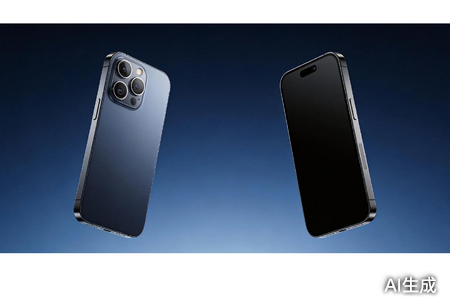
过去聊手机影像,大家更关心主摄多大、长焦多远、算法多猛。前置摄像头长期处在一个不尴不尬的位置:能自拍、能视频通话就行,很少有人真正在意它用的是4:3、16:9,还是1:1。但苹果在iPhone 17上,直接把前摄换成方形传感器。

更有意思的是,这个变化并没有停在手机上。除了更早一些的大疆Osmo 360全景相机,去年底大疆Osmo Action 6也用上同款方形CMOS,再加上雷鸟V4,一个看起来只是「形状变了」的东西,开始同时出现在手机、运动相机和AI眼镜上。

所以方形CMOS到底解决了什么?

从iPhone 17前摄说起:

「方了」有什么好处?

雷科技去年体验iPhone 17 Pro Max的时候就有提到,iPhone 17全系的前摄方形CMOS带来了体感上明显的升级。不是因为它把像素从1200万拉到1800万,真正影响使用方式的,是那颗方形传感器。

从外面看几乎没变化——还是那个灵动岛,还是那个位置。但一用起来,区别马上就出来了。

过去用前摄拍横屏内容,手机就得横过来。这个动作不难,但很别扭,尤其放到Pro Max这种大屏手机上,单手横握自拍并不舒服。视频通话也是一样,竖着拿手机,对面经常看到的是一条窄画面;横过来拿,眼神又容易偏到一边。

iPhone 17的方形CMOS把这个问题解决了。

原理说穿了很简单:用一颗更大的方形传感器采一张「更大的方形底片」,由系统在这张底片上实时裁出你需要的画幅。竖着拿手机,你可以拍竖屏照片。点一下切换,同样的传感器、同样的像素,直接出横屏画面。

不用转手机,不用牺牲画质,这也是方形CMOS带来最重要的变化之一。

微信视频通话,对方看到的永远是横屏画面,你不用特意把手机横过来放桌上,也不用举着胳膊找角度。以前横屏视频,你看屏幕、摄像头在侧面,对方总觉得你没在看他。现在竖着拿,摄像头在正上方,视线差小了很多。

多人合影的时候更明显。以前三个人自拍,得把胳膊伸得老远,还得担心边缘人脸变形。现在方形传感器视角更广,系统还能自动识别人数,人多了拉广角,人少了收一点,保证每个人都在画面里,而且脸不变形。

说句公道话,这些功能单独拎出来,每一个都不算「黑科技」。但凑在一起,前置摄像头的使用体验直接上了一个台阶。

这很苹果。你看灵动岛,别人都在想怎么把挖孔藏起来、怎么把刘海做小,苹果直接把它变成了一个交互区域。不是掩盖硬件限制,而是把硬件限制转化成软件体验的载体。

方形前摄也是一个路子。前置摄像头的物理位置就摆在那里,占的面积就那么大。在这个限制下,怎么让体验更好?苹果的答案不是堆像素,也不是加补光灯,而是从传感器形状这个最基础的地方改起。因为他们发现,用户用前摄最大的痛点,不是画质不够好,而是构图太别扭。

这些问题,堆像素解决不了。

所以国产厂商跟进,一点都不奇怪。这不是什么「抄苹果作业」,关键是体验确实有提升,而且提升的地方是所有人都能感受到的——微信视频通话、自拍、vlog拍摄,这些都是高频场景。方向对了,跟进就是情理之中。

不止手机,方形CMOS

在影像设备上大有妙用

说到这里,可能有人会疑问,不就是横竖构图方便点吗?值得这么大张旗鼓?如果只是横竖切换方便,那确实是个「小升级」。但方形CMOS的真正价值,比这要深得多。

这得从基础的光学原理说起。

你有没有想过一个问题:为什么镜头是圆的,拍出来的照片却是方的?

答案是:传感器CMOS是方的。镜头把光线投射成一个圆形的像场,传感器只截取中间长方形的那部分,转换成数字信号。但圆形的像场里,长方形传感器只能利用中间的区域,四个角以外的光信号都被浪费了。4:3或者16:9传感器,浪费的面积大概有20% 左右。

方形传感器就不一样了。同样的圆形像场,正方形比长方形更接近圆形,能利用的面积更大。算下来,同样的镜头、同样的传感器尺寸,方形CMOS能多捕捉约20% 的光子。

20% 是什么概念?在暗光场景下,这意味着噪点更少、画面更干净。在同样的画质要求下,这意味着传感器可以做得更小,或者同样大小的传感器,画质可以更好。

从设计上提升了传感器的实际利用效率,这才是方形CMOS的根本优势,也是为什么运动相机和全景相机早就用上了方形传感器。

大疆去年7 月发的Osmo 360全景相机、11月发的Osmo Action 6运动相机,用的就是1 英寸的方形CMOS。官方说传感器利用率比传统1 英寸产品高25%——因为全景相机的像场本来就是圆的,用矩形传感器太浪费了,做成方形,刚好把有效面积用满。

运动相机的使用场景更复杂,有时候横拍,有时候竖拍,有时候还要斜着拍。方形传感器的好处就是,不管你怎么构图,都能从同一张底片上裁出来,而且画质损失很小。

与此同时,iPhone 17从供应链到市场教育带来的影响还在「溢出」。今年5 月底发布的V4 AI拍摄眼镜,行业首了1:1方形大底传感器,单像素感光面积比AI眼镜常见的IMX 681传感器提升了109%。

AI眼镜太需要方形CMOS了。因为AI眼镜是戴在脸上的,你不可能像手机一样随时旋转设备。但你拍的内容,有时候要发抖音(竖屏),有时候要发视频号(横屏),有时候只是自己记录(什么比例都行)。

传统的矩形传感器是固定横向安装的。你想拍竖屏视频,系统就得从横向画面里硬生生裁切出一条竖幅,大量传感器面积被浪费,画质损失严重。

方形传感器就没这个问题。原生覆盖4:3横屏和3:4竖屏的取景范围,横竖拍都是满画幅无损输出。而且AI眼镜的体积限制比手机严得多——眼镜腿就那么粗,传感器和镜头都不能太大。在有限的体积里,方形传感器能把感光面积用到极致,这一点太重要了。

短视频和AI双重浪潮,

硬件会继续「方」下去

方形CMOS不是什么新概念,但它最近一年越来越被看好,背后是有原因的。

首先当然是因为是短视频和内容创作的普及。以前大家拍视频,默认都是横屏,包括电影、电视、YouTube视频。但现在不一样了,抖音、小红书、视频号,主流内容很多都是竖屏。用户的拍摄习惯自然也变了。以前拿起手机先想「横过来拍清楚」,现在拿起手机直接竖屏就拍。

但硬件没跟上。传感器还是横的,镜头还是按横屏优化的,你拍竖屏,就得裁切,就得浪费像素。方形CMOS刚好解决了这个矛盾。横竖通吃,不用妥协。

不仅如此,以前只有手机和平板拍视频,现在运动相机、全景相机、AI眼镜、行车记录仪、智能家居摄像头……影像设备越来越多样。

这些设备的使用场景不一样,安装方式不一样,对画幅的要求也不一样。有的需要横屏,有的需要竖屏,有的需要360度全景。但它们有一个共同点:都希望在有限的体积里,获得尽可能大的有效感光面积。

方形CMOS在这一点上有天然优势。

另一个非常重要的原因是AI和计算摄影的发展。以前传感器拍出来什么,最终就是什么。现在不一样了,AI可以帮你构图、帮你追踪人物、帮你调整画面。

但AI再厉害,也得有足够的原始信息可以处理。而方形传感器提供了更大的「底片」,给了AI更多的发挥空间。

到底是,底层硬件逻辑的一次优化,刚好赶上了内容创作习惯变化、设备形态多样化,再加之AI计算摄影的愈演愈烈,只会让方形CMOS继续「溢出」。

注:文/雷科技AI硬件组,文章来源:雷科技(公众号ID:leitech),本文为作者独立观点,不代表亿邦动力立场。

文章来源:雷科技

广告
微信
朋友圈

FAQ回顾

方形CMOS相比传统矩形CMOS有哪些优势?

方形CMOS感光面积利用率更高,同镜头同尺寸下可比传统矩形CMOS多捕捉约20%光子,暗光场景下噪点更低、画面更干净;同时支持横竖拍无损裁切,无需旋转设备即可获得合适画幅,大幅提升自拍、视频通话等高频场景的使用体验。

哪些消费电子设备已搭载方形CMOS?

目前iPhone 17系列前摄已搭载方形CMOS,华为、OPPO、荣耀最快下半年将推出相关产品,vivo、小米也处于产品评估阶段,大疆Osmo系列运动相机、雷鸟V4 AI拍摄眼镜也已采用该传感器。

为什么AI眼镜适合使用方形CMOS?

AI眼镜佩戴在脸上无法像手机一样随时旋转设备,方形CMOS可原生覆盖横屏、竖屏取景范围,横竖拍均为满画幅无损输出;且能在眼镜有限的体积限制下最大化感光面积,提升拍摄画质。

方形CMOS近年加速普及的原因是什么?

一方面短视频内容创作普及催生大量竖屏拍摄需求,方形CMOS可解决传统矩形传感器横竖切换裁切浪费像素的痛点;另一方面AI计算摄影发展需要更多原始影像信息,方形CMOS更大的底片可为AI提供更多发挥空间。

这么好看,分享一下?

朋友圈 分享

APP内打开

赞 +1
+1
微信好友 朋友圈 新浪微博 QQ空间
关闭
收藏成功
发送
/140 0