广告
加载中

从折叠屏到智能眼镜 三星押注Galaxy AI终端矩阵

吕哲彤 2026-07-08 17:30
吕哲彤 2026/07/08 17:30

邦小白快读

EN
全文速览

本文核心内容是三星将于7月22日在伦敦举办发布会,系统布局Galaxy AI个人终端矩阵,核心干货信息如下

1.本次发布会的核心战略是抢在苹果入场折叠屏市场之前,巩固三星在折叠屏品类的影响力,不仅迭代现有Z Fold 8、Z Flip8系列,还推出全新比例的Fold Wide折叠屏新品,解决此前外屏偏窄、整机比例偏长的用户痛点,争夺折叠屏品类定义权。

2.三星AI终端矩阵采用互补布局逻辑:以折叠屏为核心主屏入口,智能手表、耳机占据随身入口,智能戒指负责长期低调的健康数据监测,智能眼镜补上第一视角入口,所有穿戴设备都是生态补位,不会取代手机的核心地位。

3.该布局是韩国AI产业政策落地的体现,三星将上游芯片AI能力转化为普通消费者可感知的终端产品体验。

本文披露了三星布局Galaxy AI终端矩阵的完整战略,对消费电子品牌的产品布局和竞争策略有诸多参考干货,具体如下

1.产品研发方向:采用主副互补的生态化布局思路,不追求单一新品取代现有核心入口,而是围绕用户不同场景补全交互入口,针对原有产品痛点持续优化,比如调整折叠屏屏幕比例,给智能穿戴做差异化定位,满足用户细分需求。

2.市场竞争策略:面对华为、苹果的双重竞争,抢先对手迭代产品,提前卡位争夺品类定义权,依托自身上游芯片全产业链优势,构建差异化的品牌竞争力,将产业端的AI能力落地为消费端可感知的体验。

3.风险提示:构建生态壁垒虽然可以阻挡竞争者,但也会限制跨系统潜在用户的获取,若新品设计过度侧重生态协同忽略单品体验,难以吸引新用户进入品牌生态。

本文披露了AI终端行业的最新发展动向,给消费电子卖家梳理了明确的机会、风险与参考信息,具体如下

1.市场与需求变化:折叠屏市场持续增长,苹果将于2026下半年正式入场,原有市场格局将重构,头部品牌卡位竞争加剧;智能穿戴细分赛道增长明显,2025年全球智能眼镜出货量同比增长44.2%,2026年智能戒指出货量预计达490万枚,属于增量市场。用户越来越重视低打扰的长期健康监测、第一视角交互等细分需求,多品类协同的生态产品粘性更高。

2.机会提示:可以围绕折叠屏升级、智能穿戴细分品类布局,针对三星生态用户配套相关配件产品,抓住生态增长红利。

3.风险提示:目前智能眼镜、智能戒指等细分品类还未出现杀手级应用,市场规模仍较小,生态绑定模式会限制跨系统用户转化,赛道头部品牌卡位竞争激烈,新进入者需要找准细分定位规避风险。

三星布局Galaxy AI终端矩阵的最新动向,给消费电子生产工厂带来了明确的需求变化、商业机会和发展启示,具体如下

1.产品生产与设计需求变化:当前AI终端走向多形态矩阵化发展,不再追求单一爆款,折叠屏开始调整机身比例,向更接近平板的比例优化,解决原有产品的外形痛点;智能穿戴往细分功能方向发展,智能戒指主打轻便低打扰的健康监测,智能眼镜主打第一视角交互,对工厂的精密多形态生产能力提出了新要求。

2.商业机会:韩国正推动800万亿韩元的芯片集群建设,三星大批量落地AI终端新品,会带动上游零部件、成品组装的订单需求,智能穿戴新品类的逐步放量也给工厂带来新的增量订单机会。

3.发展启示:工厂可提前跟随头部品牌的布局方向,布局多形态智能终端的生产能力,跟进AI加品类生态的发展趋势,推进自身数字化生产改造,适配多品种小批量的新品生产需求。

本文梳理了三星布局AI终端矩阵的行业动向,给AI终端相关服务商提供了行业趋势、客户痛点和业务机会相关干货,具体如下

1.行业发展趋势:当前消费级AI正在从云端芯片落地到个人消费终端,整个终端产业走向多形态生态矩阵布局,不再押注单一新品类取代手机,而是围绕用户全场景补全不同交互入口,折叠屏、智能戒指、智能眼镜等多品类共同发展,多设备联动成为核心需求。

2.客户核心痛点:头部品牌目前既要构建生态壁垒留住老用户,又要解决生态绑定限制新用户增长的矛盾,同时细分品类比如智能眼镜还缺乏杀手级应用,折叠屏需要应对巨头竞争争夺品类定义权。

3.业务机会:服务商可以围绕多设备互联交互开发配套技术和解决方案,针对跨系统兼容性问题提供适配方案,也可以围绕细分穿戴品类的功能场景开发配套应用服务,满足头部品牌生态建设的需求。

三星布局Galaxy AI终端矩阵的动向,给智能硬件平台商的招商、运营和风险规避提供了不少参考,具体如下

1.品牌端的需求变化:多形态AI终端产品需要平台支持多品类协同的生态联动,比如智能眼镜需要和手表、戒指实现手势控制、功能联动,要求平台适配跨设备的系统服务对接,给平台的技术服务能力提出了新要求。

2.平台运营与招商方向:当前头部品牌已经开始卡位AI多终端生态,抢先布局折叠屏、智能穿戴新品类,争夺赛道定义权,平台可以针对性开展招商,引入相关品牌商家,抓住AI多终端的增长红利。

3.风险规避要点:目前智能戒指、智能眼镜等细分品类还处于发展初期,市场规模不大,尚未出现杀手级应用,生态绑定带来的兼容性问题会影响用户体验,平台运营中要引导商家精准定位用户群体,避免过度炒作小众品类,同时可推出跨系统适配相关服务,帮助商家触达更广泛用户。

本文披露了AI消费终端产业和韩国AI产业的最新动向,对产业研究有多方面的参考价值,具体如下

1.产业新动向:全球头部消费电子企业已经开启AI驱动的多形态个人终端矩阵布局,创新逻辑从寻找下一代单一核心入口转向构建互补式生态入口,三星依托自身半导体上游全产业链优势,将上游AI芯片能力落地到消费级终端,形成区别于初创企业、单一芯片企业的差异化优势。

2.新问题与新模式:三星推出生态补位式的新品布局模式,新品作为生态增量而非独立核心入口,降低了新品的商业化压力,但也存在生态壁垒限制用户增长的新问题,这种模式和单一押注新品类的模式形成对比,值得深入研究。

3.政策启示:韩国推出覆盖半导体、物理AI、数据中心的AI三轴战略,联动头部企业投资建设芯片集群,推动上游AI能力落地消费终端,这种上游带动下游的产业发展路径,为全球AI产业发展提供了新的样本,同时巨头竞争从出货量转向品类定义权的新竞争逻辑,也值得研究关注。

返回默认
声明:快读内容全程由AI生成,请注意甄别信息。如您发现问题,请发送邮件至 run@ebrun.com 。

我是 品牌商 卖家 工厂 服务商 平台商 研究者 帮我再读一遍。

Quick Summary

This article centers on Samsung's upcoming launch event scheduled for July 22 in London, where the company will roll out its full Galaxy AI-powered personal device ecosystem. Key takeaways are as follows:

1. The core strategy of this event is to consolidate Samsung's influence in the foldable phone market before Apple enters the space. Alongside updates to its existing Z Fold 8 and Z Flip 8 series, Samsung will launch a new Fold Wide model with a revised aspect ratio to address common user complaints about narrow external displays and overly elongated bodies, as it fights to define the future of the foldable category.

2. Samsung's AI device portfolio follows a complementary layout logic: foldables serve as the core primary screen hub, smartwatches and earbuds cover on-the-go access, the smart ring focuses on discreet, long-term health monitoring, and smart glasses add a first-person interaction entry point. All wearables function as ecosystem complements and will not replace the central role of smartphones.

3. This portfolio is a tangible outcome of South Korea's national AI industrial policy, through which Samsung translates upstream AI chip capabilities into tangible user experiences accessible to mainstream consumers.

This article details Samsung's full strategy for building out its Galaxy AI device ecosystem, offering valuable insights for product planning and competitive strategy for consumer electronics brands. Key points are as follows:

1. Product R&D direction: Samsung adopts a complementary ecosystem layout approach, instead of pursuing a single new product to replace existing core entry points, it fills gaps in interaction access across different user scenarios and continuously iterates to address pain points of existing products. Examples include adjusting the aspect ratio of foldable displays and assigning differentiated positioning to smart wearables to meet segmented user demands.

2. Market competitive strategy: Facing dual competition from Huawei and Apple, Samsung is iterating its products ahead of rivals to pre-empt positioning and claim category definition power. Leveraging its advantage across the full upstream chip supply chain, it builds differentiated brand competitiveness by translating industrial AI capabilities into tangible consumer-facing experiences.

3. Risk warning: While building ecosystem barriers can block competitors, it also limits acquisition of potential cross-system users. If new product design overemphasizes ecosystem synergy at the expense of standalone product experience, it will struggle to attract new users into the brand ecosystem.

This article outlines the latest developments in the AI device industry, clarifying opportunities, risks and reference insights for consumer electronics sellers. Key points are as follows:

1. Market and demand shifts: The foldable phone market continues to grow, and Apple's official entry into the space in the second half of 2026 will restructure the existing market landscape, intensifying position competition among leading brands. The smart wearables segment is seeing clear growth: global smart glasses shipments are projected to grow 44.2% year-over-year in 2025, and smart ring shipments are expected to reach 4.9 million units in 2026, making this an incremental market. Users increasingly value segmented needs such as low-intrusion long-term health monitoring and first-person interaction, and multi-category coordinated ecosystem products deliver higher user stickiness.

2. Opportunity alert: Sellers can布局 products around foldable upgrades and segmented smart wearable categories, and offer matching accessories for Samsung ecosystem users to capture growth dividends from the expanding ecosystem.

3. Risk warning: Segmented categories such as smart glasses and smart rings have yet to develop killer use cases, and their market size remains small. Ecosystem binding models limit cross-system user conversion, and competition for market position among leading brands in these tracks is fierce. New entrants must find a clear segmented positioning to mitigate risks.

Samsung's latest move to build out its Galaxy AI device portfolio signals clear demand shifts, business opportunities and development insights for consumer electronics manufacturing factories. Key points are as follows:

1. Shifts in product manufacturing and design requirements: AI-enabled devices are now developing toward a multi-form factor matrix strategy, instead of chasing a single hit product. Foldables are adjusting their body proportions to a more tablet-like aspect ratio to solve existing design pain points; smart wearables are evolving toward segmented functionality, with smart rings focusing on lightweight, low-intrusion health monitoring and smart glasses focusing on first-person interaction. These trends raise new requirements for factories' precision manufacturing capabilities for diverse form factors.

2. Business opportunities: South Korea is advancing an 800 trillion won chip cluster construction project, and Samsung's mass rollout of new AI devices will drive increased order demand for upstream components and finished product assembly. The gradual volume growth of new smart wearable categories also brings new incremental order opportunities for factories.

3. Development insights: Factories can align their capacity planning in advance with the layout direction of leading brands, build manufacturing capabilities for multi-form factor smart devices, follow the development trend of AI-powered category ecosystems, advance their own digital manufacturing transformation, and adapt to the demand for multi-SKU, low-batch new product production.

This article summarizes industry trends from Samsung's AI device ecosystem布局, providing valuable insights on industry trends, client pain points and business opportunities for AI device-related service providers. Key points are as follows:

1. Industry development trends: Consumer-facing AI is now moving from cloud chips to mass-market personal devices, and the entire terminal industry is shifting to a multi-form factor ecosystem matrix layout. Instead of betting on a single new category to replace smartphones, players are filling different interaction access points across full user scenarios, with foldables, smart rings, smart glasses and other categories developing in tandem, making multi-device connectivity a core demand.

2. Core client pain points: Leading brands now need to both build ecosystem barriers to retain existing users and resolve the contradiction that ecosystem binding limits new user growth. Meanwhile, segmented categories such as smart glasses still lack killer applications, and foldable players need to compete with tech giants to claim category definition power.

3. Business opportunities: Service providers can develop supporting technologies and solutions for multi-device interconnected interaction, offer adaptation solutions for cross-system compatibility issues, and develop supporting application services for functional scenarios of segmented wearable categories to meet the ecosystem construction needs of leading brands.

Samsung's move to build out its Galaxy AI device ecosystem offers plenty of reference for smart hardware platforms' merchant recruitment, operations and risk mitigation. Key points are as follows:

1. Shifts in brand-side demand: Multi-form factor AI terminal products require platforms to support multi-category coordinated ecosystem linkage. For example, smart glasses need to enable gesture control and functional linkage with watches and rings, which requires platforms to adapt to cross-device system service integration, raising new requirements for platforms' technical service capabilities.

2. Platform operation and merchant recruitment direction: Leading brands have already started positioning themselves in the AI multi-terminal ecosystem, pre-emptively布局 foldables and new smart wearable categories to claim track definition power. Platforms can carry out targeted merchant recruitment, bring in relevant brand sellers, and capture growth dividends from the AI multi-terminal trend.

3. Risk mitigation points: Segmented categories such as smart rings and smart glasses are still in an early development stage, with limited market size and no proven killer applications yet. Compatibility issues caused by ecosystem binding can hurt user experience. In operations, platforms should guide sellers to target accurate user groups, avoid overhyping niche categories, and launch cross-system adaptation services to help sellers reach a broader user base.

This article discloses the latest developments in the AI consumer terminal industry and South Korea's AI industry, offering multi-faceted reference value for industrial research. Key points are as follows:

1. New industry trends: Global leading consumer electronics companies have launched AI-driven布局 of multi-form factor personal terminal matrixes, and innovation logic has shifted from searching for the next single core entry point to building complementary ecosystem entry points. Leveraging its full vertical integration advantage in upstream semiconductors, Samsung translates upstream AI chip capabilities into consumer-facing terminals, building a differentiated advantage over startups and standalone chip companies.

2. New problems and new models: Samsung's new complementary ecosystem布局 model positions new products as incremental ecosystem additions rather than independent core entry points, which reduces commercialization pressure for new products, but also creates the new problem of ecosystem barriers limiting user growth. This model stands in contrast to the approach of betting entirely on a single new category, making it worthy of in-depth research.

3. Policy insights: South Korea has launched a "three-axis AI strategy" covering semiconductors, physical AI and data centers, coordinating leading enterprises to invest in chip cluster construction and push upstream AI capabilities downstream to consumer terminals. This upstream-driven downstream industrial development path provides a new sample for global AI industry development. Meanwhile, the new competitive logic where giant tech companies compete for category definition power rather than shipment volume also deserves research attention.

Disclaimer: The "Quick Summary" content is entirely generated by AI. Please exercise discretion when interpreting the information. For issues or corrections, please email run@ebrun.com .

I am a Brand Seller Factory Service Provider Marketplace Seller Researcher Read it again.

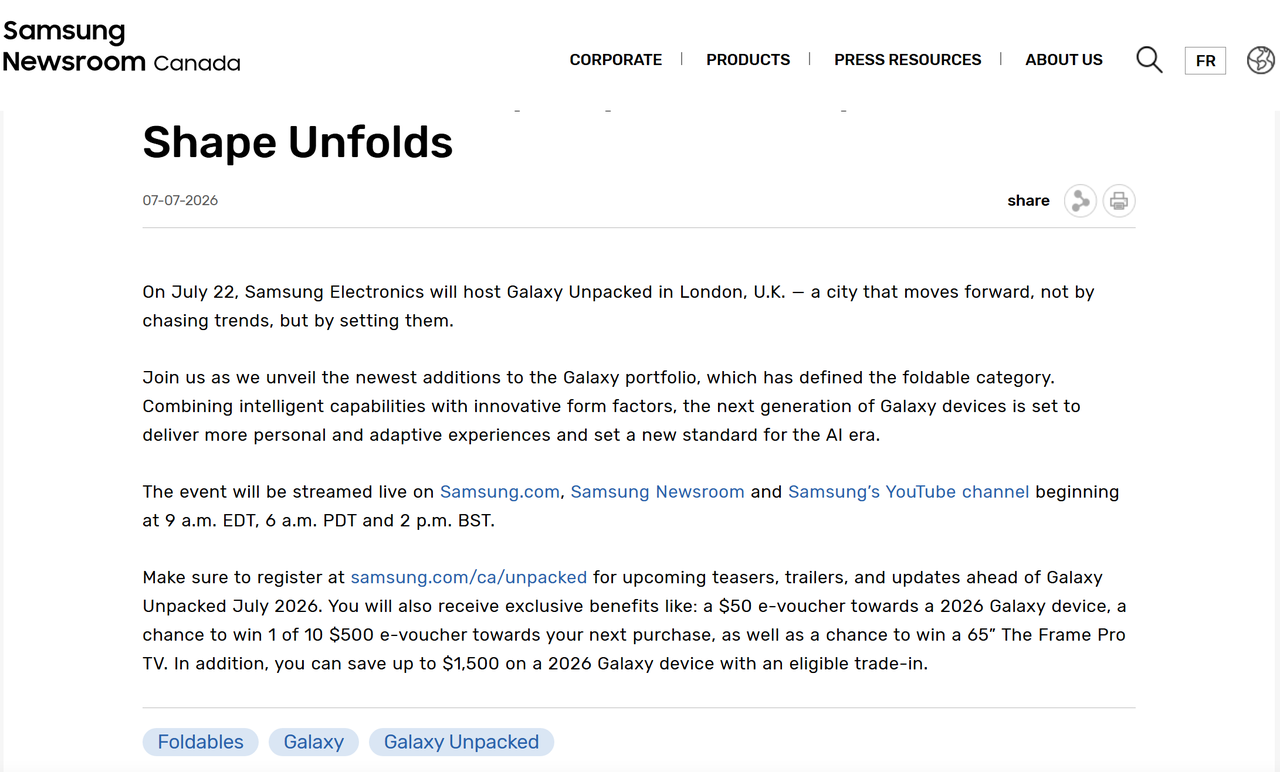
【亿邦原创】据三星官方新闻稿,7月22日,三星电子将在英国伦敦举办Galaxy Unpacked发布会,带来最新款Galaxy折叠屏手机。

三星Galaxy Unpacked发布会邀请函 来源:Samsung Newsroom官网

三星官方未在邀请函中公布具体产品清单。据多家外媒报道,本次三星发布会将推出一系列不同形态的新产品,包括折叠屏手机、智能手表以及无线耳机等。

在持续迭代已有品类的同时,三星也将进军智能眼镜领域。今年5月,三星与Google在Google I/O 2026期间展示了新一代智能眼镜。

综合来看,三星这次发布会比起常规新品发布,更像是系统布局个人AI终端矩阵的战略地图:折叠屏坚守主屏阵地,手表和耳机继续占据随身入口,智能戒指负责健康数据,智能眼镜则补上“第一视角”这块关键拼图。

01 抢在苹果入场前 三星试图重新定义折叠屏

对三星而言,折叠屏仍然是Galaxy矩阵中最重要的主屏入口。日前,苹果折叠屏iPhone预期升温,成为三星必须直面的挑战。7月8日,据财联社报道,多位苹果链企业人士称苹果折叠屏手机的产品方案已确定。

据TrendForce预测,苹果最早将于2026年下半年入局折叠屏手机市场,并可能在2026年拿下接近20%的市场份额,压缩三星既有的市场空间。

而在此之前,华为已经在折叠屏市场对三星构成竞争压力。特别是在中国市场,华为正在重新定义消费者对折叠屏形态、价格和使用场景的理解。IDC发布的2026年Q1中国折叠屏手机市场数据显示,折叠屏出货量单季突破280万台,华为以约60%的份额保持领先,荣耀以约21%的份额位居第二。

巨头之内的竞争不只是比出货量,更是争夺品类定义权。华为已是强有力的竞争对手,而苹果或将重塑高端折叠屏的市场预期,届时三星将陷入“腹背受敌”的境地。因此,三星此次新品发布,相当于抢在苹果入场前,巩固Galaxy系列在折叠屏品类的影响力。

据《首尔经济日报》报道,伦敦Galaxy Unpacked发布会上,三星预计推出Galaxy Z Fold 8、Galaxy Z Flip8、Galaxy Watch9系列等产品,并可能推出一款新机型,产品名暂定为“Fold Wide”。

报道称,“Fold Wide”相比既有Fold产品横向更宽、纵向更短,展开后的屏幕比例也更接近平板电脑。长期以来,Fold系列面临“外屏偏窄、整机比例偏长”的争议。从这一调整来看,三星有意持续优化产品外形和实用性。

过去几年,三星在高端手机市场的差异化主要来自两条线:一是Galaxy AI,二是折叠屏形态。

但当下众多手机厂商都在推出自有AI,在消费者感知层面,各家AI功能的差异未必足够直观。如果影像、芯片、AI助手的进一步优化,在用户视角下的体验提升已经不够显著,那么屏幕尺寸、机身比例的改变则更为直观,反而更可能重新定义交互形态。

三星抢在苹果之前迭代折叠屏,不只是为了卖新机,更像一句宣言:移动AI时代的硬件形态创新,三星仍然不打算把定义权让给苹果。

02 三星智能戒指、眼镜 不需要取代手机

当下众多智能穿戴设备正试图定义“下一代人机交互入口”,却没有哪一款真正撼动手机作为主屏的核心地位。但在三星Galaxy的整个产品矩阵中,智能穿戴与折叠屏本就是相互补位,不是彼此的竞品。

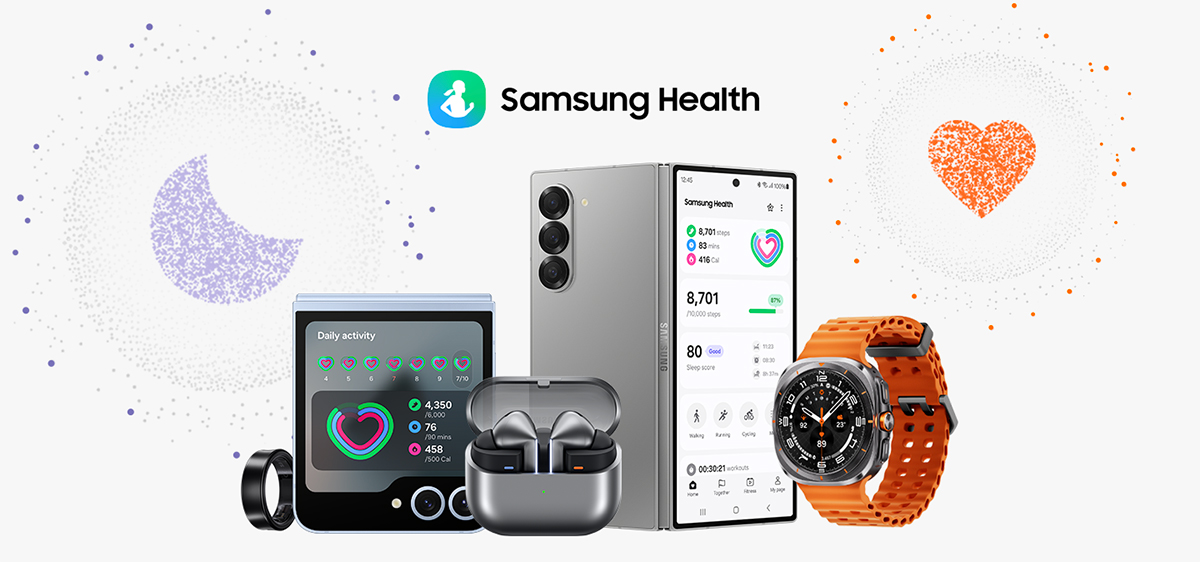
因此,纵观Galaxy全系列产品,折叠屏坚守主屏入口,手表、耳机、戒指和眼镜这一系列智能穿戴设备,则围绕人的身体“全副武装”:分散开来是Galaxy(银河系)的“满天星”,聚在一起则是单打独斗的硬件产品难以翻越的“生态墙”。

三星Galaxy系列产品 来源:三星官网

三星做智能穿戴由来已久。早在2018年,三星就已发布智能手表Galaxy Watch,占据手腕,承担健康监测、运动记录和即时反馈;随后又于2019年推出入耳式TWS无线耳机产品Galaxy Buds,占据耳朵,承担声音、通话和语音交互。

而在2024年7月,三星在巴黎Galaxy Unpacked上正式发布Galaxy Ring,主打低调、长期的健康数据监测。

从出货量来看,智能戒指还远远谈不上大众刚需。据IDC预测,2026年智能戒指出货量预计约为490万枚。相比动辄数亿规模的智能手表,智能戒指仍是小品类。

但智能戒指这个细分品类,代表的是硬件产品的另一种方向。在有屏、需要用户高频主动交互的手机、手表之外,戒指可以是一款低调、轻便、不打扰的健康监测设备,还可以充当时尚配饰。

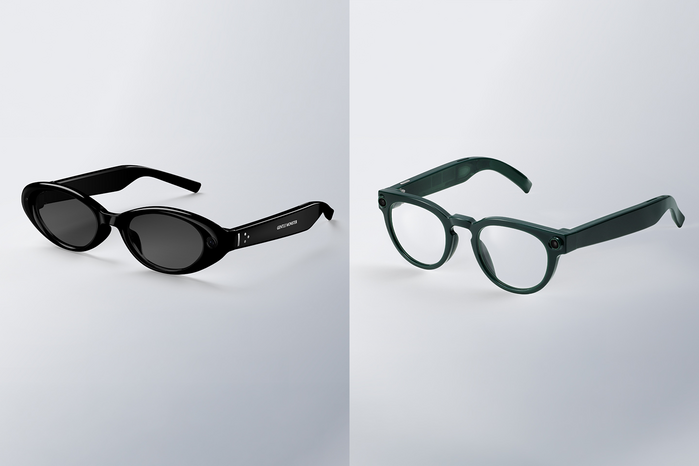
三星即将推出的智能眼镜,也可以放在这套逻辑下理解:它的意义未必在于单点突破,更可能是三星既有生态的补充。据三星介绍,这款智能眼镜由三星、Google与Gentle Monster、Warby Parker合作打造,可通过语音交互连接手机,覆盖导航、通知摘要、翻译、拍照等日常场景。

三星智能眼镜 来源:Samsung Newsroom官网

不仅如此,三星智能眼镜与Galaxy既有产品的联动,并不只局限于手机。据科技媒体SammyGuru报道,三星似乎正在开发一款专门的Galaxy Glasses Controller应用,计划预装在Galaxy Watch上。此外,有资料显示Galaxy Ring将通过接收器组件支持眼镜的手势控制,部分字符串指向该功能。

单从智能眼镜这个品类来看,拍照、翻译、导航、通知摘要,既不是三星独有的功能,也很难单独构成用户“非买不可”的理由。

IDC数据显示,2025年全球智能眼镜市场出货量为1477.3万台,同比增长44.2%。但在市场持续增长的前提下,众多厂商仍未找到“杀手级应用”;即使是居于领先地位的Meta眼镜,也在探索可持续的商业模式。

三星的处境不同于以智能眼镜为核心产品的厂商。对后者而言,智能眼镜需要持续“破圈”,证明自己是一个足够大的新品类。而三星智能眼镜不必和手机抢用户,也不需要独自承担“下一代计算平台”的全部想象,只需要补上Galaxy矩阵中此前缺失的位置,充当第一视角入口。

然而,这种模式也有局限。从整体布局来看,相互协同的产品矩阵有利于三星留住用户,但对于单品来讲,生态也可能成为门槛。

以Galaxy Ring为例,它主要通过Samsung Health和三星账号提供服务。不少Galaxy Ring的公开测评中提及,部分健康洞察和Galaxy AI相关功能更依赖Galaxy手机。而小米、iOS、鸿蒙系统用户则普遍反馈Galaxy Ring的兼容性不佳。

生态壁垒可以挡住竞争者,但也可能挡住潜在用户。如果产品设计更多考虑生态协同而非单独的产品体验,智能眼镜或许会成为Galaxy老用户的增量配件,但难以成为吸引新用户进入三星生态的入口。

03 从芯片到个人终端 韩国AI叙事需要消费级出口

6月初,英伟达CEO黄仁勋访韩,并称“为韩国带来了很多生意”。路透社报道称,这是黄仁勋七个月内第二次访韩,也显示出韩国对英伟达的重要性:韩国既主导AI存储芯片市场,也可能在物理AI领域占据一定优势。

随后,韩国AI产业政策密集落地。据路透社6月29日报道,韩国总统李在明公布了覆盖半导体物理AI、和数据中心的“三轴”战略,三星电子、SK集团和政府部门均参与其中。此外,三星和SK海力士还共同承诺进行大规模投资,其中包括在韩国西南部新建800万亿韩元芯片集群。

在这套叙事里,三星首先是韩国AI产业上游的核心企业。无论是存储芯片、HBM、AI数据中心,还是当下正热门的物理AI,三星都是韩国巩固半导体产业地位的重要支点。

但三星不会只讲芯片和算力故事。芯片和数据中心提供的是AI能力的基础,却很难直接回答:普通消费者如何在生活场景中使用AI?为什么要为了用AI功能换新设备?

对于一家同时拥有半导体、手机和消费电子业务的公司来说,AI最终必须落到个人终端上,才可能成为消费者能感知到的产品体验。

Galaxy产品矩阵,正是将宏大产业叙事“翻译”成消费升级故事的载体。从折叠屏到手表、耳机,再到智能戒指、智能眼镜,三星Galaxy系列产品并不一定每个都会成为爆款,也面临来自单一品类的竞争压力:在折叠屏赛道,苹果、华为不容小觑;在智能穿戴领域,手机大厂和初创企业都在入局。

但不可否认的是,这些产品共同构成了三星区别于智能硬件初创企业、消费电子厂商,甚至单一芯片公司的差异化优势。

总的来看,在韩国AI建设紧锣密鼓的当下,三星试图证明:当AI从云端和芯片走向个人终端,Galaxy仍然可以是用户身上最完整的一套硬件入口。


亿邦持续追踪报道该情报,如想了解更多与本文相关信息,请扫码关注作者微信。

文章来源:亿邦动力

广告
微信
朋友圈

FAQ回顾

三星Galaxy AI终端矩阵包含哪些产品品类?

三星Galaxy AI终端矩阵以折叠屏手机为核心主屏入口,配套智能手表、无线耳机、智能戒指、智能眼镜等多形态智能穿戴设备,各产品相互补位形成协同生态,覆盖健康监测、语音交互等多元场景。

2026年Q1中国折叠屏手机市场格局是怎样的?

2026年Q1中国折叠屏手机出货量单季突破280万台,华为以约60%的市场份额保持领先,荣耀以约21%的份额位居第二,头部品牌占据绝大多数市场份额,华为正在重新定义折叠屏的形态、价格和使用场景。

苹果预计什么时候入局折叠屏手机市场?

据TrendForce预测,苹果最早将于2026年下半年入局折叠屏手机市场,并可能在2026年拿下接近20%的市场份额,将压缩三星等现有折叠屏厂商的既有市场空间,重塑高端折叠屏的市场预期。

三星智能眼镜的核心定位是什么?

三星智能眼镜不需要取代手机,是Galaxy AI终端矩阵的补充组件,主要补全第一视角交互入口,支持导航、翻译、拍照等日常场景,可与其他Galaxy系列终端联动,完善生态协同体验。

这么好看,分享一下?

朋友圈 分享

APP内打开

+1
+1
微信好友 朋友圈 新浪微博 QQ空间
关闭
收藏成功
发送
/140 0