广告
加载中

AI时代 百度终于押对了?

伯虎团队 2026-07-09 11:01
伯虎团队 2026/07/09 11:01

邦小白快读

EN
全文速览

本文核心信息是百度旗下自研AI芯片公司昆仑芯即将上市,相关干货信息如下:

1. 核心数据:昆仑芯不到一年估值从210亿元飙升到目标估值3400亿元,估值已经超过控股母公司百度当前市值,目前已经向港交所提交上市申请,也完成了科创板辅导备案,IPO蓄势待发。

2. 行业背景:AI时代行业增长逻辑从流量叙事转为硬科技叙事,算力成本成为行业核心约束,自研芯片可以大幅降低成本,百度提前十多年布局,比国内同行早5年时间窗口。

3. 现状与挑战:目前昆仑芯AI加速卡出货量位列国产第三,已经拿下腾讯、国家电网等多个外部客户,2026年预计收入达83亿元,但仍面临独立性不足、技术迭代产能约束、软件生态不完善三大挑战。

本文对AI时代品牌布局硬科技、重构商业逻辑有诸多参考干货:

1. 行业趋势变化:AI时代互联网行业增长逻辑彻底重构,原有的流量规模叙事已经失效,现在规模越大算力成本越高,硬科技资产成为品牌新的估值锚点,隐于内部的技术资产可以独立市场化变现。

2. 可借鉴的经验:百度提前十多年预判算力的核心价值,早早布局自研芯片,抓住了国产AI芯片的发展窗口,后续将内部部门独立运营,既打开了市场化空间,也为母公司带来了新的估值逻辑,推动百度AI业务占比突破50%,成为核心驱动力。

3. 需要注意的风险:硬科技品牌市场化需要解决独立性、技术迭代、生态建设三大核心问题,只有获得产业端的认可,才能接住资本市场的高预期。

本文梳理了AI算力赛道的最新机会与风险,对AI领域相关卖家有诸多干货参考:

1. 赛道机会:AI时代大模型部署规模不断扩大,推理算力需求持续膨胀,国产替代进程加快,硬科技资产获得资本市场重估,赛道整体估值水平高,增长空间大,差异化定位的玩家可以快速突围。

2. 可借鉴的商业模式:昆仑芯IPO推出“投资配货”规则,要求投资人匹配认购额3-7倍的芯片采购订单,既获得了资金,也提前绑定了客户,帮助自身从百度内部部门转为独立第三方供应商,构建了双向互惠的产业同盟。

3. 风险提示:当前赛道热度高,但仍有多座需要跨越的障碍,包括客户对独立性的要求、先进制程产能不足、软件生态不完善等,只有产业端落地到位,才能兑现资本市场的预期,参与者需要避开只炒概念不落地的陷阱。

本文对芯片及相关制造工厂把握AI赛道机会、推进自身发展有诸多干货启示:

1. 产品生产需求:当前AI芯片市场对推理场景的低成本方案需求旺盛,昆仑芯靠专门针对大模型训推优化的XPU架构打开市场,随着大模型部署规模扩大,推理芯片的市场需求会持续增长,相关生产制造订单会持续增加。

2. 商业机会:国产替代大背景下,AI芯片企业纷纷将产能转回国内,昆仑芯已经在和中芯国际洽谈相关合作,给国内晶圆制造、芯片封测等相关工厂带来了大量稳定的订单机会,头部AI芯片企业的产能转移会带动整个产业链的增长。

3. 数字化转型启示:AI时代提前布局硬科技相关产能可以获得先发优势,工厂需要提前跟上AI芯片的技术迭代要求,提升先进制程的生产能力,才能抓住行业爆发的红利,匹配客户的产能需求。

本文梳理了AI芯片行业的最新发展情况,对科技相关服务商把握行业机会有诸多干货:

1. 行业发展趋势:AI芯片产业已经进入快速发展期,原来大厂内部的芯片部门纷纷独立市场化,国产替代进程加快,推理芯片需求持续增长,资本市场对国产AI芯片给出了很高的估值,整个行业处于爆发增长阶段。

2. 核心客户痛点:当前AI芯片企业的核心痛点包括三个方面:一是需要摆脱对母公司的依赖,获得市场尤其是政企客户的认可,证明自身独立第三方供应商的身份;二是需要稳定的本土先进制程产能,支撑技术迭代和订单增长;三是需要完善的开发者工具链和软件生态,提升客户粘性。

3. 市场机会:服务商可以针对以上痛点,为AI芯片企业提供客户对接、产能协调、生态搭建等相关服务,抓住AI芯片行业爆发带来的服务增量,拓展自身业务边界。

本文分析了AI硬科技企业对各类平台的需求,对平台布局AI赛道、做好运营管理有诸多干货参考:

1. 企业核心需求:当前从大厂分拆出来的AI硬科技企业,不仅需要对接资本获得IPO融资支持,还需要对接产业资源,获得稳定的产能和客户订单,完成从内部部门到独立市场主体的转型,对平台的综合性资源服务有很高需求。

2. 平台可落地的方向:针对AI芯片企业IPO阶段“资本+订单”的需求,平台可以对接有产业背景的投资者,匹配企业需求,帮助AI芯片企业快速完成产业布局,同时可以针对性开展AI芯片企业招商,丰富平台的AI赛道布局,抓住产业升级的红利。

3. 风险规避:平台需要关注AI芯片企业的潜在风险,包括独立性不足、产能跟不上迭代、软件生态不完善等问题,引导企业聚焦核心问题解决,避免估值泡沫,推动行业良性发展。

本文呈现了AI芯片行业的最新产业动向,对产业研究者研究AI产业有诸多干货素材:

1. 产业新动向:当前AI产业增长逻辑已经从原来的流量叙事转为硬科技叙事,大厂内部的核心技术部门独立分拆上市成为新趋势,国产AI芯片出货量快速增长,头部格局初步形成,华为昇腾、阿里平头哥、昆仑芯、寒武纪占据主要份额,全栈AI布局成为大厂的主流选择。

2. 值得研究的新问题:背靠大厂的分拆AI芯片企业如何解决独立性问题获得政企客户认可、先进制程产能受限背景下国产芯片如何推进技术迭代、后发企业如何构建完善的软件生态对抗头部成熟玩家,这些都是AI产业发展中出现的新问题,值得深入研究。

3. 值得研究的新商业模式:本次昆仑芯推出的“IPO配货”模式,百度提出的“芯片-模型-云服务”倒金字塔生态模式,以及大厂技术资产分拆市场化的模式,都是AI时代诞生的新商业模式,具有很高的研究价值。

返回默认
声明:快读内容全程由AI生成,请注意甄别信息。如您发现问题,请发送邮件至 run@ebrun.com 。

我是 品牌商 卖家 工厂 服务商 平台商 研究者 帮我再读一遍。

Quick Summary

This article covers the core news that Kunlunxin, the self-developed AI chip subsidiary of Baidu, is preparing for an imminent IPO. Key takeaways are as follows:

1. Core data: In less than a year, Kunlunxin's valuation has surged from RMB 21 billion to a target valuation of RMB 340 billion — already exceeding the current market capitalization of its controlling parent Baidu. The firm has submitted its IPO application to the Hong Kong Stock Exchange and completed counseling registration for the STAR Market, putting its offering on track.

2. Industry context: In the AI era, the industry's growth narrative has shifted from a focus on traffic to deep tech. Computing power costs have become the core constraint on the sector, and in-house chip development can substantially cut costs. Baidu began laying the groundwork for this business over a decade ago, giving it a five-year lead over domestic peers.

3. Current standing and challenges: Kunlunxin ranks third among domestic suppliers in AI accelerator card shipments, and has secured multiple external clients including Tencent and State Grid. Its projected revenue for 2026 stands at RMB 8.3 billion, but it still faces three major challenges: insufficient independence, constraints on technology iteration and production capacity, and an underdeveloped software ecosystem.

This article offers valuable insights for brands building deep tech capabilities and restructuring their business strategies in the AI era:

1. Shifting industry trends: The growth logic of the internet industry has been completely redefined in the AI age. The old narrative of traffic-driven scale no longer holds true, as larger operations now mean higher computing power costs. Deep tech assets have become the new valuation anchor for brands, and internal technical assets can now be monetized independently in the open market.

2. Actionable lessons: Baidu anticipated the core value of computing power more than a decade ago, invested early in in-house chip development, and captured the window for domestic AI chip growth. Spinning off its internal division into an independent operation opened up market space and created a new valuation narrative for the parent company, pushing AI to over 50% of Baidu's total revenue and making it the core driver of the business.

3. Key risks to address: To bring a deep tech brand to market, companies must resolve three core issues: independence, technological iteration, and ecosystem development. Only with the recognition of industrial clients can a brand live up to the high expectations set by capital markets.

This article outlines the latest opportunities and risks in the AI computing power track, with key insights for sellers operating in the AI space:

1. Track opportunities: As large model deployment expands in the AI era, demand for inference computing power continues to surge. The domestic substitution process is accelerating, deep tech assets are being revalued by capital markets, and the track enjoys high overall valuations and significant room for growth, allowing players with differentiated positioning to break out quickly.

2. A replicable business model: Ahead of its IPO, Kunlunxin introduced a "subscription allocation" rule, requiring investors to purchase 3 to 7 times the chip volume matching their subscription amount. This model not only raised capital but also locked in clients in advance, helping the firm transition from an internal Baidu division to an independent third-party supplier, and building a mutually beneficial industrial alliance.

3. Risk warnings: While the track is currently hot, players still face multiple major barriers, including client requirements for independence, insufficient advanced process production capacity, and an incomplete software ecosystem. Only solid industrial implementation can deliver on capital market expectations, and participants should avoid the trap of hype over tangible progress.

This article provides key insights for chip manufacturing and related factories to capture opportunities in the AI track and drive growth:

1. Product demand: The AI chip market currently sees strong demand for low-cost solutions for inference scenarios. Kunlunxin has carved out its market position with its XPU architecture, optimized specifically for large model training and inference. As large model deployment expands, market demand for inference chips will continue to grow, driving a steady increase in related manufacturing orders.

2. Commercial opportunities: Against the backdrop of domestic substitution, Chinese AI chip companies are increasingly shifting production capacity back onshore. Kunlunxin is already in discussions with Semiconductor Manufacturing International Corporation (SMIC) for collaboration, bringing large volumes of stable orders to domestic wafer manufacturing, chip packaging and testing factories. Capacity relocation from leading AI chip firms will drive growth across the entire supply chain.

3. Insights for digital transformation: Early layout of deep tech-related production capacity delivers first-mover advantage in the AI era. Factories need to keep up with the technical iteration requirements of AI chips and upgrade their advanced process manufacturing capabilities to capture the dividend of industry growth and meet clients' capacity demands.

This article outlines the latest developments in the AI chip industry, with key insights for technology service providers to capture industry opportunities:

1. Industry development trends: The AI chip industry has entered a period of rapid growth. Previously in-house chip divisions of large technology companies are spinning off to enter the open market one after another, domestic substitution is accelerating, demand for inference chips continues to grow, and capital markets have assigned very high valuations to domestic AI chip companies, putting the entire industry in a phase of explosive growth.

2. Core pain points for clients: AI chip companies currently face three core pain points. First, they need to reduce dependence on their parent companies and gain market recognition — especially from government and enterprise clients — to prove their standing as independent third-party suppliers. Second, they need stable domestic advanced process production capacity to support technological iteration and order growth. Third, they need a complete developer toolchain and software ecosystem to improve client retention.

3. Market opportunities: Service providers can target these pain points to offer client matching, capacity coordination, ecosystem building and other related services for AI chip companies, capture the service growth driven by the AI chip boom, and expand their own business boundaries.

This article analyzes the demand of AI deep tech companies for platform services, with key insights for platforms looking to布局 the AI track and improve operations and management:

1. Core corporate demand: Spun-off AI deep tech companies from large tech giants not only need capital access for IPO financing, but also require industrial resources to secure stable production capacity and client orders to complete their transition from internal divisions to independent market entities, creating strong demand for comprehensive resource services from platforms.

2. Actionable directions for platforms: To meet AI chip companies' "capital + order" demand during the IPO stage, platforms can connect investors with industrial backgrounds to match corporate needs, helping AI chip companies complete their industrial layout quickly. At the same time, platforms can carry out targeted recruitment of AI chip companies to enrich their AI track布局 and capture the dividend of industrial upgrading.

3. Risk mitigation: Platforms need to pay attention to potential risks of AI chip companies, including insufficient independence, production capacity that cannot keep up with iteration, and incomplete software ecosystems, and guide companies to focus on resolving core issues to avoid valuation bubbles and drive healthy industry development.

This article presents the latest industrial developments in the AI chip industry, providing valuable materials for industry researchers studying the AI sector:

1. New industrial trends: The growth logic of the AI industry has shifted from the original traffic narrative to a deep tech narrative. Spinning off and taking core in-house technology divisions of large tech companies public has become a new trend. Domestic AI chip shipments are growing rapidly, a leading market structure has taken shape, with Huawei Ascend, Alibaba T-Head, Kunlunxin and Cambricon holding the majority of market share, and full-stack AI布局 has become the mainstream choice for large tech companies.

2. New research questions: How can spun-off AI chip companies backed by large technology groups resolve independence issues to win recognition from government and enterprise clients? How can domestic chips advance technological iteration against the backdrop of limited advanced production capacity? How can latecomers build a complete software ecosystem to compete with established leading players? These are all new questions emerging in the development of the AI industry that warrant in-depth research.

3. New business models for research: The "IPO allocation" model introduced by Kunlunxin, Baidu's inverted pyramid ecosystem model of "chip - model - cloud service", and the model of spinning off and monetizing large tech companies' internal technical assets are all new business models born in the AI era, and carry high research value.

Disclaimer: The "Quick Summary" content is entirely generated by AI. Please exercise discretion when interpreting the information. For issues or corrections, please email run@ebrun.com .

I am a Brand Seller Factory Service Provider Marketplace Seller Researcher Read it again.

来源 | 伯虎财经(bohuFN)

作者 | 楷楷

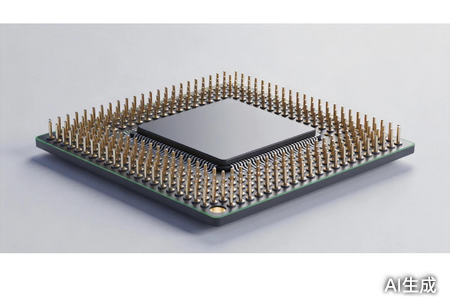
百度为了“省钱”而做的副业,如今到了收获时刻——昆仑芯要上市了。

据外媒The Information报道,百度旗下AI芯片公司昆仑芯计划赴港上市,目标估值约500亿美元,折合人民币约3400亿元。

值得一提的是,在2025年7月昆仑芯完成D轮融资时,其投后估值还只有约210亿元人民币(约30亿美元),不到一年时间,昆仑芯估值飙升了近16倍。

而截至6月30日,百度港股总市值约为2983亿港元,约合380亿美元,也就是说,昆仑芯的目标估值已经超过了其控股母公司百度,可谓“子比母贵”。

这样的估值并不让人感到意外,放眼整个AI产业链,个股暴涨已是常态:算力芯片龙头寒武纪市值超过万亿,光模块龙头中际旭创更站上1.5万亿……

昆仑芯上市几乎是毫无悬念。

真正的考验在于,在收获了高于母公司的估值之后,昆仑芯能否将这份资本市场的狂热预期,转化为持续的商业变现能力。

百度,能否再一次迎来“高光时刻”?

要投资就要“配货”

今年1月,百度宣布昆仑芯已通过其联席保荐人向香港联交所提交上市申请表;5月,中国证监会官网披露,昆仑芯已完成科创板上市辅导备案。

昆仑芯的IPO已是蓄势待发,但想要挤上这趟车,却没那么容易。

据外媒报道,昆仑芯给部分潜在投资者开出了一条相当罕见的认购条件——想要参与投资,就得先采购相当于认购金额3-7倍的芯片。

昆仑芯不只要钱,还要订单,这才是这场IPO最真实的底色。要理解这条规则背后的市场博弈,就得先回到2011年。

那一年,百度内部组建了AI加速计算团队,开始探索自研芯片的可能性。李彦宏曾在多个场合提及造芯的初衷,“买别人的芯片,毕竟太贵了。”

李彦宏比大多数人更早意识到:在数字时代,算力就是生产力。他曾公开算过一笔账,“买别人的芯片,每片要1万美元,而我们自己做,2万人民币就做下来了。”

来到AI时代,算力果然成了所有大厂的命门,而芯片,则扼住这道命门的咽喉。

于是,百度获得了一个比国内同行早至少5年的时间窗口,当大多数互联网公司还在讲故事、堆规模的时候,百度已经开始走上造芯之路。

2018年,百度展示了第一代自研AI芯片“昆仑”;2020年,一代系列产品开始大规模部署在百度业务中;2021年,昆仑芯正式从百度中独立出来。

百度选择了一条更难的路,却恰好押对了互联网行业增长逻辑的切换——从“流量叙事”转向“硬科技叙事”。

过去,互联网行业靠用户规模、市场份额、增长前景来撑起估值,故事讲得越大,市场给的定价就越高,大家赌的是规模最终能变成护城河。

但在AI时代,行业逻辑被彻底重构,不再是规模越大,边际成本越低;而是每增加一个DAU,都要多付一笔算力账,规模越大,成本反而越高。

在这一背景下,互联网大厂不能只讲长期投入,也要讲资本回报。于是,过去隐于大厂内部的科技硬资产,比如AI芯片,开始被市场重新定价。

它不再只是大厂内部一个只烧钱、不赚钱的部门,而是可以独立走向市场,拥有完整商业模式的一门生意。

据IDC数据,2025年,国产厂商在中国AI加速卡市场的合计出货量达到约165万张,其中,华为昇腾出货约81.2万张,阿里平头哥约26.5万张,昆仑芯和寒武纪均为约11.6万张,并列国产第三。

这就不难理解为何昆仑芯的股权要“配货”,昆仑芯缺的不是资金,而是让自己从“百度内部芯片部门”变成“独立AI芯片供应商”的证明。

它希望在其他大厂加速自研芯片之际,提前将昆仑芯导入客户的业务生态,绑定客户持续采购的意愿,形成“双向互惠”的战略同盟。

说到底,资本只是入场券,产业才是真正的筹码。

“卖铲子”更值钱

有了昆仑芯这个新资产后,市场开始重新审视百度这个互联网老兵。

过去,谈及互联网大厂的AI战略,是每年百亿乃至千亿元的投入,却又不能立刻看到真金白银的回报,市场往往很难对业绩有乐观预期。

但现在,昆仑芯有了将“投入”变成“产出”的机会:有产品、有客户,还有能跟大模型、云业务绑定起来的新故事,百度也有了新的估值逻辑。

而且,在这场国产AI芯片突围战中,昆仑芯的位置颇为特殊。

首先,昆仑芯诞生于百度这个庞大的生态体系,自百度自研AI芯片以来,其在百度数据中心、自动驾驶系统等海量真实场景下,已经进行十余年的实战打磨。

其次,昆仑芯最大的特点,是百度自研的XPU架构,其专为AI而生,针对大模型训练与推理进行深度优化,而非追求图形渲染等全能型能力。

其他厂商走的是不同的技术路线:摩尔线程是通用GPU厂商;壁仞、沐曦等属于AI加速GPGPU厂商,它们的通用性更强,图形渲染+AI训推都能做。

寒武纪采用自研NPU架构,是中国最大的第三方独立AI芯片供应商;华为昇腾是全栈自主型选手,追求的是从芯片到软件到硬件的完整可控。

随着模型部署规模的扩大,推理算力需求将持续膨胀,而昆仑芯的XPU架构则能以更低成本跑更多的推理,这也是其在国产芯片混战中突围的底层逻辑。

目前,昆仑芯的主力产品是P800,已经拿下国家电网、中国钢研、招商银行、中国移动等客户订单。据外媒The Information报道,腾讯也已成为昆仑芯的重要客户。

当然,造出芯片只是第一关,昆仑芯能否拿下更多客户,才是决定它能否真正走出百度,成为一家可以单独计算收入、利润和市场份额的AI芯片公司。

路透社透露,昆仑芯2024年收入约20亿元,2025年预计超过35亿元,外部销售预计已经超过总收入的一半。摩根大通预计,其2026年的收入有望进一步提高至83亿元。

可以看到,昆仑芯收获了不错的成绩,而且,它能让竞争对手也愿意买单,这是比任何招股书都更有分量的背书。

不过,昆仑芯最值钱的地方,不仅仅在于它是一家“稀缺”的芯片公司,而是它能为百度带来一个新的估值锚点,讲一个比传统搜索更有想象力的,在AI时代“卖铲子”的故事。

芯片是根,模型是干,云是枝叶,百度的“芯片底座”足够稳,才能更好支撑大模型和智能云业务,芯片真正的价值,要放在百度“芯片-模型-云服务”的全栈AI布局里看。

这也是李彦宏提出的“倒金字塔”理论:芯片厂商不管赚多少钱,芯片之上的模型要能产生10倍的价值,基于模型开发的应用要能创造100倍的价值,才是一个健康的产业生态。

过去几个季度,百度AI业务收入占比也不断提高,继2025年三季度占比39%、四季度升至43%后,在2026年一季度提高至52%。李彦宏表示,AI已成为百度的核心驱动力。

昆仑芯前的几座大山

商业逻辑跑通了,但昆仑芯面前仍有几座大山。

首先,是独立性。

昆仑芯生于百度,有技术积累,有内部订单,也有现成的应用场景,这是它最大的优势,但也意味着昆仑芯很难完全脱离百度。

虽然昆仑芯已独立运营多年,但百度仍是控股股东,持股比例约57.67%,也是最主要的客户之一。这种“背靠大厂”的关系,也让昆仑芯在政企客户那里处境微妙。

政企客户往往更强调“自主可控”,它们不希望将算力基础设施绑定在某一家互联网大厂的生态里,像寒武纪、摩尔线程等独立第三方供应商,反而更容易拿到入场券。

市场能否真正接受昆仑芯作为独立第三方供应商,将决定其未来的上限。据多家媒体报道,昆仑芯正与中芯国际洽谈合作,有意将部分产能转回本土生产,这会是关键的一步。

其次,是技术迭代。

目前,昆仑芯P800芯片已完成规模化验证,第四代P900已完成设计并流片,性能据称为P800的两倍。

不过,真正的困难在大规模训练场景里,这才是国产替代必须啃下的硬骨头。

据悉,针对大规模推理场景进行优化的昆仑芯M100已于2026年初上市;面向超大规模多模态模型的昆仑芯M300计划于2027年上市。

不过,在先进制程产能受限的当下,昆仑芯能不能在国内拿到足够的流片份额,将决定M100能否尽快放量,产能能否跟上订单的增长,还是个大问号。

最后,是软件生态。

生态影响力是决定芯片价值的关键,昆仑芯也很清楚这一点。

目前,华为已构建了一个从芯片到应用、软硬件垂直整合的生态级平台;寒武纪也有“云边端一体”的跨平台开发工具,工具链越成熟,跨平台迁移成本越低,客户才越不容易流失。

昆仑芯虽然在努力追赶,但在开发者社区和工具链的完备程度上,则还有很长的路要走,这才是真正难做的部分。

对于昆仑芯而言,IPO是一个阶段性的胜利,也是一个重要的起点。

诚如李彦宏所言,“抓住人工智能的机会,五到十年后,百度会变成一个完全不一样的公司。”

但不要忘记的是,马拉松的后半程,往往才是最考验耐力的地方。

注:文/伯虎团队,文章来源:伯虎财经(公众号ID:bohuFN),本文为作者独立观点,不代表亿邦动力立场。

文章来源:伯虎财经

广告
微信
朋友圈

FAQ回顾

昆仑芯属于哪家企业的AI芯片业务?

昆仑芯是百度旗下的AI芯片厂商,2011年百度内部组建AI加速计算团队启动自研,2021年正式从百度独立运营,当前百度仍是其控股股东,持股比例约57.67%,产品专为AI大模型训练与推理场景优化。

国内AI加速卡市场的主流厂商有哪些?

据IDC2025年数据,国产厂商在中国AI加速卡市场合计出货量约165万张,其中华为昇腾出货约81.2万张位居第一,阿里平头哥约26.5万张排第二,昆仑芯和寒武纪均约11.6万张并列第三。

昆仑芯的XPU架构有什么特点?

昆仑芯采用百度自研的XPU架构,专为AI场景打造,针对大模型训练与推理做了深度优化,不需要兼顾图形渲染等全能能力,相比通用GPU等其他技术路线产品,能够以更低成本承载更多推理算力。

昆仑芯IPO要求投资者配货是什么规则?

昆仑芯向部分潜在投资者提出认购条件,想要参与其IPO投资,需先采购相当于认购金额3-7倍的芯片,此举旨在绑定客户持续采购意愿,推动自身从百度内部供应部门转型为独立第三方AI芯片供应商。

这么好看,分享一下?

朋友圈 分享

APP内打开

赞 +1
+1
微信好友 朋友圈 新浪微博 QQ空间
关闭
收藏成功
发送
/140 0