





广告
加载中

Meta开始叛逃AI叙事

董必政 2026-07-03 10:17
董必政 2026/07/03 10:17

邦小白快读

EN
全文速览

本文核心梳理了Meta卖AI过剩算力引发全球AI板块震荡的事件,拆解背后的行业逻辑与风险,核心干货如下:

1. 最新事件:7月1日美股AI硬件板块遭遇暴跌,费城半导体指数跌超6%,30只成分股28只下跌,A股相关板块也大幅下挫,唯独Meta逆势暴涨8.81%,导火索是Meta计划对外出售闲置AI算力,打破了支撑AI产业链狂奔两年的“算力稀缺”核心逻辑。

2. Meta行为逻辑:全球四大科技巨头都陷入AI军备竞赛的囚徒困境,明明投入产出比失衡但没人敢先停,Meta是四巨头中唯一没有云业务对冲投入的,退出成本最高,因此率先试探性对外租算力找退路,说明其对全压AI的信心已经动摇。

3. 风险判断:短期AI板块调整是必然,崩盘还言之过早,若算力稀缺逻辑破裂,泡沫会按算力租赁商、GPU中间商、芯片制造商、云巨头的顺序破裂,最终是否破泡还要看后续资本开支是否下调。

本文分析了AI产业链当前的格局变动与风险,对品牌商布局AI相关业务、把握消费与行业趋势有较高参考价值,干货如下:

1. 当前AI行业已经陷入囚徒困境式的军备竞赛,2026年全球四大科技巨头资本开支合计达7250亿美元,同比大涨77%,但AI带来的增量收入仅为几百亿美元量级,投入产出比严重失衡,算力稀缺的行业共识已经出现裂缝。

2. Meta的调整预示着行业拐点隐现,品牌商要警惕AI领域的泡沫风险,布局AI相关业务时不要盲目跟风All in重资产项目,优先选择有成熟变现渠道、能对冲投入风险的方向,控制自身投入成本。

3. 若AI泡沫出现调整,算力、AI硬件的价格会逐步回落,长期来看品牌商后续落地AI营销、AI用户运营等应用的成本会降低,可关注行业周期变化,等待调整到位后再把握布局窗口。

本文梳理了AI产业链的最新变动,给布局AI相关赛道的卖家明确了风险与机会,核心干货如下:

1. 行业最新变化:Meta计划对外出售过剩AI算力,打破了支撑AI产业两年的算力稀缺叙事,直接引发全球AI相关板块大幅下跌,是AI产业出现调整的明确信号,卖家需要及时关注行业变动调整自身策略。

2. 风险提示:如果算力稀缺的核心逻辑被打破,泡沫破裂会按顺序冲击不同环节,首先是纯算力租赁商、靠倒卖GPU和算力配额赚钱的中间商,这类业务的卖家要提前警惕租金下跌、套利空间消失的风险,尽早做好应对准备,控制库存与扩张节奏。

3. 机会提示:文章判断短期AI板块调整是必然,但崩盘还没有明确信号,长期来看AI对算力芯片的真实需求依然存在,只是增速会从疯狂回归正常,卖家可以先观望等待资本开支下调等明确信号,不要盲目抄底也不用过度恐慌。

本文分析AI行业最新格局变动,给生产AI相关配套产品、推进数字化转型的工厂带来多方面启示,干货如下:

1. 当前AI行业产能投入已经过热,全球四大科技巨头集体加码算力建设,陷入谁也不敢停的囚徒困境,整体投入产出比严重失衡,Meta已经率先开始试探性调整,做AI芯片、光模块、PCB等AI相关配套产品生产的工厂,要警惕后续订单需求回落的风险,不要盲目跟风扩产,避免产能闲置。

2. 行业进入调整期后,算力价格和AI硬件价格会逐步回落,工厂自身推进数字化升级、用AI改造生产设计的成本会随之降低,工厂可以把握这个周期窗口,储备资源待成本回落之后推进自身的数字化转型。

3. 长期来看AI对相关硬件的真实需求依然存在,只是增长速度会从疯狂扩张回归正常,工厂需要调整扩张节奏,聚焦真实市场需求,避免跟风扩张带来的经营风险。

本文梳理了AI产业链的最新动向,给服务AI行业的服务商明确了行业趋势、客户痛点与方向,核心干货如下:

1. 当前行业发展趋势:AI算力军备竞赛已经陷入囚徒困境,整体投入产出比严重失衡,维持两年的算力稀缺叙事已经出现裂缝,行业即将进入调整期,短期来看市场对算力扩张相关配套服务的需求会逐步回落,服务商需要提前调整业务结构。

2. 市场核心痛点:头部科技企业的巨额算力投入缺乏变现对冲渠道,一旦AI应用、广告需求不及预期,巨额算力资产就会成为纯拖累,服务商可以针对性开发闲置算力调度、算力共享交易相关的服务产品,帮助企业消化过剩产能,对冲投入风险,抓住新的市场机会。

3. 风险提示:原本做纯算力租赁中介、GPU分销套利相关服务的服务商,要提前转型布局,避免供需平衡后套利空间消失,陷入经营危机。

本文分析AI行业最新变动,给布局AI赛道的平台商指明了需求变化与风险规避方向,核心干货如下:

1. 当前AI行业的市场需求已经发生变化,头部科技企业从疯狂扩张算力转向消化过剩产能、对冲投入风险,平台商可以围绕闲置算力交易、算力调度管理打造新的业务板块,适配市场新需求,挖掘新的增长空间。

2. 招商与布局风险提示:当前AI行业泡沫风险已经隐现,纯算力租赁商、GPU中间商这类企业的商业模式完全建立在算力稀缺的供需失衡基础上,一旦泡沫破裂会首当其冲受损,平台商在招商和项目布局时要提高审核标准,规避这类高风险项目,降低自身经营风险。

3. 长期布局思路:AI产业调整后会逐步回归良性发展,平台商可以提前储备资源,在行业调整期挖掘被低估的优质项目,等待行业回暖后就能获得增长红利。

本文提出了AI产业发展中的新动向、新问题,对研究AI产业格局、科技产业周期的研究者有较高参考价值,核心干货如下:

1. 产业新动向:当前AI算力建设已经进入囚徒困境式的军备竞赛,全球四大科技巨头2026年资本开支合计超7200亿美元,同比增长77%,但AI增量收入仅几百亿,投入产出比严重失衡,Meta作为无云业务对冲的巨头,率先做出试探性叛逃,计划对外出售过剩算力,打破了维持两年的算力稀缺核心叙事,标志着AI产业开始进入调整周期。

2. 新问题研究框架:本文明确当前AI重资产投入模式的不可持续性,提出了泡沫破裂的先后顺序:纯算力租赁商、GPU中间商、芯片制造商、云巨头,为研究AI泡沫演化提供了清晰的分析框架。

3. 商业模式与周期研究案例:本文对比了2000年互联网泡沫和当前AI泡沫的相似性,以及Meta本次调整和微软2001年策略调整的异曲同工,为研究科技产业周期、巨头战略转型提供了新的鲜活案例。

返回默认
声明:快读内容全程由AI生成,请注意甄别信息。如您发现问题,请发送邮件至 run@ebrun.com 。

我是 品牌商 卖家 工厂 服务商 平台商 研究者 帮我再读一遍。

Quick Summary

This article unpacks the recent market turbulence triggered by Meta's plan to sell its excess AI computing power, breaking down the underlying industry dynamics and key risks. Core takeaways are as follows:

1. The latest event: On July 1, AI hardware stocks plunged on the U.S. market, with the Philadelphia Semiconductor Index dropping more than 6% and 28 of its 30 components closing lower. Related A-share sectors also saw sharp losses, while Meta bucked the trend to surge 8.81%. The catalyst was Meta's plan to sell idle AI computing capacity, which has shattered the "compute scarcity" narrative that powered a two-year AI industry rally.

2. Meta's strategic logic: The world's four largest tech firms are trapped in a prisoner's dilemma in the AI arms race: even with lopsided input-output ratios, none dare hit pause first. Meta is the only one of the four that lacks a cloud business to offset its AI investments, giving it the highest exit cost. Its decision to test the waters by leasing excess capacity signals its wavering confidence in an all-in AI strategy.

3. Risk assessment: A short-term correction in AI stocks is inevitable, but a full crash is not imminent. If the compute scarcity narrative collapses, the bubble will deflate in this order: compute rental providers, GPU middlemen, chipmakers, and finally large cloud companies. Whether a full burst occurs will depend on whether companies cut future capital spending.

This article analyzes the ongoing shifts and risks in the AI industry value chain, offering actionable insights for brands planning AI-related initiatives. Key takeaways are as follows:

1. The AI industry is now trapped in a prisoner's dilemma-style arms race. Combined capital expenditure of the Big Four tech firms will hit $725 billion in 2026, a 77% year-over-year jump, but incremental AI revenue will only amount to tens of billions of dollars, creating a severe imbalance in returns on investment. Cracks have already formed in the industry-wide consensus of permanent compute scarcity.

2. Meta's policy shift signals a looming industry inflection point. Brands should be alert to bubble risk in the AI space, avoid blindly going all-in on capital-heavy AI projects, and prioritize opportunities with mature monetization channels that offset investment risk while keeping internal costs under control.

3. If the AI bubble corrects, prices for compute capacity and AI hardware will gradually decline. In the long run, this will lower costs for brands looking to deploy AI applications such as AI-powered marketing and user operations. Brands should monitor industry cycle shifts and wait for the correction to play out before opening new positioning opportunities.

This article outlines the latest shifts in the AI industry value chain, clarifying key risks and opportunities for sellers active in AI-related verticals. Core takeaways are as follows:

1. Key industry update: Meta's plan to sell excess AI compute has broken the two-year-old compute scarcity narrative that underpinned the AI boom, triggering a sharp selloff in AI assets globally and sending a clear signal that the industry is entering a correction. Sellers should monitor developments closely and adjust their strategies accordingly.

2. Risk warnings: If the core compute scarcity narrative collapses, the bubble will hit different sectors in a clear order. Pure-play compute rental providers and middlemen that profit from reselling GPU and compute allocations will be the first affected. Sellers in these businesses should prepare early for falling rental rates and shrinking arbitrage opportunities, control inventory and slow expansion pace.

3. Opportunity outlook: The article judges a short-term correction is inevitable, but there is no clear signal of an all-out crash. Long-term fundamental demand for AI compute and chips remains intact, though growth will cool from its current feverish pace to more normal levels. Sellers should wait for clear signals such as capital expenditure cuts before acting, avoid panic selling and do not rush to buy the dip.

This article analyzes the latest shifts in the AI industry landscape, delivering key insights for factories that manufacture AI-related components or are pursuing digital transformation. Core takeaways are as follows:

1. Current AI industry capacity investment has become overheated. The Big Four global tech firms have all ramped up compute infrastructure spending, trapping them in a prisoner's dilemma where no player can afford to stop first, leading to severe input-output imbalance. Meta has already taken the first step toward adjustment. Factories producing AI-related components including AI chips, optical modules and PCBs should prepare for falling order demand, avoid盲目 expanding capacity, and prevent future idle capacity.

2. As the industry enters a correction phase, prices for compute capacity and AI hardware will gradually decline, which will lower the cost for factories pursuing their own digital upgrades and AI-powered transformation of production and design. Factories can use this cyclical window to reserve resources and advance digital transformation once costs fall.

3. Long-term fundamental demand for AI-related hardware remains intact, though growth will cool from breakneck expansion to a more normal pace. Factories should adjust their expansion pace, focus on real market demand, and avoid operational risks from跟风 capacity expansion.

This article outlines the latest developments in the AI industry value chain, clarifying industry trends, customer pain points and strategic directions for AI-focused service providers. Core takeaways are as follows:

1. Current industry trend: The AI compute arms race has devolved into a prisoner's dilemma with a severely unbalanced input-output ratio. Cracks have formed in the two-year compute scarcity narrative, and the industry is set to enter a correction. In the short term, demand for supporting services tied to compute expansion will gradually decline, and service providers should adjust their business structures proactively.

2. Core market pain point: Large tech firms lack monetization channels to offset their massive compute investments. If demand for AI applications and advertising falls short of expectations, their huge compute assets will become a pure drag on performance. Service providers can develop targeted products for idle compute scheduling and shared compute trading to help enterprises absorb excess capacity, offset investment risks and capture new market opportunities.

3. Risk warning: Service providers that currently focus on pure-play compute rental brokerage or GPU arbitrage distribution should pivot proactively. Once supply and demand rebalance, their arbitrage opportunities will disappear, putting their business at risk.

This article analyzes the latest developments in the AI industry, outlining shifting demand and risk mitigation strategies for platforms positioning themselves in the AI sector. Core takeaways are as follows:

1. Market demand in the AI industry has shifted: leading tech firms are moving from breakneck compute expansion to absorbing excess capacity and offsetting investment risks. Platforms can build new business lines around idle compute trading and compute scheduling management to align with new market demand and unlock new growth.

2. Risk warnings for recruitment and positioning: Bubble risk is now emerging in the AI industry. Pure-play compute rental providers and GPU middlemen have business models entirely built on the supply-demand imbalance of compute scarcity, and will be the first to suffer if the bubble bursts. Platforms should tighten due diligence standards for merchant recruitment and project investment to avoid these high-risk projects and reduce operational risk.

3. Long-term positioning strategy: After correction, the AI industry will gradually return to healthy growth. Platforms can reserve resources in advance, uncover undervalued high-quality projects during the industry correction, and capture growth dividends when the industry rebounds.

This article presents new developments and emerging questions in AI industry development, offering high value for researchers studying AI industry structure and tech industry cycles. Core takeaways are as follows:

1. New industry development: AI compute infrastructure development has entered a prisoner's dilemma-style arms race. Combined capital expenditure of the Big Four global tech firms will exceed $720 billion in 2026, up 77% year-over-year, but incremental AI revenue will only amount to tens of billions of dollars, creating severe input-output imbalance. As the only Big Four player without cloud business to offset investments, Meta has become the first to make a tentative break from the race by planning to sell excess compute, breaking the two-year core narrative of compute scarcity and marking the start of the AI industry's correction cycle.

2. Analytical framework for emerging issues: This article confirms the unsustainability of the current capital-heavy AI investment model, and lays out a clear order for potential bubble deflation: pure-play compute rental providers, GPU middlemen, chipmakers, and finally large cloud companies. This provides a clear analytical framework for studying AI bubble evolution.

3. New case study for business model and cycle research: The article compares similarities between the 2000 dot-com bubble and the current AI bubble, and notes the parallel between Meta's current adjustment and Microsoft's strategic shift in 2001, providing a fresh, timely case study for research on tech industry cycles and giant strategic transformation.

Disclaimer: The "Quick Summary" content is entirely generated by AI. Please exercise discretion when interpreting the information. For issues or corrections, please email run@ebrun.com .

I am a Brand Seller Factory Service Provider Marketplace Seller Researcher Read it again.

都是因为他

出品 | 妙投APP

作者 | 董必政

编辑 | 丁萍

7月1日,美股AI硬件板块经历了2026年以来最黑暗的一天。

费城半导体指数暴跌6.27%,30只成分股里28只下跌。美光科技跌10.57%,闪迪跌10.62%,英特尔跌9.03%,AMD跌6.89%,台积电跌7.01%。算力租赁商更惨——Nebius跌17.01%,CoreWeave跌13.92%。

唯有Meta逆势暴涨8.81%。

与此同时,A股同样受到影响,芯片、光模块、PCB、MLCC纷纷开始下跌,科创50指数的跌幅达到7.70%,科创半导体ETF领跌11.25%。

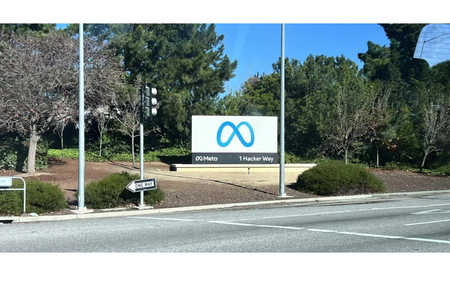
而引发下跌的导火索就是,Meta向外部客户出售”过剩”的AI算力。据彭博报道,Meta正在组建一项新业务,计划将其过剩的计算能力出售给外部客户以获取收入。算力真的过剩了吗?

算力稀缺的叙事,这条支撑了AI产业链两年狂奔的核心逻辑,似乎在一夜之间出现了裂缝。高盛DeltaOne主管RichPrivorotsky曾表示,“市场此前的核心前提是算力处于稀缺状态,如果这个前提被动摇,首当其冲的就是硬件领域。”

但事情真的这么简单吗?

开始找退路了

五周前,在Meta年度股东大会上,扎克伯格表示,“我们目前还没有这么做(对外卖算力、卖云),因为我们认为这些算力还有用武之地。但显然,如果有一天我们觉得建设过度了,那么这也是一个可选方案。”

有意思的是,扎克伯格还补充道:“几乎每周都有外部公司找上门来,愿意溢价购买我们的算力。”

可见,此前Meta就在为推出云服务、出租算力做铺垫了。

不过,Meta的Capex计划不仅没有下调,反而在Q1财报发布后上调了100亿美元,从1150-1350亿美元区间升至1250-1450亿美元。

就在今年,Meta还与AMD签了5年600亿美元的GPU采购协议,与CoreWeave签了210亿美元的算力合同,与Nebius签了最高270亿美元的协议。仅这三笔对外签约就超过1000亿美元。

一边花天价买算力,一边说要卖闲置算力。Meta又是意欲何为呢?

妙投认为,Meta正在寻找退路,以防AI算力建设过度,采用算力租赁的方式以消化可能过剩的算力。

要知道,扎克伯格的策略可是把把All in。2021年-2023年,扎克伯格All in元宇宙,Facebook改名为Meta。后来,扎克伯格明确改口“全面All in AI”。

妙投认为,这背后深层次原因,在于AI军备竞赛的“囚徒困境”。

2026年,全球四大科技巨头(Meta、微软、谷歌、亚马逊)的资本开支合计约7250亿美元,同比2025年的约4100亿美元增长77%。

这个数字,超过了全球大多数国家的GDP。

但AI直接带来的增量收入,可能只有几百亿美元量级。投入产出比严重失衡。

问题在于,这不是一个理性的投资行为,这是一个典型的”囚徒困境”。四巨头都知道这么烧下去不健康,但谁也不敢先停手——万一竞争对手多买了一块GPU,多训练了一个更强大的模型,那可能就是决定终局的胜负手。

Meta做云,是这个囚徒困境里第一个”试探性叛逃”。

那为什么是Meta呢?

因为它在这四个玩家里的退出成本最高的。微软有Azure、谷歌有GCP、亚马逊有AWS——它们的巨额CapEx投入有云服务收入直接对冲。Meta没有。

Meta之前的每一分钱基础设施投入都是纯粹的成本项,全部用于服务自家的广告推荐系统和AI应用。

一旦AI应用 、广告需求不及预期,Meta没有任何对冲渠道,巨额算力资产会变成纯拖累,扛不住亏损压力,所以选择对外出租算力变现。

可见,Meta全面AII in AI的信心已经开始动摇了。

AI泡沫会破吗?

出售“过剩”的AI算力只是个警示的信号,真正让资本市场担心的仍是资本开支计划是否会下降。

虽然各巨头都达成了默契,但谁能率先减少资本开支,反而可能善终。

2000年,互联网泡沫的顶峰。思科、英特尔、朗讯、北电网络——这些基础设施巨头们的CapEx增速比今天的AI巨头更疯狂。

当时的共识是,互联网流量将永远指数级增长,带宽永远不够用。

就在互联网如日中天的时候,有一家公司做了不同的选择,就是微软。

2000年冬天,比尔·盖茨在公司内部发了一份备忘录,标题叫《互联网tidal wave》(互联网海啸)。但与此同时,微软做了一件事与其他巨头不同:它在2001年率先削减了基础设施投入,把资源转向软件和服务的毛利优化。

结果,微软的股价虽然在泡沫破裂中也跌了,但跌幅远小于思科和英特尔。当2003年市场回暖时,微软是第一个恢复盈利的科技巨头,为后来的云计算转型储备了足够的弹药。

今天的AI基础设施竞赛,与2000年的光纤和路由器竞赛有惊人的相似之处。同样的永远不够的稀缺叙事,同样的巨头集体加码,同样的投入产出比严重失衡。

而Meta今天的选择与微软2001年的策略调整,异曲同工。

因此,我们可以看到Meta的股价反而上涨了8.81%。

值得注意的是,一旦AI算力不再稀缺的裂缝扩大,妙投认为泡沫破裂的顺序大概是这样的:

首当其冲的是,算力租赁商。CoreWeave、Nebius、Lambda这些纯算力租赁商最脆弱。它们的商业模式建立在"算力稀缺→租金高企→长期合同锁定"的假设上。如果巨头开始倾销过剩算力,租金将首先受到冲击。

其次就是,GPU分销商和中间商。不会直接造芯片、但靠倒卖GPU和算力配额赚钱的公司。它们的价值建立在供需失衡的套利空间上,一旦供需平衡,套利空间消失。

再是,芯片制造商。英伟达、AMD、博通。它们是泡沫的核心受益者,也会是泡沫破裂时受损最严重的。但要注意的是,即使泡沫破了,AI对芯片的长期需求依然存在,只是增速从疯狂回到正常。

最后就是,云巨头本身。如果Capex竞赛降温,云巨头的营收增速也会放缓。但由于它们有软件和服务收入的缓冲,抗跌能力强于纯硬件公司。

说了这么多风险,那AI股是不是真要崩盘了?

妙投认为,短期调整是必然,但崩盘言之过早,还需更为明显的信号,如:资本开支计划减少等。

现在,Meta点燃了第一根火柴,至于这把火会照亮前路,还是点燃整个泡沫,还需待资本市场用脚投票。

注:文/董必政,文章来源:虎嗅APP(公众号ID:huxiu_com),本文为作者独立观点,不代表亿邦动力立场。

文章来源:虎嗅APP

广告
微信
朋友圈

FAQ回顾

Meta为什么要对外出售过剩AI算力?

Meta没有自有云业务对冲基础设施投入成本,为应对AI军备竞赛囚徒困境,防止AI应用及广告需求不及预期时巨额算力资产成为经营拖累,选择对外出租过剩算力变现,同时其仍上调了资本开支计划,持续采购GPU及算力资源。

Meta出售过剩AI算力会产生哪些行业影响?

该举动会动摇支撑AI产业链两年狂奔的算力稀缺核心逻辑,算力租赁商、GPU分销商、芯片制造商等产业链环节将先后受到冲击,AI相关板块短期调整是必然,但目前尚不具备引发AI泡沫完全破裂的明确信号。

AI算力稀缺叙事破裂后的产业传导顺序是怎样的?

首当其冲的是CoreWeave、Nebius等纯算力租赁商,其次是依赖供需失衡套利的GPU分销商和中间商,再次是英伟达、AMD等芯片制造商,最后是云巨头,纯硬件类企业抗跌能力远弱于有软件服务收入缓冲的云厂商。

为什么Meta宣布出售过剩AI算力后股价逆势上涨?

市场普遍认为Meta此举是跳出AI军备竞赛囚徒困境的理性选择,可对冲未来算力过剩的经营风险,优化投入产出比,与2001年微软率先削减基础设施投入的策略异曲同工,因此公告后其股价逆势大涨8.81%。

这么好看,分享一下?

朋友圈 分享

APP内打开

赞 +1
+1
微信好友 朋友圈 新浪微博 QQ空间
关闭
收藏成功
发送
/140 0

