广告
加载中

欧洲潮玩市场 今年有哪些新变化?

中外玩具新媒体 2026-06-10 14:34
中外玩具新媒体 2026/06/10 14:34

邦小白快读

EN
全文速览

本文梳理了欧洲潮玩市场的最新变化与行业趋势,核心干货信息如下:

当前国内潮玩竞争白热化,大量企业转战海外,欧洲潮玩已经摆脱小众定位,成为玩具行业最强劲的增长引擎,潮玩占全球玩具市场约三分之一,2025年欧洲七大主要经济体潮玩市场同比增长15%,增速远超传统儿童玩具。

1. 市场两大新变化:一是消费动机从单一怀旧拓展到自我表达、社交连接、生活方式,收藏从家中陈列转向随身可穿戴展示,可穿戴潮玩成为新增长动力;二是亚洲动漫文化、盲盒玩法快速渗透,带动相关品类高速增长。

2. 行业两个不变特征:怀旧仍然是潮玩消费的核心动力,过半欧洲成年人购买受怀旧影响,经典IP长期热销;潮玩不是短期风口,是玩具行业结构性转变的长期方向,具备较强商业韧性。

本文梳理了欧洲潮玩市场的最新消费趋势与竞争格局,对布局欧洲市场的潮玩品牌有如下参考干货:

当前欧洲潮玩处于高速增长期,2025年七大主要经济体增速达15%,远超传统玩具,是玩具行业核心增长极,品牌需要把握以下趋势:

1. 产品研发方向:要适配消费需求变化,开发满足自我表达、日常随身展示的可穿戴潮玩,兼顾可玩性与佩戴性;同时抓住亚洲文化渗透的红利,结合盲盒玩法、动漫IP开发产品。

2. 市场机会与竞争:经典怀旧IP仍然有稳定的核心需求,绑定经过市场验证的经典IP可以获得稳定销量;目前欧美本土主流厂商已经从代理亚洲潮玩产品转为自主研发相关新品,竞争进一步加剧,品牌需要提前布局长期竞争力。

3. 长期布局方向:品牌需要在文化适配、产品创新、本地运营上构筑壁垒,才能在欧洲市场站稳脚跟。

本文为布局欧洲潮玩市场的卖家梳理了市场机会、需求变化与风险提示,核心干货如下:

当前欧洲潮玩市场增量空间大,已经摆脱小众定位成为行业增长引擎,2025年七大主要经济体同比增长15%,远超传统玩具,卖家可以把握以下机会、规避相关风险:

1. 高增长赛道机会:英国动漫主题潮玩2025年同比增长57%,可穿戴潮玩、亚洲文化相关潮玩、盲盒类创意产品都处于高速增长阶段,同时经典怀旧IP潮玩有长期稳定需求,常年登上热销榜,卖家可以针对性选品。

2. 需求变化适配:消费者已经不满足单一怀旧需求,更看重产品能否满足自我表达、社交展示的需求,选品和运营要贴合这一特征。

3. 风险提示:目前欧美本土主流玩具厂商已经开始深度布局亚洲潮玩文化相关产品,市场竞争会进一步加剧,卖家不能只做简单的产品输出,需要做好文化适配与本地运营,构筑长期竞争力才能站稳。

本文为切入欧洲潮玩市场的工厂梳理了产品需求、商业机会与发展启示,核心干货如下:

当前欧洲潮玩市场处于高速增长期,2025年七大主要经济体潮玩市场增速达到15%,远超传统玩具,给工厂带来了大量新的商业机会:

1. 产品生产与设计需求变化:欧洲潮玩的消费场景从传统家中陈列,延伸到日常随身展示、社交表达,消费者越来越看重产品的设计、体验与文化相关性,工厂在设计生产时需要兼顾可玩性和可佩戴性,开发带挂载功能、可穿戴属性的潮玩产品,适配新的消费需求。

2. 商业机会:目前欧洲市场中动漫主题潮玩、亚洲文化相关潮玩增速极快,英国动漫品类同比增长57%,同时经典怀旧IP潮玩有长期稳定的订单需求,工厂既可以对接品牌的相关订单需求,也可以打造适配市场需求的自有产品切入市场。

3. 发展启示:工厂需要贴合欧洲本地消费者的文化需求、审美取向调整研发方向,才能抓住市场增长红利。

本文为服务潮玩行业的服务商梳理了行业发展趋势、客户痛点与市场机会,核心干货如下:

当前欧洲潮玩已经从小众亚文化成长为玩具行业的核心增长极,行业整体处于高速增长阶段,2025年欧洲七大主要经济体潮玩市场同比增长15%,未来还会保持长期结构性增长,给服务商带来大量新机会:

1. 行业客户核心痛点:当前中国出海潮玩企业的核心痛点已经从能不能进入市场,转变为能不能做好文化适配、产品创新与本地运营,构建长期竞争力;欧美本土厂商也在转型布局亚洲潮玩文化相关产品,需要多方面的配套服务支持。

2. 业务拓展方向:服务商可以围绕文化适配咨询、本地社交媒体传播运营、零售体验设计等领域开发针对性解决方案,同时可以重点关注高增长的可穿戴潮玩、动漫主题潮玩赛道,挖掘配套服务机会。

3. 行业判断:潮玩具备社群粘性,是长期结构性增长赛道,不是短期风口,相关服务需求具备长期稳定性。

本文为布局潮玩业务的欧洲市场相关平台商梳理了市场需求、运营方向与风险提示,核心干货如下:

当前欧洲潮玩市场处于高速增长阶段,已经成为玩具行业的核心增长极,大量品牌有布局欧洲市场的需求,给平台带来了新的发展机会:

1. 招商方向调整:平台可以加大潮玩品类的招商力度,重点吸引动漫主题潮玩、可穿戴潮玩、经典IP潮玩、亚洲文化相关潮玩类商家入驻,契合当前市场的高增长趋势。

2. 运营管理优化:潮玩消费者重视社群互动、社交分享,平台可以优化社群运营、内容传播相关的功能,适配消费者分享展示收藏的需求,同时针对盲盒、收藏类潮玩的属性优化平台运营规则。

3. 风险规避提示:潮玩是长期结构性增长方向,平台可以长期布局,但要注意当前市场竞争已经逐步加剧,需要引导商家做好本地化运营,规避同质化竞争风险,帮助商家构建长期竞争力,也能提升平台自身的竞争力。

本文梳理了欧洲潮玩市场的最新产业动向与新问题,为产业研究提供了一手行业干货,核心内容如下:

当前欧洲潮玩市场发生了深刻的结构性变化,已经摆脱小众定位,成为玩具行业最强劲的增长引擎,2025年欧洲七大主要经济体潮玩市场同比增长15%,远超传统儿童玩具,潮玩占全球玩具市场的约三分之一。

1. 产业新动向:消费端消费动机从单一怀旧拓展到自我表达、生活方式,收藏场景从家中陈列延伸到日常随身展示;产业端亚洲流行文化、盲盒玩法从外来输入变为本土深度布局,欧美主流厂商已经从代理引进转为围绕亚洲潮玩文化自主研发新品,甚至成立独立业务部门。

2. 产业不变特征:怀旧仍然是潮玩消费的核心驱动力,超过一半欧洲成年人的购买决策受怀旧影响,经典IP具备长期的情感价值,保持持续热销;潮玩因为具备社群粘性,属于结构性增长赛道,并非短期风口。

3. 研究新课题:中国潮玩企业出海欧洲已经从入场竞争转变为本地化能力的长期竞争,文化适配、本地社群运营等成为核心竞争力,这一变化为全球化背景下的潮玩产业研究提出了新的问题。

返回默认
声明:快读内容全程由AI生成,请注意甄别信息。如您发现问题,请发送邮件至 run@ebrun.com 。

我是 品牌商 卖家 工厂 服务商 平台商 研究者 帮我再读一遍。

Quick Summary

This article outlines the latest developments and industry trends in Europe's designer toy market, with key takeaways below:

Amid cutthroat competition in China's domestic designer toy market, a growing number of Chinese companies are expanding overseas. In Europe, designer toys have outgrown their niche status to become the toy industry's strongest growth driver. Designer toys account for roughly one-third of the global toy market, and the market across Europe's seven major economies is projected to grow 15% year-over-year in 2025, a rate far outpacing that of traditional children's toys.

1. Two major new market shifts: First, consumer motivations have expanded beyond pure nostalgia to include self-expression, social connection and lifestyle alignment, while collecting has shifted from displaying items at home to wearable pieces carried daily, making wearable designer toys a new growth engine. Second, Asian anime and manga culture and the blind box retail format have rapidly penetrated the market, driving fast growth for related product categories.

2. Two enduring industry characteristics: Nostalgia remains a core driver of designer toy consumption, with more than half of European adult purchases influenced by nostalgic sentiment, and classic IPs maintain consistent strong sales. Designer toys are not a short-term fad; they represent a long-term structural shift in the toy industry with strong commercial resilience.

This article breaks down the latest consumer trends and competitive landscape in Europe's designer toy market, with key takeaways for brands looking to enter the region:

Europe's designer toy market is currently in a period of rapid growth, with a projected 15% year-over-year growth rate across the region's seven major economies in 2025 — far outpacing traditional toys — making it the core growth engine of the global toy industry. Brands should capitalize on the following trends:

1. Product R&D direction: Adapt to shifting consumer demand by developing wearable designer toys that support self-expression and daily display, balancing playability and wearability. At the same time, leverage the growth dividend from Asian cultural penetration by developing products that integrate blind box mechanics and anime/manga IPs.

2. Market opportunities and competition: Classic nostalgic IPs still hold stable core demand; partnering with market-proven classic IPs can deliver consistent sales. Today, major Western incumbent manufacturers have shifted from distributing Asian designer toy products to developing their own original offerings, intensifying competition. Brands need to build long-term competitive advantages ahead of market entry.

3. Long-term positioning: Brands must build barriers in cultural adaptation, product innovation and local operations to establish a solid foothold in the European market.

This article outlines market opportunities, shifting demand and risk warnings for sellers targeting Europe's designer toy market, with key takeaways below:

The European designer toy market offers substantial room for growth, having outgrown its niche status to become the industry's core growth driver. It is projected to grow 15% year-over-year across the region's seven major economies in 2025, far outpacing traditional toys. Sellers can capitalize on the following opportunities while mitigating risks:

1. High-growth category opportunities: UK anime-themed designer toys are projected to grow 57% year-over-year in 2025. Wearable designer toys, products tied to Asian culture and creative blind box offerings are all growing rapidly, while classic nostalgic IP designer toys hold long-term stable demand and consistently top bestseller lists, making these strong categories for targeted product selection.

2. Adapt to shifting demand: Consumers are no longer satisfied with purely nostalgic products; they now prioritize whether items support self-expression and social display. Sellers should align their product selection and operations with this shift.

3. Risk warnings: Major Western incumbent toy manufacturers have begun deepening their布局 of products tied to Asian designer toy culture, and competition will continue to intensify. Sellers cannot rely on simple product exports; they must invest in cultural adaptation and local operations, and build long-term competitiveness to establish a stable presence.

This article breaks down product demand, business opportunities and key insights for factories targeting Europe's designer toy market, with core takeaways below:

Europe's designer toy market is in a period of rapid growth, with a projected 15% year-over-year growth rate across the region's seven major economies in 2025 — far outpacing traditional toys — creating abundant new business opportunities for factories:

1. Shifts in product design and manufacturing demand: Designer toy consumption in Europe has expanded beyond traditional in-home display to daily wear and social expression. Consumers increasingly prioritize design, user experience and cultural relevance. Factories should balance playability and wearability in product development, and create designer toys with mounting features and wearable attributes to match new consumer demand.

2. Business opportunities: Anime-themed designer toys and products tied to Asian culture are growing extremely fast in the European market, with the UK's anime category projected to grow 57% year-over-year in 2025. Meanwhile, classic nostalgic IP designer toys hold long-term stable order demand. Factories can either fulfill relevant order requests from brands, or develop their own products tailored to market demand to enter the market independently.

3. Key insights: Factories need to adjust their R&D direction to align with local European consumers' cultural needs and aesthetic preferences to capture the market's growth dividend.

This article outlines industry development trends, client pain points and market opportunities for service providers serving the designer toy sector, with core takeaways below:

In Europe, designer toys have evolved from a niche subculture to become the core growth engine of the toy industry, with the overall sector in a period of rapid expansion. The market across Europe's seven major economies is projected to grow 15% year-over-year in 2025, and will continue to see long-term structural growth, creating abundant new opportunities for service providers:

1. Core client pain points: The core challenge for Chinese designer toy brands expanding into Europe has shifted from market entry to building long-term competitiveness through cultural adaptation, product innovation and local operations. At the same time, Western incumbent manufacturers are also pivoting to develop products tied to Asian designer toy culture, requiring comprehensive supporting services.

2. Business expansion direction: Service providers can develop targeted solutions focused on cultural adaptation consulting, local social media marketing and operations, and retail experience design. They can also prioritize the high-growth wearable and anime-themed designer toy segments to uncover new supporting service opportunities.

3. Industry outlook: Designer toys feature strong community stickiness, represent a long-term structural growth track rather than a short-term fad, so related service demand will remain stable over the long term.

This article outlines market demand, operational priorities and risk warnings for platforms looking to expand designer toy operations in the European market, with core takeaways below:

Europe's designer toy market is growing rapidly and has become the core growth engine of the regional toy industry. A large number of brands are seeking to enter the European market, creating new development opportunities for platforms:

1. Adjust merchant recruitment strategy: Platforms can increase recruitment efforts for the designer toy category, prioritizing merchants offering anime-themed designer toys, wearable designer toys, classic IP designer toys and products tied to Asian culture, to align with the market's current high-growth trend.

2. Optimize operations and management: Designer toy consumers value community interaction and social sharing. Platforms can optimize functions for community operations and content distribution to meet consumer demand for sharing and displaying their collections, while refining platform operational rules to fit the unique characteristics of blind boxes and collectible designer toys.

3. Risk mitigation: Designer toys represent a long-term structural growth direction suitable for long-term布局, but platforms should note that market competition is already intensifying. They should guide merchants to invest in localized operations, avoid homogenized competition, and help merchants build long-term competitiveness — which will in turn strengthen the platform's own competitive position.

This article outlines the latest industry developments and emerging trends in Europe's designer toy market, providing first-hand industry insights for industry research, with core content below:

Profound structural changes have reshaped Europe's designer toy market: the segment has outgrown its niche status to become the toy industry's strongest growth engine, with a projected 15% year-over-year growth across the region's seven major economies in 2025, far outpacing traditional children's toys. Designer toys now account for roughly one-third of the global toy market.

1. New industry developments: On the consumer side, purchasing motivations have expanded beyond pure nostalgia to include self-expression and lifestyle alignment, while collecting scenarios have extended from in-home display to daily portable wear. On the industry side, Asian popular culture and the blind box format have shifted from being imported foreign concepts to deeply embedded local trends. Major Western manufacturers have moved from distributing imported Asian products to developing their own original products centered on Asian designer toy culture, and have even launched dedicated independent business units for this segment.

2. Enduring industry characteristics: Nostalgia remains a core driver of designer toy consumption, with more than half of European adult purchasing decisions influenced by nostalgic sentiment. Classic IPs hold long-term emotional value and maintain consistent strong sales. Thanks to their inherent community stickiness, designer toys represent a structural growth track rather than a short-term fad.

3. New research agendas: The expansion of Chinese designer toy brands into Europe has shifted from initial market entry competition to long-term competition based on localization capabilities, with cultural adaptation and local community operations emerging as core competitive advantages. This shift raises new research questions for the study of the global designer toy industry in an era of globalization.

Disclaimer: The "Quick Summary" content is entirely generated by AI. Please exercise discretion when interpreting the information. For issues or corrections, please email run@ebrun.com .

I am a Brand Seller Factory Service Provider Marketplace Seller Researcher Read it again.

引言

国内潮玩市场的白热化竞争,让企业纷纷将目光投向海外。根据国际市场调研机构Circana的数据,潮玩消费现已占全球玩具市场的约三分之一。与此同时,欧洲潮玩市场已摆脱小众定位,成为玩具行业最强劲的增长引擎。仅在2025年,欧洲七大主要经济体的潮玩市场就同比增长了15%,增速大大超过传统儿童玩具领域。

那么,当地潮玩市场近年有什么变化?面对亚洲潮玩同行的大举扩张,当地的潮玩市场从业者又是怎么看待和应对的呢?

▍来源:中外玩具网 文/编辑:Jane/Salas

变化1:消费理由在增加

最明显的变化,是消费动机的调整,不再局限于过去的“怀旧、找回童年”,扩大到“表达自我、一种生活方式”。这一转变,大大扩充了潮玩的受众:他们将玩具、收藏品、盲盒、集换式卡牌等作为自我表达、身份认同、社交连接和生活方式的一部分。正如The Hobby Company商务总监Alistair Brebner所言,“现在的潮玩消费者关键在于心态。”PMI首席执行官Omer Dekel强调:“现在的潮玩消费者是自豪的收藏家,他们积极展示、分享并投资于收藏。重点从怀旧转向了体验、设计和文化相关性。”

随着潮玩收藏文化在欧洲持续升温,潮玩收藏品正从传统的“陈列式收藏”向“可随身展示的可穿戴收藏”演变。因此,带钥匙扣的毛绒玩具、可挂载的配件与可穿戴产品正在成为推动消费者扩大收藏范围的新动力,让收藏行为从“家中展示”延伸到“日常表达”(包含社交表达与身份符号)。这一趋势将继续推动欧洲潮玩市场向更高频、更生活化的方向发展。

以Character Options推出的神秘磁吸毛绒(MagMiMi)为例。每个毛绒都配有定制金属展示罐,四肢内置磁铁,可吸附、连接或摆造型,并附带高级金属钥匙扣,方便挂在包袋、腰带或电子设备上,进一步强化了“可玩性 + 可佩戴性”的结合。

变化2:亚洲文化快速渗透

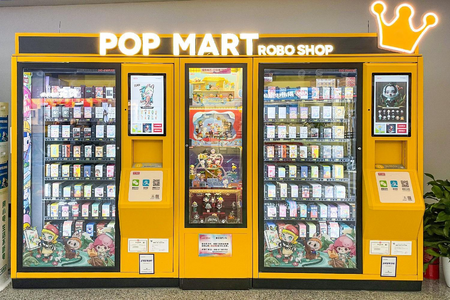
亚洲流行文化(动漫、卡哇伊、Kpop等)与泡泡玛特带起的盲盒玩法机制正成为欧洲潮玩市场增长的重要驱动力。Circana的数据显示,2025年英国玩具市场中最具爆发力的细分领域之一便是漫画/动漫主题品类,同比增长57%。这股潮流不仅为中国出海潮玩企业提供了便利,也吸引了各大海外玩具品牌积极借助这一文化势能,通过IP、盲盒机制与收藏玩法吸引潮玩消费者。

比如ZURU全新推出的潮玩品牌Starbox,包含Sad Baby(情绪表达盲盒)、Nook Nooks(可搭建场景盲盒)和Minnee(可换装时尚娃娃盲盒)几个系列,强调“设计主导 + 盲盒机制”。ZURU表示推出该品牌的原因是“消费者正在寻找‘超越传统盲盒’的创意、情绪表达与自我风格展示”,这与亚洲潮玩文化的核心价值高度一致。

还有来自美国的杰克仕太平洋(JAKKS Pacific),今年正式成立动漫业务部(Anime Division),宣布将动漫视为“最具全球影响力的娱乐生态之一”,并公开了首批基于日本虚拟YouTube偶像经济公司hololive production旗下虚拟艺人形象的玩具样品。

这两家公司的举动并非孤例,这就意味着:欧美主流玩具公司已不再只是“引进”亚洲潮玩文化(引进产品做代理),而是开始深度参与,围绕亚洲动漫、潮玩文化研发新品,甚至建立独立的业务部门。所以,中国潮玩企业出海竞争的激烈程度又将更上一层楼。

不变1:怀旧与经典IP经久不衰

尽管购买潮玩的理由在增加,但“怀旧、找童年”这一消费初心仍然是潮玩消费的核心动力。相关调查显示,欧洲超过一半的成年人承认怀旧直接影响其购买决策。这也是为什么“哈利·波特”“星球大战”“宝可梦”“漫威”“星际宝贝”等IP持续热销的原因。中外玩具网对亚马逊欧洲5国站点潮玩销售情况的监测也显示,这些IP的潮玩产品几乎常年登上热销榜。

拥有百年历史的欧洲潮品零售商HMV和逾30年经验的专业潮玩及生活精品批发商Paladone不约而同地认为:“这些IP经历了几十年的情感积累,拥有众多成年粉丝。”HMV的流行文化主管Mark Hooper更是指出:“通常这类IP的新品上市,几乎很快就被成年粉丝抢购一空。”

不变2:未来行业结构性变化方向

多位从业人员一致认为,潮玩并不是短暂的风口,而是未来玩具行业结构性转变的方向。

Alistair Brebner总结道:“潮玩受众只会越来越多。在潮玩文化黄金时代成长起来的一代人正处于收入高峰期,他们对优质、体验导向产品的需求没有放缓迹象。同时,年轻群体通过社交媒体和社群被潮玩的魅力吸引。”他指出,潮玩产品因消费者的热爱能维持长期的参与度。客户投入时间、加入社群——这种结构性“粘性”赋予了潮玩领域长期的商业韧性,使其区别于短暂潮流。

结 语

潮玩已从小众亚文化跃升为玩具与流行文化的核心增长极。对中国潮玩企业而言,欧洲市场的入场券早已不是“能不能卖出去”,而是能否在文化适配、产品创新与本地运营上构筑长期壁垒。只有真正读懂当地消费者的情感诉求、审美取向与社群逻辑,并在产品设计、零售体验与社媒传播上形成系统化响应,才能在这场全球化竞争中真正站稳脚跟。(中外玩具网)

注:文/中外玩具新媒体,文章来源:中外玩具网(公众号ID:ctoy-gdta),本文为作者独立观点,不代表亿邦动力立场。

文章来源:中外玩具网

广告
微信
朋友圈

这么好看,分享一下?

朋友圈 分享

APP内打开

+1
+1
微信好友 朋友圈 新浪微博 QQ空间
关闭
收藏成功
发送
/140 0