广告
加载中

泡泡玛特身后的追赶者:潮玩下半场的“自有IP”之战

卜晚乔 2026-05-25 16:11
卜晚乔 2026/05/25 16:11

邦小白快读

EN
全文速览

这篇文章核心梳理了潮玩行业进入下半场后的竞争格局,核心战场转向自有IP孵化,当前行业呈现两极分化的状态,干货信息总结如下:

1. 行业现状:头部玩家泡泡玛特靠超级IP LABUBU获得极高增长和利润率,2025年LABUBU单IP卖出141.6亿元,毛利率72.1%,而多数尾部追赶者都面临增长瓶颈或利润暴跌的困境。

2. 行业总结:目前行业玩家已经分化出四种生存逻辑,分别是IP零售化赚渠道钱、性价比走量赚薄利、IP资产化赚IP长期钱、靠情绪溢价轻资产赚流量钱,四种模式各有优劣,其中依赖授权IP+低价走量的模式抗风险能力最弱,不适合普通创业者切入。

3. 核心趋势:潮玩下半场比拼的不是谁能拿到现成IP,而是谁能持续孵化出优质自有IP,这是未来行业的核心竞争点。

当前潮玩行业已经进入自有IP竞争的下半场,品牌商可从行业变化中得到以下干货参考:

1. 消费趋势与盈利规律:当前用户愿意为具备情绪共鸣的IP支付高溢价,自有IP能带来远高于授权IP和渠道零售的利润率,泡泡玛特自有IP毛利率达72.1%,而渠道型玩家仅32.1%,打造自有IP是提升长期盈利能力的核心。

2. 不同模式的优劣势分析:授权IP+低价走量模式虽然起量快,但极易受到授权费上涨和价格战的双重挤压,利润空间会被快速抹平,抗风险能力极差;渠道养IP模式扩张快风险低,但增长天花板低,利润率不足;IP资产化模式天花板最高,对持续内容生产能力要求也最高。

3. 新玩法参考:轻资产模式下,靠打造有情绪共鸣的IP人设,搭配明星带货+社媒传播,也可以快速实现破圈起量,适合新品牌切入。

结合当前潮玩行业的最新变化,卖家可以得到以下机会、风险和经验总结:

1. 风险提示:依赖外部授权IP+低价走量的经营模式风险极高,目前这类玩家的净利率普遍只有1.9%-4.7%,授权费上涨10%、供应链成本上涨5%就会抹平全部利润,一旦出现价格竞争,经营很容易陷入危机;门店扩张到一定密度后,单店营收下滑会导致整体增长放缓,需要提前布局第二增长曲线。

2. 机会方向:海外市场还有较大增长空间,目前已经有玩家把产品卖到近20个海外国家;主打情绪共鸣的产品更易获得年轻用户认可,轻资产模式也能快速起量;自有IP是长期增长的核心,可以依托现有渠道资源反哺自有IP孵化,对冲外部风险。

3. 可借鉴经验:可以参考TOP TOY先铺渠道再孵化IP的路径,也可以学习奇梦岛抓情绪共鸣+明星带货的轻资产打法,或是阅文多形态开发IP的变现模式。

潮玩行业下半场的格局变化,给生产端工厂带来了以下启示和商业机会:

1. 产品生产需求变化:除了传统的拼搭潮玩、硬胶盲盒,毛绒潮玩的需求增长极快,奇梦岛2025年8月毛绒盲盒单月产量较年初增长超20倍,未来毛绒类潮玩的市场需求还会持续扩张,工厂可以针对性调整产能布局,抓住新的需求增量。

2. 商业机会:越来越多新崛起的潮玩品牌选择轻资产运营,不布局自有工厂,生产订单全部外放,比如奇梦岛这类快速起量的新品牌,对稳定的大产能供应链需求很高,工厂可以绑定优质新IP玩家,获得持续增长的稳定订单。

3. 转型启示:潮玩行业的利润核心在IP端,纯代工只能赚加工薄利,工厂如果想提升盈利能力,可以尝试对接设计师和IP运营团队,依托自身生产优势,合作孵化自有IP,分享IP的增值收益,延伸产业链价值,摆脱低利润的代工困境。

潮玩行业进入自有IP竞争的新阶段,行业出现了新的需求和趋势,服务商可以参考以下干货信息:

1. 行业发展新趋势:潮玩行业已经从上半场的跑马圈地、抢现成IP,转向下半场的自有IP孵化竞争,目前几乎所有玩家都在提升自有IP的布局比例,行业对IP相关服务的需求正在快速增长。

2. 客户核心痛点总结:当前不同类型玩家都有共性痛点:授权依赖型玩家缺乏自有IP孵化能力,抗风险能力弱;渠道型玩家有流量和门店资源,但是缺高效孵化自有IP的能力;手握存量国民IP的玩家缺成熟的潮玩衍生品开发运营能力;新崛起的轻资产玩家缺营销资源和推广渠道。

3. 解决方案切入方向:服务商可以推出IP孵化全链路服务,覆盖IP人设打造、情绪价值设计、供应链对接等环节;也可以针对轻资产玩家,提供社媒营销、明星资源对接的推广服务;还可以针对存量IP持有者,提供多形态变现的整合运营服务。

潮玩行业下半场的变化,给平台商的招商、运营和风险规避带来以下启示:

1. 商家端核心需求:当前不同类型潮玩商家的需求分化明显,渠道型商家需要用户数据支持反哺自有IP孵化,轻资产新商家需要流量曝光支持,手握存量IP的商家需要多渠道变现的对接服务,平台可以针对性推出分层服务,满足不同商家的需求,提升商家留存。

2. 招商布局方向:可以重点倾斜资源吸引布局自有IP的成长型商家,比如奇梦岛这类有爆款IP潜力的轻资产商家,也可以引入奥飞这类手握国民级存量IP的商家,挖掘存量IP的潮玩变现价值,丰富平台的商家结构。

3. 风险规避要点:要警惕授权依赖型低价商家的经营风险,这类商家净利率极低,容易出现供应链不稳定、经营倒闭等问题,会影响平台用户体验;同时不要过度依赖单个超级IP商家,要引导平台商家多IP布局,降低平台整体的经营波动风险。

当前潮玩行业进入发展新阶段,出现了很多值得研究的新动向、新问题,核心干货总结如下:

1. 产业新动向:潮玩行业已经完成了阶段切换,上半场比拼的是谁能拿到优质现成IP、谁的门店扩张速度快,下半场核心比拼的是谁能持续孵化出优质自有IP,目前行业已经清晰分化出四种商业模式,分别是IP零售化、性价比走量、IP资产化、情绪溢价轻资产模式,不同模式的盈利能力、抗风险能力和天花板差异极大。

2. 产业新问题:当前行业存在多个共性问题,绝大多数中小玩家自有IP占比偏低,授权依赖导致抗风险能力极差,就连头部玩家泡泡玛特也存在超级IP依赖的问题,新IP孵化乏力,另外很多手握存量国民IP的企业,缺乏IP潮玩化运营变现的能力,浪费了IP资源。

3. 研究方向启示:可以进一步研究不同商业模式的可持续性,比如渠道养IP模式能否孵化出头部自有IP,轻资产情绪IP能否实现长期规模化增长,这些研究对行业发展有重要的参考价值。

返回默认

声明:快读内容全程由AI生成,请注意甄别信息。如您发现问题,请发送邮件至 run@ebrun.com 。

我是 品牌商 卖家 工厂 服务商 平台商 研究者 帮我再读一遍。

Quick Summary

This article maps out the competitive landscape of China’s designer toy industry as it enters its second growth stage, where the core competitive battleground has shifted to in-house IP development. The industry is currently experiencing a clear polarization. Key takeaways are as follows:

1. Current Industry Status: Leading player Pop Mart has achieved explosive growth and strong profit margins driven by its hit IP LABUBU, which is projected to generate 14.16 billion yuan in revenue in 2025 with a 72.1% gross margin. Most smaller late entrants, by contrast, face stagnant growth or plummeting profits.

2. Industry Summary: Players in the market have diverged into four distinct survival models, each with its own advantages and drawbacks: IP retailing (earning channel-based revenue), low-price high-volume sales with thin margins, IP assetization (capturing long-term value from owned IP), and asset-light monetization of traffic via emotional premium pricing. The low-price high-volume model relying on licensed IP is the least resilient to risks, making it unsuitable for new individual entrepreneurs to enter.

3. Core Trend: In the industry’s second stage, competition is no longer about who can secure existing ready-made IP, but who can sustainably develop high-quality original in-house IP. This is the core competitive differentiator for the future of the industry.

The designer toy industry has now entered its second stage, defined by competition centered on in-house IP. Here are key takeaways for brands:

1. Consumer Trends and Profit Dynamics: Today’s consumers are willing to pay steep premiums for IP that resonates emotionally with them. In-house IP delivers far higher profit margins than licensed IP or channel-based retail. Pop Mart’s in-house IPs carry a 72.1% gross margin, compared to just 32.1% for channel-focused players. Building original in-house IP is core to boosting long-term profitability.

2. Pros and Cons of Different Business Models: The "licensed IP + low-price high-volume" model scales quickly, but is extremely vulnerable to double pressure from rising royalty fees and price wars, which quickly erode all profit margins and leave the business with almost no risk resilience. The "channel-first IP development" model enables fast expansion with low risk, but has a low growth ceiling and limited profit margins. The IP assetization model has the highest growth ceiling, but also requires the strongest capability in sustained content development.

3. New Strategy Reference: Under the asset-light model, brands can break out and scale quickly by building IP characters with strong emotional resonance, paired with influencer endorsements and social media marketing. This approach is well-suited for new brands entering the market.

Against the latest industry shifts in the designer toy space, here is a summary of opportunities, risks, and actionable insights for sellers:

1. Risk Warnings: The business model relying on external licensed IP and low-price high-volume sales carries extremely high risk. Players in this space currently see net margins of just 1.9% to 4.7% on average. A 10% rise in royalty fees or a 5% increase in supply chain costs will wipe out all profits, and price competition can easily push the business into crisis. Once store expansion reaches a certain density, declining same-store sales will slow overall growth, so sellers need to lay the groundwork for a second growth curve in advance.

2. Opportunity Areas: The overseas market still holds significant room for growth, with some players already expanding into nearly 20 international markets. Products built around emotional connection resonate far better with young consumers, and the asset-light model can scale quickly. In-house IP is the core of long-term growth: sellers can leverage their existing channel resources to support in-house IP development and hedge against external risks.

3. Actionable Best Practices: Sellers can follow TOP TOY’s path of building out channels first, then developing IP; adopt Qimeng Island’s asset-light playbook of focusing on emotional resonance paired with celebrity marketing; or learn from China Literature’s multi-format IP monetization model.

The shifting landscape of the designer toy industry’s second stage offers the following insights and business opportunities for manufacturing factories:

1. Shifts in Production Demand: In addition to traditional assembly toys and hard plastic blind boxes, demand for plush designer toys is growing extremely rapidly. Qimeng Island’s monthly output of plush blind boxes grew more than 20-fold between the start of 2025 and August 2025, and market demand for plush designer toys will continue expanding going forward. Factories can adjust production capacity accordingly to capture this new demand growth.

2. New Business Opportunities: A growing number of emerging designer toy brands operate asset-light business models with no in-house manufacturing, outsourcing all production orders. Fast-scaling new brands such as Qimeng Island have strong demand for stable, high-capacity supply chains. Factories can partner with high-potential emerging IP players to secure stable, steadily growing order flow.

3. Transformation Insights: The core profit of the designer toy industry lies in the IP segment. Pure contract manufacturing only earns thin processing margins. To improve profitability, factories can seek partnerships with designers and IP operation teams, leverage their own production advantages to co-develop in-house IP, share in the added value of IP, extend their value along the industrial chain, and escape the low-margin contract manufacturing trap.

As the designer toy industry enters a new stage of competition centered on in-house IP, new demand and trends have emerged. Here are key takeaways for industry service providers:

1. New Industry Trends: The industry has shifted from the first stage of rapid expansion and grabbing existing ready-made IP, to the second stage of competition focused on in-house IP incubation. Almost all players are now increasing their share of in-house IP布局, driving rapid growth in demand for IP-related services.

2. Core Pain Points Across Client Types: Different types of players share common pain points: licensed IP-dependent players lack in-house IP development capabilities and have low risk resilience; channel players have traffic and physical store resources, but lack efficient capabilities to develop their own IP; players holding existing popular national IP lack mature capabilities to develop and operate designer toy derivatives; and emerging asset-light players lack marketing resources and distribution channels.

3. Entry Points for Solutions: Service providers can launch end-to-end IP incubation services covering IP character development, emotional value design, supply chain connection and other links; they can also offer social media marketing and celebrity connection promotion services targeted at asset-light players; or provide integrated multi-format monetization operation services for holders of existing IP.

Changes in the designer toy industry’s second stage offer the following insights for marketplaces on merchant recruitment, operations, and risk mitigation:

1. Core Needs of Merchants: Demand varies significantly across different types of designer toy merchants: channel-focused merchants need user data to support in-house IP development; new asset-light merchants need traffic and exposure; and merchants holding existing IP need support for multi-channel monetization connections. Marketplaces can launch tiered services tailored to different merchant needs to improve merchant retention.

2. Merchant Recruitment Priorities: Platforms should allocate more resources to attract growing merchants focused on in-house IP, such as asset-light players with hit IP potential like Qimeng Island, as well as players holding popular existing national IP like Alpha Group, to unlock the designer toy monetization value of existing IP and diversify the platform’s merchant structure.

3. Risk Mitigation Key Points: Platforms should be wary of the operational risks of licensed IP-dependent low-price merchants. These merchants have extremely thin net margins, and are prone to supply chain instability and business failure, which harms platform user experience. At the same time, platforms should avoid over-reliance on a single super IP merchant, and guide platform merchants to adopt a multi-IP layout to reduce overall operational volatility risk for the platform.

As the designer toy industry enters a new stage of development, many new trends and issues have emerged that are worth studying. Key takeaways are as follows:

1. New Industry Trends: The industry has completed its stage transition: the first stage was defined by competition over who can secure high-quality existing IP and expand store networks faster, while the second stage centers on competition over who can sustainably incubate high-quality in-house IP. The industry has now clearly diverged into four core business models: IP retailing, low-price high-volume sales, IP assetization, and asset-light emotional premium monetization. The profitability, risk resilience, and growth ceiling vary dramatically across these models.

2. Unresolved Industry Issues: The industry faces several common systemic problems. The vast majority of small and mid-sized players have a low share of in-house IP, and reliance on licensing leaves them extremely vulnerable to risks. Even the industry leader Pop Mart faces over-reliance on a single super IP and struggles to incubate successful new IP. In addition, many companies that hold popular existing national IP lack the capabilities to operate and monetize these IP in the designer toy format, leaving valuable IP resources underutilized.

3. Directions for Future Research: Future research can explore the sustainability of different business models, such as whether the channel-first IP development model can successfully incubate leading in-house IP, and whether asset-light emotional IP can achieve sustained large-scale growth. Research on these topics will provide valuable reference for the future development of the industry.

Disclaimer: The "Quick Summary" content is entirely generated by AI. Please exercise discretion when interpreting the information. For issues or corrections, please email run@ebrun.com .

I am a Brand Seller Factory Service Provider Marketplace Seller Researcher Read it again.

对于其他潮玩公司来说,至今还没有LABUBU。


文丨卜晚乔

编辑丨张睿

【亿邦原创】2026年第一季度,潮玩行业的财报呈现出一幅两极分化的图景。

名创优品期内利润预计增长195%-200%,但超过70%来自AI公司MiniMax的投资收益,剔除后该部分收益后,主业利润增长7%-10%;奇梦岛则凭借WAKUKU一个IP季度创收近9000万元,环比增长93.3%;奥飞娱乐扣非净利润下滑21.48%,经营现金流为负。

而就在几个月前,泡泡玛特刚刚交出一份令行业艳羡的2025年成绩单:全年营收371.2亿元,LABUBU一个IP卖出141.6亿元,毛利率高达72.1%。进入2026年,泡泡玛特Q1整体收益同比增长75%-80%,中国区更是增长100%-105%。

2026年Q1的数据把泡泡玛特身后的追赶者们的困境摊在了桌面上;TOP TOY主业仅个位数增长说明靠门店扩张的边际效益正在递减;奥飞手握喜羊羊却扣非利润下滑,说明有IP和会做IP是两回事。

这些困境指向了三个更根本的问题:不靠泡泡玛特那套模式,潮玩公司到底靠什么活?各家在自有IP上究竟发生了什么变化?如果非要学泡泡玛特,谁学得最像?

都在做自有IP,但“贫富差距”巨大

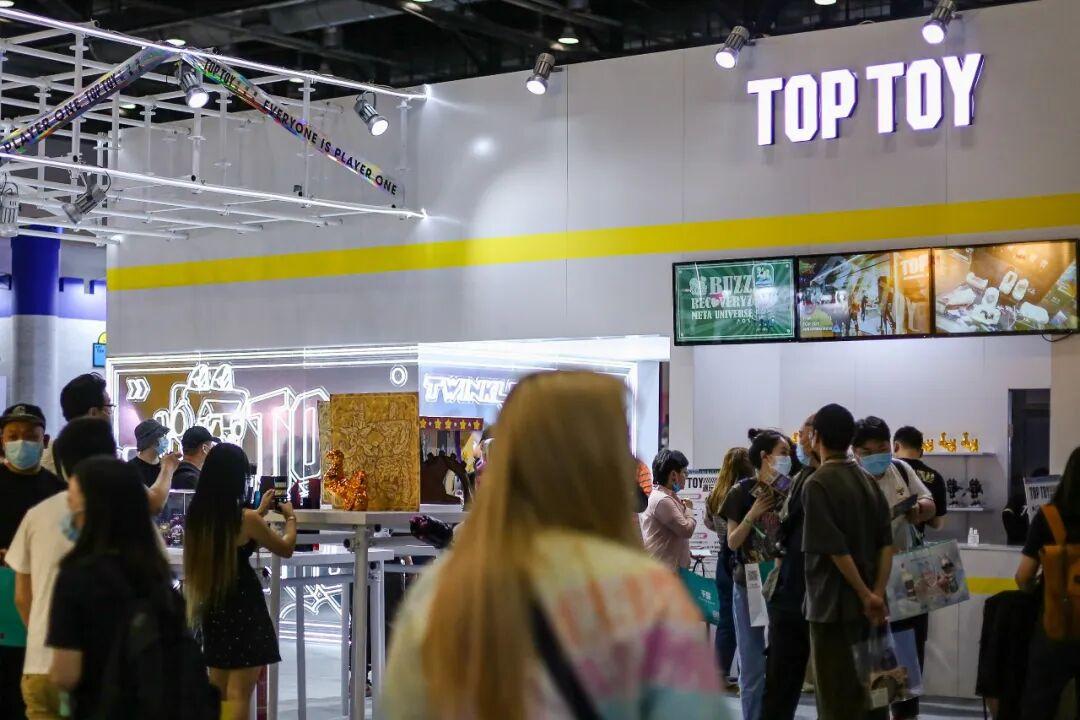
TOP TOY的自有IP收入占比在2025年下半年实现了显著增长——从6月的0.5%飙升至12月的5.7%,虽然总体占比仍偏低,但旗舰自有IP“Nommi糯米儿”2025年全年销售额突破2亿元,截至2026年3月,自有IP数量已增至24个。

图片

这意味着TOP TOY虽然目前仍有超过94%的收入来自非自有IP,但“渠道养IP”的战略已初见成效。

根据TOP TOY2025年招股书数据,2025年全年营收35.87亿元,同比增长87.9%;经调整净利润5.22亿元,同比增长77.5%。截至2025年末,全球门店达334家,2026年3月海外门店增至39家。

TOP TOY未单独发布2026年Q1财报,其母公司名创优品的最新数据揭示了关键信号:2026年第一季度,名创优品预计收入约56.78亿元至57.28亿元,同比增长约28%至29%;剔除汇兑损益和投资收益后,名创优品经调整净利润约为6.24亿元至6.44亿元,同比增长仅7%至10%。这意味着名创优品和TOP TOY的零售主业,增长已明显放缓。

奇梦岛的旗舰IP“WAKUKU哇库库” 单季营收8973万元,占总营收的70%以上;国风IP“ZIYULI又梨”营收2076万元;7月中下旬推出的“SIINONO赛诺诺”营收1289万元。

奇梦岛不做传统盲盒,产品已通过分销网络进入北美、欧洲、东南亚及中东等近20个国家。供应链方面,2025年8月毛绒盲盒单月产量突破100万件,较年初增长超20倍。

奇梦岛规模不大但是增速很快:2026财年第一季度(2025年7月1日至9月30日)潮玩业务总营收1.271亿元,环比激增93.3%,超过业绩指引区间上限。公司预计2026财年Q2营收为1.5亿-1.6亿元。

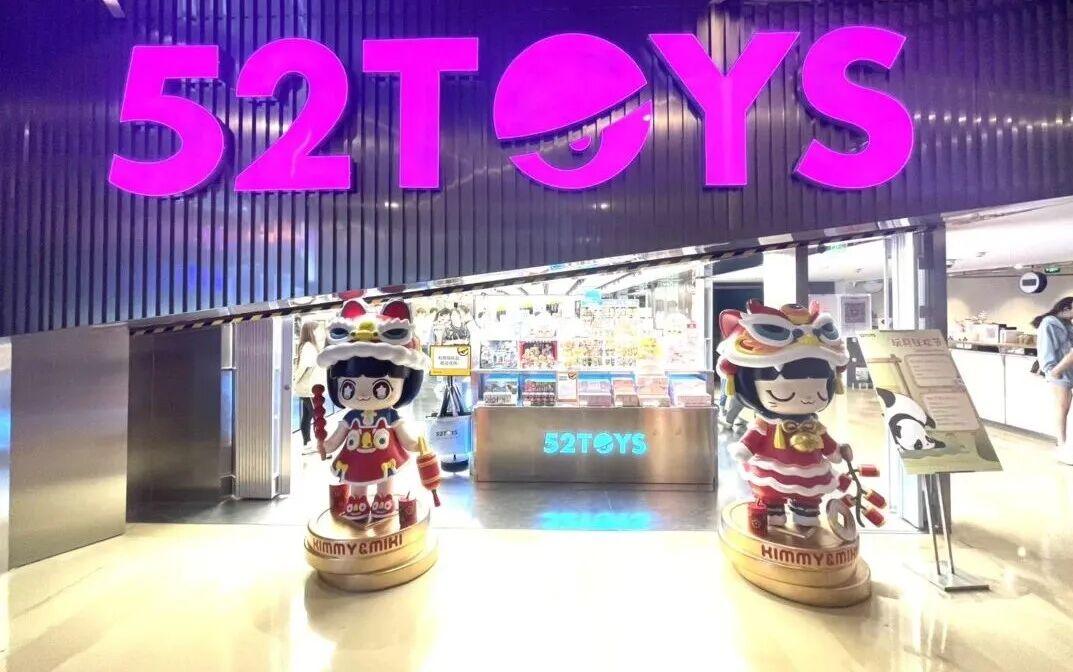
52TOYS在2025年5月递交的招股书显示,自有IP占24.5%,授权IP占比64.5%。

截至2026年3月,52TOYS拥有Nook、猛兽匣、胖哒幼等超35个自有IP,以及蜡笔小新、迪士尼、三丽鸥等授权IP。单是蜡笔小新一个IP,2022-2024年就带动了超6亿元的GMV。

图片

自有IP并没有为52TOYS带来更高的利润,2024年52TOYS营收6.30亿元,经调整利润约3201万元,净利率仅4.7%。4.7%的净利率意味着几乎没有抗风险能力——授权费上涨10%、供应链成本上涨5%、一个SKU滞销,都可能直接把利润抹平。

拥有“喜羊羊与灰太狼”“超级飞侠”这两个国民级的自有IP的奥飞娱乐,在潮玩时代动作迟缓,并没有因为手握IP获得理想的增长。

2026年第一季度,奥飞娱乐营业总收入6.54亿元,同比下降0.54%;归母净利润5471.79万元,同比增长11.44%;但扣非净利润仅3610.78万元,同比下降21.48%;经营活动现金流净额为-4071.58万元,造血能力承压。

2026年5月,奥飞终于有了动作:宣布潮玩业务双品牌战略升级,“玩点无限”继续深耕小颗粒积木,“叠叠乐系列”累计销量已突破8000万只;全新推出的MIEMIE WORLD定位原创艺术家生活方式品牌;同时启动喜羊羊潮玩计划。

阅文是另一赛道的玩家,但在IP方面却走出了“潮玩式增长”。2025年下半年布局AI漫剧赛道,仅半年时间,AI漫剧收入突破1亿元,上线近千部作品,超百部播放量破千万。2025年IP衍生品业务GMV突破11亿元,是2024年的两倍多。

阅文CEO侯晓楠说:“AI是挖掘IP富矿的超级生产力。”阅文的模式与泡泡玛特不互斥——阅文擅长从0到1生产IP内容,泡泡玛特擅长把已有的IP做成玩具卖出去。

三种活法:潮玩公司的生存逻辑分野

2026年Q1的数据把各家公司的底牌摊在了桌面上。但如果只看利润涨跌,很容易得出“谁好谁坏”的简单结论。真正值得追问的是:它们赚钱的逻辑到底是什么?这个逻辑能撑多久?

从几家公司的现状中,可以清晰地看到三种截然不同的生存逻辑。

▎逻辑一:IP零售化——赚渠道的钱

TOP TOY是这条路径最典型的代表。它的本质不是一家IP公司,而是一家潮玩零售商。

334家全球门店、1200万会员、超700个SKU——这是TOP TOY的核心资产。消费者走进TOP TOY,看到的是三丽鸥、迪士尼、蜡笔小新,是各种他牌和授权IP的盲盒堆头。TOP TOY赚的是“把这些货摆到消费者面前”的钱。

这套模式的优势很明显:扩张快、风险分散、现金流稳定。一个IP不行了,换下一个上架就行。2025年TOP TOY营收增长87.9%,经调整净利润增长77.5%,证明这套模式在规模扩张期非常有效。

但问题在于天花板:毛利率32.1%,远低于泡泡玛特的72.1%。这意味着TOP TOY本质上赚的是零售的薄利,而不是IP的溢价。当门店扩张到一定密度、单店营收开始下滑时,增长就会放缓——2026年Q1母公司名创优品剔除投资收益后主业仅增长7%-10%,已经是一个危险信号。

TOP TOY的应对策略是“渠道养IP”——用门店的现金流和用户数据,反哺自有IP的孵化。但94%的收入仍来自非自有IP,意味着它离“成为泡泡玛特”还差一个数量级。

TOP TOY的生存逻辑可以概括为:先做潮玩的“安卓”,再用赚到的钱养自己的“iOS”。问题是,安卓的利润率养不养得起iOS?

▎逻辑二:性价比走量——赚薄利的钱

52TOYS是这条路径的一个样本,但处境尴尬,核心IP的授权将在2025-2027年集中到期,如果续约时版权方提价。4.7%的净利率意味着几乎没有抗风险能力。

性价比走量逻辑的核心困境在于:你赚的是薄利,但用户不认你。当成本上涨或竞争加剧时,利润空间是最先被挤压的。

▎逻辑三:IP资产化——赚IP的钱

奥飞娱乐是这条路径的潜在玩家,也是最令人扼腕的案例。

它手里有“喜羊羊与灰太狼”“超级飞侠”这两个国民级的自有IP。按理说,它应该是最有资格走“IP资产化”路线的公司。但2025年玩具业务收入仅9.53亿元,且呈下滑趋势。喜羊羊已经17年了,奥飞没有把它开发出像样的衍生品体系。

2026年5月,奥飞推出MIEMIE WORLD原创艺术家品牌、启动喜羊羊潮玩计划,能否跑通取决于未来一年的执行力。

阅文的逻辑是:一个IP可以被改编成漫画、动画、短剧、游戏、衍生品,每多一个形态,就多一份收入。这不是卖玩具的逻辑,而是卖IP资产的逻辑。

IP资产化逻辑的核心挑战在于:有IP和会做IP是两回事。奥飞有IP但不会做,阅文会做IP但需要通过下游公司变现。谁能把这两件事都做成,谁就有机会成为下一个泡泡玛特。

这种模式的优势是利润率最高、IP生命周期最长。劣势是门槛也最高——需要持续的内容生产能力,不是靠砸钱就能解决的。

奇梦岛的路径很难被归入上述三种逻辑中的任何一种。它的核心资产是WAKUKU传达的“情绪共鸣”,而爆火的真正引擎是“明星带货+粉丝经济”——乐华系艺人全矩阵轰炸,社媒曝光超10亿次,明星同款被炒到数倍溢价。在几乎没有门店的情况下,WAKUKU靠这套轻资产打法季度营收近9000万元,甚至在京东销售额一度超越LABUBU。

奇梦岛证明了一件事:在泡泡玛特的主场,靠“明星带货+粉丝经济”的轻资产打法,仍然可以快速杀出血路。但问题是,这套打法高度依赖明星资源和粉丝热度——当明星不再“晒娃”,当粉丝热情消退,WAKUKU的壁垒在哪里?

这四种活法对应着四种天花板。2026年Q1的数据已经把答案写在了墙上:IP零售化的模式在规模扩张期有效,但增长在放缓;性价比走量的模式可以快速扩大用户,但是经营更脆弱;IP资产化的模式天花板最高,但门槛也最高;情绪溢价的模式差异化最强,但能否规模化、能否持续,仍是未知数。

对于追赶者们来说,选择哪条路径,本质上是在回答同一个问题:你想赚谁的钱? 是赚渠道的钱、赚薄利的钱、赚IP的钱,还是赚情绪的钱?答案决定了你能走多远。

谁学泡泡玛特学得最像?

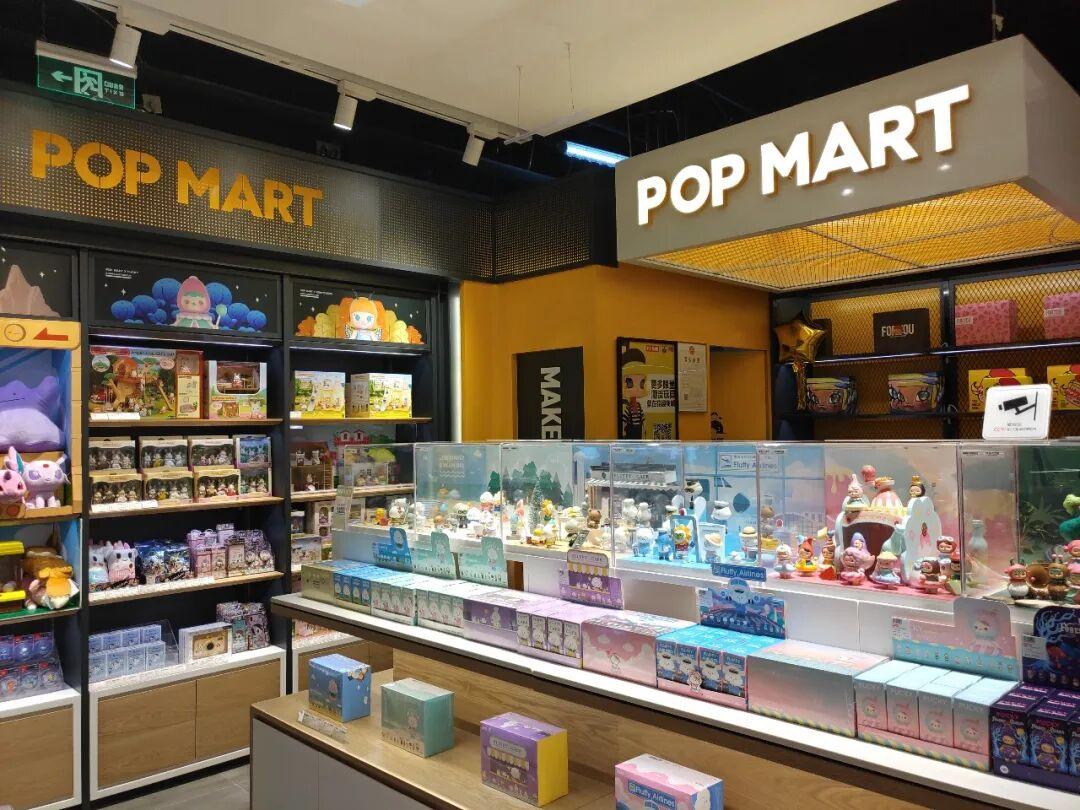
泡泡玛特的增长神话正在走向尾声:海外增速显著回落,亚太地区仅增长25%-30%,而2025年同期海外整体增速高达475%-480%。首席运营官司德将2025年的爆发归因于“运气和市场”,2026年则定位为“要靠团队努力”的转型之年。

图片

LABUBU的销售贡献已从高位回落,管理层坦言“大量新用户因LABUBU而来,却并不了解其他IP”。这是泡泡玛特的焦虑:超级IP的光环正在褪去,下一个LABUBU在哪里?

但对于其他潮玩公司来说,问题更严峻:它们至今还没有LABUBU。

在不同的生存逻辑的框架下,“学泡泡玛特”的本质是什么?不是学盲盒形式,不是学展会种草,不是学海外扩张——而是学 “发现艺术家-产品化-全球化变现”的系统能力。核心指标只有一个:能否持续孵化出自有的头部IP。

TOP TOY学得最像。原因不是它已经成功了,而是它的战略路径与泡泡玛特高度一致:先用渠道铺路,再转向自有IP孵化。

奇梦岛学得最巧。它没有盲目复制泡泡玛特的盲盒+门店模式,而是抓住了“把灵魂掏空”的本质——WAKUKU的设定是一个顶着凌乱头发、眉毛连在一起的“小野孩”,替年轻人去实现那些想“出格”却没勇气完成的小叛逆。这正是泡泡玛特王宁所说的“把灵魂掏空”——WAKUKU没有固定人设,消费者可以把情绪投射进去。

奥飞是最值得关注的变量。它的起点其实比TOP TOY更高——手里有喜羊羊这样的国民级IP,这是TOP TOY花钱也买不到的资产。MIEMIE WORLD和喜羊羊潮玩计划如果能跑通,奥飞有可能跳过“IP零售化”阶段,直接进入“IP资产化”模式。

潮玩上半场比的是“谁先拿到好IP”,而下半场比的是“谁能持续产出好IP”。

亿邦持续追踪报道该情报,如想了解更多与本文相关信息,请扫码关注作者微信。

文章来源:亿邦动力

广告
微信
朋友圈

FAQ回顾

2026年第一季度潮玩行业主要公司的业绩表现如何?

2026年Q1,泡泡玛特整体收益同比增长75%-80%,中国区增长100%-105%。奇梦岛潮玩业务总营收1.271亿元,环比激增93.3%。布鲁可归母净利润同比暴跌76.5%,销售净利率仅1.91%。奥飞娱乐扣非净利润同比下降21.48%。

潮玩公司有哪些不同的商业模式和生存逻辑?

主要有四种:IP零售化(如TOP TOY,赚渠道钱,毛利率32.1%);性价比走量(如布鲁可,赚薄利,依赖授权IP);IP资产化(潜在如奥飞,赚IP溢价);情绪溢价(如奇梦岛,依赖明星带货和粉丝经济)。

TOP TOY和奇梦岛在自有IP发展上取得了哪些进展?

TOP TOY自有IP收入占比从2025年6月的0.5%升至12月的5.7%,旗舰IP“Nommi糯米儿”2025年销售额突破2亿元。奇梦岛旗舰IP“WAKUKU哇库库”2026财年Q1单季营收8973万元,占总营收70%以上。

这么好看,分享一下?

朋友圈 分享

APP内打开

赞 +1
+1
微信好友 朋友圈 新浪微博 QQ空间
关闭
收藏成功
发送
/140 0