广告
加载中

舒福德发布数字睡眠OS 3.0 四大模块构建全链路数字睡眠干预体系

马蹄社 2026-05-22 11:12
马蹄社 2026/05/22 11:12

邦小白快读

EN
全文速览

本文核心介绍了国内睡眠行业现状及舒福德推出的全新数字睡眠改善产品,核心干货如下:

1. 当前国内睡眠问题突出,中国成年人失眠率达38.2%,平均睡眠时长不足6.5小时,睡眠经济市场规模已经突破4500亿元,但市场缺少系统化的睡眠改善解决方案。

2. 舒福德新推出的数字睡眠OS 3.0,包含助眠音乐、冥想正念、助眠故事、健康计划四大模块,覆盖睡前到睡醒全流程,实测显示该系统可让用户入睡速度加快35%,清醒时长减少44%,平均睡眠效率提升12.3%,打鼾次数平均改善35%。

3. 本次同步推出「全家睡眠健康100讲」覆盖老人、儿童、职场人群全家庭需求,目前开放首月免费体验权益,无需预付即可激活体验。

本文梳理了国内睡眠经济的发展现状、消费趋势,以及舒福德的产品和营销打法,可供品牌布局参考:

1. 消费趋势与市场空白:当前国内成年人失眠率达38.2%,平均睡眠不足6.5小时,2025年睡眠经济规模已突破4500亿元,但现有供给以助眠药物、白噪音、高端床品等单点产品为主,没有形成完整数字化干预闭环,存在明确的市场空白。

2. 产品研发方向:可参考舒福德的全链路思路,打造覆盖睡前到睡醒的系统性方案,针对成人、儿童做用户分层,同时延伸布局家庭场景,覆盖老人、儿童、职场人多类需求,打造差异化竞争力。

3. 营销玩法参考:可采用首月免费体验的模式降低用户决策门槛,后续通过追踪用户睡眠数据用量化效果推动续费转化,同时可以品牌愿景传递价值,抢占用户心智。

本文梳理了睡眠赛道的市场现状,明确了增长机会和可借鉴的运营经验,核心干货如下:

1. 市场机会明确:当前国内睡眠经济规模已经突破4500亿元,受大众睡眠问题加剧影响,市场需求持续增长,但现有供给大多为单点产品,缺乏系统性数字化解决方案,赛道还有充足的增长空间,新进入者也有突围机会。

2. 产品方向参考:可布局覆盖全睡眠周期的系统性干预产品,针对不同人群做分层设计,推出个性化改善方案,同时可以将服务场景从个人延伸到家庭,拓展服务边界,挖掘更多增量需求。

3. 获客转化玩法:可借鉴舒福德首月免费体验的模式,无需预付降低用户决策门槛,后续通过持续追踪用户睡眠数据,用量化的改善效果打动用户完成续费,这种模式可有效提升转化率。

本文为睡眠相关生产工厂披露了市场需求变化,指明了新的商业机会和数字化转型方向,核心干货如下:

1. 市场需求变化与商业机会:当前消费者已经不满足于单点的传统助眠产品,比如单一床品、助眠工具等,迫切需要能够覆盖全睡眠周期的系统性改善方案,现有市场供给空白,对于睡眠相关工厂来说是新的增量机会。

2. 产品生产设计方向:用户越来越认可硬件加数字化服务的组合方案,工厂在产品设计阶段,就可以结合不同人群的需求做分层设计,同时考虑家庭场景的整体需求,开发适配全家的产品矩阵,避开单点产品的同质化竞争。

3. 数字化转型启示:工厂可以推进产品与数字化服务的结合,比如和成熟的数字睡眠系统合作,为硬件产品附加数字化干预服务,提升产品的附加值,打造差异化竞争力,获取更高的利润空间。

本文梳理了睡眠健康服务行业的现状、用户痛点以及可参考的解决方案,核心干货如下:

1. 行业发展趋势:当前国内睡眠经济规模已经突破4500亿元,用户需求已经从单一的助眠产品转向系统化、全周期的睡眠改善服务,个性化、数字化、家庭化是未来行业发展的核心方向,市场增长空间充足。

2. 客户核心痛点:有睡眠改善需求的用户规模庞大,成年人失眠率达到38.2%,平均睡眠不足6.5小时,但现有服务商大多只能提供单点服务,没有形成闭环的干预体系,无法满足用户系统性改善睡眠的核心需求。

3. 可落地的解决方案参考:可以借鉴舒福德的数字睡眠OS架构,打造覆盖睡前到睡醒全链路的四大核心模块,针对不同人群做分层设计,延伸家庭服务场景,通过实测数据验证改善效果,用免费体验降低获客门槛,后续通过数据追踪优化服务提升转化。

本文披露了睡眠赛道的最新业态变化,对平台招商、运营以及风险规避都有参考价值,核心干货如下:

1. 品类需求与招商机会:当前睡眠经济规模已经突破4500亿元,用户和商家都需要系统化的数字睡眠解决方案,现有平台品类大多是单点产品,存在空白,舒福德这类提供全链路数字睡眠方案的品牌,符合市场发展趋势,增长潜力大,平台可重点引入,丰富自身品类矩阵。

2. 运营管理参考:舒福德采用的首月免费体验+数据追踪转化的模式,能够有效降低用户决策门槛,提升后续续费转化率,平台可以将这种模式推广给同类健康服务商家,优化平台整体转化效果。

3. 风险规避:当前睡眠赛道单点产品同质化非常严重,平台要规避过度引入同类同质化产品的风险,减少流量浪费,重点布局差异化的系统性解决方案品牌,挖掘赛道新增量。

本文披露了国内睡眠经济产业的最新发展动向,呈现了产业新问题与新商业模式探索,对研究工作有较高参考价值,核心内容如下:

1. 产业最新动向:国内睡眠经济市场规模已经在2025年如期突破4500亿元,用户睡眠问题持续加剧,成年人失眠率达38.2%,平均睡眠时长不足6.5小时,产业发展已经从早期的产品供给阶段,进入到提供系统化解决方案的新阶段。

2. 产业存在的新问题:当前供给端存在明显的结构性缺口,市场以助眠药物、白噪音应用、高端床品三类单点产品为主,三类赛道鼎立,均未构建出完整的数字化睡眠干预闭环,无法匹配用户日益增长的综合性睡眠改善需求。

3. 新商业模式探索:舒福德推出的数字睡眠OS+内容产品+家庭场景延伸+免费获客数据转化的商业模式,填补了当前的市场空白,是睡眠经济数字化发展的全新探索,为研究产业创新提供了真实的新样本。

返回默认

声明:快读内容全程由AI生成,请注意甄别信息。如您发现问题,请发送邮件至 run@ebrun.com 。

我是 品牌商 卖家 工厂 服务商 平台商 研究者 帮我再读一遍。

Quick Summary

This article focuses on the current state of China's sleep industry and the new digital sleep improvement product launched by Sofi. Key takeaways are as follows:

1. Sleep problems are widespread among Chinese adults: 38.2% of the adult population suffers from insomnia, with an average daily sleep duration of less than 6.5 hours. China's sleep economy has exceeded 450 billion yuan in scale, but the market lacks systematic sleep improvement solutions.

2. Sofi's newly launched Digital Sleep OS 3.0 includes four core modules: sleep-inducing music, mindfulness meditation, sleep stories, and personalized health plans, covering the entire sleep cycle from pre-sleep to waking up. Third-party tests show the system reduces users' time to fall asleep by 35%, cuts awake time during sleep by 44%, improves average sleep efficiency by 12.3%, and reduces snoring frequency by 35% on average.

3. The brand also launched "100 Lectures on Family Sleep Health", which caters to the sleep needs of all family members including the elderly, children, and working professionals. The program offers a free one-month trial that can be activated with no prepayment required.

This article outlines the development status and consumer trends of China's sleep economy, along with Sofi's product and marketing strategies, for brands looking to enter the space:

1. Consumer trends and market gaps: Currently, 38.2% of Chinese adults have insomnia, with average sleep duration under 6.5 hours. The size of China's sleep economy exceeded 450 billion yuan in 2025, but existing offerings are mostly isolated products such as sleep aids, white noise tools, and high-end bedding. No player has yet built a complete closed-loop digital intervention system, leaving a clear gap in the market.

2. Product development roadmap: Brands can adopt Sofi's end-to-end approach to build a systematic solution covering the full sleep cycle from pre-sleep to waking up. They should segment users by age (adults and children), expand into family scenarios to cover the needs of multiple groups including the elderly, children, and professionals, and build differentiated competitive advantages.

3. Marketing strategy reference: Brands can use a free first-month trial model to lower users' decision barrier, then drive subscription renewals through quantifiable improvement results from tracked sleep data. Brands can also capture user mindshare by communicating a clear brand vision centered on health.

This article outlines the current market status of China's sleep track, identifies growth opportunities, and shares actionable operational insights. Key takeaways are as follows:

1. Clear market opportunity: China's sleep economy has already exceeded 450 billion yuan. Driven by worsening public sleep health, market demand continues to grow, but most existing offerings are single-function products with no systematic digital solutions. The track still has ample room for growth, and new entrants have strong opportunities to break out.

2. Product direction reference: Sellers can develop systematic intervention products that cover the full sleep cycle, create personalized improvement solutions through user segmentation by demographic, and extend service scenarios from individual use to whole-family use to expand service boundaries and unlock more incremental demand.

3. Customer acquisition and conversion tactics: Sellers can learn from Sofi's no-prepayment first-month free trial model to lower user decision barriers. After users sign up, sellers can continuously track sleep data and use quantifiable improvement results to convince users to renew subscriptions, a model that effectively boosts conversion rates.

This article outlines shifting market demand for sleep-related products, identifies new business opportunities, and points out directions for digital transformation for manufacturing factories. Key takeaways are as follows:

1. Shifting demand and new business opportunities: Consumers are no longer satisfied with isolated traditional sleep products such as single bedding or single-function sleep tools. They are increasingly demanding systematic improvement solutions that cover the entire sleep cycle. This untapped market gap represents a new incremental opportunity for sleep-related manufacturing factories.

2. Product design direction: Consumers are increasingly receptive to combined offerings of hardware plus digital services. Factories can integrate user segmentation by demographic into early product design, accommodate the overall needs of family scenarios, and develop a product portfolio suitable for whole-family use to avoid the homogeneous competition that plagues single-function products.

3. Insights for digital transformation: Factories can integrate their hardware products with digital services, for example by partnering with established digital sleep systems to add digital intervention services to their hardware. This lifts product value, builds differentiated competitiveness, and unlocks higher profit margins.

This article outlines the current status of the sleep health service industry, outlines core user pain points, and shares referenceable solutions. Key takeaways are as follows:

1. Industry development trends: China's sleep economy has exceeded 450 billion yuan in scale. User demand has shifted from single-function sleep products to systematic, full-cycle sleep improvement services. Personalization, digitalization and whole-family orientation are the core directions for future industry growth, and the market still has large room for expansion.

2. Core customer pain points: The population with sleep improvement needs is huge: 38.2% of Chinese adults have insomnia, with average sleep duration of less than 6.5 hours. But most existing service providers only offer single-point services and have not built a closed-loop intervention system, so they cannot meet users' core demand for systematic sleep improvement.

3. Actionable solution reference: Providers can build on Sofi's digital sleep OS architecture to develop four core modules that cover the full end-to-end sleep cycle from pre-sleep to waking up, segment offerings by user demographic, expand into family service scenarios, validate improvement results through real-world testing, use free trials to lower customer acquisition barriers, and optimize services and boost conversions through continuous data tracking.

This article outlines the latest industry changes in the sleep track, and offers valuable insights for platform merchant recruitment, operations, and risk mitigation. Key takeaways are as follows:

1. Category demand and recruitment opportunities: China's sleep economy has exceeded 450 billion yuan in scale, and both users and merchants need systematic digital sleep solutions. Most existing platform categories are composed of single-function products, leaving a clear gap. Brands like Sofi that offer end-to-end digital sleep solutions align with market trends and have high growth potential, so platforms should prioritize onboarding these brands to enrich their category matrix.

2. Operations management reference: Sofi's "free first-month trial + data-driven conversion" model effectively lowers user decision barriers and boosts subsequent subscription renewal conversion rates. Platforms can promote this model to similar health service merchants to improve the platform's overall conversion performance.

3. Risk mitigation: Single-function products in the sleep track currently face severe homogenization. Platforms should avoid the risk of onboarding an excess of similar homogeneous products to reduce wasted traffic, and instead prioritize onboarding differentiated brands that offer systematic solutions to unlock new incremental growth in the track.

This article presents the latest developments in China's sleep economy, outlines new industrial challenges and innovative business model explorations, offering high reference value for research work. Key content is as follows:

1. Latest industrial developments: China's sleep economy exceeded the projected 450 billion yuan mark in 2025, as public sleep problems continue to worsen: 38.2% of Chinese adults suffer from insomnia, with an average sleep duration of less than 6.5 hours. The industry has evolved from its early stage of basic product supply to a new phase focused on delivering systematic solutions.

2. Emerging industrial challenges: There is a clear structural gap on the supply side. The market is currently dominated by three categories of single-function products: sleep medications, white noise apps, and high-end bedding. None of these segments have built a complete closed-loop digital sleep intervention system, so they cannot match users' growing demand for comprehensive sleep improvement.

3. New business model exploration: Sofi's business model, which combines digital sleep OS, content products, family scenario expansion, and free-trial data-driven conversion, fills the current market gap. It represents a new exploration of digital development in the sleep economy and provides a real-world new sample for research on industrial innovation.

Disclaimer: The "Quick Summary" content is entirely generated by AI. Please exercise discretion when interpreting the information. For issues or corrections, please email run@ebrun.com .

I am a Brand Seller Factory Service Provider Marketplace Seller Researcher Read it again.

中国睡眠经济市场规模已于2025年突破4500亿元,但行业长期缺乏系统性数字化解决方案。舒福德早前正式发布的「数字睡眠OS 3.0」,以操作系统思维整合助眠音乐、冥想正念、助眠故事与健康计划四大模块,形成覆盖睡前至睡醒的全链路干预体系,并同步推出「全家睡眠健康100讲」内容产品及首月免费体验权益。

4500亿赛道缺的不是产品,是系统

据中国睡眠研究会数据,中国成年人失眠率达38.2%,平均睡眠时长已跌至6.5小时以下,低于世界卫生组织推荐的7至9小时标准。艾瑞咨询当时预测,2025年中国睡眠经济整体市场规模将突破4500亿元,这一节点现已到来。

然而,现有市场供给仍以单点产品为主,助眠药物、白噪音应用、高端床品三类赛道鼎立,均未能构建完整的数字化干预闭环。舒福德推出的「数字睡眠OS 3.0」,正是针对这一市场空白的系统性应答。

一个“操作系统”如何管好你的睡眠

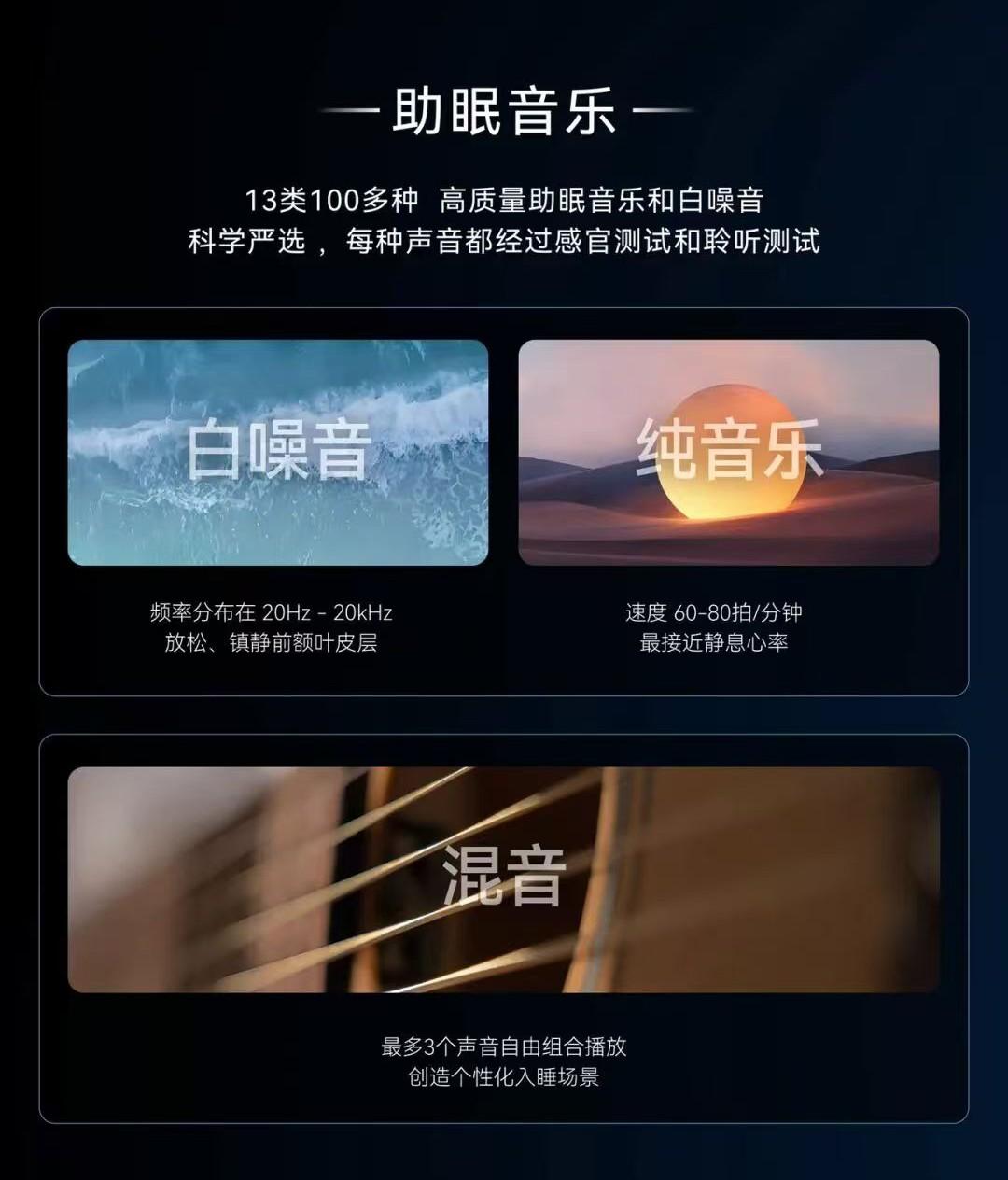
「数字睡眠OS 3.0」以树状产品架构呈现,涵盖助眠音乐、冥想正念、助眠故事和健康计划四大核心模块:

助眠音乐模块依托神经声学原理,针对入睡放松期与浅睡过渡期设计差异化声音频谱,辅助用户大脑波形从β波向θ波平稳过渡。

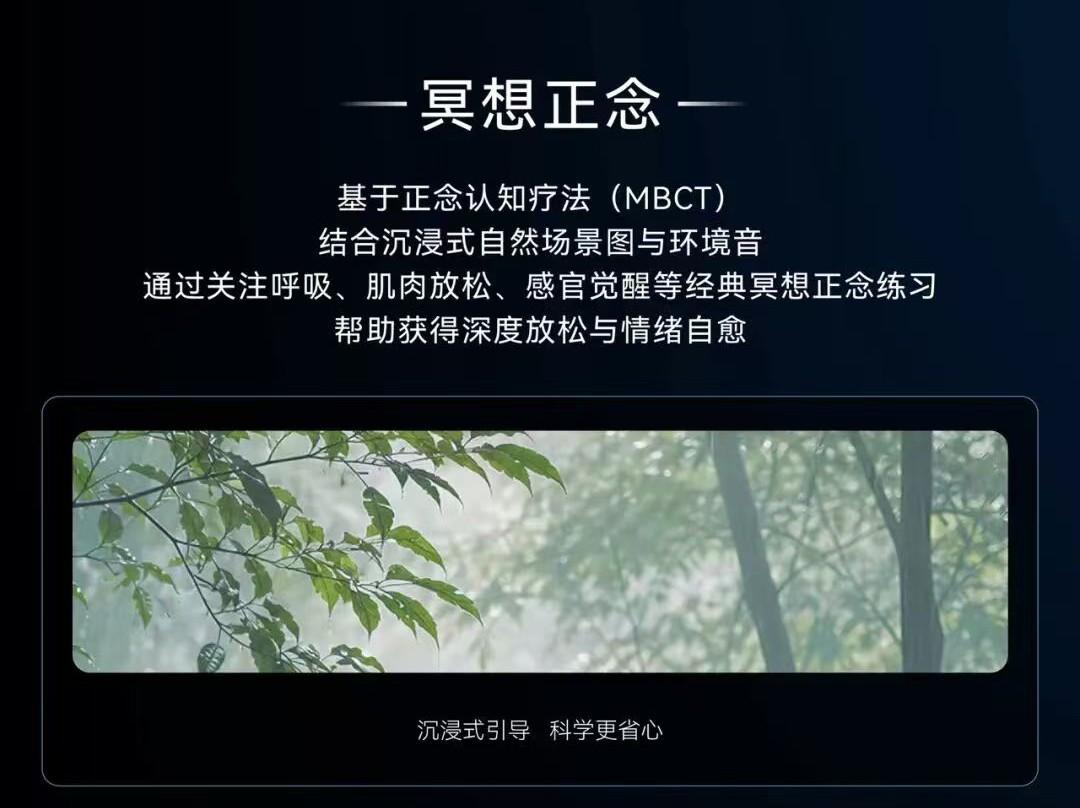
冥想正念模块收录180余条MCT音频内容,结合沉浸式自然场景图与环境音,通过关注呼吸、肌肉放松、感官觉醒等经典冥想正念练习,帮助获得深度放松与情绪自愈。

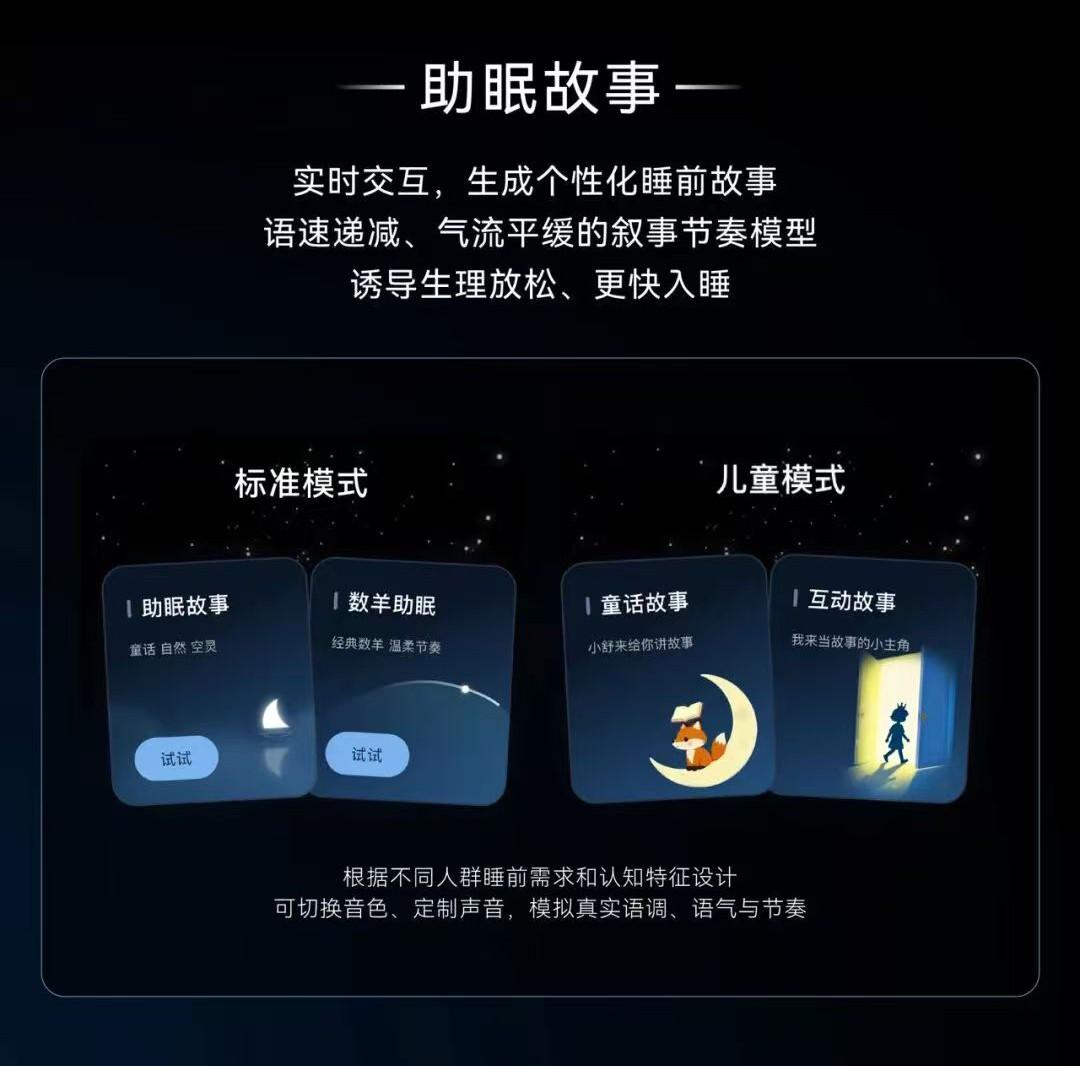
助眠故事模块采用叙事注意力分散机制,通过低刺激、慢节奏的内容降低前额叶皮层过度激活,产品已完成成人标准模式与儿童专属模式的用户分层。

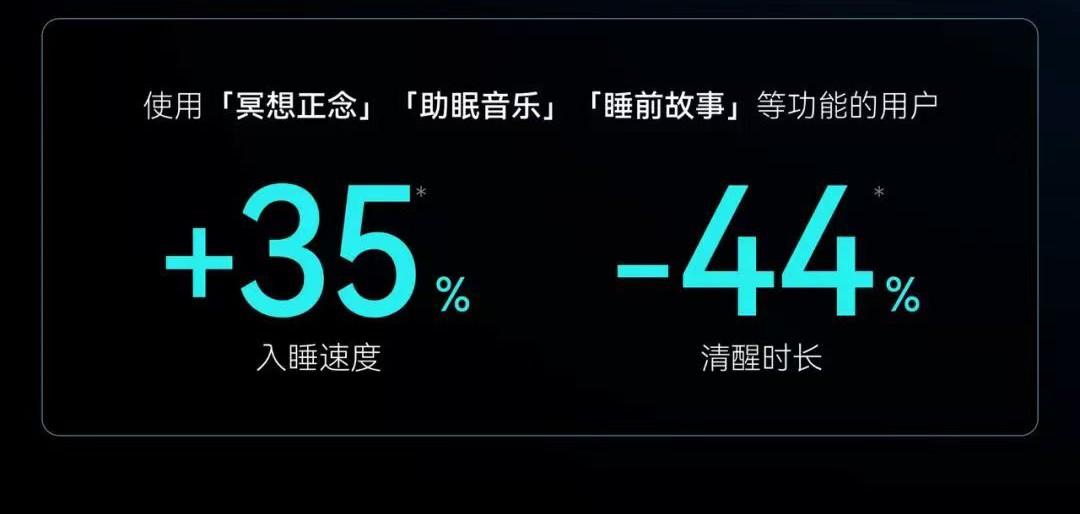
平台实测显示,用户使用助眠音乐、冥想正念和睡前故事等功能后,入睡速度加快35%,清醒时长减少44%。

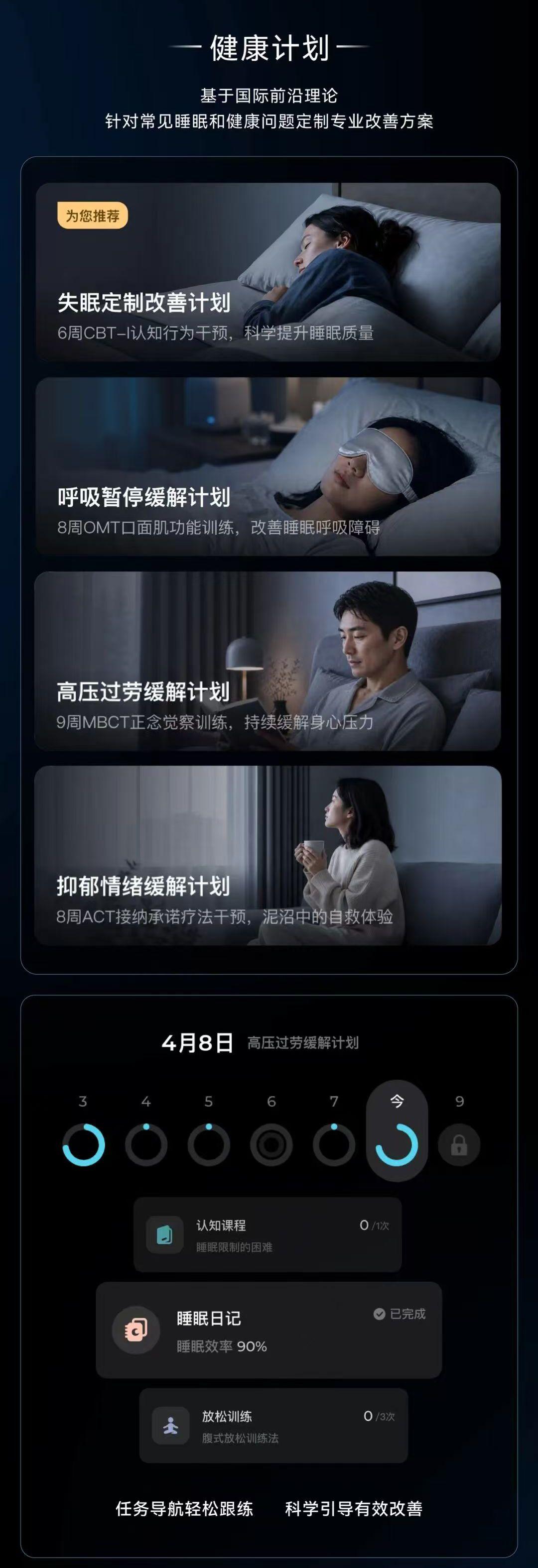
健康计划模块基于国际前沿理论,针对常见睡眠和健康问题定制专业改善方案,提供失眠定制改善计划、呼吸暂停缓解计划、高压过劳缓解计划、抑郁情绪缓解计划等个性化方案。

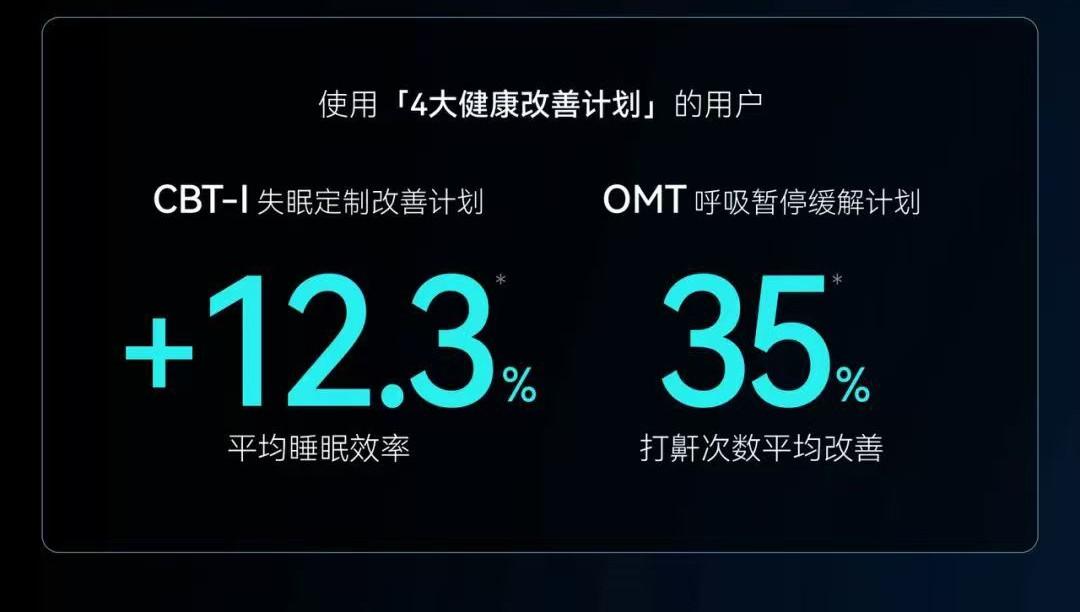
平台数据显示,使用上述四大健康改善计划的用户,平均睡眠效率提升12.3%,打鼾次数平均改善35%。

从个人干预到家庭覆盖,首月免费开放体验

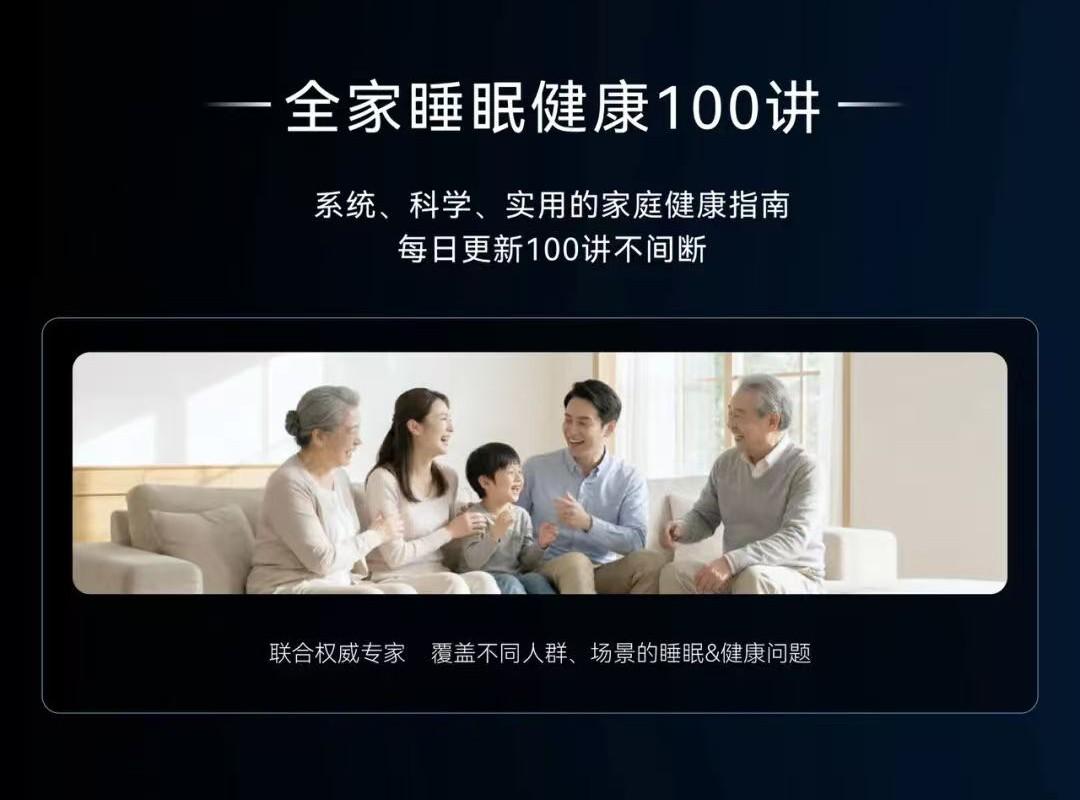
此次发布同步上线的「全家睡眠健康100讲」内容产品,将服务场景从个体用户延伸至家庭单元,覆盖老年睡眠障碍管理、儿童睡前情绪疏导及职场高压人群综合干预三大家庭场景,为平台从个人订阅向家庭健康管理套餐升级提供内容支撑。

为降低用户决策门槛,平台同步推出首月免费体验权益,用户可通过官方渠道直接激活,无需预付费用。后续将持续追踪用户睡眠数据变化,以量化效果反馈支撑续费决策。

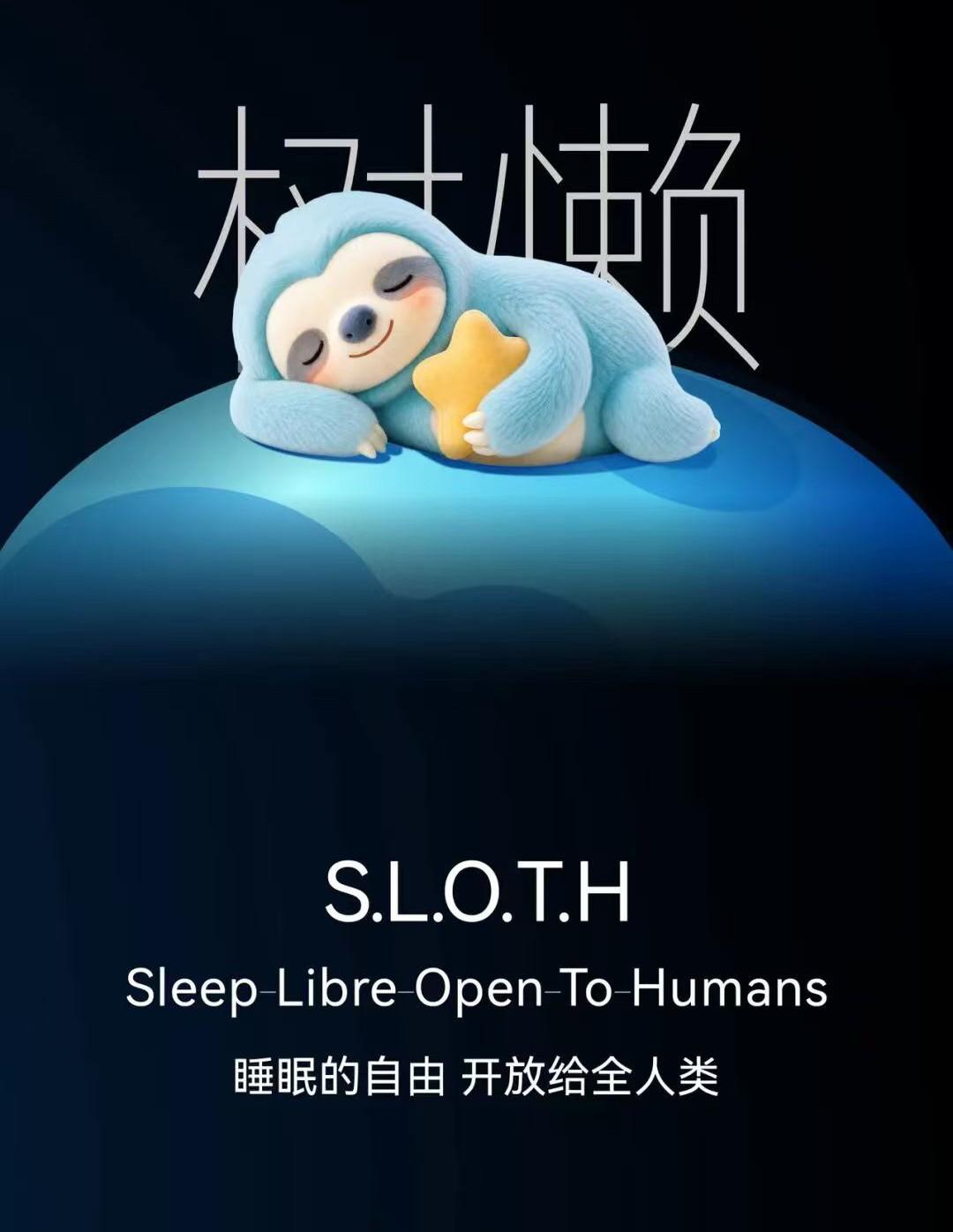
舒福德品牌以树懒为形象载体,品牌英文全称为「Sleep Libre Open To Humans」,中文释义「睡眠的自由,开放给全人类」,传达品牌对睡眠权利普惠化的长期愿景。


文章来源:马蹄社

广告
微信
朋友圈

FAQ回顾

舒福德数字睡眠OS 3.0包含哪些核心功能?

舒福德数字睡眠OS 3.0包含四大核心模块:基于神经声学原理的助眠音乐、包含180余条MCT音频的冥想正念、采用叙事注意力分散机制的助眠故事,以及针对常见睡眠健康问题的个性化健康计划。

使用舒福德数字睡眠OS后,用户的睡眠改善效果如何?

平台实测显示,使用助眠音乐、冥想正念和睡前故事等功能后,用户入睡速度加快35%,清醒时长减少44%。使用健康改善计划的用户,平均睡眠效率提升12.3%,打鼾次数平均改善35%。

舒福德如何降低用户使用数字睡眠OS 3.0的门槛?

舒福德同步推出了首月免费体验权益,用户可通过官方渠道直接激活,无需预付费用,以此降低决策门槛。平台还提供「全家睡眠健康100讲」内容,覆盖家庭场景。

这么好看,分享一下?

朋友圈 分享

APP内打开

赞 +1
+1
微信好友 朋友圈 新浪微博 QQ空间
关闭
收藏成功
发送
/140 0