广告
加载中

挺过短期的阵痛 海尔智家是当之无愧的出海样板

龚作仁 2026-04-29 15:31
龚作仁 2026/04/29 15:31

邦小白快读

EN
全文速览

海尔智家一季度业绩触底回暖,环比改善信号明确,短期承压但长期战略优势显著。

1. 短期业绩承压原因:北美地区遭遇暴风雪极端天气,影响近2亿人,导致物流瘫痪和销量下滑;汇兑波动带来财务损失,人民币汇率升破6.83;美国关税政策上调至50%,压缩家电利润空间。

2. 长期战略优势:海尔智家深耕全球本土化,并购GE Appliances、斐雪派克和Candy,构建全球品牌矩阵;在北美、欧洲、东南亚和澳新市场领先份额,如北美大家电第一;推进AI与数字化变革,销售费率优化1pct。

3. 实操干货:企业应专注于核心经营能力优化,应对区域性和临时性外部风险;坚持自主创牌,避开短期代工模式,通过本土化研发制造和运营管理提升韧性。

海尔智家全球品牌布局和产品研发策略成功契合消费趋势。

1. 品牌营销与渠道建设:通过并购GE Appliances等实现本土化扎根,避免代工捷径;在美国、欧洲等市场占据领先份额,如美国大家电第一,证明品牌矩阵策略有效;推动中国行业从OEM转向OBM自主品牌模式。

2. 产品研发与消费趋势:针对区域需求开发差异化产品,如欧洲节能家电、北美智能大容量产品和新兴市场高性价比机型;全球10+N研发中心支撑本土适配,捕捉增长市场需求。

3. 品牌定价与用户行为:面对关税和成本压力,海尔优化运营效率,输出管理能力提升利润率;消费趋势显示全球化不可逆,用户偏好本土化品牌,海尔经验可借鉴以应对竞争。

出海机会与风险并存,海尔智家提供可学习应对措施。

1. 政策解读与风险提示:美国关税上调至50%影响家电利润;北美极端天气导致物流瘫痪,销量下滑;汇兑波动带来短期损失,需关注汇率变动。

2. 增长市场与机会提示:海外市场如欧洲、东南亚和澳新份额领先,增长潜力大;消费需求变化体现全球化机遇,企业应转向自主创牌模式,放弃代工捷径。

3. 事件应对与可学习点:海尔通过本土化运营和数字化优化销售费率1pct,应对短期承压;扶持政策如自建渠道和服务体系,抵御外部风险;合作方式借鉴并购策略提升份额。

生产需求与数字化启示主导商业机会。

1. 产品生产和设计需求:海尔针对不同区域开发差异化产品,如节能家电、智能大容量和高性价比机型;核心零部件受关税影响,需优化设计和生产成本。

2. 商业机会与启示:全球化浪潮下,企业可效仿海尔从代工转向自主创牌,布局海外建厂和本土研发;中国制造业禀赋如供应链优势支撑出海,贸易顺差破万亿证明机会。

3. 推进数字化和电商:海尔AI与数字化变革优化成本,销售费率降1pct;启示工厂应利用数字化提升效率,解决物流瘫痪等痛点,契合电商趋势。

行业趋势与新技术解决方案应对客户痛点。

1. 行业发展趋势:全球化不可逆,海尔成功转型引领中国家电出海;短期事件如天气和汇率波动凸显行业风险,需深度服务支持。

2. 新技术应用:海尔推进AI与数字化变革,优化运营效率;研发中心针对区域需求开发产品,提供差异化解决方案。

3. 客户痛点与解决方案:物流瘫痪、成本压力和关税问题为核心痛点;海尔通过本土化运营和输出管理模式提升效率,服务商可借鉴提供类似解决方案。

运营管理与风险规避策略优化平台需求。

1. 平台最新做法与运营管理:海尔优化销售费率1pct,通过AI和数字化提升效率;全球布局体现对本土运营的需求,平台可整合管理资源。

2. 商业需求与问题:外部因素如天气、汇率和关税导致短期承压,平台需规避类似风险;海尔市场份额领先显示招商机会,如北美第一。

3. 风向规避与支持:短期风险具有区域性和临时性,平台应加强数据分析规避;扶持政策如本土化渠道建设,借鉴海尔经验提升管理。

产业动向与商业模式揭示新问题和政策启示。

1. 产业新动向:中国家电出海趋势强劲,海尔从本土龙头迈向全球;新问题如关税政策影响和汇率波动凸显外部挑战。

2. 政策法规建议与启示:美国关税上调启示贸易政策需适应;中国制造业禀赋如供应链优势支撑全球化,未来政策应支持自主创牌。

3. 商业模式分析:海尔从OEM转向OBM模式,实现盈亏平衡;并购策略和本土化研发制造提供转型启示,商业模式强调能力输出筑壁垒。

返回默认
声明:快读内容全程由AI生成,请注意甄别信息。如您发现问题,请发送邮件至 run@ebrun.com 。

我是 品牌商 卖家 工厂 服务商 平台商 研究者 帮我再读一遍。

Quick Summary

Haier Smart Home's Q1 performance shows signs of bottoming out and recovery, with clear sequential improvement signals. While facing short-term pressure, its long-term strategic advantages are significant.

1. Short-term performance pressures: Extreme blizzards in North America affected nearly 200 million people, causing logistics paralysis and sales decline; exchange rate fluctuations (RMB breaking 6.83) led to financial losses; U.S. tariff hikes to 50% compressed home appliance profit margins.

2. Long-term strategic advantages: Haier Smart Home has deeply cultivated global localization, acquiring GE Appliances, Fisher & Paykel, and Candy to build a global brand portfolio; it holds leading market shares in North America, Europe, Southeast Asia, and Australia/New Zealand (e.g., #1 in major appliances in North America); it is advancing AI and digital transformation, optimizing its sales expense ratio by 1 percentage point.

3. Practical insights: Companies should focus on optimizing core operational capabilities to address regional and temporary external risks; insist on building their own brands instead of short-term OEM models, and enhance resilience through localized R&D, manufacturing, and operations management.

Haier Smart Home's global brand layout and product R&D strategy successfully align with consumer trends.

1. Brand marketing and channel building: Achieving local roots through acquisitions like GE Appliances, avoiding the shortcut of OEM; holding leading shares in markets like the U.S. and Europe (e.g., #1 in U.S. major appliances) proves the effectiveness of its brand portfolio strategy; promoting the Chinese industry's shift from OEM to OBM own-brand models.

2. Product R&D and consumer trends: Developing differentiated products for regional needs, such as energy-efficient appliances for Europe, smart large-capacity products for North America, and cost-effective models for emerging markets; supported by its global 10+N R&D centers for local adaptation and capturing growth market demand.

3. Brand pricing and user behavior: Facing tariff and cost pressures, Haier optimizes operational efficiency and exports management capabilities to improve profit margins; consumer trends indicate globalization is irreversible, with users preferring localized brands – Haier's experience is a reference for coping with competition.

Going global presents both opportunities and risks; Haier Smart Home offers learnable countermeasures.

1. Policy interpretation and risk alerts: U.S. tariff hikes to 50% impact appliance profits; extreme weather in North America caused logistics paralysis and sales decline; exchange rate fluctuations cause short-term losses, necessitating attention to currency movements.

2. Growth markets and opportunity alerts: Overseas markets like Europe, Southeast Asia, and Australia/New Zealand, where Haier holds leading shares, offer significant growth potential; changing consumer demand reflects globalization opportunities – companies should shift to own-brand models and abandon OEM shortcuts.

3. Incident response and learnable points: Haier copes with short-term pressure through localized operations and digital optimization, reducing its sales expense ratio by 1 pct; supportive measures like self-built channels and service systems help resist external risks; partnership approaches can learn from its acquisition strategy to increase market share.

Production demand and digitalization insights highlight commercial opportunities.

1. Product production and design needs: Haier develops differentiated products for different regions, such as energy-efficient appliances, smart large-capacity models, and cost-effective versions; core components are affected by tariffs, requiring optimization of design and production costs.

2. Commercial opportunities and insights: Under the wave of globalization, companies can emulate Haier's shift from OEM to own-brand manufacturing, deploying overseas factories and local R&D; China's manufacturing advantages, like supply chain prowess (evidenced by a trade surplus exceeding trillion), support going global.

3. Advancing digitalization and e-commerce: Haier's AI and digital transformation optimize costs, reducing the sales expense ratio by 1 pct; factories should leverage digitalization to enhance efficiency, address pain points like logistics paralysis, and align with e-commerce trends.

Industry trends and new technology solutions address client pain points.

1. Industry development trends: Globalization is irreversible, with Haier's successful transformation leading Chinese home appliance exports; short-term events like weather and exchange rate volatility highlight industry risks, requiring deep service support.

2. New technology applications: Haier advances AI and digital transformation to optimize operational efficiency; its R&D centers develop products tailored to regional needs, providing differentiated solutions.

3. Client pain points and solutions: Logistics paralysis, cost pressures, and tariff issues are core challenges; Haier enhances efficiency through localized operations and exporting management models – service providers can draw lessons to offer similar solutions.

Operations management and risk avoidance strategies optimize platform needs.

1. Platform's latest practices and operations management: Haier optimized its sales expense ratio by 1 pct, enhancing efficiency through AI and digitalization; its global layout reflects the need for local operations, which platforms can integrate into management resources.

2. Business demands and issues: External factors like weather, exchange rates, and tariffs cause short-term pressure, requiring platforms to avoid similar risks; Haier's leading market shares (e.g., #1 in North America) indicate merchant acquisition opportunities.

3. Risk avoidance and support: Short-term risks are regional and temporary; platforms should strengthen data analysis for avoidance; supportive policies, like localized channel building, can draw on Haier's experience to improve management.

Industry movements and business models reveal new issues and policy implications.

1. New industry movements: The trend of Chinese home appliance exports is strong, with Haier transitioning from a domestic leader to a global player; new challenges like tariff policy impacts and exchange rate volatility highlight external pressures.

2. Policy and regulatory suggestions and implications: U.S. tariff hikes suggest trade policies need adaptation; China's manufacturing advantages, such as supply chain strength, support globalization, and future policies should support own-brand creation.

3. Business model analysis: Haier's shift from OEM to OBM models achieves breakeven; its acquisition strategy and localized R&D/manufacturing offer transformation insights, with the business model emphasizing capability export to build barriers.

Disclaimer: The "Quick Summary" content is entirely generated by AI. Please exercise discretion when interpreting the information. For issues or corrections, please email run@ebrun.com .

I am a Brand Seller Factory Service Provider Marketplace Seller Researcher Read it again.

4月27日,海尔智家2026年一季报正式出炉。数据显示,海尔智家一季度营收736.87亿元,归母净利润46.52亿元,环比2025年四季度提升24pct。这一环比改善,标志着业绩拐点正式到来。

挺过短期的阵痛,从长期维度看,海尔智家的回暖,主要原因之一是其深耕多年的全球本土化在发力。这也为行业其他企业出海抵御外部风险树立了样板。

短期看:

业绩触底回暖,环比改善信号明确

回顾2025年四季度,受行业需求疲软、海外关税及成本压力等影响,国内家电龙头普遍承压,海尔智家也经历了阶段性调整。

进入2026年一季度,行业基本面逐步触底回暖,海尔智家虽然经营改善,但整体业绩仍有短期承压,核心原因集中在北美市场的多重短期冲击。

其一,北美地区一季度遭遇多轮暴风雪极端天气。1-2月强风暴席卷美国30多个州,影响近2亿人,导致物流、零售系统瘫痪,旗下GE Appliances的线下销量出现阶段性下滑,直接拖累整体业绩表现。

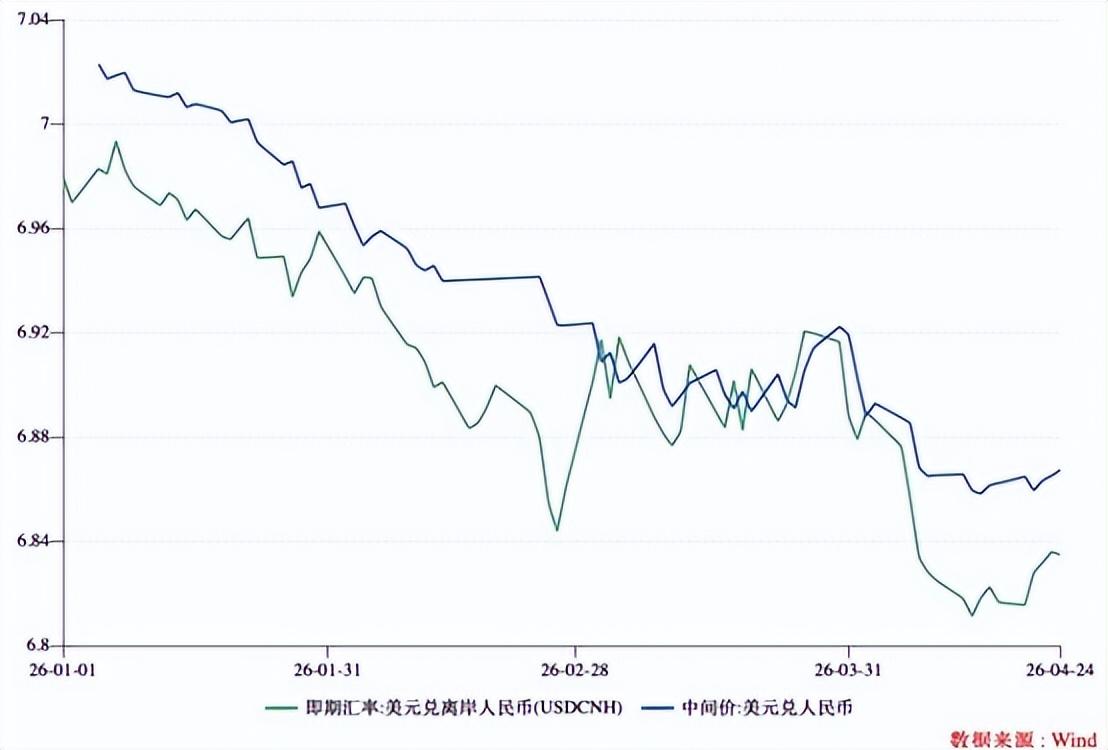
其二,汇兑波动带来额外财务压力。春节后,随着美元的快速走弱,人民币汇率出现快速升值。2月26日,离岸人民币兑美元一度升破6.83关口,创2023年4月14日以来新高。对于海尔智家的海外业务,汇率波动带来了阶段性的汇兑损失,也是短期业绩承压的因素之一。

图:2026年人民币兑美元汇率波动剧烈

其三,关税政策的持续影响进一步凸显。美国此前已将钢铝及钢铝衍生品关税从25%上调至50%,该政策覆盖多种家电核心零部件及成品,直接压缩了海尔智家北美业务的利润空间。加之美国市场在其整体营收中占比偏高,这也成为拖累公司一季度整体业绩的重要因素。

值得注意的是,这种承压具有明显的区域性和临时性。剔除北美市场后,海尔智家Q1经营利润合计增长10%以上。这充分说明企业核心经营能力未受影响,业绩承压仅为短期外部因素导致。

总的来看,海尔智家海外市场表现仍是可圈可点的。北美市场,GE Appliances稳居美国大家电份额第一;欧洲市场,海尔智家白电品牌整体份额位列中国企业首位;东南亚市场,越南、泰国等核心国家销量稳居第一;澳新市场,海尔和斐雪派克双品牌大白电第一。

同时,海尔智家在全球范围内推进AI与数字化变革,2026Q1销售费率再优化1pct,为后续发展筑牢根基。

长期看:

全球化布局,契合中国制造业禀赋

短期业绩看周期修复,长期增长看战略定力。海尔智家的全球化,从来不是简单的“产品出海”,而是深度契合中国制造业优势的必然选择。

为什么中国能成为全球制造大国?答案藏在不可复制的禀赋里:规模最大的工程师群体、全球最完善的供应链、领先的生产效率,还有成熟的产业集群效应。

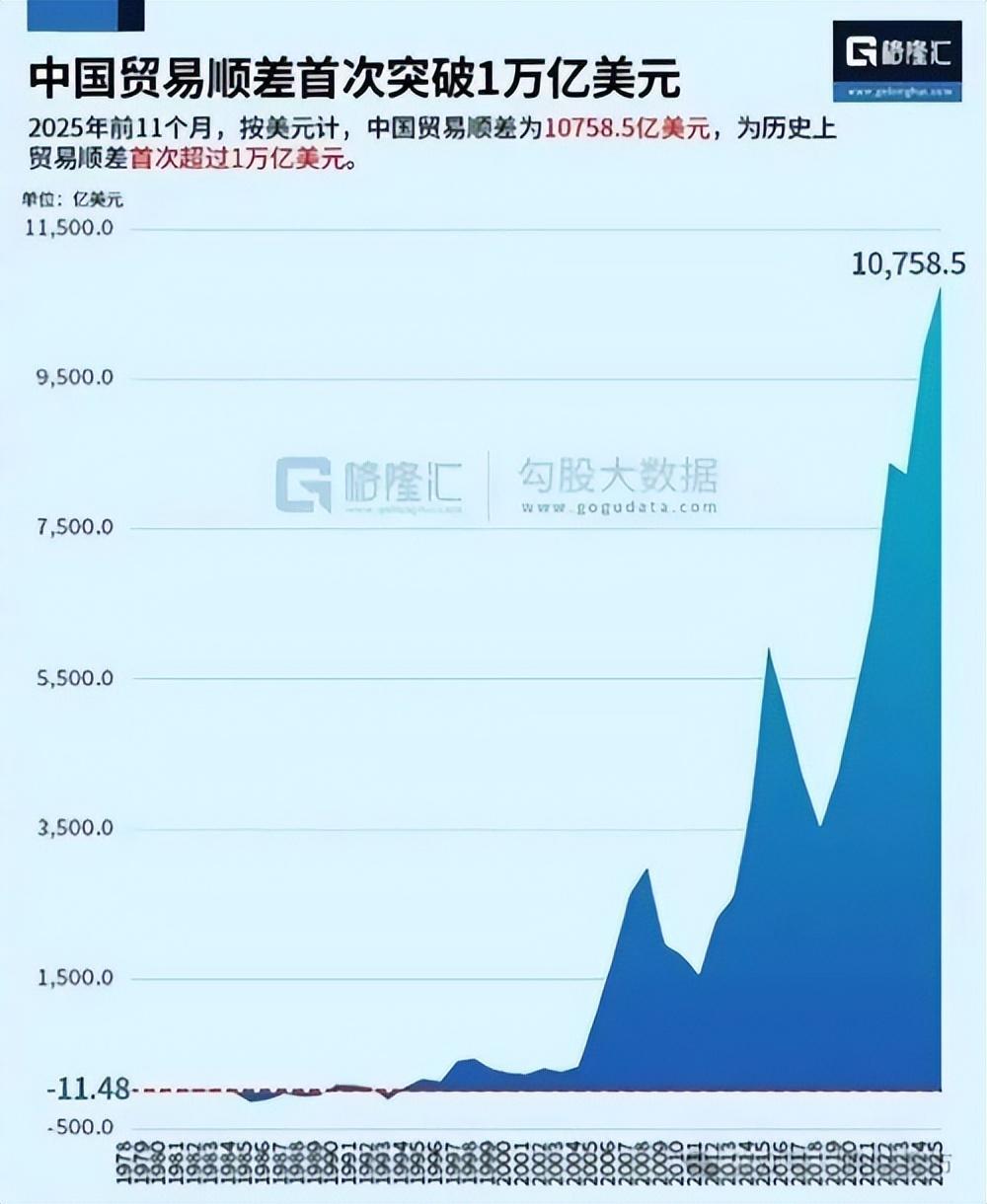
海关总署数据显示,2025年中国贸易顺差突破一万亿美元,即便历经中美贸易摩擦,制造业出海势头依然强劲,这正是中国制造业硬实力的最好证明。

图:中国贸易顺差突破一万亿美元

而海尔智家,正是最早践行“自主创牌、本土化扎根”的龙头企业。他没有走短期代工换汇的捷径,而是选择了一条“难而正确”的路——自主培育品牌、本土化研发制造。从并购美国GE Appliances、新西兰斐雪派克,到布局意大利Candy,海尔智家构建起全球品牌矩阵,用25年时间实现海外业务盈亏平衡,如今已进入收获期。

这种模式,带动中国家电行业从“赚代工小钱”转向“创品牌大钱”,引领中国企业从OEM、ODM模式,成功跨越到OBM自主品牌制造的新阶段。随着中国全球竞争力的体现,未来中国会像当年日本那样,从本土化龙头成为全球化龙头。

能力输出筑壁垒,长期增长更具确定性

海尔智家的全球化,本质上是管理能力、技术能力和优秀人才的全面输出,这也是其区别于同行的核心竞争力。

以美国市场为例,并购GE Appliances后,海尔智家输出管理模式,大幅提升了本土企业的运营效率,推动海外利润率逐步向国内靠拢,实现双赢。

在技术研发上,海尔智家在全球布局10+N大研发中心,针对不同区域需求开发差异化产品——欧洲的节能家电、北美的智能大容量产品、新兴市场的高性价比机型,真正实现“全球研发、本土适配”。

从短期看,Q1业绩触底回暖确立修复趋势;中期看,全球化深化+高端化推进,盈利持续改善;长期看,依托中国制造业禀赋,海尔智家正从本土龙头成长为全球龙头。

随着海尔智家自主创牌的成功落地,国内家电行业越来越多企业纷纷跟随转型,放弃短期代工捷径,全力布局自有品牌。而自主创牌从来没有捷径可走,布局建厂、深耕渠道、搭建本地服务等重投入环节,是所有企业绕不开的必经之路,而海尔智家早在上世纪90年代就率先布局,历经30多年沉淀形成的先发优势,让其在行业转型浪潮中占据领先地位。

中国制造业的全球化浪潮不可逆,海尔智家作为出海样板,既用短期业绩证明了自身韧性,也用长期布局锚定了价值增长。

注:文/龚作仁,文章来源:Laborer,本文为作者独立观点,不代表亿邦动力立场。

文章来源:Laborer

广告
微信
朋友圈

这么好看,分享一下?

朋友圈 分享

APP内打开

+1
+1
微信好友 朋友圈 新浪微博 QQ空间
关闭
收藏成功
发送
/140 0