广告
加载中

Lululemon深陷PFAS调查风波 健康环保“人设”频遭质疑

廖紫琳 2026-04-15 10:38
廖紫琳 2026/04/15 10:38

邦小白快读

EN
全文速览

Lululemon因PFAS调查风波,健康环保形象受质疑,引发市场关注。

1. 重点事件:美国得州总检察长调查Lululemon产品可能含PFAS(全氟及多氟烷基物质),该物质被称为“永久性化学物”,与内分泌紊乱、不孕不育、甲状腺癌等健康风险相关,导致股价当日下跌4.5%。

2. 公司回应:Lululemon称当前全线产品未使用PFAS,历史仅在少数防水产品中少量应用且已于2023财年淘汰,将配合提供检测数据;中国区声明所有在售产品不含PFAS,符合中国法规。

3. 财报数据:2026财年全球净营收111亿美元(同比增长5%,创上市最低增速),归母净利润15.79亿美元(同比下降12.97%),毛利率大幅下滑(第四季度同比下降550个基点),北美市场疲软(全年营收降1%),中国大陆成唯一亮点(全年营收增29%,但占比仅16%)。

4. 历史问题:2024年Stand.earth报告指其供应链排放三年翻倍,被疑“漂绿”;去年因国内电商平台虚假宣传“燃脂、塑形”功效被罚;多次因售后双标、面料起球等质量问题,黑猫投诉平台投诉量达2100多条。

5. 实操干货:事件提醒消费者,企业健康环保形象需真实供应链管控支撑,否则面临监管和市场反噬。

Lululemon事件暴露品牌营销与产品研发风险,影响消费信任。

1. 品牌营销危机:PFAS调查直接冲击其健康、可持续人设,股价下跌引发关注;此前虚假宣传“燃脂、塑形”功效被罚,积累负面口碑,损害高端定位。

2. 产品研发需求:PFAS历史使用凸显合规漏洞,需加强化学物质管控;质量问题如起球、缝线开裂,反映品控短板,影响用户行为观察。

3. 消费趋势与渠道:中国大陆市场全年营收增29%,成为增长亮点,但占比仅16%,品牌渠道建设需强化以对冲北美疲软(北美营收降1%)。

4. 品牌定价策略:受促销和关税影响,毛利率下降550个基点,显示价格竞争压力;用户行为中,环保承诺遭“漂绿”质疑,影响消费忠诚度。

5. 教训启示:健康生活方式卖点需真实产品安全支撑,避免“重营销、轻合规”,否则动摇品牌根基。

政策风险与市场机会并存,Lululemon事件提供实操应对参考。

1. 政策解读:得州PFAS调查涉及产品安全误导,可能带来法律风险,需关注监管动向;Lululemon快速回应、提供数据,示范合规应对措施。

2. 增长市场:中国大陆全年营收增29%、第四季度增24%,是唯一亮点,占比虽小但机会大,可针对性拓展消费需求。

3. 风险提示:调查风波导致股价下跌、信任危机;供应链排放“漂绿”质疑、虚假宣传罚款等负面事件,积累投诉2100多条,提示诚信风险。

4. 机会提示:稳定中国市场可对冲北美颓势(北美占比71%但营收降);事件中可学习点包括强化供应链管控、真实宣传,避免类似问题。

5. 事件应对措施:面对负面,Lululemon分区域声明(如中国区保障安全),卖家可借鉴此双轨策略。

生产合规与商业机会为核心,事件启示供应链强化。

1. 产品生产需求:PFAS历史使用被调查,强调避免有害化学物质,确保产品安全;质量问题如起球、缝线开裂反映设计缺陷,需优化面料和缝制工艺。

2. 商业机会:中国大陆市场营收增29%,显示需求增长,可拓展合作或OEM机会;北美疲软但占比高,提示产能调整可能。

3. 推进数字化启示:供应链范围三排放三年翻倍,被指“漂绿”,需数字化监控减少碳排放;事件启示工厂采用检测技术保障合规。

4. 风险管控:环保合规不足引发调查,工厂需加强原料审核和生产标准,以支撑品牌形象。

5. 机会:市场聚焦中国市场稳定策略,工厂可开发高性能替代材料,满足增长需求。

行业趋势向合规强化,客户痛点与解决方案凸显。

1. 行业发展趋势:PFAS调查和“漂绿”质疑显示监管加强,企业环保健康形象需真实支撑,趋势朝向严格供应链管控和透明化。

2. 客户痛点:品牌信任危机(Lululemon股价下跌、投诉累积)、供应链排放翻倍、产品安全漏洞(PFAS风险和虚假宣传),痛点在于合规不足。

3. 解决方案:提供检测服务确保产品无有害物质;针对排放问题,开发数字化监控系统减少“漂绿”风险;帮助客户应对政策调查,如提供数据支持。

4. 新技术需求:隐含供应链监控技术(如排放追踪),服务商可开发工具强化合规;案例中Lululemon回应需检测数据,提示服务市场机会。

5. 整体启示:服务商应聚焦环境健康安全(EHS)解决方案,帮助客户规避风险,提升品牌诚信。

平台运营需规避风险,强化审核与合规管理。

1. 商业对平台需求和问题:Lululemon在国内电商平台虚假宣传被罚,显示品牌违规行为(如无科学依据的“燃脂”功效),引发平台声誉风险;售后双标和投诉问题,提示用户信任危机影响平台生态。

2. 平台的最新做法:无直接描述,但事件启示平台需加强审核机制,监测商家产品安全(如PFAS合规)和宣传真实性,避免类似处罚。

3. 平台招商与运营管理:中国大陆市场增长29%,平台可招商类似品牌,但需确保其供应链合规;运营中管理风险,如设置质量检测标准。

4. 风向规避:调查风波导致品牌负面,平台应及时下架问题商品或警告;长期监控环保承诺(如“净零排放”),防止“漂绿”影响平台形象。

5. 机会:稳定中国市场策略,平台可提供扶持政策吸引增长品牌,优化运营。

产业新动向与政策启示,商业模式问题凸显。

1. 产业新动向:PFAS调查揭示运动休闲行业健康环保风险,供应链排放三年翻倍被疑“漂绿”,显示环保合规成为焦点动向。

2. 新问题:Lululemon“重营销、轻合规”问题集中爆发,包括产品化学物质管控缺失、宣传真实性漏洞(虚假广告被罚)、售后双标,积累消费者不信任。

3. 政策法规建议与启示:得州调查提示需加强产品安全监管,企业应以真实检测数据支撑承诺;事件启示政策制定者强化供应链排放标准,避免“漂绿”。

4. 商业模式分析:高端定位根基动摇(毛利率下降、营收增速最低),模式依赖营销但忽略合规,需平衡以可持续;中国市场增长29%为案例,研究区域差异化策略。

5. 研究价值:事件作为案例,可分析监管反噬机制(股价下跌、信任危机),提供产业优化建议。

返回默认

声明:快读内容全程由AI生成,请注意甄别信息。如您发现问题,请发送邮件至 run@ebrun.com 。

我是 品牌商 卖家 工厂 服务商 平台商 研究者 帮我再读一遍。

Quick Summary

Lululemon faces market scrutiny as its health and eco-friendly image is questioned amid a PFAS investigation.

1. Key Event: The Texas Attorney General is investigating potential PFAS (per- and polyfluoroalkyl substances) in Lululemon products. These "forever chemicals" are linked to health risks like endocrine disruption, infertility, and thyroid cancer, causing a 4.5% stock drop.

2. Company Response: Lululemon claims current products are PFAS-free, with historical use limited to a few waterproof items phased out in FY2023. It will provide test data; its China division states all products comply with local regulations.

3. Financials: FY2026 global net revenue reached $11.1 billion (up 5% YoY, the slowest growth since IPO), with net profit attributable to shareholders at $1.579 billion (down 12.97% YoY). Gross margin fell sharply (Q4 down 550 bps), North America weakened (full-year revenue down 1%), while mainland China was the sole bright spot (full-year revenue up 29%, though only 16% of total).

4. Historical Issues: A 2024 Stand.earth report accused its supply chain emissions of doubling in three years, raising "greenwashing" concerns. It was fined last year for false "fat-burning" claims on Chinese e-commerce platforms and has over 2,100 complaints on Black Cat platform for issues like quality and after-sales double standards.

5. Takeaway: The incident reminds consumers that corporate eco-friendly claims require genuine supply chain oversight, or else face regulatory and market backlash.

The Lululemon incident exposes risks in brand marketing and product development, eroding consumer trust.

1. Marketing Crisis: The PFAS probe directly undermines its health/sustainability positioning, with stock decline drawing attention. Past fines for false "fat-burning" claims compound negative sentiment, damaging its premium image.

2. R&D Needs: Historical PFAS use highlights compliance gaps, necessitating stricter chemical management. Quality issues like pilling and seam failures reflect poor control, affecting user behavior.

3. Consumer Trends & Channels: Mainland China revenue grew 29% annually, a key growth driver, but only 16% of total. Brand channel development must accelerate to offset North American weakness (revenue down 1%).

4. Pricing Strategy: Gross margin fell 550 bps due to promotions and tariffs, indicating price competition. "Greenwashing" accusations around environmental pledges impact consumer loyalty.

5. Lesson: Health-focused branding must be backed by genuine product safety; overemphasizing marketing while neglecting compliance risks destabilizing the brand foundation.

Lululemon's case offers practical insights into navigating policy risks and market opportunities.

1. Policy Interpretation: The Texas PFAS investigation involves product safety misrepresentation, posing legal risks. Sellers should monitor regulatory trends; Lululemon's swift response and data provision exemplify compliance handling.

2. Growth Market: Mainland China revenue rose 29% annually (24% in Q4), the sole bright spot. Though small in share, it presents expansion potential for targeted consumer demand.

3. Risk Alert: The probe triggered stock declines and trust issues. "Greenwashing" accusations, false advertising fines, and over 2,100 complaints highlight integrity risks.

4. Opportunity: Stabilizing China operations can counter North American downturns (71% share but revenue down 1%). Lessons include strengthening supply chain control and truthful marketing to avoid similar issues.

5. Response Strategy: Lululemon's regional statements (e.g., China's safety assurance) demonstrate a dual-track approach sellers can emulate during crises.

The incident underscores the need for production compliance and supply chain reinforcement amid commercial opportunities.

1. Production Requirements: The PFAS investigation emphasizes avoiding hazardous chemicals to ensure safety. Quality flaws like pilling and seam failures indicate design issues, requiring fabric and stitching improvements.

2. Commercial Opportunity: Mainland China's 29% revenue growth signals rising demand, opening OEM or partnership prospects. North American weakness (high share but declining) suggests potential capacity adjustments.

3. Digitalization Insight: Supply chain Scope 3 emissions doubling in three years, labeled "greenwashing," calls for digital monitoring to cut carbon footprints. The case highlights adopting detection tech for compliance.

4. Risk Management: Environmental compliance failures triggering probes necessitate stricter material checks and production standards to uphold brand image.

5. Opportunity: Market focus on China's stability strategy allows factories to develop high-performance alternative materials to meet growing demand.

Industry trends point to stricter compliance, highlighting client pain points and solution opportunities.

1. Industry Trend: PFAS probes and "greenwashing" suspicions reflect tighter regulations, demanding authentic eco-health branding. The shift favors rigorous supply chain control and transparency.

2. Client Pain Points: Brand trust crises (stock drops, complaints), doubled supply chain emissions, and product safety gaps (PFAS risks, false ads) stem from compliance shortcomings.

3. Solutions: Offer testing services to eliminate hazardous substances; develop digital monitoring systems to reduce "greenwashing" risks; assist clients with policy responses via data support.

4. Tech Demand: Hidden needs for supply chain monitoring (e.g., emission tracking) create opportunities for compliance tools. Lululemon's reliance on test data indicates service market potential.

5. Insight: Providers should focus on EHS (Environment, Health, Safety) solutions to help clients mitigate risks and enhance brand integrity.

Platform operations must mitigate risks through enhanced review and compliance management.

1. Platform Challenges: Lululemon's fines for false "fat-burning" claims on Chinese e-commerce reveal brand violations that harm platform reputation. After-sales double standards and complaints threaten user trust in platform ecosystems.

2. Platform Practices: While not directly described, the incident implies needs for stricter审核 mechanisms to monitor merchant product safety (e.g., PFAS compliance) and ad authenticity, avoiding penalties.

3. Merchant Management: Mainland China's 29% growth suggests recruiting similar brands, but platforms must ensure supply chain compliance. Operations should enforce quality checks.

4. Risk Avoidance: Probes causing brand negativity require prompt delisting or warnings; long-term monitoring of eco-pledges (e.g., "net-zero") prevents "greenwashing" from tarnishing platform image.

5. Opportunity: China's stability strategy allows platforms to offer incentives for high-growth brands, optimizing operations.

The case reveals industry shifts and policy implications, highlighting business model flaws.

1. Industry Trends: The PFAS investigation exposes health/environmental risks in activewear, while supply chain emissions doubling in three years sparks "greenwashing" debates, making compliance a focal trend.

2. Emerging Issues: Lululemon's "marketing-over-compliance" approach culminates in chemical management failures, false advertising fines, and after-sales double standards, eroding consumer trust.

3. Policy Implications: The Texas probe suggests stricter product safety oversight; firms should back claims with verified data. Policymakers may tighten emission standards to curb "greenwashing."

4. Business Model Analysis: The premium positioning wobbles (margin decline, lowest revenue growth), relying on marketing while neglecting compliance. Balancing both is key to sustainability; China's 29% growth offers regional strategy insights.

5. Research Value: As a case study, it illustrates regulatory backlash mechanisms (stock drops, trust crises), providing optimization recommendations for the industry.

Disclaimer: The "Quick Summary" content is entirely generated by AI. Please exercise discretion when interpreting the information. For issues or corrections, please email run@ebrun.com .

I am a Brand Seller Factory Service Provider Marketplace Seller Researcher Read it again.

【亿邦原创】当地时间4月13日,美国得克萨斯州总检察长肯・帕克斯顿(Ken Paxton)宣布对运动休闲品牌Lululemon发起调查,称其产品可能含有全氟及多氟烷基物质(PFAS),并质疑该品牌在产品安全、健康影响方面存在误导消费者的行为。

PFAS是一种化学结构稳定、自然环境中极难降解的化学物质,有“永久性化学物”的称号。多项研究显示,PFAS还与内分泌紊乱、不孕不育、甲状腺癌等健康风险相关,这一调查直接冲击Lululemon长期塑造的健康、可持续品牌形象。消息公布后,Lululemon股价当日一度下跌4.5%,市场与消费者关注度迅速攀升。

面对调查,Lululemon方面迅速回应,美国总部发言人表示,公司当前全线产品未使用PFAS,历史上仅在少数耐用防水类功能性产品中少量应用,且已于2023财年完成全面淘汰。Lululemon方面将全力配合得州总检察长办公室提供相关文件与检测数据。4月14日晚间,Lululemon中国区也发布声明,称国内所有在售产品均不含PFAS,符合中国相关法律法规及行业标准,保障消费者使用安全。

此次风波发生在Lululemon财报增长明显放缓的关键节点。

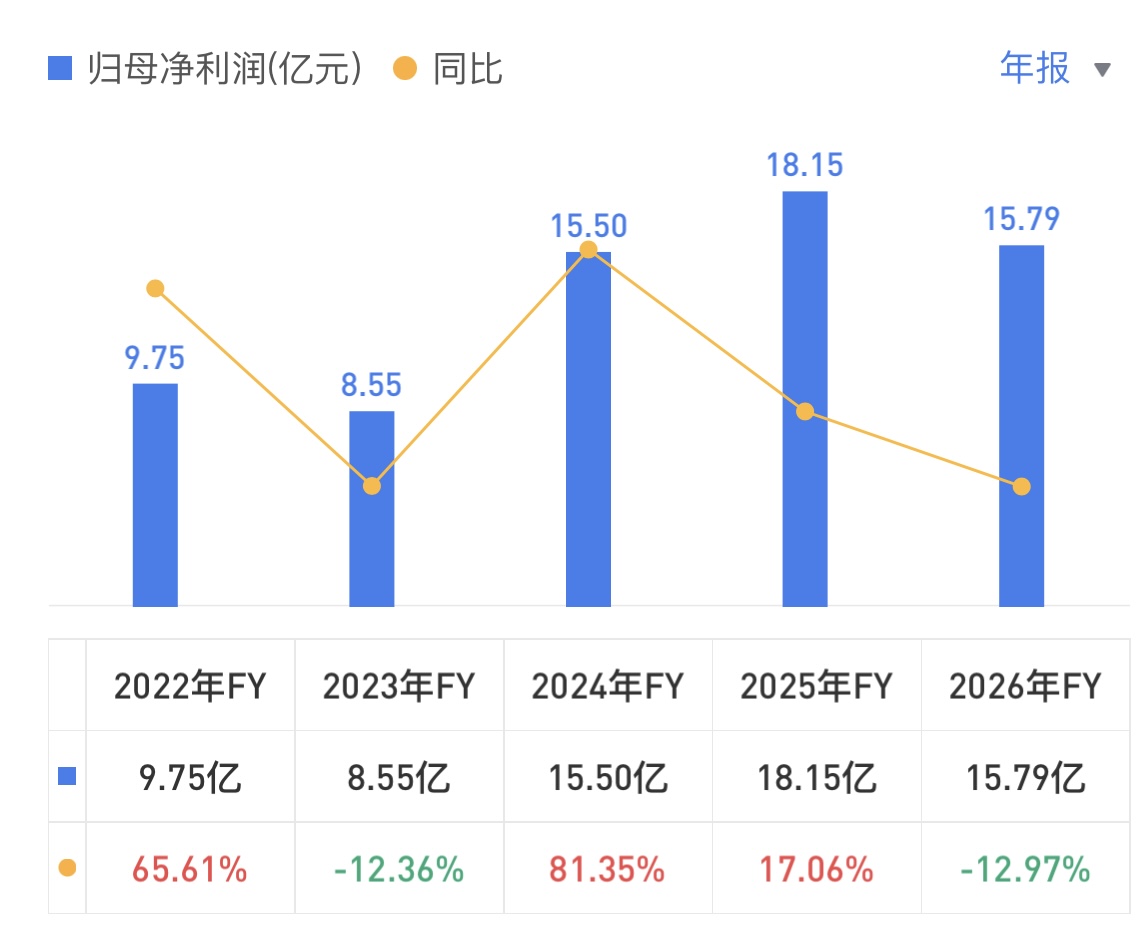
根据其2026财年(截至2026年2月)全年财报,公司全球净营收达111亿美元,首次突破百亿美元大关,但同比仅增长5%,创下上市以来最低增速,归母净利润15.79亿美元,同比下降12.97%,毛利率受关税及促销影响大幅下滑,第四季度毛利率较去年同期下降550个基点,毛利润同比下降8%。

分区域来看,北美大本营持续疲软,全年营收同比下降1%,第四季度同比下滑4%,占总营收比重仍达71%,而中国大陆市场成为唯一增长亮点,全年营收同比增长29%,第四季度同比增长24%,但仅占总营收16%,难以完全对冲北美市场的颓势。这也成为在本次调查风波中,Lululemon需要尽快“稳住”中国市场的原因所在。

与此同时,近两年来,Lululemon并非首次陷入产品安全与环保争议。2024年,国际环保组织Stand.earth发布报告,指出Lululemon供应链范围三温室气体排放三年翻倍,其高调宣传的“净零排放”“可再生电力”等环保承诺,实际仅覆盖占比极低的直接排放,核心供应链仍高度依赖化石燃料,被质疑“漂绿”。

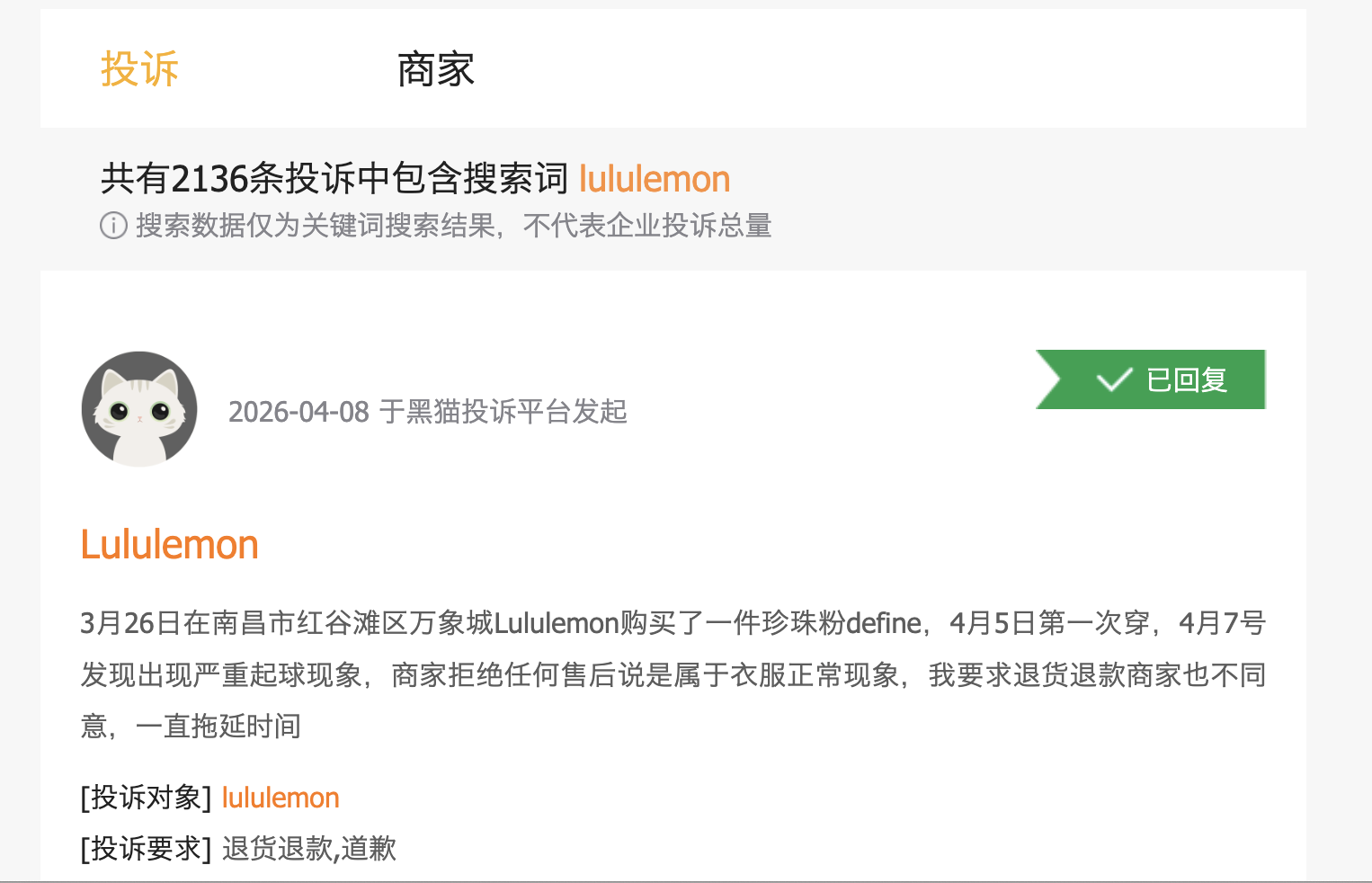
就在去年,Lululemon还因在国内电商平台发布虚假宣传广告,宣称部分产品具备无科学依据的“燃脂、塑形”功效,被杭州市市场监管部门行政处罚。此外,该品牌还多次因国内外售后政策双标、面料起球、缝线开裂等质量问题登上消费投诉平台,消费者对其高价背后的品控与诚信度质疑持续累积。在黑猫投诉平台上,关于该品牌的投诉量达2100多条。

有行业人士认为,此次PFAS调查并非孤立事件,而是Lululemon长期以来“重营销、轻合规”问题的集中爆发。品牌以健康生活方式为核心卖点,却多次在产品化学物质管控、环保承诺兑现、宣传真实性上出现漏洞,既损害消费者信任,也动摇其高端定位的根基。

目前得州调查仍在进行,最终结论尚未出炉,但这一事件已提醒行业,仅靠营销塑造的环保与健康形象,必须以严格的供应链管控、真实的产品检测与合规承诺作为支撑,否则终将面临监管与市场的双重反噬。

亿邦持续追踪报道该情报,如想了解更多与本文相关信息,请扫码关注作者微信。

文章来源:亿邦动力

广告
微信
朋友圈

这么好看,分享一下?

朋友圈 分享

APP内打开

+1
+1
微信好友 朋友圈 新浪微博 QQ空间
关闭
收藏成功
发送
/140 0